
Do I need a Streaming Media Player with a Smart TV?
The Smart TV Does Not Eliminate the Need for a Streaming Media Player
The latest Smart TVs increasingly use capable SoCs with multi-core CPUs, dedicated video decoding engines, GPU acceleration, AV1 support, Wi-Fi 6 connectivity, and modern operating systems. For residential users who primarily access mainstream streaming applications, this can make an external Streaming Media Player unnecessary.
The technical limitation is that the Smart TV is still a closed hardware platform.
A television manufacturer controls the SoC, PCBA, firmware image, operating system lifecycle, application environment, and system-level security policy. Once the TV reaches the market, the buyer generally cannot modify its PCBA layout, replace the system image, optimize the Linux or Android kernel, or deploy a proprietary OTA update framework.
That distinction matters in commercial deployments.
A hotel group may need a custom launcher and room-service interface. An IPTV operator may require middleware integration and controlled application provisioning. A digital signage company may need kiosk mode, scheduled playback, remote device monitoring, and automatic recovery. A brand owner may need the same user experience across multiple display manufacturers.
In these cases, the external Streaming Media Player is not simply a video accessory. It becomes the controllable computing layer between the display and the service platform.
When a Smart TV Is Enough
An integrated Smart TV is usually the better choice when the application is simple and the display itself provides everything required.
Typical conditions include:
-
Residential streaming
-
Standard OTT applications
-
No proprietary user interface
-
No centralized fleet management
-
No special peripheral requirements
-
No long-term firmware customization
-
No requirement to standardize hardware across multiple TV brands
For example, a consumer using a Smart TV to access mainstream OTT services does not necessarily gain meaningful value from adding another HDMI device.
The TV already contains:
-
Video decoding hardware
-
HDMI output/input interfaces
-
Wi-Fi and Ethernet
-
Application framework
-
Remote control support
-
DRM and content-protection mechanisms
-
System-level audio and video processing
Adding another device in this scenario can increase cost, power consumption, cable complexity, and support requirements without solving a real problem.
The B2B calculation changes when the display becomes part of a managed system.
When a Dedicated Streaming Media Player Becomes the Better Architecture
1. You Need Hardware Independence
A dedicated Streaming Media Player separates the display from the computing platform.
This is strategically important for system integrators.
Suppose a deployment contains 2,000 commercial displays from several manufacturers. If applications depend directly on each TV's operating system, the integrator must deal with different Android versions, APIs, firmware behavior, remote-control implementations, DRM configurations, and update schedules.
A standardized external player can provide a common software environment.
The architecture becomes:
Display → HDMI → Streaming Media Player → Network → Cloud / OTT / IPTV Platform
The display becomes largely interchangeable.
This reduces dependency on a specific TV manufacturer and makes hardware replacement easier during a multi-year deployment.
2. You Need Custom Firmware
Consumer Smart TVs are designed for mass-market requirements. B2B projects often require a completely different firmware strategy.
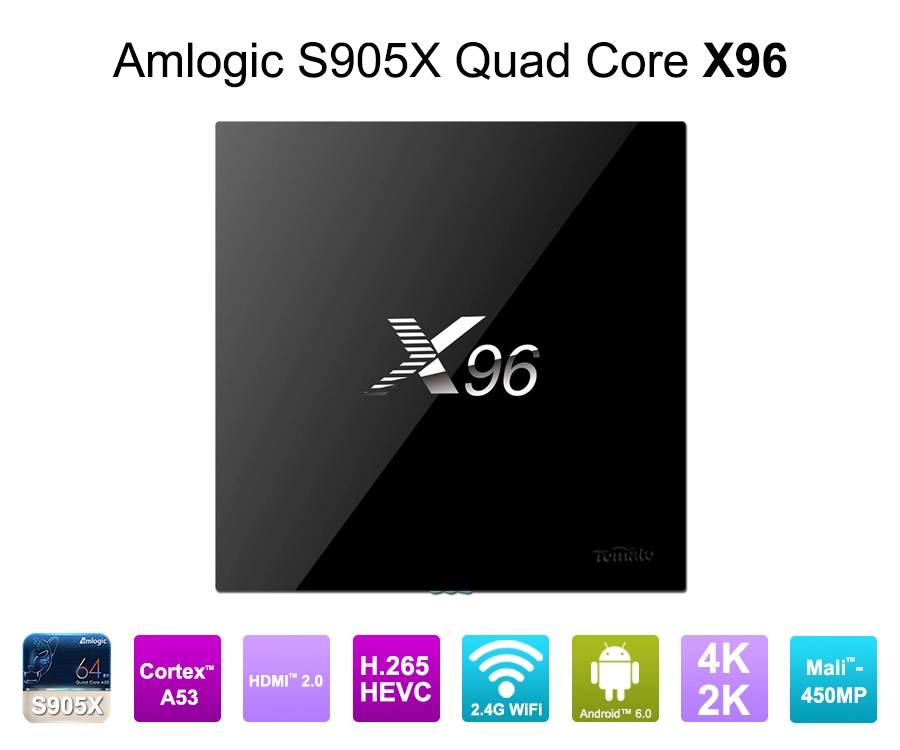
A commercial Streaming Media Player can be built around AOSP, Android TV, Linux, Debian, Ubuntu, or another suitable platform depending on the project.
Firmware-level customization can include:
-
Custom boot animation
-
Branded launcher
-
Custom UI/UX
-
Application pre-installation
-
Device Owner configuration
-
Kiosk or lock-task mode
-
Default launcher enforcement
-
Silent APK installation and updates
-
Customized system settings
-
Restricted user permissions
-
Network provisioning
-
Remote OTA updates
-
Automatic application recovery
-
Watchdog and failover mechanisms
This is where an OEM/ODM manufacturer has a substantial advantage over an off-the-shelf retail player.
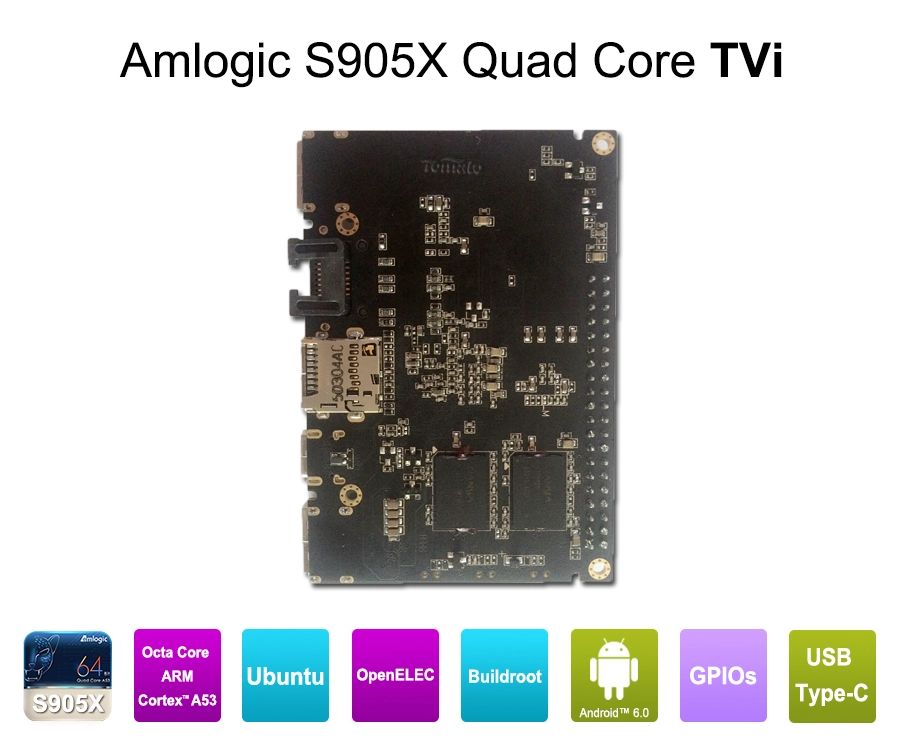
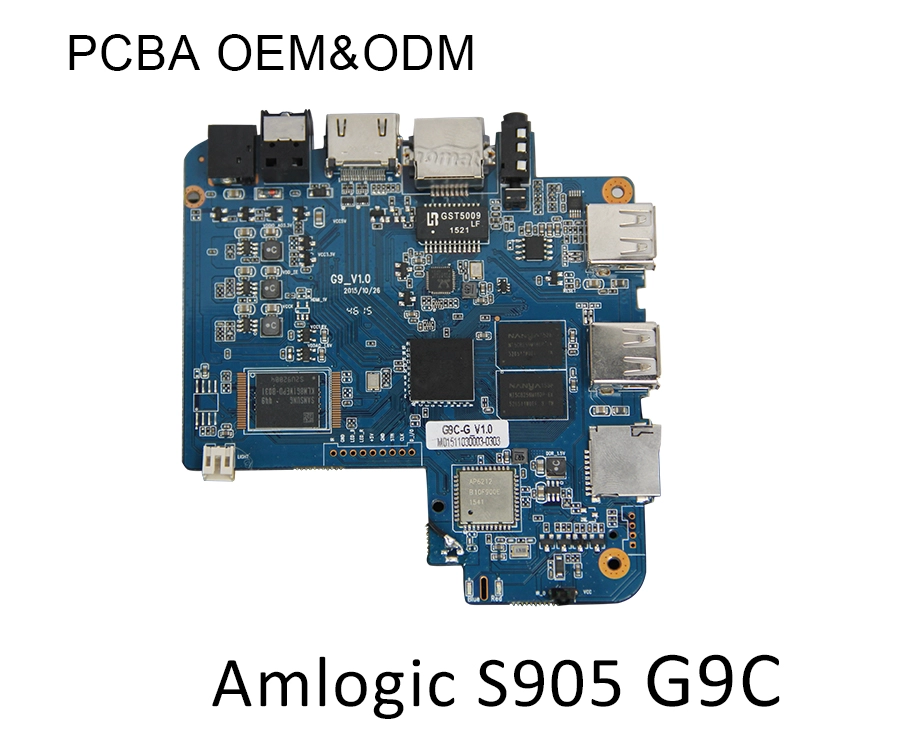
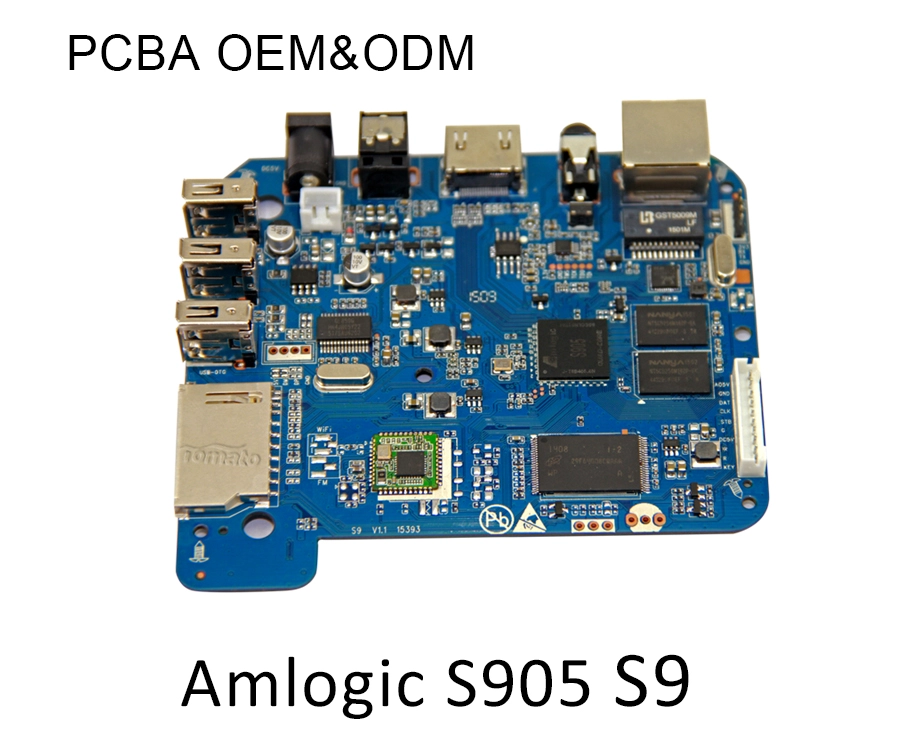
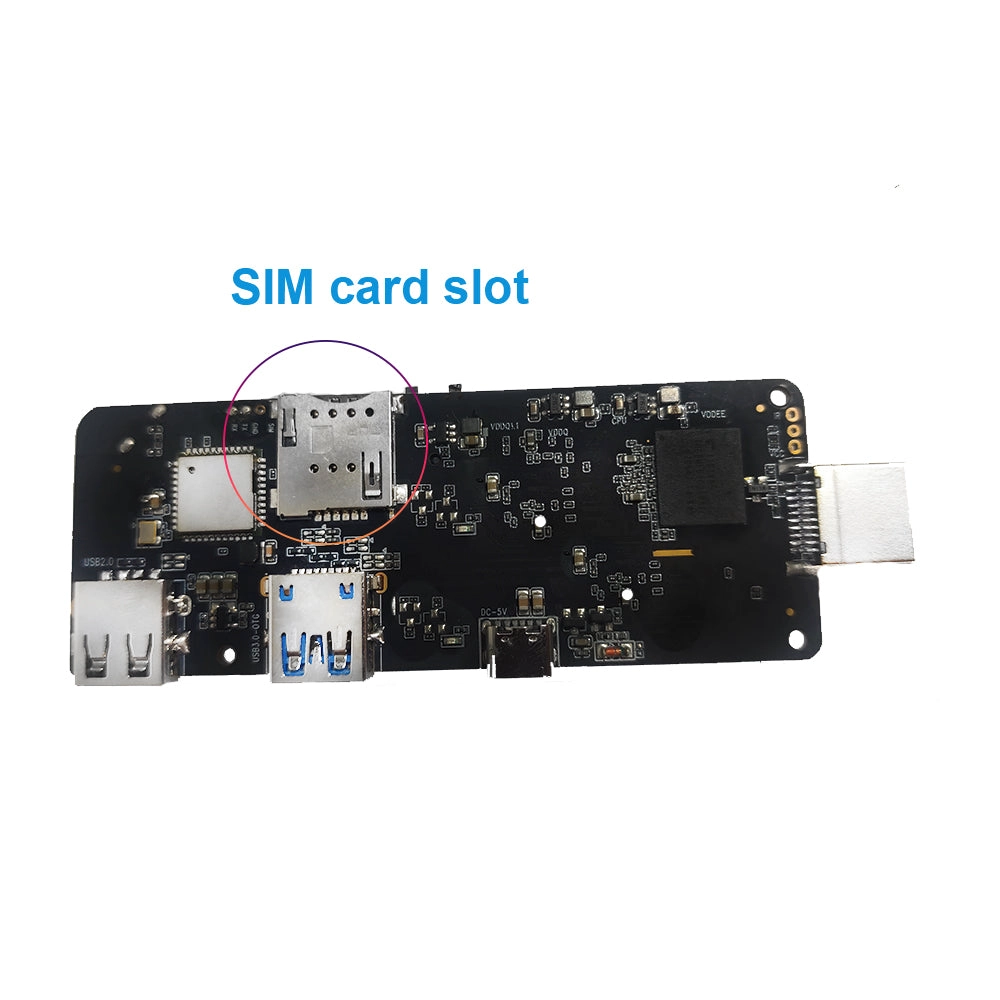
For example, SZTomato can modify the PCBA hardware architecture and adapt the firmware stack around the deployment rather than forcing the customer to adapt its software around a fixed consumer product.
3. You Need Long-Term OTA and Fleet Management
A commercial deployment is not finished when the devices leave the factory.
The real cost appears during the operational lifecycle.
A fleet of 5,000 players may need firmware upgrades, security patches, application updates, configuration changes, diagnostics, and remote recovery. Replacing devices because the original firmware cannot support a new application is expensive.
A properly engineered OTA update system can support controlled firmware deployment, version management, staged releases, rollback strategies, and remote maintenance.
For IPTV and managed streaming deployments, the player can also integrate with provisioning and device-management infrastructure such as TR-069 or proprietary cloud management systems.
This provides a significant operational advantage over relying on each Smart TV manufacturer's firmware lifecycle.
What Technical Capabilities Should You Compare?
Choosing between a Smart TV and a dedicated Streaming Media Player should start with the workload rather than the product category.
SoC and Video Codec Capability
Modern players increasingly use SoCs with dedicated video engines rather than depending exclusively on general-purpose CPU processing.
For commercial deployments, evaluate:
-
H.264 decoding
-
H.265/HEVC decoding
-
VP9 decoding
-
AV1 decoding
-
4K@60fps support
-
HDR formats
-
Hardware-accelerated encoding where required
-
Multi-stream processing requirements
-
HDMI output specification
AV1 adoption is particularly relevant for future OTT deployments because it can reduce bitrate requirements while maintaining competitive visual quality. However, codec support should be verified at the hardware decoder, operating-system, DRM, and application levels.
A specification sheet stating "AV1 supported" is not enough.
The engineering question is whether the complete playback pipeline can reliably decode the required profile, resolution, frame rate, bit depth, HDR format, and DRM-protected stream.
HDCP and DRM
For commercial streaming applications, content protection can be as important as decoding performance.
HDCP compatibility, DRM implementation, secure boot, trusted execution environments, and application-level content protection all affect whether premium content can be delivered correctly.
A player may have sufficient CPU and GPU performance yet fail a commercial deployment because its security architecture does not satisfy the content provider's requirements.
This is one reason B2B buyers should evaluate the complete hardware-software stack instead of purchasing based solely on RAM, storage, or processor specifications.
PCBA Design and Thermal Engineering
Continuous commercial operation places different demands on a Streaming Media Player.
A retail device might operate for several hours per day. A digital signage or hospitality player may operate 12, 18, or even 24 hours per day.
Thermal design therefore becomes part of system reliability.
Engineering considerations include:
-
PCBA component placement
-
Heat-spreader design
-
SoC thermal transfer
-
Passive versus active cooling
-
Enclosure airflow
-
Power-supply stability
-
NAND/eMMC thermal behavior
-
Long-duration workload testing
SZTomato can adapt PCBA layouts and develop specialized cooling solutions for industrial and commercial environments. This is more meaningful than simply installing a larger heatsink on a standard retail board.
Thermal engineering should be designed around the actual workload, enclosure, ambient temperature, and operating cycle.
How to Decide: Smart TV or Streaming Media Player?
A practical decision matrix looks like this:
| Requirement | Smart TV Only | Dedicated Streaming Media Player |
|---|---|---|
| Basic home streaming | Excellent | Usually unnecessary |
| Standard OTT applications | Excellent | Good |
| Multi-brand display deployment | Limited | Excellent |
| Custom launcher | Limited | Excellent |
| Custom Android/Linux firmware | Limited | Excellent |
| Centralized OTA management | Manufacturer dependent | Highly configurable |
| IPTV middleware integration | Variable | Strong |
| Digital signage | Limited | Excellent |
| Kiosk mode | Limited | Strong |
| Hardware customization | Very limited | Excellent |
| Long-term product control | Limited | Strong |
| Industrial cooling customization | Limited | Available |
| Branded OEM/ODM product | Poor fit | Excellent |
The key principle is straightforward:
If the TV is the product, use its built-in platform. If the streaming experience is the product, consider a dedicated player.
That distinction becomes critical for B2B businesses.
Why OEM/ODM Matters More Than the Box Itself
A generic Streaming Media Player may solve the immediate playback requirement but create problems later.
The more demanding the deployment, the more important the engineering layer becomes.
An OEM/ODM partner should be able to modify:
Hardware
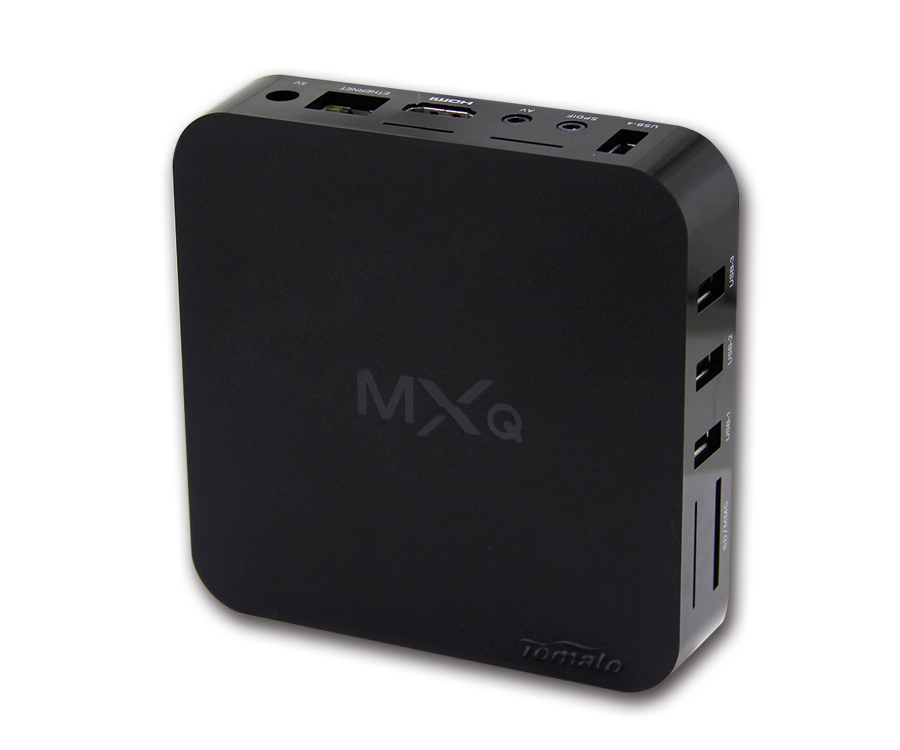
PCBA layout, memory configuration, storage, Wi-Fi/Bluetooth modules, Ethernet configuration, USB interfaces, HDMI specifications, enclosure design, power architecture, and thermal solutions.
Firmware
AOSP or Linux builds, kernel optimization, device drivers, boot configuration, system applications, custom launcher, OTA architecture, security configuration, and device management.
Software
SDK/API integration, IPTV middleware, OTT applications, cloud platforms, remote management systems, digital signage software, enterprise applications, and custom UI/UX.
Production
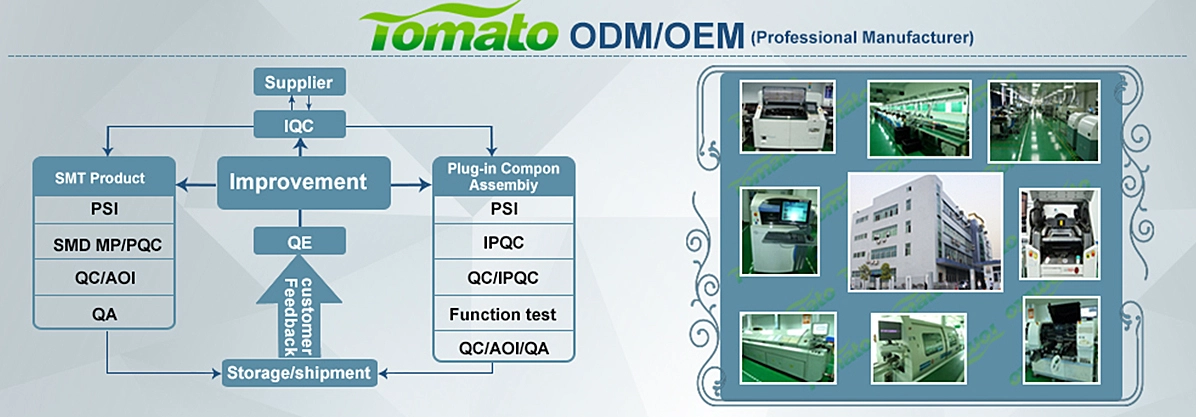
Firmware flashing, device provisioning, aging tests, thermal validation, quality control, packaging customization, and mass-production support.
This approach allows the hardware and software to be designed around the commercial use case rather than treating customization as a cosmetic change.
The B2B Question Is Not "Do I Need One?"
For procurement managers and system integrators, the more useful question is:
"Where should the computing and software control reside?"
If it resides inside the Smart TV, your project inherits the TV manufacturer's hardware and software limitations.
If it resides in a dedicated Streaming Media Player, your organization gains greater control over the platform.
That control can include firmware ownership, application behavior, hardware configuration, update policies, deployment standards, device management, and product lifecycle.
For a 50-unit pilot, the difference may be insignificant.
For a 5,000- or 50,000-unit deployment, it can determine the total cost of ownership.
Conclusion: Use the Smart TV When It Is Enough—Use a Player When Control Matters
You do not automatically need a Streaming Media Player just because you own a Smart TV.
For straightforward consumer streaming, the Smart TV's integrated platform is often the most economical solution.
For IPTV operators, hotel groups, digital signage providers, telecom companies, system integrators, and consumer-electronics brands, a dedicated player can provide something the Smart TV cannot easily deliver: platform control.
The strongest architecture is therefore determined by the requirements for codec performance, DRM, firmware customization, application integration, OTA management, thermal reliability, hardware independence, and lifecycle support.
If your project requires customized PCBA hardware, AOSP or Linux firmware, SDK/API integration, branded UI/UX, specialized cooling, or a controlled OTA ecosystem, work with an OEM/ODM manufacturer rather than selecting a retail Streaming Media Player based only on processor and RAM specifications.
For B2B procurement teams evaluating a customized Streaming Media Player platform, SZTomato can support the project from PCBA modification and SoC selection through firmware engineering, software integration, thermal optimization, production, and long-term device lifecycle management. The objective is not simply to supply another HDMI box; it is to build a controllable streaming platform around your commercial requirements.
