
What are the connectivity options for an Android Mini PC?
Android Mini PC Connectivity: Ports, Wireless Standards, and B2B Design Choices
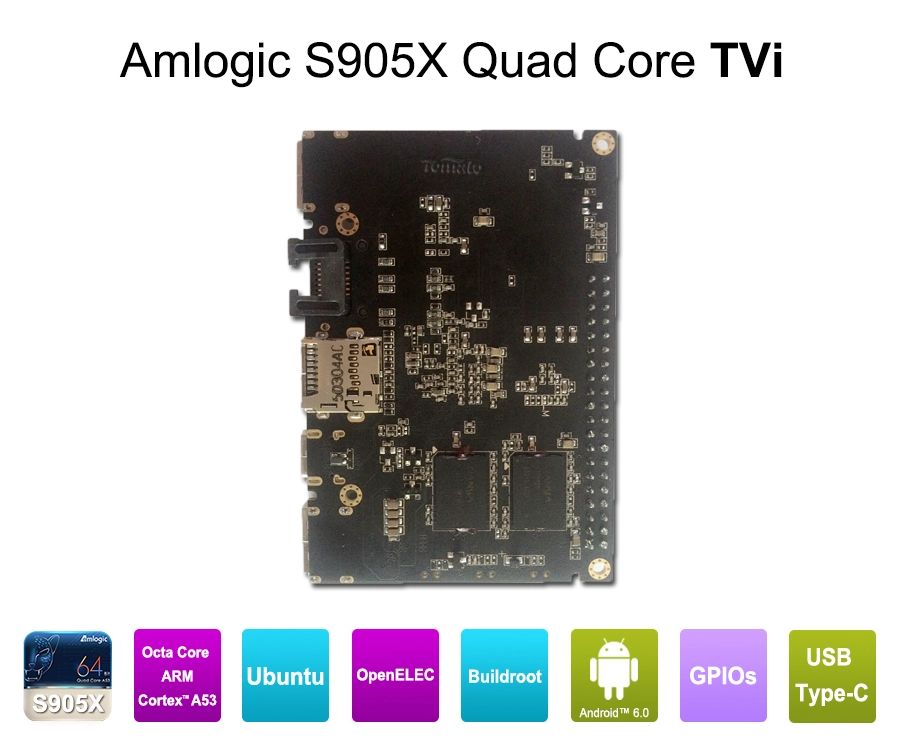
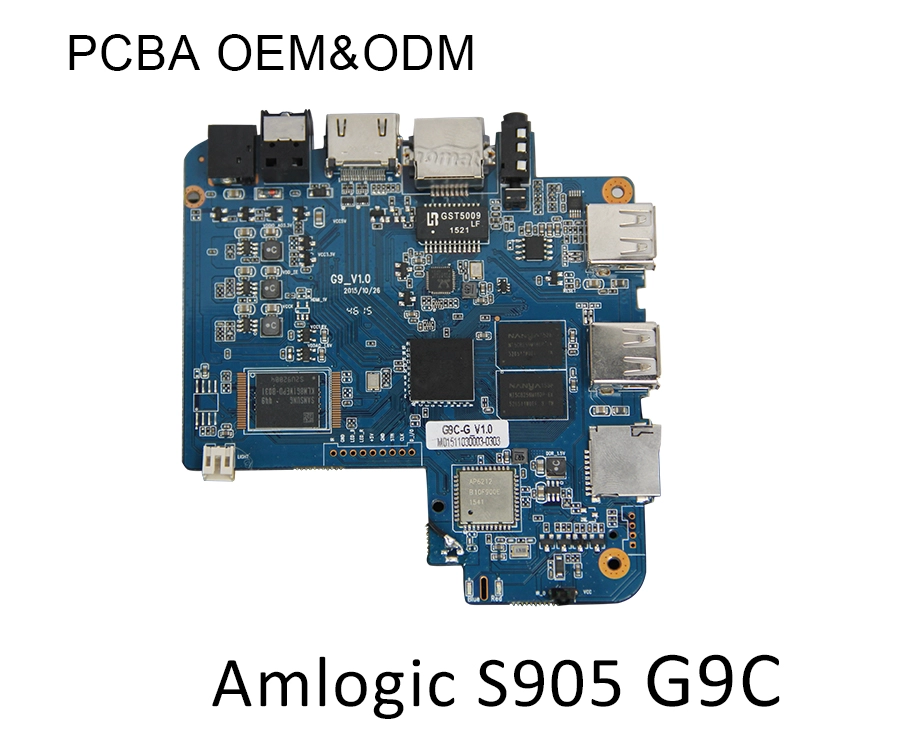
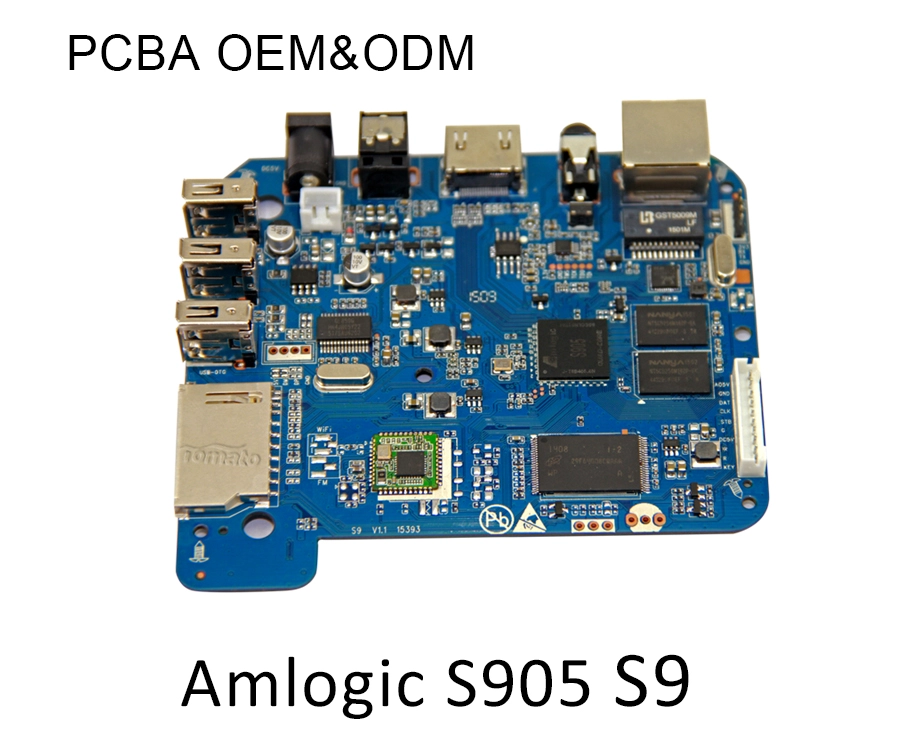
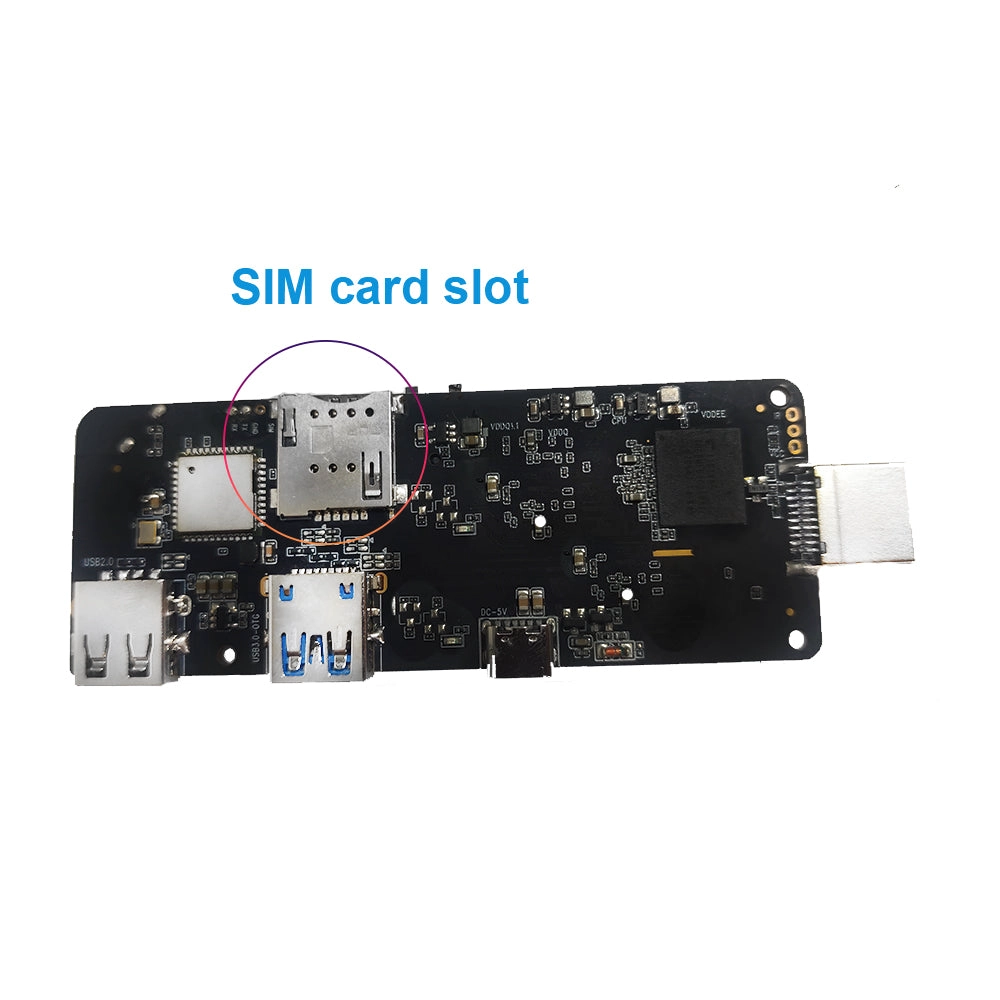
Modern ARM SoCs are turning the Android Mini PC from a compact media computer into a multifunctional edge device. Gigabit Ethernet, Wi-Fi 6/6E, Bluetooth 5.x, USB 3.x, HDMI 2.1, USB-C, and industrial interfaces can now coexist on a small PCBA. The engineering challenge is no longer simply adding more ports. It is selecting the right interfaces, allocating bandwidth correctly, controlling EMI, and ensuring the Android or Linux kernel exposes those interfaces reliably.
For B2B buyers, connectivity should therefore be evaluated as part of the complete platform architecture—not as a checklist printed on a product datasheet.
What Connectivity Options Does an Android Mini PC Support?
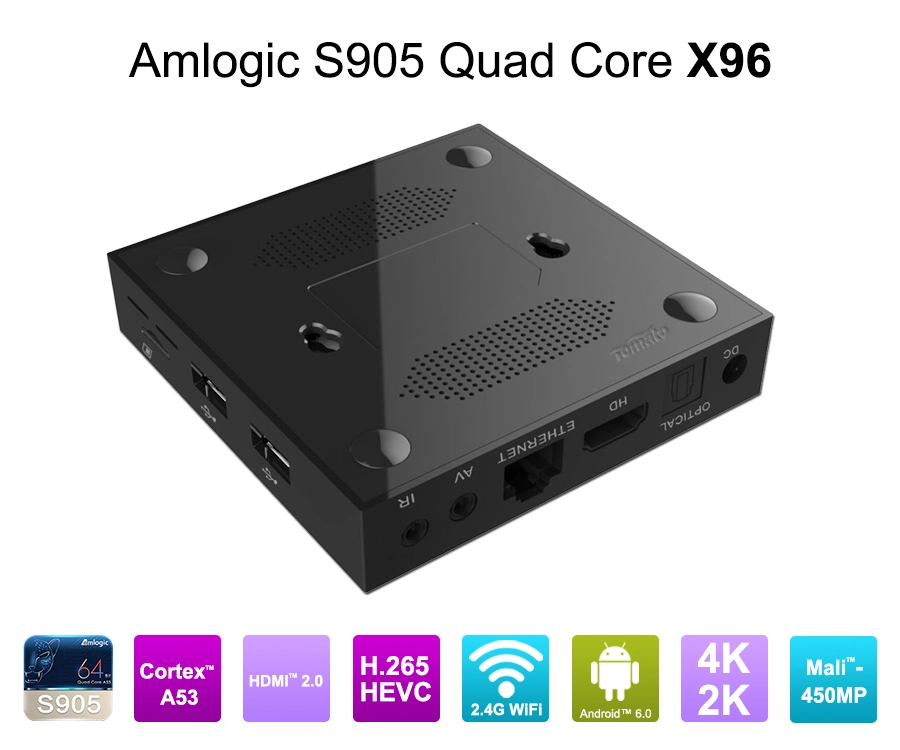
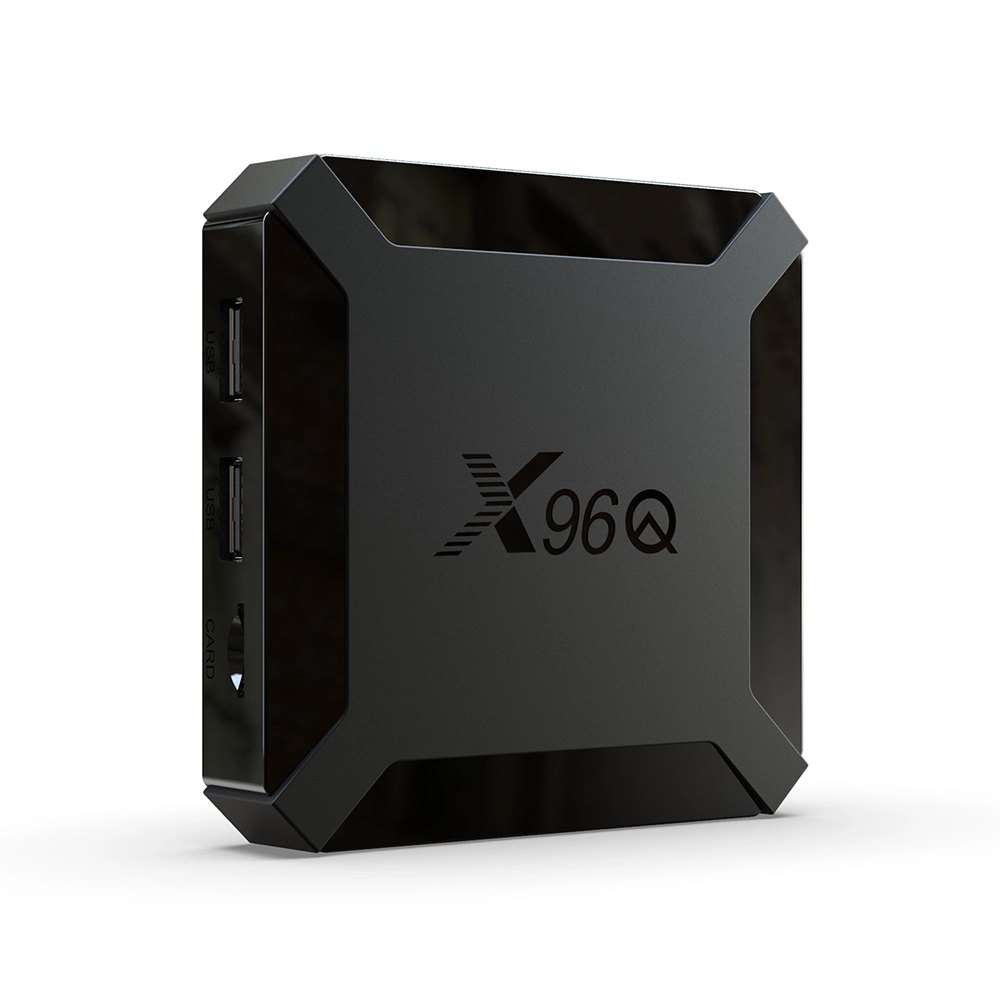
An Android Mini PC can provide several categories of connectivity, depending on its SoC, motherboard design, firmware, and target application.
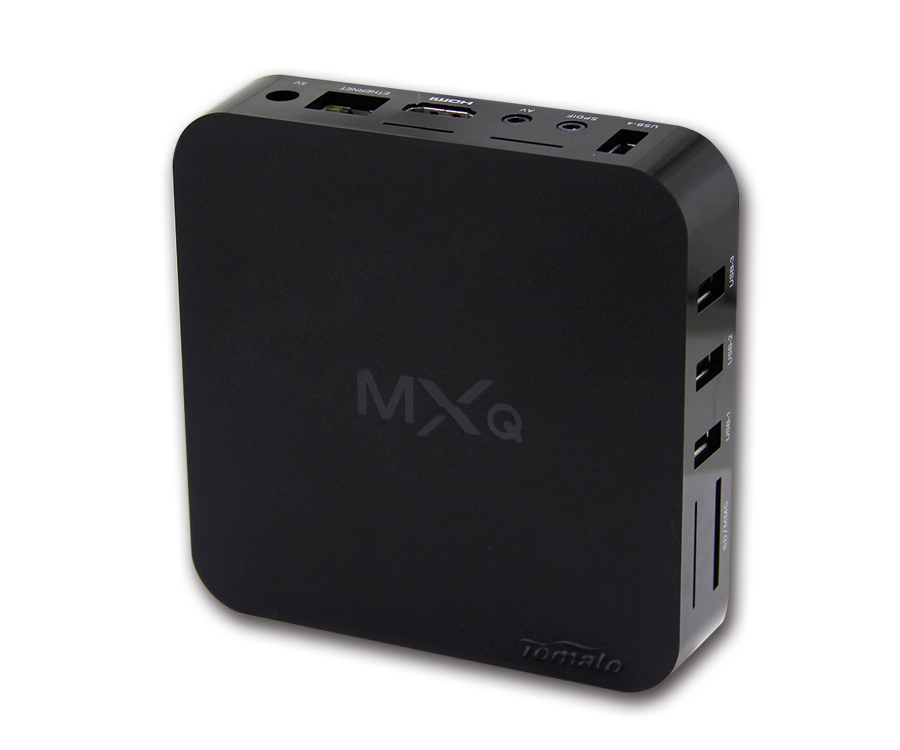
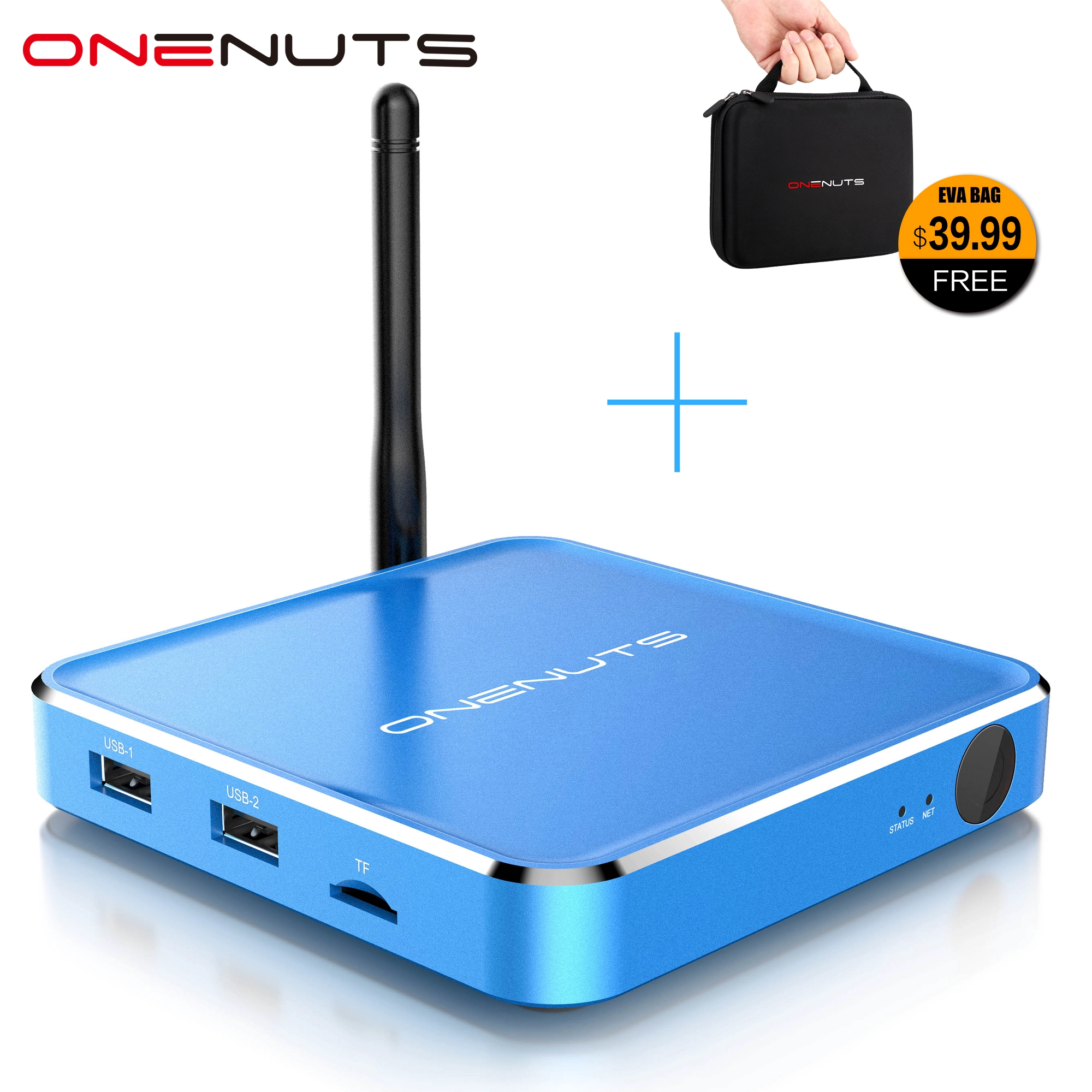
The main interfaces include:
-
HDMI for digital video output
-
USB 2.0/3.x for peripherals and external storage
-
USB-C for data, power, or display depending on implementation
-
Gigabit Ethernet for wired networking
-
Wi-Fi 5/6/6E for wireless networking
-
Bluetooth for peripherals and short-range communication
-
M.2 or other expansion interfaces on selected platforms
-
Audio interfaces
-
microSD or TF card expansion
-
RS-232, RS-485, GPIO, and other industrial interfaces on customized models
The important point is that interface availability does not automatically mean interface suitability.
A project requiring 4K digital signage, centralized device management, USB peripherals, and reliable 24/7 networking has very different connectivity requirements from a home Android Mini PC used for web browsing.
1. HDMI: The Primary Display Interface
HDMI remains the most common display interface.
Depending on the SoC and board design, an Android Mini PC can support configurations such as:
-
HDMI 2.0
-
HDMI 2.1
-
4K@60Hz output
-
HDR
-
HDCP content protection
-
CEC
-
Multiple display configurations on selected platforms
For commercial applications, buyers should verify the entire display pipeline.
The SoC must support the required resolution, the HDMI controller must provide the required bandwidth, and the Android/Linux driver stack must correctly manage EDID, HDCP, refresh rate, and display hot-plug events.
For digital signage, additional factors include automatic display recovery after power interruption, HDMI-CEC behavior, and resolution locking.
A specification saying "HDMI 4K" is not sufficient for engineering approval.
2. USB: More Than a Peripheral Port
USB is one of the most useful connectivity interfaces on an Android Mini PC.
Depending on the platform, USB ports can connect:
-
Keyboard and mouse
-
USB flash drives
-
SSDs
-
Cameras
-
Barcode scanners
-
Touchscreens
-
4G/5G modems
-
Printers
-
USB-to-Ethernet adapters
-
Industrial controllers
-
Audio devices
USB 2.0 provides sufficient bandwidth for many HID devices and basic peripherals. USB 3.x becomes important when the system needs external SSD storage, high-resolution cameras, or high-speed data transfer.
However, USB bandwidth is often shared at the SoC or hub level.
For example, several physical USB ports may connect through the same internal controller. The number of connectors therefore does not necessarily represent the number of independent high-bandwidth channels.
For a B2B project, the PCBA schematic and SoC block diagram should be reviewed when sustained USB throughput matters.
USB-C Requires Careful Specification
USB-C is particularly easy to misunderstand because the connector does not define the complete feature set.
A USB-C port may support:
-
USB data
-
USB 2.0
-
USB 3.x
-
Power input
-
Power delivery
-
DisplayPort Alternate Mode
-
OTG
These capabilities depend on the actual circuit implementation.
For procurement, "USB-C port" should therefore be replaced with a precise interface requirement such as "USB-C with USB 3.2 data" or "USB-C supporting DisplayPort Alt Mode," if that is what the application needs.
3. Ethernet: The Preferred Interface for Stable Deployment
For commercial Android Mini PC installations, Ethernet remains one of the most important connectivity options.
Common configurations include:
-
10/100 Mbps Ethernet
-
Gigabit Ethernet
-
2.5GbE on selected high-performance platforms
Wired Ethernet is particularly valuable for:
-
IPTV
-
Digital signage
-
Hotel systems
-
Enterprise deployment
-
Industrial monitoring
-
Remote device management
-
Large-scale media playback
Wi-Fi is convenient, but Ethernet provides a more predictable network path and avoids many wireless interference problems.
For large deployments, Ethernet also simplifies network architecture, VLAN configuration, centralized management, and troubleshooting.
Ethernet Hardware Design Matters
Network performance is influenced by more than the Ethernet controller.
The PCBA design must consider:
-
Ethernet PHY selection
-
Transformer/magnetics
-
Signal integrity
-
Differential-pair routing
-
Grounding
-
EMI/EMC
-
Thermal characteristics
-
ESD protection
Poor PCB layout can produce intermittent network problems that cannot be solved through Android firmware alone.
This is one reason PCBA-level engineering matters when an Android Mini PC is intended for industrial or commercial deployment.
4. Wi-Fi: Performance Depends on RF Design
Wi-Fi is the standard wireless connectivity option for Android Mini PCs.
Depending on the module and antenna configuration, platforms may support:
-
Wi-Fi 4
-
Wi-Fi 5
-
Wi-Fi 6
-
Wi-Fi 6E
-
2.4 GHz
-
5 GHz
-
6 GHz on compatible hardware and regional configurations
For high-density deployments, Wi-Fi 6 can provide significant advantages in network efficiency and device density compared with older standards.
But the wireless module is only one part of the RF system.
Antenna placement, enclosure material, antenna gain, cable routing, PCB ground design, USB interference, and thermal conditions can all affect real-world performance.
For an industrial Android Mini PC, a metal enclosure can create additional RF challenges. Antenna positioning must be considered during mechanical and PCBA development rather than after the enclosure has been finalized.
5. Bluetooth: Local Peripheral Connectivity
Bluetooth provides short-range connectivity for devices such as:
-
Remote controls
-
Keyboards
-
Mice
-
Speakers
-
Headsets
-
Sensors
-
Beacons
-
Industrial peripherals
Bluetooth 5.x is common on modern Android platforms.
For consumer applications, Bluetooth is mainly used for input and audio.
For B2B systems, it can become part of the application architecture. A customized Android Mini PC may communicate with sensors, scanners, smart-home devices, or other local endpoints through a vendor-specific application and SDK.
The firmware must therefore expose the required Bluetooth profiles and maintain stable behavior after sleep, reboot, OTA updates, and network changes.
How to Select Android Mini PC Connectivity for a B2B Project
Connectivity should start with application requirements rather than the product catalog.
Scenario 1: Digital Signage
A digital signage player may require:
-
HDMI 2.0/2.1
-
Gigabit Ethernet
-
Wi-Fi
-
USB
-
Optional RS-232
-
Optional GPIO
-
Remote OTA updates
The priority is stable video output and remote management rather than having the maximum number of consumer ports.
Scenario 2: IPTV and Hotel TV
A hotel or IPTV deployment may prioritize:
-
Gigabit Ethernet
-
Wi-Fi
-
HDMI
-
USB
-
Bluetooth
-
CEC
-
HDCP
-
DRM support
The software layer becomes as important as the physical connectivity because the device may need middleware integration, branded UI, remote provisioning, and centralized OTA management.
Scenario 3: Industrial Edge Computing
Industrial deployments may require:
-
Gigabit Ethernet or 2.5GbE
-
USB 3.x
-
RS-232/RS-485
-
GPIO
-
M.2 expansion
-
Wi-Fi/Bluetooth
-
Extended-temperature components
In this environment, connector selection, ESD protection, thermal design, enclosure construction, and long-term component availability become major procurement criteria.
Custom Connectivity: Where OEM/ODM Engineering Creates Value
Standard Android Mini PCs cannot satisfy every project.
A system integrator may need an additional serial interface. A signage platform may need GPIO. An industrial controller may require RS-485. A commercial device may need fewer consumer ports but additional internal expansion interfaces.
This is where an OEM/ODM approach becomes more valuable than selecting an off-the-shelf product.
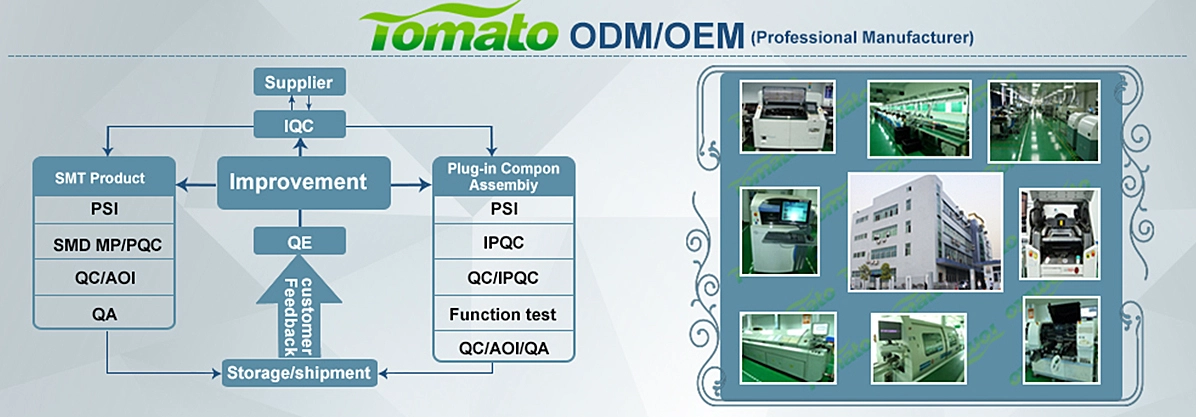
SZTomato can modify the PCBA according to project requirements, including interface configuration, component selection, PCB layout, storage and memory configuration, networking hardware, and peripheral integration.
The customization process can also extend into the software layer.
SDK/API Integration
Custom Android Mini PC projects may require APIs for:
-
Display control
-
GPIO
-
Serial communication
-
USB peripherals
-
Network configuration
-
Device monitoring
-
Power management
-
Application control
-
Remote management
SDK/API integration allows the hardware interfaces to become usable application functions rather than isolated connectors.
Custom UI/UX Firmware
For fleet deployments, the default Android desktop is often inappropriate.
A customized firmware image can provide:
-
Branded boot animation
-
Custom launcher
-
Restricted system settings
-
Auto-start applications
-
Kiosk mode
-
Device Owner configuration
-
Silent APK installation
-
Scheduled content playback
-
Remote OTA updates
This is particularly important for digital signage, hospitality, education, and managed IPTV deployments.
Connectivity Problems That Procurement Teams Often Miss
Several problems appear after mass deployment because the connectivity requirements were defined too broadly.
Problem 1: "4K HDMI" Without HDCP Requirements
A device may output 4K video but fail a commercial content application because the required HDCP or DRM chain is incomplete.
Solution: Define HDMI bandwidth, HDCP, DRM, HDR, frame rate, and application certification requirements before hardware approval.
Problem 2: Too Many USB Ports, Insufficient Internal Bandwidth
Physical connectors do not guarantee independent USB bandwidth.
Solution: Review the SoC USB controller architecture and internal hub topology.
Problem 3: Strong Wi-Fi Module, Poor RF Performance
A high-spec Wi-Fi chipset cannot compensate for poor antenna placement or enclosure design.
Solution: Perform RF validation on the final PCBA and enclosure combination.
Problem 4: Ethernet Instability Under Thermal Load
A device may pass short-duration network testing but experience failures during continuous operation.
Solution: Validate PHY temperature, power stability, EMI, and sustained network traffic under the actual operating environment.
Problem 5: Interfaces Work in Android but Fail After OTA
A kernel, driver, or HAL modification can affect USB, HDMI, Wi-Fi, Bluetooth, or serial interfaces.
Solution: Establish controlled firmware branches, regression testing, and an OTA update system that validates critical hardware functions after every production release.
The Connectivity Trend: Android Mini PCs Are Becoming Modular Edge Platforms
The next stage of Android Mini PC development is not simply adding more connectors.
The stronger trend is interface specialization.
A single ARM platform can be configured for different markets by changing the PCBA, peripheral controllers, firmware, and enclosure.
One hardware family may become:
-
A digital signage player
-
An IPTV client
-
An AI edge terminal
-
A hotel entertainment system
-
An industrial HMI
-
A smart-home gateway
-
A commercial media player
This model reduces development time while allowing OEM customers to maintain differentiated products.
Modern SoCs with stronger GPU, video processing, and NPU capabilities further increase the value of this architecture. Local AI inference, video analytics, voice processing, and computer vision can share the same connectivity infrastructure used for conventional multimedia applications.
How B2B Buyers Should Specify an Android Mini PC
A professional RFQ should specify connectivity in engineering terms.
Instead of:
"Need an Android Mini PC with Wi-Fi, USB, and HDMI."
Use:
"Android Mini PC with HDMI 2.0 supporting 4K@60Hz, Gigabit Ethernet, Wi-Fi 6 dual-band, Bluetooth 5.x, minimum two USB 3.x ports, one USB 2.0 port, optional RS-232, and OTA firmware management."
Then add the application requirements:
-
Operating system
-
SoC
-
RAM
-
Storage
-
Codec requirements
-
DRM/HDCP
-
Display requirements
-
Peripheral interfaces
-
Network protocols
-
OTA mechanism
-
Remote management
-
Operating temperature
-
Continuous operating hours
-
Enclosure requirements
-
Certification requirements
This produces a much more useful technical specification and reduces ambiguity during sample approval and mass production.
Conclusion: Connectivity Is a System Architecture Decision
The connectivity options of an Android Mini PC determine much more than how many external devices can be plugged into the box.
HDMI defines the display path. USB determines peripheral and storage expansion. Ethernet provides stable network infrastructure. Wi-Fi enables flexible deployment. Bluetooth connects local peripherals and sensors. Industrial interfaces extend the platform into specialized applications.
For B2B procurement managers and system integrators, the critical issue is how these interfaces are implemented across the SoC, PCBA, drivers, Android/Linux kernel, firmware, enclosure, and thermal system.
SZTomato approaches Android Mini PC development from this complete engineering perspective, supporting PCBA hardware modification, SDK/API integration, custom UI/UX firmware, OTA update systems, Android/Linux kernel optimization, and specialized cooling solutions for industrial deployments.
If your project requires a customized connectivity configuration, do not begin with a retail specification sheet. Start with the required peripherals, network architecture, display pipeline, operating environment, and deployment conditions. Then select or engineer the Android Mini PC platform around those requirements.
