
What is the difference between a Smart TV box and a Streaming Media Player?
Smart TV Box vs. Streaming Media Player: What Is the Difference?
The migration from H.264 to AV1, the adoption of newer Amlogic SoCs, and the growing demand for 4K/60fps commercial streaming are changing what buyers expect from a TV-connected device. For B2B projects, the distinction between a Smart TV box and a streaming media player is no longer just a matter of product naming.
Both devices can deliver streaming video, but their engineering priorities are different. A streaming media player is usually optimized for straightforward content consumption, while a Smart TV box can function as a broader computing and application platform. For OEMs, IPTV operators, hospitality groups, digital signage integrators, and distributors, that difference affects hardware architecture, firmware control, DRM, connectivity, lifecycle management, and customization cost.
Smart TV Box vs. Streaming Media Player: The Core Difference
At the functional level, the two product categories overlap. Both may support HDMI output, Wi-Fi, Ethernet, Bluetooth, 4K video decoding, streaming applications, and remote controls.
The more useful distinction is platform flexibility.
A conventional streaming media player is generally designed around a defined content ecosystem. Its software stack, supported applications, user interface, and content services may be tightly controlled by the platform provider.
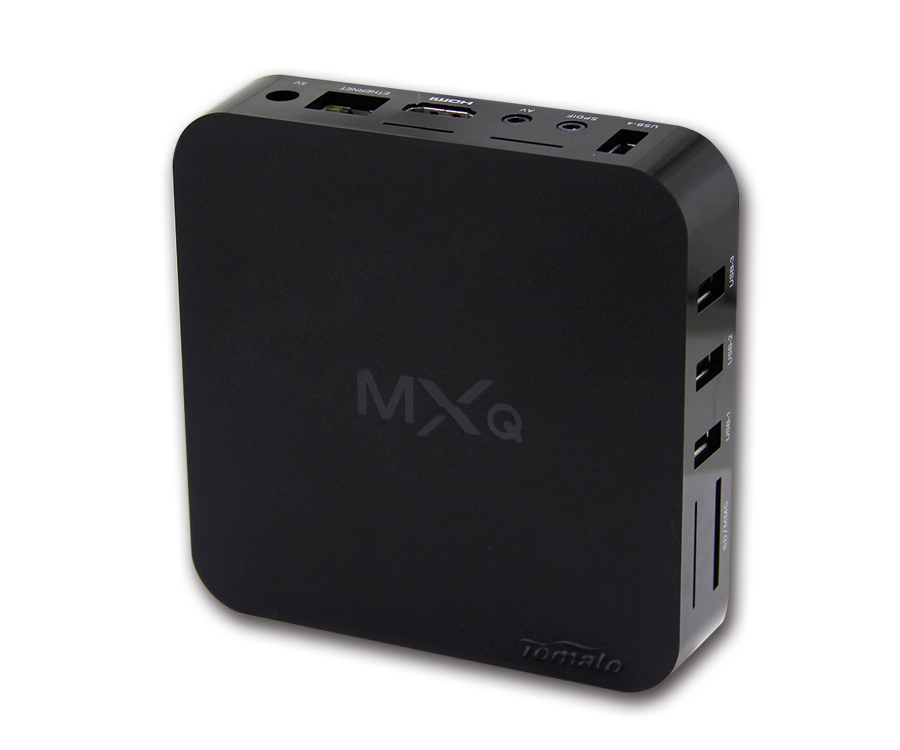
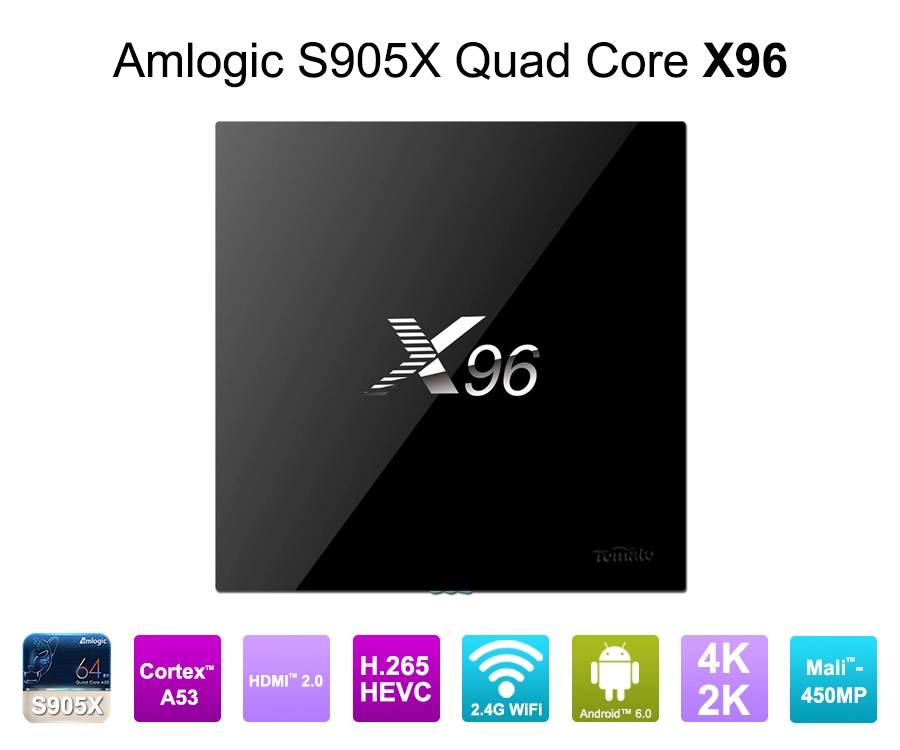
A Smart TV box is typically designed as a more flexible computing endpoint. Depending on the hardware and operating system, it can support Android TV, AOSP, Linux, or customized firmware and can integrate applications beyond conventional video streaming.
| Engineering Area | Smart TV Box | Streaming Media Player |
|---|---|---|
| Primary purpose | Streaming + applications + smart functions | Streaming content |
| OS flexibility | Android TV, AOSP, Linux and customized platforms | Usually platform-specific |
| Hardware customization | High | Usually limited |
| App/API integration | Broad | Often ecosystem-dependent |
| UI customization | High with custom firmware | Usually restricted |
| Ethernet | Common on B2B models | Model dependent |
| GPIO/peripheral integration | Available on specialized platforms | Limited |
| OTA management | Customizable | Usually vendor controlled |
| Kiosk/signage applications | Strong potential | Generally limited |
| OEM/ODM potential | High | Lower |
This is why a Smart TV box is often the stronger choice when a project requires more than Netflix-style or app-based content playback.
1. Hardware Architecture: Where the Difference Starts
The processor is one of the most important differentiators.
Modern Smart TV box platforms can use SoCs such as Amlogic, Rockchip, or other ARM-based processors that combine CPU, GPU, video codecs, display engines, memory controllers, and peripheral interfaces.
For example, a modern SoC may provide:
-
4K or 8K video decoding
-
H.265/HEVC and VP9 hardware acceleration
-
AV1 decoding
-
HDMI 2.1 or HDMI 2.0 output
-
Gigabit Ethernet
-
Wi-Fi 5/6
-
USB 3.0
-
PCIe and other expansion interfaces
-
Hardware security and DRM capabilities
-
NPU acceleration on selected AI-oriented platforms
For a consumer streaming player, the hardware may be selected primarily around decoding capability and platform certification.
For a B2B Smart TV box, the PCBA must be evaluated as a complete system.
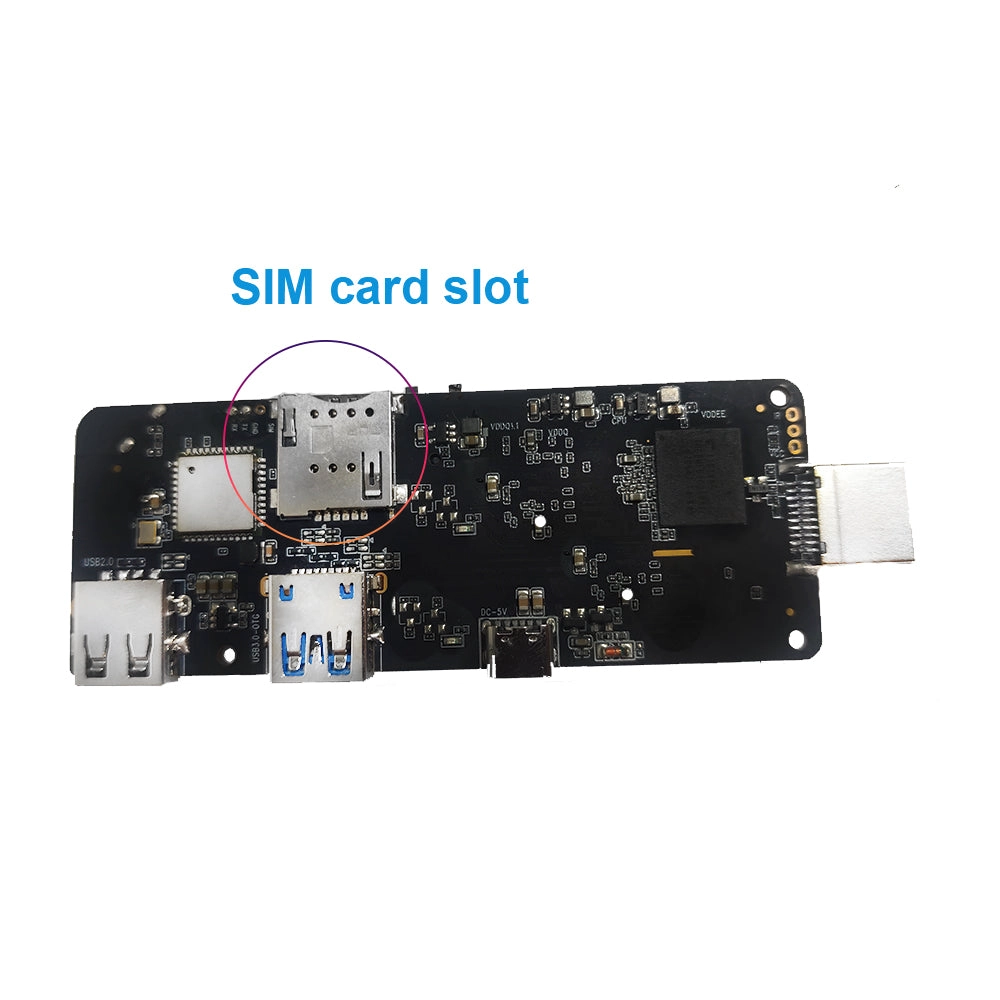
Memory configuration, eMMC performance, Wi-Fi antenna placement, power delivery, Ethernet PHY selection, USB bandwidth, thermal design, and connector positioning can all affect deployment reliability.
PCBA Modification Matters for OEM Projects
A standard retail motherboard is rarely an optimal design for a large deployment.
A hotel project may require additional USB interfaces. A digital signage application may need RS-232, GPIO, or specialized display interfaces. An industrial installation may require a different enclosure and enhanced thermal dissipation.
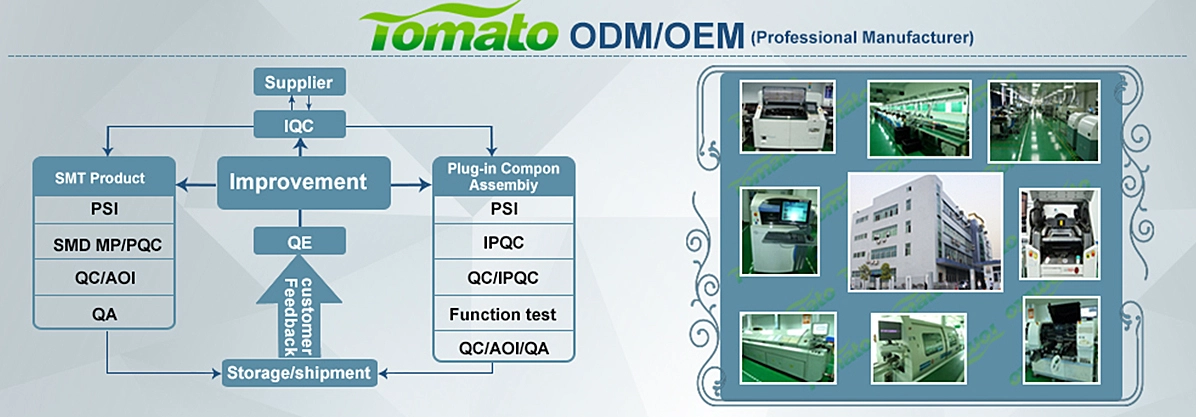
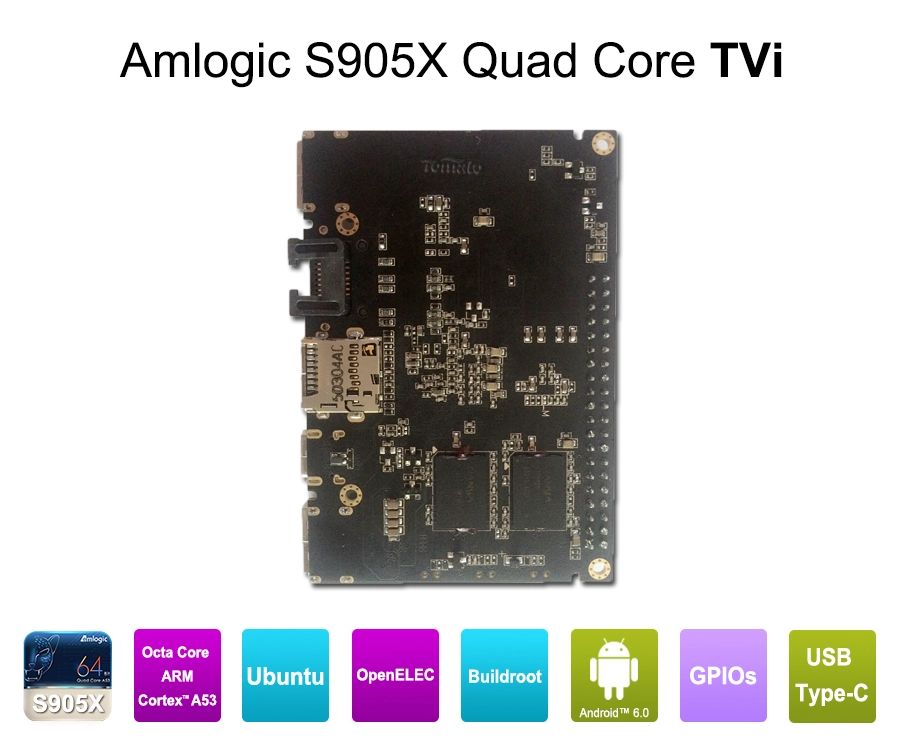
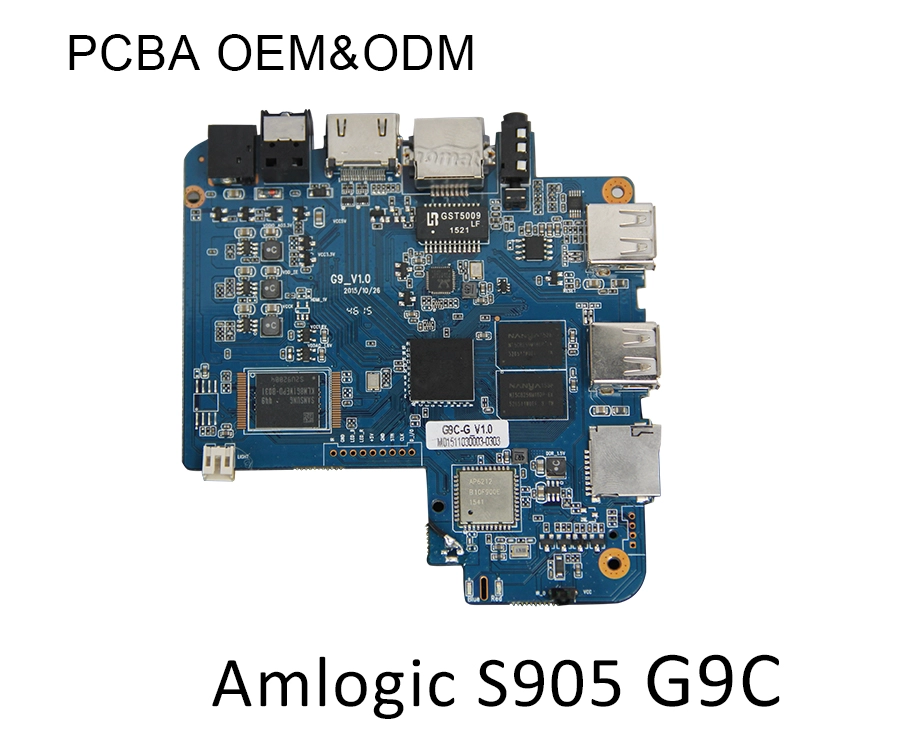
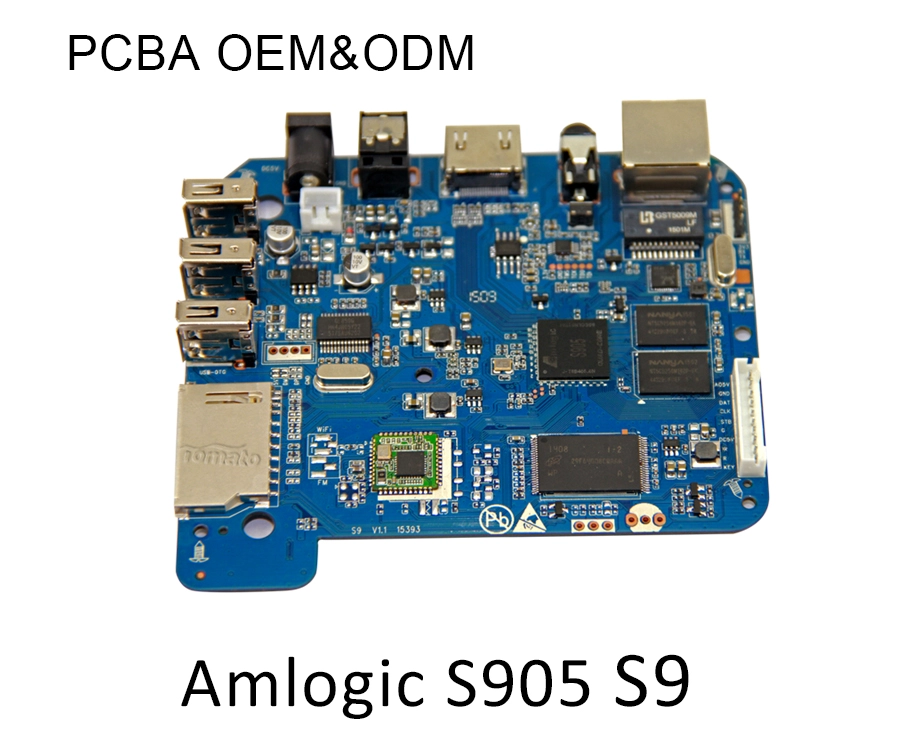
SZTomato can modify the PCBA architecture according to project requirements, including component selection, interface configuration, PCB layout, memory/storage combinations, power design, and peripheral integration.
The result is not simply a different enclosure around the same retail product. The hardware platform itself can be engineered around the application.
2. Firmware: The Real Differentiator for B2B Buyers
Hardware specifications are easy to compare. Firmware architecture is where many Smart TV box projects succeed or fail.
A streaming media player normally provides a predefined software environment. The buyer works within the manufacturer's application and UI framework.
A Smart TV box can provide considerably more control.
A customized firmware stack may include:
-
Android TV or AOSP customization
-
Linux kernel optimization
-
Custom boot animation
-
Custom launcher
-
Custom UI/UX
-
Device Owner configuration
-
Kiosk or Lock Task Mode
-
Default launcher assignment
-
Silent APK installation and updates
-
Remote OTA update systems
-
System-level application integration
-
Custom APIs and SDK integration
-
Network configuration
-
Hardware watchdog functions
-
Remote device monitoring
For an IPTV operator, this means the box can become an operator-controlled endpoint rather than a generic consumer device.
For a hotel group, the same platform can boot directly into a branded hospitality interface.
For digital signage, it can launch a dedicated player application and prevent users from accessing system settings.
For industrial applications, the firmware can be optimized for continuous operation rather than short daily consumer sessions.
SDK and API Integration
A B2B Smart TV box should be evaluated according to the APIs available to the integrator, not only the Android version printed on the specification sheet.
SDK/API integration can connect the device with:
-
IPTV middleware
-
OTT platforms
-
CMS systems
-
Digital signage platforms
-
Hotel PMS systems
-
Remote device management platforms
-
Advertising platforms
-
Smart home applications
-
AI inference applications
-
Enterprise authentication systems
This is where an OEM/ODM manufacturer with firmware engineering capabilities has a significant advantage over a simple hardware reseller.
3. Video Quality Is More Than "4K"
Both categories may advertise 4K, but "4K support" does not provide enough information for professional procurement.
The complete video pipeline should be examined.
Important parameters include:
-
4K@60fps decoding
-
AV1/HEVC/VP9 codec support
-
HDR10/HDR10+
-
Dolby Vision where licensing permits
-
HDCP version and content protection
-
HDMI output specification
-
Frame-rate switching
-
Color depth
-
Chroma subsampling
-
Audio passthrough
-
Multichannel audio support
AV1 adoption is particularly relevant for future streaming deployments because it can reduce bitrate requirements while maintaining comparable visual quality. However, codec support must exist at the hardware and software levels. A specification claiming "AV1 compatible" is not sufficient without checking actual hardware decoding, driver support, Android/Linux integration, and application compatibility.
HDCP and DRM Must Be Verified Early
Commercial streaming services often depend on content-protection mechanisms such as HDCP and DRM.
A project can have sufficient CPU performance and excellent video decoding but still fail certification or playback requirements because the DRM chain is incomplete.
For professional deployment, buyers should verify:
-
SoC hardware security capabilities.
-
Secure boot requirements.
-
HDCP implementation.
-
DRM framework compatibility.
-
Widevine level where required.
-
Application-level certification requirements.
-
Firmware update procedures.
These requirements should be addressed during product definition rather than after mass production.
4. When Should You Choose a Smart TV Box?
The best choice depends on the deployment objective.
Choose a Streaming Media Player When:
The project requires a relatively fixed content platform with limited customization.
Typical applications include:
-
Consumer streaming
-
Basic home entertainment
-
Standard OTT playback
-
Simple hotel-room streaming
-
Platform-specific content consumption
In these scenarios, a controlled streaming media player can reduce software-management complexity.
Choose a Smart TV Box When:
The device must operate as an integrated computing endpoint.
Typical B2B applications include:
-
IPTV/OTT operators
-
Hotel TV systems
-
Digital signage
-
Corporate displays
-
Education
-
Smart home gateways
-
AI edge applications
-
Retail advertising
-
Interactive kiosks
-
Industrial control interfaces
The stronger the requirements for customization, remote management, application integration, and long-term firmware control, the more compelling the Smart TV box architecture becomes.
Smart TV Box Customization for Industrial and Commercial Deployment
B2B projects frequently expose limitations that are invisible in consumer testing.
A device running for eight hours in a living room has a different thermal profile from a player operating 24/7 inside a digital signage enclosure.
High ambient temperature, restricted airflow, continuous video decoding, Wi-Fi transmission, USB peripherals, and sustained CPU workloads can increase thermal stress.
SZTomato can develop specialized cooling solutions for industrial and commercial deployments, including heatsink optimization, thermal interface design, enclosure airflow considerations, and component-level thermal analysis.
Firmware can also be optimized to manage processor load, power states, thermal behavior, and application scheduling.
The objective is not to maximize benchmark scores. It is to achieve stable performance over the expected deployment lifecycle.
Market Trend: Smart TV Boxes Are Becoming Edge Computing Platforms
The Smart TV box market is moving beyond video playback.
New ARM SoCs increasingly combine powerful CPUs, GPUs, multimedia engines, and NPUs. This allows the same form factor to support workloads such as:
-
AI-assisted video analytics
-
People counting
-
Object detection
-
Computer vision
-
Local AI inference
-
Digital signage personalization
-
Voice interaction
-
Smart retail applications
-
Multi-screen control
This changes the procurement question.
Instead of asking, "Which streaming player supports 4K?", B2B buyers increasingly need to ask:
"Which computing platform can support my application for the next three to five years?"
That requires evaluating SoC availability, firmware support, SDK maturity, OTA architecture, security, thermal design, peripheral interfaces, and manufacturer engineering capacity.
How to Evaluate a Smart TV Box for a B2B Project
A professional evaluation should follow a structured process.
Step 1: Define the Application
Identify whether the device will be used for OTT, IPTV, hotel TV, signage, industrial control, education, or another application.
Step 2: Define the Software Stack
Specify Android TV, AOSP, Linux, or another operating environment before finalizing hardware.
Step 3: Map Hardware Interfaces
List HDMI, USB, Ethernet, Wi-Fi, Bluetooth, RS-232, GPIO, storage, audio, and other required interfaces.
Step 4: Validate Video and DRM
Test the actual codec, resolution, frame rate, HDR, HDCP, DRM, and application requirements.
Step 5: Define Firmware Requirements
Document launcher behavior, UI/UX, system restrictions, APK deployment, OTA updates, remote management, and security requirements.
Step 6: Validate Thermal Performance
Test sustained workloads under the actual enclosure and environmental conditions rather than relying solely on laboratory idle temperatures.
Step 7: Establish the Lifecycle Plan
Confirm firmware maintenance, OTA update architecture, component availability, production support, and engineering response before issuing a large purchase order.
Smart TV Box or Streaming Media Player: The Procurement Decision
For consumer applications, the distinction between the two products may be small.
For B2B deployments, it can determine the entire project architecture.
A streaming media player is primarily a controlled playback endpoint. A Smart TV box can be engineered as a customizable software-and-hardware platform.
That difference becomes critical when the project requires customized PCBA design, SDK/API integration, branded UI/UX, Linux or Android kernel optimization, OTA management, specialized cooling, DRM integration, or long-term device control.
For procurement managers and system integrators, the correct question is therefore not simply which device has the highest RAM or the newest Android version.
The better question is:
Can the manufacturer control the hardware, firmware, software integration, and lifecycle management required by the project?
For OEM/ODM projects, SZTomato provides Smart TV box engineering support covering PCBA hardware modification, firmware customization, SDK/API integration, custom UI/UX development, OTA systems, and specialized thermal solutions. This approach allows distributors, IPTV operators, system integrators, and project owners to build a device around their deployment requirements rather than adapting a retail product to fit them.
If your project requires a customized Smart TV box rather than a generic streaming player, define the hardware interfaces, SoC, operating system, firmware functions, DRM requirements, and deployment environment first. The manufacturer should then engineer the platform around those requirements.
