How do Smart TV Box work?
How Do Smart TV Boxes Work? A Technical Guide for B2B Buyers
AV1 decoding, AI acceleration and higher-resolution video have changed the architecture of the modern Smart TV Box. A device that once needed only enough processing power to stream compressed video now may need to handle 4K/8K decoding, HDR rendering, DRM protection, multiple network protocols, local applications and even edge AI workloads.
So how does a Smart TV Box actually work?
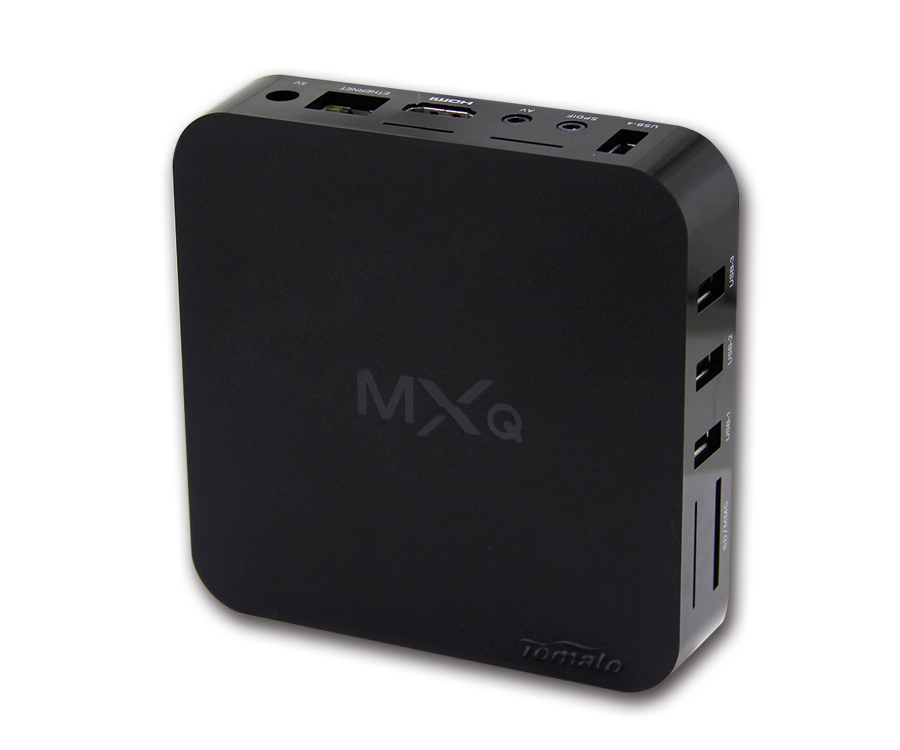
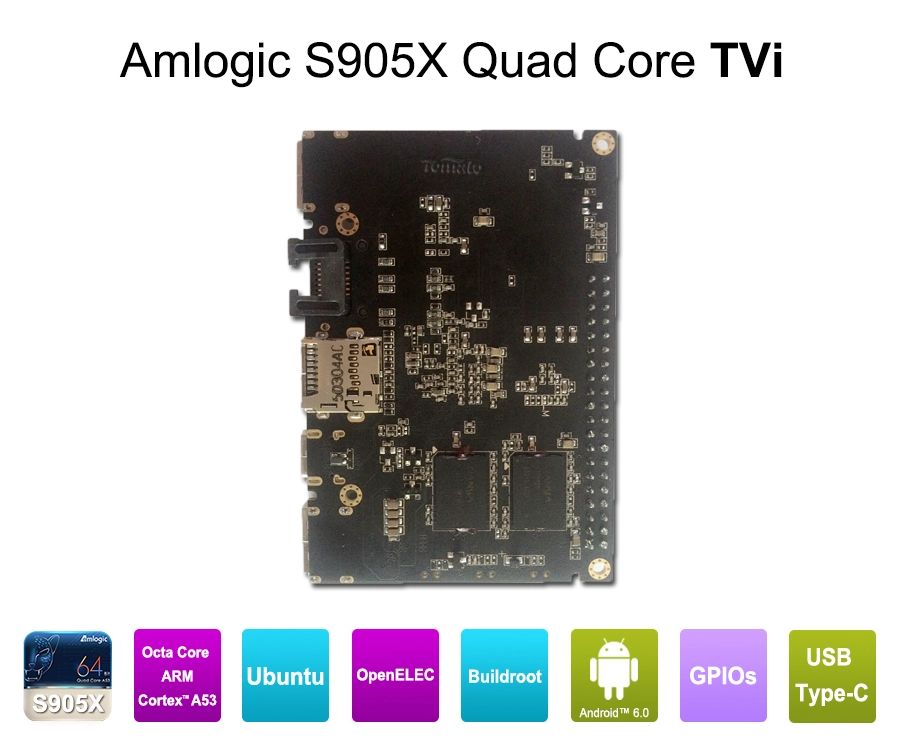
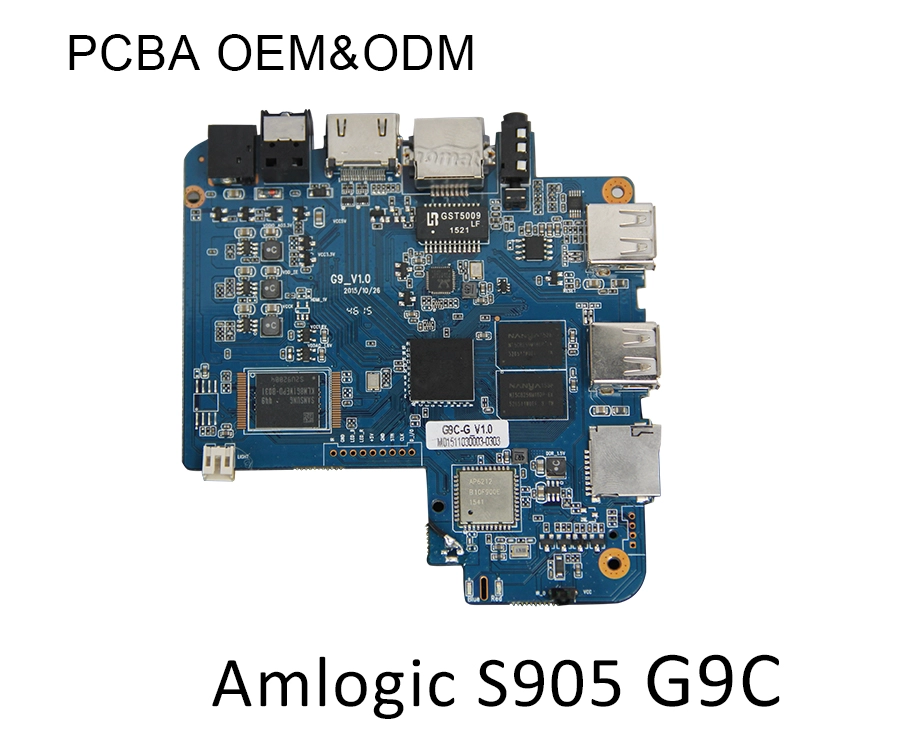
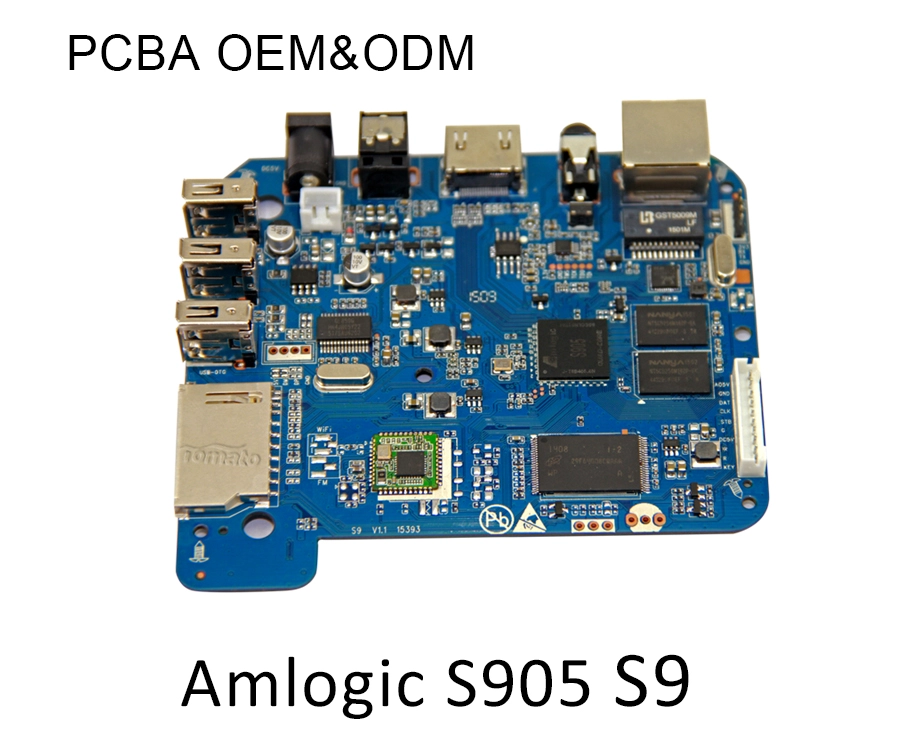
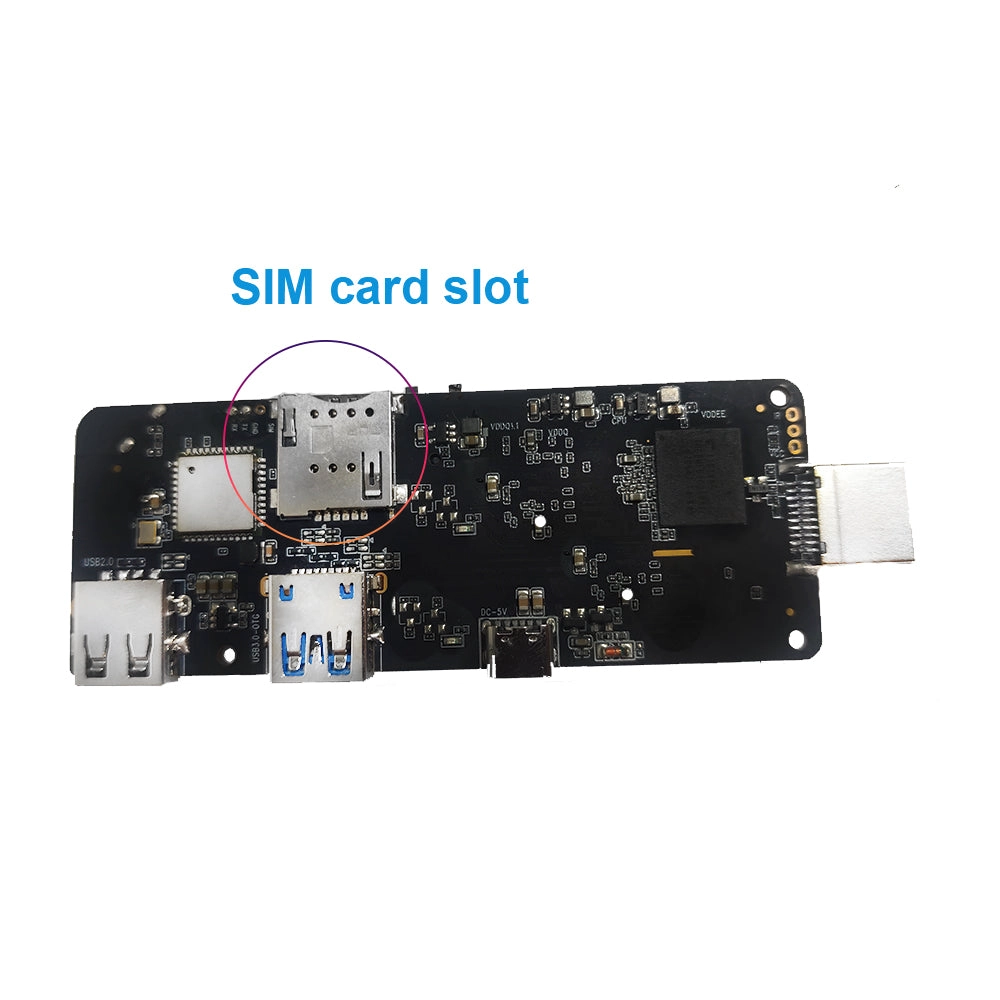
At the hardware level, it is a compact ARM-based computing platform. At the software level, it combines an operating system, media framework, hardware drivers, networking stack and applications. HDMI then connects the processed output to a television or commercial display.
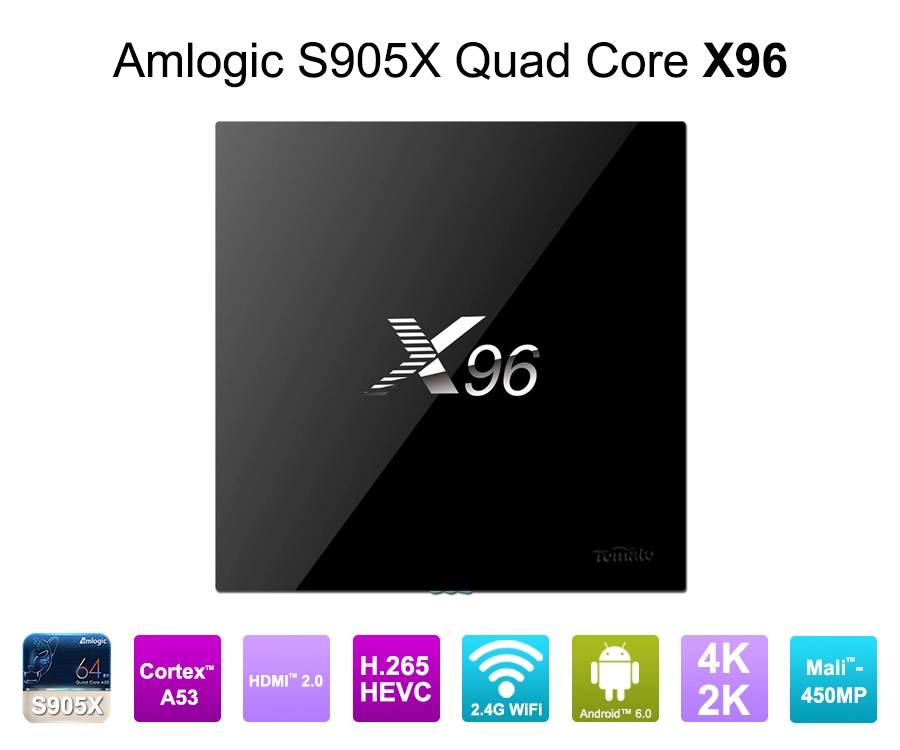
For B2B buyers, understanding this architecture is important because the visible enclosure tells you very little about the actual capabilities of the platform.
How Does a Smart TV Box Process Content?
A Smart TV Box converts digital content from a network or local storage source into a format that a television or display can render.
The basic processing path is:
Content source → Network/storage → Application → Media framework → Hardware decoder → GPU/display engine → HDMI/display output
Each stage has a specific function.
1. Network and content acquisition
The Smart TV Box first obtains content through:
-
Wi-Fi
-
Ethernet
-
USB storage
-
NAS
-
IPTV networks
-
OTT applications
-
Local media servers
-
Cloud services
For streaming applications, network performance determines whether the device can receive the required bitrate consistently.
A Gigabit Ethernet interface can be valuable for high-bitrate local streaming and commercial installations, while Wi-Fi 5 or Wi-Fi 6 may be more appropriate where Ethernet cabling is impractical.
But the interface specification alone does not guarantee performance. Antenna design, RF layout, PHY selection, driver stability and PCB design all influence actual throughput.
2. The CPU runs the operating system and applications
The CPU handles general computing tasks.
Typical Smart TV Box workloads include:
-
Android system processes
-
Streaming applications
-
Web browsers
-
User interfaces
-
Network services
-
Background processes
-
Device management
-
Application logic
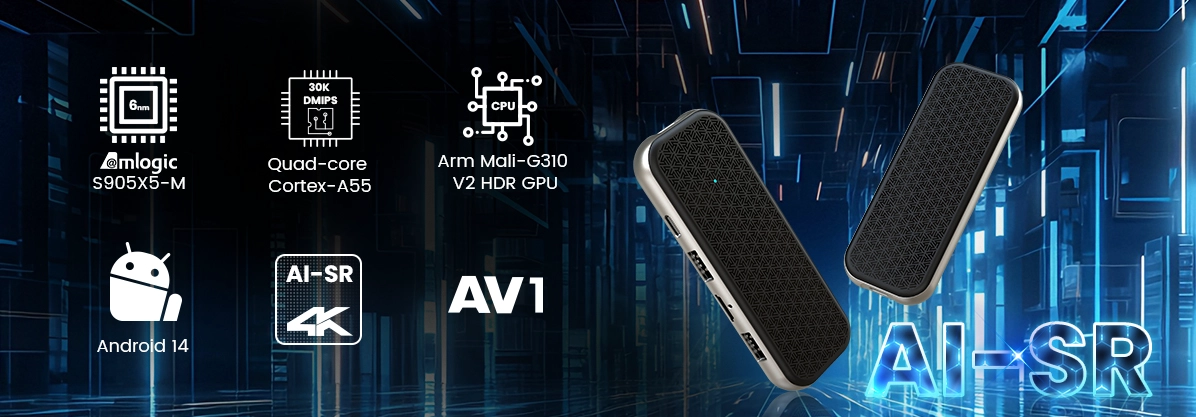
Modern platforms commonly use ARM Cortex-A55, Cortex-A76 or similar CPU architectures.
For basic 4K streaming, a quad-core Cortex-A55 platform can provide sufficient processing capacity. Higher-performance platforms become useful when the Smart TV Box must simultaneously handle AI inference, multiple displays, advanced graphics or industrial applications.
3. Dedicated video hardware decodes the stream
This is one of the most important components in a Smart TV Box.
Instead of asking the CPU to decode every video frame, the SoC uses dedicated hardware video engines.
Modern platforms may support:
-
H.264
-
H.265/HEVC
-
VP9
-
AV1
-
AVS2
-
H.266/VVC on selected platforms
AV1 is increasingly relevant because it provides improved compression efficiency for many streaming workloads.
A Smart TV Box therefore needs to be evaluated by the actual codec profile and maximum resolution rather than a simple statement such as “supports 4K.”
Buyers should verify:
-
Codec
-
Profile
-
Bit depth
-
Maximum resolution
-
Maximum frame rate
-
HDR support
-
Hardware decode capability
-
Hardware encode capability
For example, Rockchip RK3588 integrates dedicated video processing capable of decoding AV1 and multiple other codecs, with support for high-resolution video workloads. Its architecture also includes an NPU for AI inference.
4. GPU renders the interface and video output
The GPU handles graphics rendering and contributes to the final composition shown on the display.
It can process:
-
Android UI
-
2D graphics
-
3D graphics
-
Video overlays
-
Application graphics
-
Multi-layer composition
This becomes more important when the Smart TV Box is used for interactive displays, digital signage or applications with complex graphical interfaces.
What Happens Between Android and the Hardware?
A Smart TV Box is not simply “Android installed on a motherboard.”
There is a complete software stack between the application and the physical hardware.
A simplified architecture looks like this:
Application → Android Framework → HAL → BSP → Linux Kernel → Hardware
The Board Support Package, hardware abstraction layer and Linux/Android kernel determine how effectively applications can communicate with the SoC and peripherals.
This is why two Smart TV Boxes using similar processors can behave very differently.
A supplier may advertise the same SoC, RAM and storage configuration, while the actual products differ in:
-
Kernel optimization
-
GPU drivers
-
Video drivers
-
Wi-Fi drivers
-
Power management
-
Bootloader configuration
-
Hardware abstraction
-
System applications
-
Thermal control
-
OTA infrastructure
For commercial deployments, these differences can have a greater impact than the headline processor specification.
Firmware determines how the product behaves
Firmware controls many functions that users never see directly.
A commercial Smart TV Box may require:
-
Custom launcher
-
Kiosk mode
-
Automatic startup
-
Application auto-launch
-
Watchdog recovery
-
Remote configuration
-
Device identification
-
Scheduled reboot
-
Custom boot animation
-
System-level permissions
-
OTA firmware updates
An OTA system is particularly important when hundreds or thousands of devices are deployed across different locations.
The update architecture should support controlled firmware releases, signed packages, device grouping, failure recovery and, where required, rollback mechanisms.
For an OEM project, these functions may require system-level development rather than simply installing an APK.
How Does a Smart TV Box Handle 4K, HDR and Protected Content?
The display pipeline involves more than HDMI.
A typical path is:
Decoded video → Color/HDR processing → Composition → Display controller → HDMI → TV
The SoC must provide sufficient video-processing capability for the required resolution and frame rate.
A 4K@60fps requirement, for example, is different from basic 4K playback at lower frame rates.
The buyer should also examine:
-
HDMI version
-
HDR formats
-
HDCP version
-
EDID handling
-
Color depth
-
Chroma subsampling
-
CEC
-
Multi-display support
HDCP and DRM are separate technical considerations
A Smart TV Box may have the hardware capability to support protected content but still require specific platform certification.
Commercial streaming services can depend on:
-
DRM implementation
-
Secure boot
-
Trusted execution environment
-
HDCP
-
Device certification
-
Application certification
-
Secure key storage
Therefore, procurement teams should not assume that an Android Smart TV Box can automatically run every streaming service at its maximum supported resolution.
For operator and hospitality projects, certification requirements should be confirmed with the relevant content platform before hardware approval.
How Do Smart TV Boxes Stay Stable Under Continuous Operation?
Thermal engineering is often overlooked during product selection.
A consumer Smart TV Box might run for several hours per day. A digital signage or industrial device may operate continuously.
The thermal path can be simplified as:
SoC → thermal interface → heatsink → enclosure → ambient environment
If the system temperature rises above the thermal management threshold, the processor may reduce its frequency.
That creates a typical chain:
High workload → temperature increase → thermal throttling → reduced performance
In an AI-enabled Smart TV Box, CPU, GPU and NPU workloads can increase heat generation simultaneously.
A suitable cooling solution therefore needs to be designed around the actual workload rather than the nominal TDP of the SoC.
For industrial deployments, this may require:
-
Larger heatsink
-
Better thermal interface material
-
Improved enclosure airflow
-
Passive cooling optimization
-
Active fan cooling
-
Heat-spreading structures
-
Revised PCBA component placement
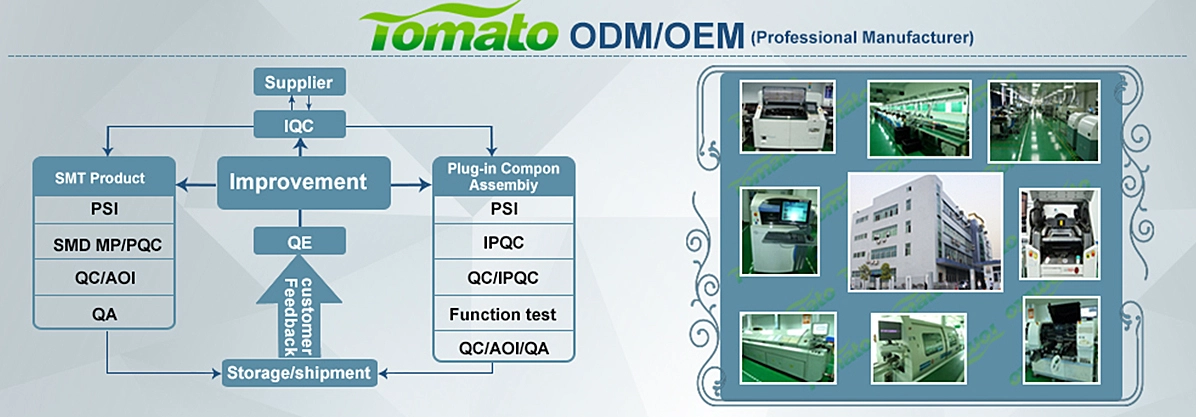
SZTomato's OEM/ODM development model can address these requirements at the hardware and firmware levels. PCBA layout modifications, specialized cooling solutions and firmware power-management optimization can be developed according to the application rather than relying on a fixed consumer design.
How Can a Smart TV Box Be Customized for B2B Projects?
This is where a commercial Smart TV Box differs from a retail product.
A standard retail device generally has a fixed:
-
PCBA
-
Processor
-
RAM
-
Storage
-
I/O configuration
-
Enclosure
-
Android firmware
A B2B customer may need a completely different configuration.
For example, a system integrator could require:
HDMI + RS-232 + GPIO + USB + Ethernet + custom Android application + remote OTA
Another project may require:
Dual display + camera interface + NPU inference + custom cooling + Linux support
These requirements may involve both hardware and software changes.
PCBA hardware modification
A capable OEM partner should be able to modify the PCBA when required.
Potential modifications include:
-
Additional interfaces
-
Different connector positions
-
RAM/storage configuration
-
Power input changes
-
GPIO expansion
-
UART/RS-232/RS-485
-
Ethernet configuration
-
Camera interfaces
-
PCIe
-
Custom peripheral integration
This is more substantial than printing a customer logo on an existing enclosure.
SDK/API integration
Hardware customization is only useful if the software can access it.
SDK/API integration may be required to control:
-
GPIO
-
UART
-
RS-232/RS-485
-
Display parameters
-
Power states
-
LEDs
-
Sensors
-
Watchdog functions
-
Custom peripherals
For system integrators, API access can reduce the amount of low-level development required in the customer's application.
Custom UI/UX firmware
Commercial applications often need an interface that differs completely from the standard Android launcher.
A customized UI can provide:
-
Brand identity
-
Simplified navigation
-
Kiosk operation
-
Restricted settings
-
Custom menus
-
Remote management
-
Application prioritization
This can be implemented as part of the firmware architecture rather than as a superficial launcher replacement.
What Is the Difference Between a Consumer Smart TV Box and a Commercial Platform?
The fundamental difference is not necessarily processor performance.
It is control.
A consumer product is normally optimized for:
Purchase → Setup → Use
A commercial platform needs to support:
Specification → Integration → Deployment → Monitoring → OTA → Maintenance
That changes the procurement criteria.
| Requirement | Consumer Focus | B2B Focus |
|---|---|---|
| SoC | Basic performance | Application-specific capability |
| Video | 4K/8K playback | Defined codec/profile requirements |
| Firmware | Standard image | Customized system |
| PCBA | Fixed | Modification possible |
| I/O | Consumer ports | Project-specific interfaces |
| Cooling | Normal usage | Sustained workload |
| OTA | Basic or unavailable | Centralized deployment |
| Security | Consumer requirements | Secure boot/DRM/HDCP |
| UI | Standard launcher | Custom UI/UX |
| Lifecycle | Shorter product cycle | Long-term support |
| Integration | Limited | SDK/API and hardware integration |
This is why selecting a Smart TV Box for a project should begin with a technical requirement document rather than a product catalog.
Smart TV Box Selection Checklist for Procurement Teams
Before approving a platform, verify:
-
SoC architecture — CPU, GPU, NPU and process technology.
-
Video engine — AV1, H.265, VP9, H.264 and required profiles.
-
Display output — HDMI, DP, MIPI and multi-display requirements.
-
HDCP/DRM — required versions and certification status.
-
RAM — capacity and memory technology.
-
Storage — eMMC, UFS, NVMe or SATA requirements.
-
Network — Ethernet, Wi-Fi, Bluetooth and optional cellular connectivity.
-
I/O — USB, UART, RS-232/485, GPIO, PCIe, CAN and camera interfaces.
-
Firmware — Android/Linux version, BSP and kernel customization.
-
OTA — update, recovery and fleet-management capabilities.
-
Thermal design — sustained performance at the target ambient temperature.
-
OEM capability — PCBA, enclosure, firmware and software customization.
-
Lifecycle support — component availability and long-term firmware maintenance.
The supplier's ability to provide engineering documentation and sample validation should also be part of the evaluation process.
Conclusion: A Smart TV Box Is a Computing Platform, Not Just a Streaming Accessory
A Smart TV Box works by combining an ARM-based SoC, hardware video engines, GPU, operating system, networking, storage and display interfaces into a compact computing platform.
The quality of the final product depends on how these components work together.
For basic OTT and 4K applications, the requirements may be relatively straightforward. For IPTV operators, hospitality systems, digital signage, education platforms and edge-AI projects, the engineering requirements become much broader.
The critical evaluation points are no longer limited to CPU cores and storage capacity. PCBA layout, codec support, display architecture, HDCP, DRM, kernel optimization, OTA systems, thermal management and API integration can determine whether the platform succeeds in production.
For procurement managers and system integrators, the right question is therefore not simply which Smart TV Box has the highest specification.
It is whether the manufacturer can adapt the hardware and software platform to the project's actual requirements.
SZTomato provides Smart TV Box OEM/ODM development covering PCBA hardware modification, SDK/API integration, custom UI/UX firmware, Android/Linux kernel optimization and specialized cooling solutions for commercial and industrial applications. When a standard retail box is not enough, these engineering capabilities provide the foundation for a production-ready platform.