
How does a Google TV Box work?
How Does a Google TV Box Work? An OEM Guide to Enterprise Architecture
ISPs, hoteliers, and digital signage network operators frequently hit a technical wall when migrating from legacy Linux set-top boxes to a modern Google TV Box: balancing Google’s strict certification mandates with the absolute necessity of proprietary brand control. Understanding how a Google TV Box operates requires stripping away the consumer-facing interface to examine the kernel-level firmware, DRM integrations, and custom PCBA engineering that make enterprise deployment viable.
A commercial-grade Google TV Box does not function like a retail dongle. It is a highly engineered ecosystem built on three distinct layers: silicon-level hardware decoding, Operator Tier software architecture, and industrial thermal design.
1. The Silicon Foundation: Hardware Decoding & SoC Requirements
At the hardware level, a Google TV Box works by utilizing a System on a Chip (SoC) specifically engineered for video decoding efficiency and Google Mobile Services (GMS) compatibility. For enterprise deployments, standard compute metrics are secondary to codec support and memory optimization.
-
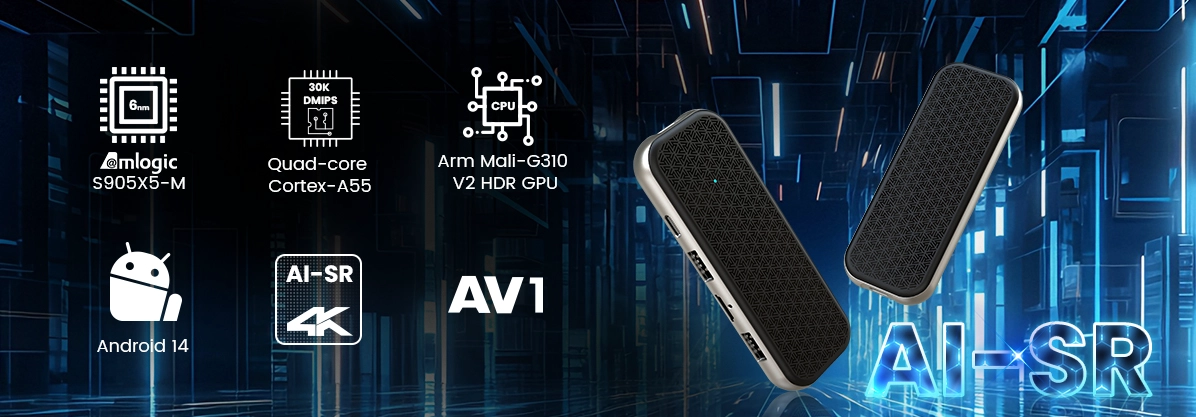
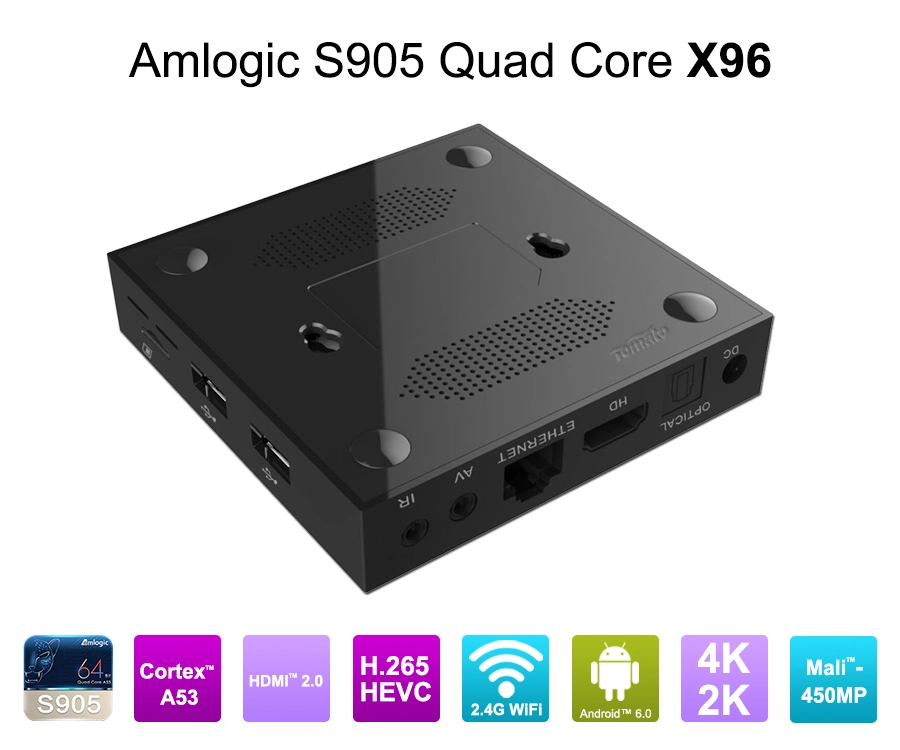
AV1 Hardware Decoding: Streaming infrastructure is shifting heavily to the AV1 codec, which reduces bandwidth consumption by up to 30% compared to HEVC. A commercial Google TV Box relies on SoCs like the Amlogic S905X4 or the newer S905X5M to decode AV1 natively at the hardware level, preventing CPU bottlenecking during 4K HDR playback.
- Memory and OS Optimization: With the rollout of Android TV 14, the base hardware requirements have been codified. A Google TV Box now requires a minimum of 1.5GB of RAM to process 4K output efficiently. However, OEM engineers must lock the Bill of Materials (BOM) for the NAND flash and DDR modules to ensure long-term firmware stability across multi-year IPTV rollouts.
-
Parallel Computing (NPU): While standard IPTV relies on Amlogic, digital signage deployments running modified Android architectures often integrate chipsets like the RK3588. These feature dedicated Neural Processing Units (NPUs) pushing up to 6 TOPS, allowing the box to handle edge-based audience analytics without dropping video frames.
2. Firmware Architecture: Android TV Operator Tier
The core operational difference between a retail Google TV Box and an enterprise endpoint is the firmware compilation. An off-the-shelf device traps the user in Google's default UI. B2B operators utilize the Android TV Operator Tier.
This specialized Google certification program allows pay-TV operators and system integrators to fundamentally alter how the software works:
- Custom Launchers and Boot Sequences: Operator Tier certification grants permission to bypass the standard Google Leanback interface. When the device boots, it launches directly into the operator's proprietary UI. The firmware is compiled with a custom kernel splash screen, ensuring the underlying OS brand is invisible to the end-user.
- DRM and CAS Integration: To stream premium 4K content from major studios, the firmware must integrate hardware-backed Digital Rights Management. A certified Google TV Box utilizes Widevine L1 and PlayReady SL2000, programmed directly into the Trusted Execution Environment (TEE) of the processor, ensuring secure content decryption.
-
MDM API Hooks: We compile the Android Open Source Project (AOSP) foundation to include elevated permissions for Mobile Device Management. This enables silent background APK updates, remote reboots, and telemetry extraction without triggering user-facing prompts.
3. PCBA Customization and Enterprise Integration
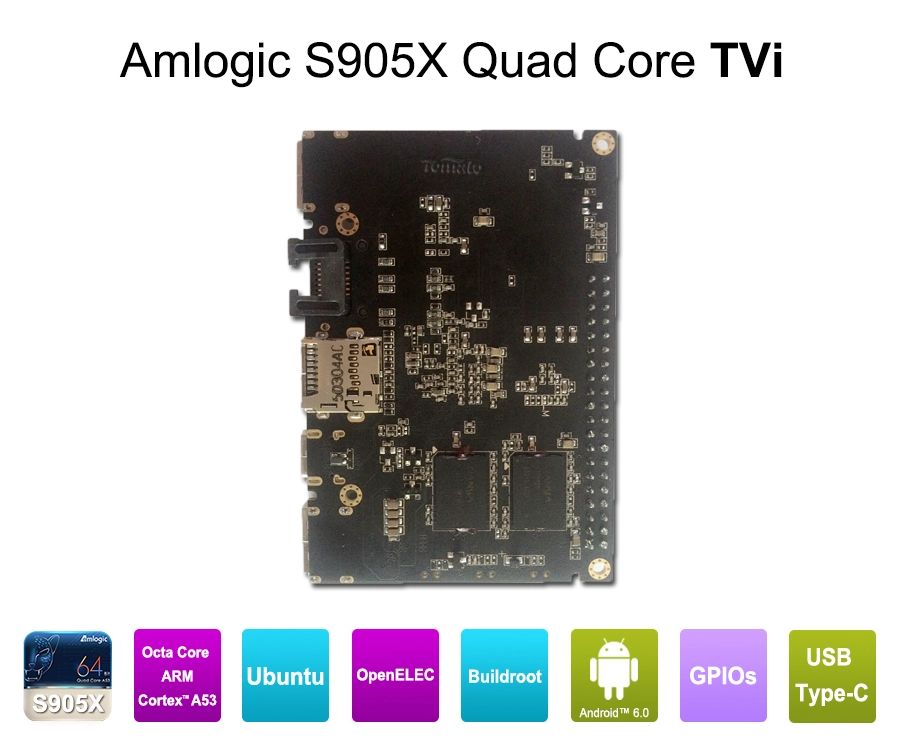
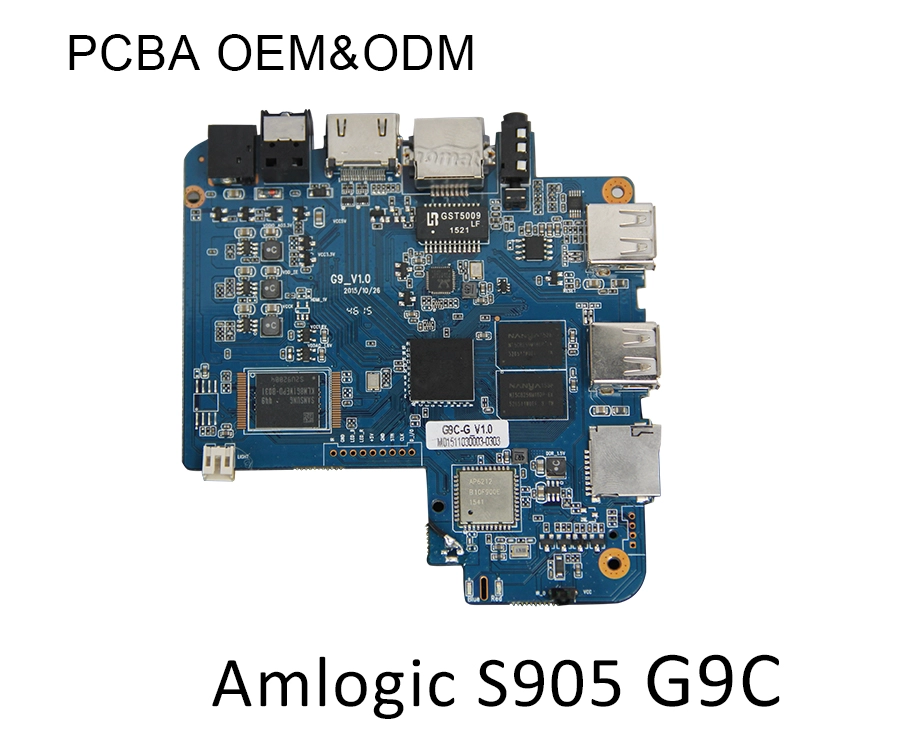
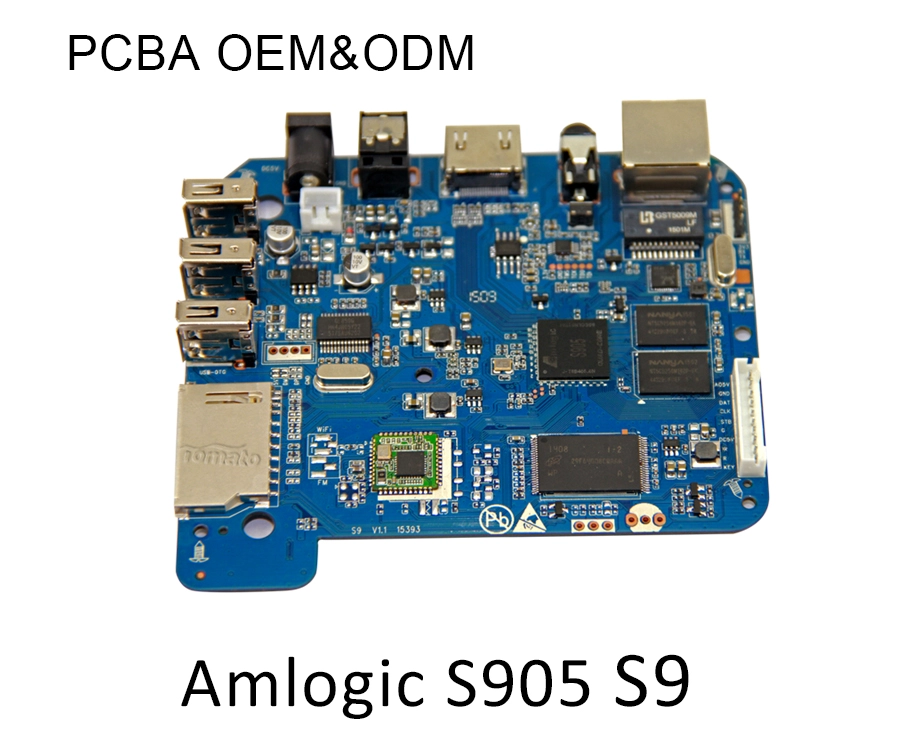
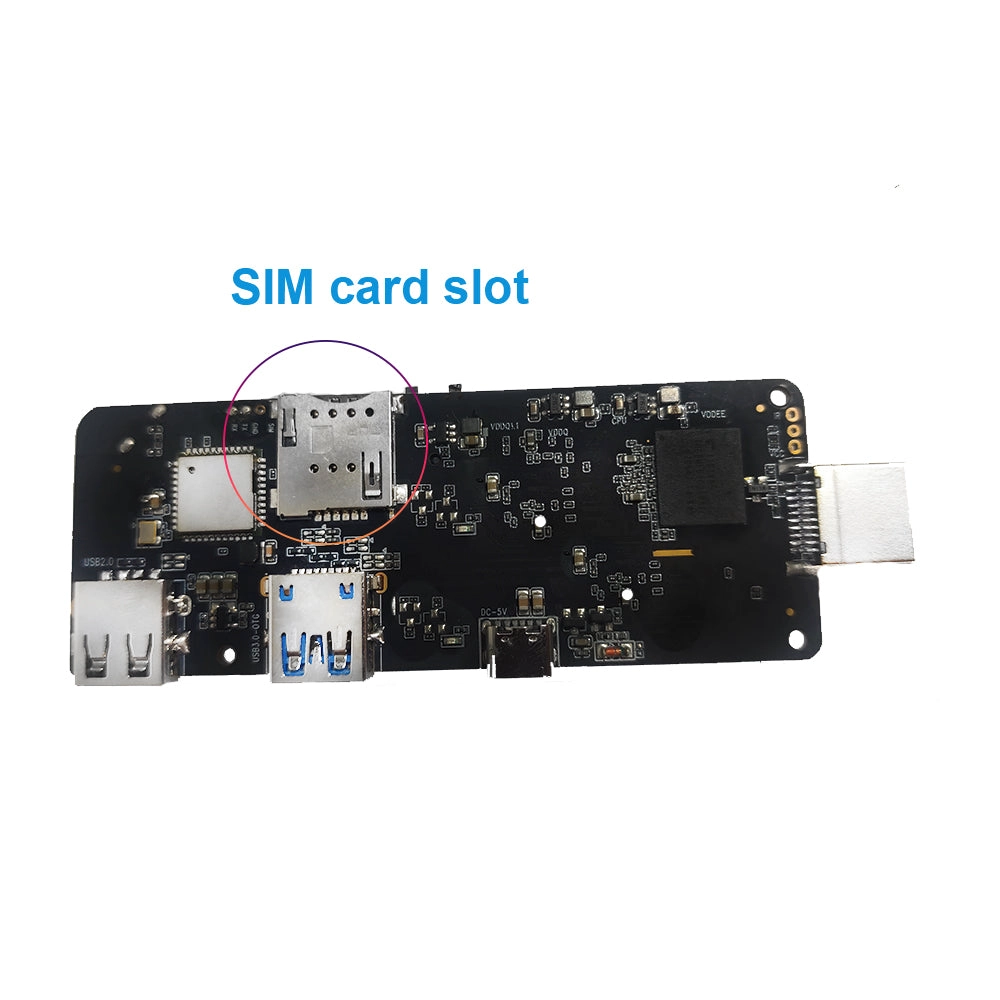
Software capabilities mean nothing if the physical hardware fails under a continuous 24/7 commercial load. A Google TV Box deployed in a hotel room or behind a digital signage kiosk works effectively only if the Printed Circuit Board Assembly (PCBA) is customized for the environment.
| Hardware Feature | Standard Retail Box | Enterprise OEM PCBA |
|---|---|---|
| Thermal Management | Passive plastic enclosure | Dedicated aluminum heat sinks, thermal pads |
| I/O Interfaces | Basic HDMI, USB 2.0 | Gigabit LAN, RS232, Optical Audio, GPIO |
| Power Stability | Standard AC adapter | Anti-surge components, RTC battery |
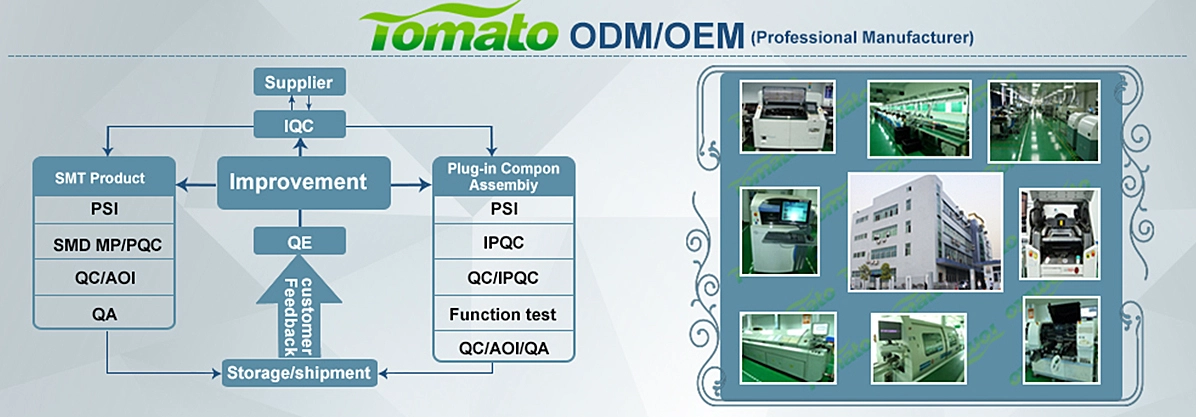
When an enterprise sources a Google TV Box, they require PCBA modification. Adding an RS232 port directly to the board allows for seamless integration with legacy hotel Property Management Systems (PMS), while Gigabit Ethernet ensures buffer-free local caching—features absent from consumer hardware.
Strategic Procurement: The OEM Advantage
Procuring a Google TV Box is a hardware manufacturing partnership, not a software subscription. Sourcing uncertified, generic hardware results in locked firmware, immediate thermal throttling, and blacklisted MAC addresses.
To maintain control over your IPTV or hospitality deployment, you must partner with an OEM/ODM capable of executing both PCBA layout modifications and Google Operator Tier firmware compilation in-house. Ensure your supply chain can guarantee a locked BOM and provide kernel-level support throughout the lifecycle of the deployment.
Observing a manual Installing Google TV 14 OS implementation provides practical insight into the base firmware architecture and boot sequence requirements before OEM customizations are applied.
