
How to choose a Streaming Media Player?
How to Choose a Streaming Media Player for High-Load Commercial Deployments
Deploying thousands of endpoints for IPTV, hospitality, or interactive digital signage exposes a harsh reality: consumer-grade retail boxes fail under continuous commercial loads. Network operators and system integrators often realize too late that saving capital on off-the-shelf hardware results in massive OPEX spikes due to truck rolls, thermal hardware failures, and locked firmware that prohibits remote management.
Selecting the right streaming media player for a B2B environment requires moving past basic RAM and storage metrics. True enterprise stability hinges on three core pillars: silicon architecture, bare-metal firmware engineering, and custom PCBA design.
Silicon Selection: SoC Architecture and Decoding Capabilities
The System on a Chip (SoC) dictates the ceiling of your device’s performance. For B2B applications, you must evaluate the silicon based on hardware decoding efficiency and lifecycle longevity, not just raw clock speed.
-
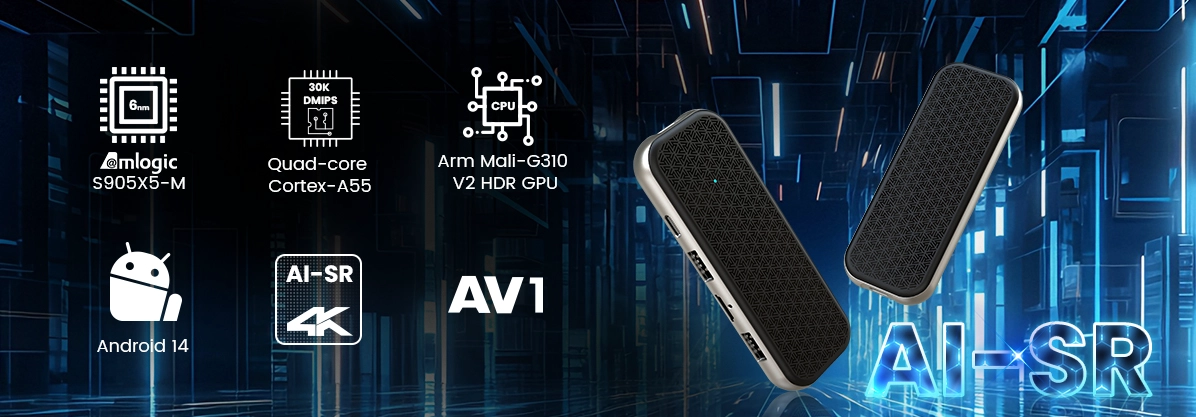
AV1 Hardware Decoding: As streaming providers shift to AV1 to reduce bandwidth costs by up to 30% over HEVC/H.265, selecting an SoC with native AV1 decoding (such as the Amlogic S905X4 or newer architectures) is non-negotiable for future-proofing IPTV deployments.
-
NPU Integration: For digital signage applications utilizing audience analytics, selecting a chipset with a built-in Neural Processing Unit (NPU) allows for edge-based AI processing without taxing the primary CPU, preventing dropped frames during media playback.
-
Locked BOM (Bill of Materials): Consumer electronics frequently change internal components (Wi-Fi modules, NAND flash) without changing the SKUs. Commercial deployments require a locked BOM to ensure a single master firmware image remains stable across a 3-to-5-year deployment lifecycle.
Firmware-Level Engineering: Beyond the Standard UI
The most significant point of failure in cross-border electronics procurement is treating the operating system as a black box. A true commercial streaming media player requires deep kernel-level access and Android Open Source Project (AOSP) customization.
If your hardware vendor cannot modify the firmware, you do not own your ecosystem.
-
Root Access and MDM API Integration: Enterprise deployments require Mobile Device Management (MDM) platforms. Your device must support silent APK installations, background OTA (Over-The-Air) updates, and remote reboot capabilities, requiring custom system permissions compiled directly into the firmware.
-
Boot Sequence Customization: The player must reflect your brand from the moment it receives power. This requires replacing default manufacturer bootup animations with custom kernel splash screens and locking the launcher so end-users cannot exit your proprietary application.
-
Stripping Bloatware: Consumer Android TV builds are heavy with retail telemetry and unnecessary Google services. Compiling a lean, purpose-built OS eliminates background process bloat, freeing up CPU cycles and RAM for your core video application.
PCBA Customization and Thermal Management
A streaming player running a continuous 4K 60fps video loop in a high-ambient temperature environment (like behind a commercial display panel) requires industrial thermal design.
| Requirement | Consumer Retail Box | B2B OEM/ODM Player |
|---|---|---|
| Thermal Dissipation | Passive plastic shell | Dedicated aluminum heatsink, thermal pads |
| I/O Interfaces | Standard HDMI, basic USB | RS232, Gigabit LAN, Optical Audio, custom GPIO |
| Power Protection | Basic AC adapter | Anti-surge PCBA components, RTC battery support |
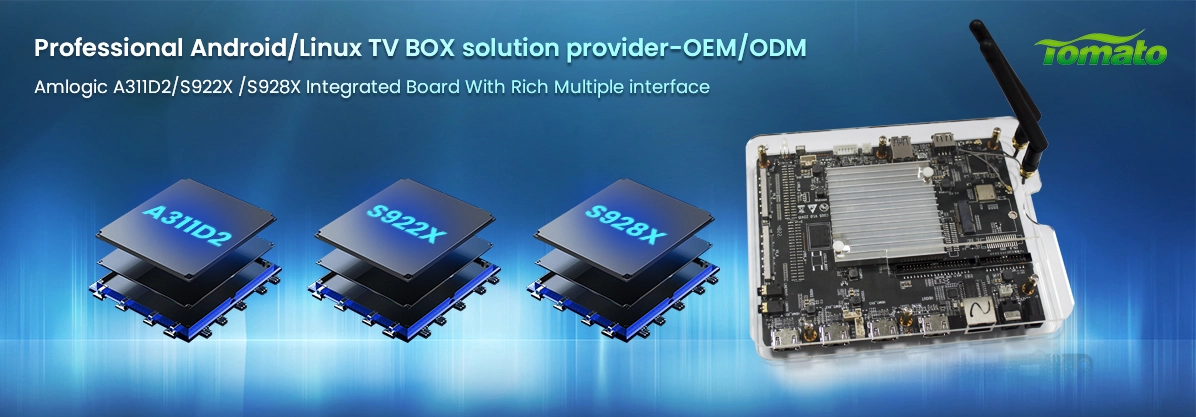
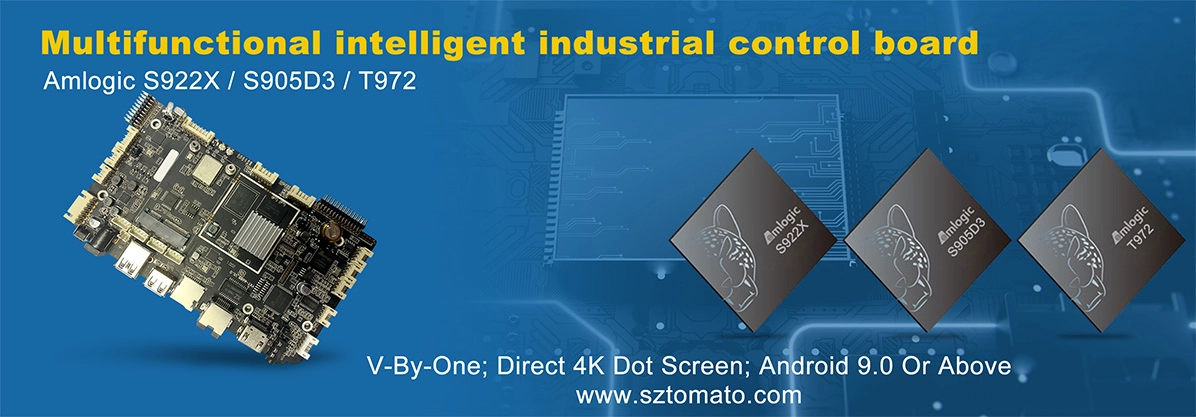
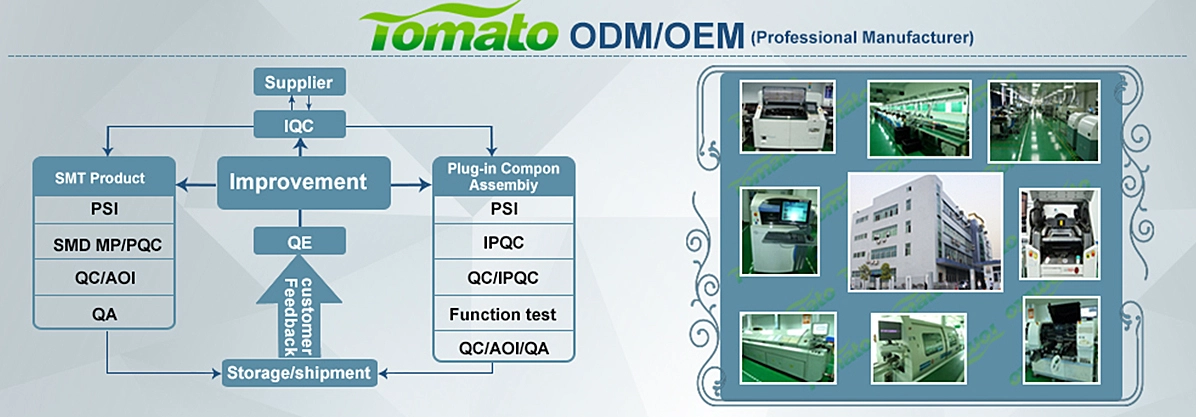
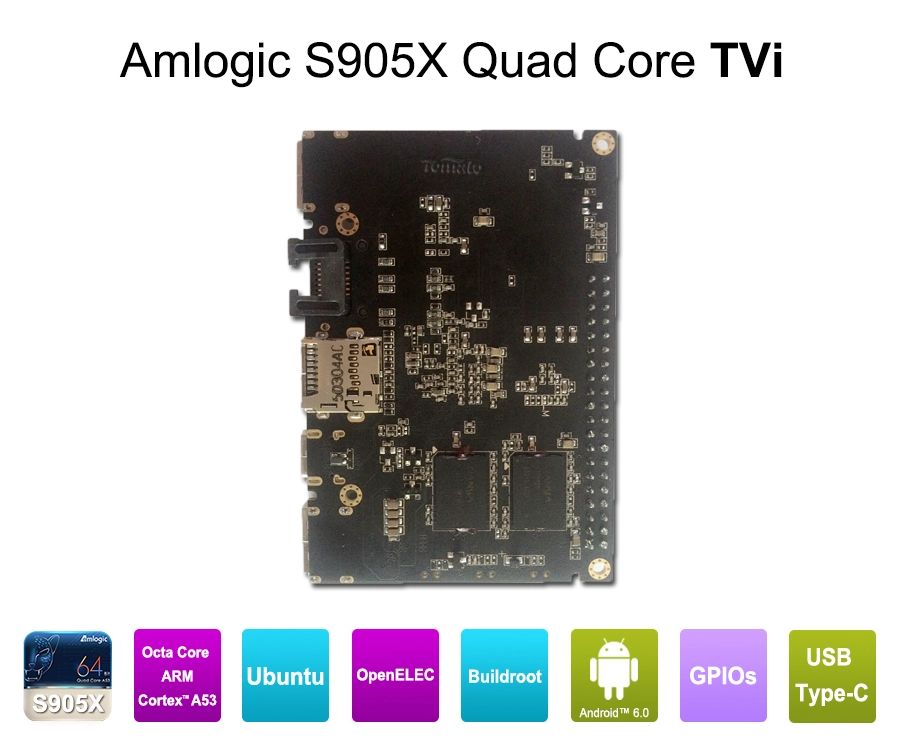
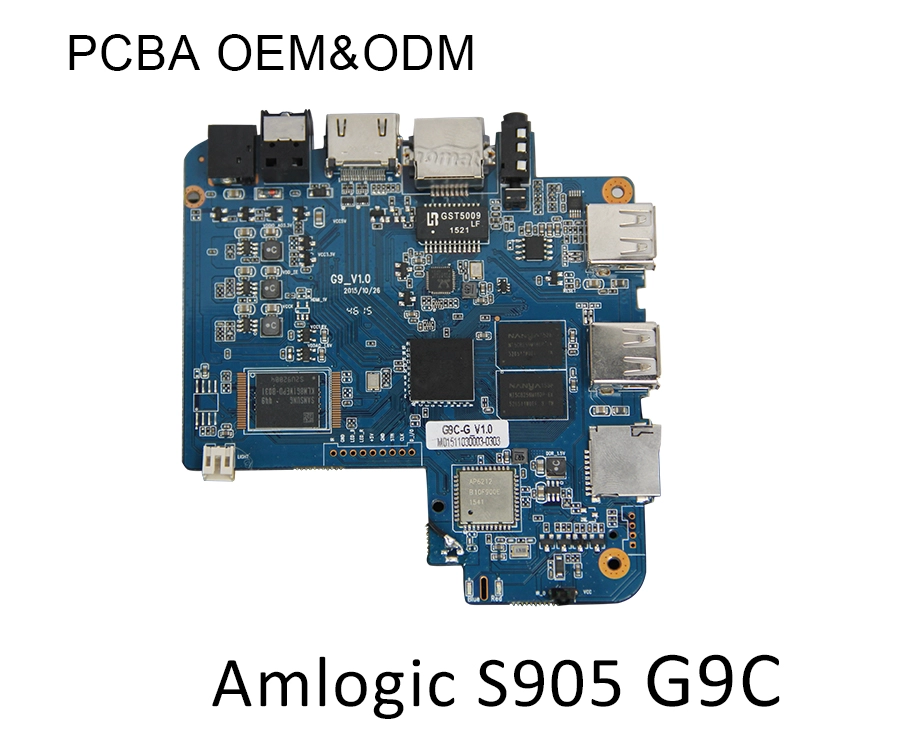
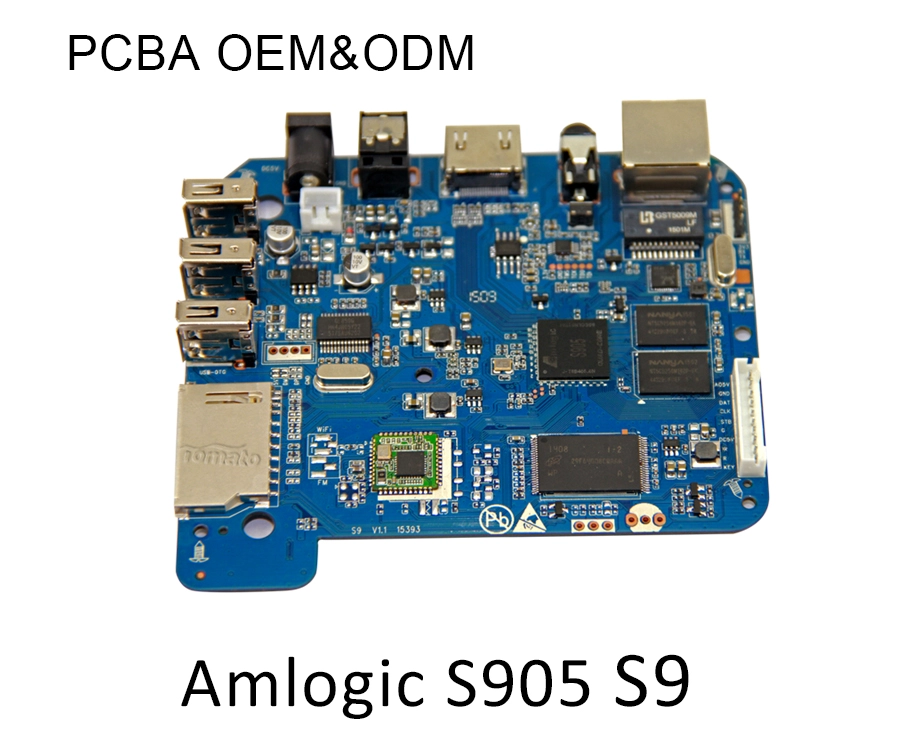
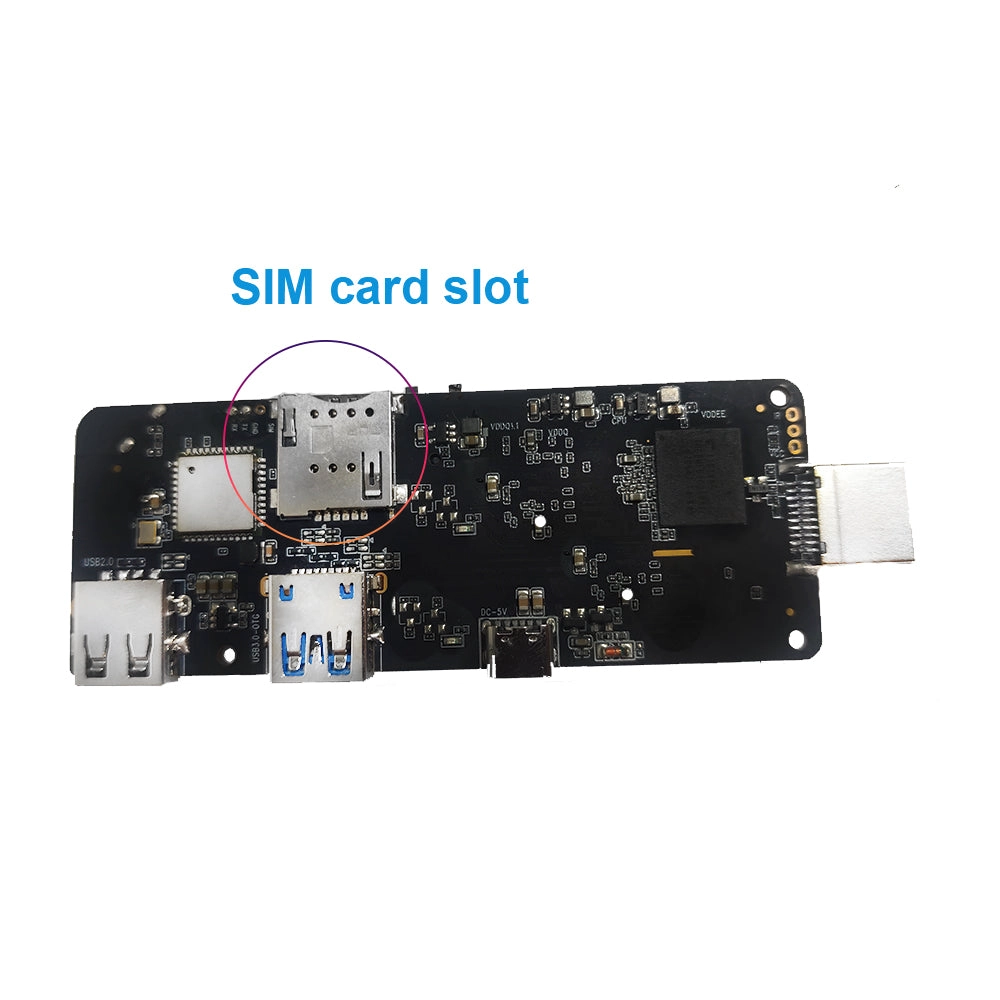
When scaling hardware, standard form factors rarely fit specialized use cases. Engaging an OEM capable of PCBA (Printed Circuit Board Assembly) modification allows you to add specific I/O ports—such as an RS232 interface for legacy hotel property management systems or Gigabit Ethernet for high-bitrate local caching—directly to the board, eliminating the need for external, failure-prone dongles.
Securing the OEM/ODM Advantage
Procuring a streaming media player is not a transactional purchase; it is a manufacturing partnership. Sourcing generic hardware creates vendor lock-in with zero technical support.
An established OEM/ODM partner bridges the gap between hardware manufacturing and software development. By aligning with a manufacturer that handles both PCBA layout and kernel-level firmware compilation under one roof, organizations eliminate the friction between hardware constraints and software demands.
Take Action: If your current hardware cannot support seamless OTA updates, or if thermal throttling is degrading your playback quality, it is time to audit your hardware supply chain. Contact our engineering team at SZTomato to discuss PCBA modification, custom AOSP compilation, and building a streaming media player engineered specifically for your deployment architecture.
