
How to Get it Internet TV Box?
B2B Procurement Strategy: Sourcing Reliable Internet TV Box Hardware at Scale
Managing a cross-border hardware rollout reveals a clear operational truth: procurement failures during the initial sourcing phase compound exponentially over time. When telco operators, hospitality providers, or digital signage integrators attempt to source an Internet TV Box fleet via retail or unverified wholesale channels, they face significant operational risks. These risks include unannounced component swaps on the Printed Circuit Board Assembly (PCBA), locked bootloaders, non-compliant Wi-Fi modules, and a total absence of long-term software development kit (SDK) maintenance.
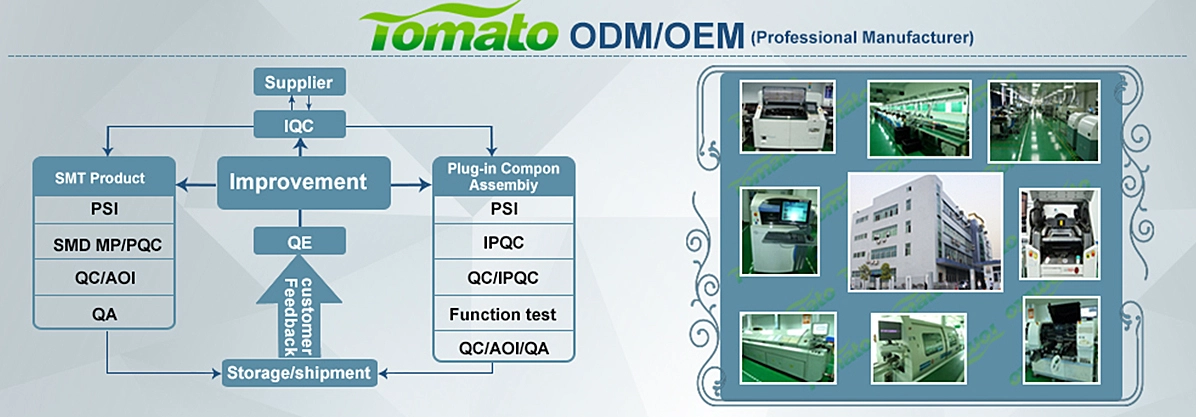
Securing a commercial-grade Internet TV Box platform requires transitioning from simple transactional purchasing to structured, direct OEM/ODM engineering collaboration. Achieving a successful deployment relies on verifying silicon roadmaps, evaluating hardware layouts, and establishing firm quality control benchmarks directly at the manufacturing level.
1. Deconstructing the Supply Chain: Bypassing Consumer Retail Middlemen
The wholesale electronics market is flooded with trading companies that add zero value to product engineering while obstructing access to the primary engineers responsible for firmware design. For procurement teams requiring hundreds or thousands of units, ordering from generic online retail or trading storefronts introduces severe vulnerabilities:
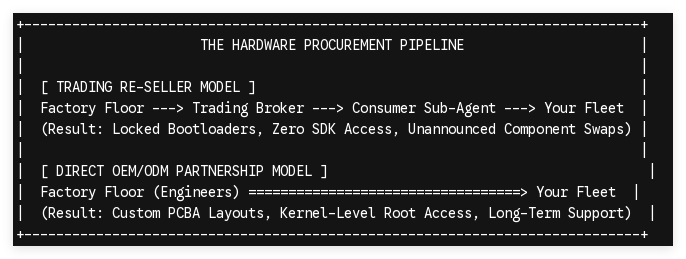
To secure hardware that meets enterprise uptime standards, procurement specifications must be routed directly to manufacturers capable of providing custom PCBA layout design and low-level firmware engineering. Partnering directly with the factory floor provides direct access to the software engineering team. This access is critical for modifying the Android kernel, patching security vulnerabilities, and ensuring the device matches the specific network infrastructure of the end user.
2. Hardware Verification: Inspecting the PCBA Blueprint
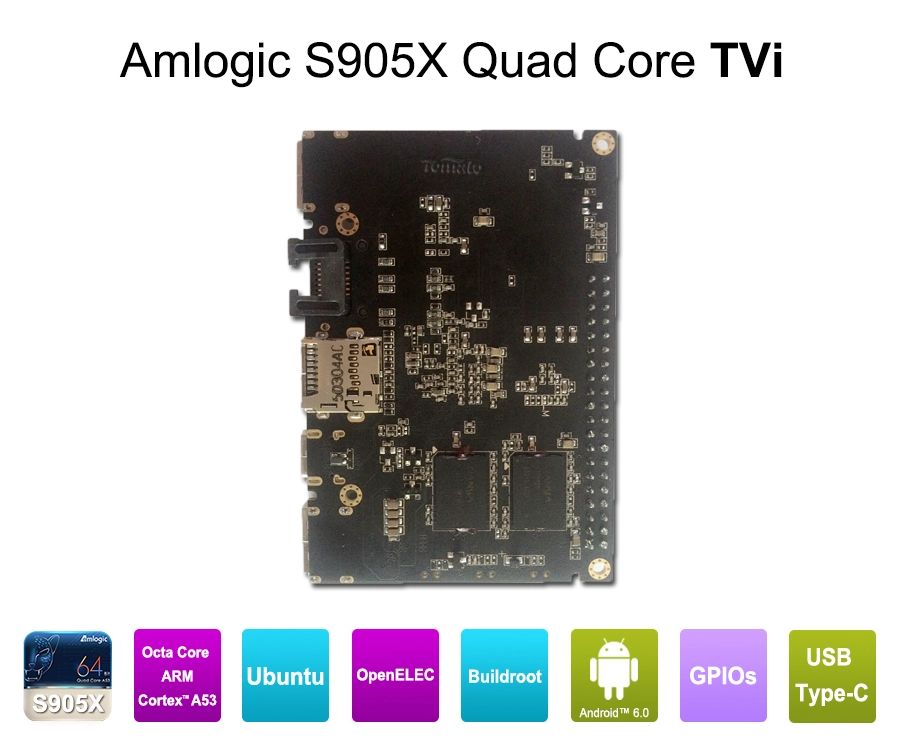
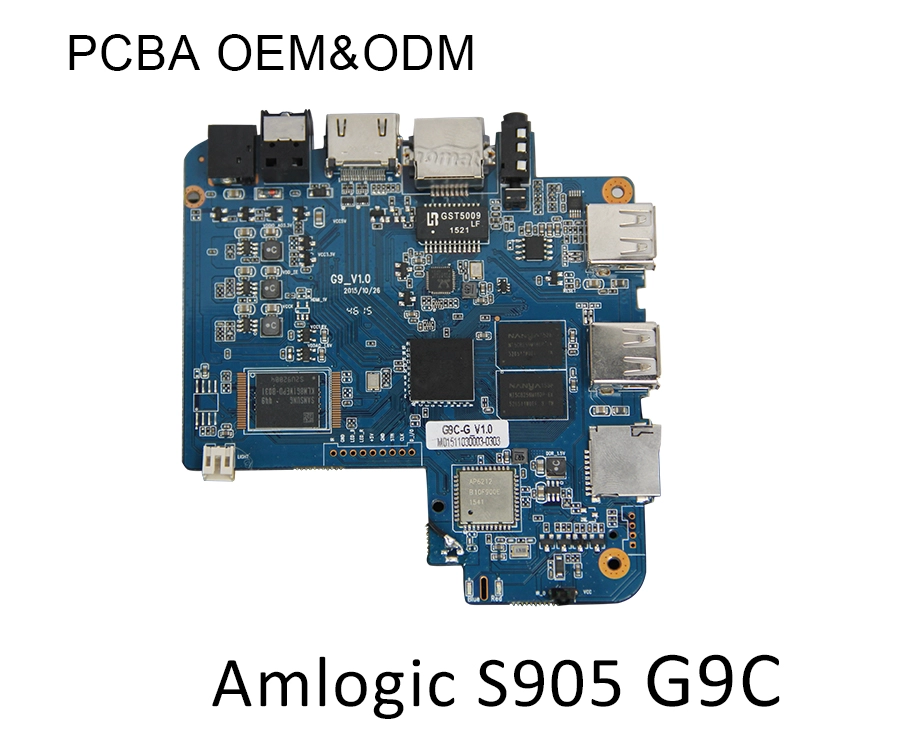
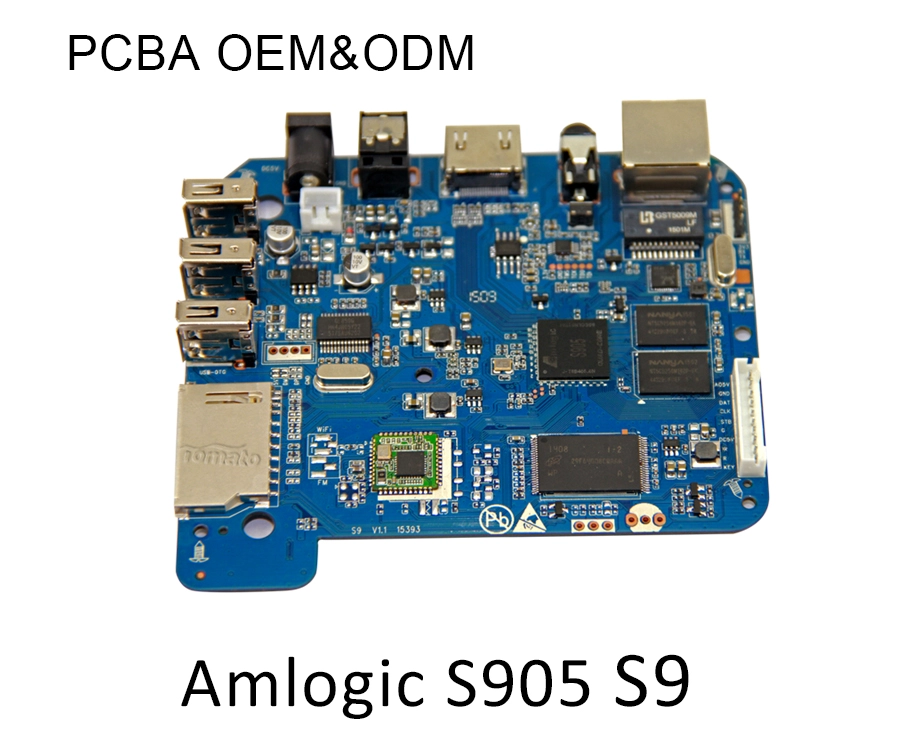
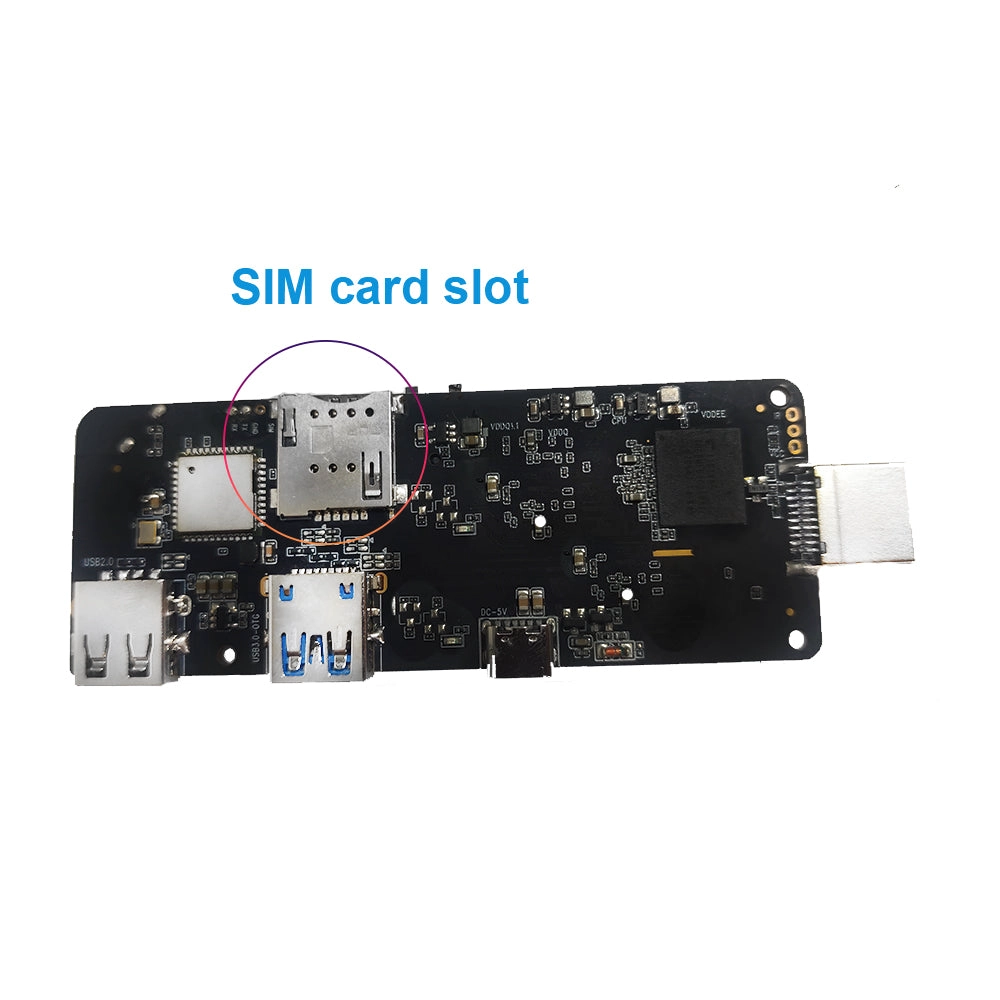
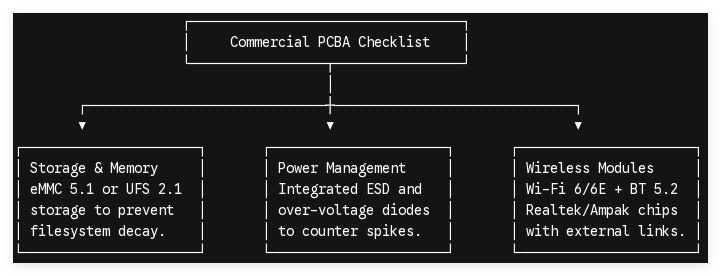
A reliable Internet TV Box is defined by its board architecture. Consumer-grade devices lower production costs by using inferior, B-grade flash storage chips or omitting critical circuit protection. During the technical evaluation phase, engineering teams should mandate the following component benchmarks:
-
Storage and Memory Lifecycle: Demand high-tier eMMC 5.1 or UFS 2.1 flash storage coupled with genuine LPDDR4/4X RAM. Low-grade memory chips decay rapidly under continuous 24/7 read/write cycles, causing terminal filesystem corruption within months of deployment.
-
Power Management Integrated Circuits (PMIC): Ensure the board includes dedicated electrostatic discharge (ESD) protection and over-voltage protection diodes. Commercial deployments subject devices to inconsistent line voltages; unshielded inputs lead to premature board failures.
-
Certified Wireless Connectivity: Verify that the Wi-Fi/Bluetooth modules use stable, globally supported chipsets (such as Ampak or Realtek) that hold valid FCC and CE certifications. Cheap, unbranded wireless modules suffer from high packet loss and dropped connections in high-density corporate networks.
3. Structural Evaluation: The Sourcing and Customization Procedure
Moving from a target hardware concept to a finalized physical product fleet requires a structured evaluation framework to ensure alignment between software and hardware components.
1
Silicon Selection and Chipset Matching
Evaluate Core Capabilities
1.Silicon Selection and Chipset Matching:Evaluate Core Capabilities。
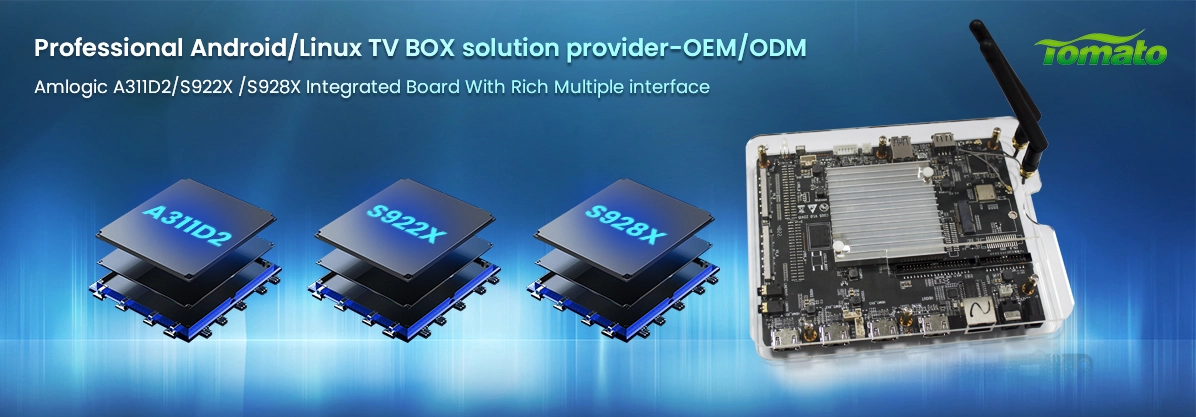
Identify the specific performance tier required for the end application. Select an optimal processing platform—such as the cost-effective Amlogic S905X4 for standard media delivery or the high-compute S928X architecture for complex multi-screen processing—to establish the core processing foundation.
2
Technical Gerber and Schematic Review
Request Board Blueprints
2.Technical Gerber and Schematic Review:Request Board Blueprints。
Request the factory’s engineering schematics and Gerber files for review. Verify the physical placement of essential interfaces, including dedicated RJ45 Gigabit Ethernet controllers, true hardware reset pins, and isolated thermal dissipation pathways.
3
SDK and Bootloader Configuration
Firmware Layer Integration
3.SDK and Bootloader Configuration:Firmware Layer Integration。
Secure the native Linux or Android BSP (Board Support Package) from the manufacturer. Confirm that the bootloader can be unlocked to allow the injection of custom operating system images, proprietary application launch parameters, and dedicated enterprise MDM (Mobile Device Management) agents.
4
Pilot Run and Environmental Stress Testing
Mass Production Verification
4.Pilot Run and Environmental Stress Testing:Mass Production Verification。
Execute a localized pilot production run of 50 to 100 units. Subject these test samples to prolonged thermal chamber testing at 60°C under full computing loads to verify the structural integrity of the solder joints, memory interfaces, and thermal pads before approving mass assembly.
4. Problem-Solution Framework: Eliminating Software Bottlenecks
Even high-performance hardware components can fail if paired with unoptimized consumer software. Sourcing a viable Internet TV Box requires solving common software restrictions that hamper professional deployments:
| Technical Challenge | Root Cause | Engineering Solution |
|---|---|---|
| System Freeze / App Crashes | Memory leaks or background OS process overhead. | Implement custom firmware that strips out all consumer bloatware, enforces aggressive background RAM management, and includes a persistent hardware watchdog timer to auto-reboot the device if the primary app drops out. |
| Piracy and Security Alerts | Non-compliant or unverified Widewine DRM keys. | Sourcing directly from an established OEM ensures the integration of verified Google Widevine L1 or L3 DRM security keys, allowing smooth playback of encrypted content streams without app blacklists. |
| Unmanaged Application Updates | Automatic Google Play Store updates overriding custom enterprise software apps. | Provision the device with a restricted or entirely decoupled Android Open Source Project (AOSP) system image, giving your IT administrators absolute control over system-wide OTA update schedules. |
Establish Direct OEM/ODM Manufacturing Pipelines
If your business infrastructure relies on stable, scalable media delivery, procuring generic Internet TV Box hardware from consumer markets introduces unacceptable points of failure. True operational stability requires dedicated silicon engineering, industrial component sourcing, and root-level firmware control designed for commercial deployment.
Our organization specializes in cross-border B2B manufacturing, delivering tailored OEM/ODM electronics solutions directly from our engineering facilities. We provide custom PCBA layouts, advanced hardware configurations, and kernel-level firmware optimization to meet the strict demands of your enterprise network.
Contact our Senior Engineering and Procurement Team today to submit your RFQ, review your hardware specifications, and request an evaluation sample built for your business workload.
