
What channels can you get on a Google TV Box?
What Channels Can You Get on a Google TV Box? A B2B Guide to Content Aggregation
Hospitality integrators and regional ISPs face a chronic content delivery problem: forcing end-users to navigate between disparate HDMI inputs, legacy DVB tuners, and fragmented IPTV applications drives up support tickets and degrades engagement. When evaluating hardware for a commercial rollout, the core question—what channels can you get on a Google TV Box?—is not merely about consumer content availability. It is a technical evaluation of how the underlying firmware aggregates, decrypts, and manages media streams from diverse network sources.
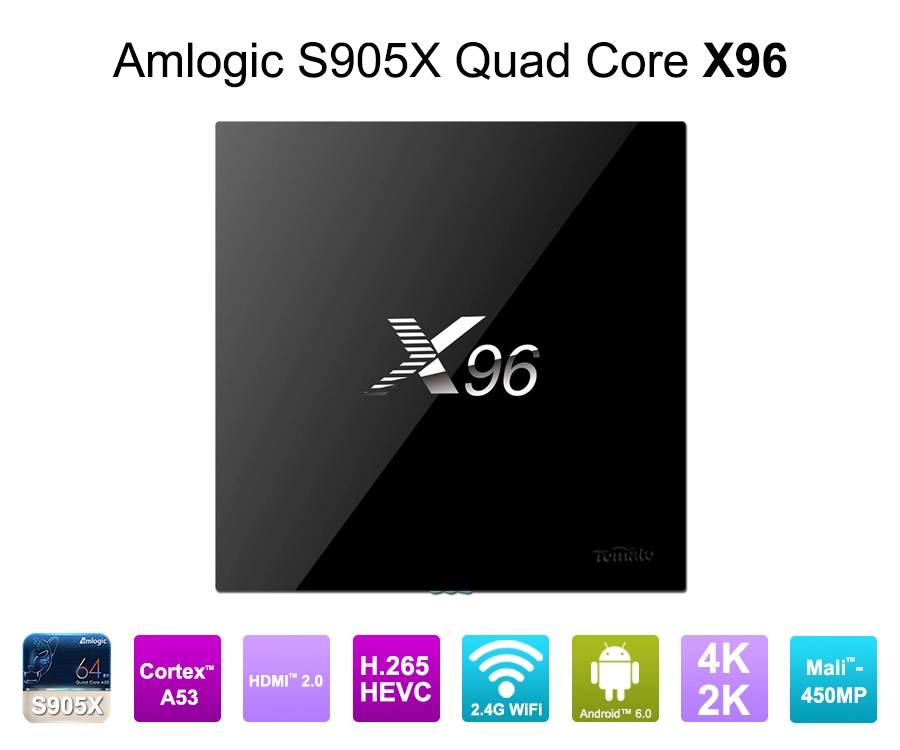
For enterprise deployments, a Google TV Box does not function as a closed retail dongle; it operates as an ingest-and-display engine capable of blending cloud-based feeds with localized IP video.
Market Trend: Native FAST Integration via Google TV Freeplay
For basic hospitality tiers, digital signage lobbies, or waiting rooms, minimizing content licensing costs is a primary objective. Out of the box, a certified Google TV Box deployed in supported regions addresses this through Google TV Freeplay.
The operating system inherently aggregates over 800 Free Ad-Supported Streaming TV (FAST) channels. Critically for B2B operators, over 200 of these channels are baked directly into the firmware’s "Live" tab, requiring zero third-party app installations, user authentication, or manual updates. This provides immediate access to major news networks, sports highlights, and localized broadcast feeds natively, establishing a baseline channel lineup without incurring recurring content distribution fees.
Problem-Solution: Unifying IPTV with the Android TV Input Framework (TIF)
The primary technical hurdle for system integrators is delivering proprietary, localized channels alongside mainstream streaming apps without forcing the user to switch inputs. We solve this at the firmware level using the Android TV Input Framework (TIF).
TIF provides a standardized API architecture that allows developers to create custom TV input services running in the background.
-
EPG Unification: Instead of isolating your hotel's internal promotional video or a regional ISP's multicast feed inside a clunky third-party APK, TIF maps these custom IP streams directly into the system’s native Electronic Program Guide (EPG).
-
Frictionless Channel Surfing: By routing multicast UDP/RTP streams or HLS feeds through the TIF API, the custom channels respond to standard remote control numeric keys and sequential channel up/down commands, perfectly mimicking traditional RF cable behavior.
-
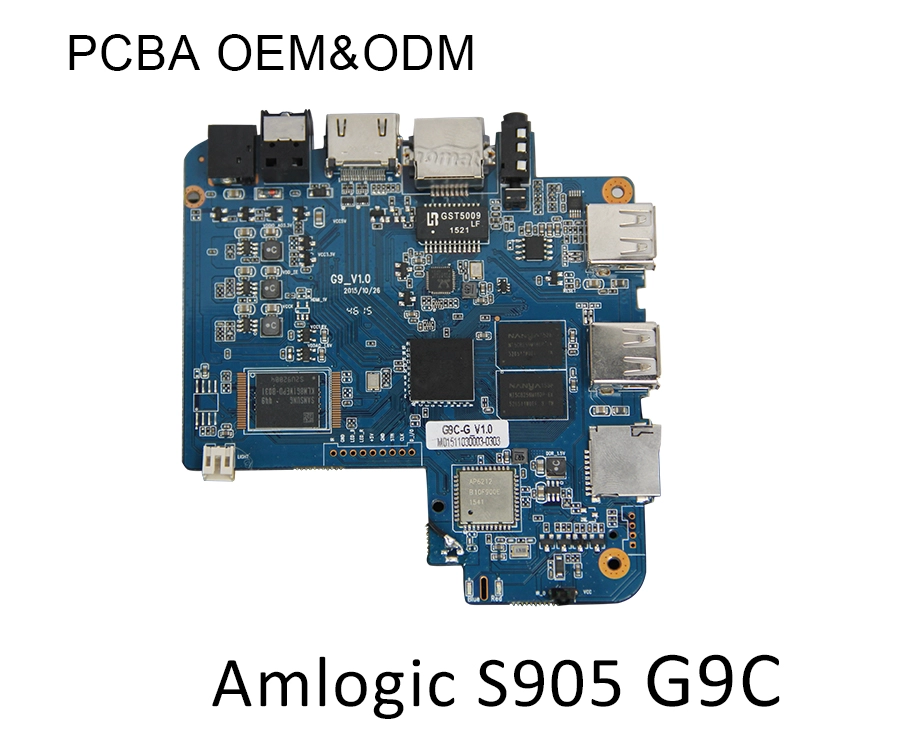
Hardware Bridging: If your PCBA design includes a physical tuner (DVB-T2/C/S2), TIF merges those terrestrial or satellite broadcasts into the exact same channel list as the IP-based feeds.
How-To: Monetizing the Lineup via Android TV Operator Tier
If you are an ISP or pay-TV operator, you cannot afford to have Google’s default algorithm dictate which channels and apps receive homepage priority. To retain control over the content funnel, operators deploy hardware utilizing Android TV Operator Tier certification.
Operator Tier firmware bypasses the default Google launcher entirely. Upon boot, the Google TV Box loads a custom-compiled UI owned by the operator. This allows you to:
-
Dictate the exact default channel list upon startup.
-
Prioritize your VOD content and proprietary IPTV services above third-party applications.
-
Curate and restrict which FAST channels are visible to the end-user, ensuring the hardware serves your specific business model rather than acting as a generic retail endpoint.
Securing Premium Broadcasts: Hardware DRM Requirements
Accessing Tier-1 live channels (such as premium sports broadcasts or 4K studio releases) requires strict content protection. An uncertified, generic Android box will invariably be blacklisted by major streaming providers and CAS (Conditional Access System) vendors.
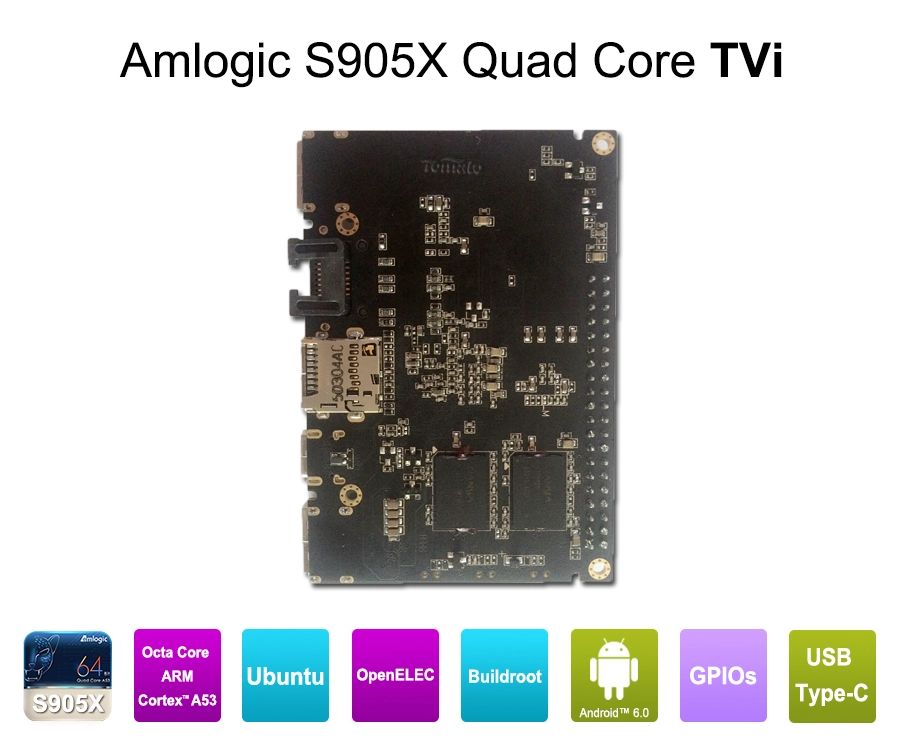
To process encrypted premium channels, the Google TV Box must feature a locked bootloader and hardware-backed Digital Rights Management. Integrators must select an SoC—such as the Amlogic S905X4—where Widevine L1 and PlayReady SL2000 keys are burned directly into the Trusted Execution Environment (TEE) during the PCBA manufacturing process. This guarantees that high-bandwidth encrypted channels decode natively in hardware, preventing playback failures and unauthorized stream interception.
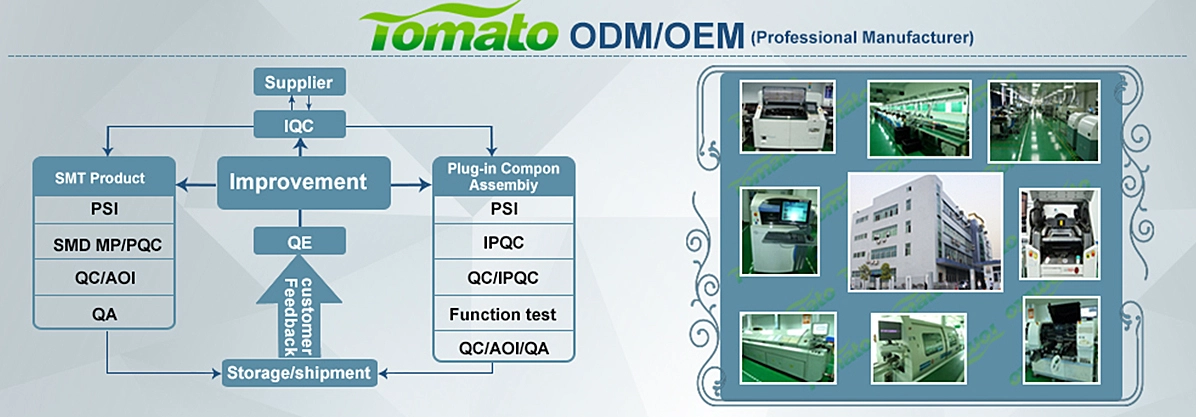
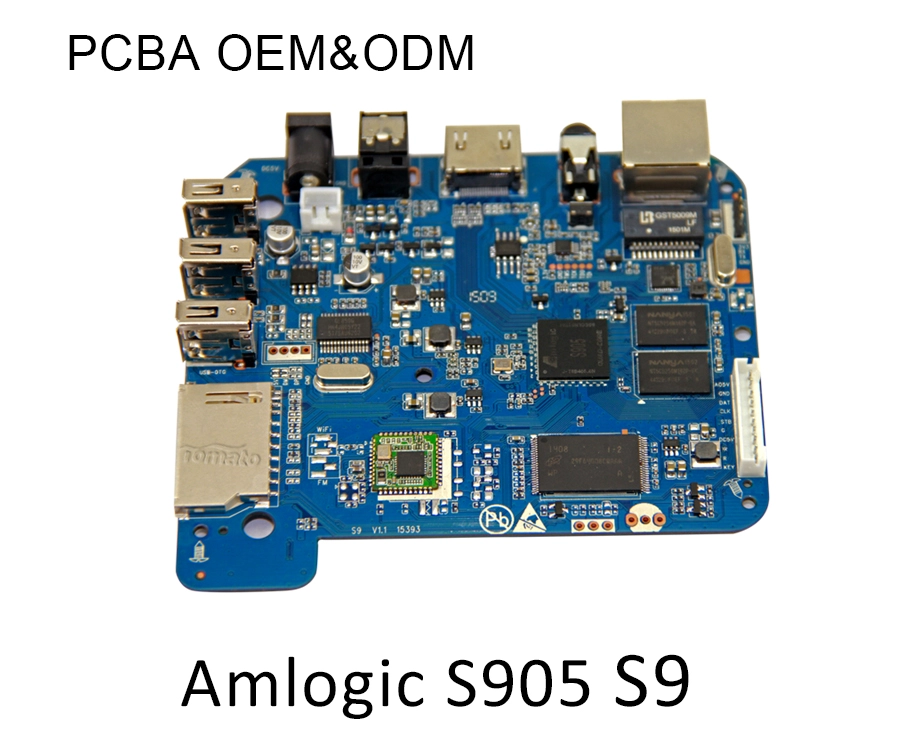
Take Action: Stop wrestling with fragmented IPTV applications and thermal hardware failures. To deploy a commercial channel lineup that integrates seamlessly with your local network, contact the engineering team at SZTomato. We specialize in custom PCBA design, Operator Tier firmware compilation, and TIF API integration to build streaming media players engineered for enterprise scale.
