
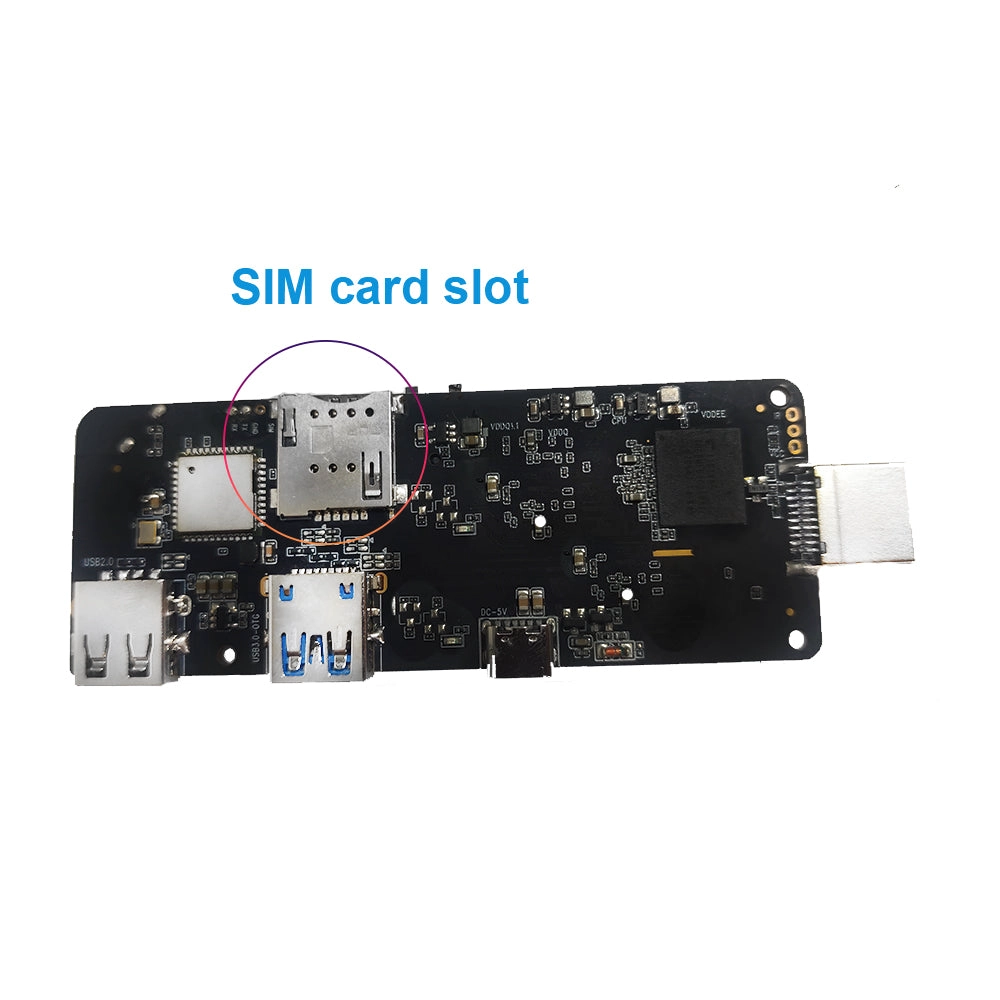
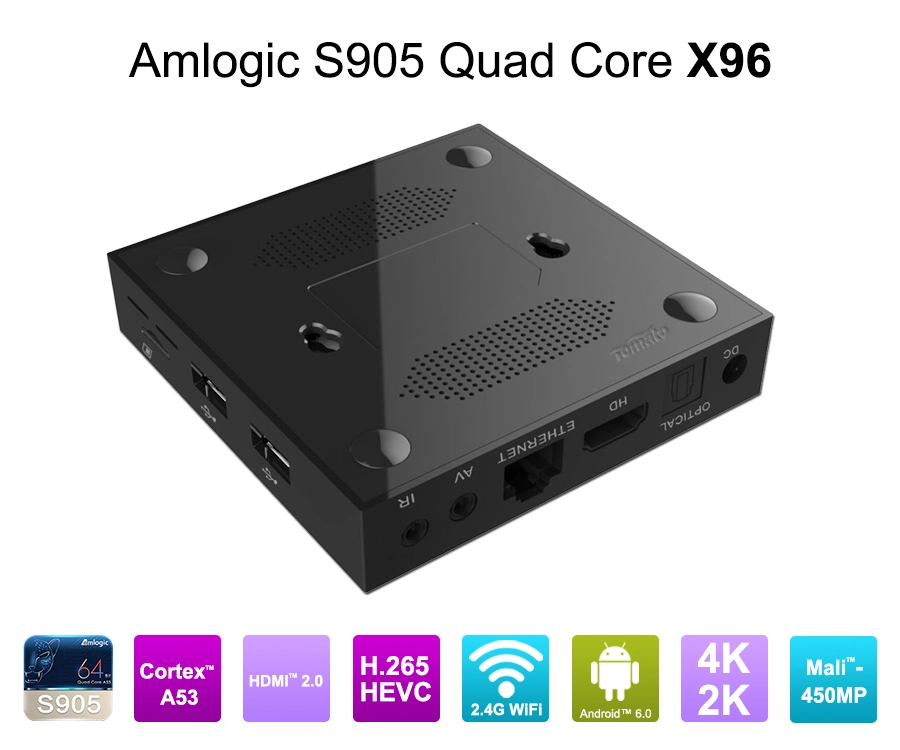
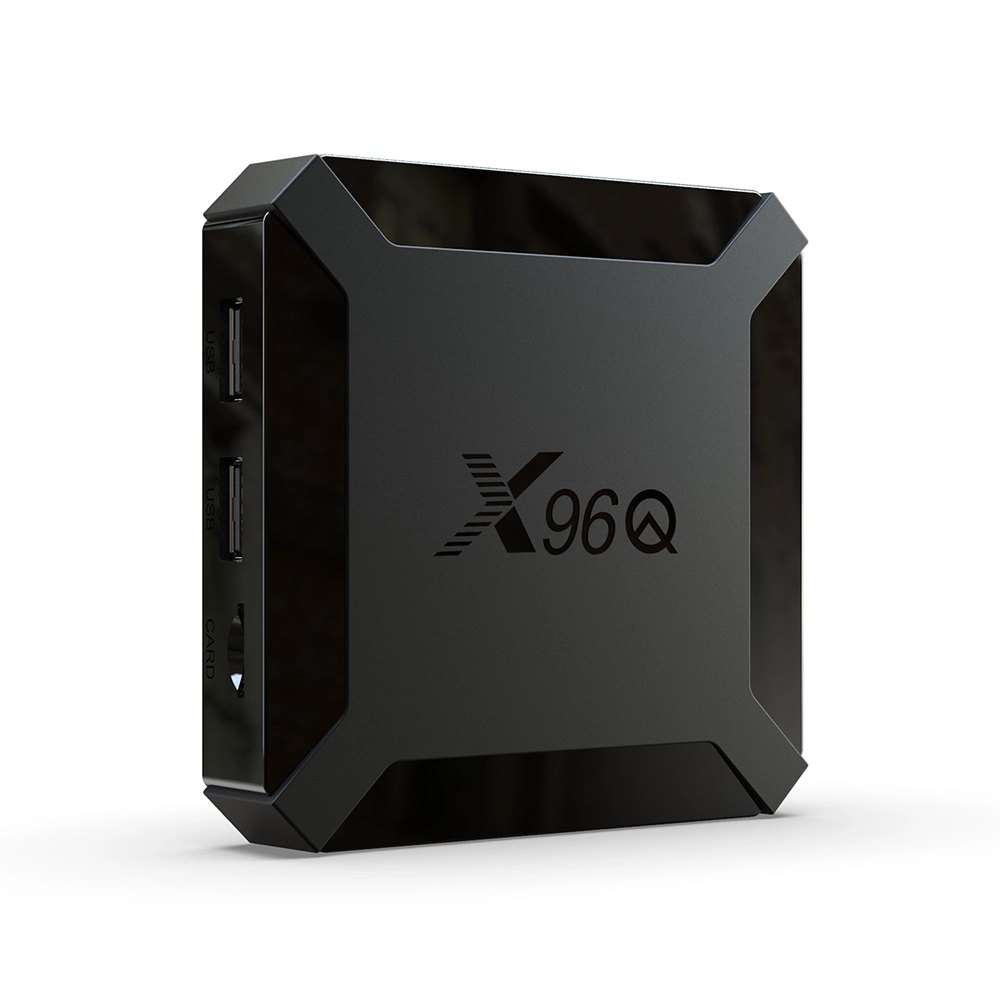
Internet TV BoxOEM/ODM Solutions
Custom Internet TV Box OEM/ODM Solutions for Enterprise Deployments
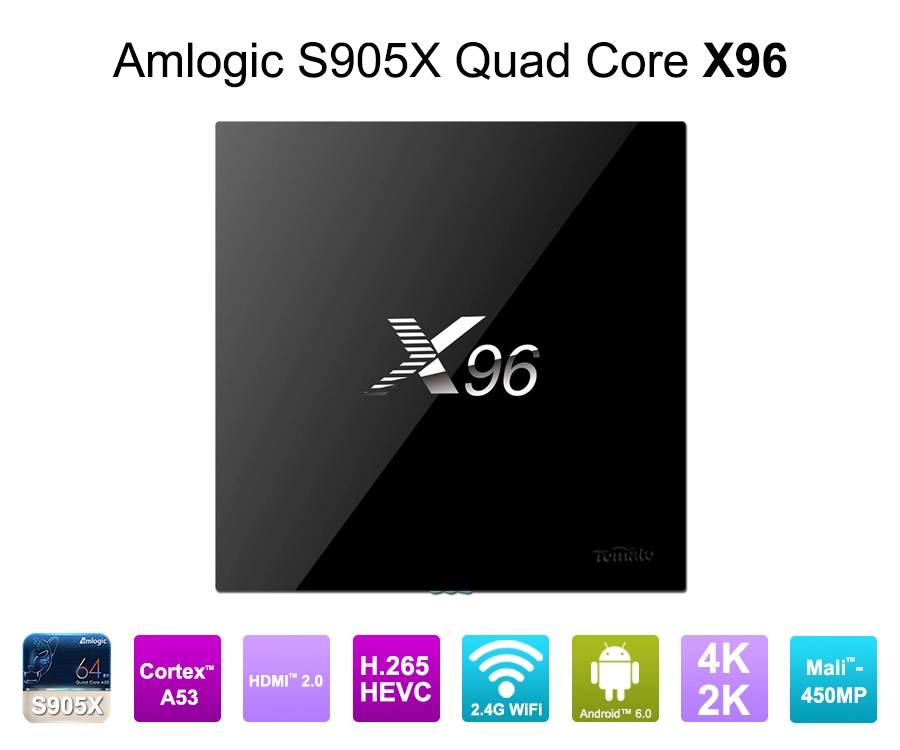
Commercial hardware deployments fail at the firmware level long before they fail in the field. For B2B operators, digital signage integrators, and telecommunications providers, relying on retail-grade hardware is a costly operational mistake. Generic Android boxes lack the thermal management, component longevity, and OS-level stability required for uninterrupted, 24/7 commercial operations.
To achieve true scalability and maintain brand authority, enterprises require purpose-built Internet TV Box hardware. This demands strategic OEM/ODM engineering that integrates custom System-on-Chip (SoC) architectures with hardened, enterprise-grade firmware.
1. Architectural Engineering: Silicon Selection and PCBA Modification
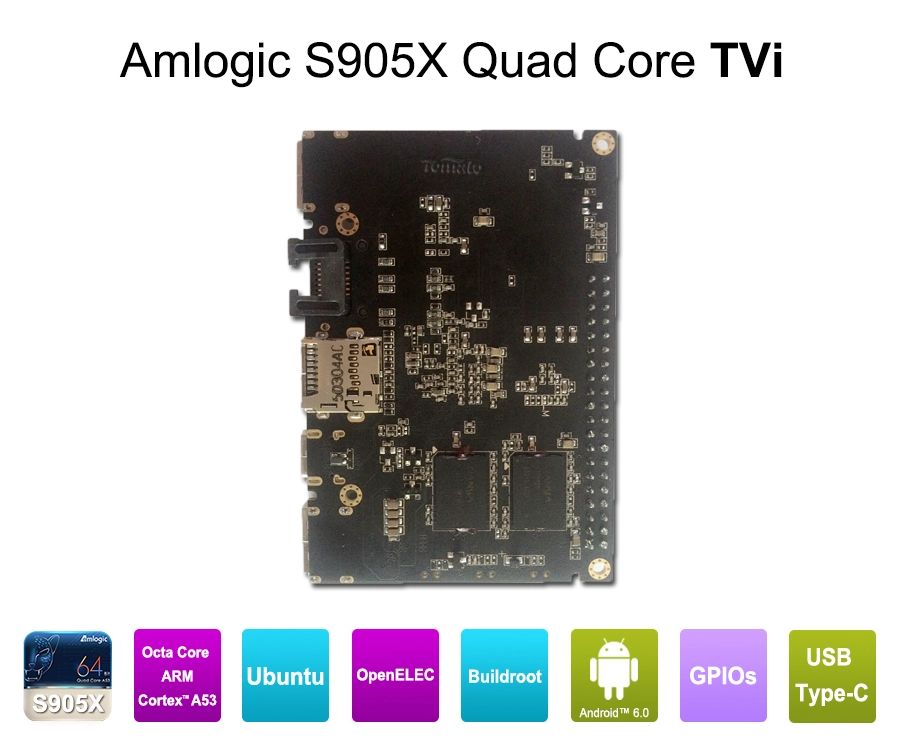
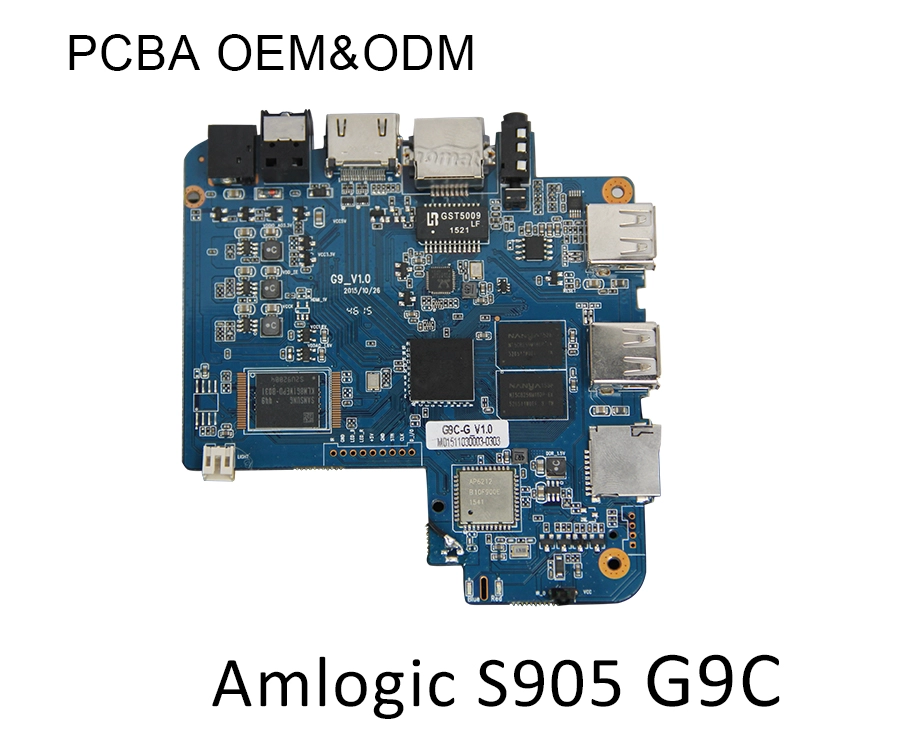
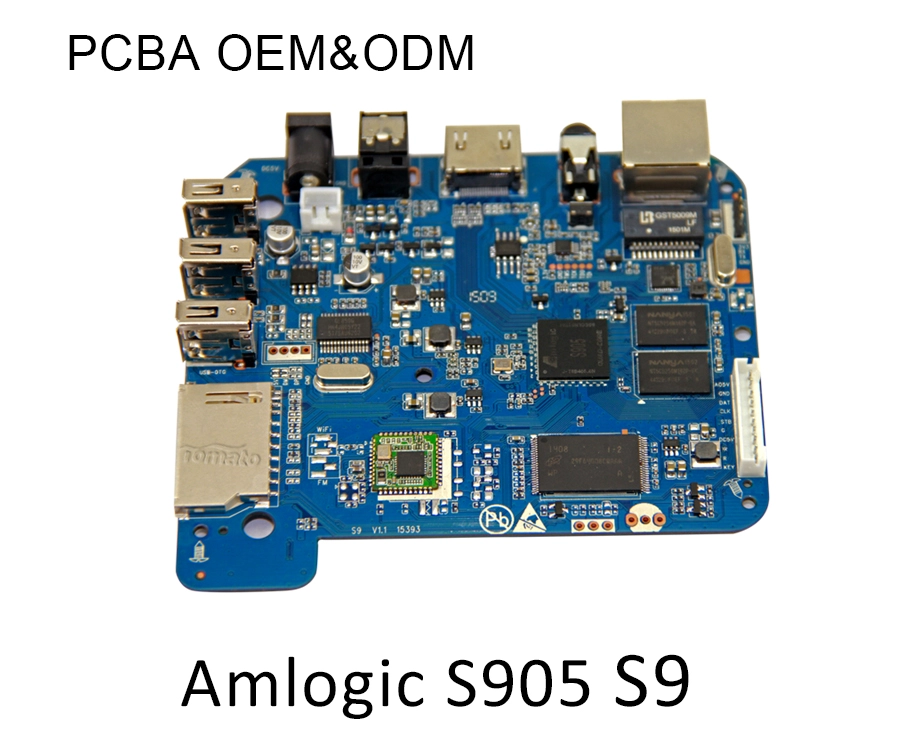
The foundation of a reliable commercial media player rests on selecting the correct silicon and optimizing the Printed Circuit Board Assembly (PCBA). Unlike consumer applications that prioritize low-cost, short-lifecycle chips, enterprise-grade hardware requires long-lifecycle chipsets with robust processing capabilities.
SoC Specialization: Amlogic vs. Rockchip
Depending on your operational requirements, hardware architecture typically diverges into two primary SoC ecosystems:
-
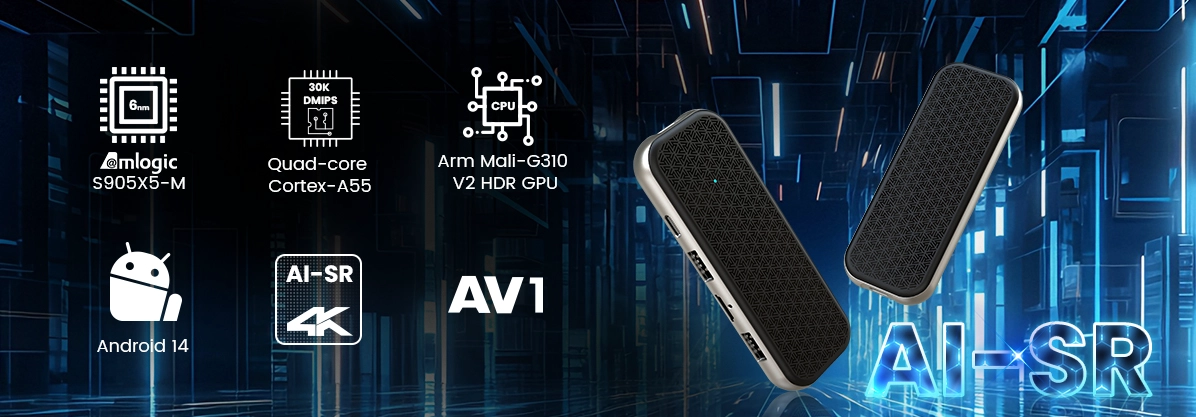
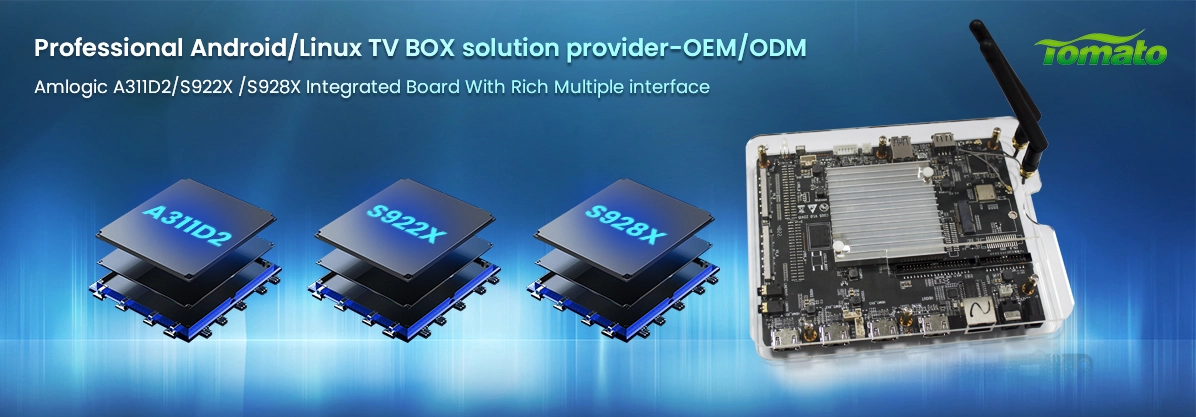
Amlogic Architecture (e.g., S905X4, S922X): Ideal for high-efficiency OTT streaming, IPTV deployment, and digital signage requiring dedicated hardware decoding for H.265/AV1 codecs at 4K resolution.
-
Rockchip Architecture (e.g., RK3568, RK3588): Selected for high-performance edge computing, multi-display digital signage, and interactive kiosks requiring extensive I/O interfaces and AI acceleration capabilities.
Component-Level Customization
Standard retail layouts rarely match enterprise deployment environments. True ODM engineering customizes the silicon layout to your specific operational parameters:
[Power Delivery: POE / 12V DC] ──> [Hardware Watchdog Timer] ──> [Thermal Dissipation: Passive Heatsink]
│
[Peripheral I/O: RS232 / USB 3.0] <─────────────────────────────────────┴─> [Storage: eMMC 5.1 / NVMe Storage]
-
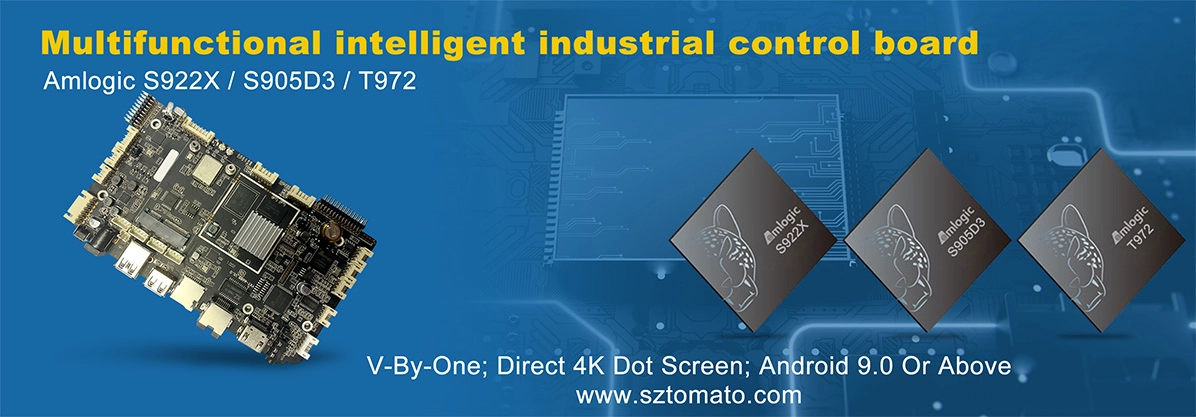
Thermal Mitigation: Replacing small, low-grade aluminum sheets with oversized passive heatsinks or custom-milled aluminum chassis to eliminate thermal throttling under continuous full-load environments.
-
I/O Integration: Modifying interfaces to include RS232 serial ports for legacy commercial displays, secondary HDMI outputs, internal USB headers, and true Gigabit Ethernet (RJ45).
-
Power Reliability: Integrating Power over Ethernet (PoE) modules or wide-voltage DC inputs (9V–36V) to handle fluctuating industrial power supplies.
2. Firmware Engineering: Hardening the AOSP Ecosystem
Hardware is only as reliable as the operating system running on it. Standard consumer Android interfaces introduce security vulnerabilities and lack the granular management controls required by enterprise IT departments. True ODM capabilities center on the ability to modify the Android Open Source Project (AOSP) or Android TV (fong/certified) source code at the kernel level.
Kernel-Level Adjustments and Security
┌─────────────────────────────────────────────────────────┐
│              Enterprise Application Layer               │
├─────────────────────────────────────────────────────────┤
│    Custom AOSP Launcher (Locked Kiosk Environment)     │
├─────────────────────────────────────────────────────────┤
│  OS Halting / Kernel Watchdog / Root-Level Superuser   │
├─────────────────────────────────────────────────────────┤
│          Hardware Baseband & Driver Layer               │
└─────────────────────────────────────────────────────────┘
-
Root Access & Superuser Management: Providing pre-rooted firmware or toggles within the system settings to allow proprietary enterprise applications to run with elevated permissions.
-
System Bar and Navigation Removal: Modifying the framework to completely hide the status and navigation bars, preventing end-user tampering in public spaces.
-
Boot Customization: Hardcoding custom boot animations, logos, and system wallpapers directly into the system partition ( /system/media/ ) to ensure consistent brand identity from the moment power is applied.
Kiosk Mode and Auto-Launch Mechanisms
A standard Internet TV Box reboots to a generic launcher interface. An enterprise ODM solution builds a hardware-level auto-launch mechanism directly into the system init scripts ( init.rc ). If your proprietary application crashes or the unit experiences an unexpected power cycle, the system automatically launches the designated package name instantly, bypassing the Android setup wizard or desktop entirely.
3. Lifecycle Management: OTA Architecture and Device Diagnostics
Deploying thousands of Internet TV Box units across fragmented geographic areas presents significant logistical risks if a critical software bug or security vulnerability emerges. Relying on manual, on-site USB updates is cost-prohibitive.
Private Over-The-Air (OTA) Server Deployment
A robust ODM partnership includes the provisioning of a dedicated, secure OTA update infrastructure. This allows your engineering teams to push delta updates—small patch files that update specific system blocks rather than reflashing the entire OS image—to targeted device groups based on MAC addresses or serial number ranges.
Remote Diagnostics and Self-Healing Protocols
To minimize costly physical maintenance rollouts, the firmware must incorporate automated maintenance features:
| Feature | Technical Mechanism | Business Value |
|---|---|---|
| Hardware Watchdog | A physical IC on the PCBA that monitors a regular "heartbeat" signal from the OS kernel. | Automatically power-cycles the CPU if a system freeze or kernel panic occurs, restoring uptime without human intervention. |
| Scheduled Reboot | A system-level cron job configured to execute a clean reboot at designated low-traffic intervals. | Flushes system cache, clears memory leaks from third-party applications, and ensures optimal runtime performance. |
| Silent App Injection | Background APK installation via system-level package manager permissions ( pm install ). | Updates your proprietary client software silently in the background without requiring user confirmation or on-screen prompts. |
4. Supply Chain Control and Compliance
Transitioning from a prototype to high-volume manufacturing requires strict supply chain oversight. Component substitution—a common issue among low-tier white-label manufacturers—can introduce unverified Wi-Fi modules, flash memory chips, or capacitors that destabilize a previously validated firmware build.
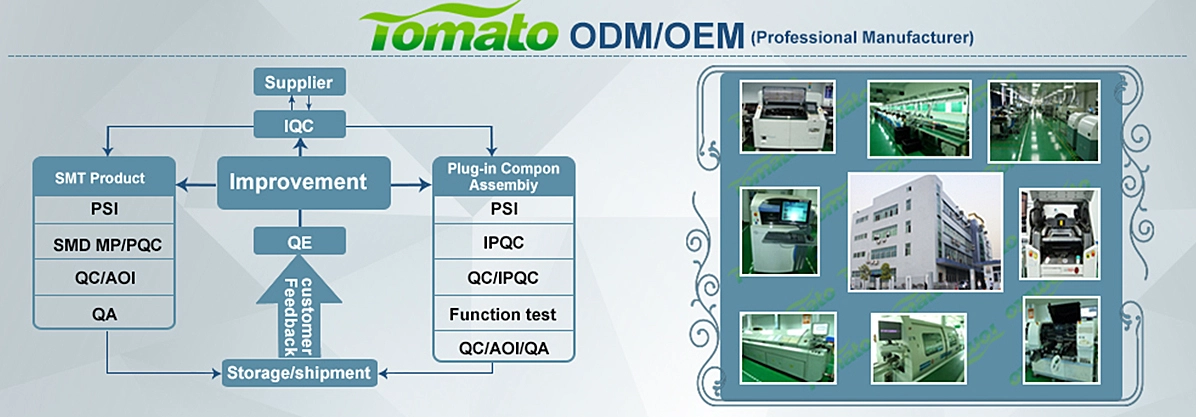
[Raw Component Sourcing] ──> [Strict BOM Lockout] ──> [PCBA SMT Production] ──> [Automated IQC/QC Testing] ──> [Final Compliance Certification]
Our manufacturing processes prioritize a strict Bill of Materials (BOM) lock down. Once a hardware configuration passes your engineering validation test (EVT) and design validation test (DVT), no component vendor changes are made without formal engineering change notice (ECN) sign-off. Furthermore, all hardware is built to meet international regulatory standards, ensuring compliance via CE, FCC, RoHS, and country-specific certifications.
Secure Your Custom Hardware Infrastructure
Relying on consumer hardware compromises operational reliability, data security, and your brand's reputation. True enterprise growth requires a dedicated Internet TV Box OEM/ODM partner capable of translating your software requirements into stable, high-performance silicon and firmware solutions.
Contact our engineering team today to discuss your PCBA blueprints, AOSP customization requirements, and high-volume production schedules.
