
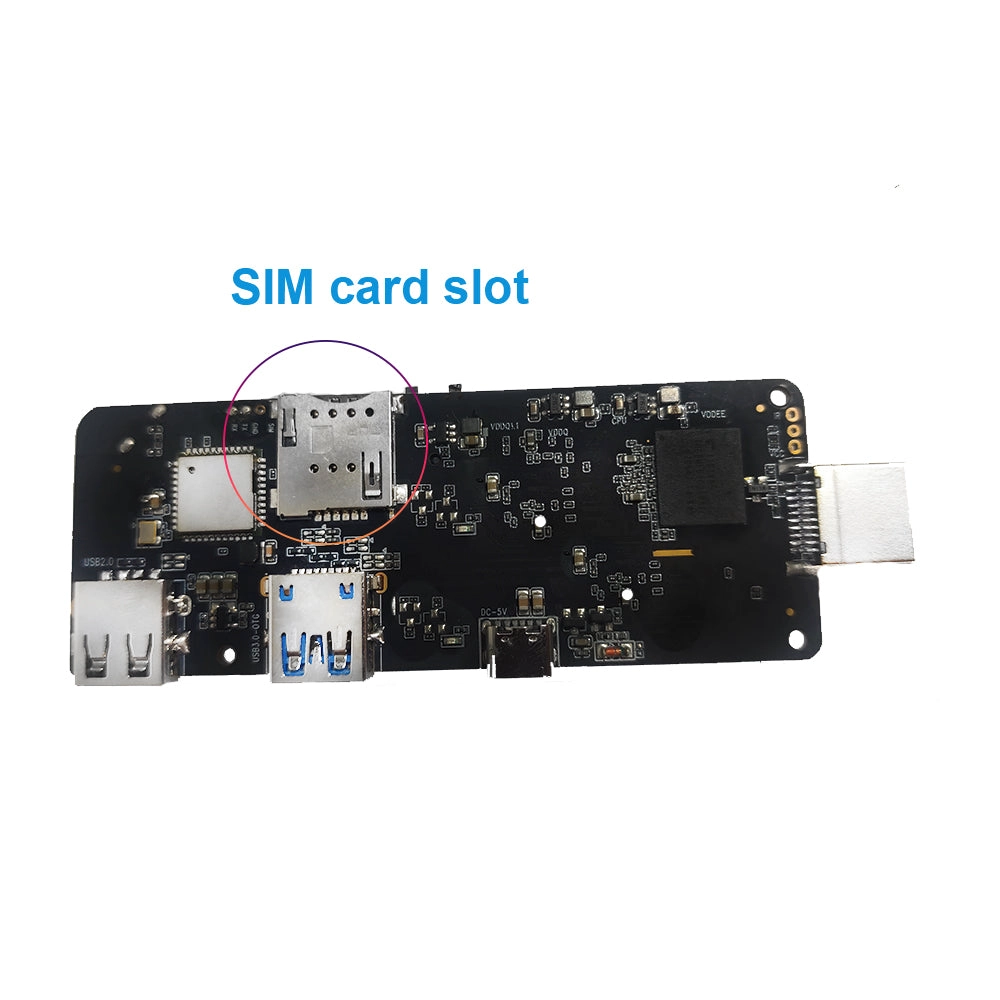
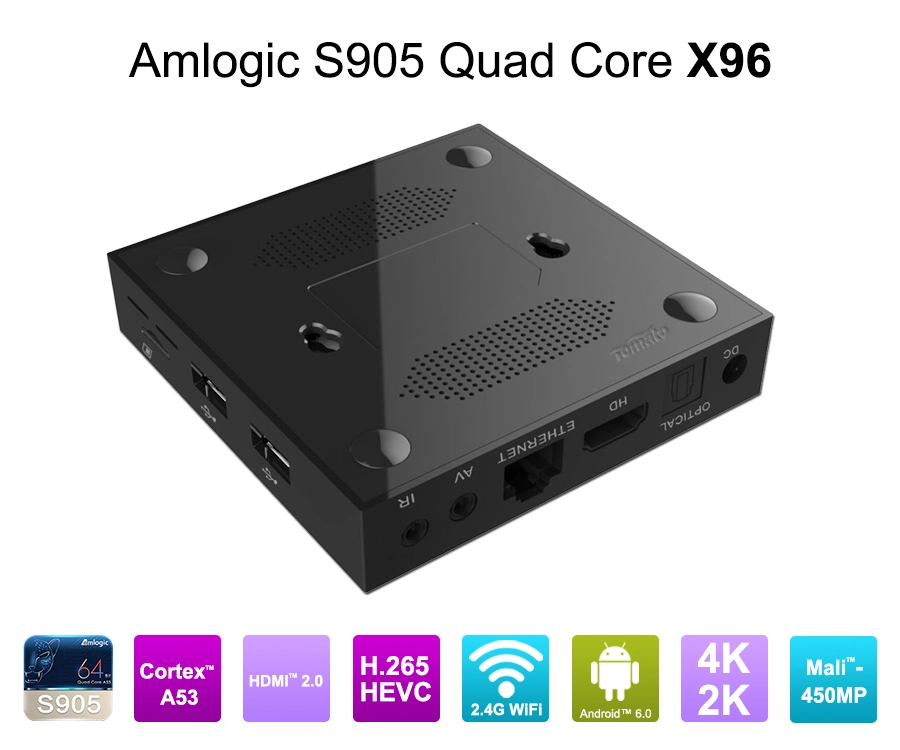
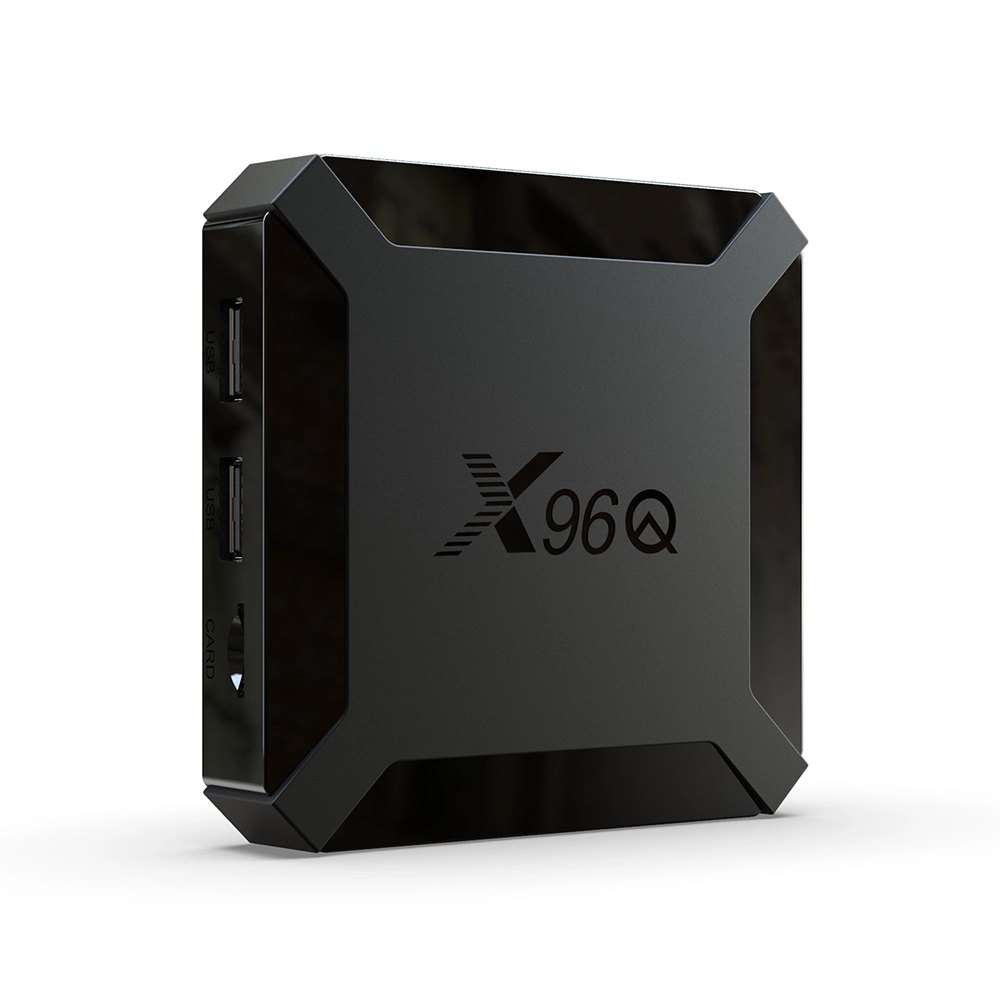
Multi-OS TV Box OEM Solutions
Multi-OS TV Box OEM Solutions: Engineering Beyond a Single Operating System
Operating system lock-in remains a major bottleneck for large-scale commercial hardware deployments. When a system integrator or software provider sources a standard, consumer-grade TV Box, they are fundamentally tethered to the constraints of a single, rigid OS environment. In commercial deployments—ranging from networked digital signage to edge-computing IoT gateways—relying on a locked, unoptimized software ecosystem introduces critical points of failure: software bloat, restricted root access, and unpatchable security vulnerabilities.
The industry demand has shifted toward flexible, cross-functional architectures. True enterprise scalability requires hardware that can be compiled, partitioned, and optimized across multiple operating systems—specifically Android AOSP, Ubuntu, and Debian Linux—from a single, unified hardware footprint. Resolving this engineering challenge requires bypassing surface-level white-labeling and executing deep customization at the bootloader, kernel, and board-level layers.
1. Bootloader and Partition Engineering for Dual-Boot and Alternative OS Deployments
Executing a Multi-OS strategy on an ARM-based architecture demands a complete overhaul of the standard storage partitioning and initialization phase. Generic media players are hardcoded to boot directly into a single Android partition block. Enterprise OEM solutions require a highly customized bootloader configuration to enable flexible cross-OS execution.
U-Boot Optimization and Multi-Boot Selection
The system initialization uses an optimized, low-level primary bootloader (typically U-Boot) tailored to the specific System-on-Chip (SoC) architecture, such as the Amlogic S905X4 or Rockchip RK3588.
┌───────────────────────┐
│     Custom U-Boot     │
│ (Bootloader Selection)│
└───────────┬───────────┘
│
┌─────────────────────────┼─────────────────────────┐
▼                         ▼                         ▼
┌─────────────────┐       ┌─────────────────┐       ┌─────────────────┐
│  Android AOSP   │       │   Ubuntu Core   │       │  Debian ARM64   │
│  (OTT / IPTV)   │       │ (Edge/Signage)  │       │ (Kiosk/IoT-SBC) │
└─────────────────┘       └─────────────────┘       └─────────────────┘
The bootloader can be engineered to evaluate specific system boot arguments (bootargs), enabling three distinct deployment strategies:
-
Static Dedicated Image Compilations: The PCBA is flashed at the factory with a dedicated, bare-metal Linux distribution (e.g., Ubuntu Core or Debian ARM64 Minimal) instead of Android, freeing up computing cycles by eliminating the heavy Android runtime environment.
-
Dual-Boot Storage Partitioning: Partitioning the onboard eMMC 5.1 or NVMe storage into distinct, isolated sectors. The bootloader detects user input, a hardware jumper toggle, or a remote network command to switch between Android and Linux environments.
-
Dynamic Recovery/External Boot: Configuring the bootloader to check for a validated, cryptographically signed OS image on an external source (such as a protected MicroSD card slot or USB 3.0 storage bus) before defaulting to the internal eMMC boot sequence.
2. Kernel Optimization and Board Support Package (BSP) Realignment
A common error in multi-OS sourcing is attempting to run standard desktop Linux distributions on multimedia-centric ARM silicon. Without a specialized Board Support Package (BSP) and custom kernel engineering, hardware-level video decoding, GPU rendering, and peripheral communication fail completely.
Peripheral Driver Integration
To bridge the gap between alternative operating systems and the silicon, the factory engineering team modifies the Linux kernel source code to map specific hardware drivers directly to the chosen OS environment:
| Operating System | Typical Graphics Stack | Storage / Resource Optimization |
|---|---|---|
| Android AOSP | SurfaceFlinger / Hardware Composer (HWC) | ZRAM compression enabled; aggressive low-memory killer (LMK) parameters tuned for steady-state applications. |
| Ubuntu Server / Core | Wayland / Weston or X11 (Direct Rendering Manager - DRM) | Minimal footprint; elimination of all graphical desktop environments to preserve RAM for localized edge-computing execution. |
| Debian ARM64 | Direct Framebuffer / KMS (Kernel Mode Setting) | Compiled with specialized kernel modules for industrial protocol execution (e.g., Modbus, CAN bus drivers via GPIO mapping). |
Hardware-Accelerated Video Decoding
Standard Linux installations default to CPU-based software rendering, which causes immediate frame dropping and thermal spikes during 4K video playback. An experienced OEM manufacturer compiles the kernel with specific vendor APIs—such as the Amlogic Video Engine (AMLVideo) or Rockchip V4L2/MPP (Media Process Platform) drivers—ensuring seamless, hardware-accelerated H.265 and AV1 decoding under both Linux and Android configurations.
3. Hardware Redundancies and PCBA Engineering for Unattended Deployments
A versatile operating system architecture is useless if the underlying physical board cannot sustain continuous operations. When a TV Box is repurposed into an industrial media player or an unmanaged field node, the PCBA must integrate fail-safes that are completely absent in consumer electronics.
[Wide-Input DC Power Supply] ──> [Auto-Power-On Circuit] ──> [SoC Architecture]
│
[System Log Storage Layer]   <── [Hardware Watchdog Timer]  <────────┘
-
Hardware Watchdog Timers (WDT): A physical integrated circuit (IC) is populated onto the PCBA, operating independently of the main CPU. The running operating system—whether Linux or Android—must continuously send a recurring clear pulse ("petting the dog") to the WDT. If a kernel panic occurs or a software loop freezes the system, the WDT halts the power rail, executing a hard reset to restore full operation without physical field intervention.
- Industrial Auto-Power-On Circuitry: Consumer boxes require a remote control button press or a manual power key interaction after an outage. The power delivery network on an enterprise PCBA is physically wired to boot instantly the moment AC power is supplied to the DC input jack.
- Real-Time Clock (RTC) with Battery Backup: Linux-based security certificates and network authentications fail if the system clock resets to an epoch date (e.g., January 1, 1970) during a power failure. Integrating an onboard RTC chip with a coin-cell battery backup ensures the device retains accurate local time, allowing immediate network re-authentication upon reboot.
4. Supply Chain Architecture and Long-Term Lifecycle Lock down
For enterprise product lifecycles, consistency is paramount. A software image carefully validated on a test batch of hardware will fail in production if the manufacturer alters minor internal components without warning.
Our OEM manufacturing process operates under strict engineering controls designed for B2B product longevity:
-
BOM (Bill of Materials) Locking: We guarantee that critical sub-components—including the Wi-Fi/Bluetooth chipsets, eMMC storage controllers, and power management ICs (PMICs)—remain completely unchanged throughout the entire lifecycle of your product generation.
-
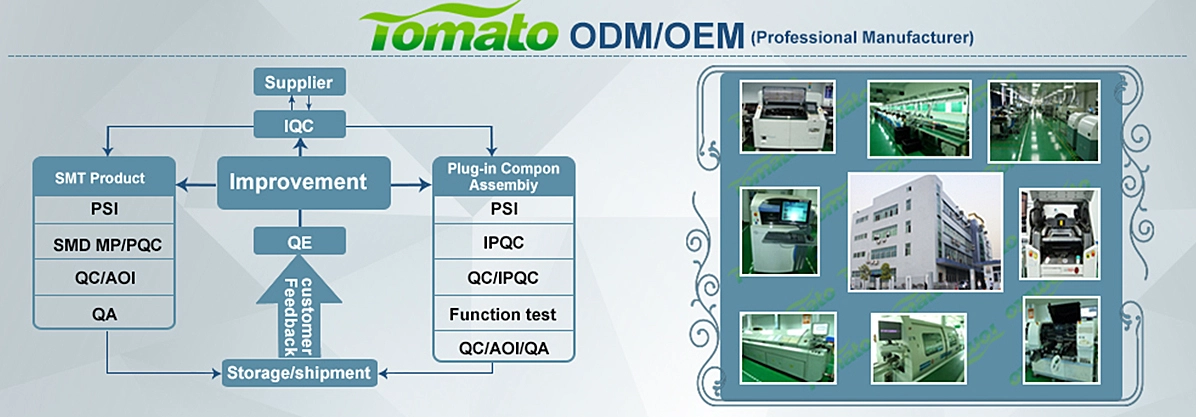
Firmware Verification at SMT Stage: Custom-compiled Multi-OS firmware images are loaded directly onto the high-speed programmers during the Surface Mount Technology (SMT) assembly process. Every single unit undergoes automated functional testing (FCT) running your specific OS configuration before final enclosure assembly.
Secure Your Enterprise Multi-OS Infrastructure
Relying on generic consumer electronics leaves your software stack vulnerable to platform instability and unpredictable hardware lifecycles. Protect your deployment by investing in purpose-built, cross-functional hardware designed precisely around your technical constraints.
Contact our enterprise engineering desk today to request reference schematics, arrange for custom BSP source code evaluations, and schedule engineering evaluation unit production.
