
Internet TV Box for Hotels
Commercial Internet TV Box Solutions for Hospitality TV Networks
In-room entertainment networks suffer from high maintenance overhead and security risks when built on consumer-grade media streamers. Hospitality IT managers and system integrators face severe engineering challenges when deploying standard hardware: persistent user credentials that cause data compliance violations, lack of centralized device management (MDM), and poor thermal performance behind displays.
To deliver reliable interactive TV services, properties require a commercial-grade Internet TV Box. This specialized hardware demands dedicated firmware engineering, isolated network casting protocols, and direct integration with hotel Property Management Systems (PMS) to ensure automated data resetting at guest checkout.
1. Network Architecture: Secure Casting and VLAN Isolation
The primary point of failure for an unmanaged Internet TV Box in a hotel environment occurs within the local network infrastructure. Without strict network isolation, a guest in one room could mistakenly cast content to a television in an adjacent room or gain access to internal administrative subnets.
Isolated Peer-to-Peer Casting Architecture
A commercial hospitality deployment bypasses standard mDNS/SSDP discovery mechanisms, which broadcast device visibility across the entire network. Instead, the hardware and firmware work in tandem with the property's managed network switches to enforce strict isolation:
                  ┌──────────────────────────────────────────────┐
                  │          Property Management System          │
                  │              (Check-In/Check-Out)            │
                  └──────────────────────┬───────────────────────┘
                                         │ Trigger Token
                                         ▼
┌───────────────────────┐      ┌───────────────────┐      ┌───────────────────────┐
│ Guest Mobile Device   ├─────►│  VLAN Controller  │◄─────┤   Internet TV Box     │
│ (Dynamic QR Pairing)  │      │  (Network Switch) │      │  (Room-Isolated VLAN) │
└───────────────────────┘      └───────────────────┘      └───────────────────────┘
-
Dynamic QR-Code Pairing: The TV Box displays a unique, rotating QR code on the guest interface. This code contains a secure cryptographic token mapped to that specific room's VLAN.
-
VLAN-per-Room Assignment: Network switches segregate each room's wired and wireless traffic into a dedicated Virtual Local Area Network (VLAN). The media player only responds to casting requests originating from authorized MAC addresses within the exact same room subnet.
-
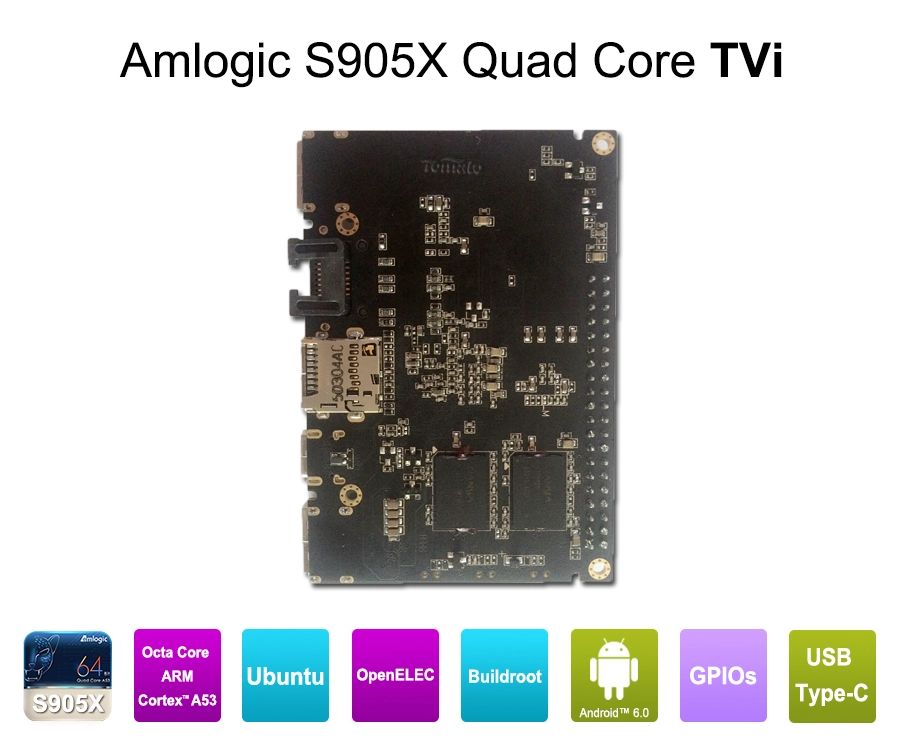
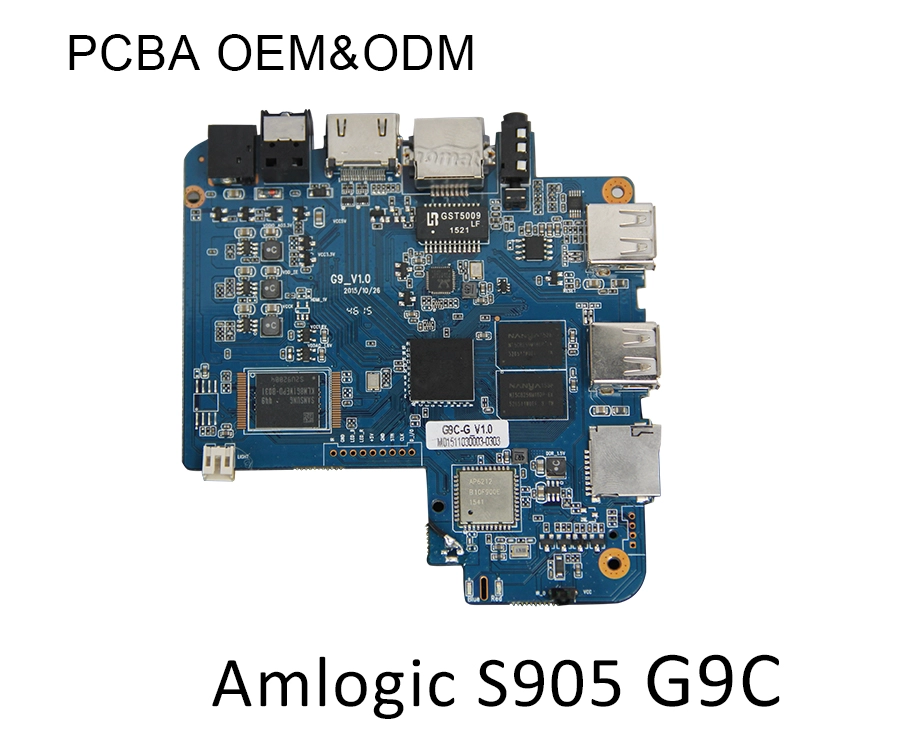
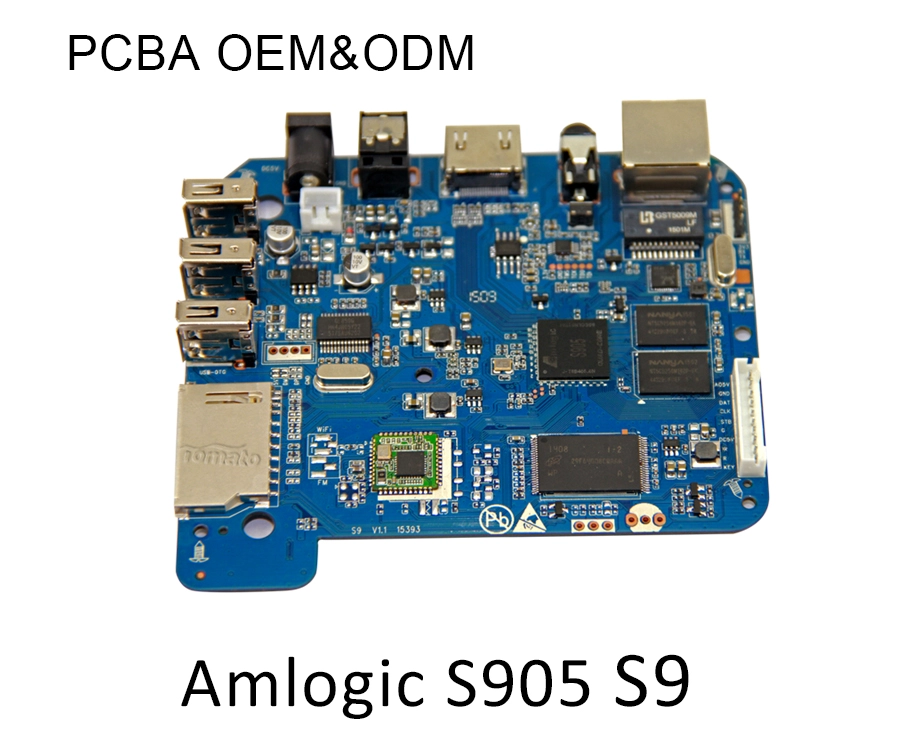
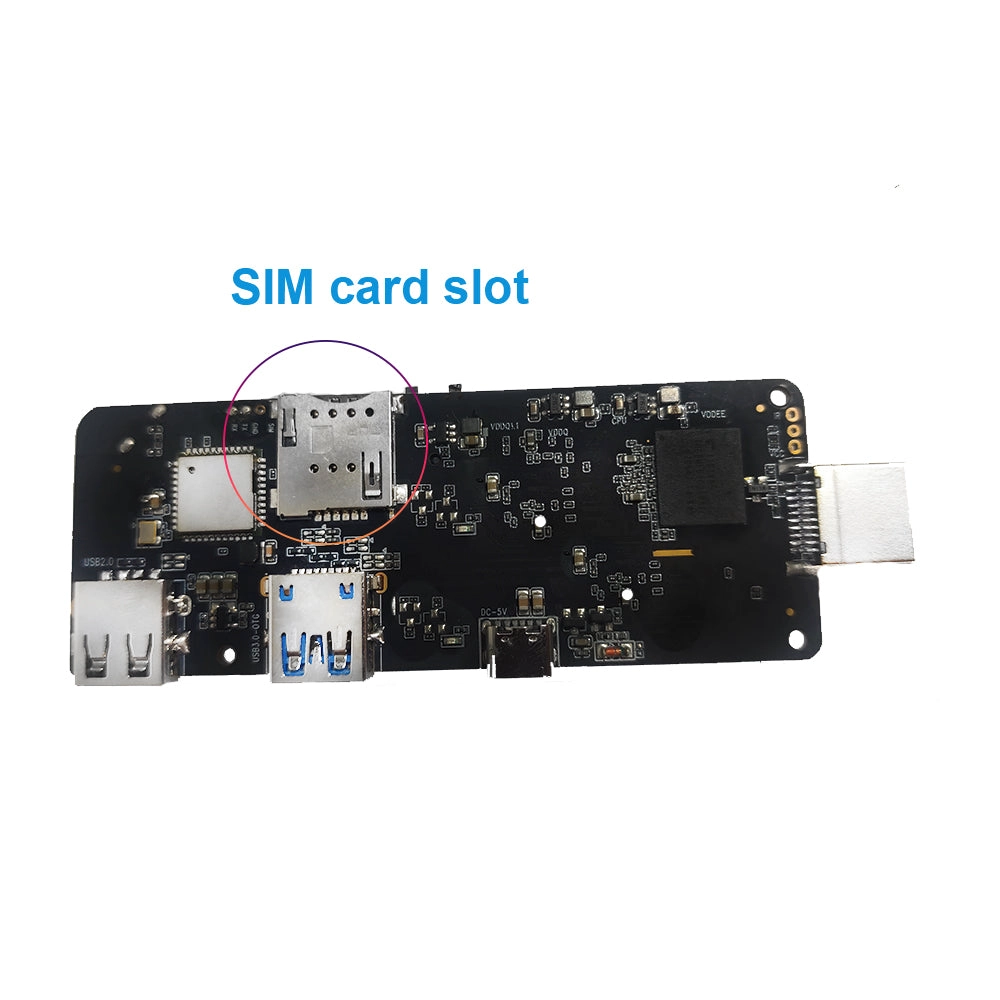
Hardware Interface Optimization: To maintain uninterrupted streaming performance, the underlying PCBA utilizes dual-band Wi-Fi 6 (802.11ax) modules alongside an RJ45 Gigabit Ethernet port, ensuring stable 4K video decoding even within high-density RF environments typical of hotel layouts.
2. Firmware-Level Security: Automated Data-Clearing Protocols
Guest privacy compliance (such as GDPR or CCPA) is non-negotiable for hospitality brands. If a guest logs into personal streaming accounts on a standard TV Box, that account data remains cached in the flash storage unless manually erased by hotel staff.
PMS-Triggered Hard Resets
A professional OEM solution modifies the Android Open Source Project (AOSP) system image to listen for automated network commands from the property's central computer network.
[Guest Checkout Event] ──> [PMS Network Broadcast] ──> [STB Local API Listening Port] ──> [Execute Cache Clear / Recovery Wipe]
When a guest check-out is processed at the front desk, the PMS broadcasts an encrypted API command to the specific room's set-top box. The customized OS interceptor catches this command and executes an automated, silent system cache wipe or a targeted data reset (/data/system_ce/). This action completely removes all stored account credentials, browsing histories, and localized cookies without requiring a slow, full factory reset.
Kiosk Mode and Peripheral Lock Down
To eliminate the risk of hardware theft or user tampering, the AOSP firmware is compiled with structural UI limitations:
-
Disabled USB Storage Mounting: The system kernel blocks the mounting of mass storage devices via physical USB ports, stopping malicious APK file installations.
-
Hidden Android Settings: The standard settings app is stripped from the image, replacing it with a hidden, password-encrypted engineer menu.
-
Custom Hospitality Launcher: The device boots directly into a dedicated, proprietary application interface using the system-level CATEGORY_HOME intent filter, preventing users from exiting to a raw Android desktop.
3. Hardware Engineering for High-Density 24/7 Deployment Environments
Industrial hospitality media players are frequently enclosed inside unventilated spaces—bolted directly behind displays, hidden within wall cavities, or packed inside tight furniture consoles. Standard consumer plastic enclosures cannot adequately dissipate heat in these restricted spaces.
Thermal and Electrical System Optimization
| Engineering Parameter | Consumer-Grade Specification | Enterprise-Grade Solution |
|---|---|---|
| Enclosure Material | High-impact ABS Plastic | Die-cast Aluminum or Fire-Retardant SECC Steel |
| Thermal Dissipation | Low-surface-area aluminum pad | Oversized internal thermal block bound to metal chassis |
| Power Input | Variable 5V Micro-USB / USB-C | Dedicated 12V Barrel Jack or Power over Ethernet (PoE 802.3at) |
| System Lifecycle | 12 to 18 months | Minimum 5-year component longevity lifecycle |
Integrated IR Extension and CEC Control
Because the media player is regularly hidden out of the direct line of sight, the PCBA layout is modified to include a dedicated 3.5mm IR extension receiver port. This allows field engineers to run a small, discreet infrared eye to the bezel of the television.
Furthermore, full implementation of the HDMI-CEC (Consumer Electronics Control) protocol allows the hospitality remote control to simultaneously manage TV power, volume adjustment, and source switching, eliminating the need for separate remotes.
4. Centralized Operations: Device Management and Silent Upgrades
Managing thousands of distributed hardware endpoints requires an efficient deployment strategy that avoids room downtime.
Our customized Mobile Device Management (MDM) integration allows property engineering teams to control their entire hardware footprint from a central dashboard:
-
Silent Background App Injection: Update interactive guest apps or proprietary IPTV midlleware via root-privileged background commands (pm install -r) without disrupting the active guest interface.
-
Real-Time Telemetry and Diagnostics: Monitor device core temperatures, RAM allocation, Wi-Fi signal metrics (RSSI), and active HDMI connection status remotely.
-
Hardware Watchdog Fail-Safes: An onboard physical IC monitors system uptime. If the software client experiences a freeze or kernel panic, the chip executes an immediate hard reboot, protecting the system from extended outages.
Optimize Your In-Room Entertainment Infrastructure
Relying on generic consumer electronics compromises network security, data compliance, and guest satisfaction. Scalable hospitality deployments require purpose-built hardware optimized at the firmware and network levels.
Contact our enterprise engineering team today to review custom PCBA designs, evaluate AOSP source code modifications, and establish long-lifecycle hardware production lines.
