

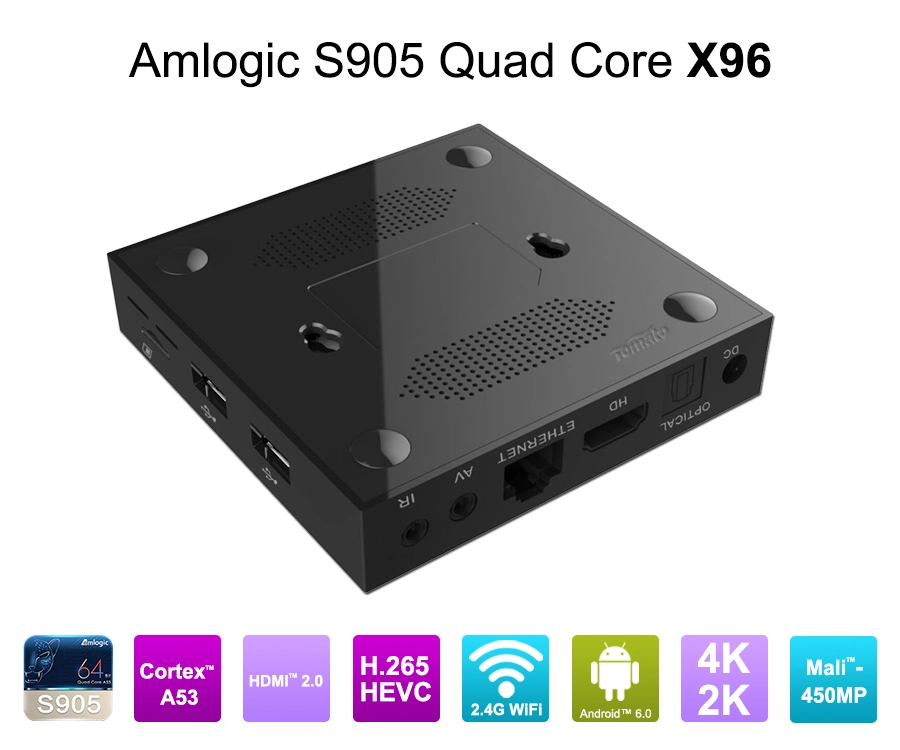
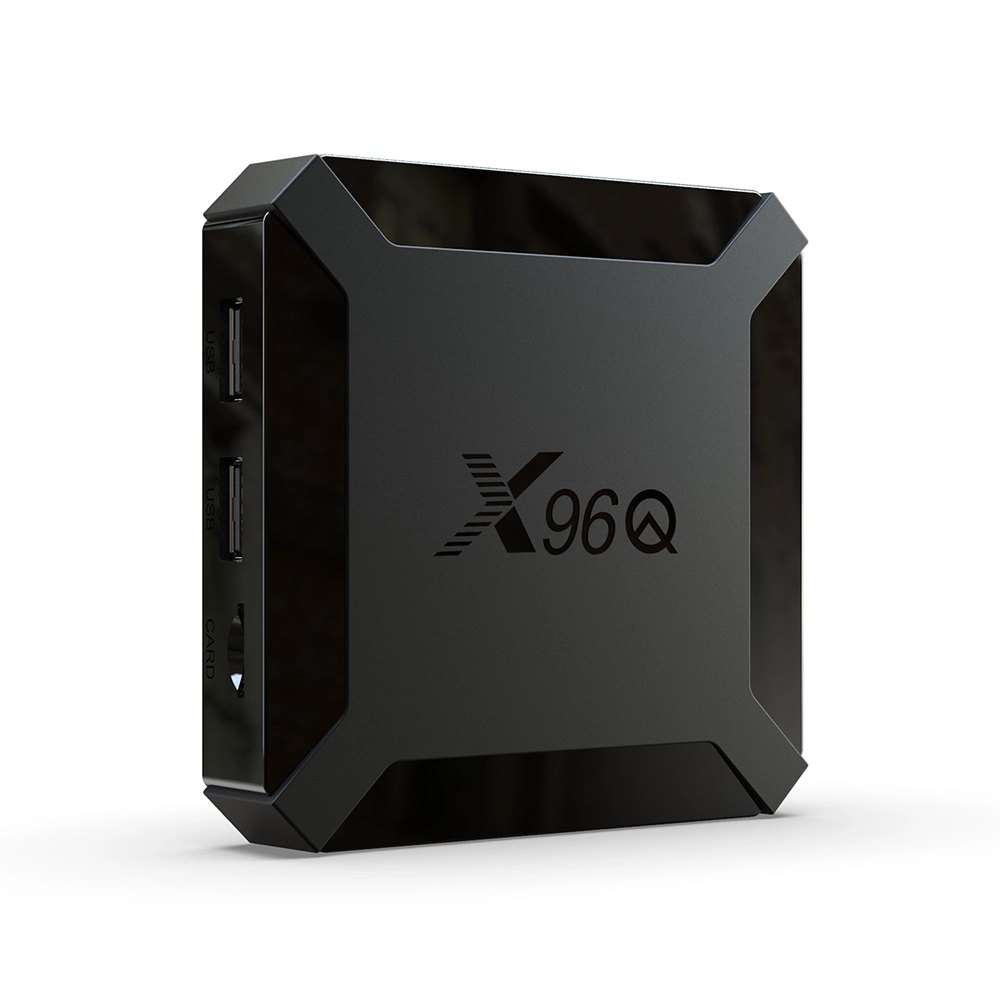
Is there a monthly fee for a Smart TV Box?
Is There a Monthly Fee for a Smart TV Box? The Enterprise Guide to TCO and Hardware Customization
The commercial digital signage and media player market is currently undergoing a massive shift away from proprietary, fee-heavy closed ecosystems toward open-architecture hardware. Historically, enterprise buyers were locked into vendor platforms that paired inexpensive media players with mandatory, recurring monthly software-as-a-service (SaaS) licensing fees.
In commercial deployments, the question "Is there a monthly fee for a smart TV box?" depends entirely on your software layer, firmware strategy, and device management architecture. By decoupling commercial hardware from retail streaming services, enterprise operators can eliminate recurring operational expenditure (OpEx) entirely.
1. Retail vs. Enterprise: The Architecture of Smart TV Box Costs
In consumer markets, a smart TV box often serves as a portal to subscription-based content aggregators (Netflix, Amazon Prime, Disney+). The hardware itself does not require a monthly fee to function, but accessing premium content does.
In the B2B cross-border electronics sector—specifically for digital signage, hospitality interactive TV systems, and edge computing—the financial model changes completely.
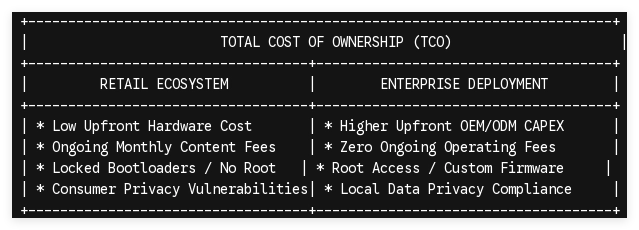
When deploying hardware at scale, system integrators rely on the Android Open Source Project (AOSP) rather than standard Android TV or Google TV ecosystems. AOSP does not require Google Mobile Services (GMS) licensing, meaning there are zero licensing royalties or monthly recurring fees due to Google. The device operates as an independent, localized edge computing node.
2. Technical Evaluation: Where Hidden Recurring Costs Hide
While standard AOSP hardware has no native monthly fee, hidden operational fees can surface post-deployment if the initial hardware specification lacks the necessary firmware engineering.
Mobile Device Management (MDM) Overhead
Managing a fleet of 5,000 digital signage media players across multiple regions requires remote monitoring, provisioning, and troubleshooting. If you purchase generic, off-the-shelf retail hardware, you will be forced to use third-party MDM software (such as TeamViewer Tensor or AirDroid Business), which carries a subscription fee per device, per month.
Over-The-Air (OTA) Update Servers
Security vulnerabilities require regular OS patches. Standard white-label boxes lack a dedicated, secure infrastructure for remote updates. Building or renting a proprietary cloud infrastructure to push OTA firmware updates introduces ongoing monthly maintenance and server costs.
App Interoperability & Application Layer Crashes
Without Board Support Package (BSP) level optimizations, standard Android applications running on retail firmware often suffer from memory leaks, unauthorized cache accumulation, and hardware watchdog failures. Resolving these issues manually through field technicians spikes your monthly operational costs.
3. Eliminating Recurring Fees via Firmware-Level OEM/ODM Customization
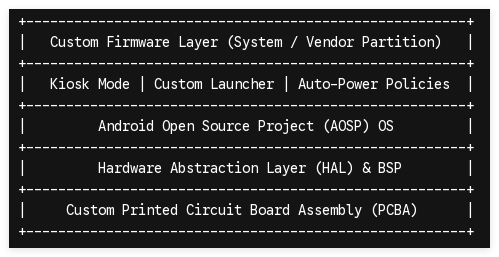
The most effective strategy to eliminate monthly fees is to shift expenditure from recurring operational expenses (OpEx) to upfront capital expenses (CapEx) through custom OEM/ODM firmware engineering. By modifying the software at the operating system level during manufacturing, you build the required enterprise tools directly into the hardware.
Native Kiosk Mode and Boot-Strap Customization
Instead of paying for a third-party app to lock down the user interface, the factory-level firmware can be built to boot directly into your proprietary enterprise application. By modifying the build.prop file and system partitions, the device bypasses the standard Android launcher entirely, preventing end-user tampering without requiring subscription-based lockdown software.
Hardware Watchdog & Auto-Recovery Integration
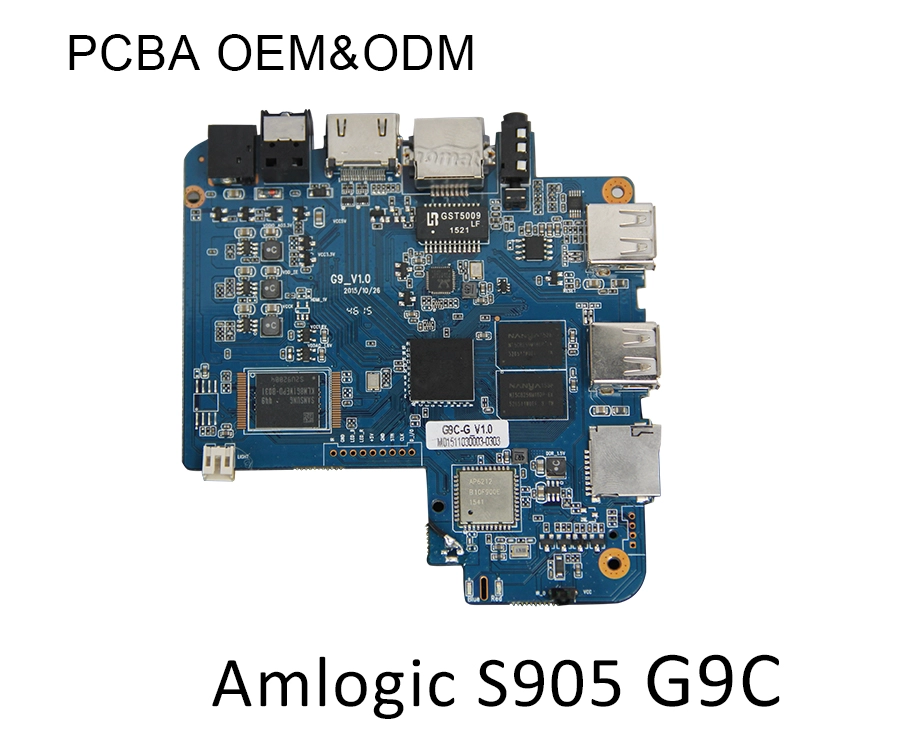
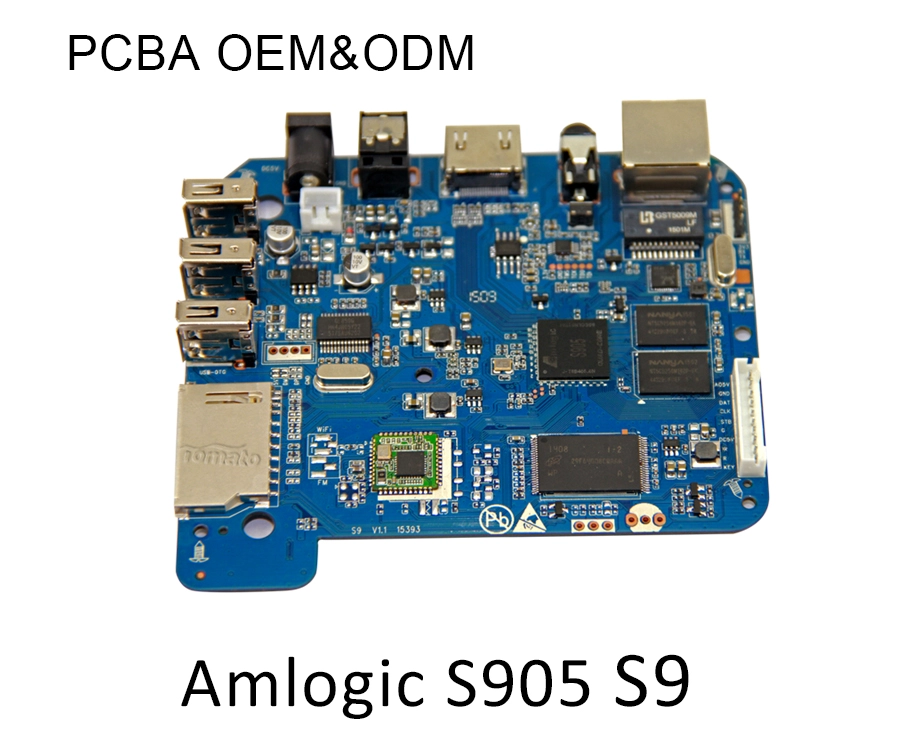
By configuring a dedicated watchdog timer circuit on the Printed Circuit Board Assembly (PCBA) and linking it to the kernel drivers, the smart TV box can automatically execute a hard reset if the application layer freezes. This hardware-level auto-recovery removes the need for remote-assist MDM software subscriptions.
Embedded Local Scheduling Policies
Commercial deployments often require devices to power down outside of business hours to conserve component lifespans. Instead of using external smart plugs or cloud-managed power profiles with monthly service costs, customized real-time clock (RTC) drivers can be programmed directly into the firmware to handle power management locally and autonomously.
Technical Specifications for Enterprise AOSP Deployments
To ensure a one-time hardware purchase model with zero recurring fees, look for hardware platforms that meet these technical standards:
-
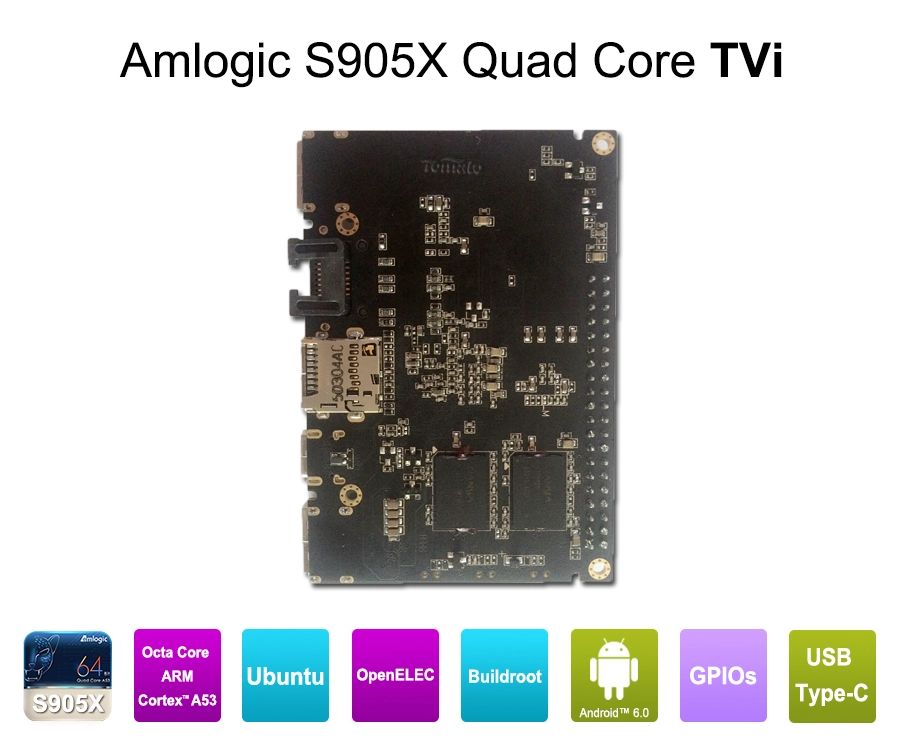
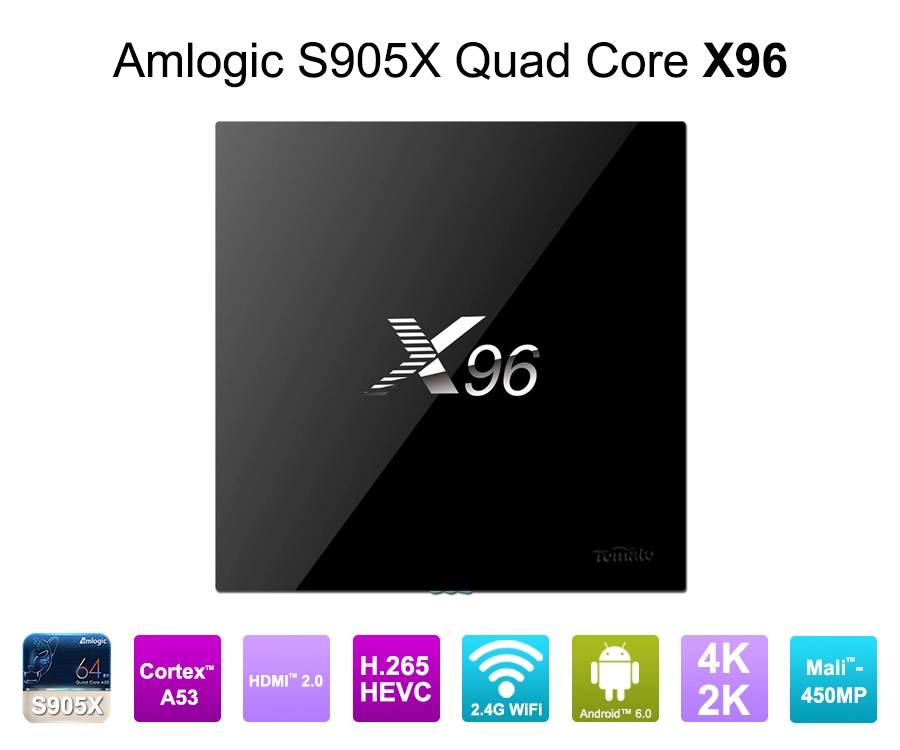
Processor Architectures: High-efficiency chipsets with dedicated neural processing units (NPUs) for local analytics, such as the Rockchip RK3588 or Amlogic S905X4, which offer robust Linux/AOSP kernel support.
-
Storage Performance: Minimum eMMC 5.1 or UFS 2.1 storage configurations to prevent read/write degradation from continuous 24/7 logging operations.
-
Root Access Availability: Unlocked system privileges at the factory level, allowing deep OS modification and the integration of localized, offline management scripts.
Optimize Your Hardware Architecture Today
Managing an enterprise media network should not lock you into a cycle of escalating monthly subscription fees. By leveraging customized AOSP firmware and specialized PCBA design, you can deploy stable, secure, and fully branded smart TV boxes with zero ongoing software liabilities.
Our engineering team specializes in deep OEM/ODM customization, including firmware-level system partition modifications, custom launcher development, and specialized hardware engineering tailored for digital signage and B2B media distribution.
Contact our Senior Solutions Architects today to review your project specifications, request hardware evaluation samples, and eliminate recurring software costs from your deployment.
