
How to Choose the Right OEM Partner for Your Set-Top Box (STB) Brand?
Architecting the Box: How to Choose the Right OEM Partner for Your Set-Top Box (STB) Brand
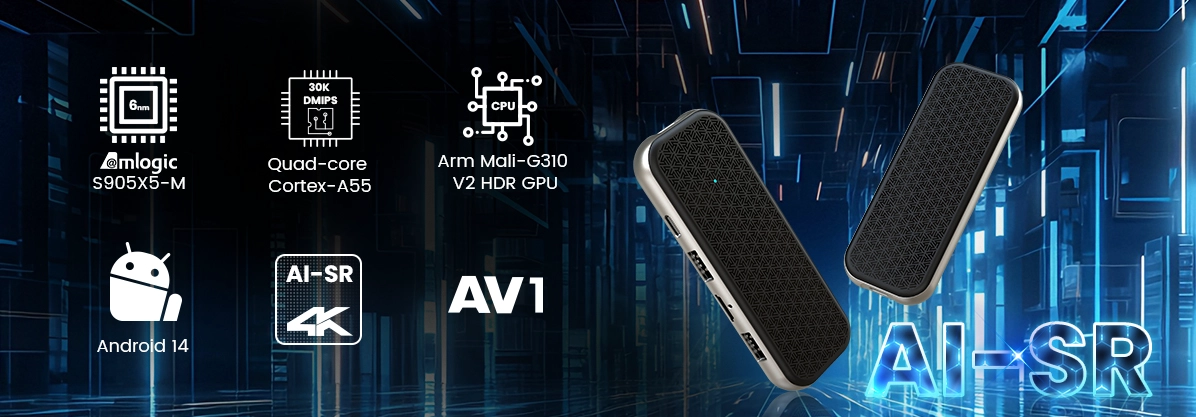
The launch of advanced silicon like the Amlogic S928X and S905X5M, alongside the industry-wide mandate for hardware-accelerated AV1 codec decoding, has altered the economics of the Set-Top Box (STB) market. Telcos, internet service providers (ISPs), and digital signage network operators can no longer compete using off-the-shelf retail hardware. Delivering low-latency 4K/8K streaming, interactive UI layers, and secure edge computing requires highly specialized hardware and software engineering.
Selecting an Original Equipment Manufacturer (OEM) partner is the most critical decision in your product's lifecycle. A mistake here results in thermal throttling, broken HDCP handshakes, and high customer churn. To scale a premium STB brand, B2B procurement managers and system integrators must evaluate prospective manufacturing partners using a strict technical framework.
1. Hardware Engineering and True PCBA Modification Capabilities
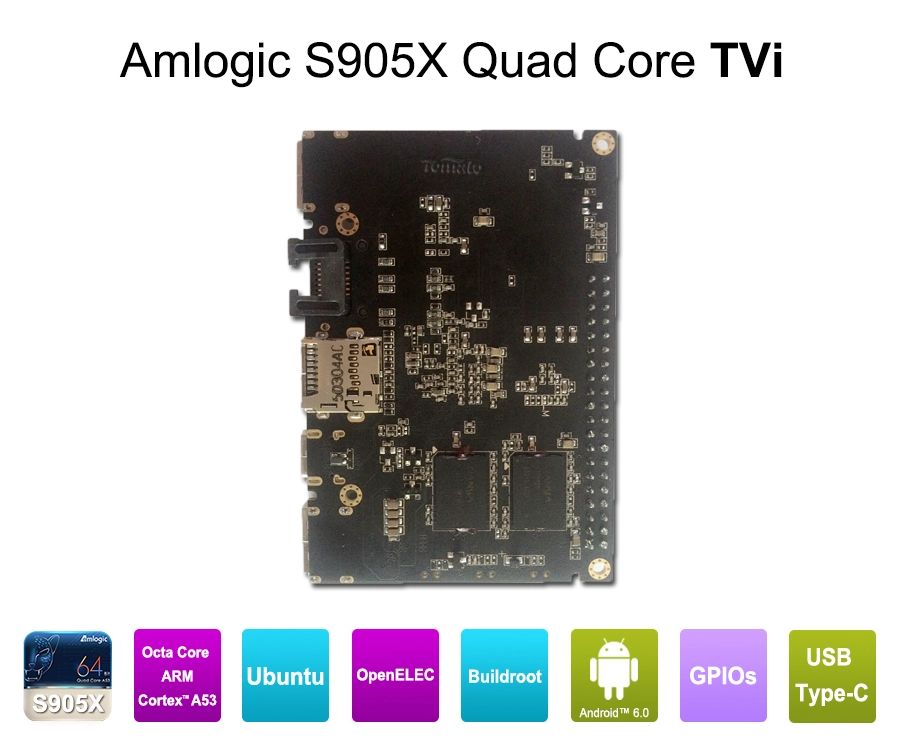
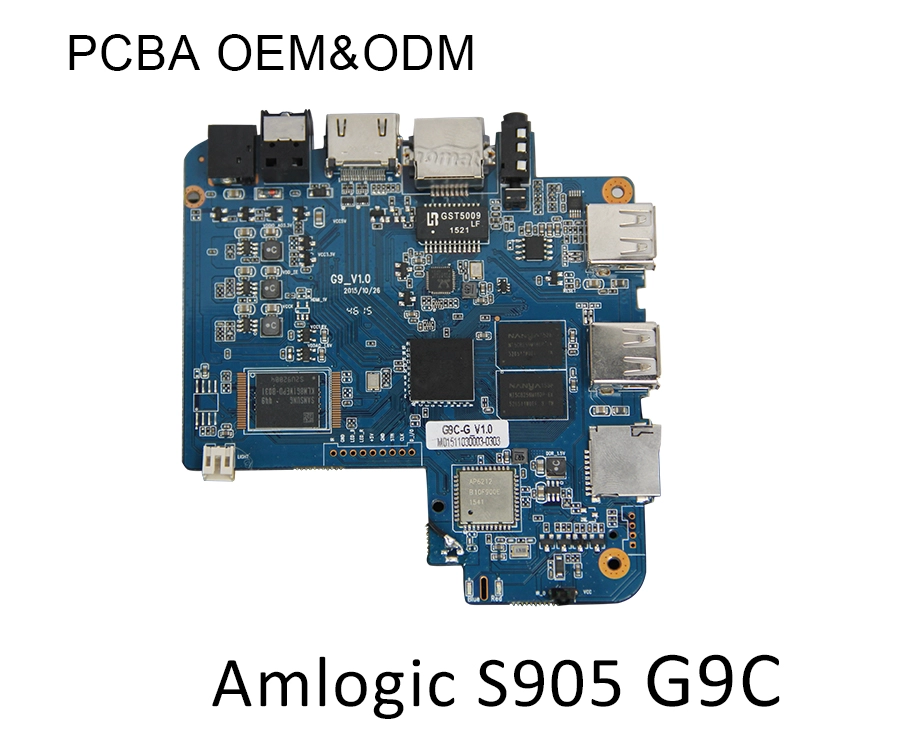
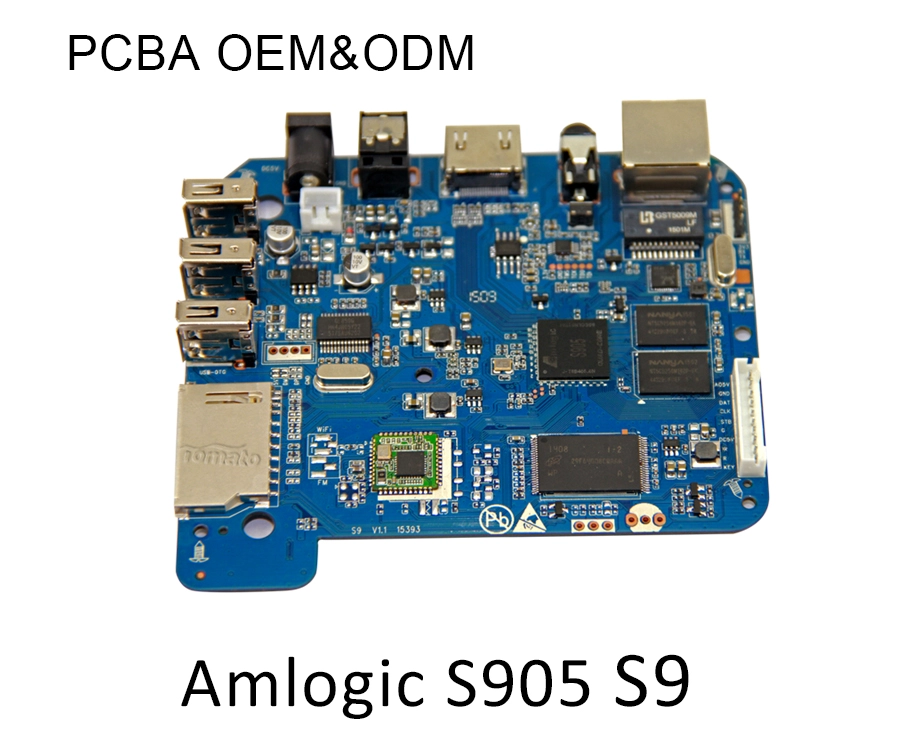
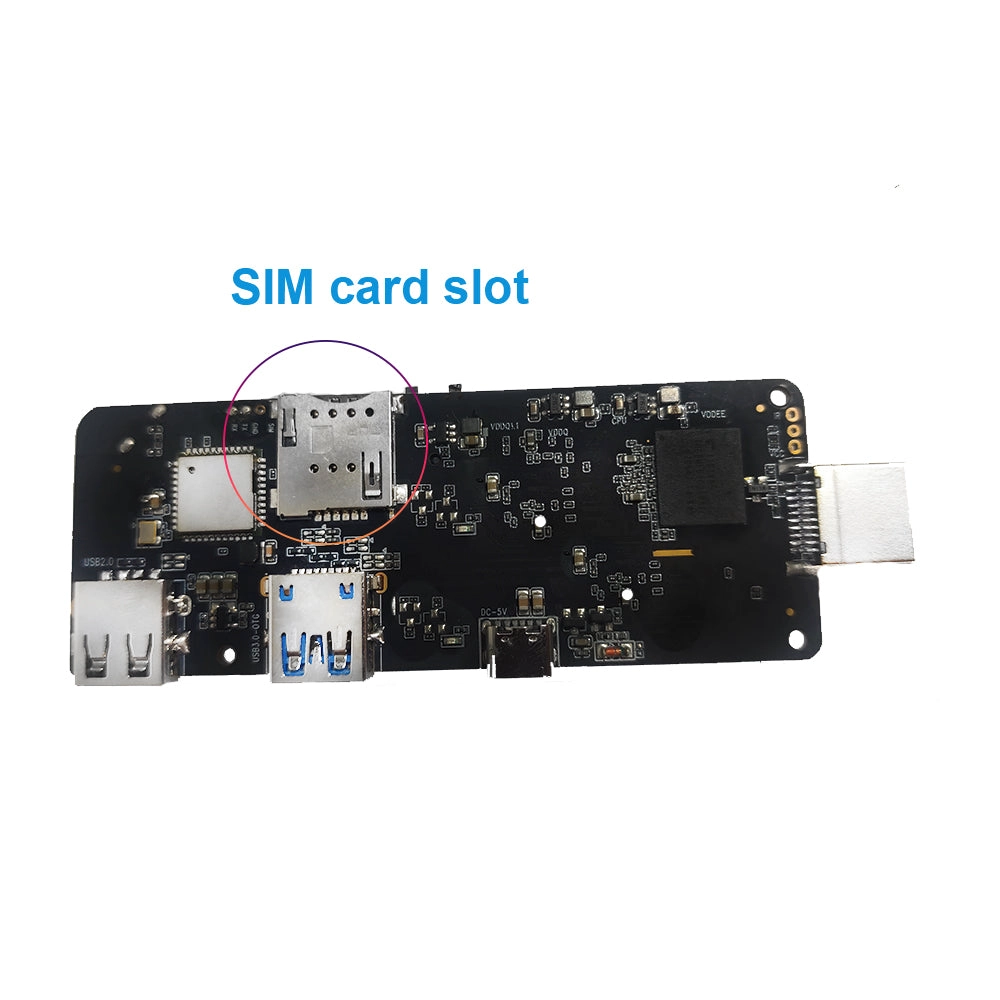
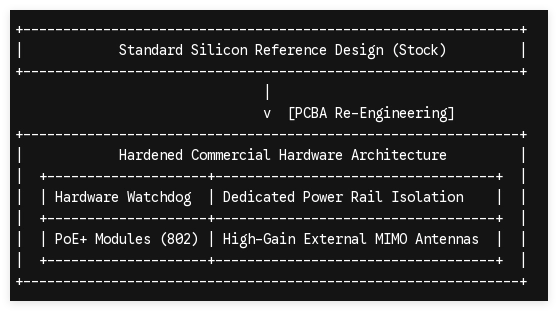
Many suppliers claim to offer "custom hardware," but their capabilities often stop at silkscreening a logo onto a standard plastic shell. A true Original Design Manufacturer (ODM) and OEM partner must demonstrate the capability to modify the Printed Circuit Board Assembly (PCBA) layout from the ground up.
Component-Level Customization
Commercial and telecom environments introduce distinct challenges. Your partner must be capable of integrating hardware components absent from consumer reference boards:
- Hardware Watchdog Timers: Dedicated on-board microcontrollers that monitor operating system runtime and force a cold hardware reboot if the system freezes.
- Power over Ethernet (PoE/PoE+): Modifying the board to route power directly through the RJ45 LAN architecture, eliminating external power supplies in complex installations.
- Peripheral Matrix Expansion: Adding specialized physical ports such as dual-HDMI outputs, RS-232 serial links for display controls, or custom GPIO pin headers.
Specialized Thermal Management
High-bitrate decoding produces severe thermal loads. If an OEM relies on cheap, small aluminum heatsinks, the processor will quickly experience thermal throttling. This leads to dropped frames and premature component degradation. Verify that your partner designs specialized cooling solutions, such as thick high-conductivity thermal pads (3.0 W/mK+) paired with structural alloy enclosures optimized for passive, fanless heat dissipation.
2. Firmware-Level Engineering and Deep Kernel Optimization
An STB brand is defined by its user experience. If your manufacturer cannot modify software below the surface-level skin, your fleet will remain weighed down by stock background services, unnecessary consumer telemetry, and poor memory management.
Linux and Android Kernel Tuning
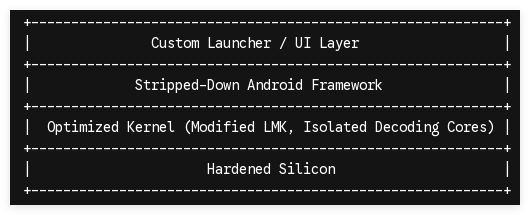
Your OEM partner must possess the engineering depth to strip out standard consumer bloatware and perform Linux/Android kernel optimization. By reconfiguring low-memory killer (LMK) parameters and isolating CPU cores exclusively for your primary application, the device achieves stable, ultra-low-latency decoding pipelines.
System-Level Customization Scope
Assess whether the manufacturer's software team can natively execute the following system-level tasks:
- Persistent Kiosk Mode: Locking the device into a single target application while disabling the status bar, navigation gestures, and settings menu access.
- Custom SDK/API Integration: Exposing proprietary system-level API hooks that let your software communicate directly with the Hardware Abstraction Layer (HAL) and serial peripherals.
- Secure Boot and DRM Provisioning: Baking cryptographic keys directly into the secure bootloader to handle HDCP encryption and Widevine L1 or PlayReady digital rights management at a native level.
3. Automated Provisioning and Fleet Lifecycle Management
Managing large-scale hardware deployments requires an automated approach to provisioning and maintenance. Manual configuration at scale is a point of failure.
Zero-Touch Factory Provisioning
A sophisticated OEM partner integrates your network requirements directly into the production assembly line. This includes pre-flashing customized system ROMs, assigning unique cryptographically signed serial profiles, and mapping device MAC addresses directly to your middleware server prior to packaging. When the end-user or field technician connects the device to a network, it provisions itself automatically.
Private Firmware Over-The-Air (FOTA) Infrastructure
Deployment is not the final step. Security threats and feature updates require a reliable remote maintenance system. Ensure your partner provides a dedicated, private FOTA update system. This platform must allow you to group, schedule, and silently push delta firmware upgrades and kernel patches to target hardware groups worldwide based on hardware IDs or regional parameters.
Technical Evaluation Checklist for B2B Buyers
When vetting a prospective manufacturer's facility and engineering teams, look past basic regulatory certificates and require proof of the following capabilities:
| Evaluation Vector | Core Requirement | Verification Method |
|---|---|---|
| PCBA Engineering | In-house schematic design and multi-layer board layout capabilities. | Request Gerber file samples and engineering change order (ECO) logs. |
| Firmware Depth | Ability to modify the bootloader and compile custom AOSP or Linux distributions. | Request a sample build demonstrating a locked system-level kiosk mode. |
| Testing Standards | Environmental testing, drop testing, and sustained high-load thermal stress analysis. | Review thermal imaging reports of the SoC under continuous 4K/8K playback loops. |
| Supply Chain | Direct relationships with tier-1 silicon vendors (Amlogic, Rockchip) and memory suppliers. | Verify hardware configuration options for LPDDR4X/LPDDR5 RAM and eMMC 5.1/UFS storage options. |
B2B Sourcing & Customization Architecture
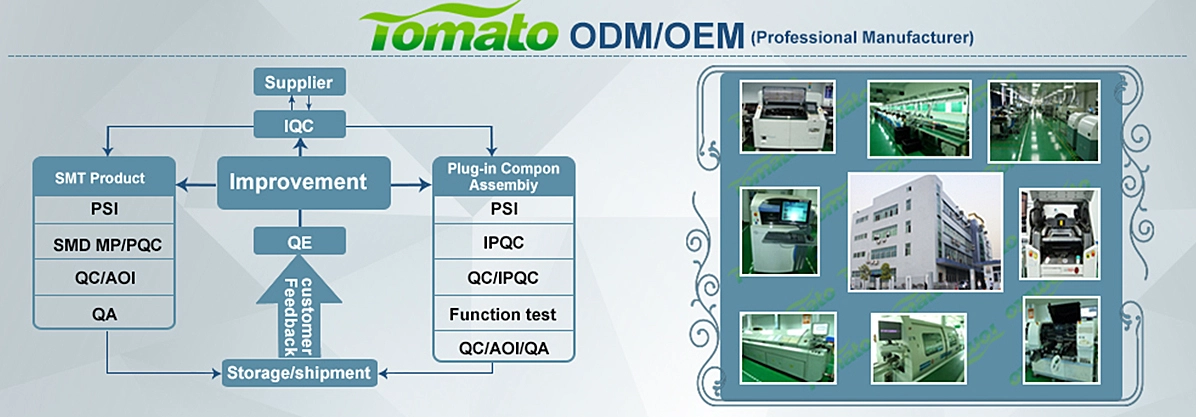
Building a reputable, resilient Set-Top Box brand requires moving past retail hardware constraints. SZTomato provides the deep engineering support needed to transform standard silicon into ruggedized, application-specific enterprise platforms. Through direct firmware compilation, custom PCBA redesign, and secure FOTA infrastructure management, we ensure your deployment remains fast, stable, and secure.
Contact our B2B procurement desk today to submit your technical specifications, request a prototype evaluation unit, or speak directly with our lead hardware architects.
