
What is the preferred OTT TV Box to TV connection?
Optimizing the OTT TV Box to TV Interface for Enterprise and Commercial Deployments
The rollout of hardware-accelerated AV1 decoding across modern silicon like the Amlogic S905X4 and Rockchip RK3588 series has fundamentally shifted expectations for high-bitrate Over-The-Top (OTT) video delivery. However, high-performance silicon is only as reliable as the physical and logical links connecting the playback device to the display infrastructure. In commercial environments—ranging from hospitality IPTV networks to distributed multi-screen retail deployments—selecting and optimizing the OTT TV Box to TV connection is not a matter of plugging in a generic consumer cable. It requires precise configuration of HDMI handshakes, control protocols, and EDID management to guarantee 24/7 uptime.
For B2B procurement managers and system integrators, connection failures manifest as HDCP black screens, flickering signals, or dropped control loops. Resolving these pain points requires moving past retail plug-and-play assumptions and engineering the physical interface at the PCBA and kernel levels.
1. The Definitive Standard: HDMI 2.1 and EDID Customization
For modern enterprise applications, the primary and preferred connection between an OTT TV Box and a commercial display is HDMI 2.1 (or HDMI 2.0b as a baseline for standard 4K60 deployments). Consumer devices treat this interface as a simple pipe; commercial-grade deployments treat it as an active bidirectional data channel.
EDID Emulation and Locking
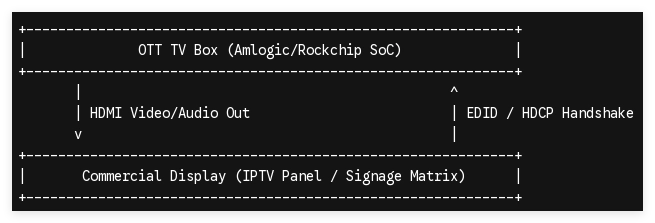
Extended Display Identification Data (EDID) is the metadata packet a TV sends to the OTT box detailing its native resolution, refresh rates, and color spaces. In complex commercial setups utilizing HDMI matrices, splitters, or long-distance active optical cables (AOC), the EDID handshake frequently fails or drops during power cycles.
To solve this, SZTomato engineers custom Linux/Android kernel optimization that allows operators to hardcode and lock a specific EDID profile directly within the box's firmware. Even if the display is turned off or disconnected, the box continues to output a stable, uncorrupted signal, eliminating the "no signal" loop upon display boot.
HDCP Keys Integration
Premium OTT applications require High-bandwidth Digital Content Protection (HDCP 2.2 or 2.3) for 4K DRM playback. If the handshake timing varies by even a few milliseconds, the video stream drops. Customizing the bootloader and tailoring the SDK allows for strict enforcement or systematic fallback rules for HDCP handshakes, preserving signal continuity for non-DRM enterprise content.
2. Unlocking Automation via HDMI CEC and Serial Protocols
A frequent logistical challenge in commercial installations is the coordination of power states between the OTT TV Box and the TV panel. Relying on infrared (IR) remote controls is a failure-prone approach in public or enterprise spaces.
Deep HDMI CEC Firmware Customization
The preferred architecture utilizes HDMI CEC Extensions mapped directly into the system-level OS. Through tailored SDK/API integration, the OTT box acts as the primary hardware controller. When the box wakes up via an Over-The-Air (OTA) network command, it issues a system-level command via the HDMI cable to power on the TV panel, switch to the correct HDMI input port, and match the target aspect ratio automatically.
[Network Command] -> [OTT Box Wakeup] -> [HDMI CEC Line] -> [TV Powers On + Switches Input]
Hybrid PCBA Layouts for Industrial Control
When consumer panels are swapped for commercial-grade monitors, standard CEC may be unsupported or restricted. To bypass this entirely, specialized OTT hardware architectures incorporate secondary control interfaces onto the physical board layout:
-
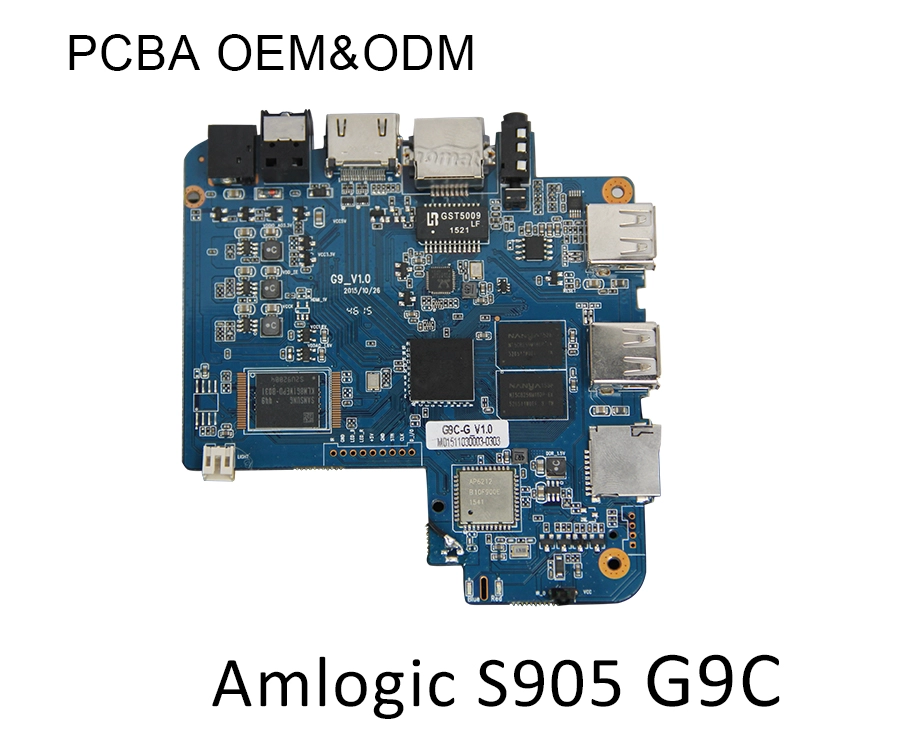
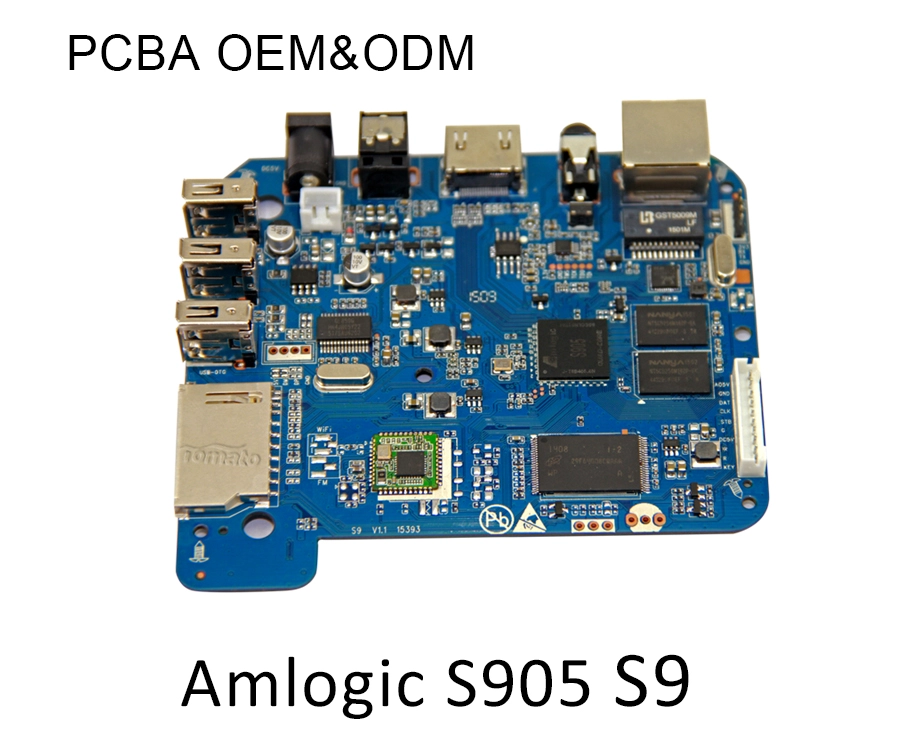
TTL Serial / RS-232 Integration: Modifying the PCBA layout to include a dedicated hardware port or pin header that mirrors the power state of the box via RS-232 commands directly into the TV's service port.
-
Hardware Watchdog Timers: Integrating a hardware component on the PCBA that monitors the HDMI output line. If a video signal drops for a predefined period, the watchdog automatically power-cycles the box or re-initializes the video driver at the kernel level.
3. Thermal and Electrical Isolation for Continuous Uptime
Connecting a media player to a high-power commercial display introduces significant electrical and thermal stresses that can quickly degrade non-commercial hardware.
Overcoming Thermal Transference
Commercial TV displays generate substantial ambient heat from their backlights, which often radiates directly onto mounted playback devices. To combat this, standard retail plastic enclosures are replaced with custom alloy chassis and specialized cooling structures:
-
Passive Die-Cast Heat Dissipation: Utilizing internal thermal pads that link the SoC directly to an aluminum or magnesium alloy outer casing. This structure completely eliminates active mechanical fans while maintaining internal junction temperatures well below critical throttling limits, even when outputting sustained 4K60 streams.
Electrical Safeguards on the Board Matrix
HDMI cables frequently transport destructive voltage spikes caused by improper grounding or hot-plugging into industrial power loops. Hardware hardening at the PCBA stage includes:
-
ESD Protection Arrays: Placing high-speed electrostatic discharge protection diodes directly on the HDMI data and clock lines of the PCBA.
-
Isolated Power Delivery: Designing separate power rails for the core processing units and the peripheral IO connectors to prevent a display-side electrical fault from damaging the core SoC or flash memory.
4. Legacy and Alternative Terminals: When HDMI is Not Enough
While digital HDMI interfaces represent the primary deployment vector, diverse global infrastructures frequently necessitate alternative terminal connectivity options.
| Connection Type | Target Infrastructure | Technical Implementation |
|---|---|---|
| HDMI 2.1 / 2.0b | Modern IPTV, 4K Commercial Displays | Native SoC digital interface, full HDCP/EDID support |
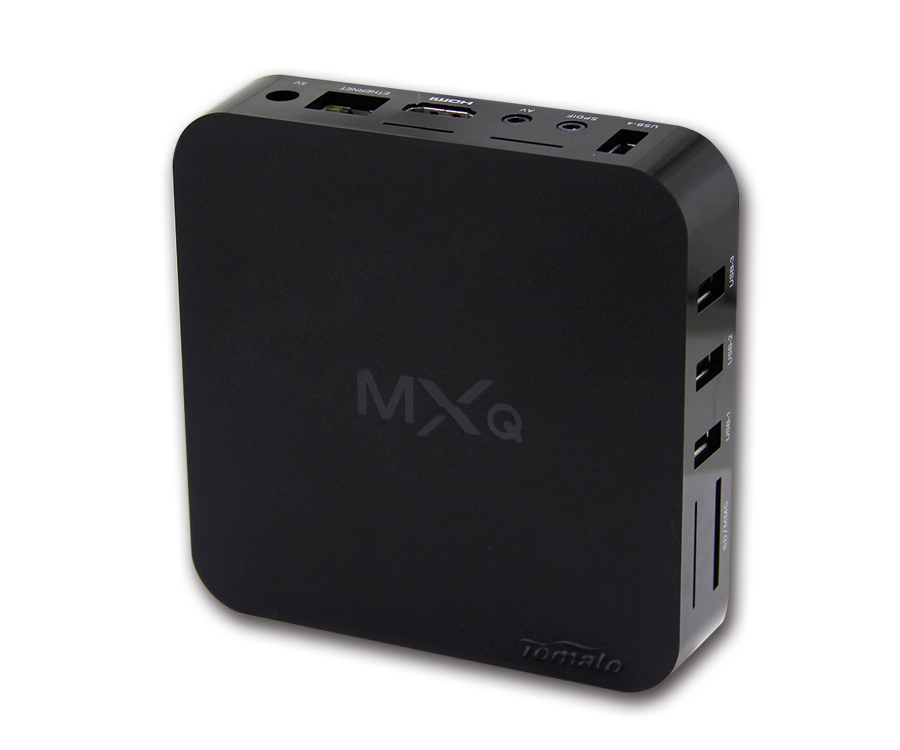
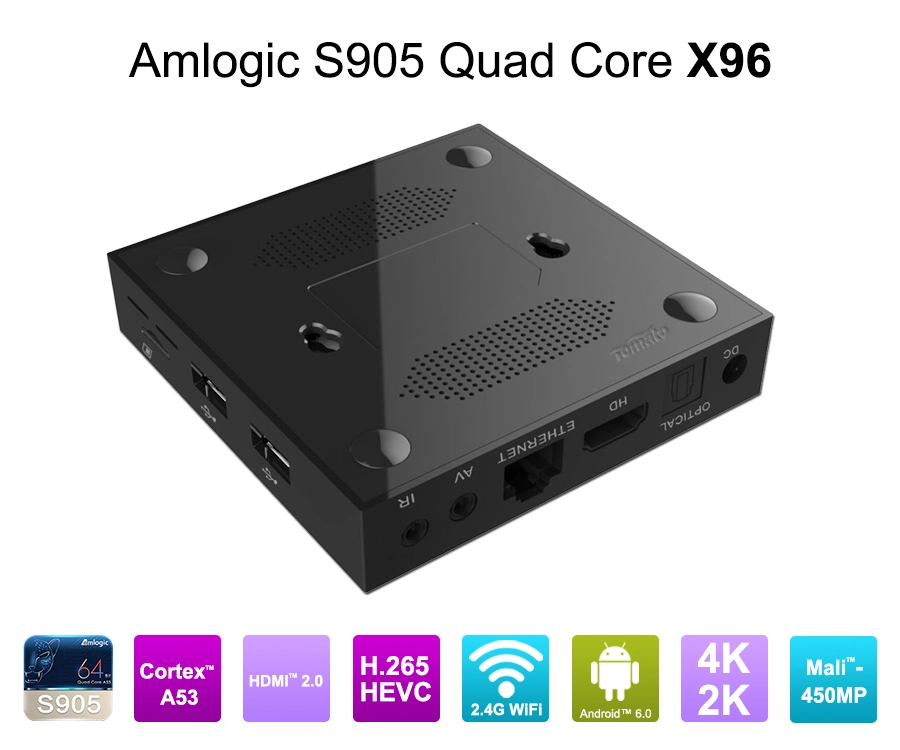
| CVBS / AV RCA (Composite) | Legacy Hospitality Systems, Regional CRT Networks | DAC (Digital-to-Analog) hardware conversion mapped to a 3.5mm TRRS port |
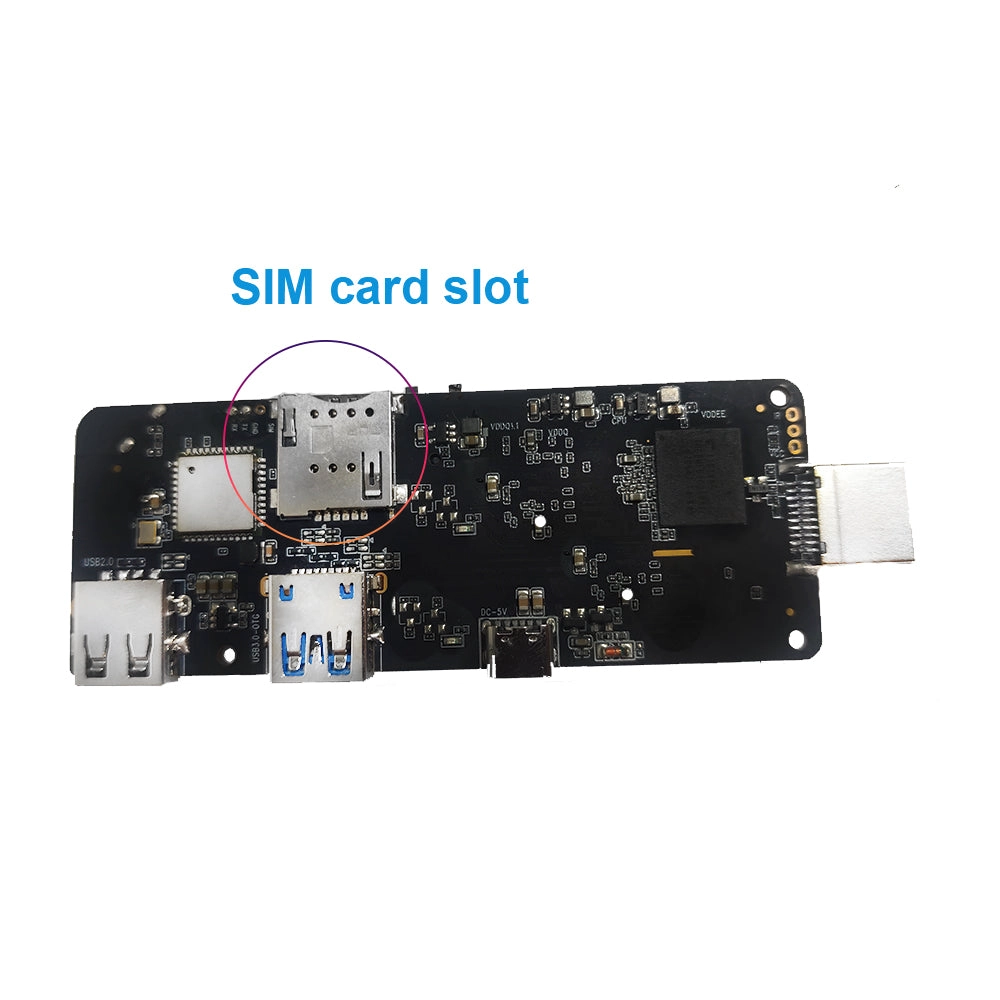
| USB-C DisplayPort Alt Mode | Interactive Touch Kiosks, Single-Cable Deployments | Custom PCBA routing combining power input, video data, and touch-return USB paths |
By implementing multi-interface support directly into custom software and hardware builds, system integrators can deploy a single unified OTT box model globally, relying on customized software configurations to adjust output protocols based on local panel requirements.
B2B Sourcing & Architecture Partnership
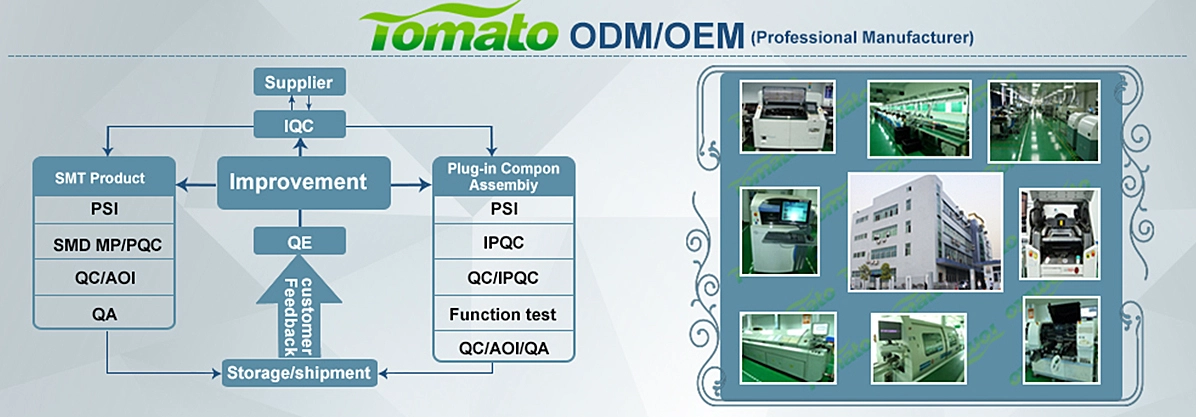
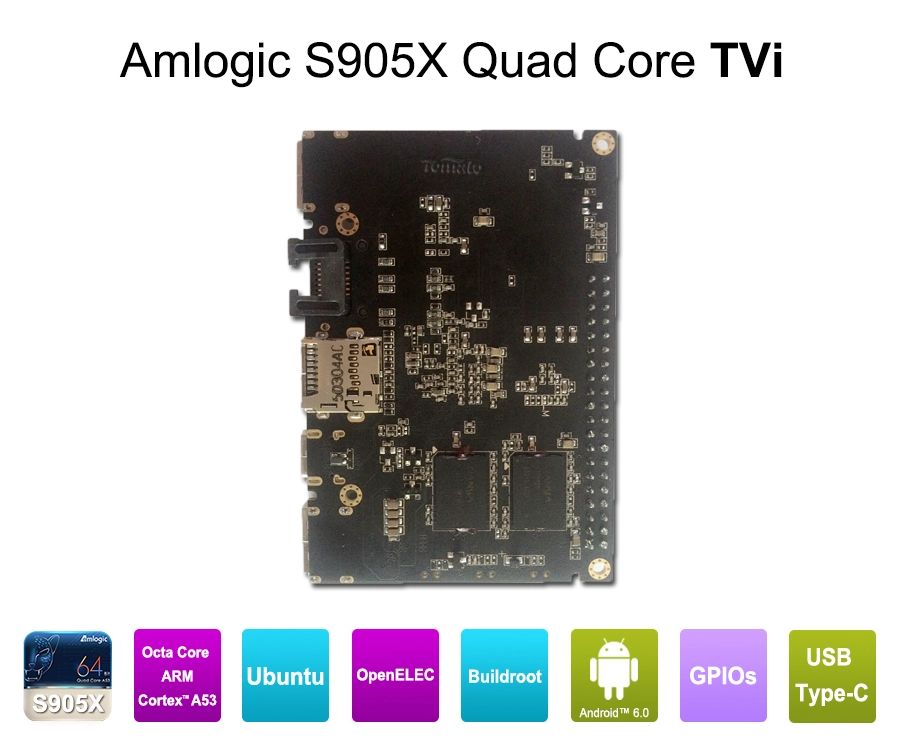
Engineering a flawless, uninterrupted OTT TV Box to TV connection requires a hardware partner capable of looking beyond consumer-grade specifications. SZTomato delivers the deep engineering support necessary to deploy stable, scalable video delivery platforms worldwide. By manufacturing custom PCBA layouts, designing ruggedized passive cooling, and compiling tailored Android and Linux kernels, we ensure your playback nodes remain operational under demanding corporate environments.
Contact our B2B engineering desk today to submit your RFQ, evaluate custom hardware samples, or coordinate a technical deep-dive with our firmware architects.
