
What is the use of an Android Mini PC?
Beyond the Desktop: Engineering the Android Mini PC for Enterprise and Edge Computing
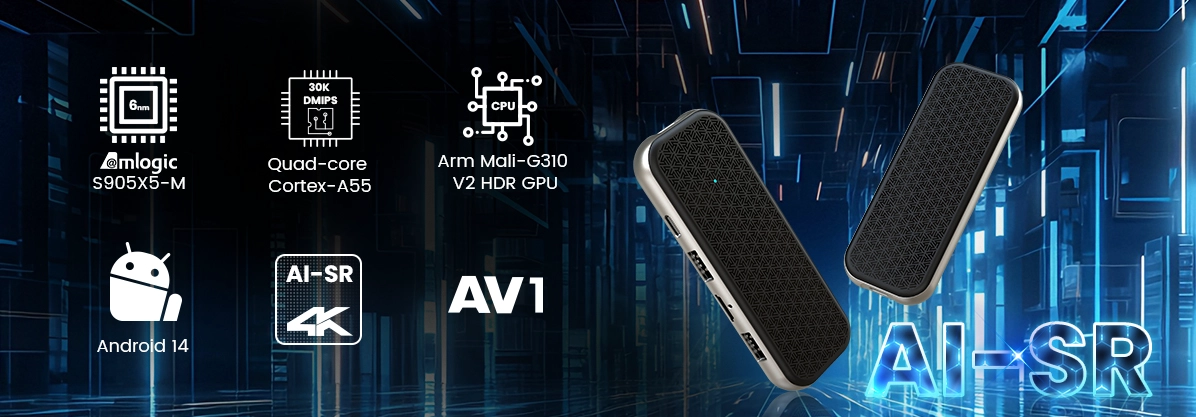
The shift toward the AV1 codec and the deployment of low-power ARM architectures like the latest Amlogic and Rockchip SoCs have redefined the role of the Android Mini PC. Enterprise procurement is moving away from bloated x86 systems for dedicated applications. System integrators and commercial operators no longer view these compact devices as mere consumer media streamers. Instead, they deploy them as hardened, application-specific edge nodes.
For B2B buyers, the core value of an Android Mini PC does not lie in its out-of-the-box retail software. It lies in its architectural flexibility, thermal efficiency, and the ease with which its firmware can be stripped down and optimized for single-purpose commercial infrastructure.
1. High-Performance Digital Signage Infrastructure
Digital signage has evolved beyond playing simple video loops. Modern commercial networks demand real-time data integration, interactive UI overlays, and synchronized multi-display deployments. The Android Mini PC serves as the underlying hardware engine for these networks, offering distinct advantages over traditional x86 computing blocks:
-
Hardware-Accelerated Decoding: Deploying SoCs with native hardware decoding for AV1, H.265, and VP9 allows these units to stream 4K or 8K content at 60 frames per second continuously. This performance is achieved while maintaining a thermal design power (TDP) often under 10 Watts.
-
Commercial Display Control: Through specialized firmware engineering, commercial-grade Mini PCs utilize HDMI CEC (Consumer Electronics Control) extensions and serial communication protocols. This allows central software to manage panel power states, input switching, and display diagnostics remotely.
-
Content Protection: Integration of Widevine L1 and PlayReady HDCP 2.2/2.3 encryption layers directly into the Android kernel ensures secure delivery for premium corporate broadcasting and high-value digital media networks.
2. Interactive Kiosks and Point-of-Sale (POS) Integration
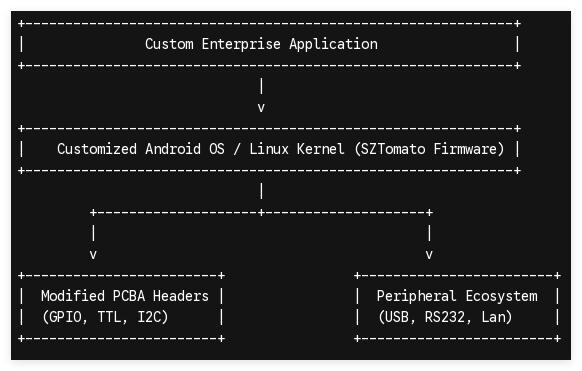
Smart retail, hospitality, and self-service banking rely on responsive, stable hardware that can interface with fragmented peripheral ecosystems. An enterprise Android Mini PC acts as a bridge between custom client applications and physical hardware components.
Peripheral Connectivity via SDK/API
Standard Android builds often lack the drivers required for commercial environments. B2B deployments require deep SDK and API integration at the system level. This enables direct communication between the Android OS and specialized components like thermal printers, biometric scanners, magnetic card readers, and cash drawers via USB, RS232, or TTL serial interfaces.
Hardware-Level Android Customization
To prevent user tampering in public environments, the standard Android operating system must undergo comprehensive modification:
-
System-Level Kiosk Mode: Hardcoding the target application as the default launcher within the boot image to prevent users from accessing settings, the status bar, or navigation menus.
-
Root Access & Custom Permissions: Providing secure, application-specific root privileges to system integrators so they can manage low-level system calls without exposing security vulnerabilities.
-
Custom Boot Animation & Branding: Injecting client-specific boot screens directly into the partition for a cohesive, white-labeled user experience from the moment the device powers on.
3. Industrial Edge Gateways and Automation Control
In warehouse logistics, manufacturing floors, and smart-building automation, Android Mini PCs operate as local edge computing nodes. They aggregate sensor data, manage localized machine-learning models, and communicate with industrial PLCs (Programmable Logic Controllers).
PCBA Customization and Ruggedization
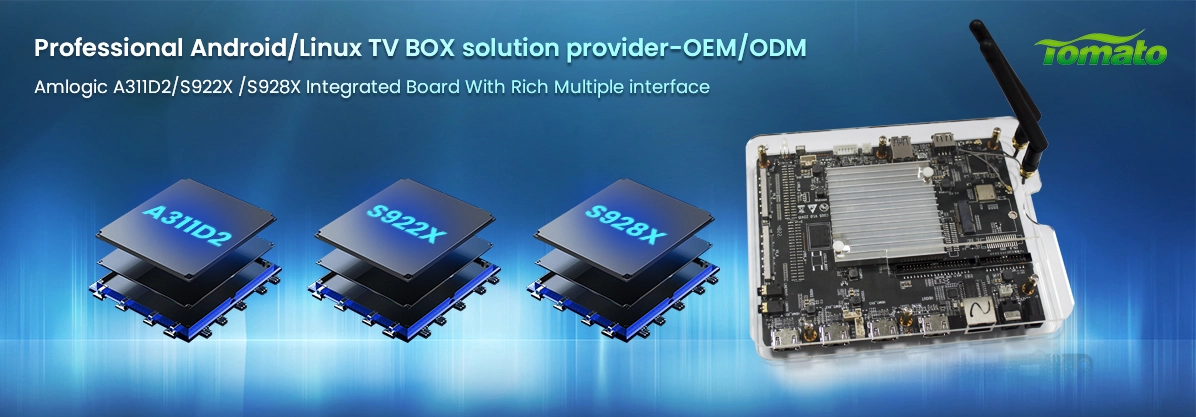
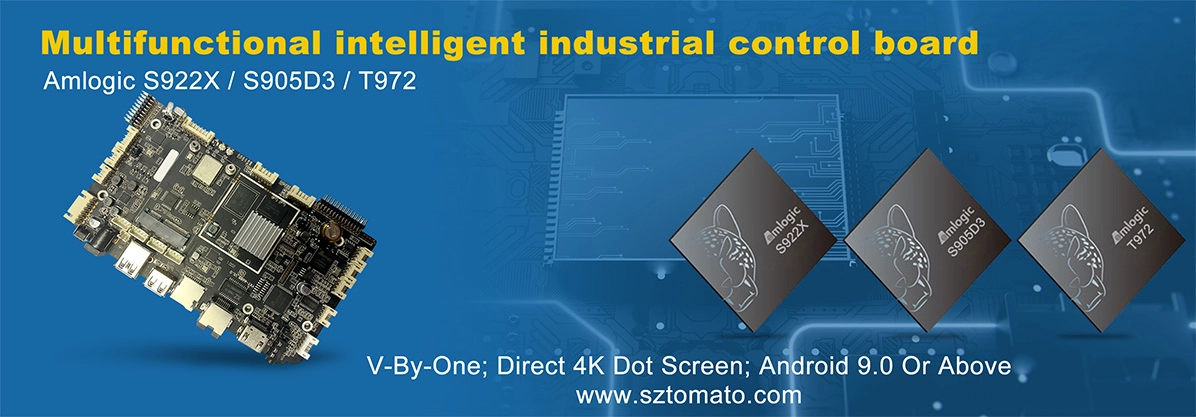
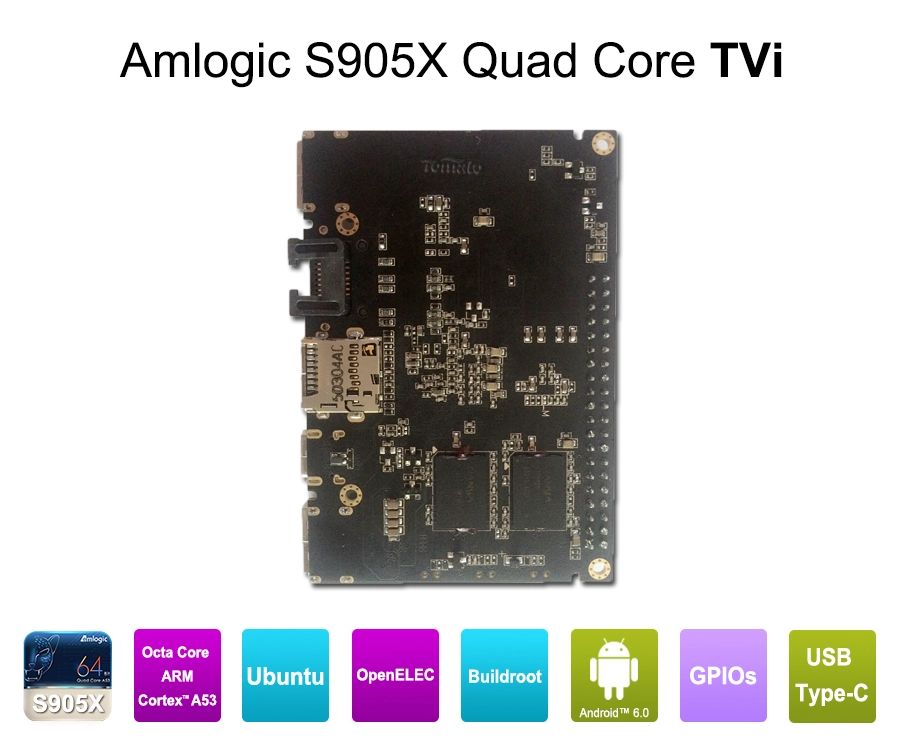
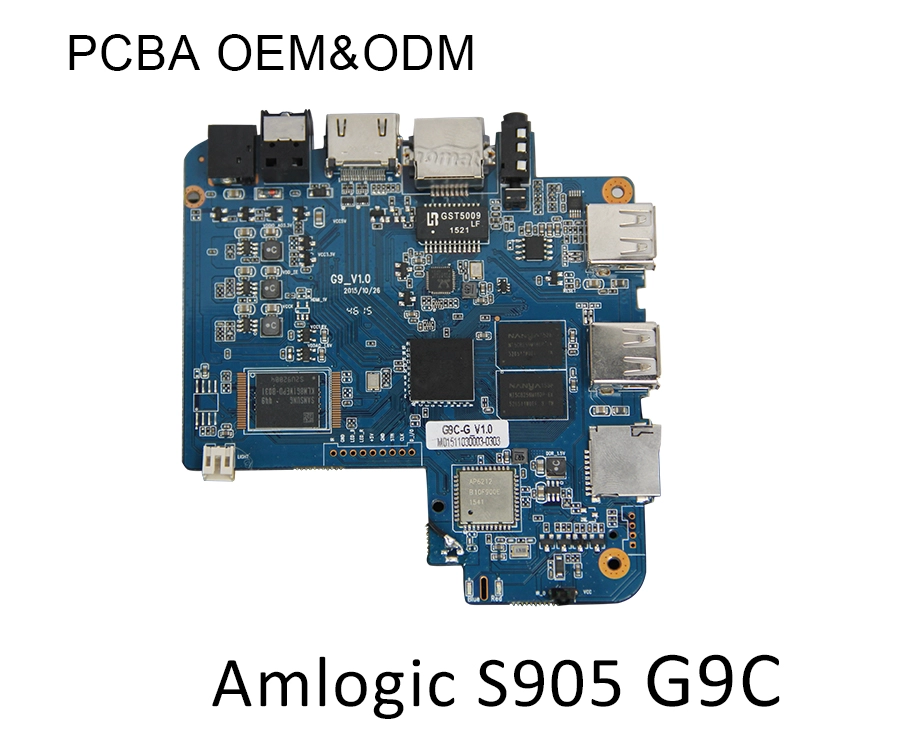
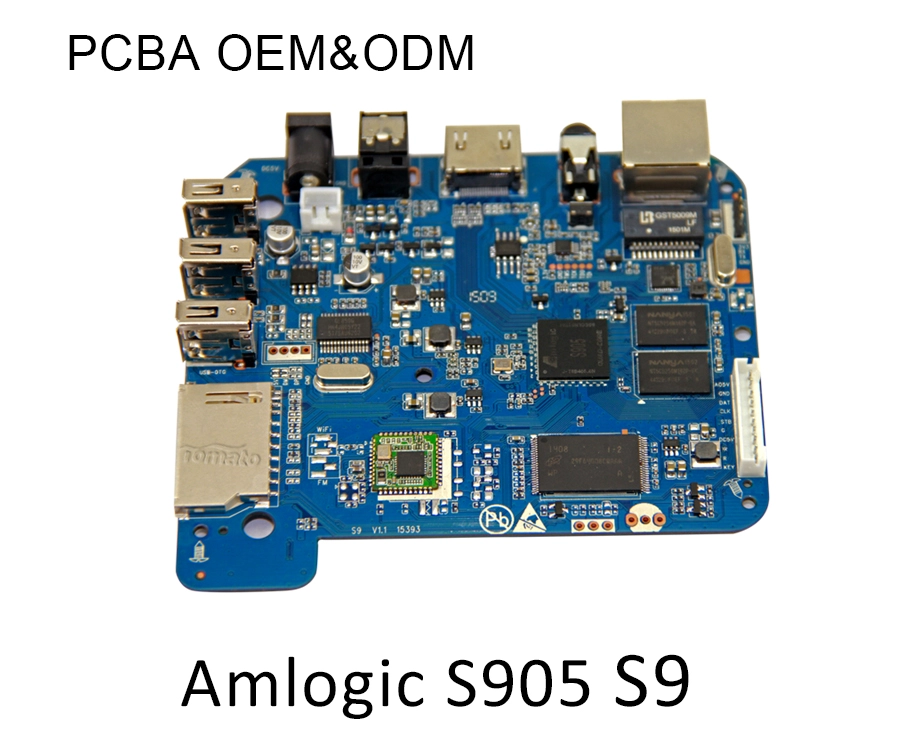
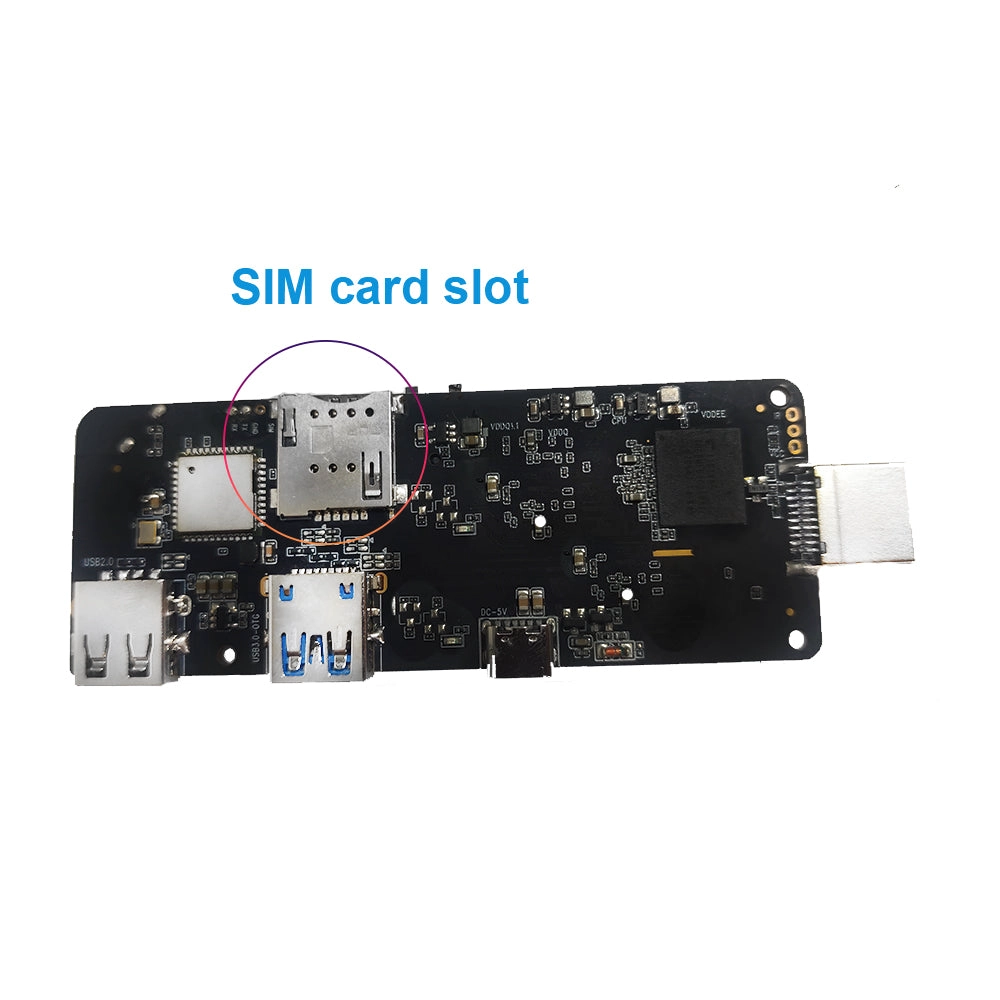
Industrial environments expose hardware to vibration, dust, and temperature extremes that would cause consumer electronics to fail. Commercial Android Mini PCs require custom PCBA (Printed Circuit Board Assembly) layouts:
-
Fanless Thermal Engineering: Replacing active cooling fans with heavy-duty aluminum heatsinks and thermal pads coupled directly to a rugged alloy chassis. This design eliminates mechanical failure points and prevents internal dust accumulation.
-
Component Hardening: Utilizing solid-state capacitors, gold-plated headers, and ESD (Electrostatic Discharge) protection circuits to guarantee a 24/7/365 operational lifespan.
-
Flexible Power Input: Modifying the power delivery network on the PCBA to accept wide-voltage inputs (e.g., 9V–36V DC) or integrating PoE+ (Power over Ethernet 802.3at) to supply both data and power over a single Cat6 cable.
4. Lifecycle Management and Long-Term Deployment Stability
Deploying thousands of devices across international borders requires a rigorous strategy for maintaining software stability and security without relying on manual physical updates.
Over-The-Air (OTA) Update Systems
Enterprise deployments cannot depend on public app stores or manual firmware flashing. Scalable solutions utilize private, branded OTA update systems. This framework allows system administrators to push silent, incremental firmware updates, security patches, and application upgrades to specific device clusters globally. This is handled via a secure, centralized dashboard.
Kernel and Bootloader Optimization
Commercial deployments require absolute control over the boot sequence. By locking or modifying the bootloader, engineering teams ensure that only cryptographically signed firmware can execute on the hardware.
Simultaneously, optimizing the Linux/Android kernel allows for the removal of unnecessary consumer daemons, Google Mobile Services (GMS) bloatware, and unused drivers. This results in faster boot times, a reduced attack surface, and maximum allocation of system RAM to the primary enterprise application.
B2B Sourcing & Architecture Partnership
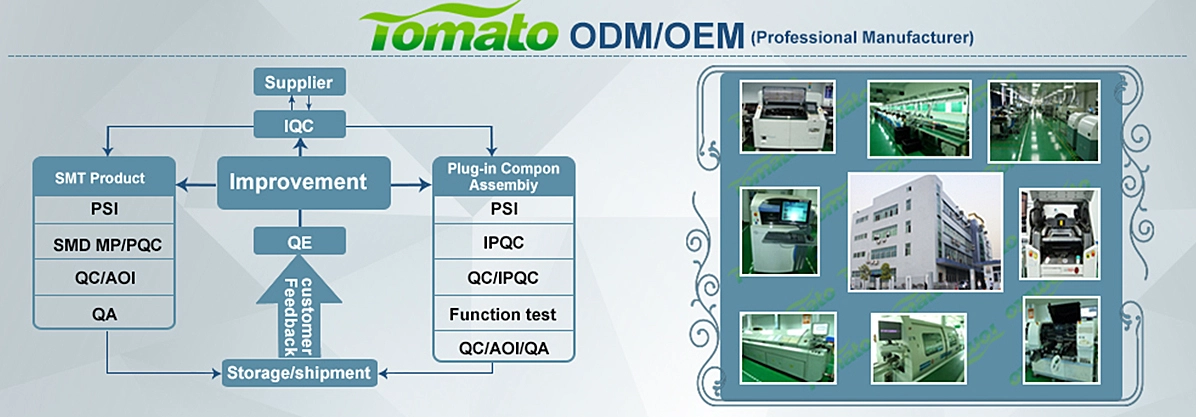
As a premier OEM/ODM manufacturer, SZTomato specializes in turning the Android Mini PC framework into a hardened, application-specific platform tailored to your precise commercial requirements. We bypass generic retail limitations by providing direct firmware-level engineering, custom PCBA development, and comprehensive SDK integration.
Whether you are deploying thousands of digital signage nodes across North America or integrating custom edge gateways into European industrial automation systems, SZTomato provides the hardware reliability and engineering depth your infrastructure demands.
Contact our engineering team today to review your project specifications, request PCBA samples, or schedule a technical consultation with our firmware architects.
