How to Choose the Right OEM Partner for Your TV Box Brand?
Mitigating Supply Chain Risk: A Technical Framework for Selecting a TV Box OEM/ODM Partner
The global hardware market has broken out of the commoditization trap. Sourcing procurement strategies based entirely on lowest-unit-cost metrics consistently result in deployment failures. For mid-to-large scale operators, system integrators, and electronics brands, the actual cost of a hardware deployment is realized in post-sale lifecycle stability. High product return rates (RMAs), thermal-induced processor downclocking, and broken software updates driven by unverified board modification can rapidly erode the narrow operating margins of an OTT or digital signage rollout.
Developing a competitive market presence requires moving past superficial white-labeling—such as pad-printing logos onto stock plastic enclosures. Decision-makers must instead evaluate a TV box manufacturing partner as a technical co-engineer capable of executing precise hardware modifications and low-level system software builds.
Technical Auditing: Evaluating PCBA Engineering and Thermal Architecture
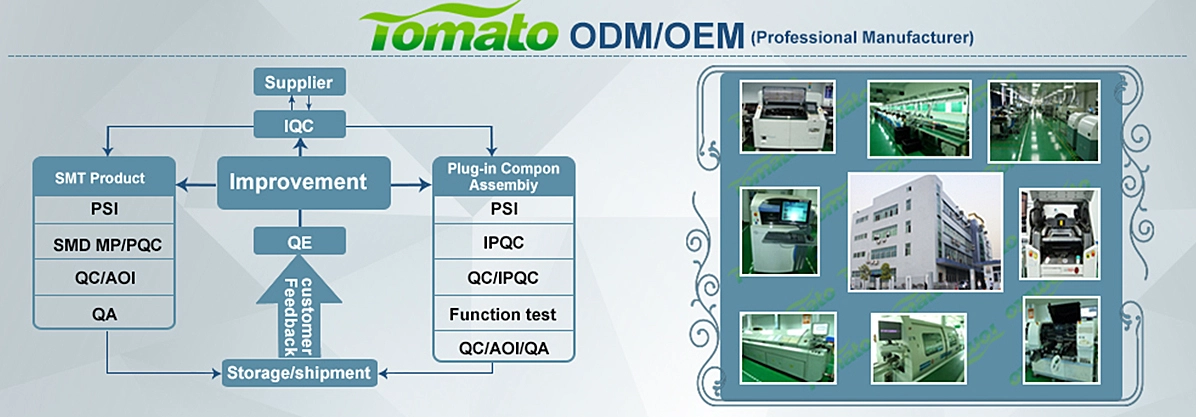
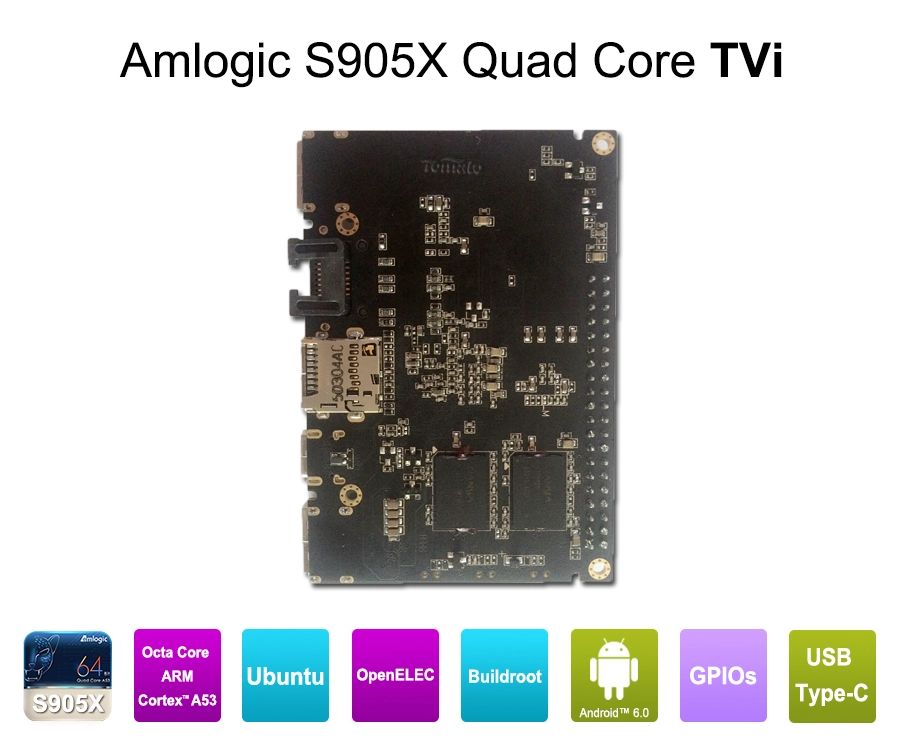
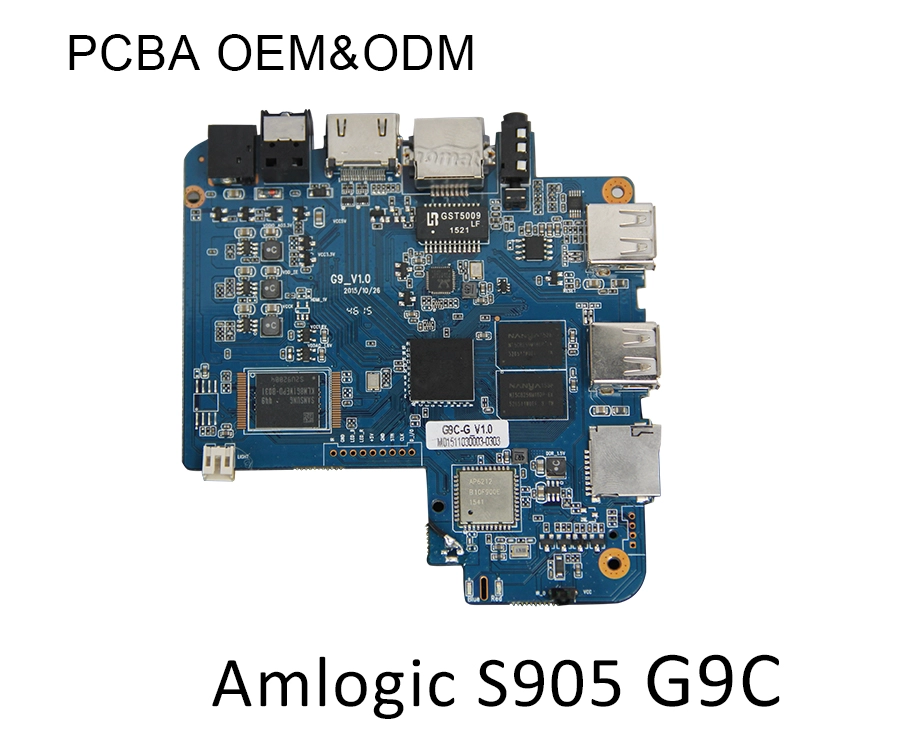
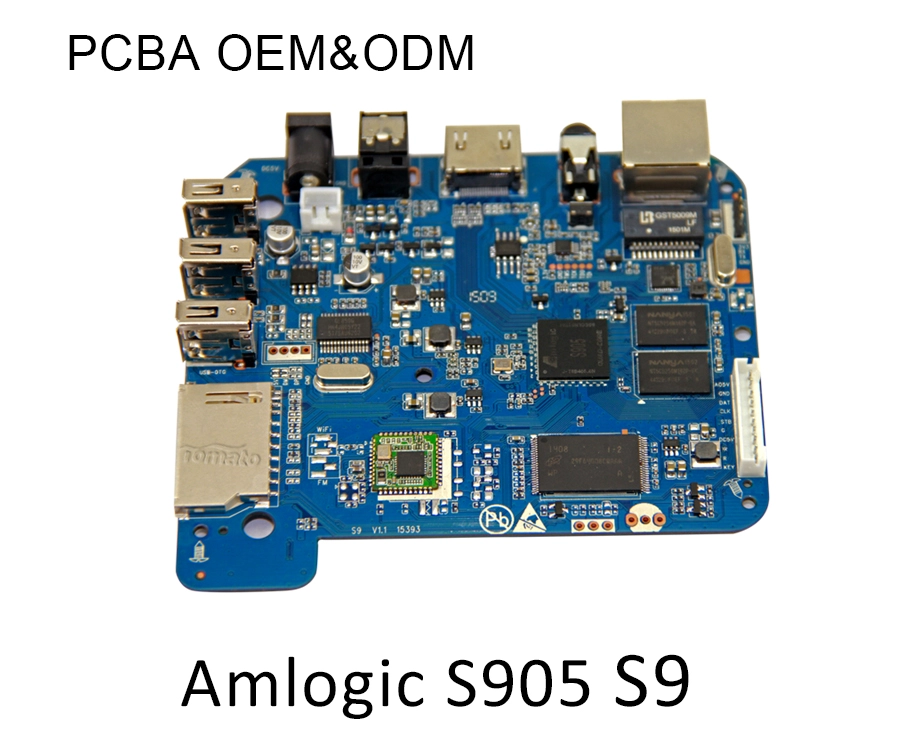
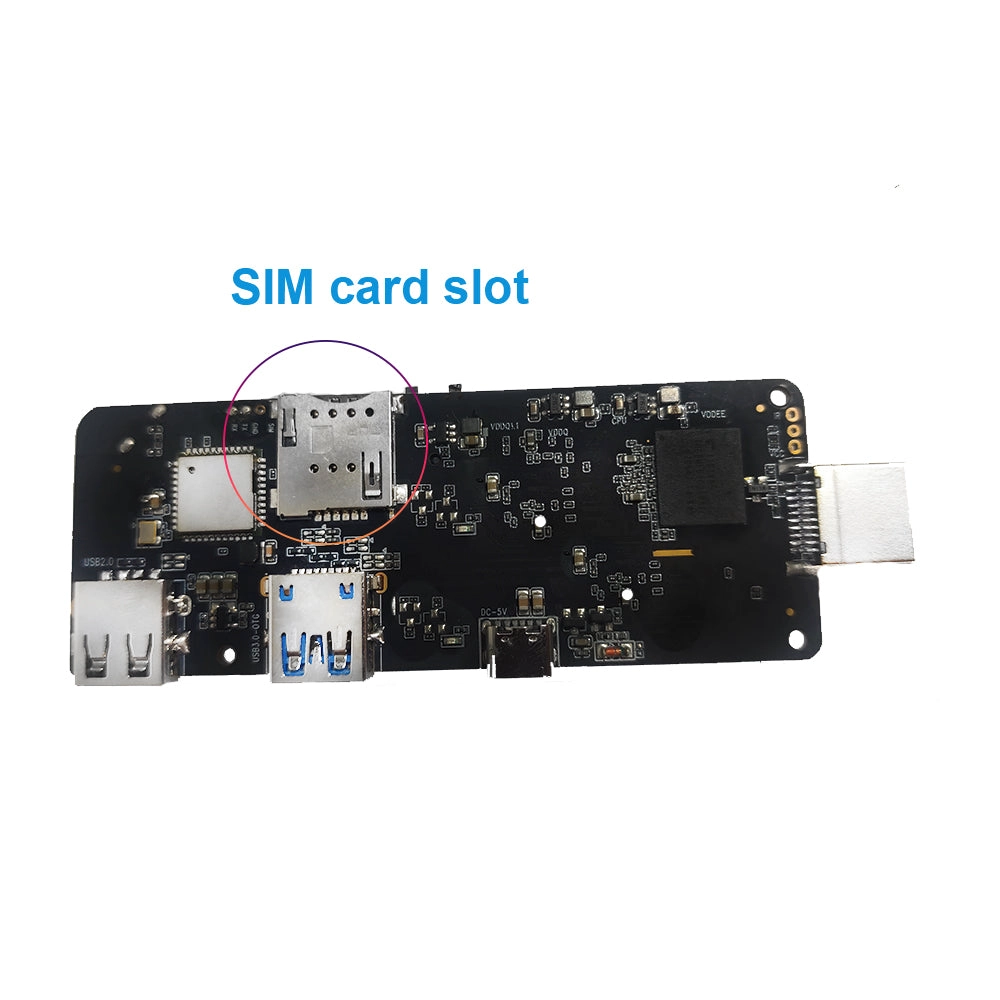
The core of any media terminal is its Printed Circuit Board Assembly (PCBA). When auditing a potential manufacturing partner, engineers must inspect the physical architecture of the board and the validation methodologies used in the factory's SMT (Surface Mount Technology) assembly lines.
1. Thermal Management Protocols
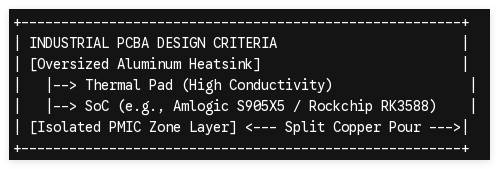
A primary point of failure for media hardware mounted in confined spaces behind industrial displays or commercial TVs is thermal throttling. Partners must demonstrate a clear mastery of localized thermal dissipation:
- Copper Pour Optimization: The board design should feature independent grounding planes and continuous copper pour zones to distribute heat away from the System-on-Chip (SoC) and the Power Management Integrated Circuit (PMIC).
- Thermal Interface Materials (TIM): High-tier partners apply high-conductivity thermal pads to bridge the primary ICs directly to oversized aluminum heatsinks or structural metal chassis elements rather than relying on thin, consumer-grade passive heat-spreaders.
2. High-Speed Signal Verification
Ensure the supplier uses advanced circuit simulation tools and multi-layer board design (minimum 4 to 6 layers) to route high-frequency interfaces like DDR4/LPDDR5X memory channels and high-speed differential pairs for HDMI 2.1. This approach controls electromagnetic interference (EMI) and guarantees data packet integrity at the component level.
Operating System and BSP Depth: Moving Beyond Stock Android
A competent OEM partner must possess an independent, in-house software engineering team capable of modifying the Board Support Package (BSP) and compiling customized system binaries. If a vendor relies entirely on turnkey firmware provided by the chip manufacturer, your brand will remain limited to basic consumer-tier configurations.
When interviewing engineering leads, demand specific verification of their ability to execute core platform-level customizations:
| Customization Requirement | True Technical OEM Capability | Low-Tier Assembler Deficit |
|---|---|---|
| Kernel Tuning & Driver Injection | Compilation of custom Linux drivers (.ko files) into the kernel tree to support specialized USB peripherals, touchscreens, or high-gain Wi-Fi modules. | Limited to standard drivers pre-compiled in the silicon vendor’s reference image. |
| System Partition Control | Hardcoding custom enterprise software utilities directly into /system/priv-app/ with persistent root privileges and specific SELinux permissions. | Installs apps only in the volatile /data/app/ user space, making them vulnerable to manual end-user erasure. |
| Secure Boot Deployment | Implementing custom cryptographic keys into the hardware bootloader to secure the device firmware against unauthorized modification or sideloading. | Leaves the standard Android bootloader unlocked, creating security risks in commercial environments. |
| Private OTA Infrastructure | Deploying a dedicated, white-labeled Over-the-Air (OTA) server framework to push targeted firmware updates to specific device cohorts in the field. | Relies on manual USB flash drive upgrades or generic third-party servers prone to downtime. |
Quality Assurance and Factory Testing Paradigms
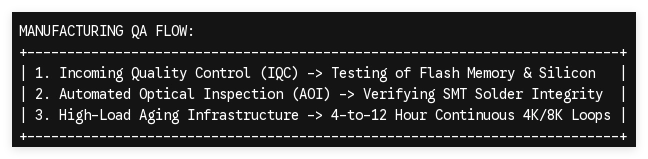
A factory’s actual output quality is defined by its testing strictness. A high-authority manufacturing partner should operate transparent, automated testing frameworks across every segment of production.
Automated Optical Inspection (AOI)
Post-SMT, every single PCBA must pass through inline AOI systems to detect micro-solder bridging, missing passive components, and misaligned pins before the board advances to the final casing assembly.
High-Load Aging Frameworks
Do not partner with factories that execute brief, superficial boot tests. Reliable B2B production lines run continuous 4-to-12 hour automated aging cycles inside specialized temperature-controlled chambers (40∘C to 45∘C). The devices must operate under sustained high-bitrate video decoding loops (AV1/HEVC) while monitoring scripts track frame-rate stability, kernel panics, and internal temperature ceilings.
Securing Supply Chain Longevity and Component Sourcing
In the enterprise space, platform consistency is mandatory. If an OEM alters component suppliers mid-lifecycle without prior notification, it can trigger software driver conflicts and unexpected field failures.
Ensure your chosen manufacturer maintains direct procurement contracts with tier-one semiconductor suppliers like Amlogic, Rockchip, Samsung, and Kingston. Your sourcing contract should explicitly dictate component lifecycle guarantees:
-
Silicon Lifespans: Securing chips with a committed five-to-seven-year production roadmap ensures consistent replacement part availability for extended hardware lifetimes.
-
Bill of Materials (BOM) Control: Implementing a strict engineering change notice (ECN) workflow guarantees the manufacturer cannot replace critical components—such as Wi-Fi modules or flash storage memory—without formal engineering sign-off from your team.
Choosing a B2B Manufacturing Partner
Building a sustainable, high-performing brand requires moving past superficial retail trading partners. Long-term market stability depends on securing an OEM partner that treats the hardware as an engineered solution rather than a simple commodity box. By validating board-level thermal design, software development capability, and structural quality assurance workflows, operators can secure their deployment investments and scale their business with confidence.
Secure your hardware foundation. Contact our engineering consultancy team today to evaluate technical blueprints, establish custom QA validation criteria, and build a scalable OEM/ODM TV box roadmap tailored for your enterprise infrastructure.
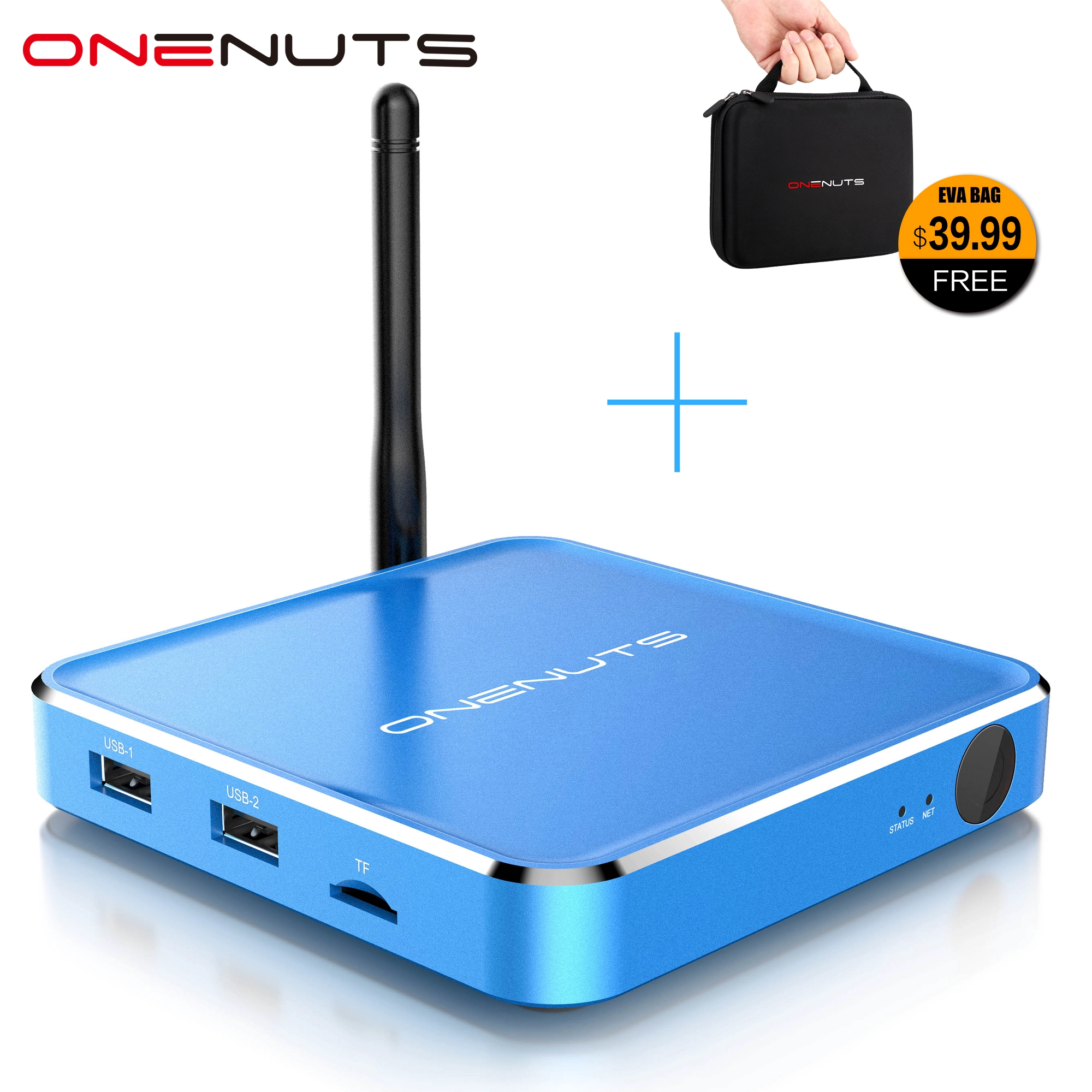
This Android TV Box review guide breaks down the performance characteristics and component profiles of premium streaming architectures, providing an excellent visual reference for the high hardware standards required of a tier-one contract manufacturer.