
How to get free channels on Internet TV Box?
Architecting Legal Free Channel Ecosystems on Enterprise Internet TV Box Hardware
The digital entertainment architecture of 2026 has fundamentally shifted toward hybrid monetization. Driven by subscription fatigue and a 77% surge in premium ad-free tier costs over the past five years, free ad-supported streaming TV (FAST) has become the default viewer expectation. Industry data indicates that the FAST segment alone will generate 12 billion dollars in advertising revenue this year, capturing over 131 million viewers in the North American market alone.
For B2B operators, system integrators, and hospitality network providers, the core challenge is not simply "how to get free channels," but how to ingest, decode, and distribute legal, high-availability free content at the firmware level.
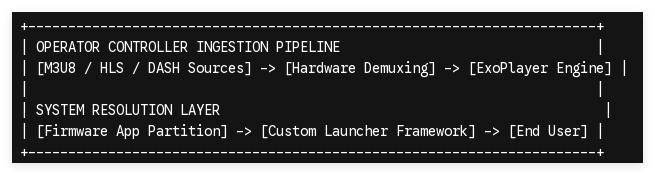
To deploy a stable, legally compliant free channel ecosystem across thousands of enterprise endpoints, operators must move past consumer-grade application installs. Success requires building robust streaming pipelines directly into the operating system kernel of an open-architecture Internet TV box.
Technical Ingestion: Implementing FAST and Open-Standard IPTV Protocols
To provide free channels reliably without infringing on digital rights management (DRM) restrictions, operators rely on two primary open-source architecture methods: FAST Channel Aggregation and Unencrypted IPTV Middleware Ingestion.
1. Programmatic M3U8 and HLS Playlist Processing
At the corporate level, free channels are delivered via HTTP Live Streaming (HLS) or Dynamic Adaptive Streaming over HTTP (DASH). The firmware of the Internet TV box must be optimized to parse dynamic .m3u8 playlists compiled from legal aggregators (such as Pluto TV, Tubi, or localized public broadcasting feeds).
The integrated middleware parses the manifest file using specific parameters:
Ini, TOML
#EXTM3U
#EXTINF:-1 tvg-id="Bloomberg.us" tvg-logo="https://assets.domain.com/logos/bloomberg.png" group-title="News",Bloomberg TV
http://unencrypted-cdn.streamingprovider.com/live/bloomberg/index.m3u8
2. Middleware Architecture (XC API and Stalker Integration)
For massive multi-room or municipal rollouts, hardware must communicate directly with centralized headends. Integrating support for the Xtream Codes (XC) API or Stalker Middleware directly into the system partition (/system/priv-app/) allows the Internet TV box to securely authenticate, fetch channel line-ups, sync Electronic Program Guides (EPG) via XMLTV formats, and track user analytics without requiring a hardcoded application layer.
Hardware Optimization: Codec Efficiency and System-Level Playback
Processing continuous high-definition video feeds demands significant hardware resources. Relying on software-based decoding degrades the system central processing unit (CPU), triggers thermal throttling, and causes frame drops. This compromise is unacceptable for commercial deployments.
System-on-Chip (SoC) Hardening
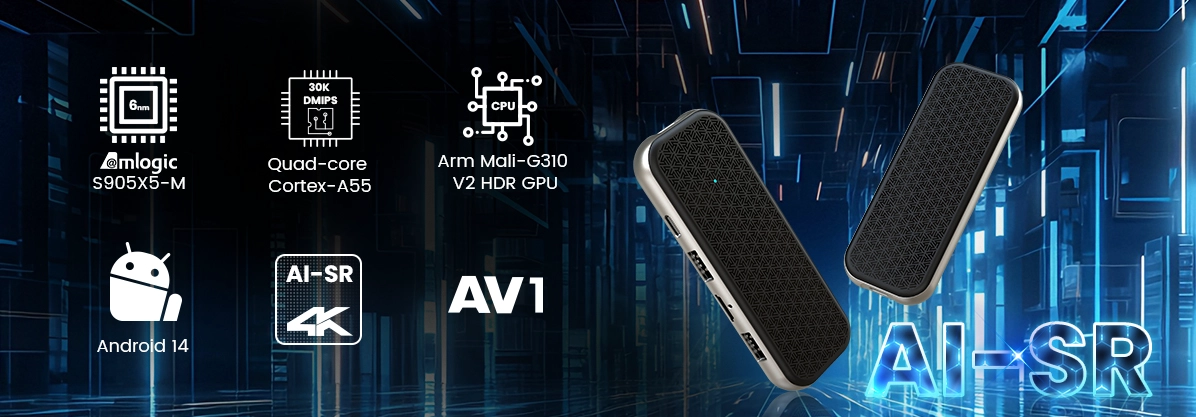
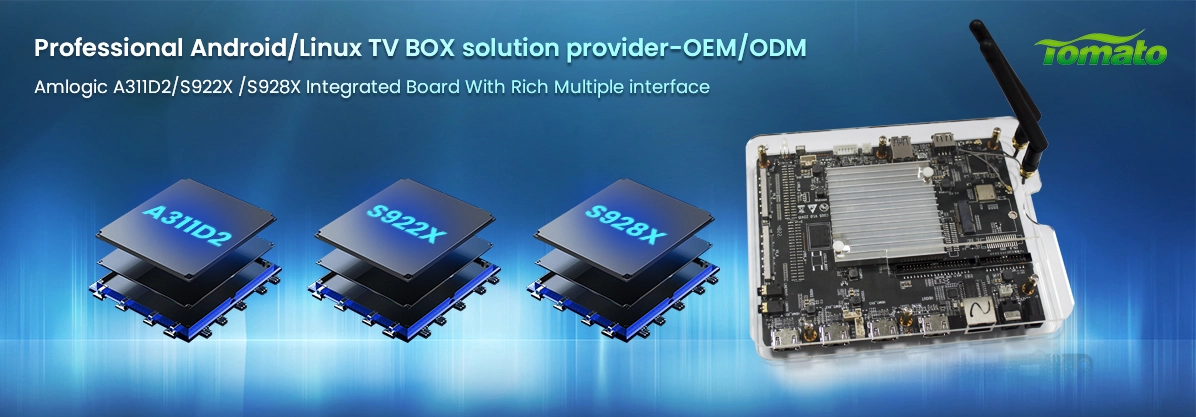
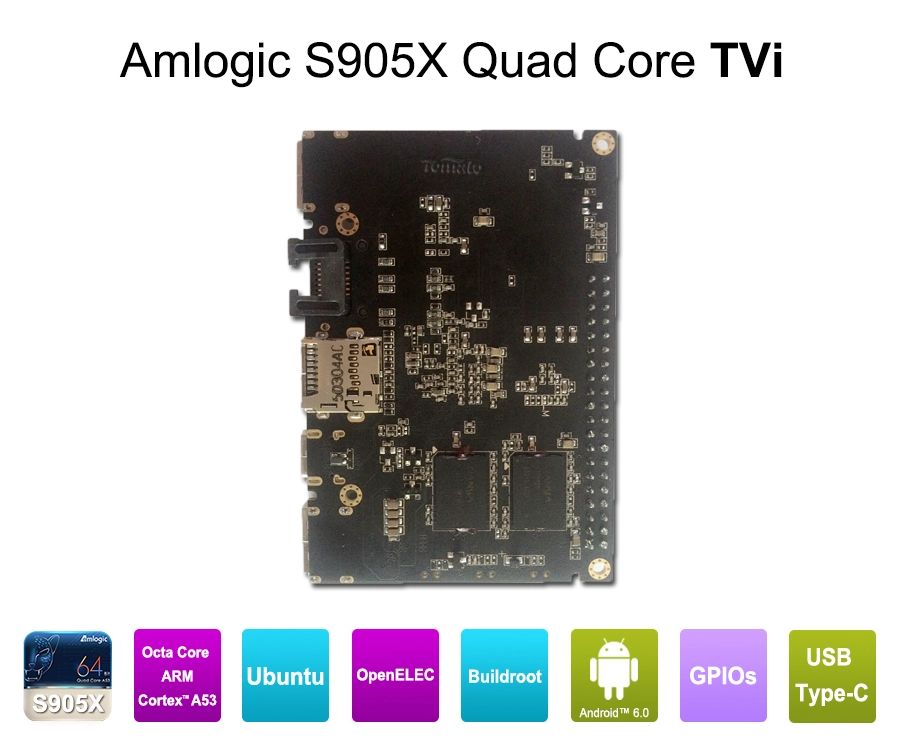
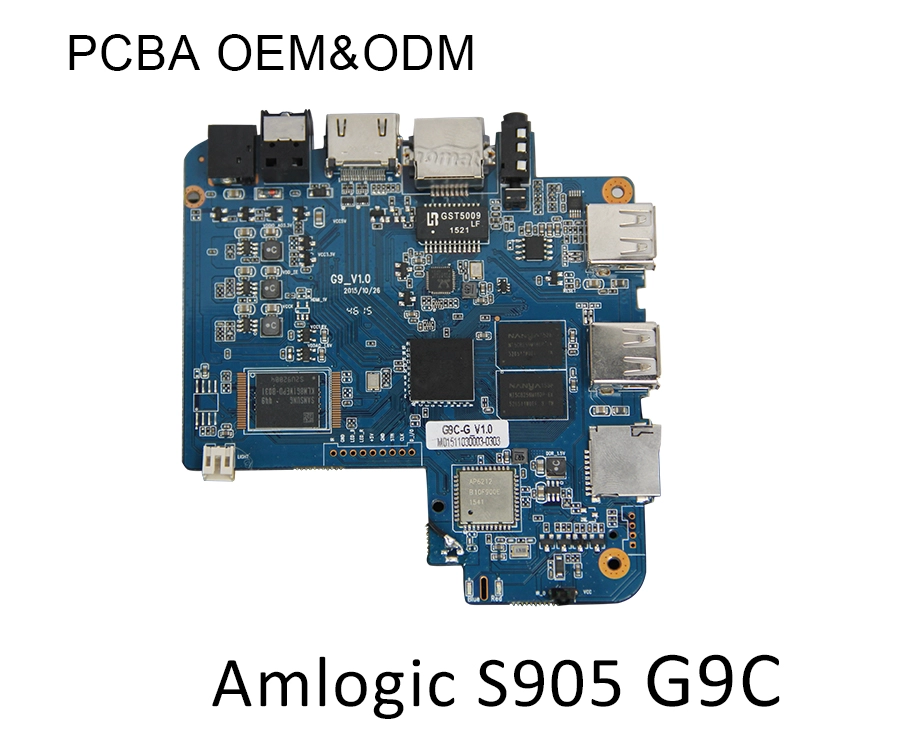
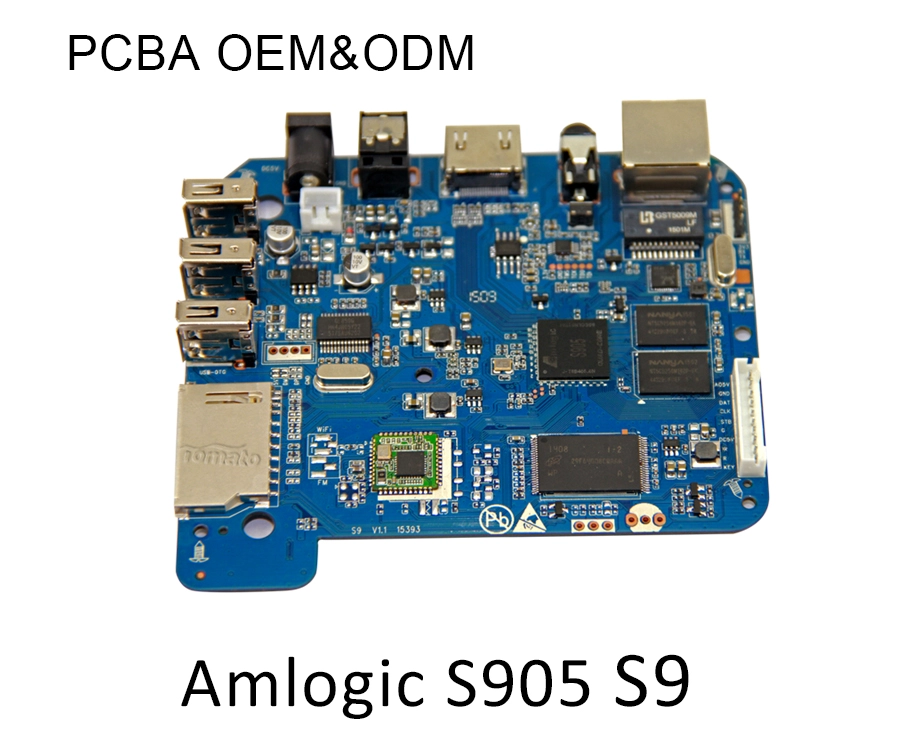
Commercial Internet TV box hardware must utilize advanced silicon architectures, such as the Amlogic S905X4 or S928X-J chipsets. These processors feature dedicated hardware-level video decoding blocks (VPU) that process advanced codecs while drawing less than 5W of total power.
AV1 and HEVC Hardware Decoding
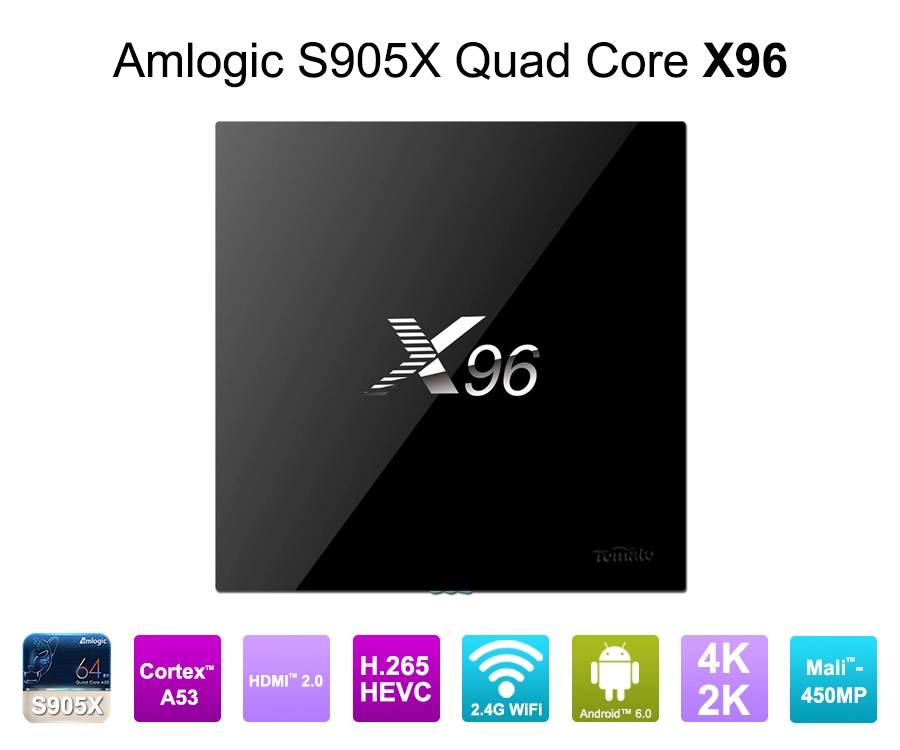
Operators must prioritize hardware that natively supports AV1 (AOMedia Video 1) alongside standard H.265/HEVC decoding.
| Technical Metric | AV1 Codec Performance | Legacy H.264 (AVC) Performance |
|---|---|---|
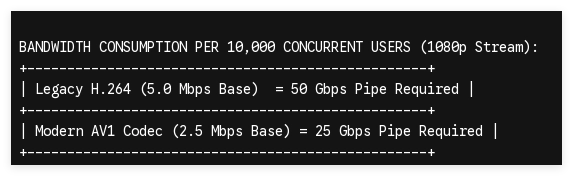
| Bandwidth Efficiency | Requires up to 30% less bandwidth than H.265 and 50% less than H.264 for identical 1080p/4K streams. | High bandwidth consumption; elevated CDN transit costs. |
| Bitrate Overhead | Transmits crisp 1080p video at just 2.5 Mbps. | Requires a minimum of 5.0 Mbps for stable 1080p playback. |
| Operator TCO Impact | Saves millions in ongoing server egress and delivery fees over major deployments. | Elevates operational expenses as concurrent user traffic scales. |
ExoPlayer and MediaCodec Architecture Integration
By integrating the Android open-source ExoPlayer framework into the default custom system launcher, the media pipeline talks directly to Android’s low-level MediaCodec API. This completely bypasses the standard application virtualization layer, allowing unencrypted free channels to tune in less than 1.5 seconds from initialization.
Secure Firmware Provisions: Preventing Consumer Tampering
Deploying free channels to public environments—such as hospitality networks, medical facilities, or retail digital signage displays—presents a distinct challenge: users often attempt to repurpose the hardware or sideload illegal streaming software. Securing the device against unauthorized modifications requires strict engineering guardrails:
-
Disabling Android Debug Bridge (ADB): The system build properties file (system.prop) must be hardcoded with ro.debuggable=0 and persist.sys.usb.config=none to block physical usb hacking attempts.
-
Enforcing SELinux Policies: Setting Security-Enhanced Linux to Enforcing mode confines network sockets. This prevents the execution of arbitrary scripts or unverified third-party APKs designed to hijack the video pipeline.
-
Signature-Verified App Injection: The platform operating system must be compiled to only execute software signed with the operator’s proprietary private keys. Any attempt to manually install unauthorized .apk packages via USB flash storage triggers an immediate verification failure.
Deploying Enterprise Streaming Infrastructure
Providing reliable, legal free channels on an Internet TV box platform requires an optimized combination of open operating system customization, hardware-level decoding, and secure infrastructure engineering. By controlling the underlying firmware architecture, operators can deliver premium, low-bandwidth viewing experiences that drive user engagement while maintaining complete control over their hardware fleet.
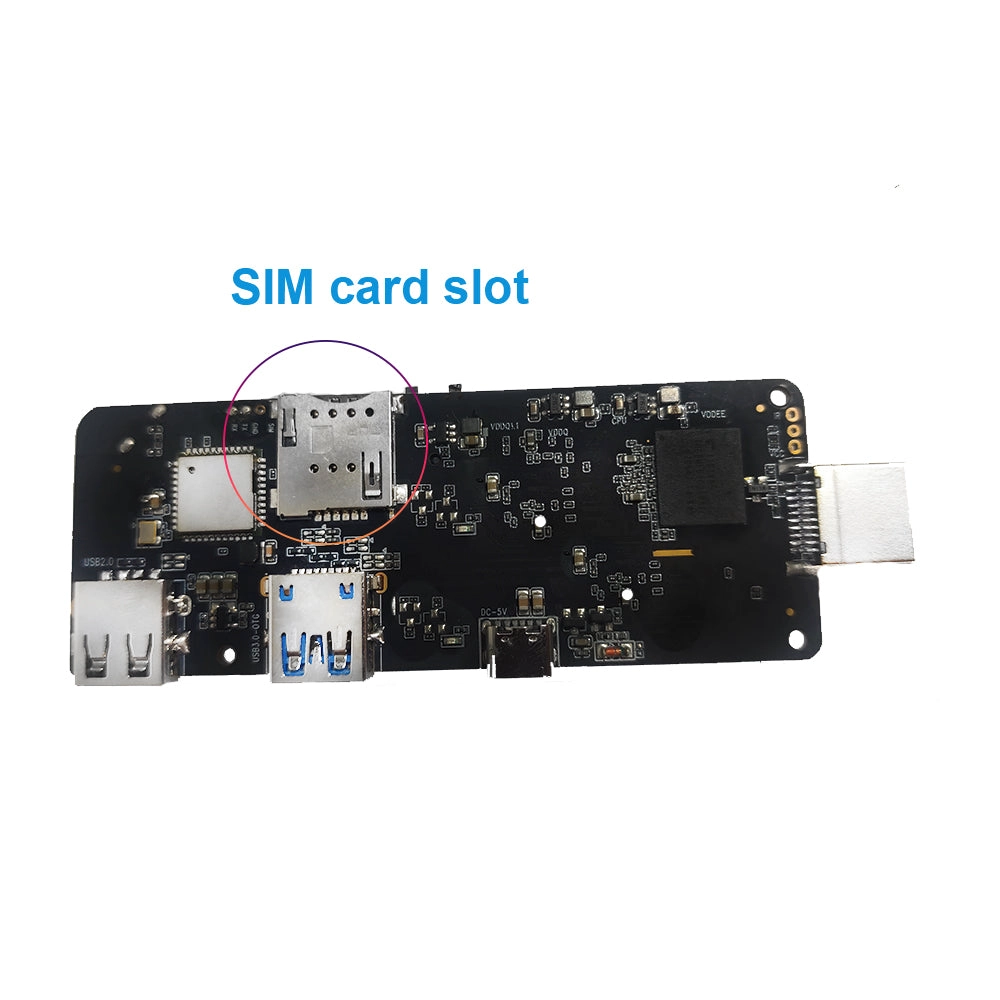
Optimize your streaming endpoints for scale. Contact our engineering team today to review custom PCBA designs, custom kernel builds, and high-efficiency OEM/ODM Internet TV box solutions built for your network architecture.