What is OTT TV Box better than Roku?
Why Open-Architecture OTT TV Boxes Outperform Roku in Commercial B2B Deployments
The primary point of failure for system integrators, hospitality networks, and IPTV telecom operators lies within the abstraction layer of retail hardware. In commercial deployments, streaming devices are not mere media players; they are specialized enterprise endpoints. When scaling thousands of units across commercial hospitality suites or digital signage networks, the hardware must submit entirely to the operator's software stack.
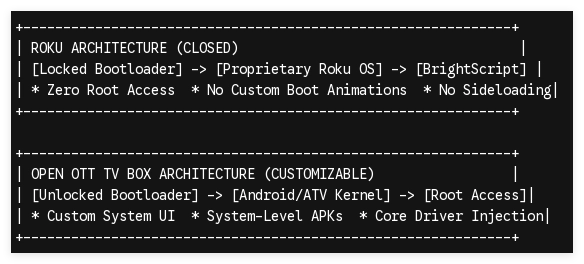
This is where retail platforms like Roku OS fail. Built strictly for the consumer market, Roku utilizes a closed ecosystem running a proprietary scripting language (BrightScript). It forbids root access, restricts third-party peripheral integration, and forces operators into a rigid, non-negotiable user interface.
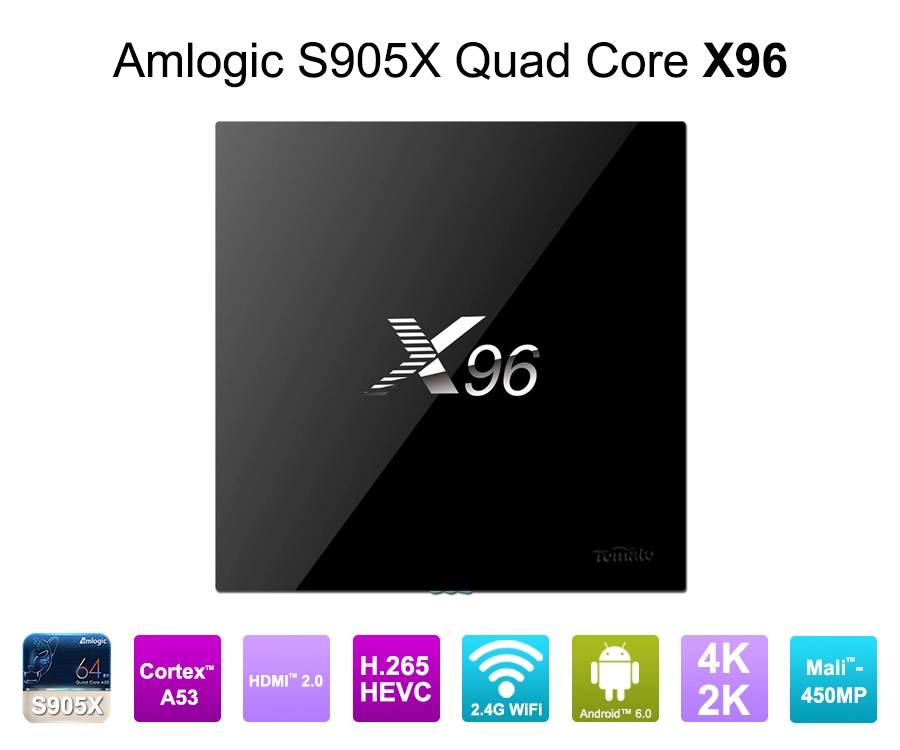
For B2B applications, an open-architecture OTT TV Box—specifically platforms engineered around open Android or Android TV (ATV) branches—is functionally superior. Open systems give hardware architects complete authority over system-level binaries, peripheral connectivity, and the underlying system-on-chip (SoC) performance.
Technical Architecture: Firmware Root Access vs. Walled Gardens
The primary engineering divergence between a standard retail Roku device and an enterprise-grade OTT TV box is the level of access granted to the operating system kernel.
The Limitations of BrightScript
Roku operates on a locked bootloader. Development is confined to the Roku SDK using BrightScript and SceneGraph. This framework enforces strict sandboxing:
-
No Native Binaries: You cannot execute native C/C++ binaries.
-
No System-Level Daemons: Background automation, remote telemetry reporting, and persistent device monitoring utilities are blocked.
-
Mandatory Ecosystem Alignment: If Roku deprecates an API or changes its publisher terms, your deployed commercial application can be disabled remotely without operator consent.
The Capabilities of Open Android Hardware Architecture
By contrast, an open-architecture OTT TV box allows developers to bypass the application layer entirely. Operating at the firmware level yields clear advantages:
-
System-Level APK Signing: By utilizing the platform signature keys during the firmware build phase, operators can grant their applications android.permission.WRITE_SECURE_SETTINGS and INJECT_EVENTS. This allows for programmatic system reboots, silent background app updates without user intervention, and deep system configuration changes.
-
Custom Boot Animations & Launchers: The stock consumer user interface can be completely eliminated. Developers can modify the framework resources (framework-res.apk) to hardcode custom boot logos, animation sequences, and lock the system into a proprietary launcher via the android.intent.category.HOME intent.
-
Persistent Watchdog Daemons: Operators can compile native Linux binaries in C++ using the Android NDK. These run as root-level background services, monitoring app health and automatically power-cycling the device or restarting applications if memory leaks occur.
Peripheral Engineering and Custom PCBA Modification
Commercial hardware deployments frequently require interfaces that extend far beyond standard HDMI video output. Digital signage, interactive kiosks, and corporate AV frameworks require specific physical and electrical engineering modifications.
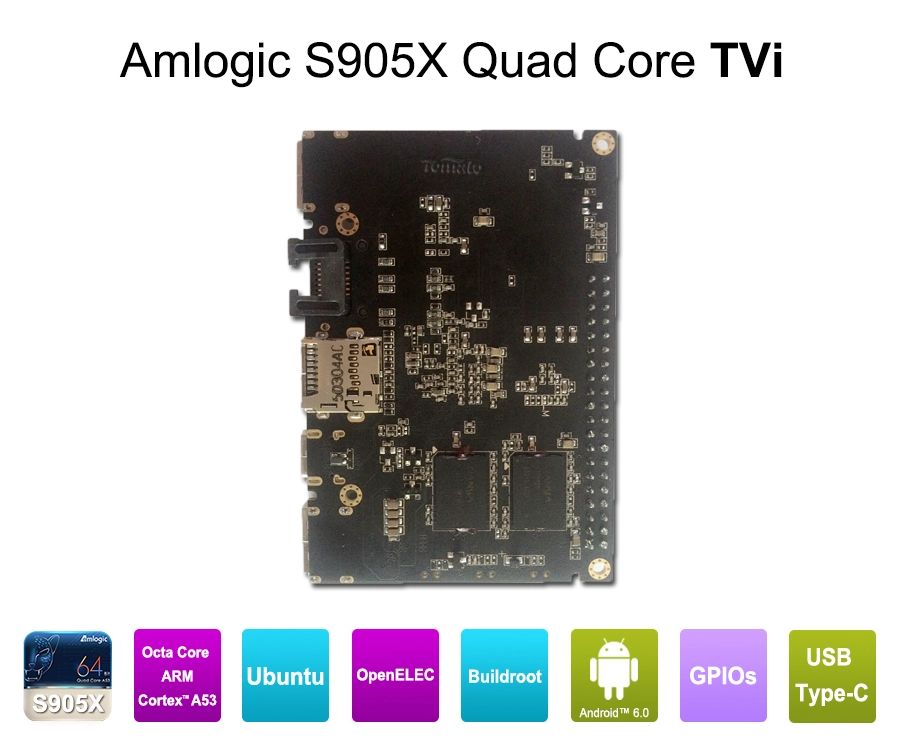
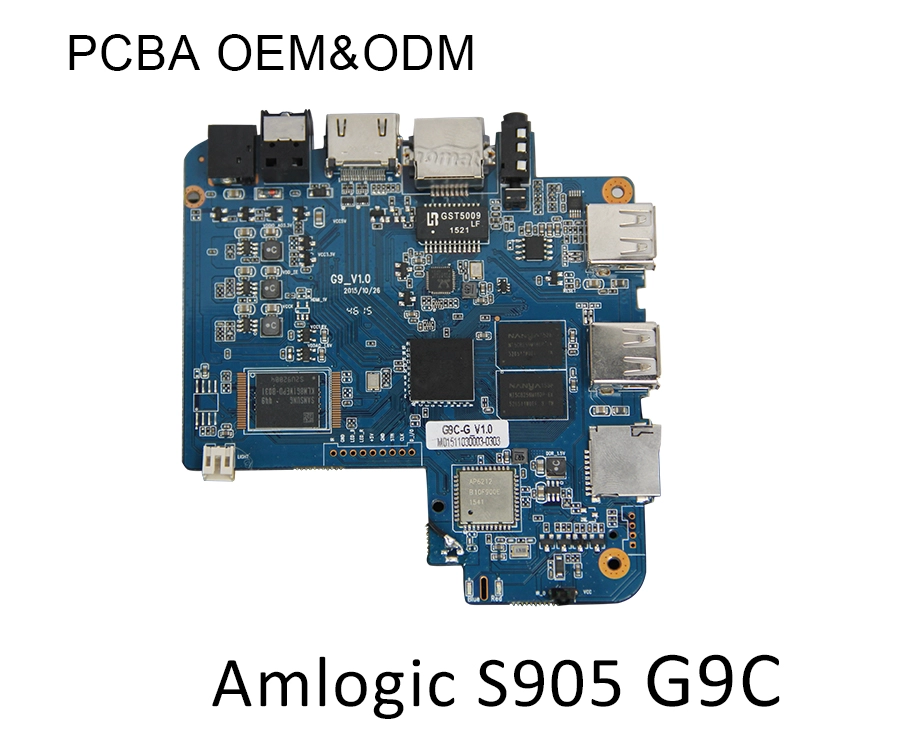
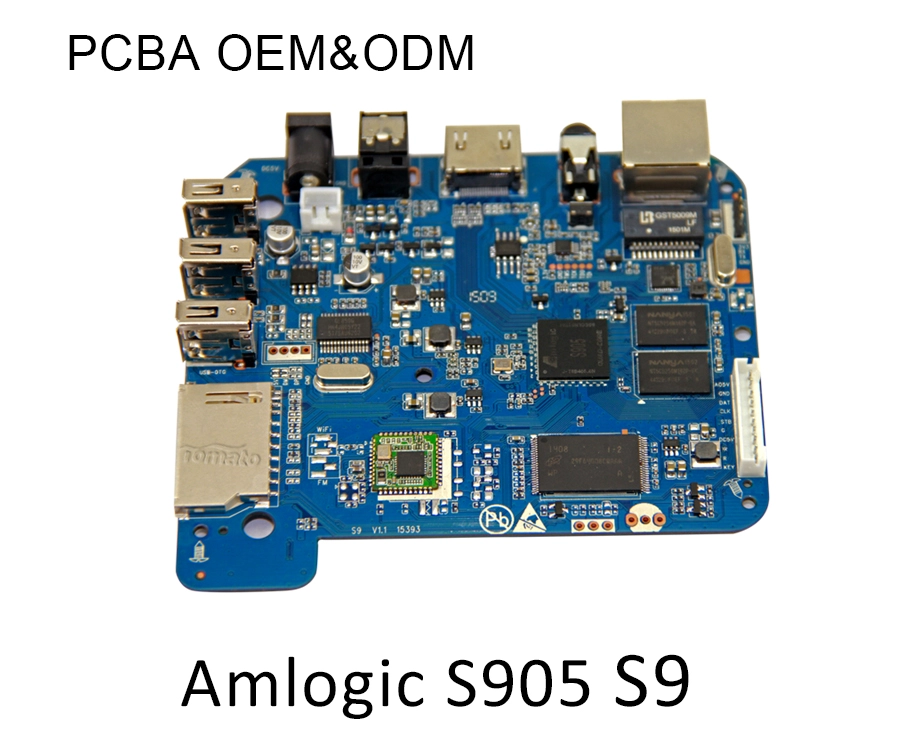
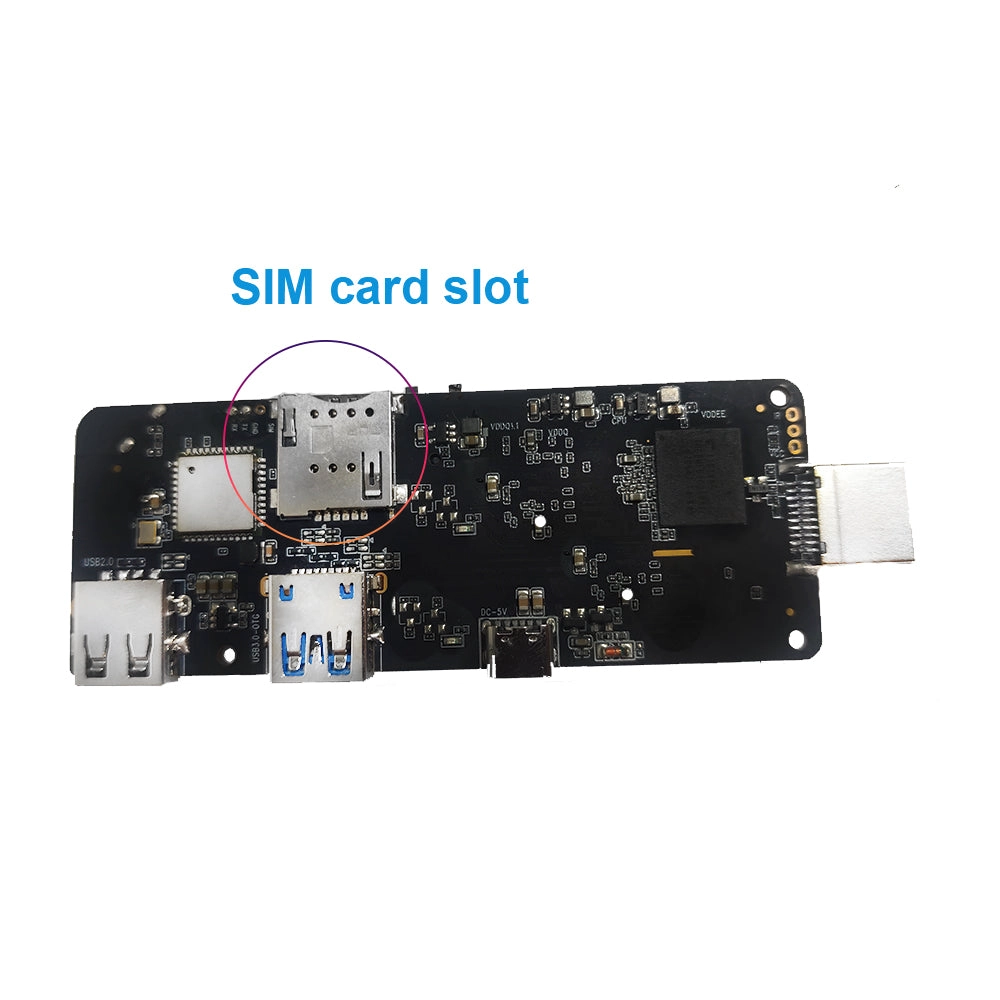
Roku hardware is designed as a minimalist retail package. The printed circuit board assembly (PCBA) contains only the bare essentials for consumer streaming: an HDMI port, a wireless module, and a minimal power input port. The firmware lacks the kernel-level drivers required to communicate with external hardware.
An enterprise OTT TV box provider can modify both the underlying PCBA blueprint and the kernel source code to meet specialized deployment specifications:
| Engineering Requirement | Open OTT Hardware Capabilities | Retail Roku Limitations |
|---|---|---|
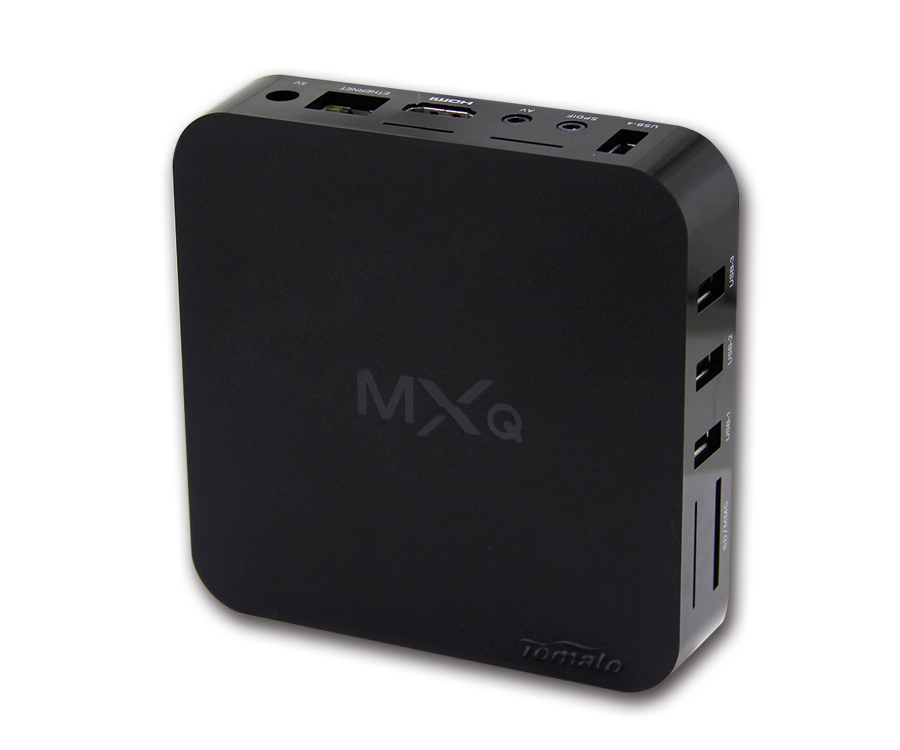
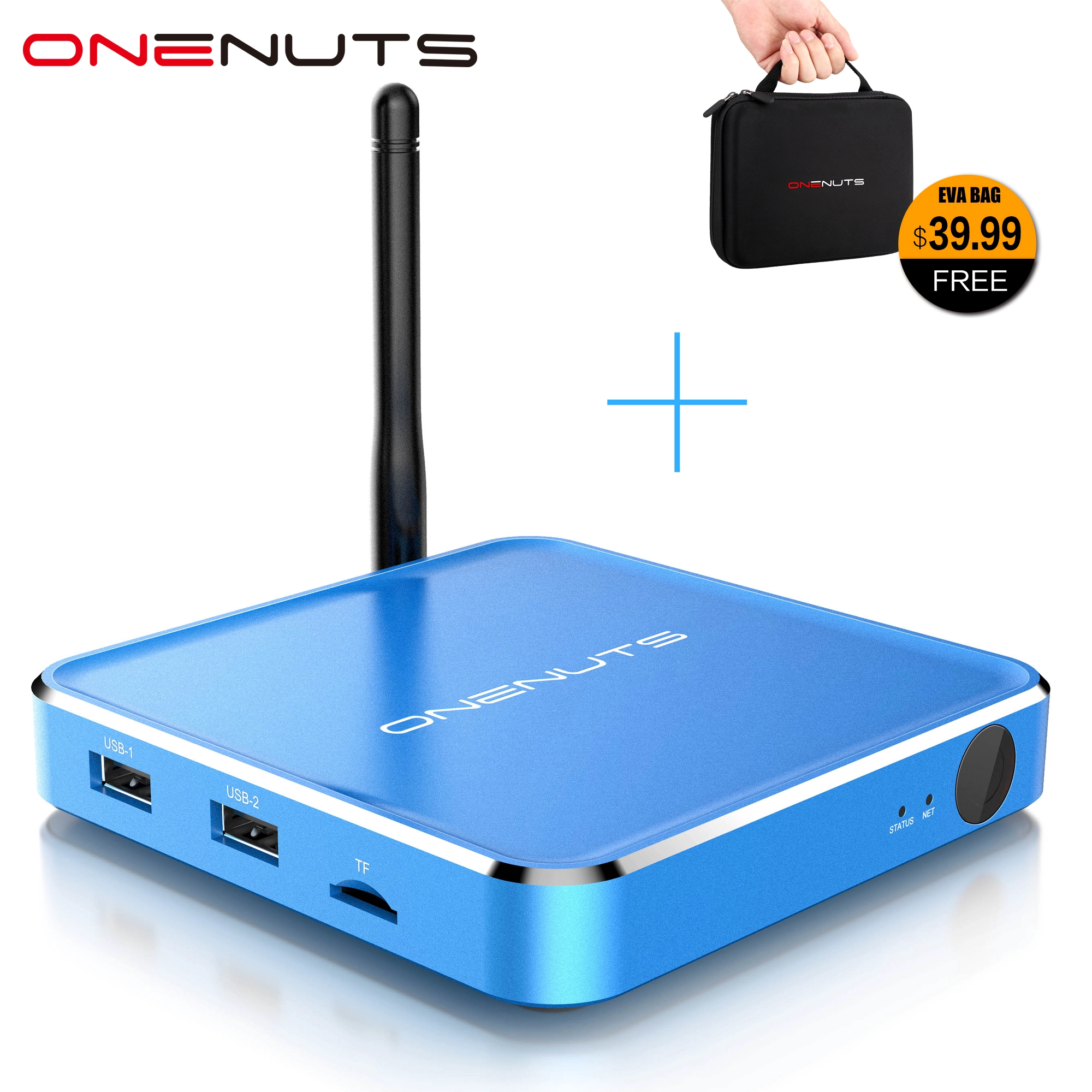
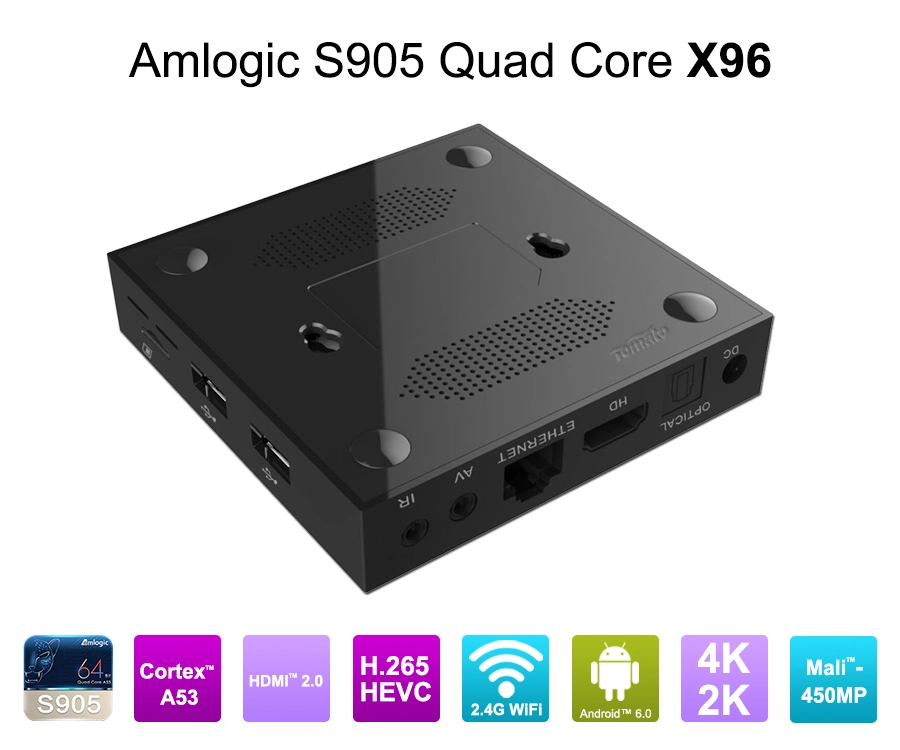
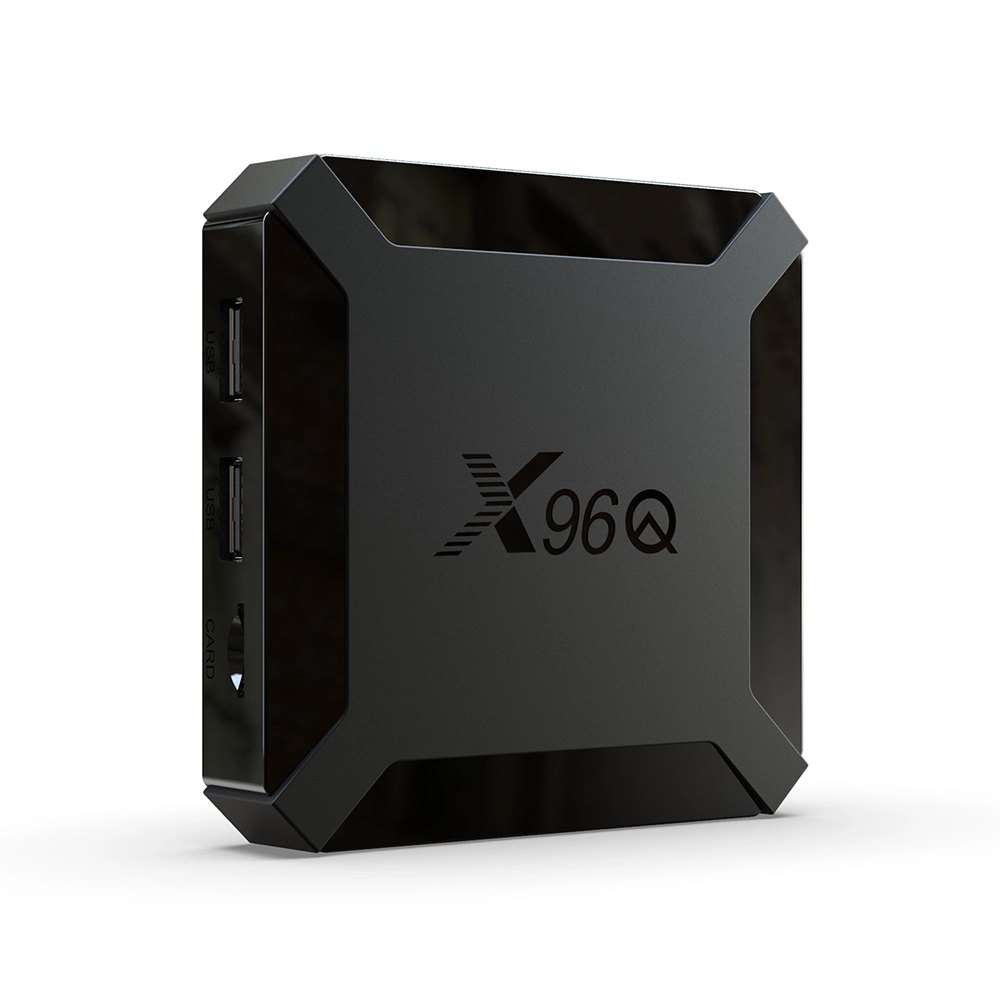
| Physical Connectivity | Dedicated RJ45 Gigabit Ethernet, dual USB 3.0 Type-A host ports, PCIe expansion lines, and optical SPDIF audio rails. | Limited to Wi-Fi connectivity on lower tiers; USB ports are restricted or completely absent. |
| Legacy Display Support | AV Out ports with embedded DACs (Digital-to-Analog Converters) for CVBS composite video output to legacy CRT or industrial displays. | Strictly digital HDMI output with mandatory HDCP handshake protocols. |
| UART & GPIO Controls | Exposed hardware pin headers on the PCBA for direct integration with RS-232 serial hardware, barcode scanners, and thermal printers. | No physical pin access; no kernel support for external serial buses. |
| Hardware-Level Capture | Integration of dedicated HDMI Input bridges (e.g., via Realtek or Amlogic high-end SoCs) for real-time video recording and overlay processing. | No video input capacity; strict downstream HDCP encryption enforcement. |
Through custom firmware compilation, specific peripheral drivers (such as pl2303.ko for USB-to-Serial converters or touch-panel controller modules) can be injected directly into the kernel board configuration files (arch/arm/configs/). This ensures plug-and-play functionality for industrial touchscreens and peripherals at the system level.
Fleet Management and Hardware-Level Kiosk Provisioning
Deploying media endpoints across thousands of hotel rooms or distributed enterprise screens requires automated, zero-touch provisioning.
Roku requires manual setup. Each device must be activated through a consumer account, connected manually to local Wi-Fi networks, and updated individually via the public Roku servers. There is no native mechanism to block consumer modifications, settings resets, or unauthorized app uninstalls.
Open-architecture OTT devices mitigate this administrative overhead through hardware-level lockdown protocols:
True Hardware Kiosk Mode
By configuring the Android DevicePolicyManager framework or hardcoding launcher preferences into the system partition (/system/priv-app/), hardware can be locked into a permanent, un-escapable Kiosk Mode. The device will only display the operator's designated application. Physical buttons, USB keyboard escapes, and system setting menus are entirely disabled at the system level.
Localized Provisioning Scripts
During mass assembly, the hardware provider can flash custom partition tables containing pre-configured Wi-Fi configurations, localized NTP server targets, and pre-allocated server staging URLs. When the unit is connected to Ethernet at the deployment site, it checks in with the operator's private provisioning server to pull unique terminal IDs and assets without requiring manual field calibration.
Total Cost of Ownership (TCO) and Lifecycle Stability
In commercial deployments, hardware lifecycles are measured in years. The rapid obsolescence cycles common in consumer electronics are unacceptable for enterprise budgeting.
Roku updates its operating system globally and concurrently. A consumer-facing OS update can alter memory allocation rules or change background rendering performance, inadvertently breaking custom enterprise applications. When a Roku device reaches its end-of-life cycle, the operator is forced to buy new retail hardware and redesign their software channel.
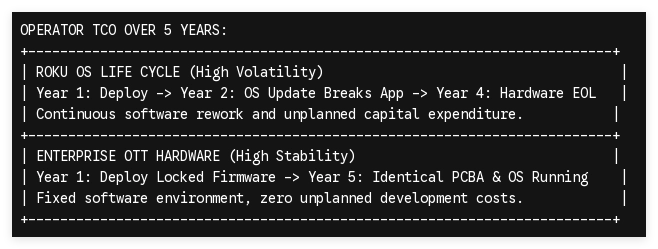
Choosing a dedicated B2B OTT TV box platform ensures complete control over the device lifecycle:
-
Locked Firmware baselines: The operating system version remains static. Security patches can be backported manually by the hardware partner without changing system APIs or altering UI behavior.
-
Silicon Supply Chain Longevity: B2B providers select processors explicitly designated for long-term industrial supply chains (such as specific Amlogic or Rockchip embedded roadmaps). This guarantees that the exact same physical PCBA footprint and silicon revision can be sourced consistently for five to seven years.
-
Component-Level Cost Scaling: Operators do not pay a premium for retail branding, consumer packaging, or licensing fees for consumer streaming services. Capital expenditure is spent entirely on the exact silicon, RAM, storage, and I/O profiles required for the deployment.
Transition to Open Enterprise Hardware
For commercial enterprises, relying on retail hardware represents an operational risk. The shifting policies, locked-down codebases, and consumer-focused lifecycles of closed platforms like Roku restrict long-term technical viability.
Open-architecture OTT hardware running engineered Android firmware provides the root-level flexibility, peripheral support, and lifecycle reliability required for stable enterprise infrastructure.
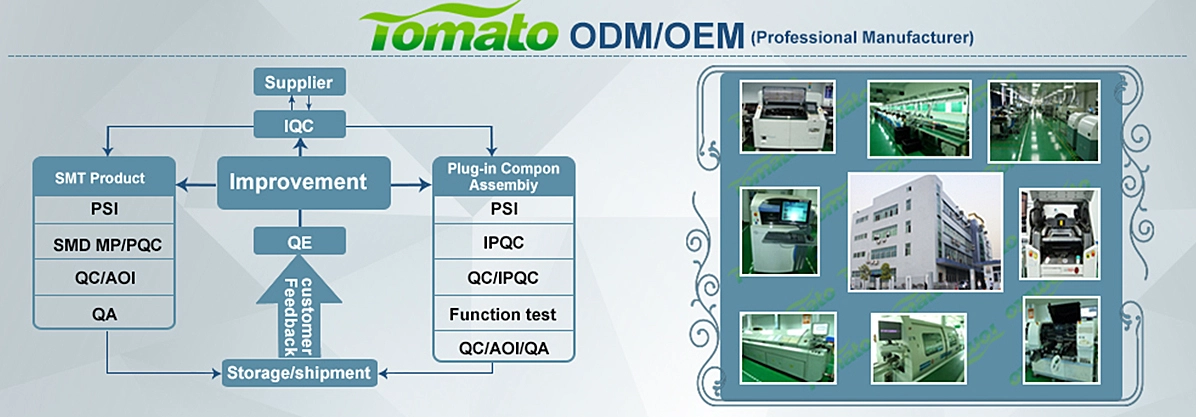
Elevate your commercial hardware strategy. Contact our engineering team today to review custom PCBA modifications, custom-compiled firmware baselines, and scalable OEM/ODM solutions tailored specifically to your enterprise infrastructure.