What is the Best Set-Top Box (STB) to buy?
Commercial Engineering: What is the Best Set-Top Box (STB) to Buy for Enterprise Fleets?
The structural transition of telecommunications networks from legacy cable architectures to managed Internet Protocol Television (IPTV) and Over-The-Top (OTT) streaming architectures has altered procurement priorities. For B2B buyers, telecom operators, and system integrators seeking the best Set-Top Box (STB) to buy for high-volume deployment, consumer reviews offer zero actionable value. Retail benchmarks prioritize superficial UI transitions, generic remote controls, and low piece-rate pricing.
In contrast, an enterprise rollout involving thousands of endpoints requires hardware engineered for constant 24/7/365 execution, strict digital rights management (DRM) compliance, and deep kernel-level stability. To protect capital expenditure (CapEx) and avoid escalating operational maintenance costs, buyers must evaluate STB hardware through explicit engineering specifications, silicon roadmaps, and custom firmware capabilities.
1. Silicon Evaluation: Matching the System-on-Chip (SoC) to the Stream Pipeline
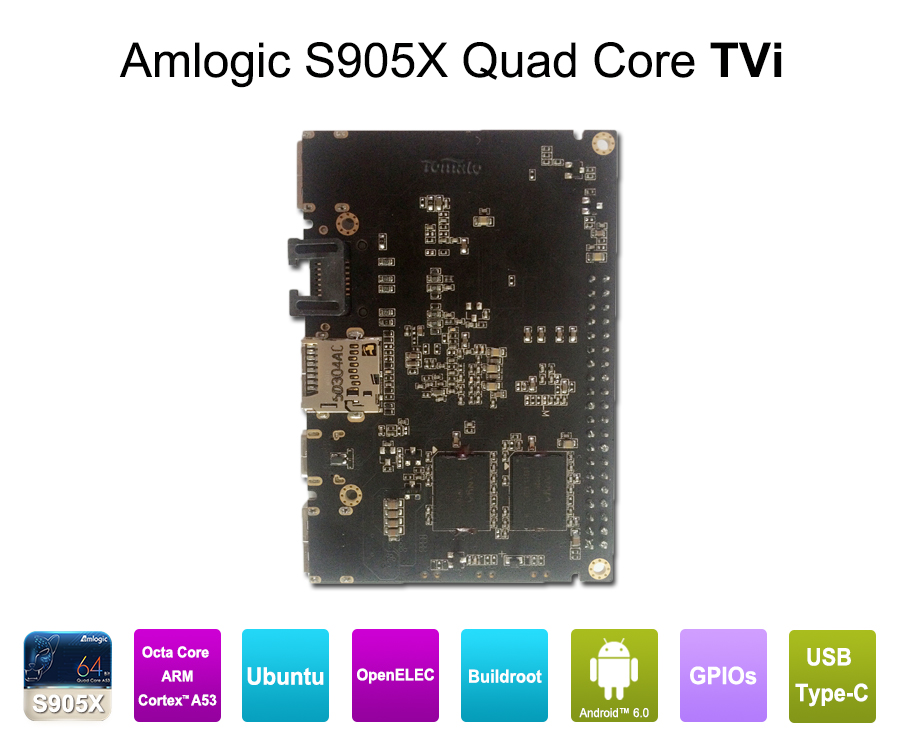
The operational capacity, hardware decoding limits, and thermal efficiency of a Set-Top Box are governed entirely by its System-on-Chip (SoC). Selecting the wrong processor profile introduces systemic bottlenecks, premature aging, and codec incompatibility.
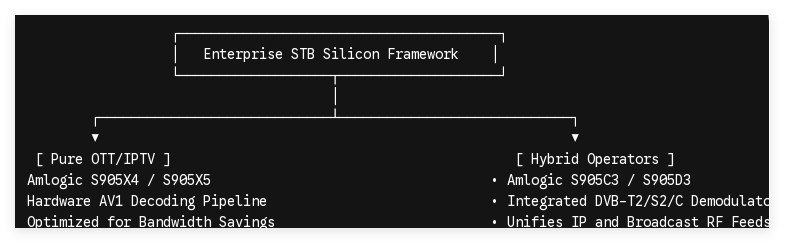
Pure IP Workloads: Amlogic S905X4 and S905X5
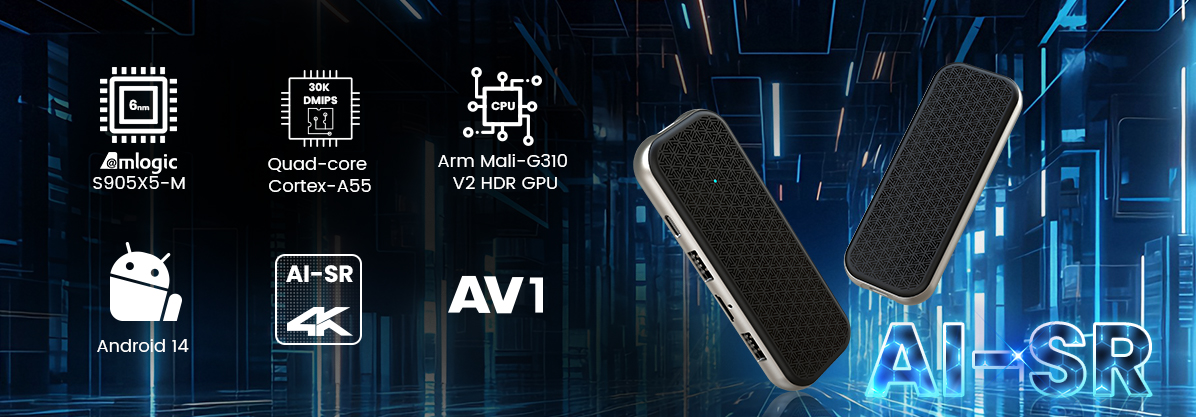
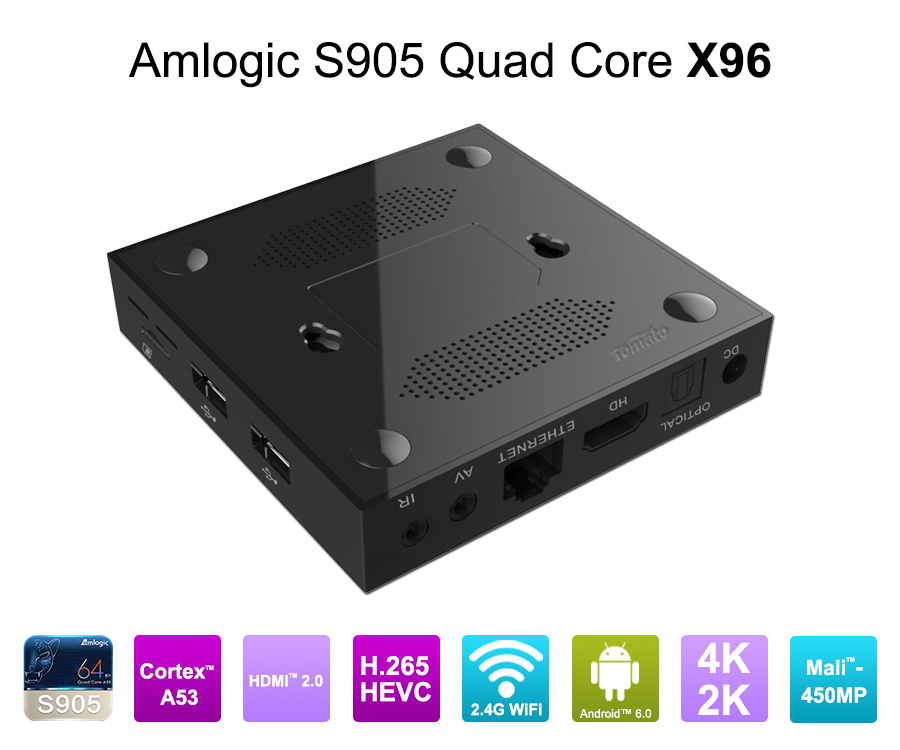
For standard IPTV and OTT deployments, the Amlogic S905X4—and its 6nm generational progression, the S905X5—represents the global carrier standard. This architecture integrates quad ARM Cortex-A55 processing cores with a dedicated, hardware-accelerated AV1 decoding engine. By decoding AV1 streams at the silicon level rather than via software emulation, these chips decrease distribution network bandwidth overhead by up to 30% compared to legacy H.264/H.265 streams, translating directly to massive server-side bandwidth cost reductions for the operator.
Hybrid Broadcast/IP Workloads: Amlogic S905C3 and S905D3
When a deployment requires integrating traditional RF broadcast signals alongside IP streams—such as municipal cable networks or terrestrial television upgrades—a hybrid SoC platform is mandatory. Chipsets like the Amlogic S905C3 feature native on-chip demodulator interfaces for DVB-T2, DVB-S2, or DVB-C standards. This integration allows a single piece of hardware to process satellite or terrestrial feeds synchronously with managed cloud video assets.
2. PCBA Durability: Component Engineering for Industrial Lifecycles
Unlike consumer devices that experience intermittent daily use, an enterprise STB is frequently placed inside unventilated hospitality enclosures, behind commercial displays, or within industrial equipment racks where ambient temperatures remain constantly elevated.
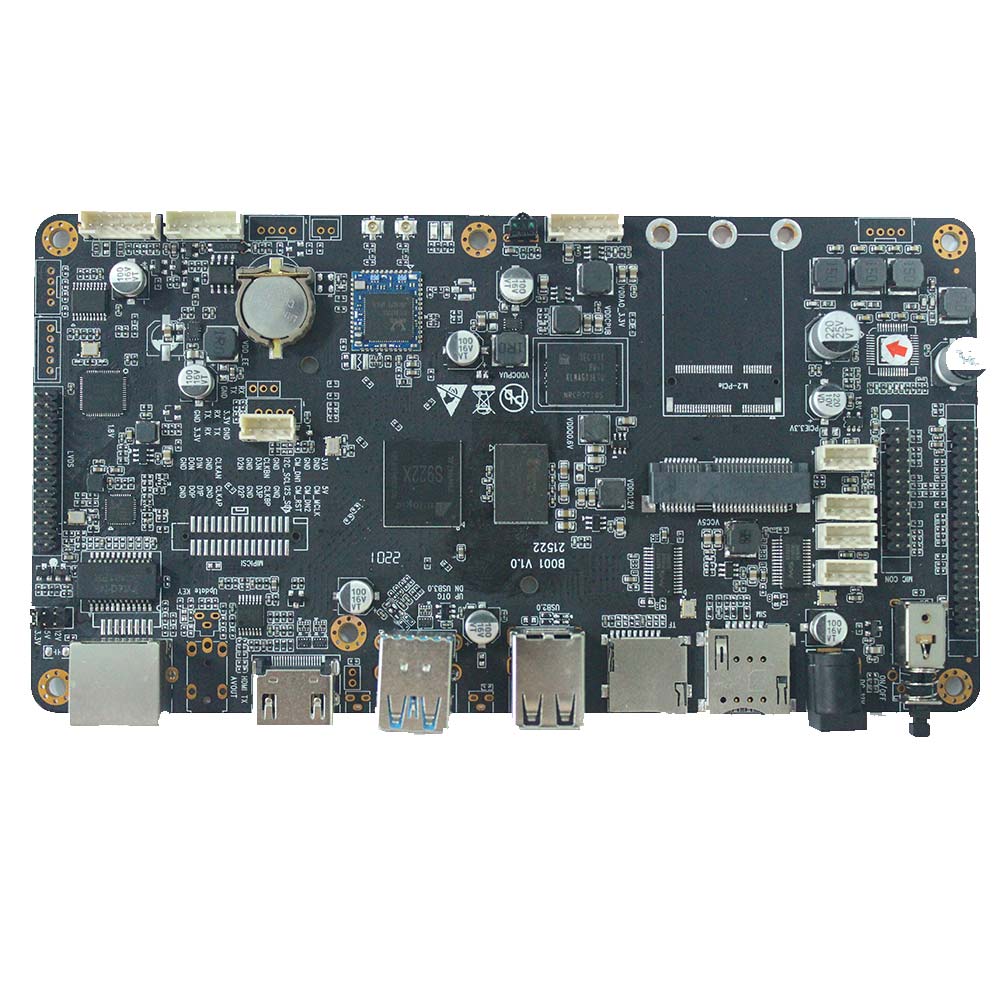
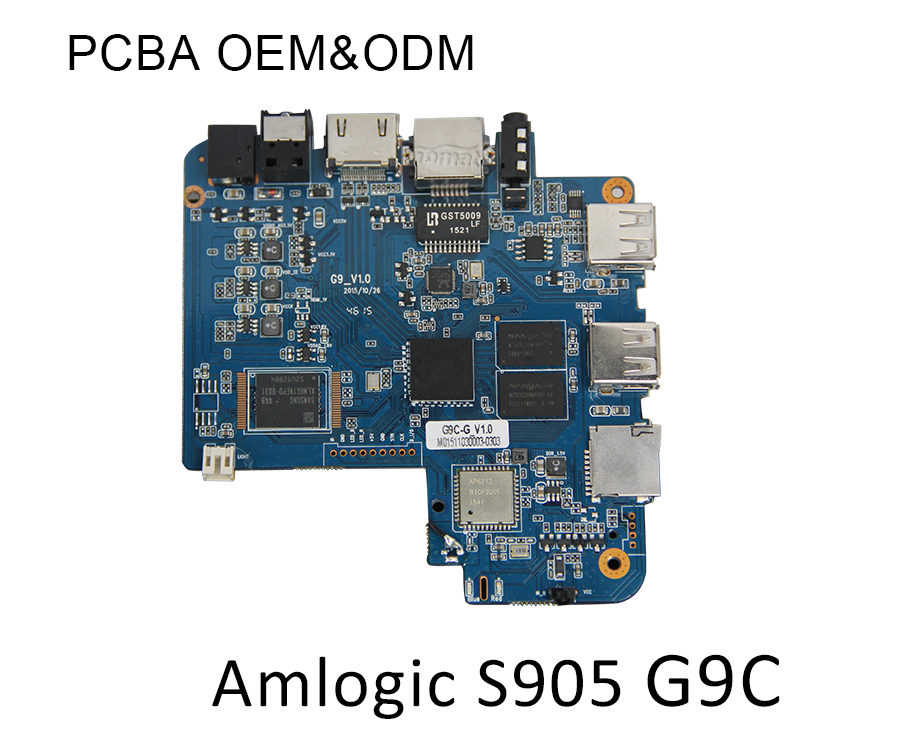
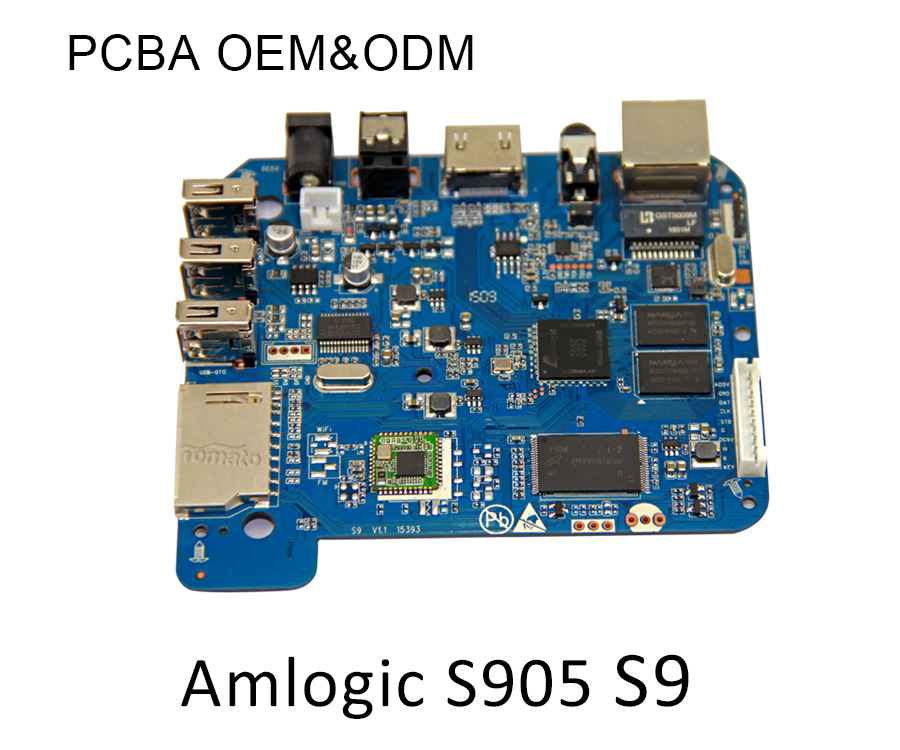
Achieving a mean time between failures (MTBF) exceeding 50,000 hours requires structural modification at the Printed Circuit Board Assembly (PCBA) level:
-
High-Endurance eMMC Storage: Consumer boxes deploy standard TLC (Triple-Level Cell) NAND flash, which rapidly degrades under continuous system logging and media caching, often failing within 18 months. Commercial-grade STBs utilize pSLC (Pseudo Single-Level Cell) or industrial MLC storage modules rated for 3,000 to 10,000 Program/Erase (P/E) cycles to ensure database integrity over a multi-year service life.
-
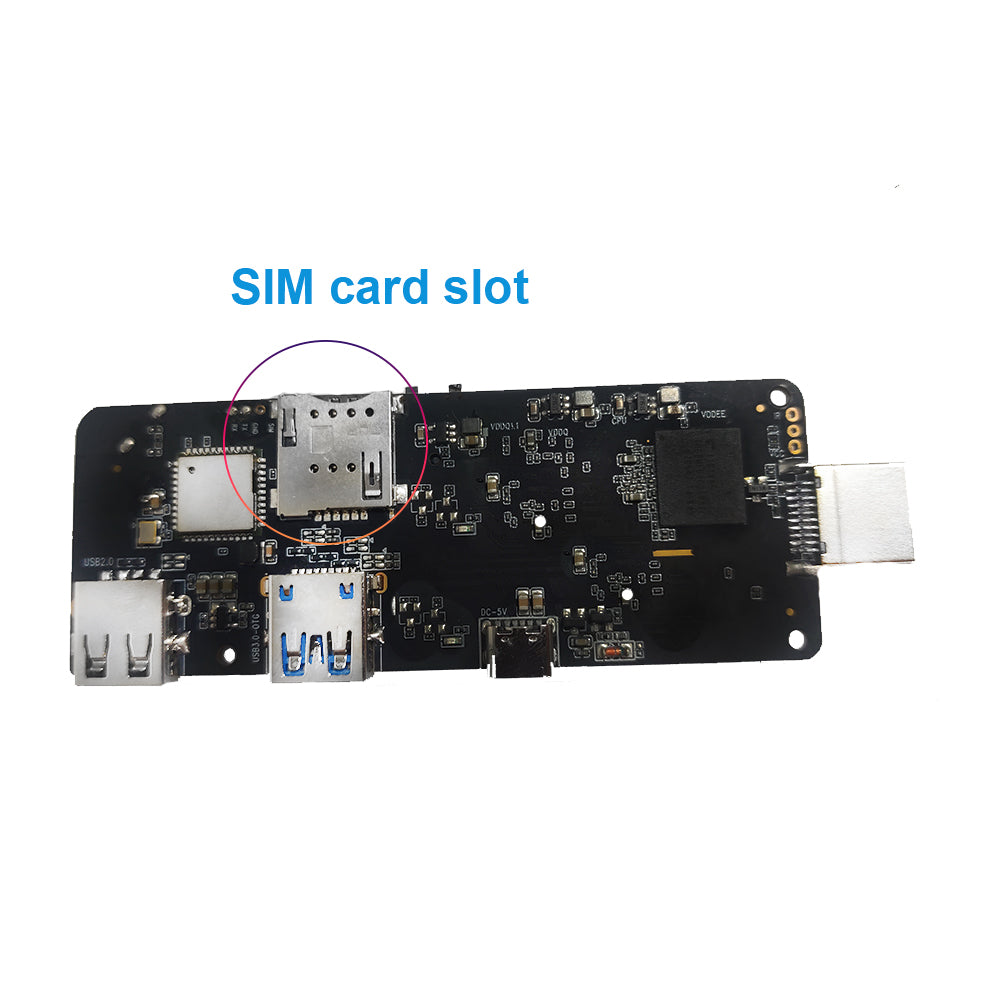
Passive Thermal Planes: Multi-layer copper PCBs function as integrated heat spreaders. Thick thermal interface materials link the primary silicon directly to aluminum alloy internal heatsinks, channeling thermal loads away from sensitive surface-mount devices (SMDs).
-
Solid-State Filtering Capacitors: Replacing low-cost liquid electrolytic capacitors with solid-state polymers ensures voltage stabilization across the power rail, preventing device degradation caused by minor power fluctuations.
3. Cryptographic Security: Core DRM Tiers and Video Compliance
For licensed content distributors and premium IPTV operators, a Set-Top Box's value is non-existent if it cannot legally decode secure data streams.
-
Widevine L1 Provisioning: To execute premium video playback at 1080p, 4K, or higher resolutions, the platform must feature factory-provisioned Widevine L1 cryptographic keys injected directly into the SoC's Trusted Execution Environment (TEE). Platforms lacking this silicon-level verification are capped at standard 480p resolution by content providers.
-
Hardware-Level HDCP 2.2 Security: The physical HDMI 2.1 signaling pipeline must support High-bandwidth Digital Content Protection (HDCP 2.2) to establish secure handshakes with commercial display matrices, preventing authentication dropouts and blank screens during encrypted stream delivery.
4. Firmware Optimization: Custom Board Support Packages (BSP)
A deployment's long-term utility depends on restricting end-user modification and eliminating consumer-oriented user interfaces that prioritize generic ad placements and personal data monetization. Operators require total control over the software stack via custom Board Support Package (BSP) modification.
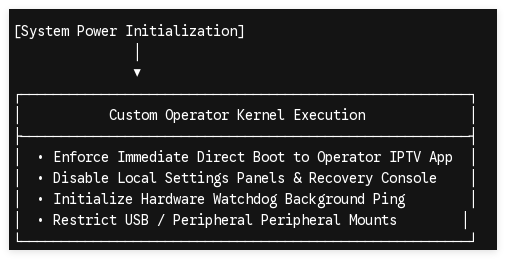
Partnering with an agile OEM/ODM manufacturer allows engineering teams to implement strict operational parameters before the hardware leaves the assembly line:
-
Forced App Kiosk Mode: Hardcodes firmware behavior to bypass standard Android TV launchers, booting directly into the operator's customized middleware or portal application within seconds of receiving power.
-
Hardware Watchdog Timers: Connects an independent integrated circuit (IC) on the PCBA to monitor system responsiveness. If a software freeze or application crash occurs, the watchdog cuts power at the board level to execute a clean reset, maintaining uptime without manual customer service interventions.
-
Private OTA Delivery Networks: Establishes isolated over-the-air (OTA) update pathways, allowing operators to securely distribute security patches, channel maps, and middleware updates to specific device batches without requiring end-user interaction.
Partner with an Enterprise STB Hardware Manufacturer
The best Set-Top Box to buy for your business infrastructure is not found in consumer retail inventories. It must be engineered to order—configured at the hardware and firmware layers to match your exact distribution protocols, security mandates, and long-term financial metrics.
As an established B2B cross-border electronics manufacturer specializing in custom PCBA design, specialized tuner integration, and tailored Android/Linux BSP engineering, we construct durable media delivery platforms built for long-term reliability. Whether your network requires ultra-efficient Amlogic OTT chipsets with factory-integrated DRM keys or custom hybrid DVB STBs with integrated hardware watchdogs, our team delivers the explicit technical architecture necessary to stabilize your fleet.
Contact our enterprise engineering desk today to submit your technical requirements, request custom firmware evaluation builds, or order hardware prototype units.