What is the use of a Google TV Box?
Commercial Architecture: What is the Enterprise Use of a Google TV Box?
The proliferation of high-bitrate over-the-top (OTT) video streaming and cloud-managed visual networks has transformed the procurement criteria for enterprise media players. In large-scale hardware deployments, cross-border buyers and system integrators frequently evaluate the precise utility of a Google TV Box.
To the consumer, a Google TV Box is merely a streaming accessory for content aggregation. To a B2B engineering and procurement team, however, it represents a standardized, highly secure hardware platform designed to deliver certified, encrypted media streams across complex enterprise networks. Understanding its true utility requires look past the user interface (UI) layer and analyzing the underlying silicon, security protocols, and firmware compatibility that define its commercial application.
1. Compliance and Content Protection: The DRM and Certification Mandate
The primary commercial use of an officially certified Google TV Box—as opposed to a generic Android Open Source Project (AOSP) hardware box—revolves around strict compliance with digital content protection standards.
Widevine L1 Hardware-Level Security
Premium streaming applications require Google’s Widevine L1 cryptographic DRM protection to execute video playback at resolutions above 480p. A certified Google TV Box integrates factory-provisioned keyboxes directly into the System-on-Chip (SoC) Trusted Execution Environment (TEE).
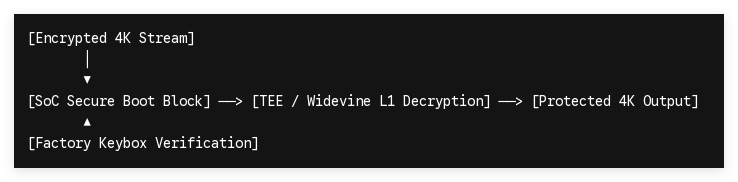
Generic, uncertified boxes are limited to Widevine L3 software-level security, capping video decoding at Standard Definition (SD). For commercial operators deploying high-end hospitality IPTV systems, premium corporate lounges, or residential multi-dwelling units (MDUs), L1 validation is a non-negotiable prerequisite to ensure legal compliance and secure high-definition playback.
Netflix and Prime Video Ecosystem Certification
Hardware certification extends beyond the core operating system to individual application vendor certificates. Official Google TV Box hardware undergoes rigorous laboratory testing to verify compatibility with continuous app updates, HDCP 2.2 copy protection over HDMI, and advanced audio-visual profiles like Dolby Vision and Dolby Atmos. For B2B operators, this eliminates the risk of application blacklisting or sudden service disruption in the field.
2. Operator Tier Customization vs. The Consumer Google TV Launcher
A critical technical distinction must be made between the consumer-facing Google TV interface and the underlying Android TV operating system used for custom commercial networks.
The Consumer UI Constraint
The standard consumer Google TV launcher relies heavily on individual user profiles, localized recommendations, and cloud-driven behavioral analytics. For public-facing digital signage, retail kiosks, or managed hotel rooms, this standard interface is counterproductive. It exposes sensitive user account structures and permits unauthorized configuration changes via the global settings panel.
The Android TV Operator Tier Solution
To adapt Google TV hardware for dedicated B2B environments, system integrators leverage the Android TV Operator Tier framework or deploy customized Android TV OS variants. This firmware-level modification allows companies to:
-
Bypass the Standard Launcher: Force-boot the device directly into a custom-branded IPTV application or digital signage Content Management System (CMS) like ScreenCloud or OptiSigns.
-
Lock Down Device Management: Disable access to the global Google Play Store and restrict peripheral interfaces (USB ports, micro-SD slots) to prevent unapproved APK sideloading.
-
Centralize Cloud Control: Implement Mobile Device Management (MDM) hooks for remote over-the-air (OTA) firmware recovery, system diagnostics, and automated mass-configuration updates.
3. Hardware Longevity: Industrial PCBA Adaptation and SoC Lifecycles
While consumer platforms prioritize minimal form factors and lowest-cost components, commercial system integrators require hardware that balances official Google certification with industrial-grade electronic engineering.
| Technical Parameter | Consumer-Grade Google TV Dongle | OEM/ODM Commercial TV Box Platform |
|---|---|---|
| Ethernet Connectivity | Wi-Fi dependent; lacks RJ45 or utilizes limited 10/100 Mbps. | Native Gigabit Ethernet (10/100/1000 Mbps) for stable IPTV bitrates. |
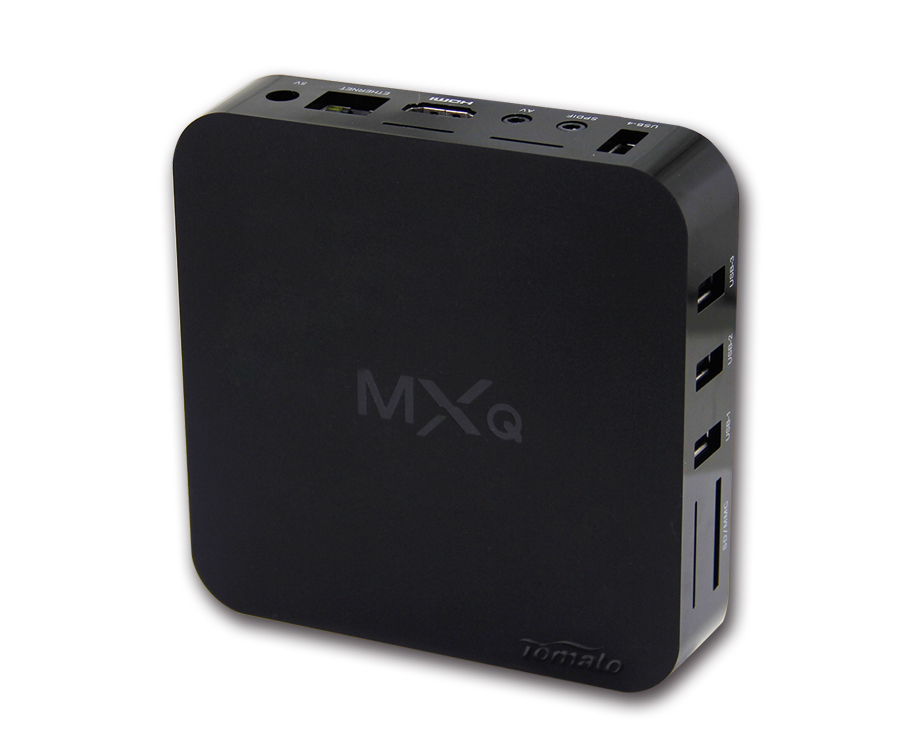
| Peripherals & I/O | Single Type-C port restricted to power input. | Dual USB 3.0, Optical SPDIF, RS232 Serial control ports. |
| Thermal Dissipation | Sealed plastic housings prone to thermal throttling at 85∘C. | Multi-layer PCBA with dedicated heavy aluminum heatsinks. |
| Power Supply | Low-tolerance USB power adapters. | Industrial-grade 5V/2A or 12V/1A circuitry with over-voltage protection. |
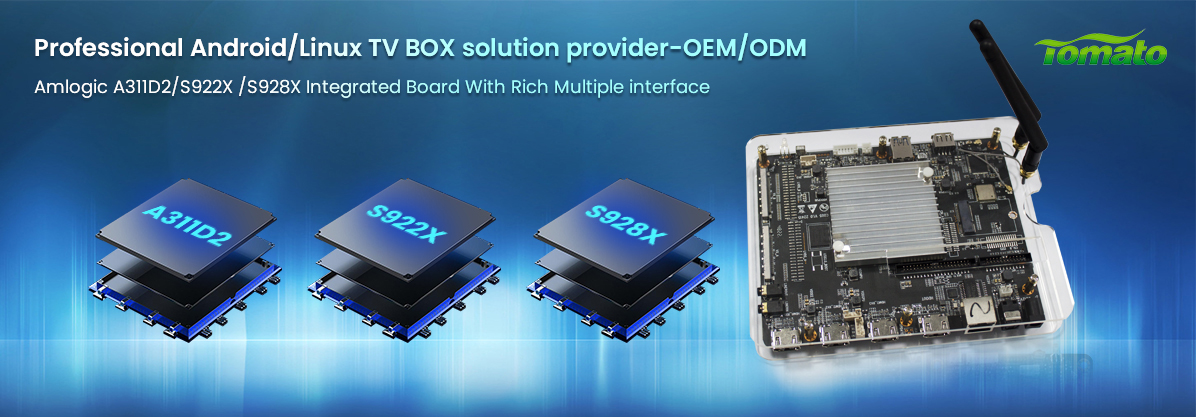
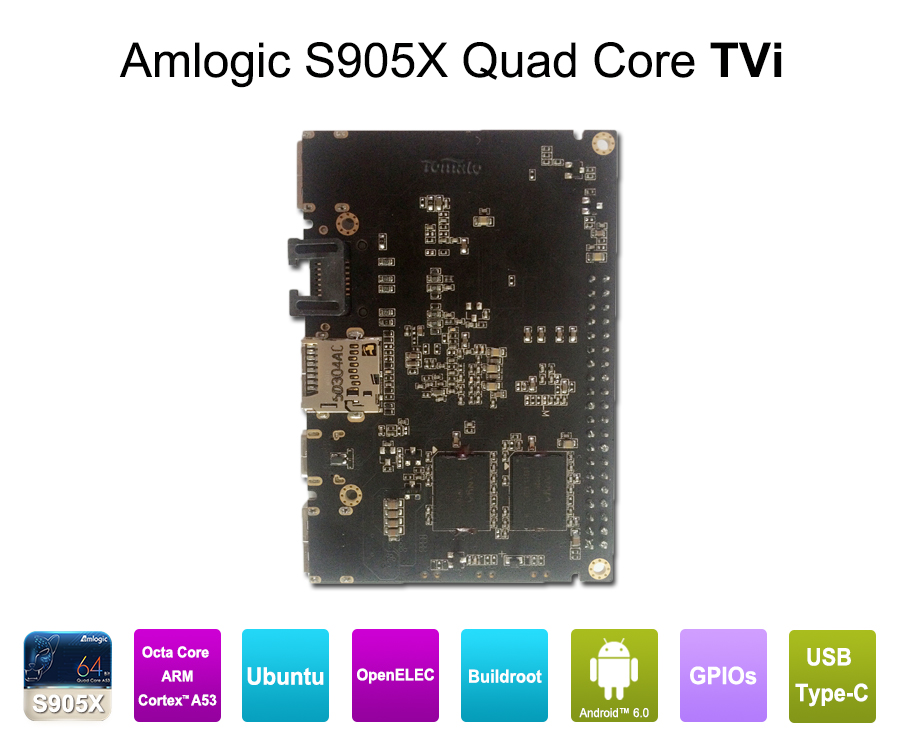
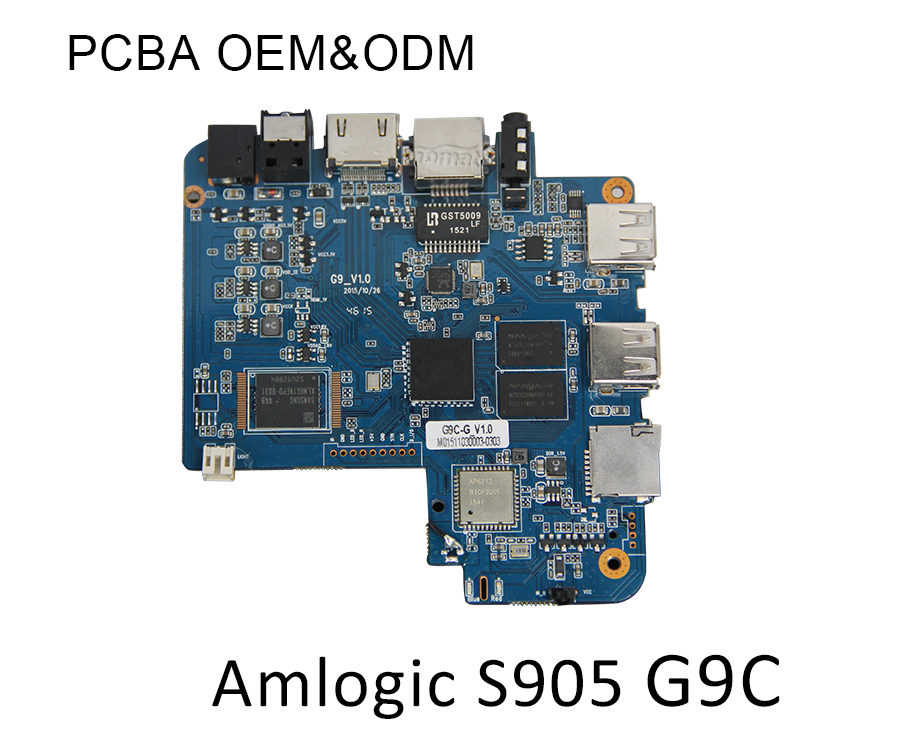
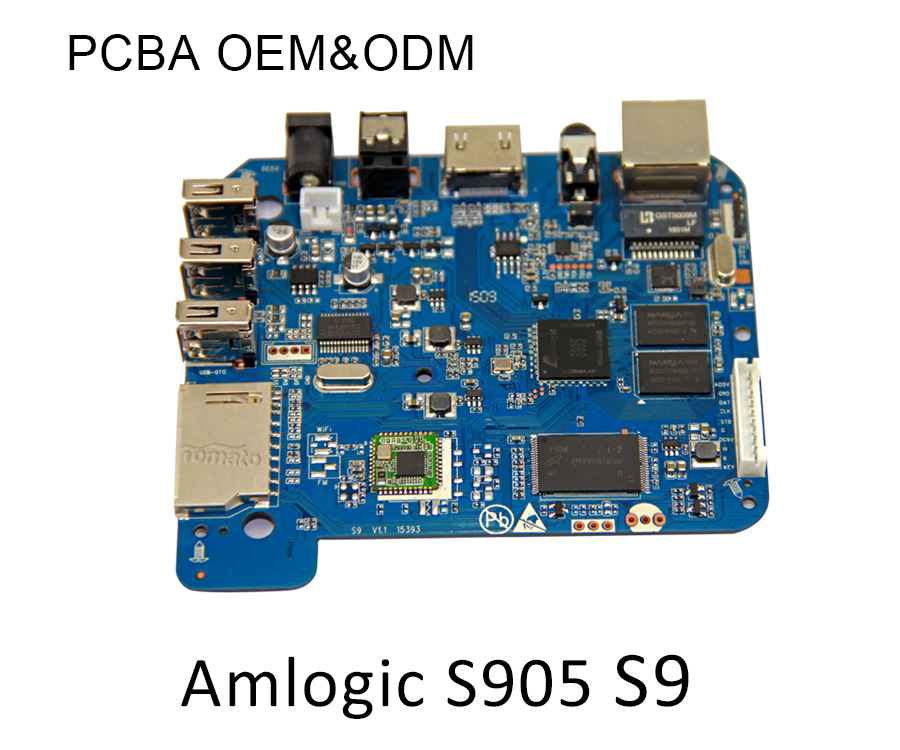
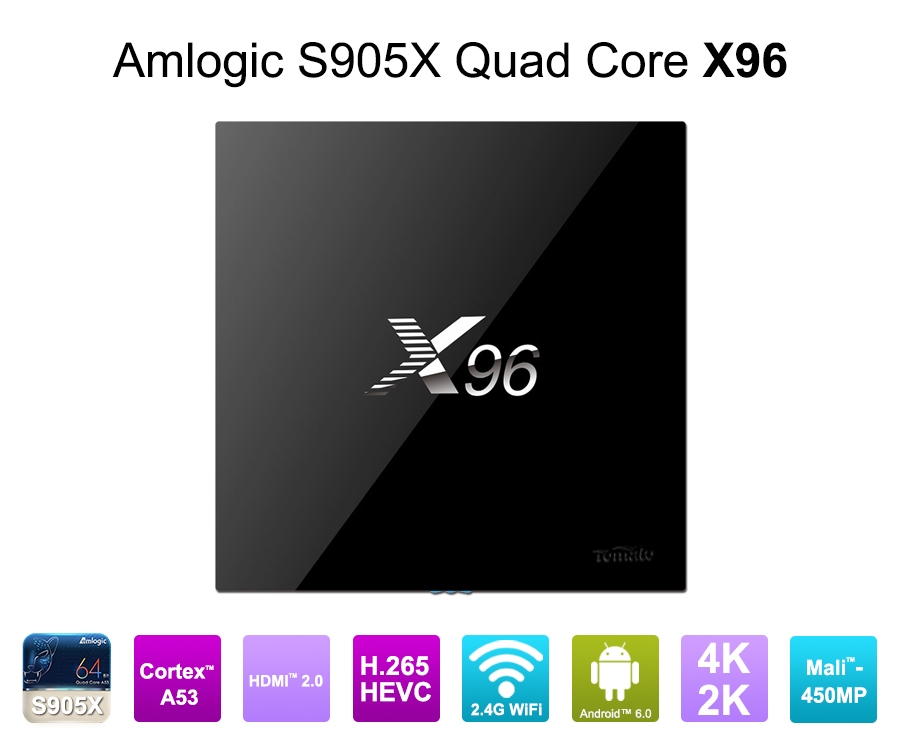
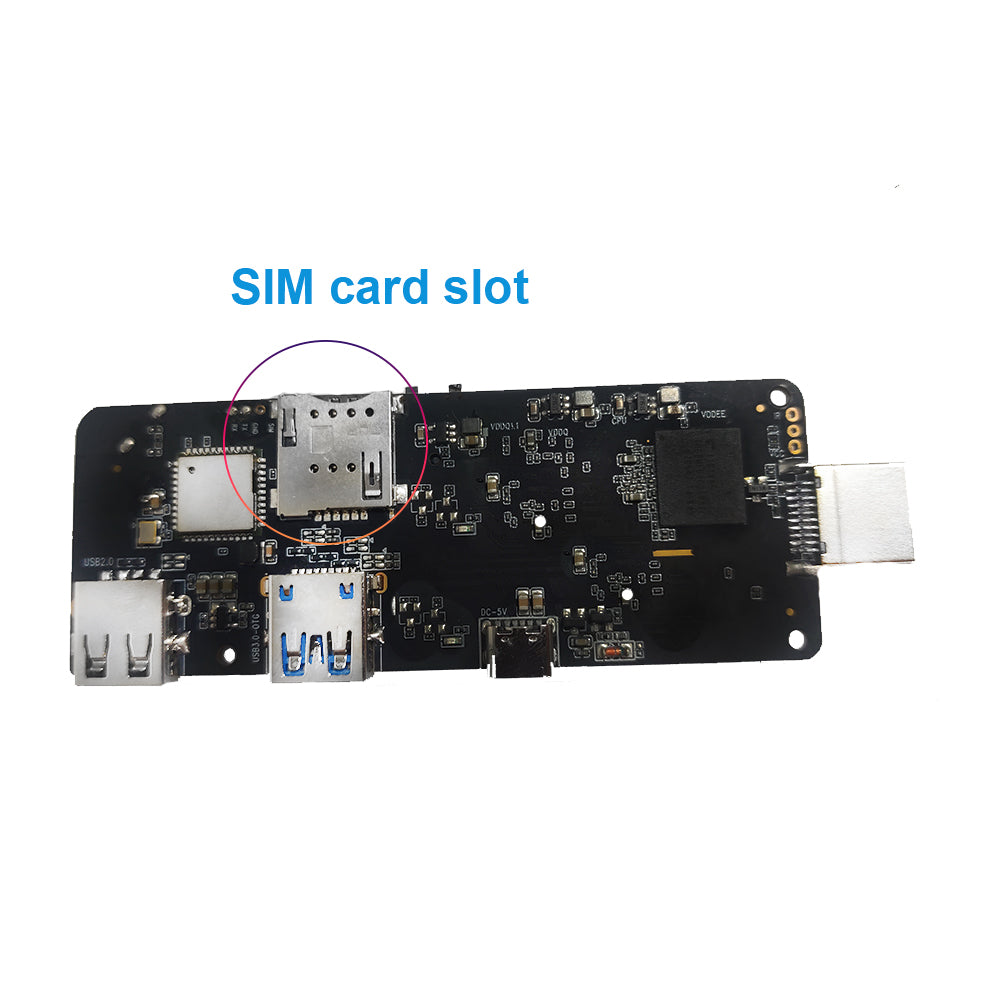
By modifying standard PCBA layouts, commercial hardware manufacturers can embed enterprise-grade chipsets—such as high-performance, low-power SoCs from Amlogic or Rockchip—into custom enclosures that support continuous 24/7/365 loop playback without thermal failure or system instability.
Secure Your Enterprise Streaming Infrastructure
The utility of a Google TV Box in a B2B framework is defined by its ability to deliver premium, secure content under strict administrative control. Deploying the right hardware architecture ensures your infrastructure remains protected against DRM obsolescence, application compatibility failures, and physical thermal degradation.
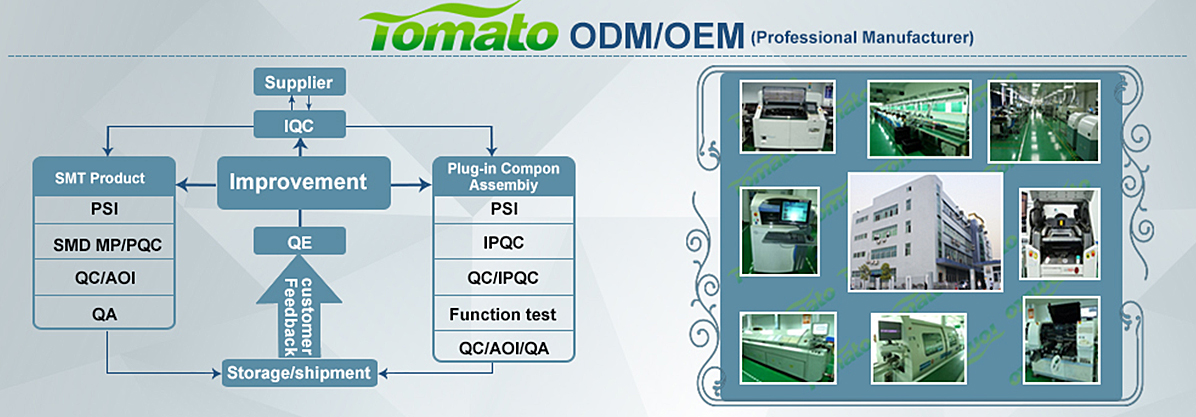
As an established OEM/ODM hardware manufacturer specializing in firmware-level customization, custom PCBA design, and enterprise Android integration, we develop tailored streaming media players optimized for your commercial requirements. Whether your deployment demands specialized peripheral connectivity, ruggedized thermal engineering, or dedicated Operator Tier launcher customization, our engineering team provides the technical architecture necessary to maximize field uptime and long-term ROI.
Contact our enterprise engineering desk today to schedule a technical consultation, evaluate custom firmware builds, or request hardware design blueprints.
For a deeper dive into the specific user experience and interface variances between these streaming platforms, you can review this Google TV vs Android TV Interface Comparison. This video breakdown clarifies how the content-centric recommendations layer operates on top of the base operating system, illustrating why custom launcher modifications are necessary for commercial deployments.