
How to get free channels on Smart TV Box?
Commercial Content Architecture: Deploying Compliant Free Channels on an Enterprise Smart TV Box Fleet
The legacy business model of relying exclusively on high-cost, subscription-based middleware tiers is facing a structural shift. Operators, hospitality networks, and system integrators are increasingly required to deliver diverse, high-uptime content portfolios while minimizing recurring per-subscriber licensing expenses. The integration of legally compliant, non-subscription content delivery networks into hardware deployments has moved from a value-added feature to a core architectural requirement.
Implementing free-to-air and ad-supported linear programming onto a commercial Smart TV Box fleet demands strict adherence to legal compliance, network protocol optimization, and system-level firmware integration.
1. Integrating FAST Protocols and OTT Middleware Architectural Layouts
The rise of Free Ad-Supported Streaming TV (FAST) has provided a highly stable, enterprise-compliant methodology for deploying free channels without incurring copyright liabilities or subscription fees.
HLS and DASH Stream Ingestion
FAST channels operate using standard HTTP Live Streaming (HLS) or Dynamic Adaptive Streaming over HTTP (DASH) protocols. For a commercial media player deployment, integrators leverage centralized middleware to ingest these public or syndicated manifests (typically formatted as .m3u8 or XML television listings).
[Public/Syndicated FAST Feed]
│
▼
[Centralized Middleware Server] ──(Custom M3U8/XML TV)──> [Smart TV Box Hardware]
│ (ExoPlayer Layer)
▼
[Hardware H.265 Decoding]
To optimize playback stability across thousands of active endpoints:
-
Hardware Acceleration: Ensure the device's media player engine utilizes low-level Android MediaCodec APIs to route decoding directly through the system-on-chip (SoC) hardware decoders (e.g., H.265/HEVC or AV1), reducing CPU load and preventing thermal throttling.
-
Buffer Management: Customize the network stack buffer sizes within your application layer. Increasing the forward caching buffer to 15–30 seconds prevents playback dropouts over variable enterprise Wi-Fi environments.
2. Hybrid Hardware Architectures: Local Over-the-Air (OTA) Tuner Integration
For localized deployments—such as regional hospitality networks or remote medical complexes—relying purely on cloud-based IP streaming introduces unnecessary WAN bandwidth consumption. A robust alternative is a hybrid hardware layout combining local RF signals with IP infrastructure.
ATSC 3.0 and DVB-T2 Demodulator Integration
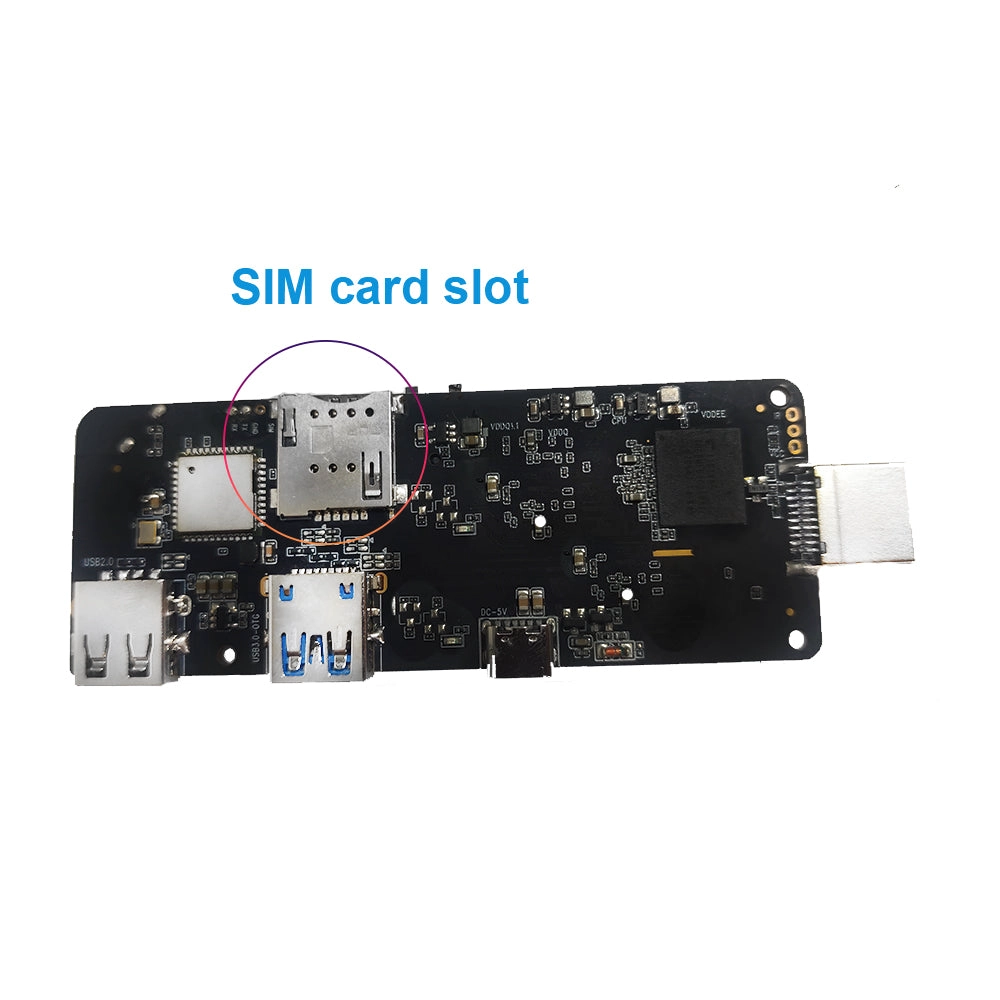
Integrating digital terrestrial television tuners directly onto the system's printed circuit board assembly (PCBA) allows the deployment to capture free, uncompressed local broadcasts.
┌─── [RF Tuner Input: ATSC 3.0 / DVB-T2] ───> [Demodulator IC] ───┐
│                                                                 │
[Antenna Array] ──┤                                                                 ├──> [SoC Demux] ──> [Video Output]
│                                                                 │
└─── [IP LAN Network: Multicast UDP / RTP IPTV] ──────────────────┘
-
Demodulator Provisioning: The hardware architecture must include a dedicated demodulator IC (integrated circuit) configured for regional standards—such as ATSC 3.0 NextGen TV for North America or DVB-T2 for European markets.
-
System Demuxing: At the Android kernel level, the incoming RF transport stream is demuxed and piped through the Android TV Input Framework (TIF). This allows local OTA channels to blend seamlessly into the same electronic program guide (EPG) layout used by your cloud-delivered IP channels.
3. Firmware-Level Control and Custom EPG Provisioning
To prevent endpoint users from disrupting the pre-configured channel lineups or accessing restricted system configurations, the operating system must undergo deep-level AOSP modification.
| Deployment Attribute | Retail Consumer Configuration | Enterprise B2B Provisioning |
|---|---|---|
| Channel Sourcing | Manual App Installs (Sideloading) | Centralized M3U8/XML TV Middleware Push |
| User Interface | Standard Google Play Interface | Custom AOSP System Launcher (Kiosk Mode) |
| API Access | Restricted by Stock Android OS | Full Root-Level / Vendor System Privileges |
| Bandwidth Management | Unmonitored Public CDN Usage | Local Edge Caching & Multicast UDP Support |
Hardcoding the Media Ecosystem
System integrators should avoid relying on third-party consumer apps found in standard application stores to access free content. Instead, the channel distribution framework must be embedded directly into the device's system image:
-
System App Privileges: Compile your proprietary IPTV/signage application with system-level permissions (android:sharedUserId="android.uid.system") and place the APK within the /system/priv-app/ directory of your custom AOSP build.
-
Automated Manifest Ingestion: Program the app to pull configuration updates silently from a secure central server upon boot. This allows remote administrators to dynamically alter the free channel array, update stream URLs, and push updated EPG guides without end-user interaction.
Technical Project Consultation & Hardware Tailoring
Deploying a scalable, zero-subscription channel ecosystem requires tight alignment between target software applications and the underlying media player hardware. Consumer-grade set-top boxes lack the peripheral interfaces, firmware flexibility, and component lifespans required for these heavy-duty architectures.
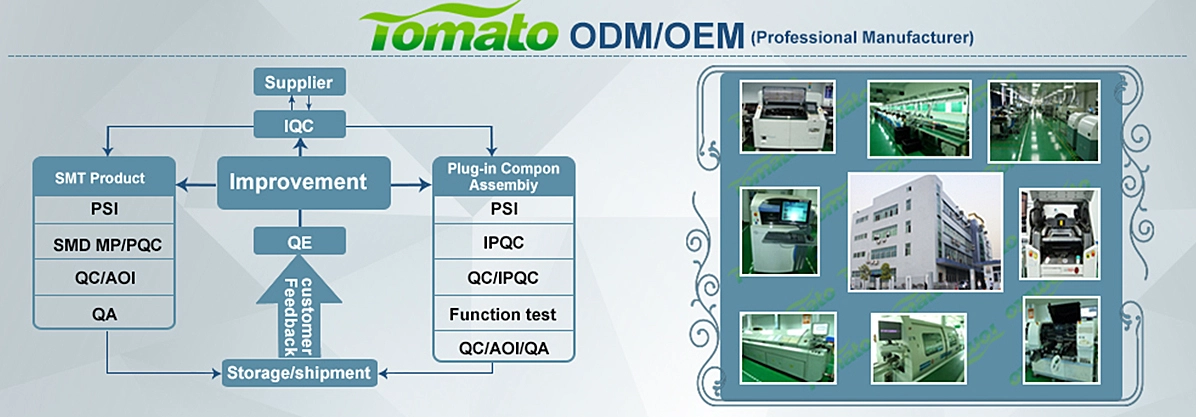
Shenzhen Tomato Technology delivers specialized OEM/ODM services tailored for commercial deployments. From hardware-level integrations (such as onboard ATSC/DVB tuners and internal thermal management) to deep AOSP firmware modifications (such as locked boot configurations and custom system launchers), we design platforms optimized for high-uptime environments. Contact our project engineering team today to review your deployment metrics, obtain reference hardware samples, and plan your manufacturing timeline.
