
IPTV/OTT Streaming Media Player for Global Telecom Operators and ISPs
The Engineering Requirements Behind an Operator-Grade Streaming Media Player
AV1 adoption is changing how service providers evaluate video-decoding hardware. More efficient compression can help deliver high-quality video within tighter bandwidth budgets, but a codec listed on a product specification sheet does not guarantee stable playback across every resolution, profile, bitrate or application.
For telecom operators and Internet Service Providers (ISPs), the real challenge is building a compatible, manageable device fleet that connects video delivery infrastructure with subscriber-facing applications. The Streaming Media Player must work with the operator's access network, middleware, content-protection system and remote device-management processes.
AOMedia identifies improved compression efficiency as a key benefit of AV1, including a reported 30% improvement in a referenced comparison. Actual bandwidth savings depend on encoding settings, content characteristics and the quality target.
For B2B procurement teams, the right approach is to specify the complete deployment environment first, then select and customize the hardware and firmware around it.
1. Select the Right SoC, Codec and Network Architecture
A telecom-grade Streaming Media Player should be selected according to the intended service, not simply CPU core count or advertised resolution.
An IPTV deployment operating on a managed broadband network may depend on multicast delivery, VLAN configuration, IGMP handling and predictable Quality of Service (QoS). An OTT platform typically relies on HTTP-based adaptive streaming, CDN delivery and application-level bitrate selection. Hybrid services can require both approaches within one device.
The selected hardware and firmware must support the actual delivery architecture.
Match hardware decoding to the content pipeline
Start with the codecs and video profiles used by the operator's content platform. Depending on the service, requirements may include H.264, H.265/HEVC, VP9 and AV1, together with the necessary resolution, frame rate, HDR formats and audio capabilities.
Hardware-accelerated decoding is generally preferable for sustained high-resolution playback because it reduces the CPU load associated with video processing. However, procurement teams should verify the exact codec profile and performance limits supported by the chosen SoC rather than assuming that all devices advertising 4K or AV1 offer equivalent capabilities.
Memory capacity, storage performance and operating-system overhead also matter. A device must have enough resources to run the operator's application, middleware components, electronic program guide, conditional-access software and remote-management agent without creating playback interruptions.
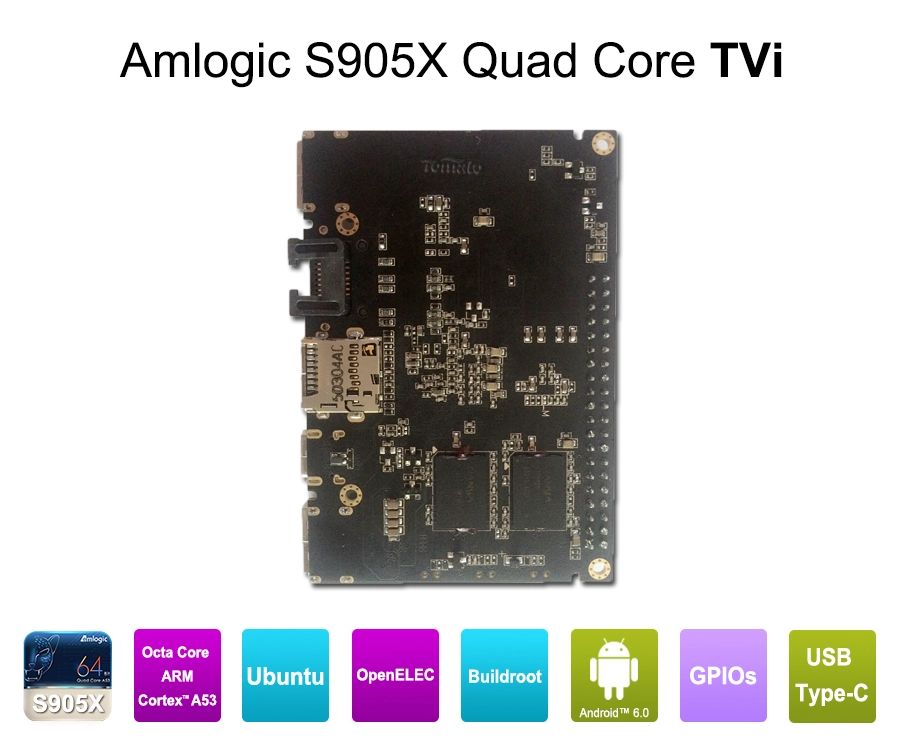
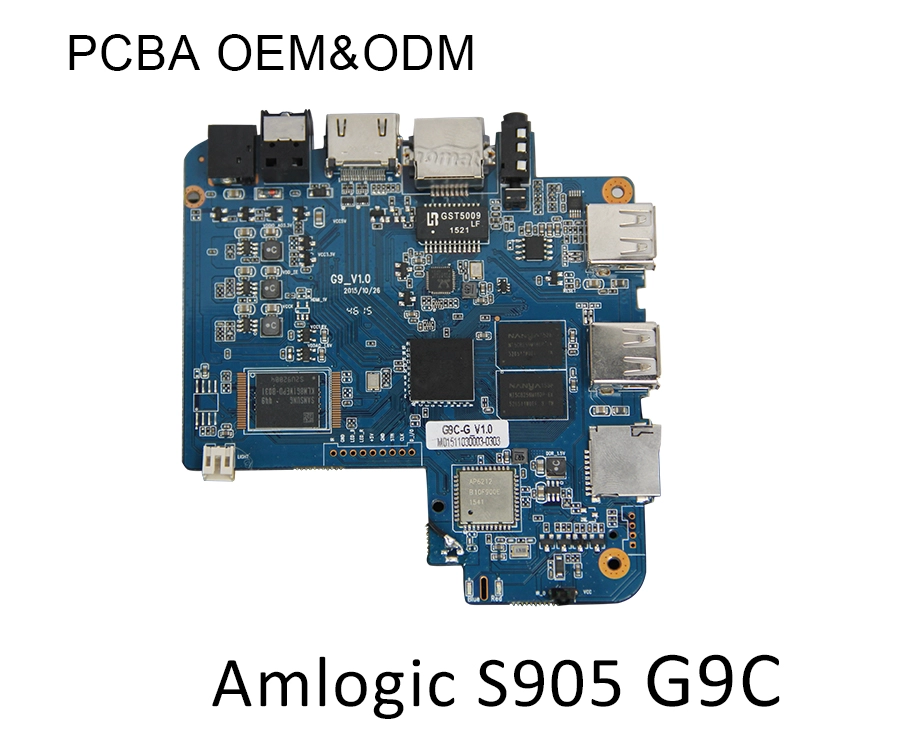
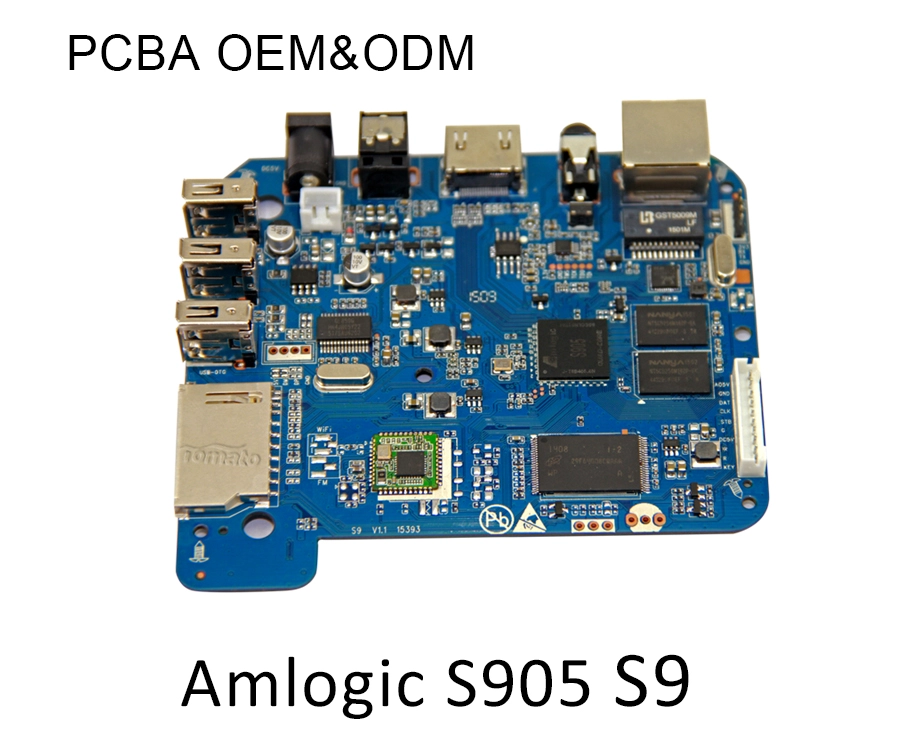
SZTomato can help evaluate suitable Amlogic or Rockchip platforms and adapt the configuration to the intended service. OEM/ODM development can cover memory and storage options, PCBA hardware modification and firmware configuration, subject to the selected platform's capabilities.
Design network interfaces for the installation environment
Gigabit Ethernet is worth considering for installations where predictable wired connectivity is important, while dual-band Wi-Fi may support environments where cable installation is impractical. The final choice should reflect the available broadband infrastructure, expected concurrent traffic and customer-premises layout.
Network qualification should measure more than peak throughput. Relevant tests include:
-
Sustained bitrate handling and playback under network congestion.
-
Recovery after temporary disconnection, packet loss or fluctuating throughput.
-
IPTV multicast behavior where multicast services are deployed.
-
Adaptive bitrate transitions, buffering time and playback recovery.
-
Compatibility with the operator's DHCP, DNS, VLAN and provisioning arrangements.
The objective is consistent service delivery, not simply a high result in a laboratory speed test.
2. Engineer Firmware, DRM and OTA Management Around the Operator
A commercially viable Streaming Media Player requires a software platform that the operator can control throughout the device lifecycle. Installing a branded application on standard consumer firmware is not always sufficient, particularly when the service requires custom provisioning, restricted user navigation or integration with proprietary backend systems.
Integrate middleware through SDKs and APIs
The firmware architecture should define how the player communicates with subscriber-management systems, authentication services, middleware, content catalogs and customer-support tools.
SZTomato supports SDK/API integration and custom UI/UX firmware development for OEM/ODM projects. Depending on the agreed platform and scope, this can include branded launchers, preinstalled applications, boot animations, language configurations, device provisioning and controlled access to system settings.
Linux or Android kernel optimization may also be necessary where a deployment uses constrained memory or runs a dedicated media application continuously. The engineering work may involve reviewing device drivers, media pipelines, process supervision, background services and hardware resource allocation.
For specialized deployments, persistent kiosk behavior, watchdog recovery and application restart policies can reduce the need for manual intervention at customer premises.
Treat content protection as an end-to-end requirement
DRM, conditional access and HDMI content protection address related but distinct parts of the content-delivery chain. The chosen Streaming Media Player must support the applicable content-protection technologies, security level and certification requirements imposed by the service provider and content licensors.
HDCP authentication on the HDMI output must also be compatible with the requirements of the service and the connected display. Supporting HDCP alone does not establish that a device is authorized to play a particular premium streaming service.
Procurement teams should therefore confirm the required DRM system, license provisioning, secure video path, HDCP version and resolution restrictions during product definition. Certification, provisioning and commercial licensing must be verified for the specific platform and intended use; they should never be assumed from the processor model alone.
Build OTA updates into the original architecture
Remote firmware maintenance is essential when operators manage thousands of deployed devices across different regions. A suitable Over-the-Air (OTA) system should support authenticated update packages, staged releases, version control, device-group targeting and recovery procedures.
For Android platforms, Verified Boot helps establish a chain of trust for system software, while the OTA architecture determines how operating-system updates are delivered and installed. Android's documented update mechanisms include A/B approaches that can provide a fallback system slot when an update fails under supported configurations.
A deployment plan should also establish security-patch responsibilities, maintenance periods, update-failure reporting and procedures for devices that remain offline during a release.
SZTomato can work with B2B customers to define firmware customization and update requirements during development, reducing the risk of discovering fundamental software-management limitations after production has started.
3. Customize PCBA Hardware and Thermal Design for Continuous Operation
An operator's installation environment may differ substantially from the conditions assumed by a typical consumer device. A player behind a television, inside a hospitality cabinet or within a commercial equipment enclosure may experience limited airflow, elevated ambient temperatures or uninterrupted operation.
Under these conditions, the PCBA layout, power design and thermal solution affect service reliability as much as the nominal performance of the SoC.
Modify the board for the actual deployment
A reference design is a useful starting point, but it may not include every interface required by an ISP, IPTV operator or systems integrator.
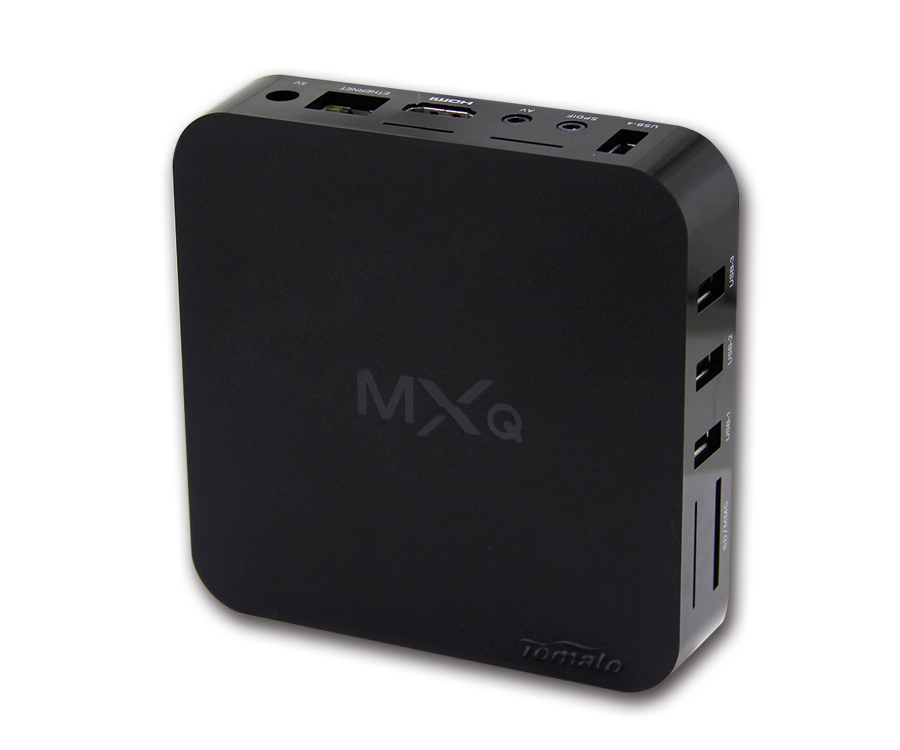
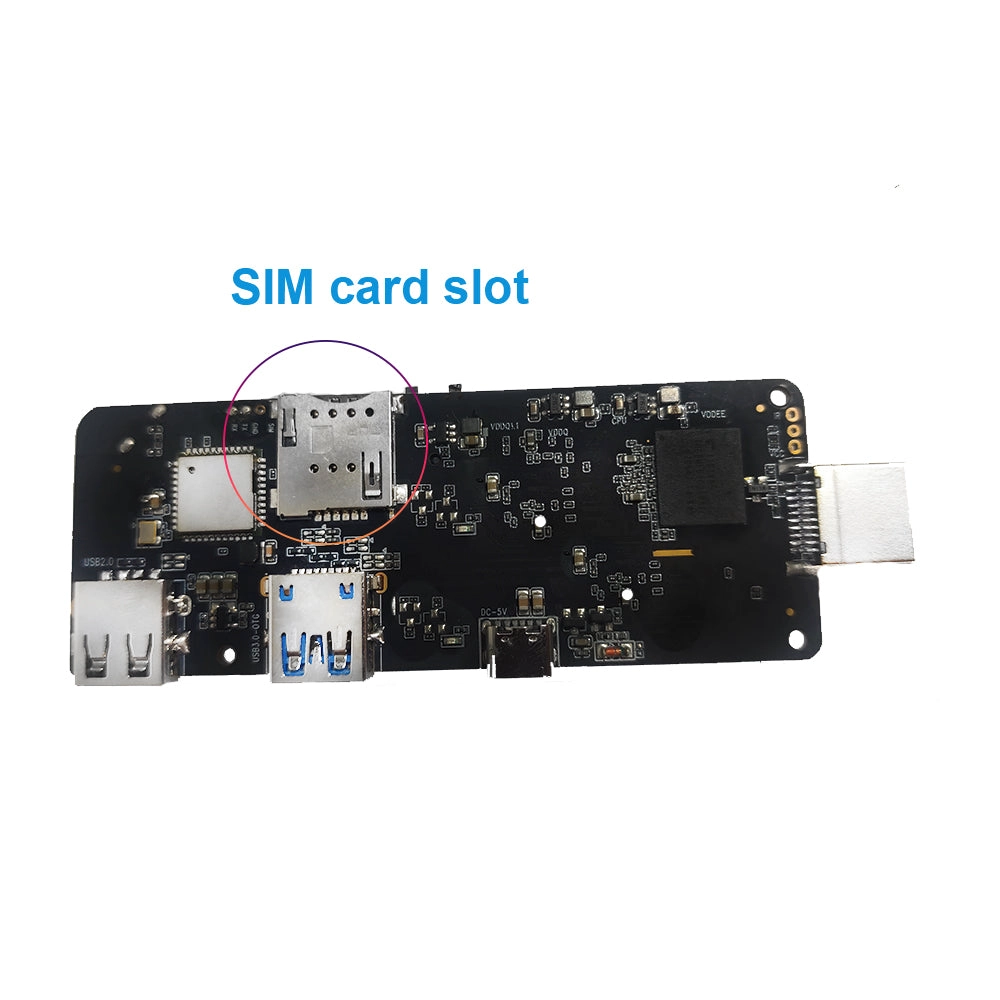
Depending on the project, PCBA hardware modification can address Ethernet configuration, USB availability, antenna placement, power input, storage options and additional control interfaces. Industrial installations may also require UART, RS-232, GPIO or other interfaces for integration with external equipment, where supported by the selected hardware platform.
These changes should be evaluated together. A modified port layout can affect PCB routing, electromagnetic compatibility, power integrity and enclosure design. Antenna placement and shielding must also be considered when wireless connectivity is required.
For this reason, a custom Streaming Media Player should be engineered against a clear interface specification rather than developed through cosmetic shell changes alone.
Prevent thermal throttling before field deployment
Continuous video decoding creates a sustained load that can expose weaknesses in cooling design. If the SoC reaches its thermal limits, the device may reduce operating frequency, increasing the risk of dropped frames, delayed interface response or inconsistent playback under demanding conditions.
SZTomato can evaluate specialized cooling solutions for industrial use, including heatsink selection, thermal-interface materials, heat transfer to the enclosure and airflow considerations where applicable. The correct configuration depends on the SoC's thermal characteristics, enclosure size, ambient conditions and workload.
Thermal qualification should use realistic operating conditions rather than idle-temperature measurements. Tests should monitor SoC temperature, playback stability, decoder errors and system recovery during sustained operation at the intended video settings.
Power stability and component selection also deserve attention. A board that performs well during a short demonstration may still encounter faults during prolonged operation or repeated power cycles.
For telecom operators, these engineering details influence field-maintenance costs, replacement rates and the number of support incidents generated by the installed device fleet.
4. Validate the Streaming Media Player Before Mass Production
Even a well-designed reference configuration can encounter problems when integrated with a particular middleware platform, DRM implementation, display or network environment. A controlled qualification phase is therefore an important part of the OEM/ODM process.
A practical validation plan should cover four areas.
Application and middleware compatibility. Confirm that the operator's applications launch correctly, communicate with backend services and recover from interrupted sessions. Test channel changes, electronic program guide navigation, account authentication and any proprietary application interfaces.
Video and audio performance. Validate the actual codec profiles, supported resolutions, HDR formats, audio output paths and HDMI behavior required by the service. Confirm playback across the target display models and relevant content-protection configurations.
Stability and recovery. Run sustained playback tests, repeated reboots, network interruption scenarios and application-recovery tests. Where continuous service is expected, qualify the device under the intended operating conditions and establish acceptable failure and recovery criteria.
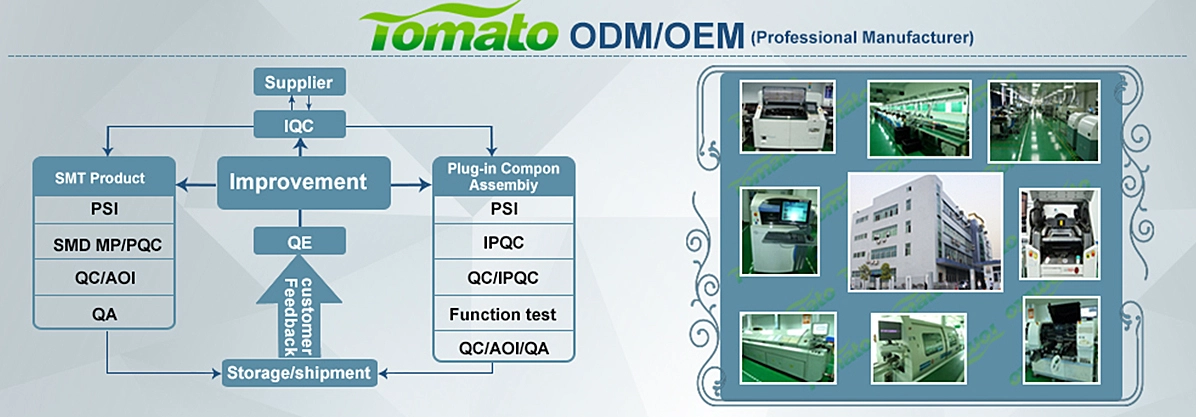
Fleet management and manufacturing quality. Verify factory provisioning, device identification, firmware version control, OTA update behavior and the reporting needed by technical support. Before mass production, establish test procedures and acceptance criteria that can be applied consistently across production batches.
The pilot phase should produce more than a working sample. It should confirm that the hardware, firmware, network interfaces and update processes meet the operator's actual deployment requirements.
For large-scale contracts, this step can identify compatibility problems before they become expensive field-service incidents. It also provides a repeatable basis for evaluating subsequent hardware revisions and firmware releases.
Build Your Operator-Ready Streaming Media Player with SZTomato
Global telecom operators and ISPs need hardware that aligns with their service architecture, content-protection requirements and long-term support model. A generic device may be suitable for a simple application, but larger deployments often require coordinated changes across the PCBA, firmware, user interface, network interfaces and cooling system.
SZTomato supports OEM/ODM customization for IPTV and OTT equipment, including PCBA hardware modification, SDK/API integration, custom UI/UX firmware and specialized thermal engineering. The development scope can be defined around the selected SoC, operator middleware, content-delivery requirements, deployment environment and target production volume.
For procurement managers, telecom project owners and system integrators, the best starting point is a technical requirements review. Define the delivery protocols, codecs, resolution targets, DRM and HDCP requirements, interfaces, OTA policy, operating conditions and expected production volume before finalizing the hardware.
Contact SZTomato at www.sztomato.com to discuss a customized IPTV/OTT Streaming Media Player for your operator network, branded service or large-scale deployment.
