
Is there a monthly fee for a Set-Top Box (STB)?
The True Cost of STB Infrastructure: OPEX vs. CAPEX
In commercial television deployment—whether provisioning 10,000 guest rooms for a hospitality brand or launching a regional IPTV network—the financial friction point is rarely the raw silicon cost. It is the hidden recurring fees embedded in traditional device ecosystems.
Historically, legacy pay-TV operators utilized proprietary hardware architectures that mandated monthly lease fees per Set-Top Box (STB). These fees disguised ongoing middleware licensing, Conditional Access System (CAS) overhead, and proprietary guide data updates.
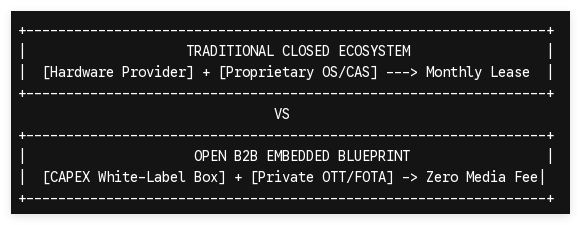
For modern system integrators and broadband providers, accepting this consumer-facing billing model in an enterprise ecosystem is a structural error. By shifting from closed, leased-box infrastructure to open, white-label CAPEX hardware ownership, operators can completely eliminate external monthly hardware charges while building a proprietary, revenue-generating media platform.
1. Deconstructing the STB Cost Architecture
To determine if an STB requires a monthly fee, engineers must analyze the device's software-to-hardware decoupling vector. Recurring fees are not a product of hardware functionality; they are driven by the underlying software licensing model.
Leased Operator-Tier Models
When utilizing hardware from major telecom syndicates, the monthly fee covers the right to use the closed operating system and access encrypted satellite, cable, or managed IP streams. These fees fund downstream digital rights management (DRM) licensing, electronic program guide (EPG) data ingestion, and ongoing technical truck rolls. Hardware modifications are prohibited, and the operator retains root-level control of the device.
Open Architecture (CAPEX Owned)
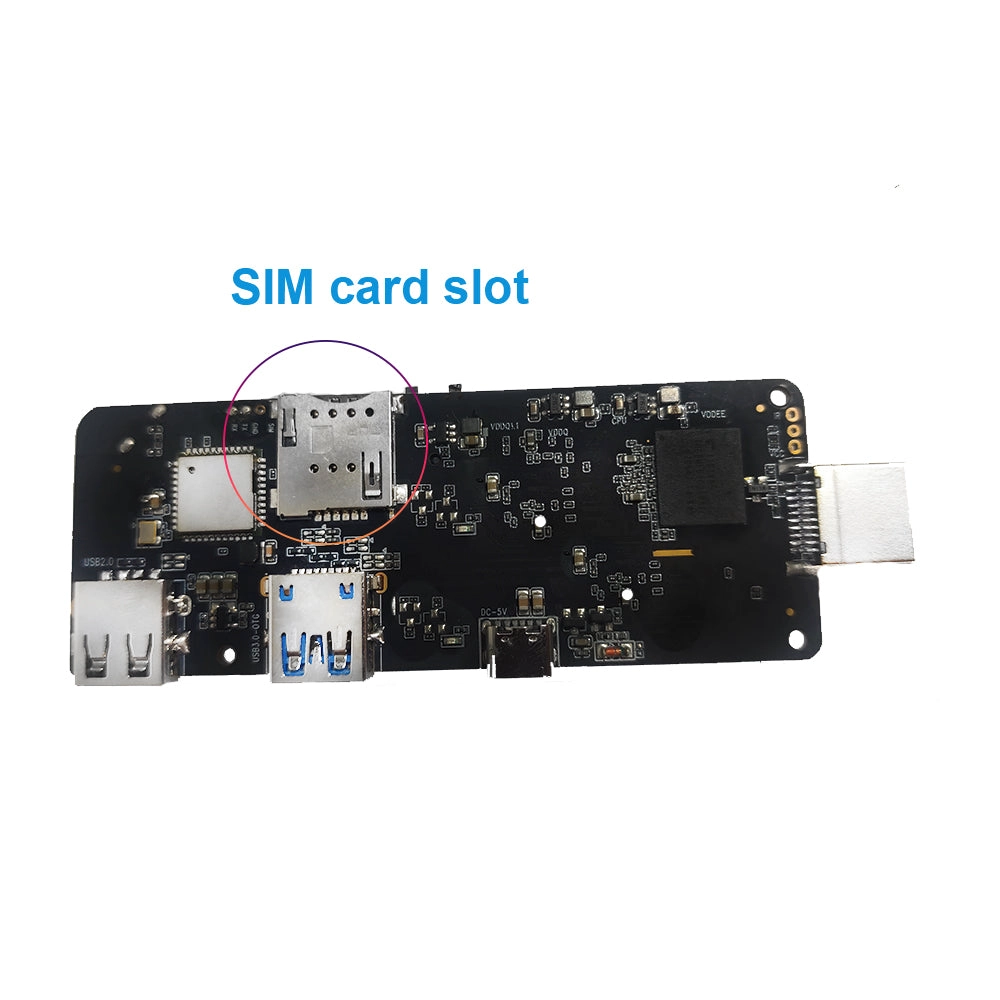
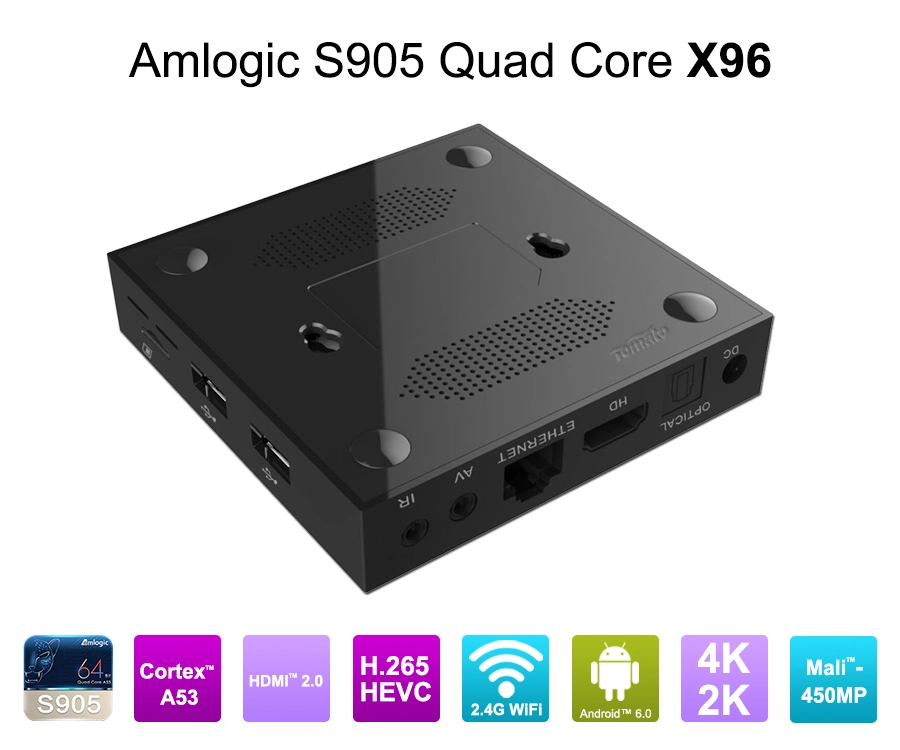
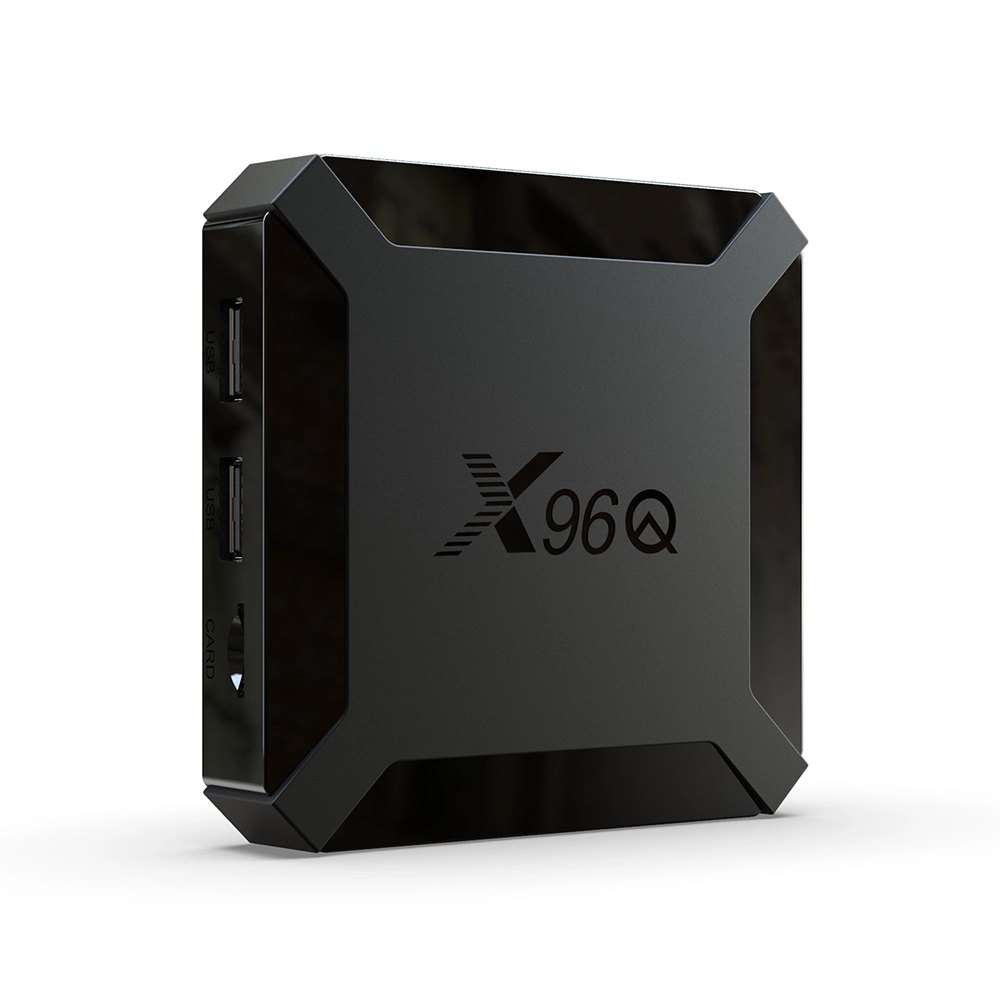
Procuring white-label hardware—such as an open Android TV platform or a Reference Design Kit (RDK) system—shifts the financial model entirely. The hardware is purchased outright as an asset. Because the operator deploys their own Android Package (APK) or middleware client directly onto the system, there are no mandatory third-party monthly operational fees associated with the device's physical presence on the network.
2. Technical Breakdown: Fee-Generating Frameworks vs. Open Deployments
| Technical Layer | Leased Pay-TV / Cable STB | B2B Custom Android TV / IPTV Box |
|---|---|---|
| Operating System License | Proprietary / Closed (Monthly Fee Built-in) | Android Open Source Project (AOSP) / Android TV (Zero Base Fee) |
| Middleware & UI | Vendor-Locked (Per-Subscriber Monthly Charge) | Custom HTML5 / Android IPTV Client (Owned or One-Time License) |
| Security & Decryption | Hardware-tied CAS / Legacy Smartcards | Software-Based Widevine L1 / PlayReady / Verimatrix |
| System Updates | Vendor Managed (Costs passed via monthly billing) | Private Firmware Over-The-Air (FOTA) Server (Free Self-Managed) |
| Branding Control | Locked to Service Provider | 100% White-Label (Custom Boot Animation & PCBA Silk-Screening) |
| Primary Monetization | Subscriber Subscription Fee | Targeted Server-Side Ad Insertion (SSAI) & Direct Content Sales |
3. Engineering a Fee-Free B2B Media Infrastructure
To bypass the recurring software fees associated with enterprise-grade deployments, system architects must build a decoupled, self-managed streaming stack. This requires specific optimization across three primary technical pillars:
I. Firmware-Level Kiosk Lock down
Instead of relying on stock retail launcher architectures that serve ad injections or require ongoing licensing, deployment engineers should implement a customized Android Open Source Project (AOSP) ROM or utilize Android TV Operator Tier configurations. By modifying the kernel's boot sequence (boot.img), the device can be hardcoded to launch an internal IPTV/OTT application immediately upon power-up.
[System Power On]
│
▼
[U-Boot Bootloader Executed]
│
▼
[Custom Kernel Initialization (boot.img)]
│
▼
[Direct Launch: Operator IPTV Custom APK] (Bypasses stock Android desktop)
This bypasses consumer Google Play services completely when necessary, stripping out automated update frameworks that can alter user experiences without operator permission, and reducing security surface risks.
II. Implementation of Unbundled DRM
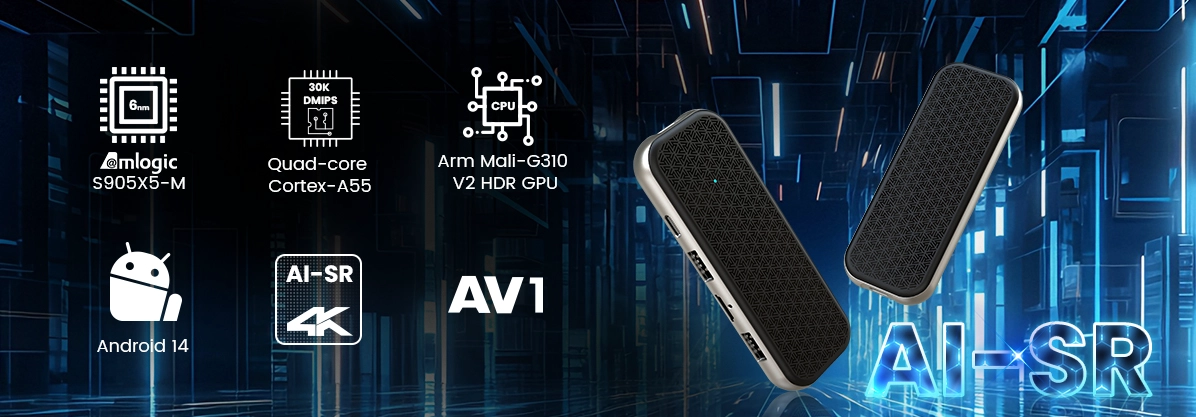
Premium 4K video playback requires hardware-enforced digital content protection to satisfy content studios. Instead of paying a third-party CAS vendor a monthly seat fee to handle this, engineers utilize chipsets with native ARM TrustZone integration coupled with Widevine L1 hardware keys pre-flashed at the factory floor level. This enables secure, hardware-isolated video decoding via high-efficiency codecs (such as AV1 and HEVC) without incurring per-device monthly security royalties.
III. Private FOTA (Firmware Over-The-Air) Deployments
A major driver of long-term STB overhead is fleet management—pushing security patches, bug fixes, and user interface upgrades. To eliminate the need for costly third-party device management suites, white-label procurement should feature private FOTA server mapping. The hardware manufacturer hardcodes the operator's private update URL into the system partition. When updates are required, the operator uploads the encrypted incremental OTA zip package directly to their own AWS or local server array, maintaining absolute remote configuration management with zero ongoing operational cost.
4. Architectural Selection Matrix for System Integrators
To optimize financial output, select your STB deployment strategy based on infrastructure scope:
-
For Regional ISPs & Broadcasters (10,000+ Nodes): Specify a Google-certified Android TV Operator Tier box utilizing chipsets like Amlogic or Rockchip with internal AV1 decoding. This grants full launcher customization rights, allowing you to control the UI and integrate local advertising networks to shift the box from a cost center to a high-margin monetization engine.
-
For Hospitality & Commercial IPTV (Hotels, Hospitals): Deploy AOSP-based custom boxes engineered for 24/7 thermal stability. Ensure the PCBA design features an RJ45 Ethernet port with a dedicated hardware MAC address mapped during the manufacturing line phase for immediate, zero-touch network provisioning upon terminal installation.
-
For Digital Signage & Controlled Content Loops: Leverage standard open media players with fixed-EDID configurations built directly into the system firmware. This ensures absolute signal locked-loop output to the display panels, completely eliminating display handshake drops and ensuring no software stack licensing fees.
Own Your Hardware Infrastructure
Relying on leased hardware models blocks your ability to scale efficiently and drains potential margin through recurring subscription traps. True operational control requires fully owned, application-specific hardware assets tailored to your business model.
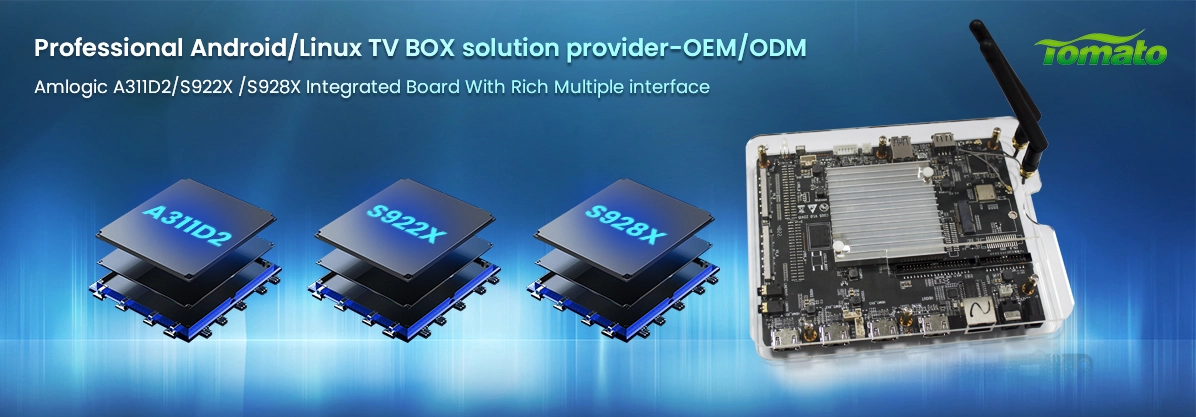
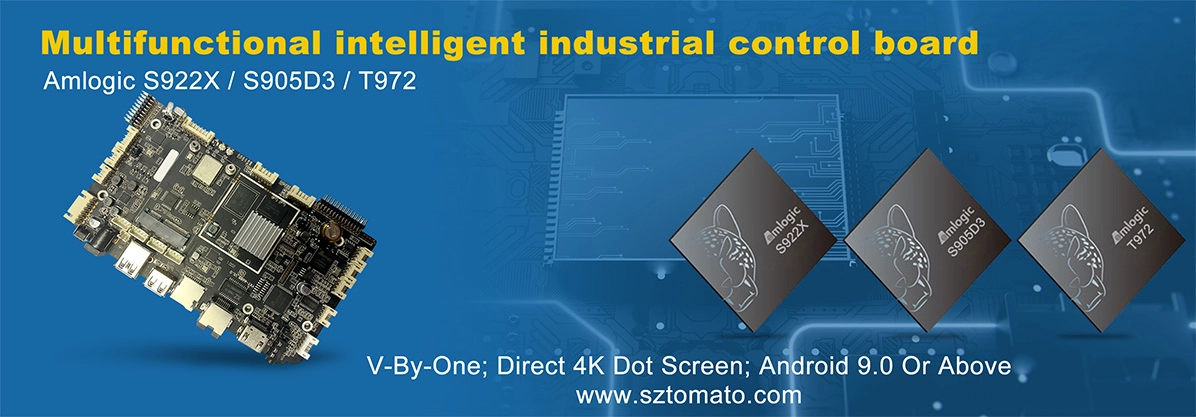
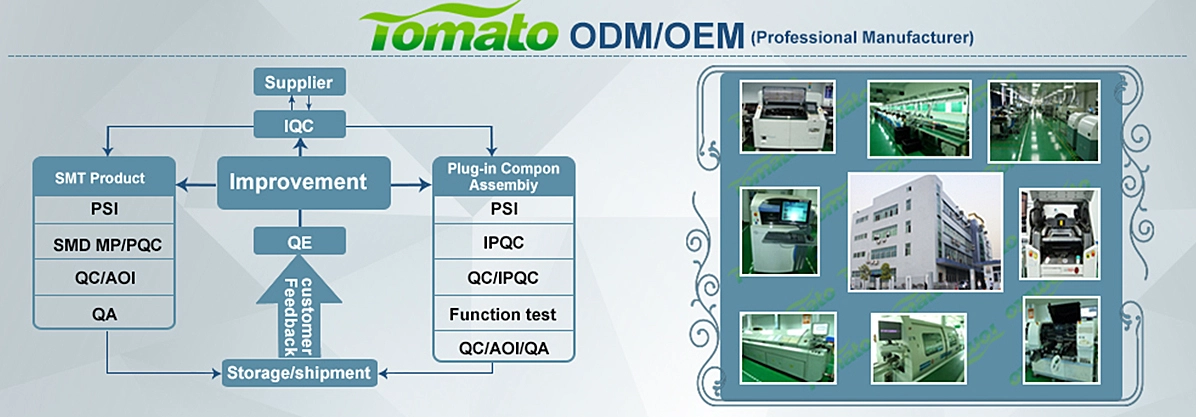
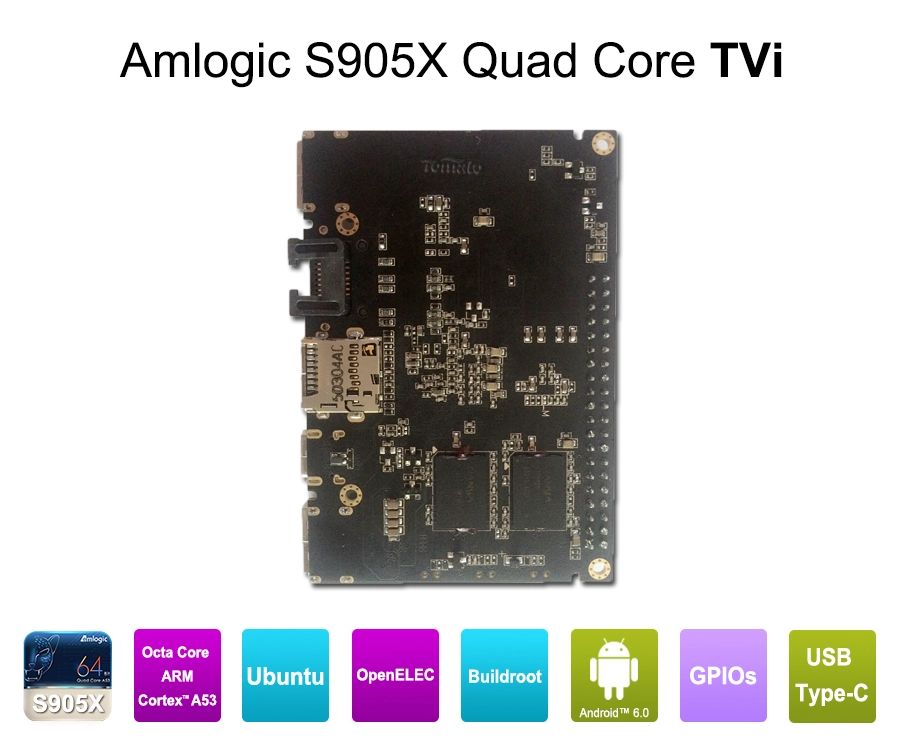
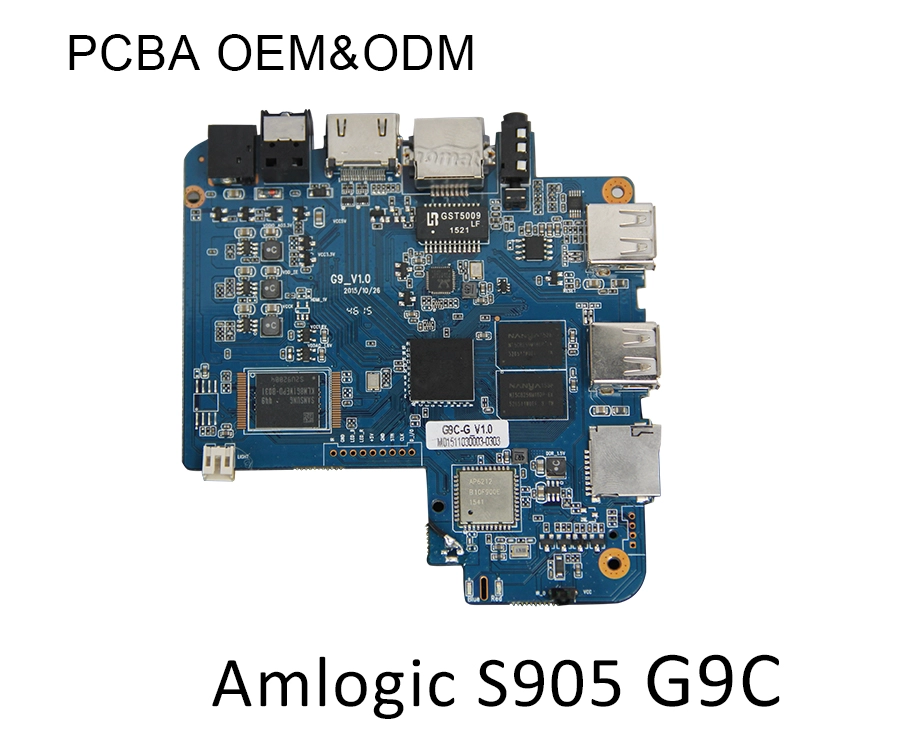
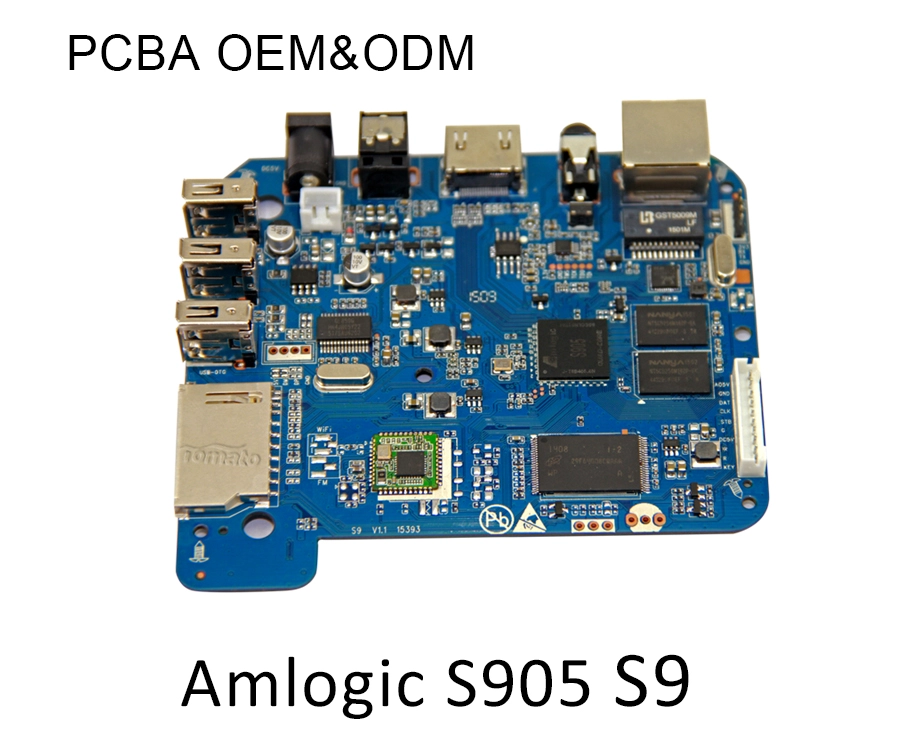
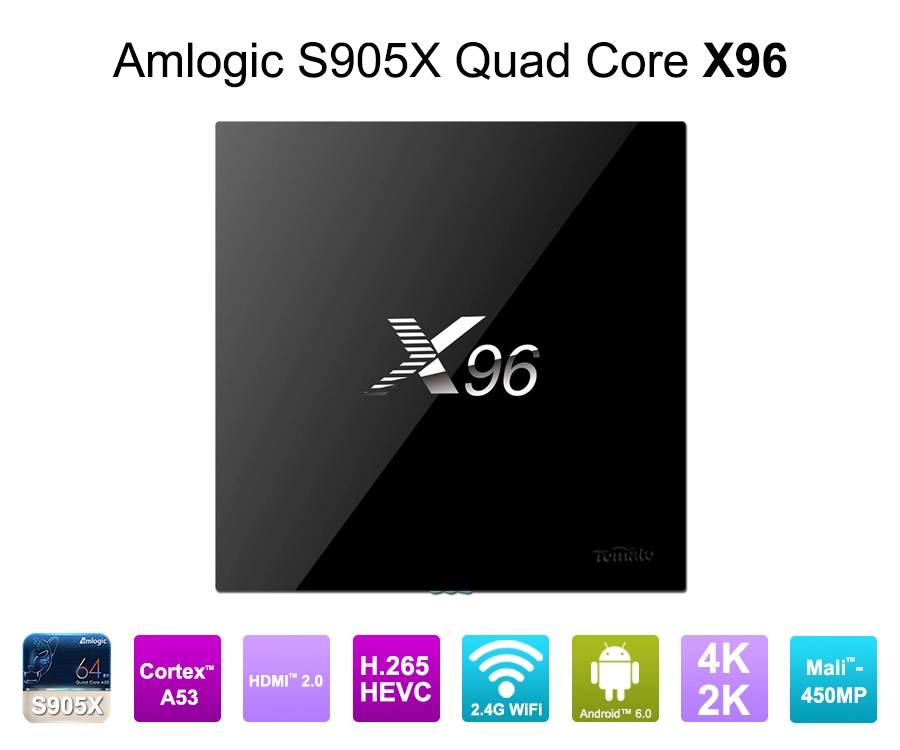
As an established OEM/ODM manufacturing architect, SZTomato provides enterprise clients with high-performance, open-ecosystem Set-Top Boxes and Streaming Media Players engineered directly from the PCBA layout up. We specialize in flashing customized clean ROMs, integrating hardware-level Widevine security configurations, and setting up dedicated FOTA update streams to ensure your network functions entirely free of third-party monthly fees. Contact our hardware strategy team today to submit your RFQ and review our reference board schematics.
