
Is there a monthly fee for an Android Mini PC?
Is There a Monthly Fee for an Android Mini PC? Enterprise Hardware Architecture and Total Cost of Ownership
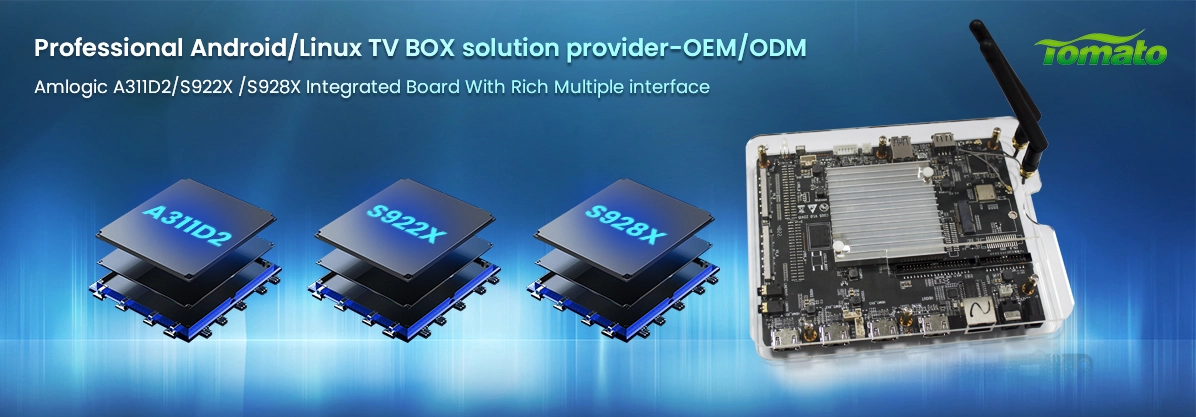
The adoption of high-efficiency silicon architectures—such as the Amlogic S928X Hexa-core SoC (Cortex-A76 + Cortex-A55) featuring native 8K@60fps AV1 hardware decoding—has accelerated the shift from power-hungry x86 Windows Mini PCs to industrial ARM-based Android Mini PCs. This shift is primarily driven by energy efficiency, thermal stability, and reduced baseline software licensing costs.
The direct answer to whether an Android Mini PC carries a monthly fee is no—the hardware and underlying open-source operating system (AOSP/Linux) carry zero recurring licensing charges.
However, enterprise procurement managers and system integrators frequently face indirect recurring fees imposed by commercial software vendors, third-party Mobile Device Management (MDM) platforms, and unexpected field maintenance caused by off-the-shelf consumer hardware failures. Understanding the distinction between bare-metal hardware ownership and operational software ecosystems is critical when calculating Total Cost of Ownership (TCO).
1. Deconstructing Cost Vectors: Hardware Ownership vs. Software Ecosystems
At the physical layer, an Android Mini PC is a standalone embedded computing node. Because the Android Open Source Project (AOSP) is distributed under the Apache 2.0 license, system integrators incur zero monthly OS subscription fees when deploying custom Android builds on bare-metal ARM hardware.

Where Do Recurring Fees Originate in Commercial Deployments?
-
Third-Party CMS & Signage SaaS: Cloud-based Content Management Systems (CMS) frequently charge monthly software-as-a-service (SaaS) fees ranging from $10 to $40 per endpoint. Moving to a native, self-hosted web app or custom Android APK eliminates this fee entirely.
-
Third-Party MDM Subscriptions: Off-the-shelf Android hardware often lacks enterprise-grade remote access, forcing operators to pay monthly fees for cloud MDM tools (e.g., automated reboots, remote screen view, silent APK pushes).
-
Power and Maintenance Overhead: Sub-optimal thermal engineering in cheap consumer units forces thermal throttling, system lockups, and truck-rolls—driving up operational field service costs.
2. Eliminating Recurring Operational Fees via Firmware & PCBA Customization
System integrators can achieve a true "Buy-Once, Deploy-Forever" infrastructure by embedding management capabilities directly into the hardware and kernel firmware during manufacturing, rather than relying on subscription-based cloud layers.

Kernel-Level System Lockdown and Self-Healing
By optimizing the Linux/Android kernel at the board-support package (BSP) level, engineering teams can build zero-maintenance OS images that remove the need for subscription-based management tools:
-
Embedded Hardware Watchdog: Implementing a dedicated hardware timer daemon on the PCBA. If the primary application freezes or encounters a memory leak, the watchdog triggers a silent system reset at the hardware register level without manual intervention.
-
Stripped Framework & Kiosk Launcher: Removing bloatware services, Play Services dependencies, and background telemetries to free up LPDDR4 RAM, reducing cold boot times to under 10 seconds and pinning the custom application in an un-bypassable Kiosk Mode.
-
Private Encrypted OTA Updating: Integrating custom hooks into the OS firmware pointing to a self-hosted, private Over-The-Air (OTA) update server. Operators push differential delta updates to thousands of deployed Mini PCs simultaneously—bypassing paid device management portals.
PCBA Layout and Industrial Thermal Engineering
Continuous 24/7 operation—such as driving dual-screen 4K menu boards or 8K commercial signages—generates sustained thermal loads. When a processor overheats, it throttles voltage and frequency (DVFS), causing stuttered media playback or system crashes.
-
Custom PCBA Trace Engineering: Adding dedicated hardware interfaces directly to the board layout—such as Power over Ethernet (PoE) modules to eliminate power bricks, RS-232 DB9 interfaces for legacy display control, and GPIO headers for interactive kiosk sensors.
-
Passive Industrial Cooling: Replacing small, noisy active cooling fans (which fail in dusty commercial environments) with custom-milled aluminum heatsinks joined directly to the SoC via high-conductivity thermal pads. The entire metal enclosure serves as a passive heat dissipator, ensuring sustained maximum clock speeds without thermal degradation.
3. Total Cost of Ownership (TCO) Breakdown: Android Mini PC vs. x86 Windows Mini PC
When evaluating multi-year deployments across hundreds or thousands of nodes, ARM-based Android Mini PCs provide a lower capital expenditure (CapEx) and operational expenditure (OpEx) profile compared to traditional x86 systems.
| Cost Vector | x86 Windows Mini PC (Intel N100 / Core i3) | Custom ARM Android Mini PC (Amlogic S905X4 / S928X) |
|---|---|---|
| OS License Fee | $40 – $120/unit (Windows 11 Pro / IoT) | $0 (Open-Source AOSP Kernel) |
| Hardware CapEx | $200 – $450/unit | $45 – $120/unit |
| Average Power Consumption | 15W – 45W per node | 4W – 10W per node |
| 5-Year Energy Cost (per 100 units) | ~$3,900 – ~$11,700 | ~$1,000 – ~$2,600 |
| Device Management Cost | Annual RMM software subscriptions | $0 (Private OTA + Embedded Watchdog Firmware) |
| Thermal Maintenance | High fan-failure risk in dust/industrial areas | Zero moving parts (Passive Aluminum CNC Cooling) |
4. Engineering B2B Deployments: Matching Silicon to Use Cases
Choosing the correct System-on-Chip (SoC) architecture ensures the hardware meets processing requirements without over-provisioning component costs:
Amlogic S905X4 (Mainstream 4K Commercial Deployment)
-
Target Applications: Standard 4K digital signage, hospitality interactive TV networks, smart retail displays.
-
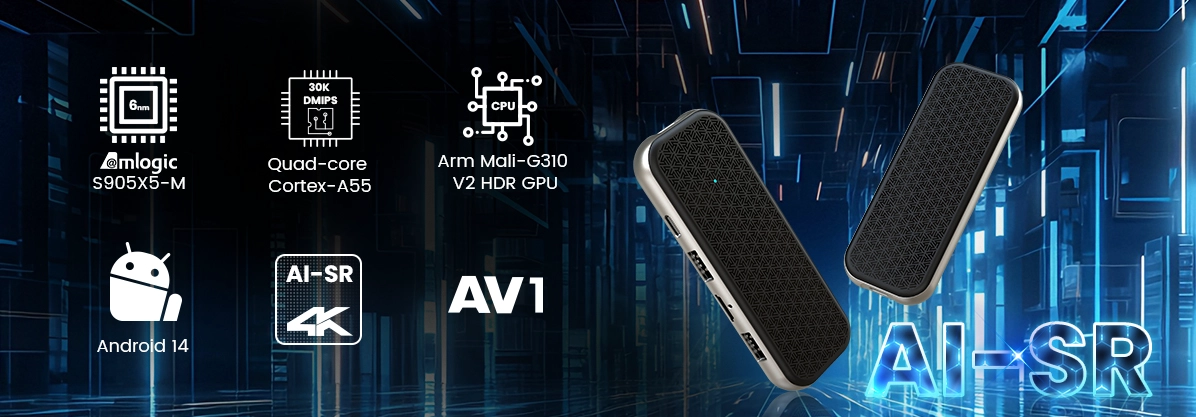
Core Specs: Quad-core Cortex-A55, ARM Mali-G31 MP2 GPU, native AV1/H.265 hardware decoding up to 4K@60fps.
-
Cost Profile: High-efficiency, low CapEx hardware node for high-volume rollouts.
Amlogic S928X (High-Performance 8K & Edge Computing)
- Target Applications: Multi-display 8K signage walls, AI-assisted video analytics, high-bitrate commercial IPTV hubs.
- Core Specs: Hexa-core architecture (1x Cortex-A76 + 4x Cortex-A55), Mali-G57 MC2 GPU, integrated 3.2-TOPS NPU, native 8K@60fps AV1/VP9 decoding, PCIe 2.0 / USB 3.0 expansion.
-
Cost Profile: Enterprise-grade processing performance at a fraction of the power consumption and cost of an x86 workstation.
Partnering with an Enterprise OEM/ODM Hardware Manufacturer
Eliminating monthly recurring fees requires full control over the hardware platform and software stack. Off-the-shelf retail media boxes cannot deliver the thermal durability, custom PCBA connectivity, or kernel-level firmware control required for enterprise deployments.
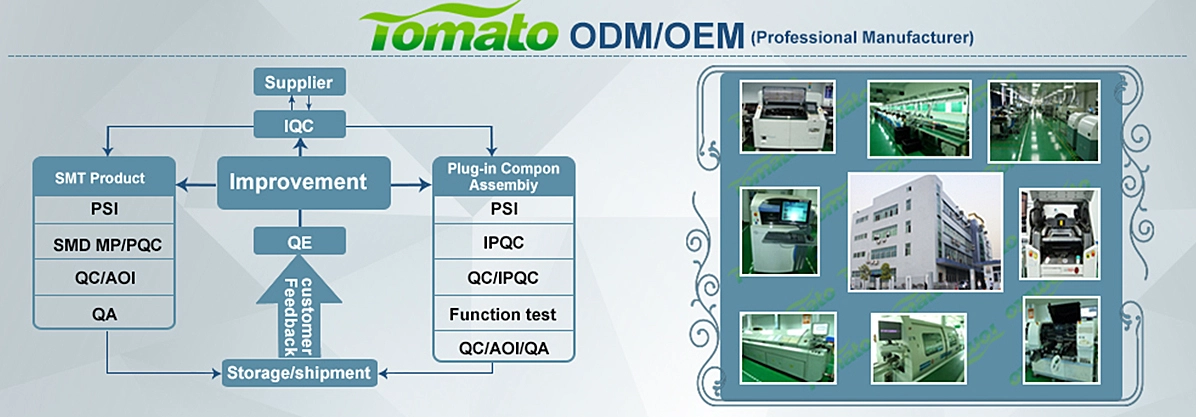
SZTomato delivers fully customized OEM/ODM Android Mini PC solutions tailored to your operational specifications. Drawing on 16 years of expertise in cross-border B2B electronics manufacturing, we provide full-stack engineering support across the hardware and software lifecycle:
-
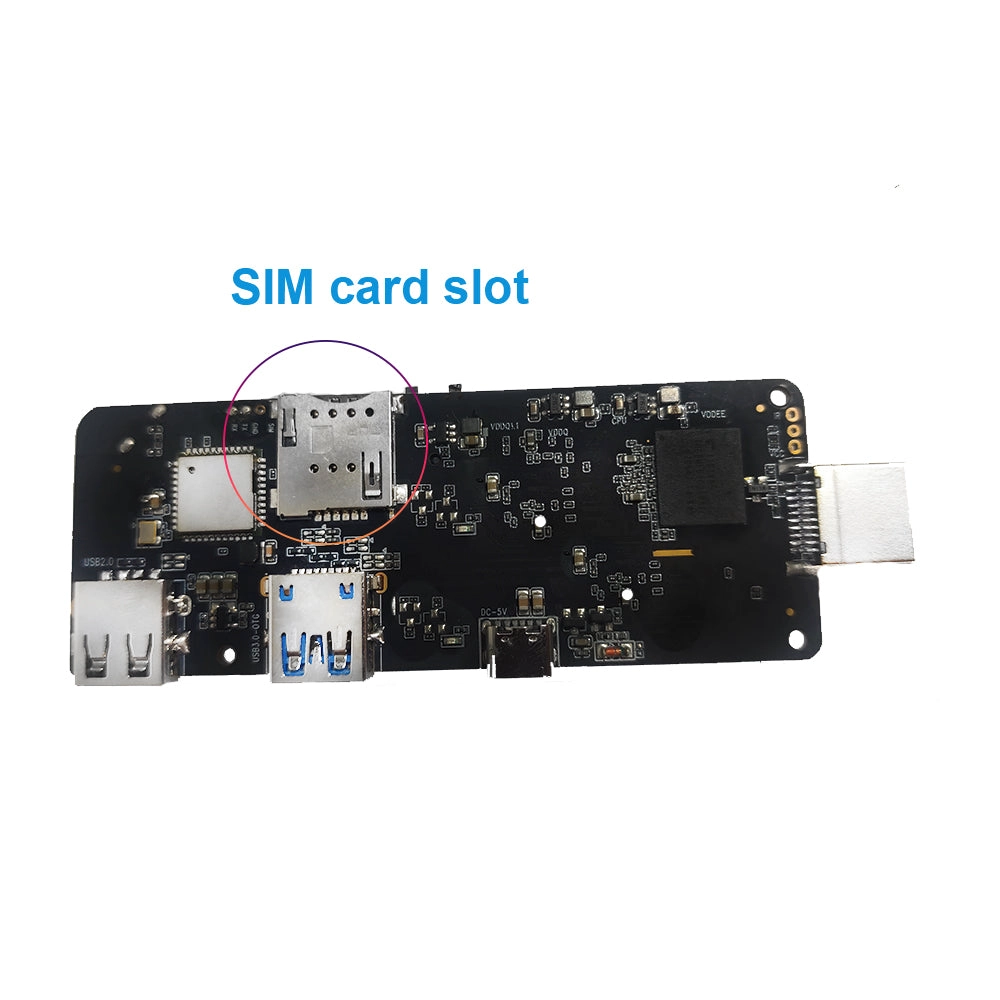
Hardware & PCBA Customization: Custom PCB layouts, industrial thermal heatsink architectures, integration of commercial ports (PoE, RS-232, SIM sockets, Optical, dual LAN), and custom metal/aluminum enclosure tooling.
-
Firmware & Kernel Engineering: Deep Linux/AOSP kernel optimizations, custom boot animations, hard-locked Kiosk launchers, custom API/SDK development for hardware control, and private OTA update infrastructure setup.
-
Security & Regulatory Compliance: Hardware Root of Trust execution, HDCP 2.3 handshakes, and Widevine L1 / PlayReady DRM integration.
Scale Your Hardware Infrastructure Without Monthly Fees
Eliminate ongoing software licensing and reduce total cost of ownership. Contact our technical sales and engineering team to review custom PCBA designs, evaluate Amlogic SoC performance benchmarks, or request tailored engineering samples.
-
Website: www.sztomato.com
-
Engineering & Procurement Inquiries: Contact SZTomato Technical Sales
