

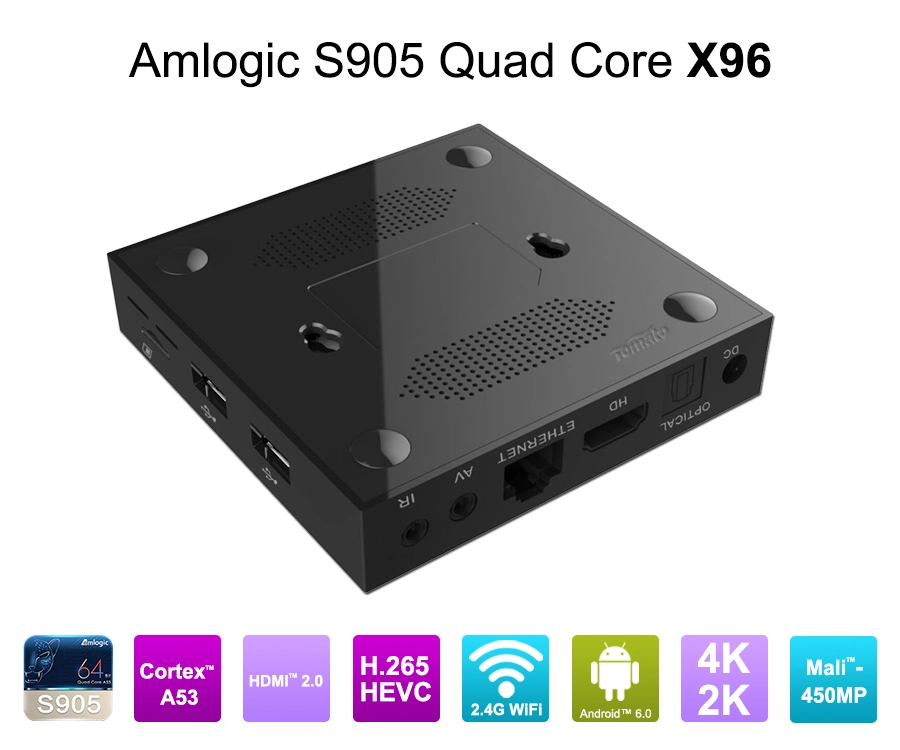
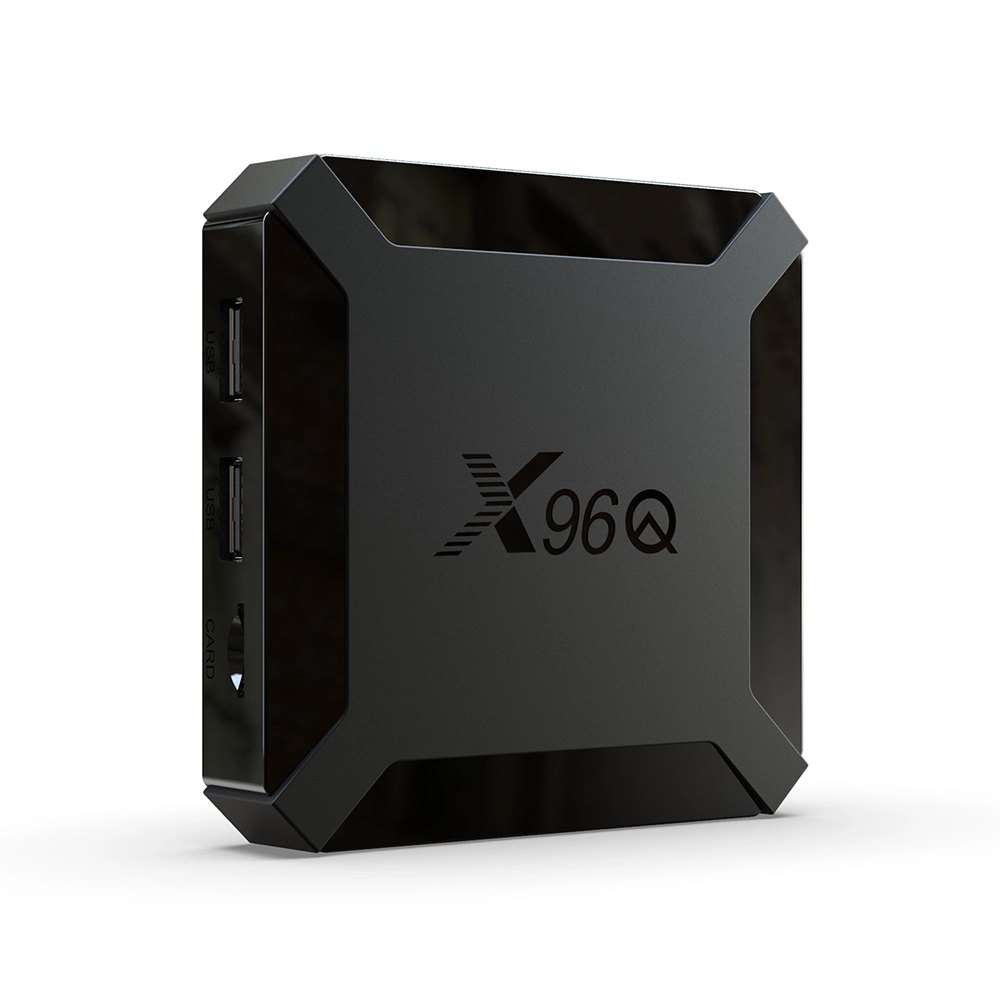
What is the Set-Top Box (STB) device on TV?
What is the Set-Top Box (STB) Device on TV? Enterprise Hardware Architecture and Customization Guide
Broadband infrastructure expansion and the transition to high-efficiency video codecs like AV1 and VVC have fundamentally redefined the role of the Set-Top Box (STB). Where legacy STBs functioned primarily as closed broadcast descramblers, modern IP-enabled STBs act as edge-computing client nodes. They process complex adaptive bitrate streams, execute hardware-bound Digital Rights Management (DRM) protocols, and render custom middleware interfaces without dropping frames.
For commercial solution providers, hotel system integrators, digital signage network operators, and internet service providers (ISPs), relying on off-the-shelf consumer STBs introduces critical vulnerabilities: thermal throttling under continuous 24/7 playback, rigid I/O configurations, locked bootloaders, and unmanaged background OS processes. Engineering a scalable deployment requires deconstructing the STB at the hardware, firmware, and system layout levels.
1. Architectural Blueprint: The Core Processing Engine of a Modern STB
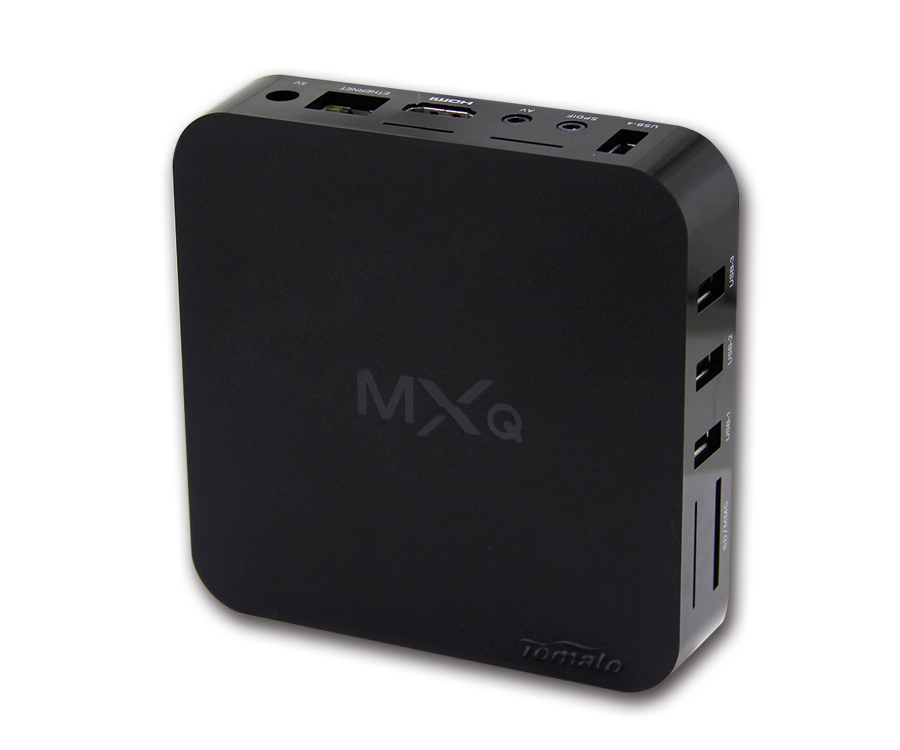
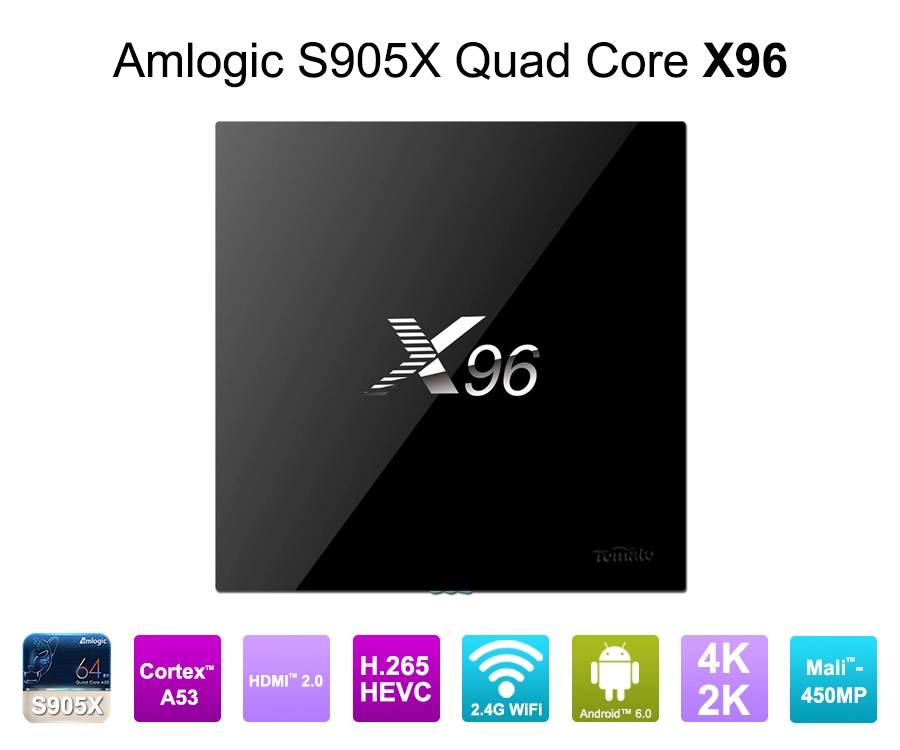
A Set-Top Box is a specialized embedded computing system designed to receive, demux, decode, and render encrypted digital media streams onto a display device. In an enterprise IPTV, OTT, or hybrid deployment model, the STB functions across four distinct hardware and software layers:

Key Hardware Subsystems inside an Enterprise STB:
-
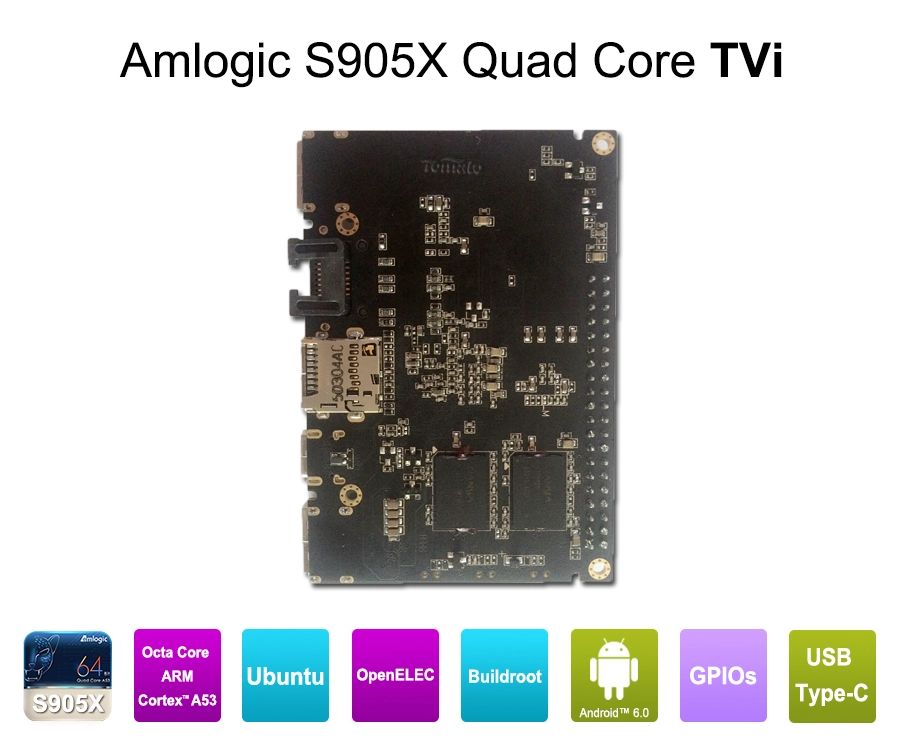
System-on-Chip (SoC): The main compute engine, integrating multi-core ARM Cortex CPUs, dedicated GPUs, and hardware-level Video Processing Units (VPUs) for native AV1, H.265 (HEVC), and VP9 hardware decoding at 4K@60fps or 8K resolutions.
-
Trusted Execution Environment (TEE): A hardware-isolated security zone within the SoC that stores encryption keys, manages HDCP 2.3 handshakes, and runs Widevine L1 or PlayReady pipelines to ensure content protection compliance.
-
Memory Architecture: High-throughput LPDDR4/4X RAM paired with industrial eMMC 5.1 storage, configured specifically to eliminate frame buffering delays during fast channel switching (zapping time < 0.8 seconds).
2. PCBA Layout, Thermal Engineering, and Hardware Customization
Retail streaming hardware is engineered for light household use, assuming intermittent runtimes and well-ventilated home environments. Commercial STB deployments—such as digital signage networks, transportation terminals, and hospitality TV systems—demand continuous 24/7 operational stability across variable ambient temperatures.

Custom PCBA Trace Design & I/O Integration
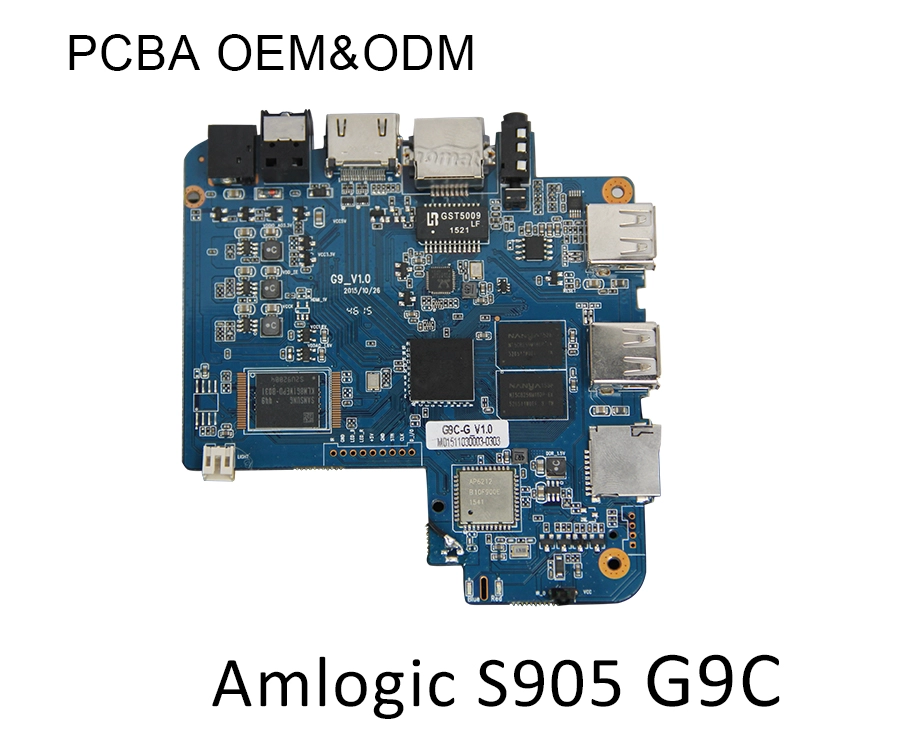
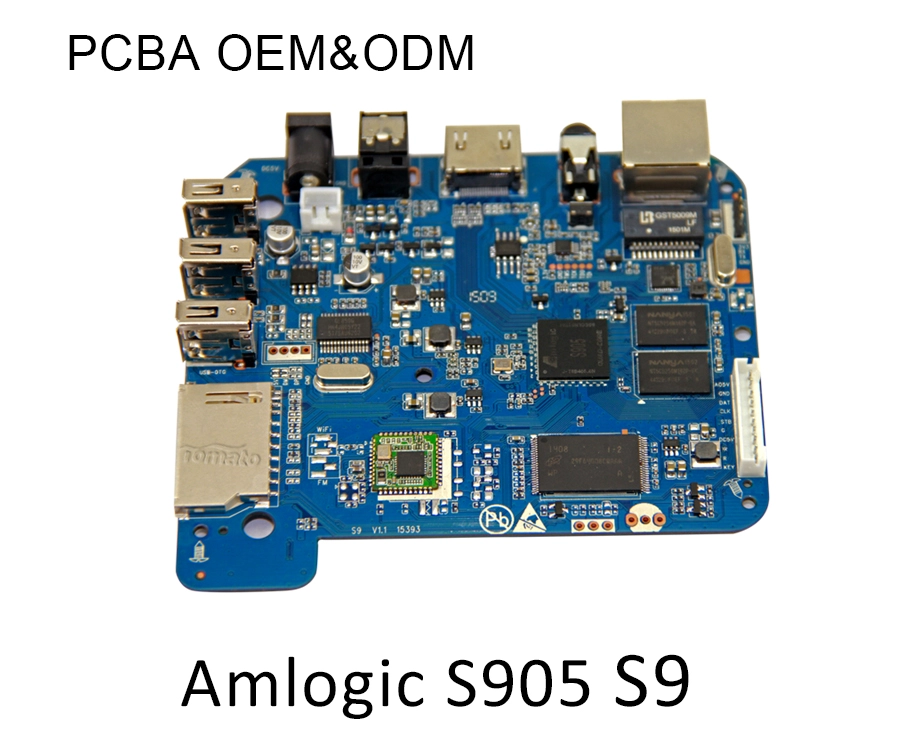
Modifying the Printed Circuit Board Assembly (PCBA) layout allows commercial operators to eliminate external converters, dongles, and unnecessary points of failure. Specialized PCBA engineering includes:
-
Power over Ethernet (PoE): Integrating IEEE 802.3at/af PoE modules directly onto the board, supplying power and gigabit network connectivity through a single RJ45 cable to simplify wall-mounted or ceiling-mounted installations.
-
Legacy Control Interfaces: Tracing onboard RS-232 serial headers or GPIO pins directly into the main board layout to interface with external room control systems, commercial display triggers, or sensor inputs.
-
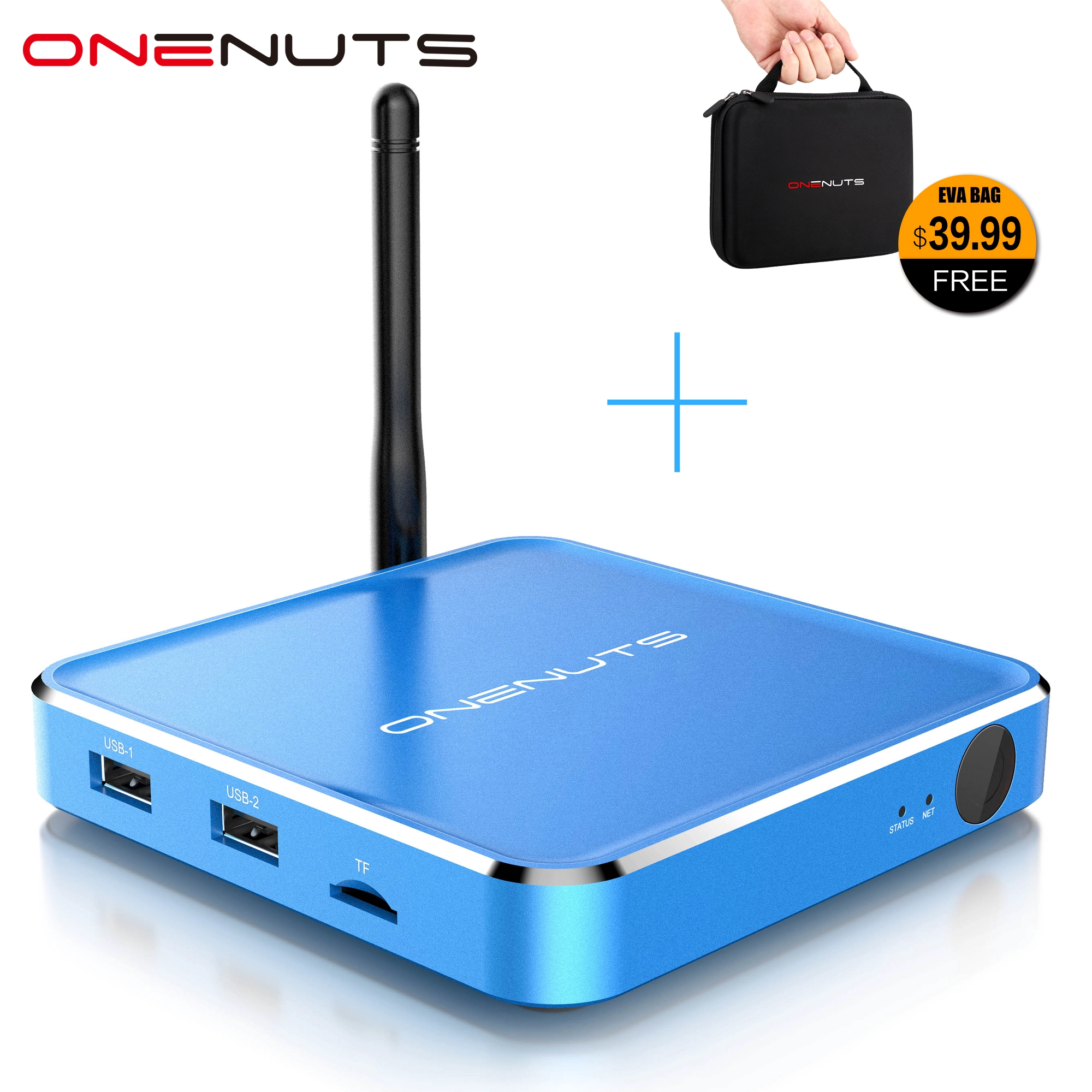
Robust RF Architecture: Customizing onboard Wi-Fi 6 / Bluetooth module layouts with dedicated SMA external antenna ports to maintain signal integrity within dense metal enclosures or crowded equipment racks.
Industrial Thermal Dynamics
When an SoC operates under full AV1 4K decoding loads, thermal generation can quickly trigger dynamic voltage and frequency scaling (DVFS), resulting in dropped frames and system lag. Enterprise STB hardware replaces basic sheet-metal heat spreaders with custom-milled aluminum heatsinks coupled to high-conductive thermal interface materials (TIM). This thermal architecture transfers heat directly to an aluminum alloy chassis, keeping operational junction temperatures well below critical thresholds without noisy active cooling fans.
3. Firmware Customization: Deep System Kernel Tuning & Security Lockdown
Hardware performance relies directly on lower-level OS execution. Achieving fast boot times, locked user environments, and zero-maintenance operation requires stripping away consumer-centric OS bloat and modifying the underlying Linux kernel or Android Open Source Project (AOSP) code.

System-Level Customization Scope
-
Boot Time Optimization: Removing unnecessary system services, drivers, and startup daemons to reduce cold boot times to under 10 seconds. The STB can display a custom boot animation, corporate branding, or immediately launch directly into a live multicast channel.
-
Kiosk Mode & OS Lockdown: Restricting end-user access to native OS settings, file systems, or application stores. The custom launcher locks the device into the operator's primary middleware client or digital signage app, preventing unauthorized tampering.
-
Low-Level Watchdog Daemons: Integrating background hardware watchdog processes that continuously monitor memory utilization, network connectivity, and application responsiveness. If a middleware crash or network freeze is detected, the watchdog executes an silent application restart or soft reboot without manual intervention.
-
Private Encrypted OTA Updating: Provisioning custom Over-The-Air (OTA) update servers with delta-patching capability. Operators can push secure firmware revisions, system updates, and security patches across large device fleets simultaneously without requiring physical device access.
4. B2B Selection Matrix: Tailoring Hardware Specs to Technical Use Cases
Different B2B deployment environments demand distinct trade-offs between chip processing power, memory speed, and physical port selections:
| Application Environment | Recommended SoC Architecture | Memory & Flash | Key Hardware & Firmware Features |
|---|---|---|---|
| Hospitality & Hotel IPTV | Amlogic S905X4 | 2GB - 4GB LPDDR4 / 16GB eMMC | Onboard PoE support, RS-232 serial control, Widevine L1 DRM, automated guest data wipe on reboot, custom branded UI launcher. |
| 24/7 Digital Signage | Amlogic S928X / Rockchip RK3588 | 4GB - 8GB LPDDR4 / 32GB - 64GB eMMC | Dual HDMI output (HDMI 2.1 8K), hardware portrait mode rotation, industrial passive thermal design, onboard Real-Time Clock (RTC) for scheduled wake/sleep cycles. |
| Telecom & ISP STB | Amlogic S905Y4 / S905X4 | 2GB LPDDR4 / 8GB - 16GB eMMC | Native AV1 codec decoding, TR-069 / TR-369 remote management protocol support, custom operator UI build, HDCP 2.3 hardware encryption. |
Partnering with an Enterprise OEM/ODM Hardware Manufacturer
Deploying specialized IPTV, OTT, or digital signage networks requires moving beyond rigid consumer hardware platforms. Success relies on partnering with a manufacturer capable of executing hardware modifications, firmware optimizations, and low-level board engineering under one roof.
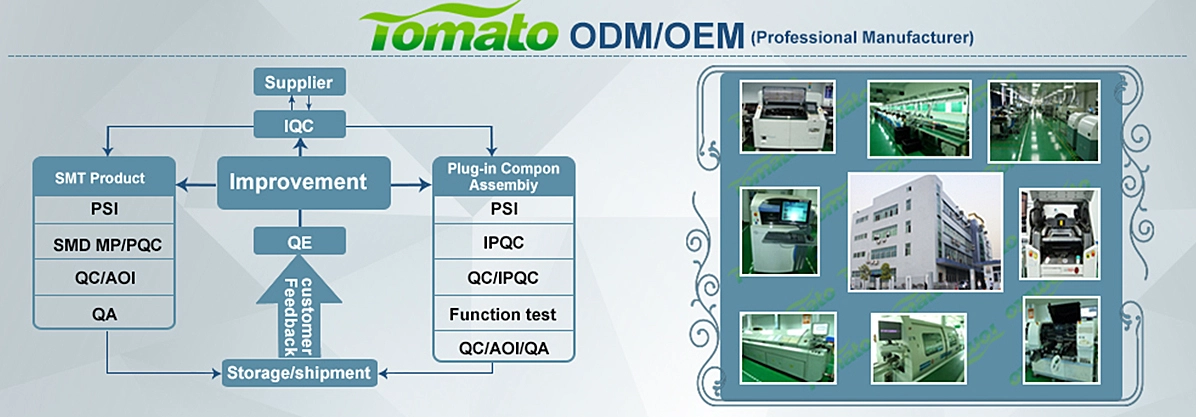
SZTomato delivers tailored OEM/ODM Set-Top Box solutions engineered around your exact software specifications and commercial deployment environments. Backed by 16 years of technical expertise in cross-border B2B electronics manufacturing, we provide comprehensive customization across the complete engineering cycle:
-
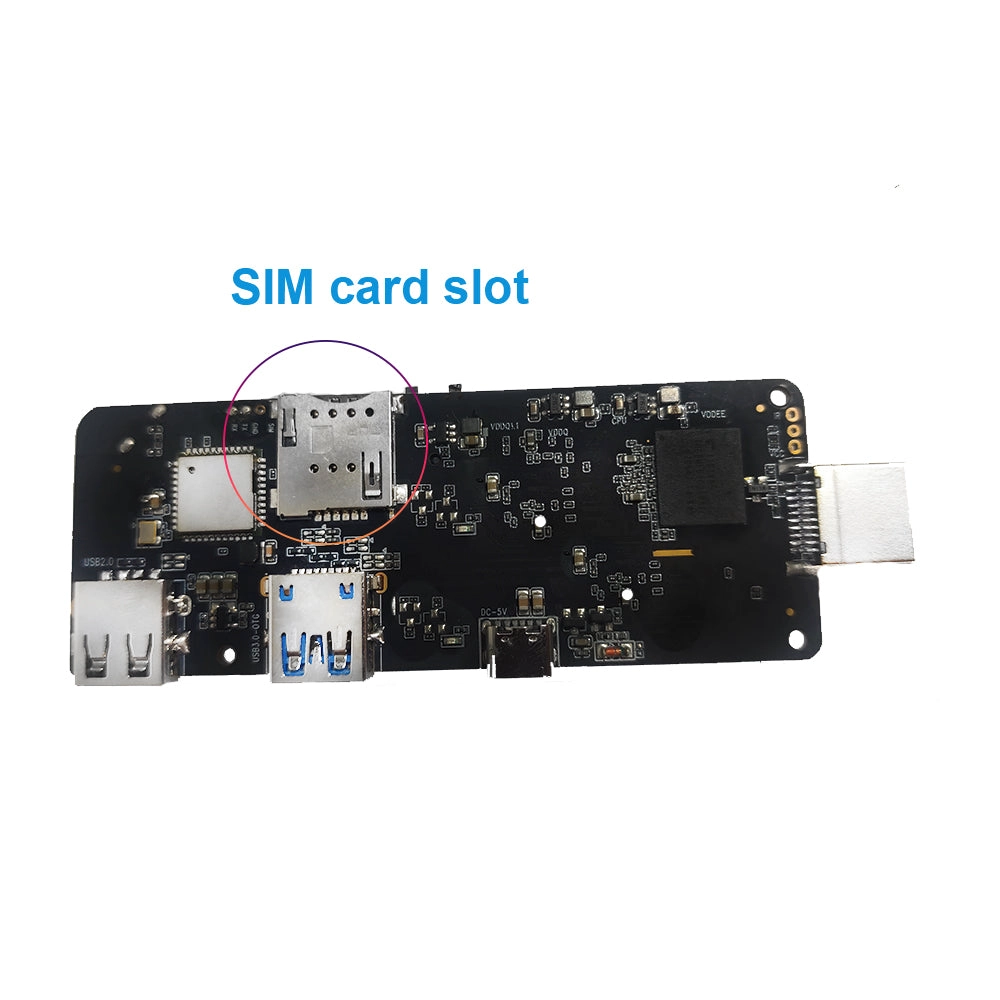
Hardware & PCBA Engineering: Custom PCB layouts, industrial thermal heatsink architectures, custom port integration (PoE, RS-232, SIM sockets, Optical), and custom enclosure tooling.
-
Firmware & SDK Engineering: Custom Linux and AOSP kernel builds, hardware control API integration, pre-configured application lock-down, custom boot animations, and private OTA server deployment.
-
Compliance & Security Management: Secure Boot integration, HDCP 2.3 implementation, and DRM compliance (Widevine L1, PlayReady).
Scale Your Enterprise STB Deployment
Eliminate the constraints of generic retail hardware. Contact our engineering team today to review custom PCBA designs, request engineering samples, or discuss custom firmware integration for your upcoming project.
-
Website: www.sztomato.com
-
Engineering & Procurement Inquiries: Contact SZTomato Technical Sales
