

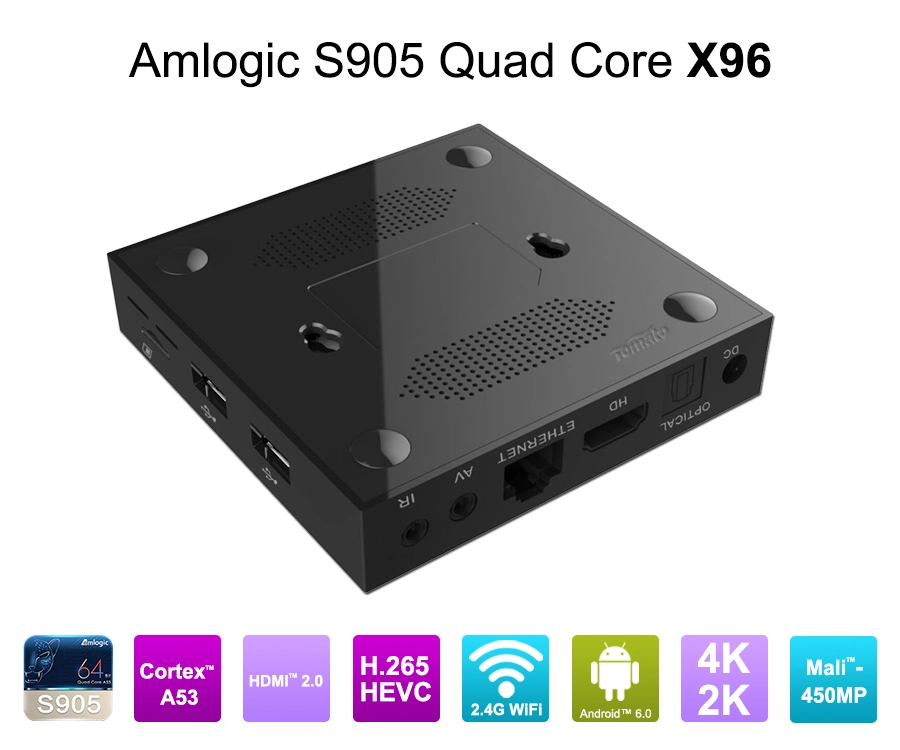
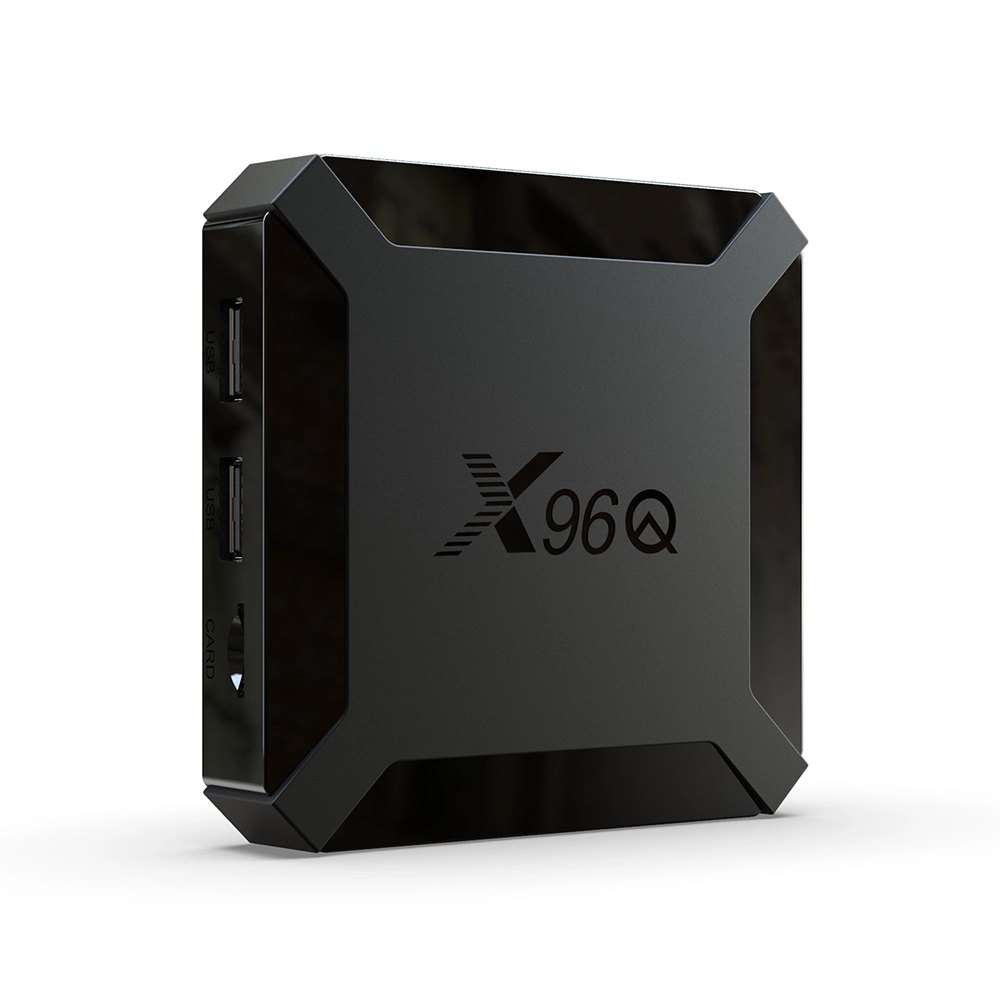
What is the OTT TV Box in IPTV?
What is the OTT TV Box in IPTV? Architecting Custom Hardware for Enterprise Middleware
The transition toward high-efficiency codecs like AV1 and VVC, combined with strict DRM enforcement (Widevine L1, PlayReady), has changed the requirements for hardware deployment in the IPTV and OTT space. Off-the-shelf consumer streaming devices frequently fall short in commercial environments due to aggressive thermal throttling, locked bootloaders, unoptimized RAM allocations, and lack of peripheral I/O support.
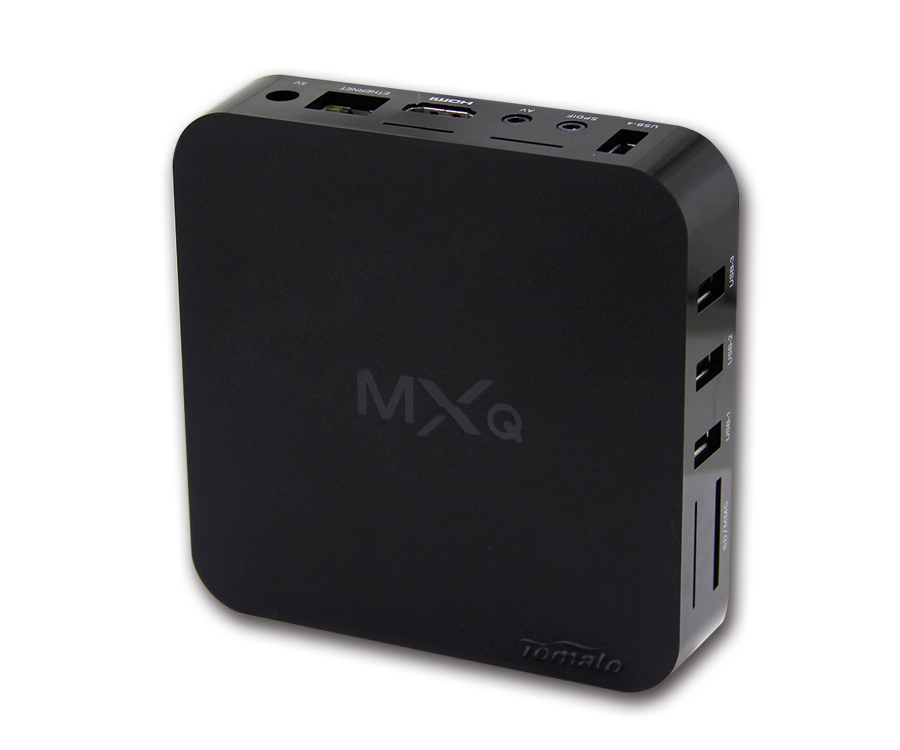
For system integrators, internet service providers (ISPs), and commercial solution providers, an OTT TV Box within an IPTV architecture serves as the critical client-side processing node. It bridges raw IP data streams with user-facing middleware, translating complex, encrypted transport streams into low-latency video outputs.
1. Deconstructing the Architecture: OTT vs. IPTV at the Endpoint
While pure IPTV relies on managed, closed IP networks prioritizing Quality of Service (QoS) via IGMP multicast, OTT delivers unmanaged media over public internet infrastructure using adaptive bitrate streaming (HLS, DASH). Modern commercial deployments increasingly demand a hybrid approach: utilizing OTT delivery mechanisms while maintaining the control, speed, and branding of a traditional IPTV ecosystem.

At the center of this topology, the OTT TV Box handles several critical compute-intensive tasks:
-
Stream Demuxing & Decoding: Hardware-level processing of AV1, H.265 (HEVC), and VP9 profiles at 4K@60fps or 8K resolutions.
-
Conditional Access & DRM: Hardware Root of Trust executing Widevine L1, PlayReady, or Verimatrix decryption within a Trusted Execution Environment (TEE).
-
Middleware Rendering: Running custom Android (ATV / AOSP) or Linux-based middleware layers (Stalker, Ministra, custom Flutter/React Native clients) with zero frame drops.
2. Hardware Engineering: Silicon, Thermal Dynamics, and PCBA Customization
Standard retail media players are designed for bursty, household consumption—typically 2 to 4 hours of continuous playback. Enterprise IPTV systems in hospitality, digital signage, and healthcare require 24/7 continuous operation under varying ambient temperatures.

Silicon & System-on-Chip (SoC) Selection
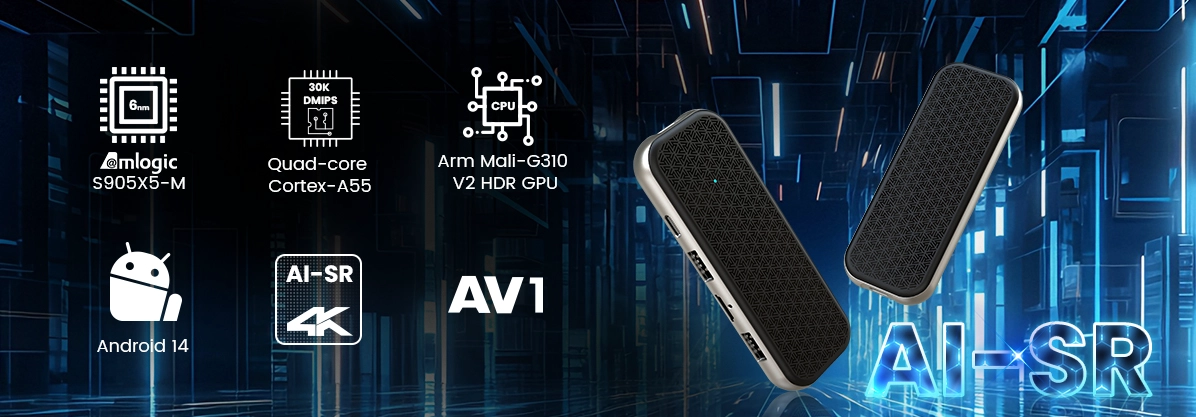
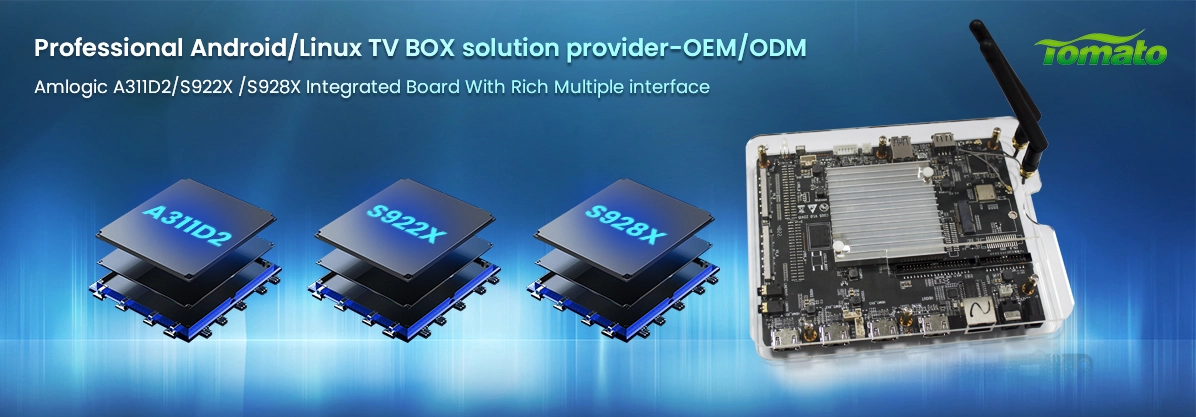
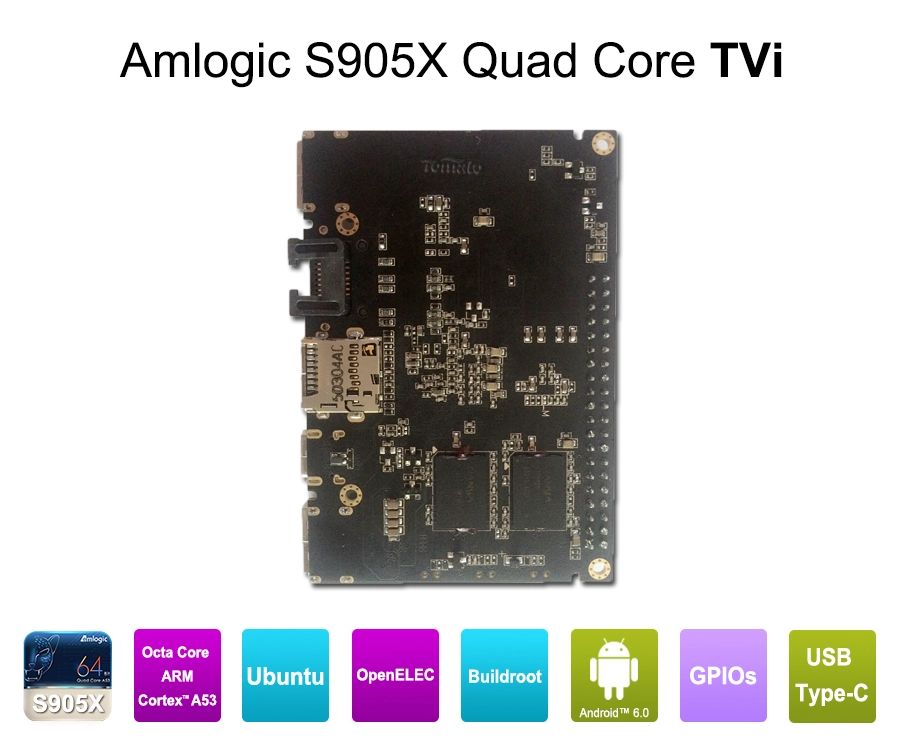
The core processing capabilities depend heavily on SoC selection. High-performance SoCs like the Amlogic S905X4 or S928X feature multi-core ARM Cortex-A55/A76 architectures paired with dedicated Neural Processing Units (NPUs). These chipsets provide native AV1 decoding, reducing bandwidth requirements by up to 30% compared to H.265 without sacrificing visual fidelity.
Custom PCBA Layout & Industrial Thermal Design
To maintain system stability and prevent thermal throttling, hardware engineering must extend to the PCBA design:
-
Thermal Mitigation: Replacing basic stamped metal plates with custom CNC-machined aluminum heatsinks or conductive thermal pads linked directly to an aluminum alloy enclosure.
-
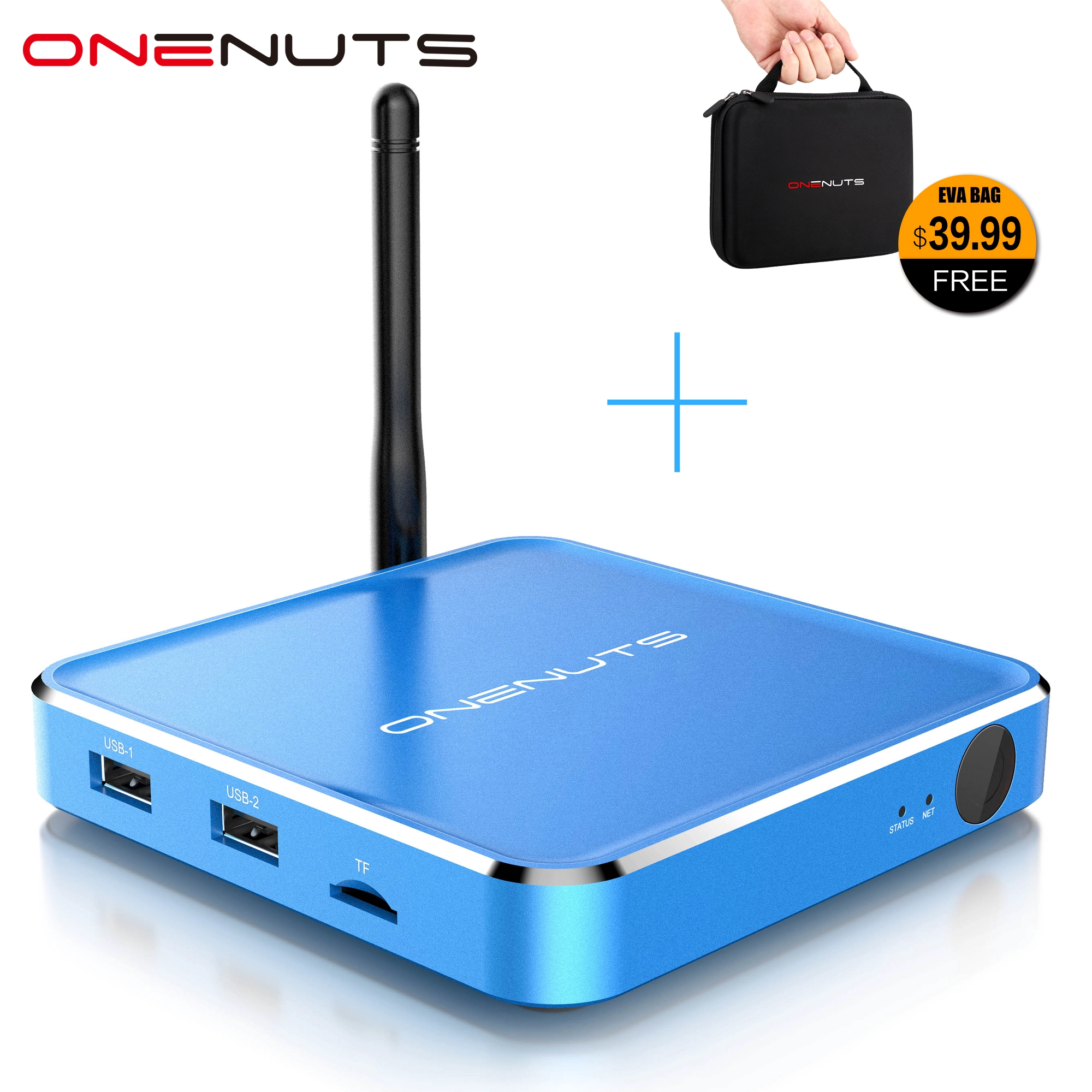
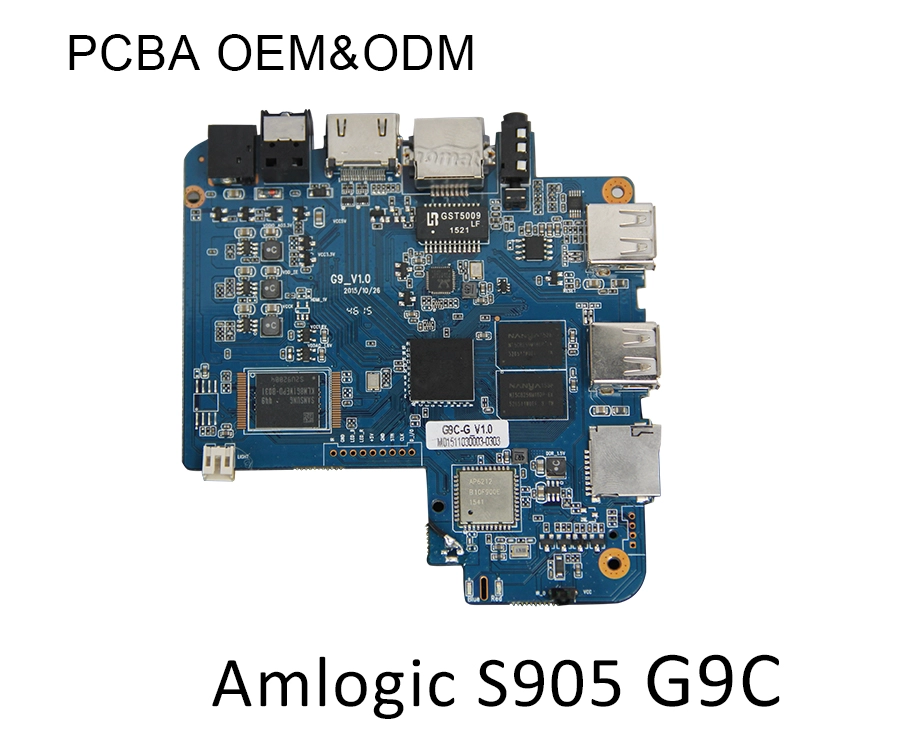
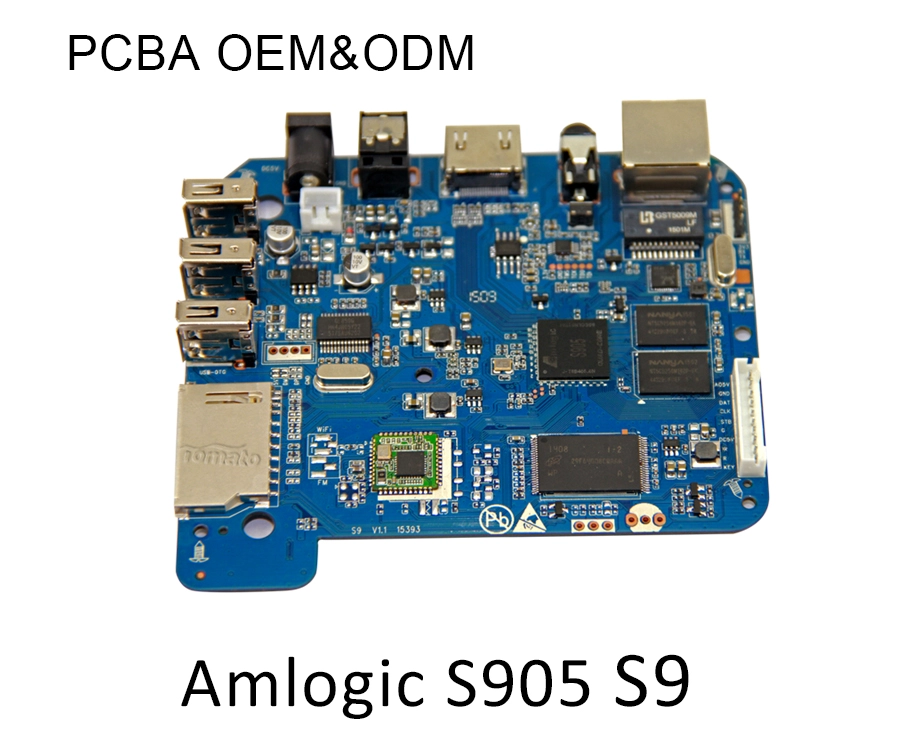
Custom I/O Configurations: Modifying the PCBA trace layout to integrate legacy RS-232 serial ports for central control systems, gigabit Ethernet with Power over Ethernet (PoE) modules to eliminate external power bricks, dual-band Wi-Fi 6 modules with external SMA antenna mounts, and dedicated GPIO headers for industrial triggers.
3. Firmware Engineering: Deep Kernel Optimization and Security
Hardware is only as performant as the software driving it. Achieving fast boot times, low memory consumption, and seamless UI rendering requires deep Android system-level and Linux kernel customization.

System-Level Customization Scope
-
Boot Sequence Optimization: Stripping non-essential Android framework services to reduce cold boot times to under 12 seconds, presenting a branded boot animation or live stream channel immediately upon power-on.
-
Kiosk Mode & App Locking: Hardening the OS to prevent end-users from exiting the primary IPTV client, accessing settings menus, or sideloading unauthorized applications.
-
Watchdog & Self-Healing Services: Integrating low-level system daemons that monitor memory leaks, app crashes, or network dropouts, automatically restarting middleware services without requiring manual reboot cycles.
-
Custom OTA (Over-The-Air) Server Integration: Building private, encrypted OTA update channels to allow system operators to push firmware patches, security updates, and feature upgrades across thousands of deployed endpoints simultaneously.
4. B2B Deployment Matrix: Matching Specifications to Use Cases
Different commercial applications require distinct balance points between processing capability, power consumption, and physical connectivity:
| Deployment Scenario | Recommended SoC | RAM / Storage | Key Hardware/Firmware Requirements |
| Hospitality & Hotel IPTV | Amlogic S905X4 | 2GB - 4GB / 16GB | PoE support, RS-232 integration, Widevine L1 DRM, auto-clearing user data on checkout, custom branded launcher. |
| 24/7 Digital Signage | Amlogic S928X / Rockchip RK3588 | 4GB - 8GB / 32GB - 64GB | Dual-display output (HDMI 2.1), portrait mode orientation rendering, industrial passive/active cooling, RTC (Real-Time Clock) for scheduled power cycles. |
| ISP / Telecom STB | Amlogic S905Y4 / S905X4 | 2GB / 8GB - 16GB | AV1 codec decoding, TR-069 / TR-369 remote management protocol support, custom operator UI, HDCP 2.3 compliance. |
Technical Hardware Partnership & OEM/ODM Engineering
Deploying enterprise IPTV infrastructure requires hardware partners who understand the mechanics of firmware-level modification and low-level engineering.
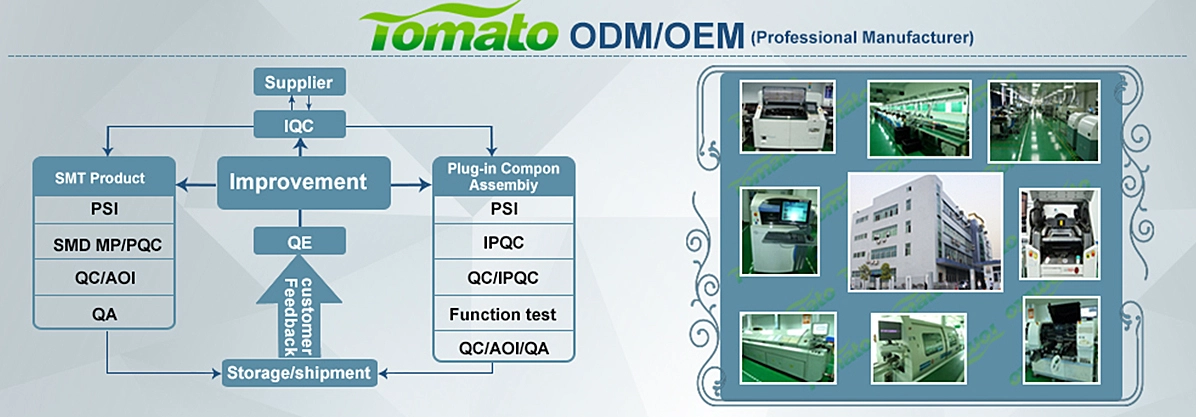
SZTomato delivers tailored OEM/ODM hardware solutions designed around your specific software stack. With 16 years of expertise in cross-border B2B electronics manufacturing, we provide full-stack customization across the product lifecycle:
-
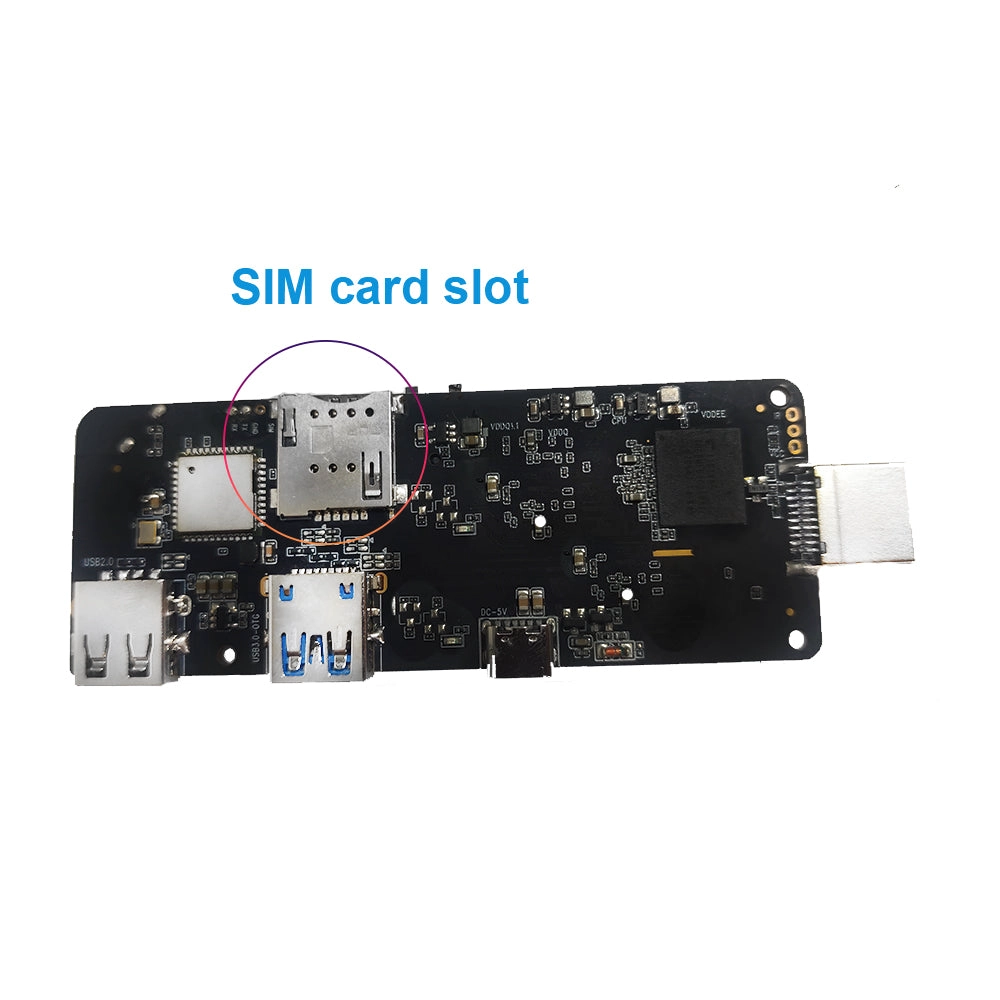
Hardware & PCBA Engineering: Custom PCB layouts, specialized thermal management architectures, custom port additions (PoE, RS232, Optical, SIM slots), and custom enclosure molding.
-
Firmware & SDK Integration: Deep kernel-level optimizations, custom Android/Linux OS builds, integrated API hooks for middleware control, pre-installed client applications, and custom private OTA infrastructures.
-
Security & Compliance: Secure boot implementation, HDCP 2.3 alignment, and DRM integration (Widevine L1, PlayReady).
Accelerate Your IPTV Hardware Deployment
Skip the limitations of generic consumer hardware. Contact our engineering team to discuss your project requirements, request sample units, or review customized PCBA and firmware specifications
