
What is the best way to Google TV Box?
Enterprise Google TV Box Deployment: The Technical Engineering Guide
The transition from standard HEVC streams to bandwidth-efficient AV1 and H.266 (VVC) encoding has altered edge computing requirements for OTT operators and commercial system integrators. While AV1 cuts network egress costs by up to 30%, processing high-bitrate 4K60 media streams under Widevine L1 or PlayReady SL3000 DRM hardware security imposes continuous thermal and processing strain on client-side silicon.
Deploying consumer-grade Google TV dongles in 24/7 commercial operations introduces severe operational risks: unmanaged automatic OS updates, missing physical I/O interfaces, lack of serial telemetry, and aggressive thermal throttling. Achieving enterprise reliability requires a tailored engineering strategy that aligns Google's platform stack with custom hardware, optimized board layouts, and private device management.
1. Silicon & DRM Architecture: Optimizing SoC Pipelines for Enterprise Streaming
The core efficiency of a commercial Google TV Box depends on matching the System-on-Chip (SoC) architecture with hardware-enforced Conditional Access Systems (CAS) and Digital Rights Management (DRM) pipelines.
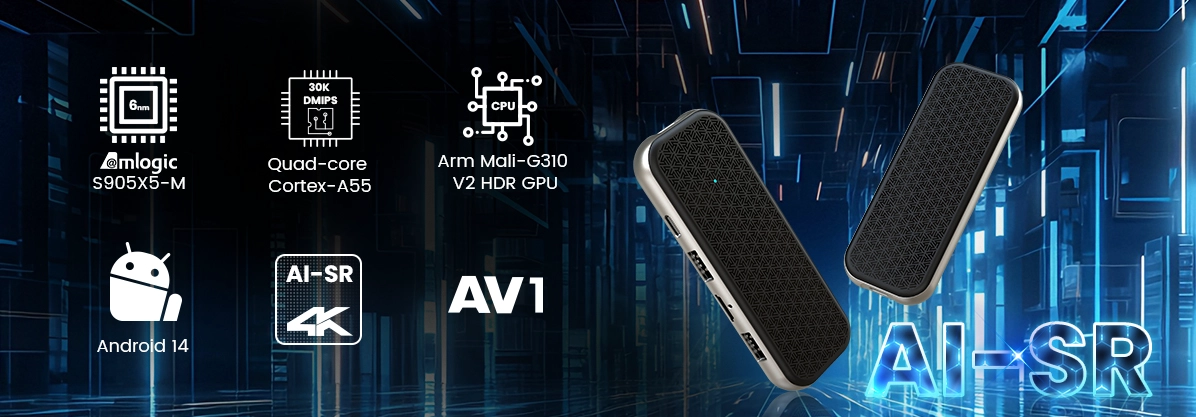
Silicon Selection: Amlogic S905X5 Benchmark
For high-density video networks, the Amlogic S905X5 SoC represents a major generational jump over legacy 12nm processors:
-
Lithography & Efficiency: Built on TSMC's 6nm process node, the quad-core ARM Cortex-A510 CPU architecture reduces overall power draw by ~30% compared to previous Cortex-A55 implementations. This low TDP (Thermal Design Power) prevents thermal runaway during extended 4K playback.
-
Neural Processing Unit (NPU) & AI-SR: Featuring a 4-TOPS integrated NPU, the platform executes AI-based Super Resolution (AI-SR) at the edge. Lower-resolution 1080p source streams are upscaled to near-4K visual fidelity locally without increasing server-side encoding overhead.
-
Multi-Codec Decoding: Hardware pipelines natively process AV1, VP9, HEVC, and emerging H.266 (VVC) formats at 4K60, ensuring long-term codec compatibility across evolving CDN topologies.
DRM & Hardware Trust Zones
Commercial OTT deployments require strict content protection. Enterprise hardware integrates dedicated hardware security modules (HSM) supporting:
-
Widevine L1 & PlayReady SL3000: Decryption keys are processed entirely within the ARM TrustZone Trusted Execution Environment (TEE), shielding decrypted video buffers from memory-scraping vectors.
-
HDCP 2.3 Encryption: Native HDMI 2.1b controllers enforce hardware-level copy protection across 4K displays.
2. PCBA Hardware Tailoring & Industrial Thermal Engineering
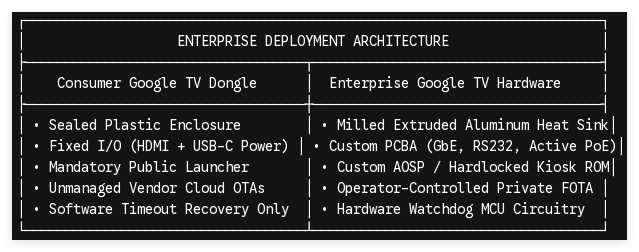
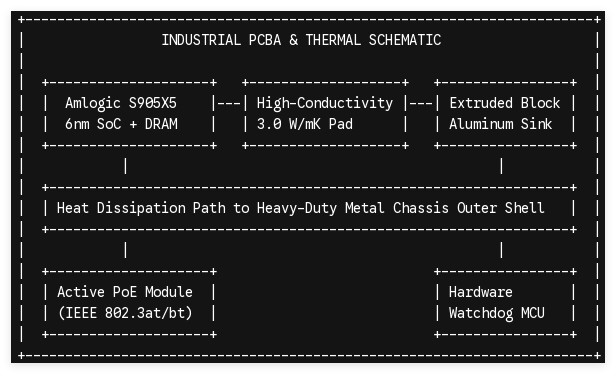
Off-the-shelf consumer devices prioritize ultra-low BOM costs, relying on minimal copper PCB layers and thin sheet-metal heat spreaders. Under continuous 100% video decoding loads inside enclosed kiosk housings or behind display panels, SoC temperatures can exceed critical thresholds, triggering downclocking and dropped frames.
Custom PCBA Modifications
At SZTomato, hardware design is modified directly at the board assembly level:
-
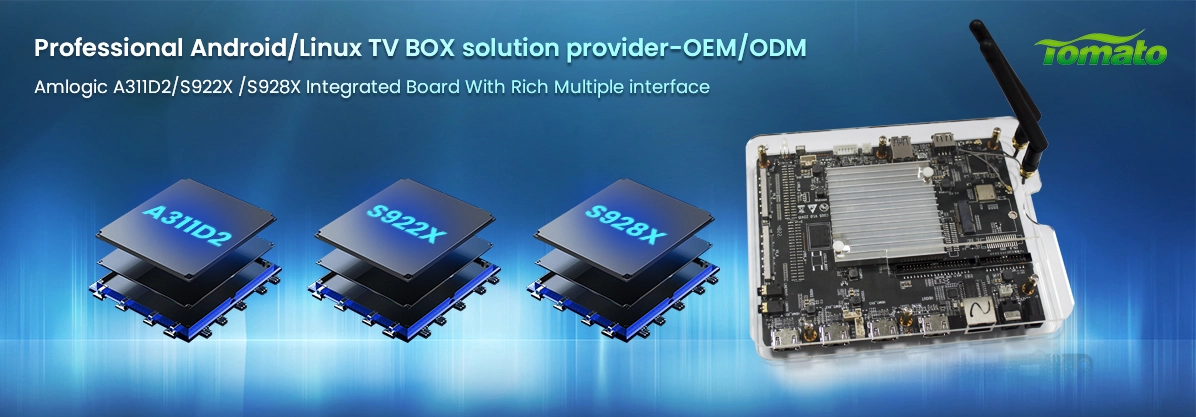
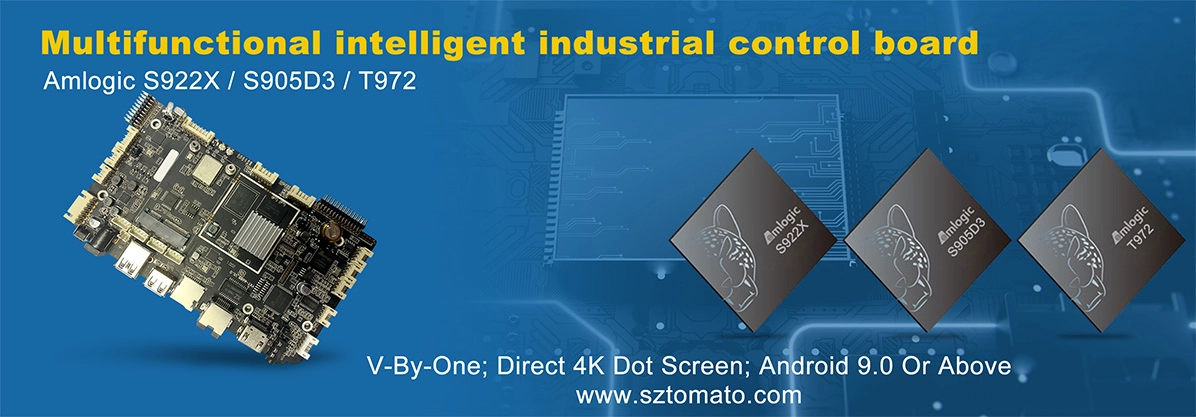
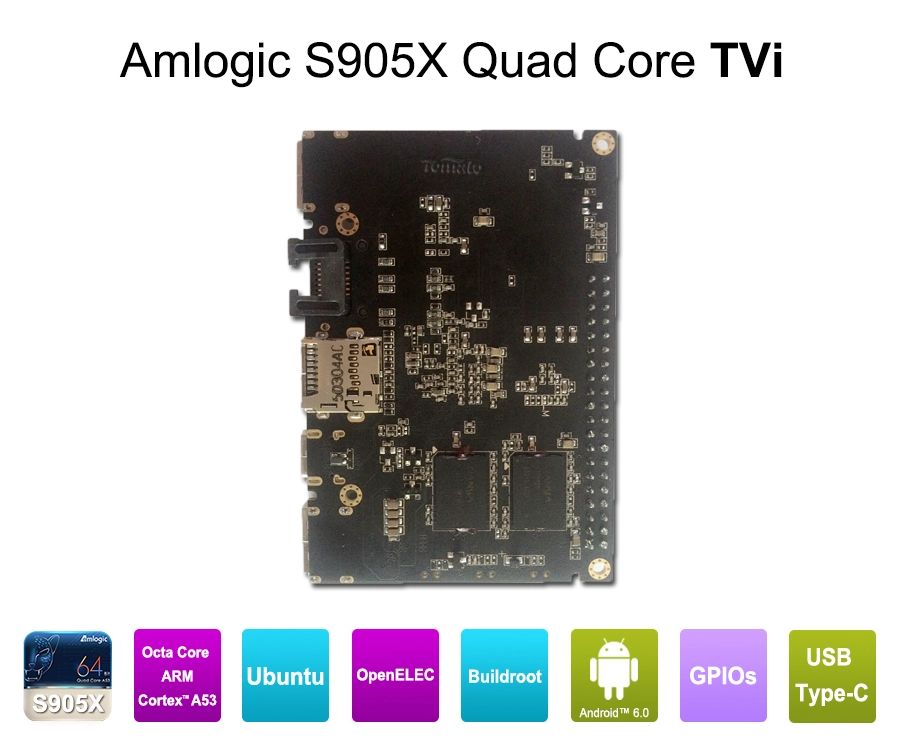
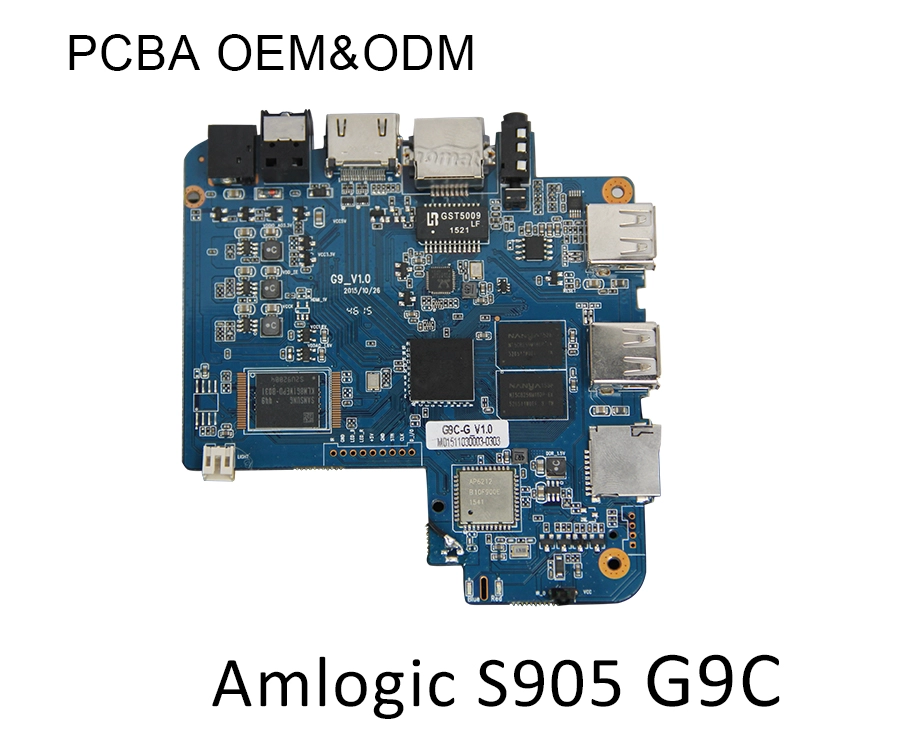
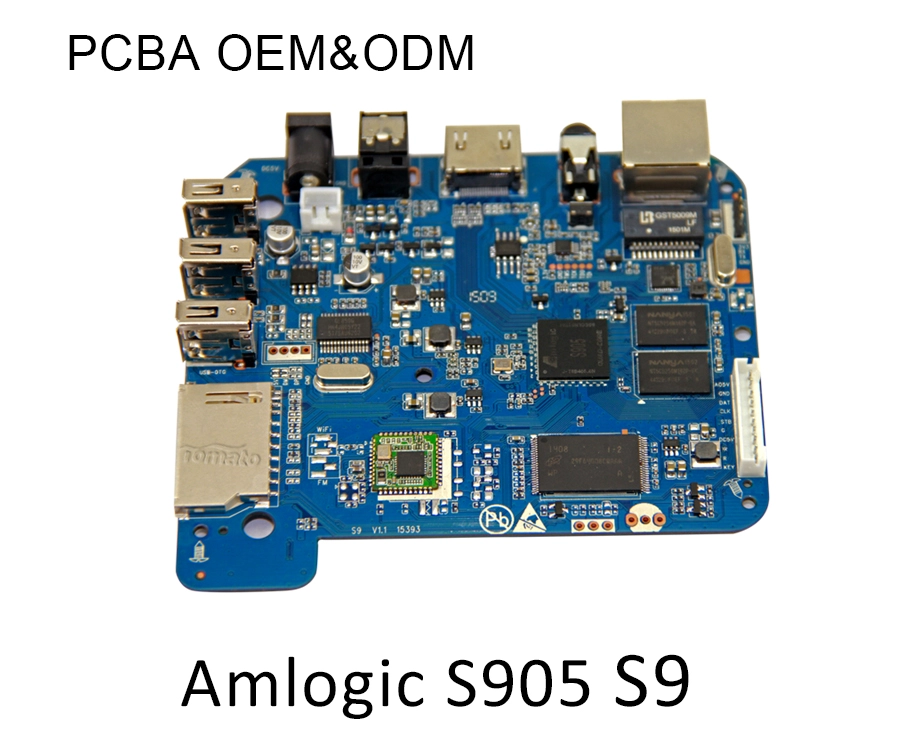
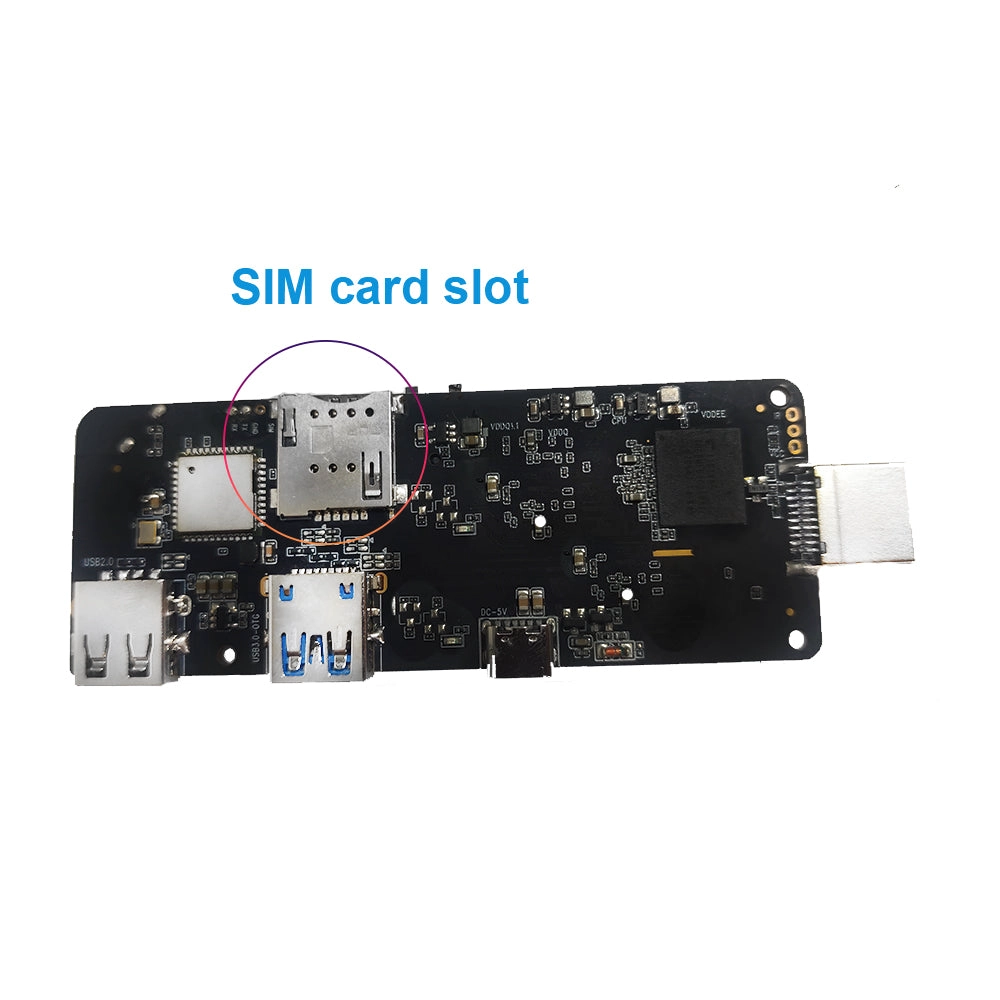
Physical Interface Routing: Standard boards are modified to integrate physical Gigabit Ethernet (RJ45) ports, onboard RS-232/RS-485 serial headers for panel control, and custom GPIO pins for external sensors.
-
Power over Ethernet (PoE): Integrating active IEEE 802.3at/bt PoE daughterboards onto the PCBA allows a single Cat6 cable to transmit both 1000Mbps data and operational DC power, cutting electrical installation expenses in commercial buildings.
-
Hardware Watchdog Timers: To prevent silent network failures, dedicated microcontrollers (MCUs) are embedded directly onto the board. If the main operating system kernel fails to send a heartbeat ping within a designated timeframe (e.g., 30 seconds), the MCU executes a hardware-level power cycle.
Industrial Passive Cooling
Replacing generic thin heat spreaders with custom-milled, heavy-gauge extruded aluminum heat sinks coupled via 3.0 W/mK thermal interface pads allows heat to transfer directly to the outer chassis. This passive cooling architecture keeps SoC die temperatures below 60°C in elevated ambient environments (up to 45°C), ensuring silent, 24/7 continuous operation without moving mechanical fans.
3. Firmware Engineering: Hardened ROMs, Kiosk Modes, and Private FOTA
To maintain service stability, operators must control the software environment rather than accepting standard consumer Google TV launcher updates.
| Deployment Vector | Standard Consumer Google TV | Enterprise Customized AOSP / GTVS |
|---|---|---|
| User Interface | Ad-supported public launcher | Custom branded launcher / Direct boot Kiosk Mode |
| System Rooting | Locked bootloader; no root access | Configurable root access (Silent / SuperSU toggles) |
| System Updates | Public Google cloud; forced automatic pushes | Private operator FOTA server; staged canary rollouts |
| Fleet Telemetry | Restricted end-user metrics | Native TR-069, TR-181, or MQTT telemetry agents |
| App Sideloading | ADB restricted; Play Store validation | Silent background APK installation via custom MDM |
Deep Kernel Optimization & Lockdown
Software engineering teams customize the Android OS build at the source-code level:
-
System Bloatware Removal: Disabling unneeded Google background daemons, consumer tracking services, and play frameworks frees up over 1.5 GB of system RAM for local media buffering and application execution.
-
Hardlocked Kiosk Mode: Modifying the boot image forces the system to load directly into your proprietary IPTV app or digital signage rendering engine in under 15 seconds. Status bars, navigation overlays, and system settings menus are fully suppressed.
-
Private FOTA Orchestration: OS and application updates are managed through private, client-owned FOTA servers. Integrators can test firmware builds internally before executing silent, scheduled background updates across specific subnets or geographic device groups.
Architectural Comparison Matrix
| Technical Metric | Consumer Retail Streaming Dongle | SZTomato OEM/ODM Enterprise Platform |
|---|---|---|
| Base Processor | Low-cost 12nm / 28nm SoCs | Amlogic S905X4 / S905X5 / Rockchip RK3588 |
| Thermal Dissipation | Stamped Sheet Metal / Thin Plastic Shell | Extruded Aluminum Block Sink + Chassis Thermal Coupling |
| I/O Capabilities | Single HDMI Output + Micro-USB Power | Gigabit LAN, Dual Band Wi-Fi 6, RS232, GPIO, Micro-SD |
| System Recovery | Basic Software Reboot Handler | Hardware Watchdog MCU Timer Circuitry |
| Firmware Ownership | Locked Consumer UI with Ad Injection | Fully White-Labeled, Custom ROM, Private FOTA Control |
| Deployment Lifespan | 12-18 Month Consumer Retail Cycle | 5+ Year Guaranteed Industrial Supply Availability |
Deploy Your Custom Hardware Platform with SZTomato
Engineering a successful commercial streaming or digital signage deployment requires hardware that adapts to your software stack—not software that compromises for consumer-grade retail hardware.
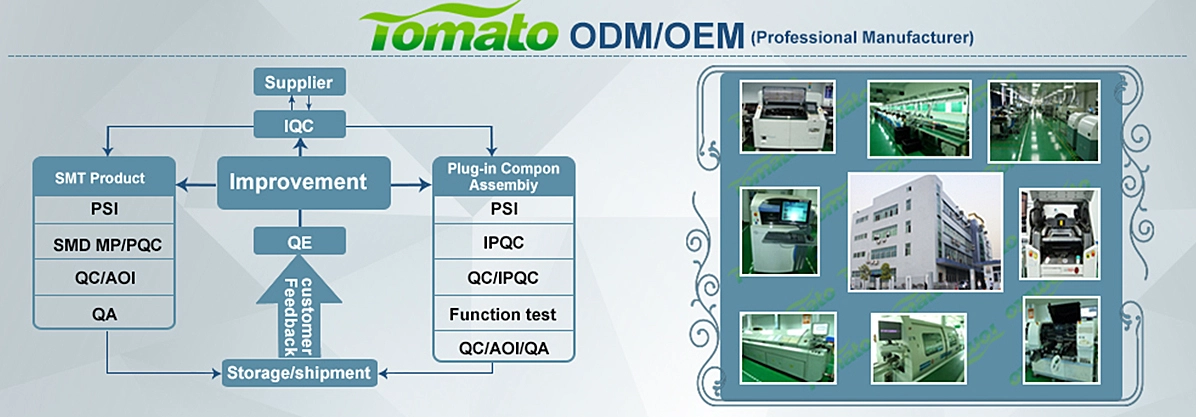
For over 16 years, SZTomato (Shenzhen Tomato Technology Co., Ltd.) has operated as a leading B2B OEM/ODM partner for international telecom operators, system integrators, and commercial hardware brand owners. By combining PCBA hardware modifications, industrial thermal designs, and deep Android kernel engineering, we deliver scalable hardware platforms engineered for continuous operational performance.
Start your hardware project: Visit www.sztomato.com to consult with our engineering architects, request PCBA schematics, or order customized evaluation samples for your upcoming infrastructure rollout.
