
Is there a monthly fee for an OTT TV Box?
Cost Architecture: Demystifying Recurring Fees in Enterprise OTT TV Box Deployments
When purchasing hardware for mid-scale hospitality networks, municipal broadband services, or multi-location commercial displays, procurement teams face conflicting information regarding ongoing costs. Retail consumers often expect that buying an Over-the-Top (OTT) device removes all recurring expenses. However, inside a business-to-business (B2B) ecosystem, the answer to whether an OTT TV Box requires a monthly fee depends heavily on your software stack and content delivery method.
Managing commercial hardware requires separating CapEx (hardware manufacturing and logistics) from OpEx (middleware maintenance, security patches, and bandwidth).
1. The Baseline Hardware Layer: When is an OTT TV Box Fee-Free?
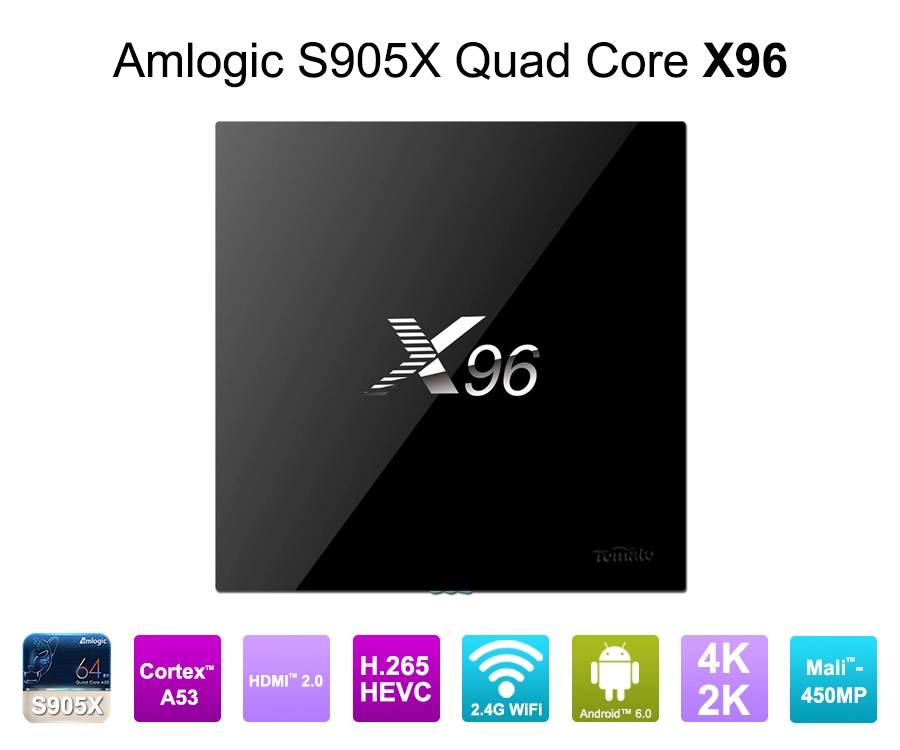
From a purely mechanical and component-level engineering standpoint, a standard OTT TV Box does not have a native, built-in recurring operating fee.
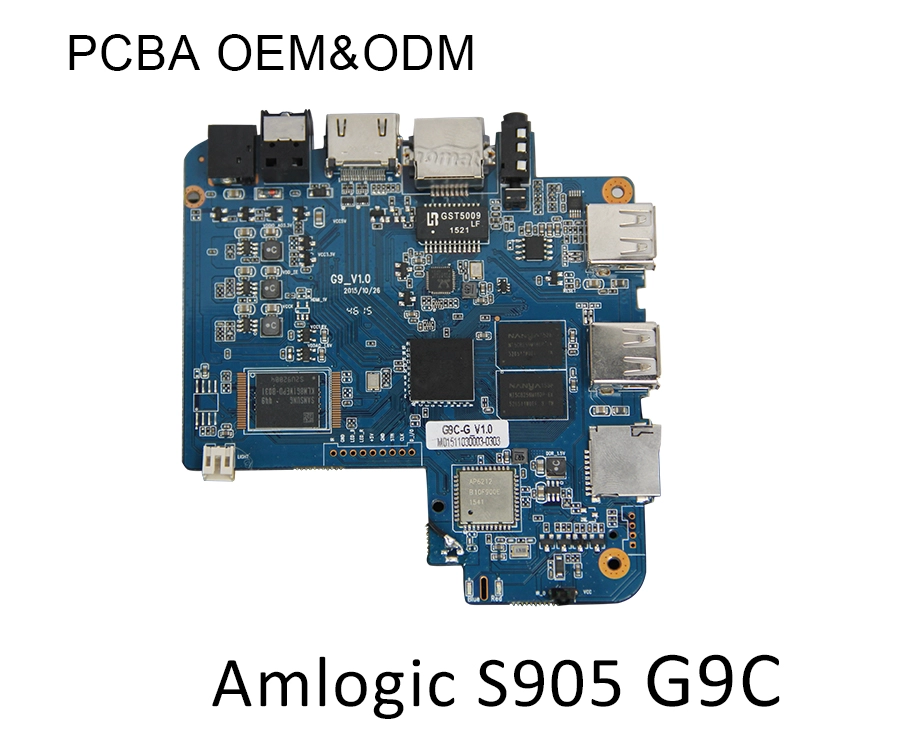
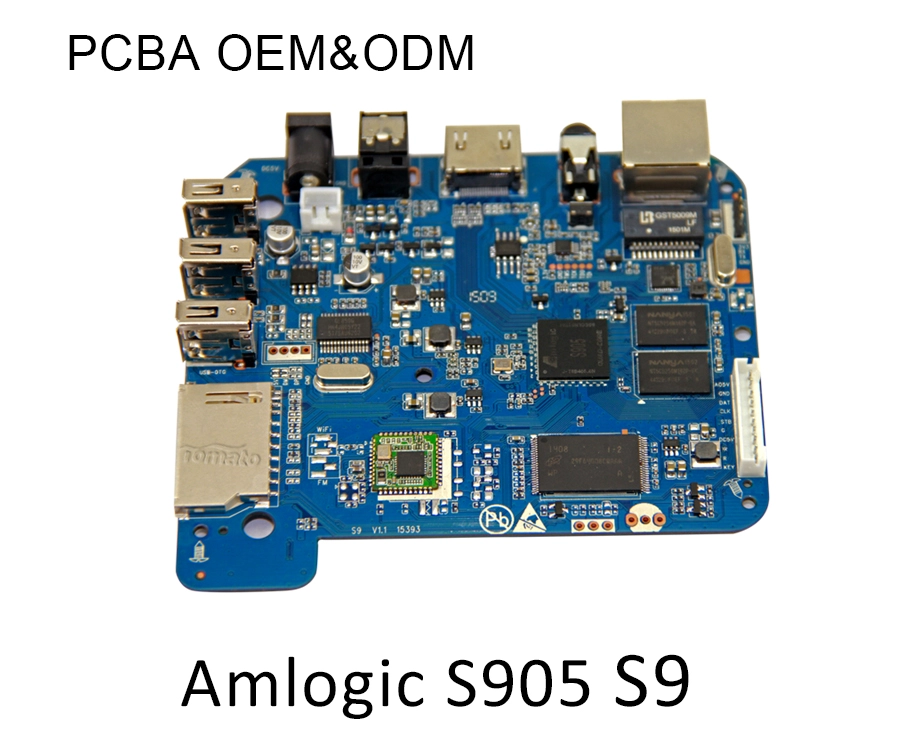
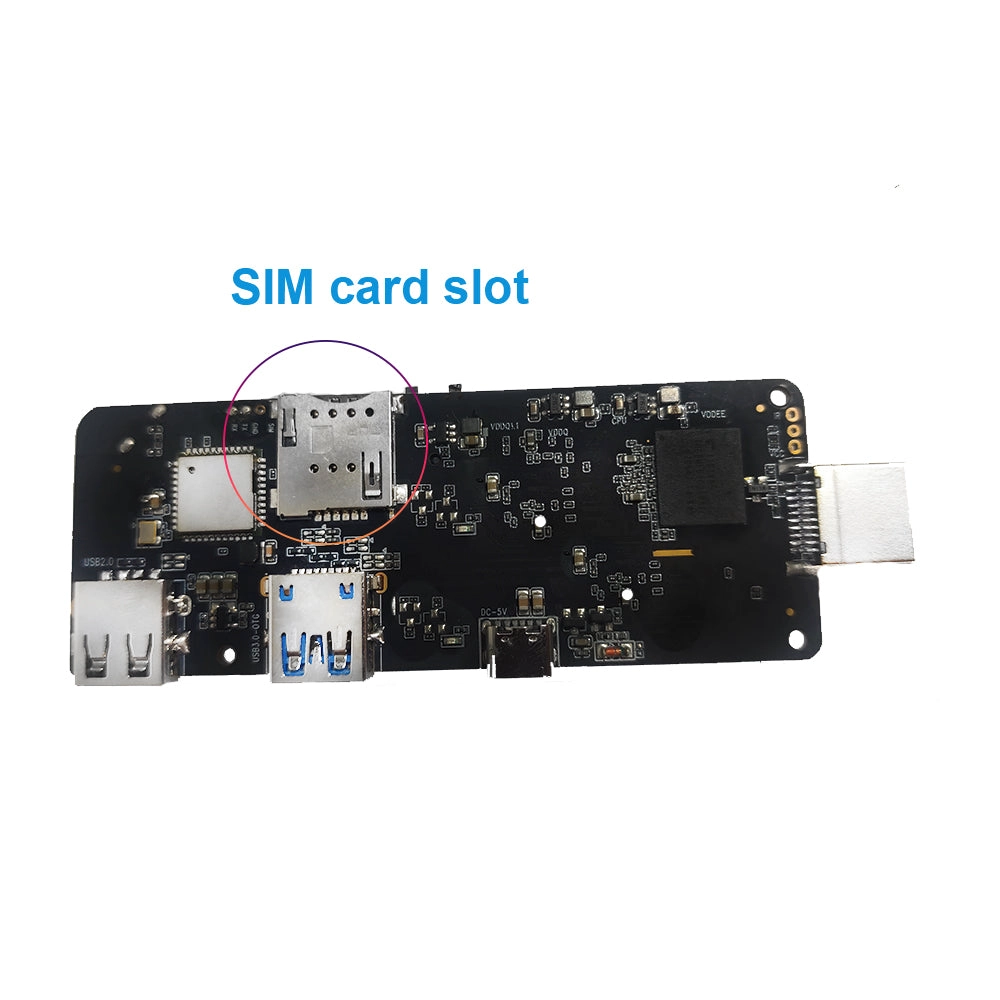
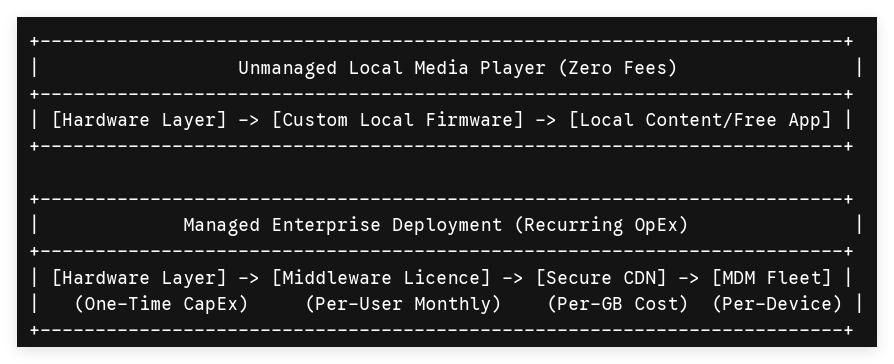
When you procure custom-engineered devices from an original equipment manufacturer (OEM), the transaction is a single CapEx event. The device belongs to your asset pool, and its base operating system—whether built on Android TV, the Android Open Source Project (AOSP), or Linux—will boot, process local data, and execute local apps indefinitely without a licensing subscription.
Self-Hosted Signage and Standalone Media Playback
If your engineering architecture relies on an offline or localized loop—such as retail media players running a custom Android package (APK) directly from an internal MicroSD card or a local network attached storage (NAS) drive—there are no monthly fees. The system uses raw processing power and local hardware decoding without pinging external verification servers.
2. The Software Infrastructure Layer: Commercial Middleware and Licensing
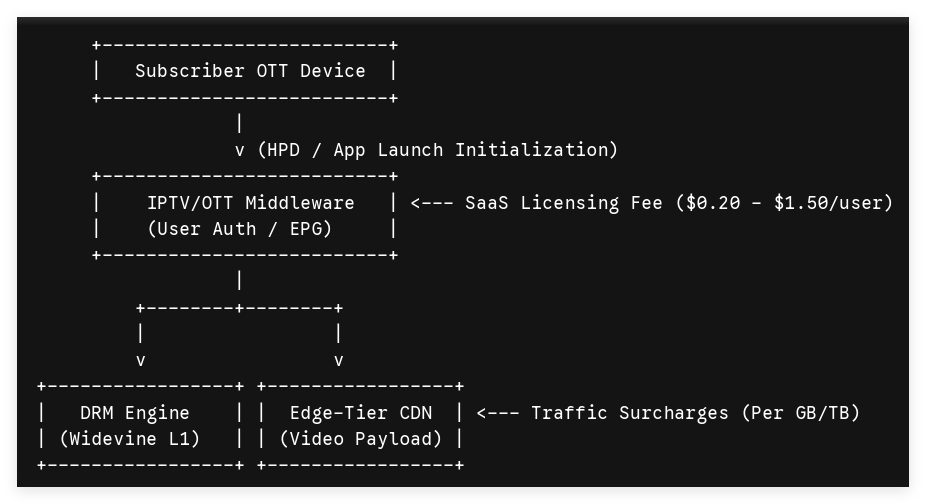
The need for a monthly fee arises when your business model requires cloud orchestration, user authentication, or centralized content curation. If you are a telecom operator or an internet service provider (ISP) deploying thousands of boxes to subscribers, the hardware requires an IPTV/OTT middleware stack to function.
SaaS Middleware Subscriptions (Pay-As-You-Grow)
Modern commercial deployments favor white-label Software-as-a-Service (SaaS) television management systems instead of expensive on-premise software. Platforms like MwareTV or CrocOTT shift development expenses into predictable per-user operational fees:
- Per-Subscriber Economics: Middleware providers typically charge a licensing fee ranging from $0.20 to $1.50 per active user per month. This subscription funds the Electronic Program Guide (EPG), subscriber billing integrations, and multi-device application updates.
-
The Hidden Multi-Vendor Integration Trap: Attempting to build an in-house backend to avoid monthly fees often backfires. Maintaining custom user databases, server synchronization, and custom UI design across varying device chipsets can cost significantly more in engineering hours than paying a structured monthly middleware fee.
3. Operational Infrastructure: Digital Rights Management and Traffic Fees
Beyond software licensing, keeping an enterprise media network running requires evaluating backend service line items that consumer systems hide from view.
Digital Rights Management (DRM) Licensing
If your OTT TV Box distributes premium, copyrighted Hollywood or live sports content, the hardware must execute a secure cryptographic handshake. While basic Android Open Source Project (AOSP) configurations provide open access, decrypting premium streaming feeds requires integration with certified DRM platforms:
-
Widevine L1 / PlayReady / Verimatrix: Integrating these verification systems typically involves an ongoing platform fee or validation charge per device activation to ensure your streams remain safe from digital piracy.
Bandwidth and Content Delivery Network (CDN) Volumetrics
Video content does not travel across internet backbones for free. While a retail consumer pays a single flat rate to their home ISP, an enterprise operator streaming content to a fleet of OTT TV boxes must pay for every gigabit transferred.
-
Egress Traffic Surcharges: Depending on your configuration, server hosting and edge CDN distribution fees are calculated based on monthly consumption (priced per Gigabyte or Terabyte delivered). High-definition streams (1080p at 5 Mbps) or Ultra-HD video (4K at 20 Mbps) will scale your monthly operational costs directly alongside user engagement.
4. TCO Architecture: One-Time CapEx vs. Recurring OpEx
To maximize return on investment, deployment architects should map their system needs against this matrix to build a transparent Total Cost of Ownership (TCO) model:
| Cost Component | Pricing Structure | Responsibility Type | Budget Category |
|---|---|---|---|
| OTT TV Box Hardware | One-time per-unit factory price | Client / System Integrator | Capital Expenditure (CapEx) |
| PCBA Firmware Customization | One-time engineering setup fee (NRE) | OEM/ODM Manufacturer | Capital Expenditure (CapEx) |
| SaaS Middleware Platform | $0.20 – $1.50 per user / monthly | Middleware Vendor | Operational Expenditure (OpEx) |
| CDN Video Streaming | Usage-based pricing (per GB transferred) | Infrastructure / Cloud Provider | Operational Expenditure (OpEx) |
| Enterprise MDM Fleet Control | $1.00 – $3.00 per device / monthly | Management Software Provider | Operational Expenditure (OpEx) |
Engineering Scalable Deployments Without Financial Surprises
Determining whether an OTT TV Box installation requires a monthly fee comes down to design intent. If you require absolute control over your software environment, remote device configuration, and commercial content delivery, you must plan for predictable recurring infrastructure fees.
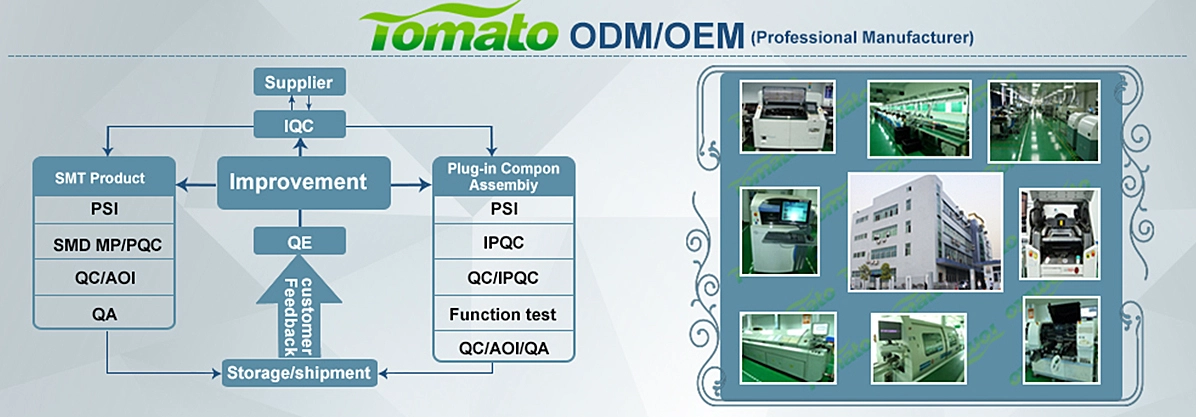
As a dedicated B2B OEM/ODM manufacturing partner, SZTomato helps companies design hardware that keeps recurring software fees as low as possible. We provide firmware-level configuration options, pre-integrated open Android environments, and custom launcher installations directly during assembly. This allows you to deploy custom signage and private media networks without getting locked into unnecessary vendor licensing contracts. Contact our technical engineering team today to review your project infrastructure and get a transparent hardware manufacturing quote tailored to your business model.