What is better Google TV Box than roku for tv?
System Architecture: Why a Google TV Box Outclasses Roku in Commercial and Enterprise Deployments
Evaluating client-side hardware for hospitality networks, programmatic digital signage, or value-added operator boxes requires a shift away from consumer-grade metrics. In large-scale rollouts, UI simplicity matters less than system openness, hardware customization, and MDM fleet management.
Roku operates on a proprietary, closed-source Linux variant (Roku OS) designed to restrict developer access and lock users into its advertising ecosystem. Conversely, a commercial-grade Google TV Box utilizes the Android TV layer on top of the Android Open Source Project (AOSP) core. For B2B architects, this structural divergence makes the Google TV hardware platform the superior choice for custom enterprise deployment.
1. Ecosystem Openness: Bypassing App Store Restrictions via APK Sideloading
The primary bottleneck of Roku hardware in commercial environments is its closed deployment model. Roku does not allow native sideloading of custom enterprise applications. To deploy a proprietary corporate communication app or a specialized digital signage loop on Roku, developers must navigate the public Roku Channel Store submission pipeline or use highly restricted private developer channels.
[Closed System: Roku OS]
Firmware Locked ---> Public Channel Store Approval ---> Restricted Enterprise Use
[Open System: Google TV Box / AOSP]
Custom Firmware ---> Direct APK Sideloading (ADB)  ---> Native Enterprise App (MDM)
A Google TV Box removes these barriers by preserving native Android app execution:
-
Android Package (APK) Sideloading: Using Android Debug Bridge (ADB) commands or localized storage, deployment teams can push custom internal APKs directly to hardware fleets without third-party review or public listing.
-
Decoupled Development Frameworks: Enterprise software teams can leverage standard Android SDKs, Kotlin, or cross-platform tools like Flutter to build media applications. They are not restricted to Roku's proprietary BrightScript scripting language and SceneGraph API component architecture.
2. Firmware-Level Engineering: Kiosk Mode and Boot-to-App Execution
In commercial scenarios—such as automated hotel room displays, retail menus, or interactive healthcare terminals—the streaming device must function as a single-purpose appliance. If a power disruption occurs or a user presses the home button, the system must remain locked into the corporate software layer.
Roku's consumer-first architecture forces the system to boot directly into its native, ad-supported home screen. It lacks built-in permissions to bypass this default launcher.
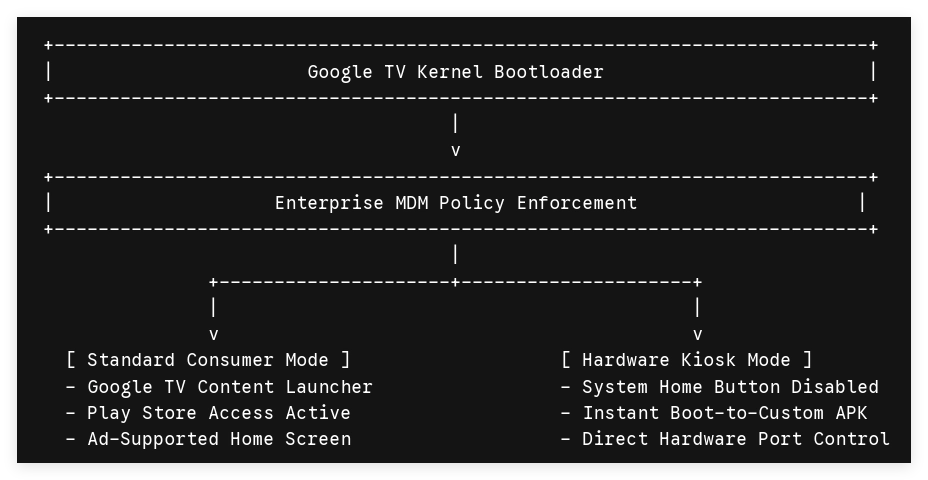
By contrast, a professional Google TV Box allows extensive OEM/ODM firmware modification at the kernel level:
-
Custom Launcher Integration: System integrators can replace the standard Google TV user interface with a lightweight, branding-focused custom launcher. This option strips out standard consumer ad banners and limits user access to setting panels.
-
Persistent Kiosk Configuration: Through basic Android Enterprise Management APIs or custom init.rc script adjustments during PCBA manufacturing, the device can be configured for instant boot-to-app operation. This ensures that the custom media or signage application launches automatically upon receiving power over the HDMI link, with the physical remote's home-button functionality entirely disabled.
3. Remote Fleet Administration: MDM and Automated Provisioning
Managing a distributed network of hundreds or thousands of streaming players requires zero-touch provisioning and robust remote monitoring capabilities.
Roku devices cannot connect to industry-standard Mobile Device Management (MDM) platforms. They lack support for global configuration profiles, remote screen casting for troubleshooting, and automated background application updates. Each device must be manually configured via its on-screen wizard.
Android-based Google TV Boxes integrate natively with modern enterprise device management architectures:
| Management Capability | Google TV Box Platform | Roku OS Platform |
|---|---|---|
| MDM Compatibility | Native (Radix, AirWatch, SOTI, Android Enterprise) | None (Proprietary cloud management only) |
| Provisioning Protocol | Android Zero-Touch, QR Code, or USB ADB Scripting | Manual on-screen activation per device |
| Remote Maintenance | Real-time silent background APK updates | Forced global OS updates via Roku servers |
| Diagnostic Access | Remote logcat extraction and live screen viewing | No remote terminal or screen visibility |
| Hardware Port Lockdown | Firmware-level disablement of USB/MicroSD slots | No physical port security policies |
4. Hardware Flexibility: PCBA Modification and SoC Selection
Roku designs its hardware tightly around its consumer retail models, offering no options for custom physical board modifications, external connectivity expansion, or alternative processor configurations.
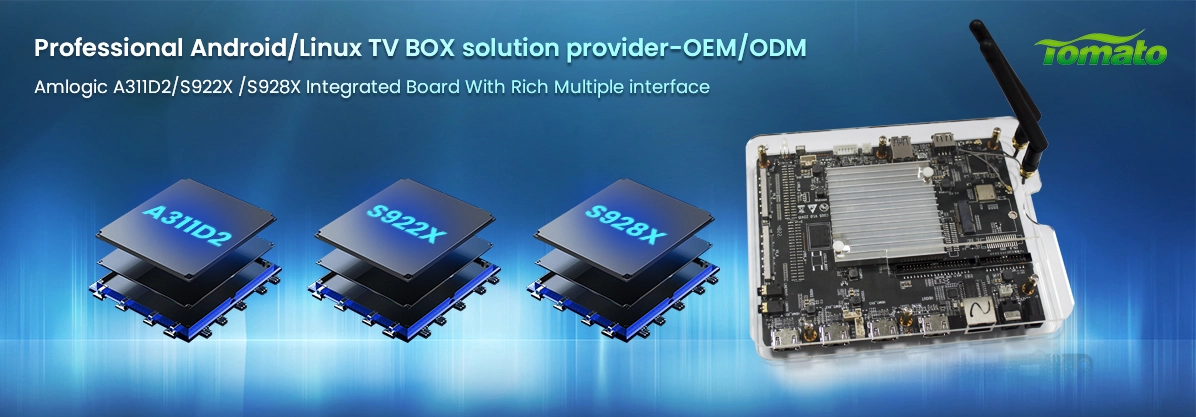
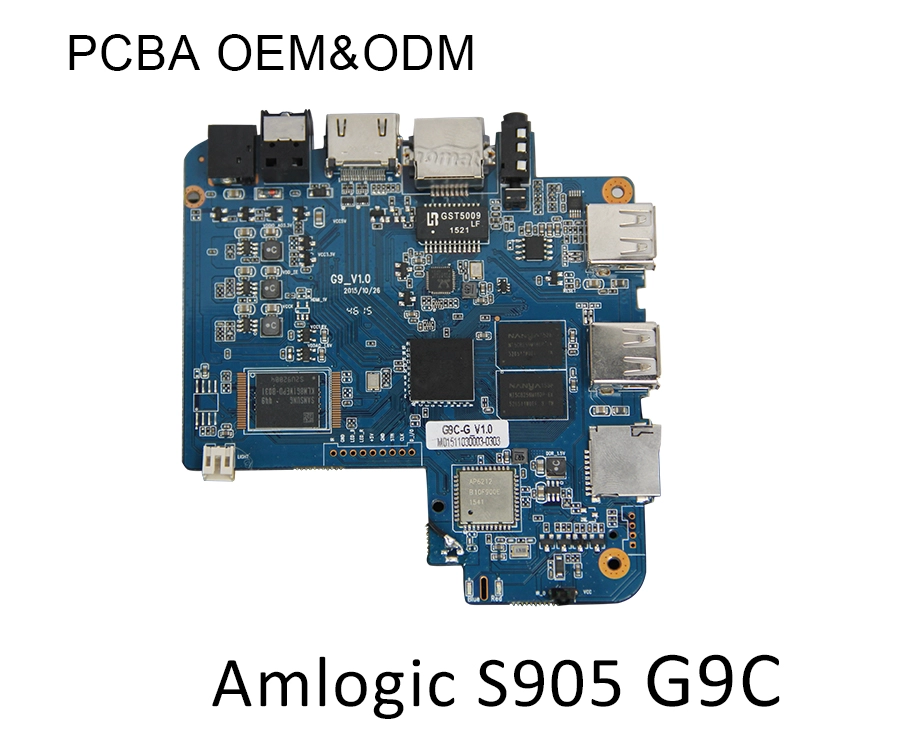
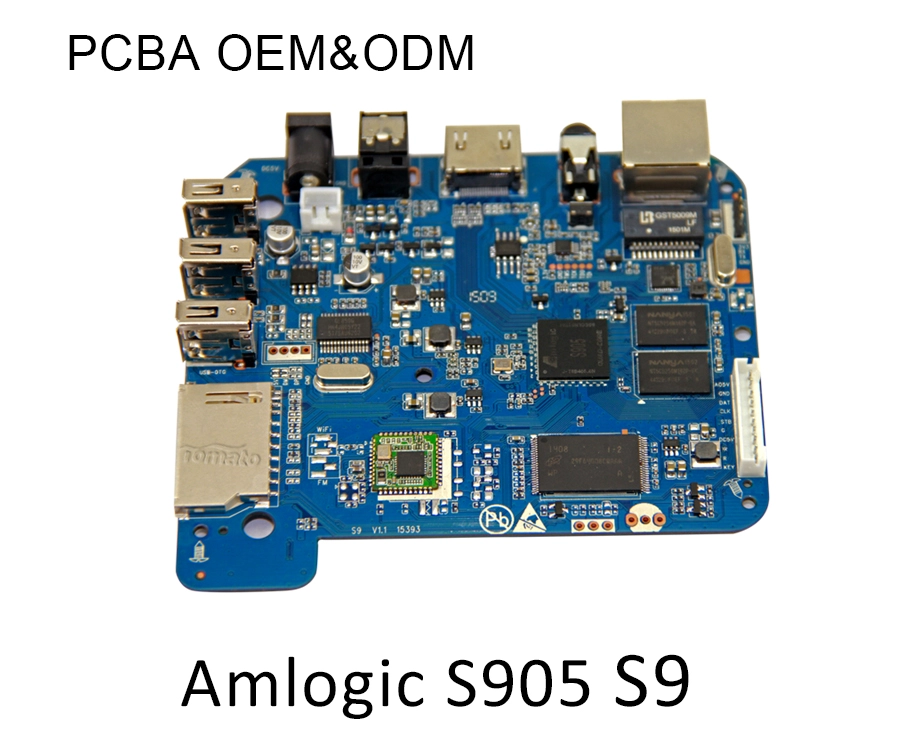
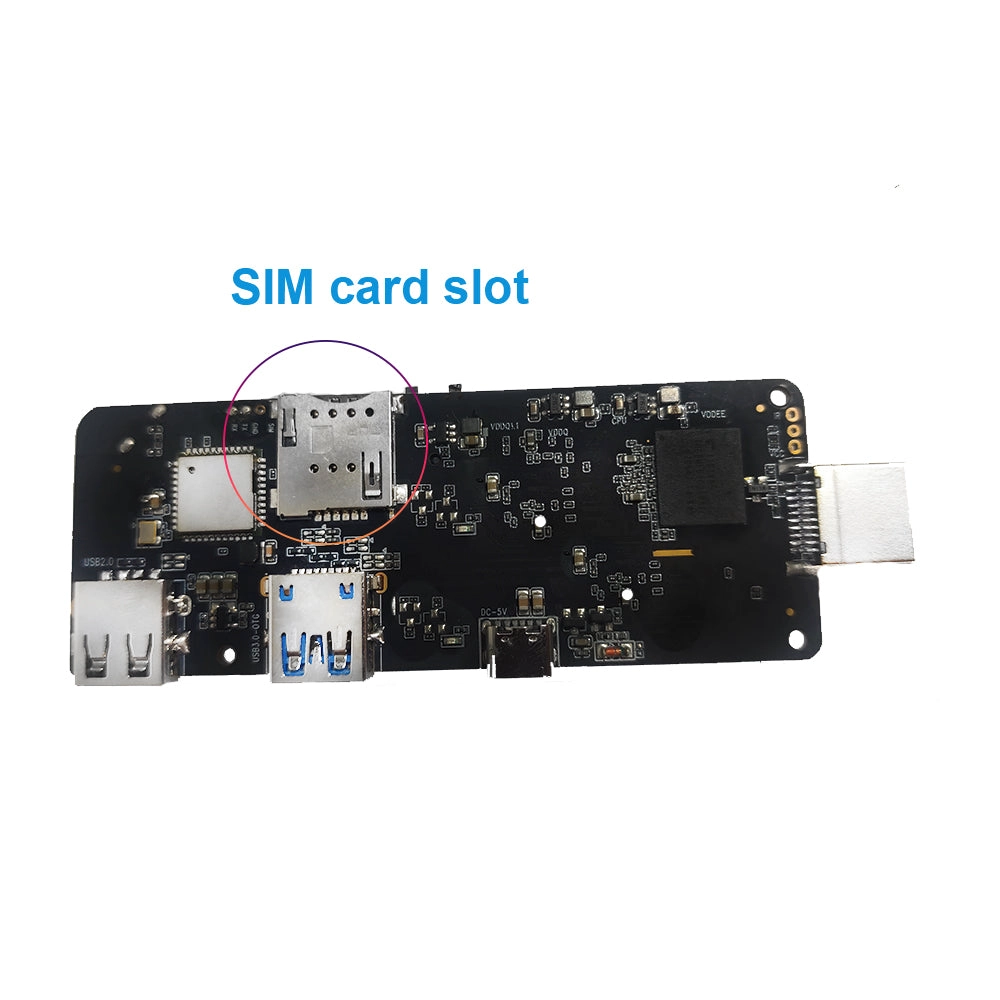
The open hardware market for Google TV and Android media boxes allows commercial buyers to source devices tailored to specific operational environments. OEMs can modify the underlying Printed Circuit Board Assembly (PCBA) to fit complex integration needs:
-
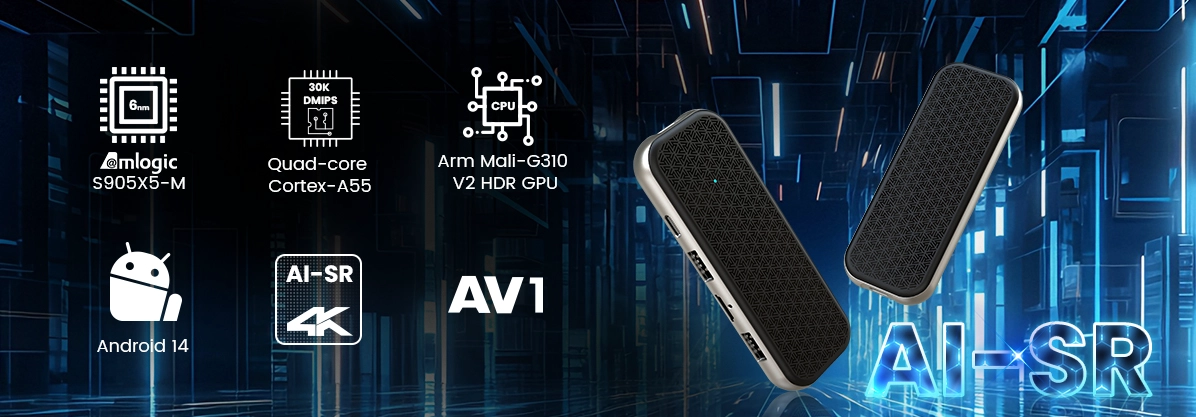
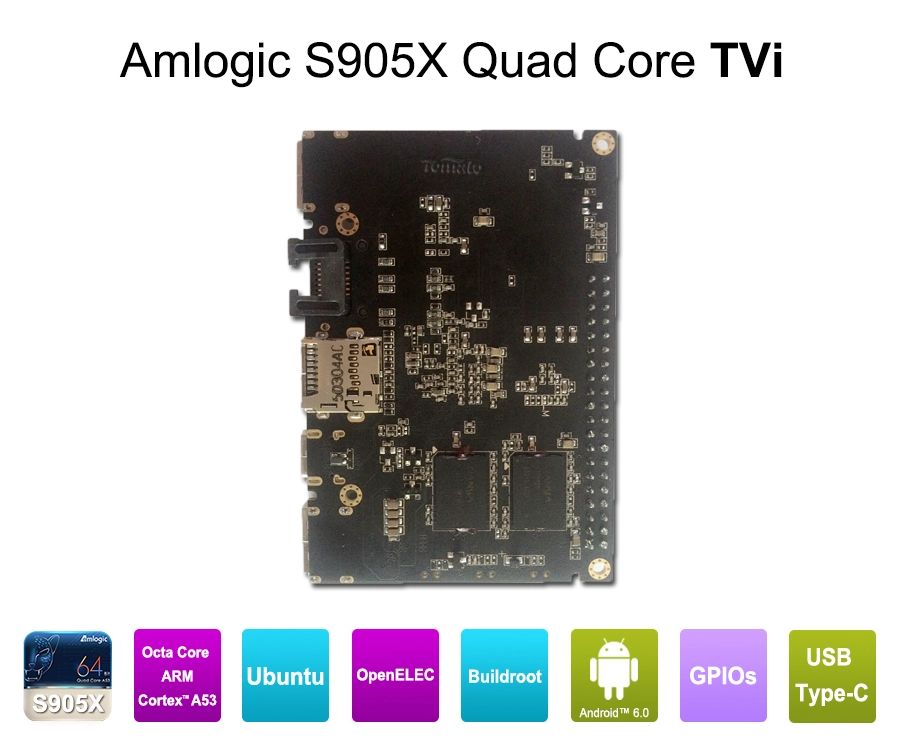
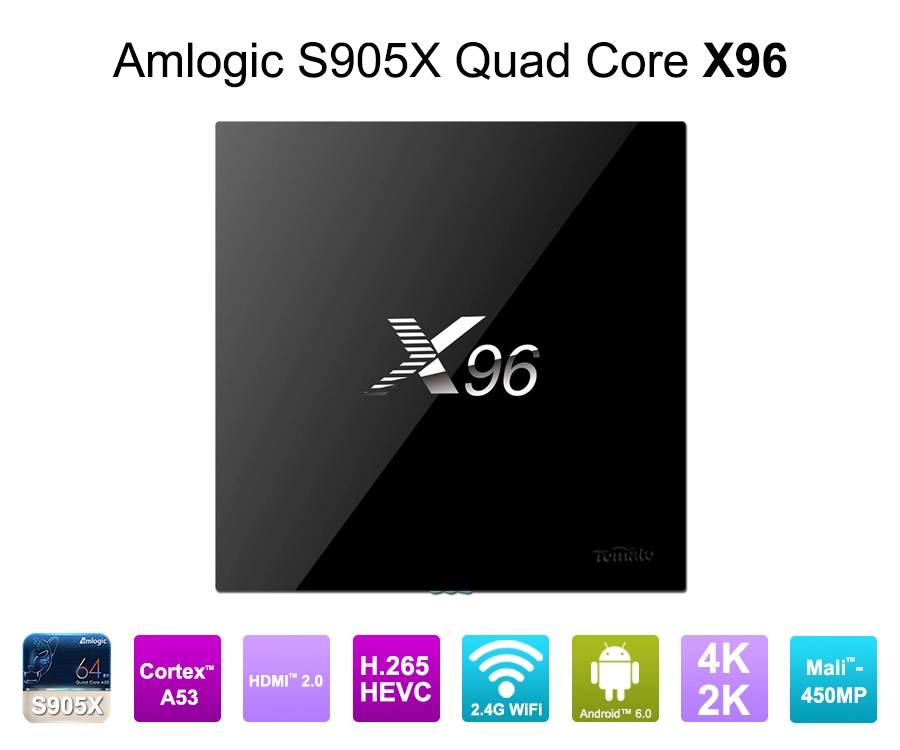
SoC and Peripheral Optimization: Buyers can scale processing capabilities by choosing cost-effective quad-core chipsets (such as Amlogic or Rockchip solutions) paired with dedicated hardware decoding for modern, low-bandwidth codecs like AV1 and HEVC.
-
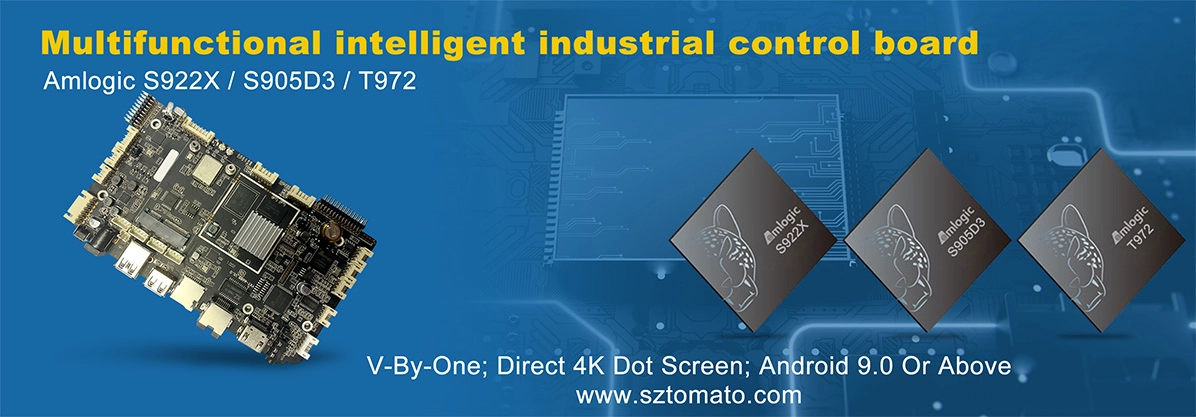
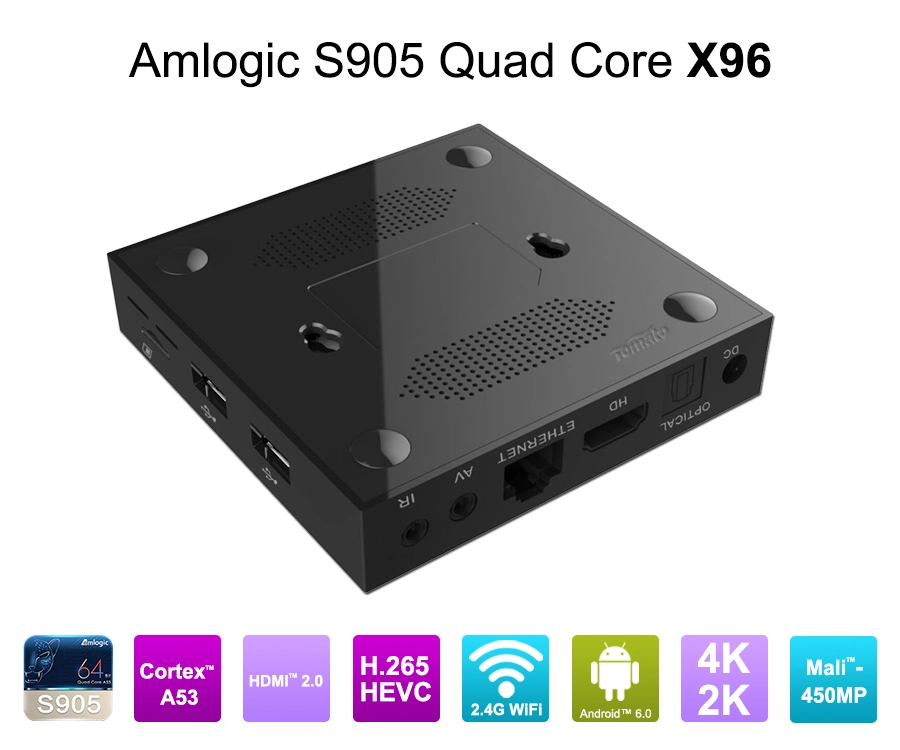
Industrial I/O Integration: Commercial Android TV mainboards can be built with specialized physical ports missing from retail Roku hardware. These include native RJ45 Gigabit Ethernet for reliable data streaming, internal GPIO pins for hardware triggers, and RS-232 serial interfaces for direct display control integration.
Enterprise Solutions Built for Scale
When evaluating hardware for consumer living rooms, Roku's simplified interface serves its purpose. However, for B2B deployments requiring deep hardware control, predictable software lifecycles, and automated remote management, the Google TV platform is the clear industrial choice.
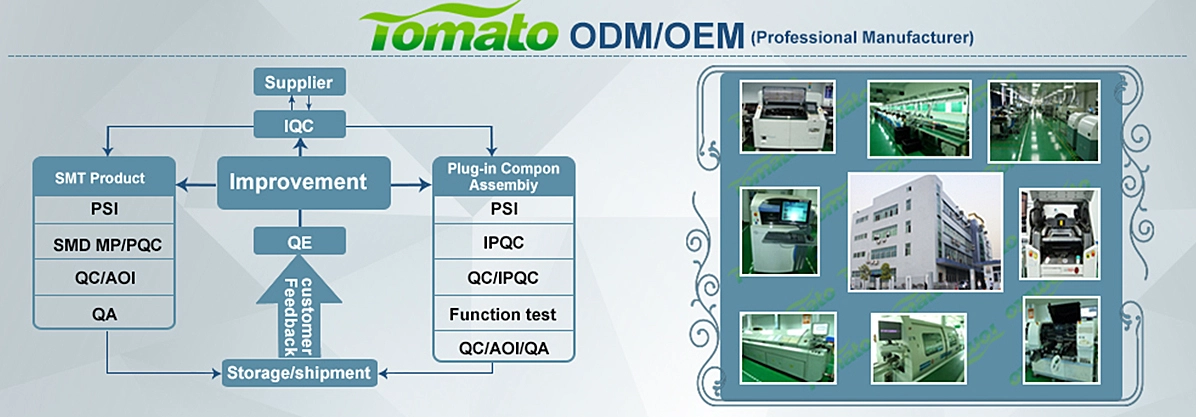
As an established OEM/ODM manufacturing partner, SZTomato specializes in custom hardware modification, Android kernel engineering, and tailored firmware development for commercial streaming media players and digital signage ecosystems. Contact our technical engineering team today to review your project design files, request custom Android image builds, or arrange sample production batches tailored to your commercial infrastructure requirements.