Smart TV Box OEM/ODM Full Guide
Smart TV Box OEM/ODM Full Guide: Engineering Enterprise Hardware Solutions
The traditional off-the-shelf procurement model for media streaming hardware is no longer viable for commercial deployments. As telecom operators, hospitality networks, and digital signage integrators scale their infrastructure, they consistently encounter critical bottlenecks: system instability caused by consumer-grade thermal designs, rigid stock firmware that prevents boot-allocation control, and the absence of hardware-level watchdog circuits.
In the commercial B2B ecosystem, a Smart TV Box is not a consumer media player; it is an integrated edge device. Successfully executing a Smart TV Box OEM/ODM project requires shifting focus from superficial industrial design to low-level hardware customization and firmware-level engineering.
1. System on Chip (SoC) Selection: Balancing Compute Power and Unit Economics
The silicon foundation dictates the operational boundaries, peripheral support, and long-term viability of your hardware deployment. Selecting the correct SoC architecture prevents over-engineering while ensuring the hardware satisfies specific commercial application workloads.
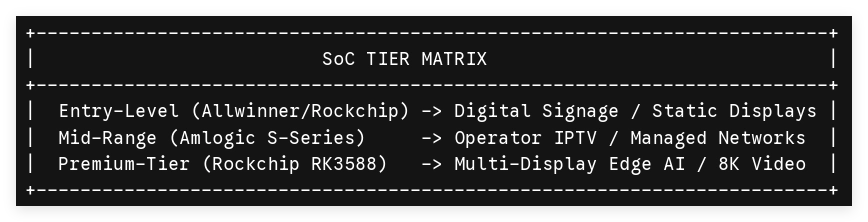
Entry-Level Tier: Allwinner H618 / Rockchip RK3528
-
Target Applications: Standard digital signage, interactive kiosks, static menu boards.
-
Technical Characteristics: Optimized for cost-sensitive projects requiring continuous 1080p or basic 4K video looping. Peripheral interfaces are typically limited to PCIe 2.0 and USB 2.0, making them ideal for deployments where external high-speed data transfer is not a core requirement.
Mid-Range Tier: Amlogic S905X4 / S905Y4
-
Target Applications: Telecom operator IPTV boxes, managed hospitality networks, mainstream streaming devices.
-
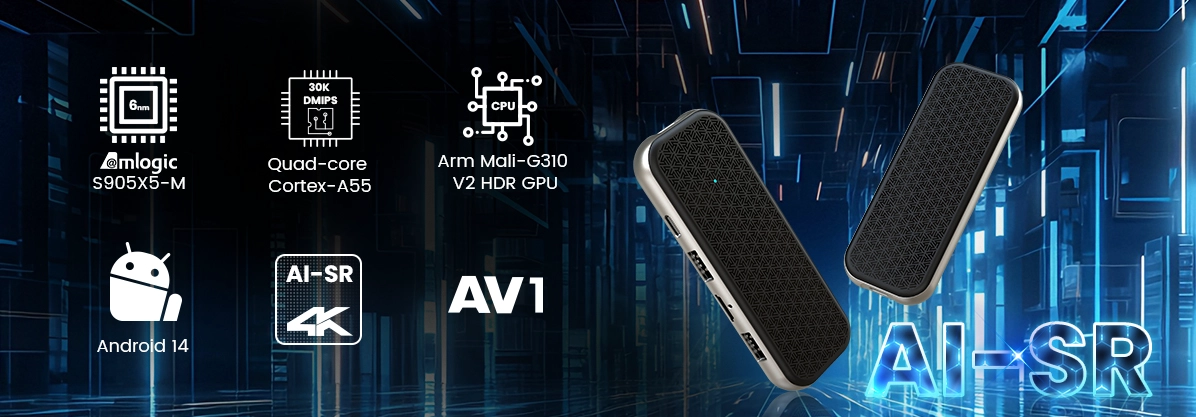
Technical Characteristics: Native hardware decoding for the AV1 codec, which reduces bandwidth consumption by up to 30% compared to H.265/HEVC. These processors feature robust, hardware-enforced DRM pipelines essential for premium content delivery.
Premium High-Performance Tier: Rockchip RK3588 / RK3588S
-
Target Applications: Edge AI processing, multi-display video walls, high-end medical displays, and multi-channel interactive cameras.
-
Technical Characteristics: An octa-core architecture (4× Cortex-A76 and 4× Cortex-A55) paired with an integrated 6 TOPS NPU. This silicon supports native 8K video decoding at 60fps, simultaneous multi-channel video outputs via independent HDMI controllers, and dual Gigabit Ethernet configurations.
2. PCBA Architectural Customization & Hardware Modification
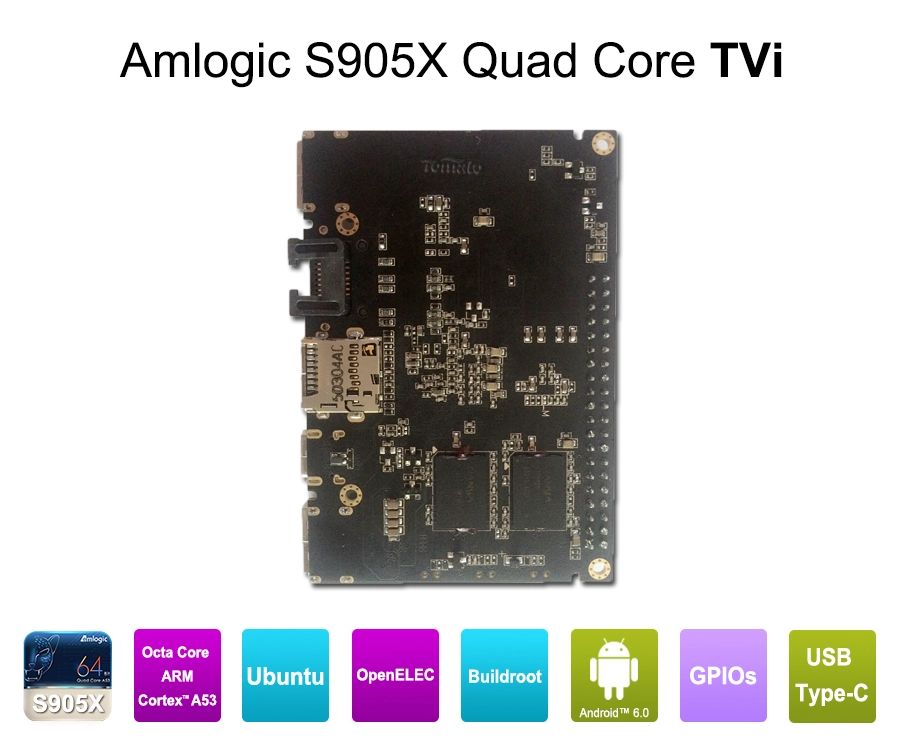
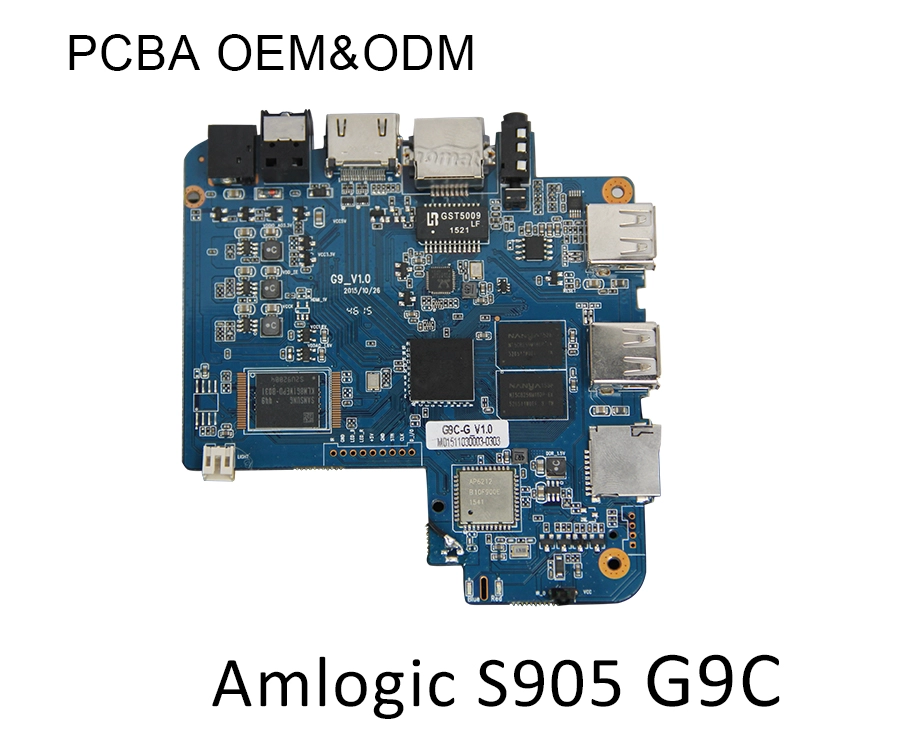
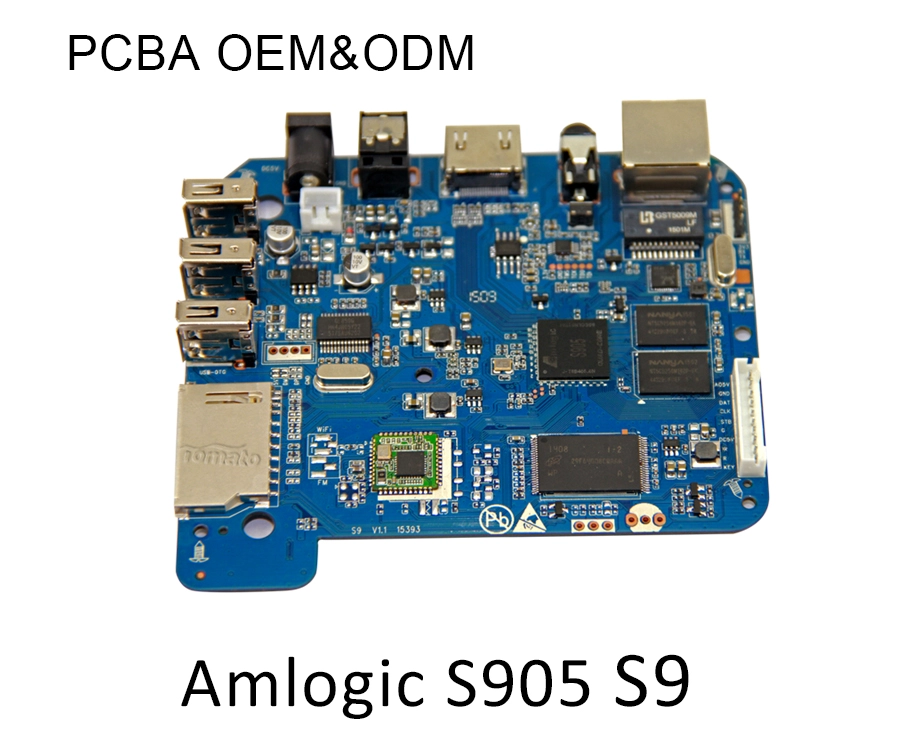
True ODM engineering begins at the printed circuit board assembly (PCBA) level. Off-the-shelf layouts rarely align with specialized commercial deployment configurations.
Custom PCBA Layer Layout Options: [4-Layer Standard FR4] ---> [6-Layer High-Density Interconnect (HDI)]
                                                                                                         (Optimized for High-Speed Signal Integrity)
Power Delivery and Watchdog Circuits
Commercial environments demand autonomous operational continuity. ODM designs replace standard consumer power inputs with wide-voltage DC inputs (e.g., 9V–36V) to handle fluctuating power grids. Crucially, integrating a physical hardware watchdog circuit prevents field failures; the hardware IC continuously polls the operating system, executing a hard cold reboot if a kernel panic or system freeze is detected.
Peripheral Expansion and Interface Layout
Industrial use cases require targeted input/output configurations. Hardware modifications include replacing standard consumer ports with:
-
RS232/RS485 Serial Interfaces: For direct integration with legacy industrial machinery, automation controllers, and centralized control systems.
-
Power over Ethernet (PoE/PoE+): Delivering both data connectivity and up to 25.5W of power over a single Cat6 cable, eliminating the need for localized AC outlets at the installation point.
-
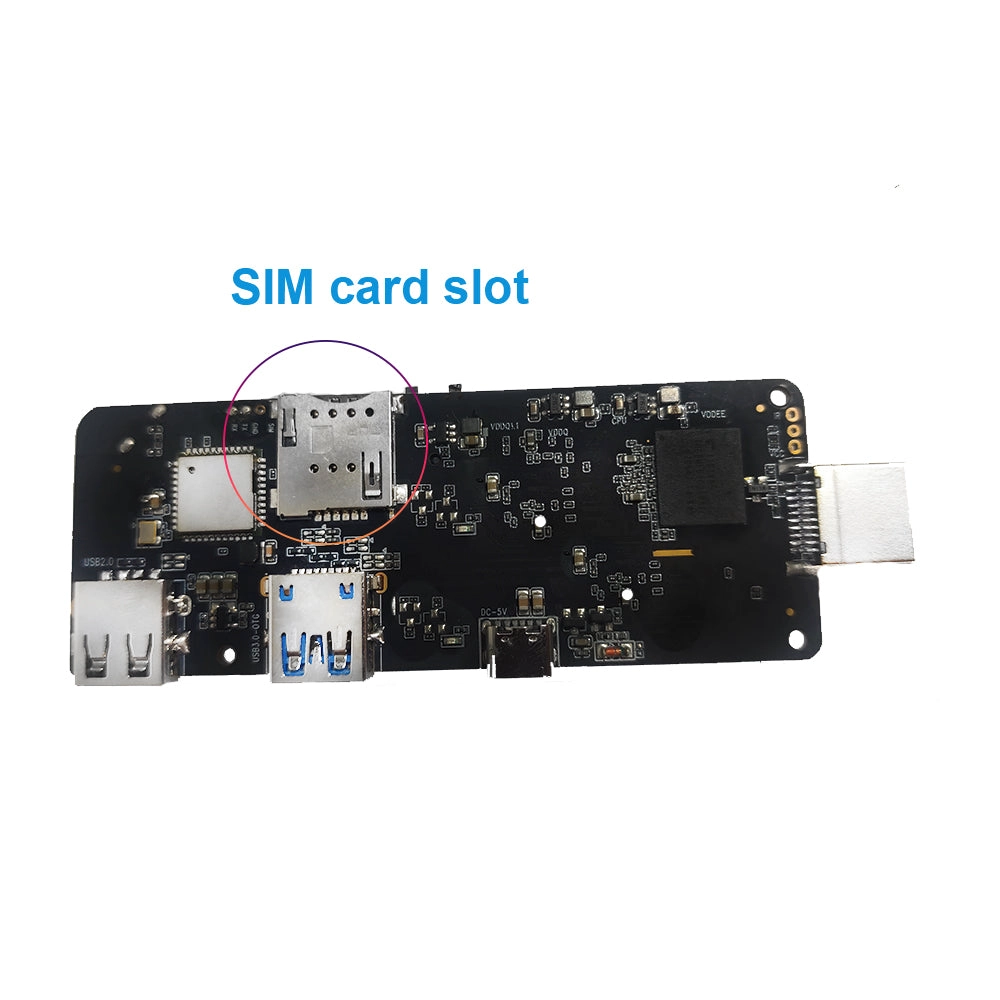
M.2 / mini-PCIe Expansion Slots: For field-upgradable 4G LTE/5G cellular modules with dual SIM trays, ensuring network redundancy.
Thermal Engineering and Mitigation
Thermal throttling degrades CPU performance and reduces component lifespan. Enterprise-grade ODM designs utilize thick-gauge aluminum heatsinks secured with mechanical spring-loaded screws rather than fragile thermal tape. For high-draw deployments, the structural enclosure itself is engineered as an active alloy heat dissipation block, ensuring junctions remain well below 85∘C during sustained 24/7 compute loads.
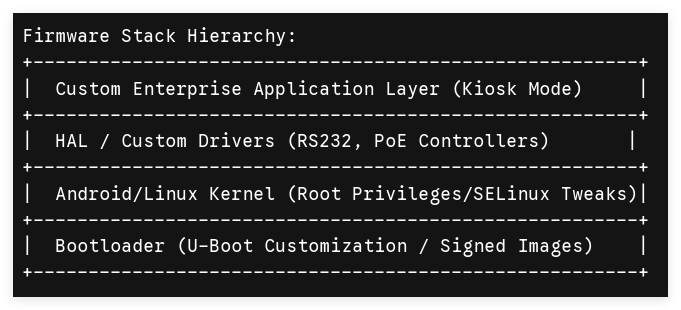
3. Firmware Engineering: Deep OS Customization and Root Control
A secure, reliable commercial deployment requires stripping away consumer-facing operating system layers to establish a locked-down, specialized software environment.
Bootloader Customization and Branding Execution
ODM engineering allows modifications directly within the primary bootloader (typically U-Boot). This enables a seamless brand experience from the millisecond power is applied, implementing permanent, non-volatile boot animations and custom splash screens that cannot be overwritten by factory resets.
Root Access and System Privileges
Unlike retail devices where root access is blocked, commercial operators need deep system control. Firmware customization grants selective root permissions tailored to specific enterprise apps, allowing background software updates, remote configuration changes, and peripheral power cycling without requiring user intervention.
Enterprise Lockdown and Kiosk Settings
To protect public-facing systems from tampering, the stock Android launcher is replaced at the firmware level. Features include:
-
True Kiosk Mode: Locks the device into a single target application, disabling access to status bars, hardware navigation buttons, and system settings menus.
-
Global ADB and USB Port Restrictions: Disables physical data ports to prevent unauthorized local firmware flashing or malware insertion.
-
Custom Over-The-Air (OTA) Server Mapping: Points the operating system's update client to a secure, private infrastructure server, allowing engineering teams to audit, test, and schedule system updates before deploying them across the device fleet.
4. Overcoming Compliance, Licensing, and Supply Chain Obstacles
Navigating international regulatory frameworks and intellectual property rights is critical to preventing legal disputes and customs seizures during cross-border logistics.
Navigating the Digital Rights Management (DRM) Matrix
If your commercial application requires streaming premium commercial media, the hardware must be certified at the factory level:
-
Widevine DRM: Essential for platform ecosystems, requiring Widevine L1 integration within a secure hardware enclave (Trusted Execution Environment) for high-definition playback.
-
HDCP Compliance: Ensuring HDMI ports support HDCP 2.2/2.3 cryptographic keys to avoid black screens when connecting to modern commercial displays or AV receivers.
Global Regulatory Compliance
Every target market requires strict adherence to electronic emissions and safety standards. True ODM partners provide certified hardware compliance mapping:
| Target Region | Required Certification Framework | Focus Area |
|---|---|---|
| North America | FCC Part 15 Class B / UL Certification | Electromagnetic Interference & Electrical Safety |
| European Union | CE Marking (RED Directive) & RoHS | Radio Frequency Safety & Hazardous Substance Limits |
| Global Markets | CB Scheme | International Electrical Safety Standardization |
Partner with an Experienced Hardware Architect
Successfully deploying a customized Smart TV Box platform requires an experienced engineering partner capable of bridging the gap between raw silicon and industrial reliability. We deliver comprehensive OEM/ODM solutions tailored specifically for enterprise applications, focusing on low-level firmware architecture, robust PCBA design, and efficient supply chain management.
Contact our engineering team today to review your technical specifications, request schematics, or schedule a formal review for your upcoming hardware rollout.