
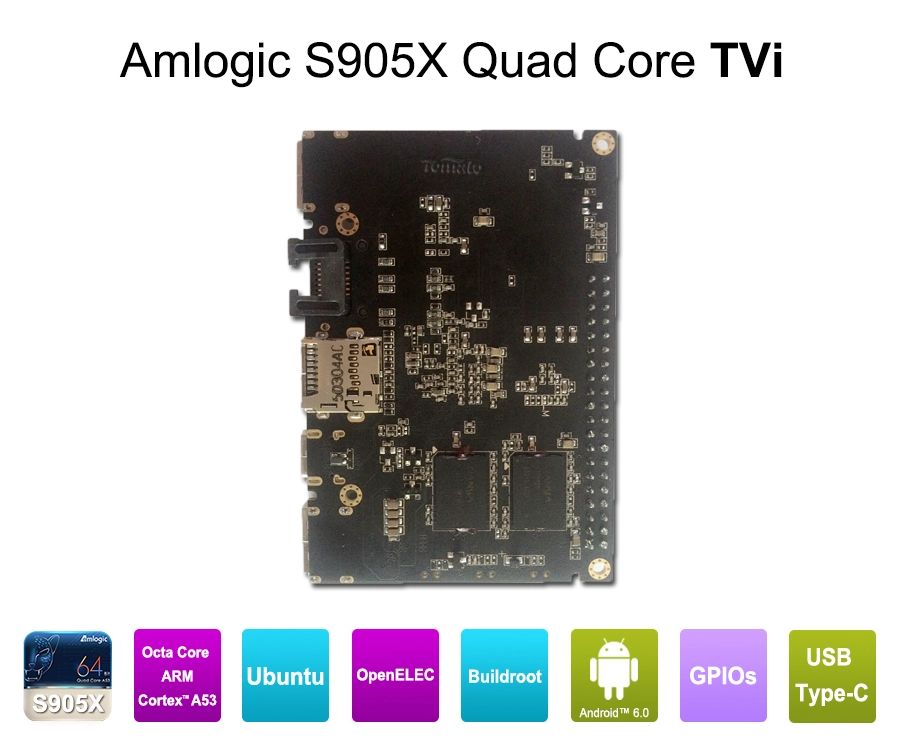
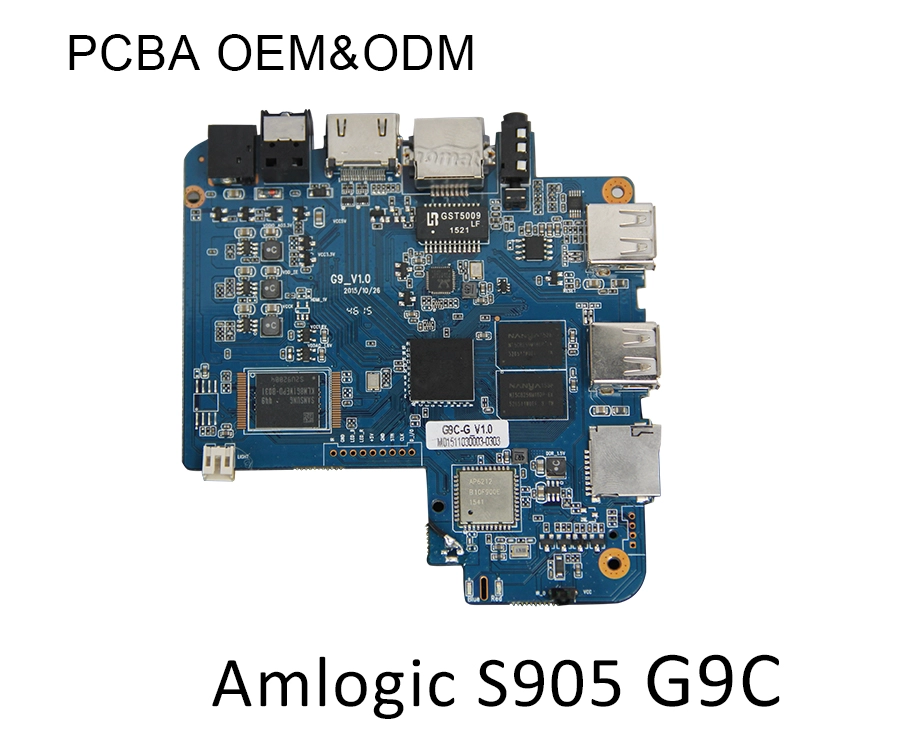
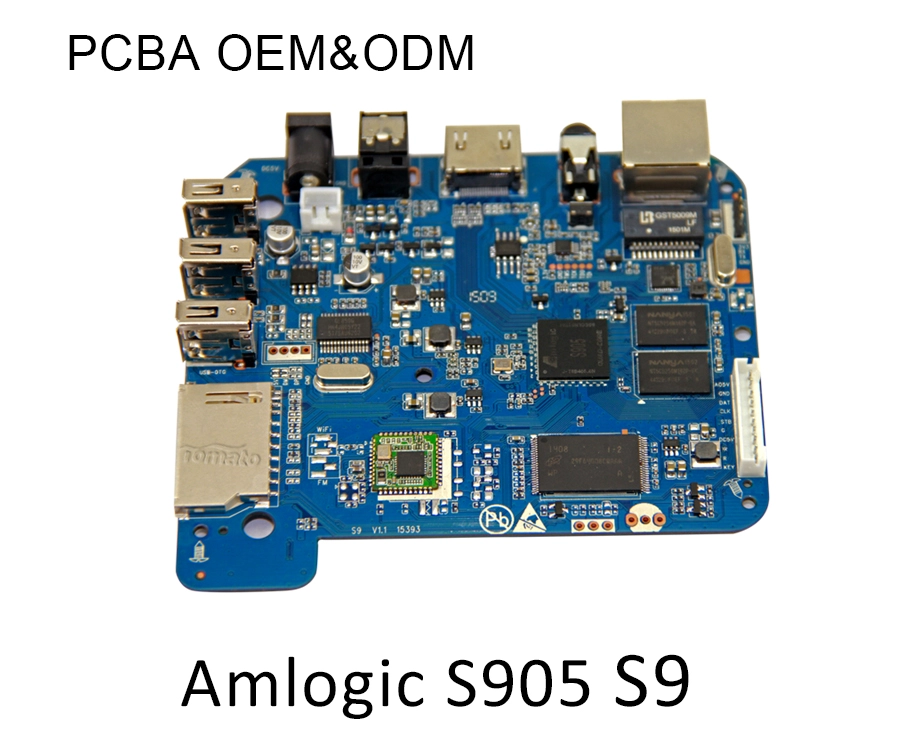
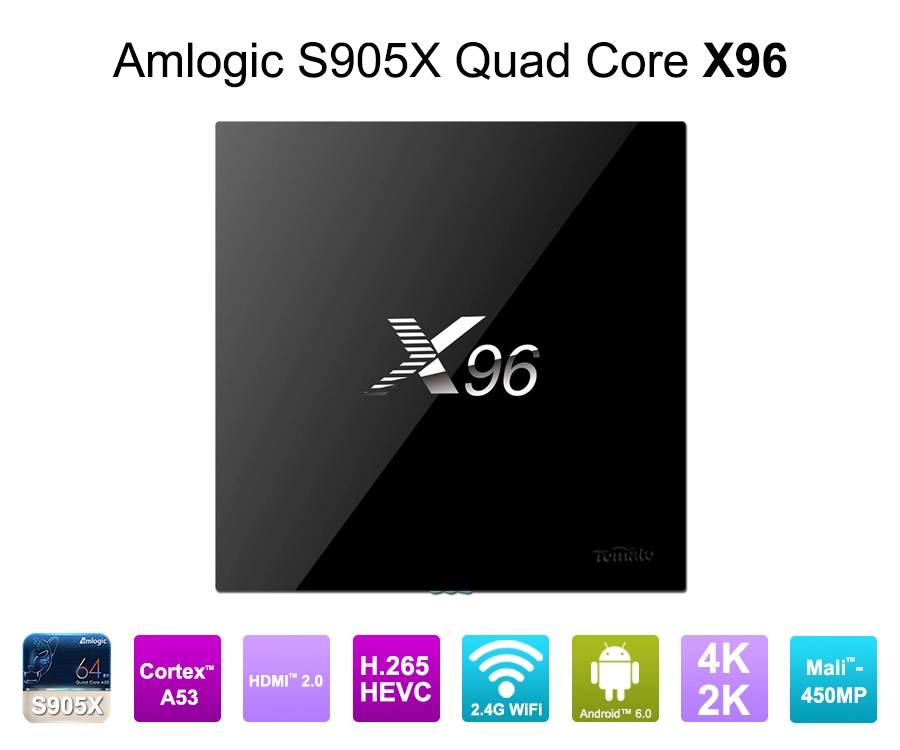
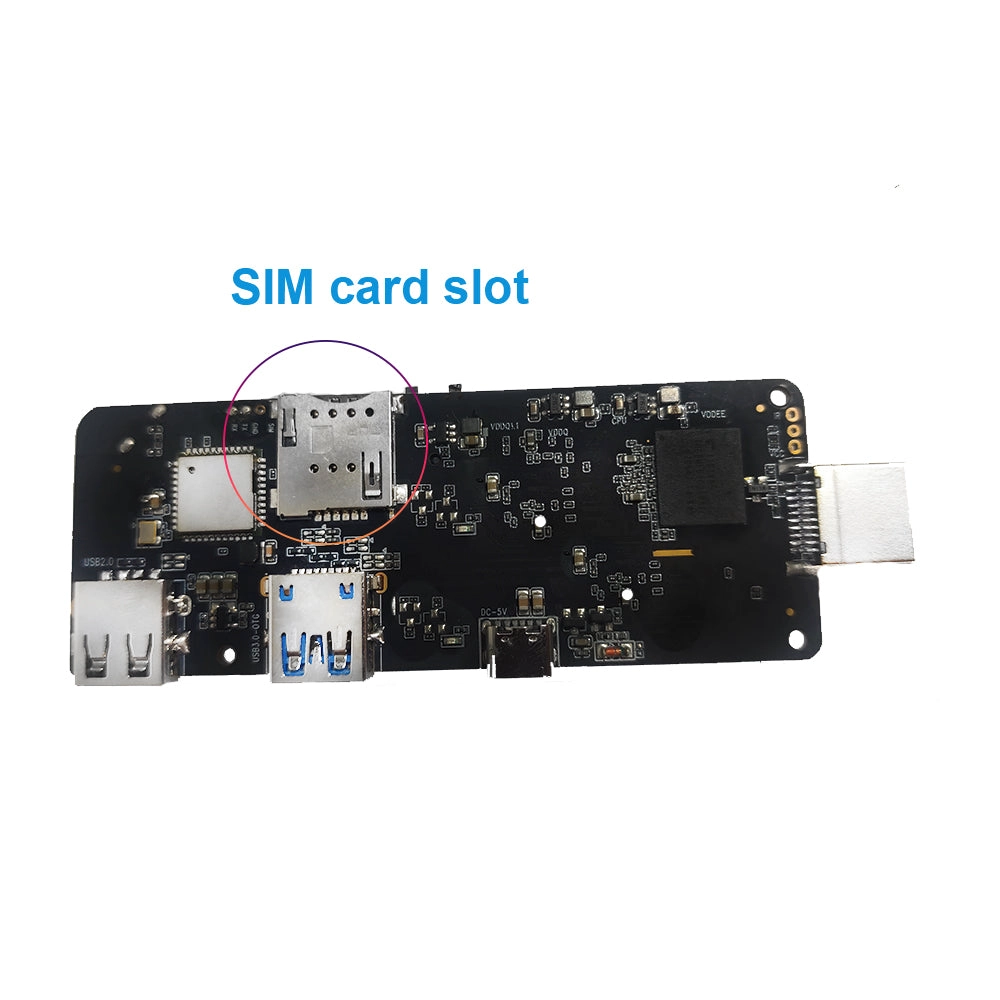
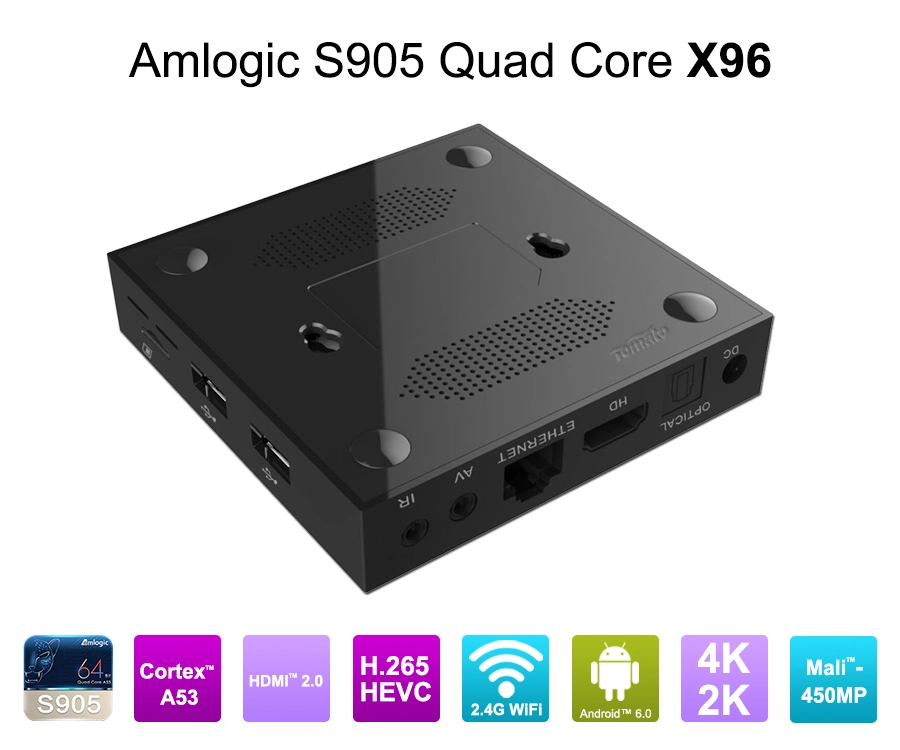
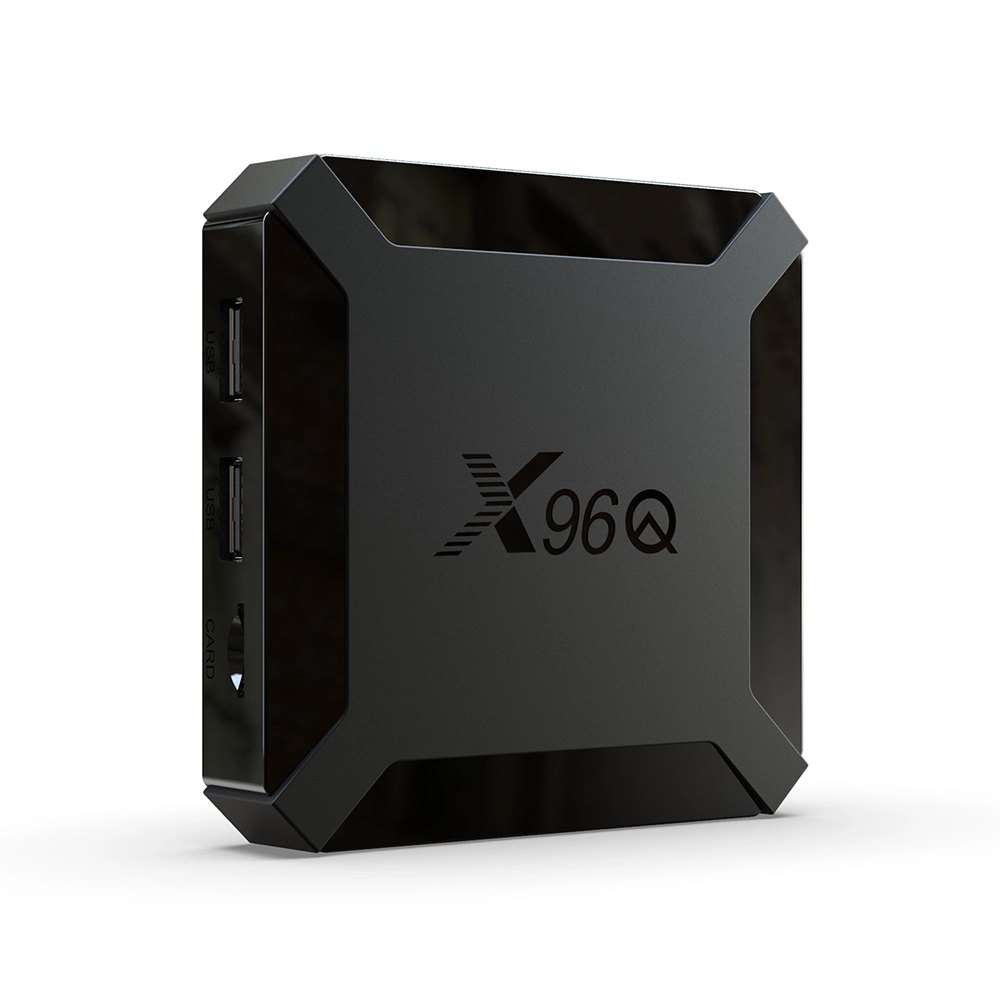
Linux & Android Dual-OS TV Box Development Board technical specifications
Why Dual-OS Architecture Matters in a TV Box Development Board
A conventional Android TV Box reference board is often optimized for a single consumer use case. That approach becomes restrictive when the same hardware platform must support IPTV middleware, digital signage applications, industrial interfaces, local media playback, or edge-computing workloads.
A Linux & Android dual-OS Development Board provides a more flexible engineering architecture.
Android is generally preferred when the application requires:
- Android application compatibility
- Touchscreen or custom HMI interfaces
- IPTV and OTT applications
- Google-compatible application environments where applicable
- Custom launcher and branded UI/UX
- Commercial media-player applications
Linux becomes valuable when the project requires:
- Lightweight embedded services
- Docker or containerized applications
- Industrial control interfaces
- Network gateways
- Edge-computing workloads
- Python/C/C++ application environments
- Open-source system-level customization
- Long-running background services
The important engineering question is not simply whether a board can "run Android and Linux." The board must provide a stable boot architecture, appropriate BSP support, kernel drivers, GPU/VPU acceleration, peripheral drivers, and a maintainable software stack for both operating systems.
For B2B projects, this distinction directly affects development cost and product lifecycle.
Core Technical Specifications to Evaluate
The processor should be selected according to the intended workload rather than benchmark scores alone.
A modern multimedia-oriented Development Board should be evaluated across the following architecture:
| Specification | Engineering Consideration |
|---|---|
| SoC | CPU architecture, GPU, VPU, NPU capability |
| CPU | Cortex-A55/A76 or equivalent multicore architecture |
| GPU | OpenGL ES/Vulkan capability and driver maturity |
| NPU | AI inference performance for edge applications |
| RAM | 2GB/4GB/8GB/16GB depending on workload |
| Storage | eMMC, NAND, SPI-NOR, microSD, NVMe where supported |
| Video Decode | H.264, H.265/HEVC, VP9, AV1 |
| Video Encode | Required for surveillance, streaming or edge applications |
| Display | HDMI, MIPI DSI, LVDS or other industrial interfaces |
| Networking | Gigabit Ethernet, Wi-Fi 5/6, Bluetooth |
| USB | USB 2.0/3.0/Type-C according to peripheral requirements |
| GPIO | Sensors, buttons, relays and industrial peripherals |
| Camera | MIPI CSI or USB camera support |
| Audio | I2S, HDMI audio, analog codec integration |
| OS | Android + Linux BSP |
| Firmware | Bootloader, kernel, device tree, OTA |
| Security | Secure Boot, DRM, HDCP and trusted execution where required |
| Thermal | Heatsink, thermal pad, active cooling or custom enclosure design |
SoC and Video Architecture
For a multimedia Development Board, video architecture is often more important than raw CPU frequency.
The platform should be evaluated for hardware-accelerated decoding rather than software decoding. H.265/HEVC and VP9 remain important for high-resolution media, while AV1 support is increasingly relevant for newer streaming and content-distribution applications.
For example, an 8K-capable SoC may support substantially different combinations of:
- 8K decode
- 8K encode
- 4K60 output
- AV1 decode
- HDR processing
- Multiple display outputs
- Hardware deinterlacing
- Video post-processing
These specifications should be verified at the silicon and BSP level. A datasheet claim of "8K support" does not automatically mean an application can sustain 8K playback under a customized Linux or Android build.
Memory and Storage Configuration
Memory selection should reflect the software architecture.
A basic IPTV terminal may operate effectively with 2GB or 4GB RAM, while a digital-signage terminal running Chromium, multiple services, remote-management software, and local content caching may require more memory.
Storage should also be evaluated beyond capacity.
eMMC selection affects:
- Boot reliability
- Application installation
- OTA update strategy
- Logging
- Write endurance
- Long-term field reliability
For commercial deployments, A/B OTA partitioning can provide a safer firmware update mechanism. The inactive system partition can receive the new image while the current version remains available for rollback.
This is considerably more suitable for managed B2B deployments than repeatedly flashing consumer-oriented firmware.
Linux/Android BSP and Kernel Optimization
The operating system is only one part of a Development Board platform. The BSP determines how effectively the hardware becomes a usable product.
A professional dual-OS platform should provide access to:
Bootloader → Kernel → Device Tree → Drivers → HAL/BSP → Middleware → Application Layer
Android and Linux may share the same underlying hardware while requiring different driver and system configurations.
Key engineering areas include:
- U-Boot configuration
- Linux kernel version and patches
- Android kernel integration
- Device Tree configuration
- GPU/VPU drivers
- HDMI drivers
- Ethernet and Wi-Fi drivers
- Bluetooth stack
- USB host/device configuration
- MIPI CSI/DSI drivers
- Audio codec drivers
- Power-management configuration
- Suspend/resume behavior
- Watchdog configuration
- Thermal management
For an OEM project, SDK/API integration is equally important. A development board that works only with a fixed reference SDK can become a development bottleneck when customers require proprietary applications, remote management, customized peripherals, or specialized media workflows.
PCBA Design: Moving From Development Board to Production Hardware
A development board should be treated as an engineering reference platform, not necessarily the final production PCBA.
Once the application requirements are validated, the hardware can be optimized around the actual deployment.
Typical PCBA modifications include:
- RAM and eMMC configuration changes
- Ethernet PHY selection
- Wi-Fi/BT module replacement
- USB port configuration
- HDMI interface changes
- GPIO expansion
- RS232/RS485 integration
- CAN bus integration where required
- M.2 or industrial expansion
- MIPI CSI/DSI interface integration
- Power-supply redesign
- Custom connector positioning
- PCB dimension optimization
- EMI/EMC improvements
This is where an experienced OEM/ODM manufacturer has a significant advantage over a factory that simply repackages an existing reference board.
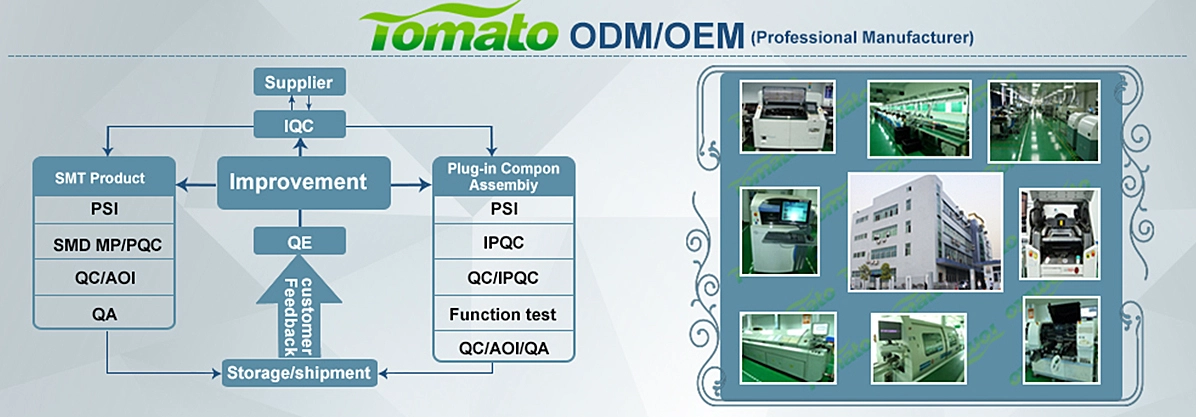
Shenzhen Tomato Technology Co., Ltd. can support the transition from development hardware to customized production hardware through PCBA hardware modification, SDK/API integration, custom UI/UX firmware, and thermal engineering.
The objective is to preserve the validated platform while removing unnecessary components and adding interfaces required by the customer's application.
Thermal Engineering Is a Performance Specification
High-performance SoCs create a thermal-design problem that cannot be solved by software alone.
Continuous 4K/8K decoding, AI inference, network workloads, and high-speed storage can produce sustained thermal loads substantially different from short benchmark tests.
A production Development Board should therefore be evaluated under sustained workloads.
Relevant parameters include:
- SoC junction temperature
- Heatsink thermal resistance
- Thermal-pad conductivity
- Enclosure airflow
- Ambient operating temperature
- CPU/GPU throttling thresholds
- Fan control
- Power consumption
- Long-duration video playback stability
For industrial digital signage or IPTV deployments operating 12–24 hours per day, thermal throttling can become a system reliability issue rather than a simple performance issue.
A customized cooling solution may involve a larger passive heatsink, optimized thermal interface material, enclosure ventilation, or active cooling. The correct solution depends on the final PCBA, enclosure and operating environment.
From Prototype to Commercial Product
A strong Development Board platform should shorten the engineering path between proof-of-concept and mass production.
A practical development process is:
1. Define application requirements
Determine video resolution, codec requirements, RAM, storage, networking, display interfaces, peripherals, operating system and expected operating temperature.
2. Select the SoC platform
Compare CPU/GPU/VPU/NPU performance, BSP maturity, codec support, lifecycle and available SDK resources.
3. Validate Android and Linux
Test boot stability, drivers, hardware acceleration, peripherals, networking, power management and long-duration workloads.
4. Develop application and firmware
Integrate SDK/API components, middleware, custom launcher, UI/UX, device management and OTA update mechanisms.
5. Optimize PCBA
Remove unnecessary interfaces, add project-specific connectors and redesign the board for the target enclosure.
6. Validate thermal and reliability performance
Run sustained workloads rather than relying only on short-duration benchmarks.
7. Move to pilot production
Freeze the hardware revision, firmware baseline and production test procedures before volume manufacturing.
This workflow reduces the risk of discovering hardware limitations after software development has already consumed significant engineering resources.
What B2B Buyers Should Request From a Development Board Supplier
Procurement teams and system integrators should request more than a product datasheet.
The supplier should be able to clarify:
- Which Android version is supported?
- Which Linux distributions or kernel versions are available?
- Is the BSP source code available?
- Are kernel modifications supported?
- Are GPU/VPU/NPU drivers included?
- Which codecs are hardware accelerated?
- What OTA architecture is supported?
- Can the PCBA be modified?
- Can RAM and eMMC configurations be changed?
- Can custom interfaces be added?
- Can the UI and launcher be customized?
- Can SDK/API integration be performed?
- What thermal solution is recommended?
- What is the expected product lifecycle?
- Can the same platform transition to volume OEM/ODM production?
These questions separate a genuine development platform from a generic Android TV Box board sold as an engineering solution.
Conclusion
A Linux & Android dual-OS TV Box Development Board should be selected as the foundation of a complete hardware-software platform, not as a standalone PCB.
The strongest platform combines a capable SoC, hardware video acceleration, sufficient memory and storage, mature Linux/Android BSP support, flexible I/O, reliable OTA architecture, security features, thermal headroom and a clear path toward customized PCBA production.
For B2B procurement managers, IPTV operators, digital signage integrators and embedded-system developers, the decisive factor is therefore not simply the lowest board price. It is whether the supplier can support the entire engineering chain—from SoC selection and Development Board validation to PCBA modification, kernel optimization, SDK/API integration, firmware customization, thermal engineering and OEM/ODM mass production.
That is the model required when a prototype must become a stable commercial product rather than another reference-design box.
