
Wholesale Factory price Custom Android TV Box with low MOQ for bulk orders
Wholesale Factory Price Custom Android TV Box with Low MOQ for Bulk Orders
AV1 decoding, Android 14/16 platforms, Wi-Fi 6 connectivity, and higher-performance SoCs are changing the specification baseline for commercial Android TV Box projects. At the same time, B2B buyers face a practical problem: many factories can offer low-cost Android TV Boxes, but far fewer can provide meaningful hardware and firmware customization at a commercially viable MOQ.
For distributors, IPTV operators, telecom projects, digital signage integrators, and private-label brands, a Custom Android TV Box should be evaluated as an engineered product platform rather than a finished consumer device. The critical factors include SoC selection, PCBA layout, memory and storage configuration, firmware control, OTA infrastructure, thermal performance, connectivity, certification requirements, and the supplier's ability to move from a small pilot order to stable bulk production.
What Makes a Custom Android TV Box Suitable for Wholesale Projects?
A wholesale Custom Android TV Box must balance three requirements: unit cost, technical flexibility, and production scalability.
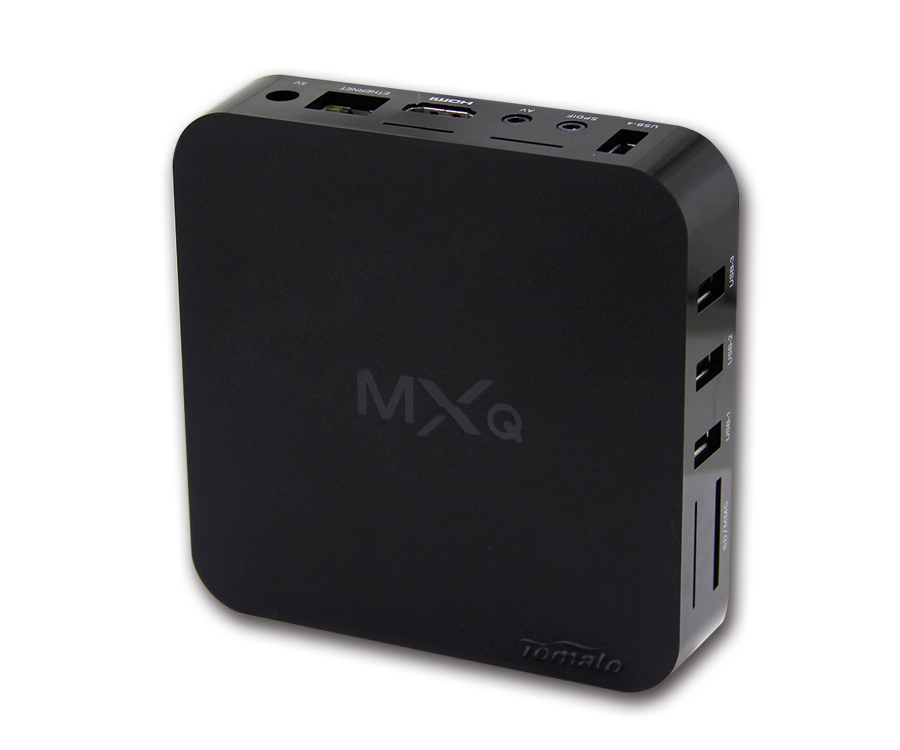
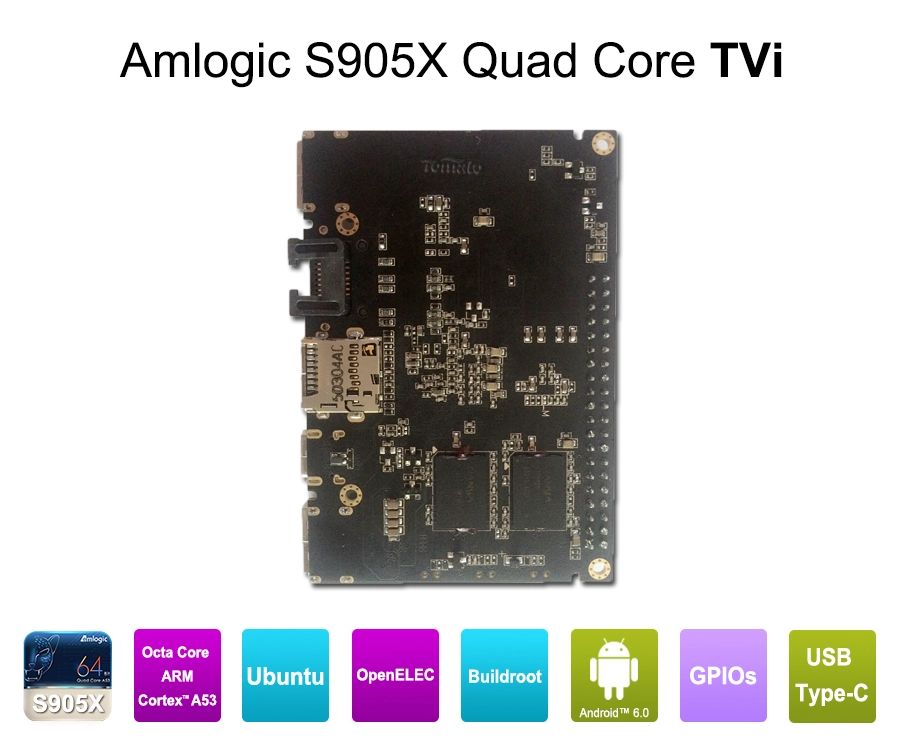
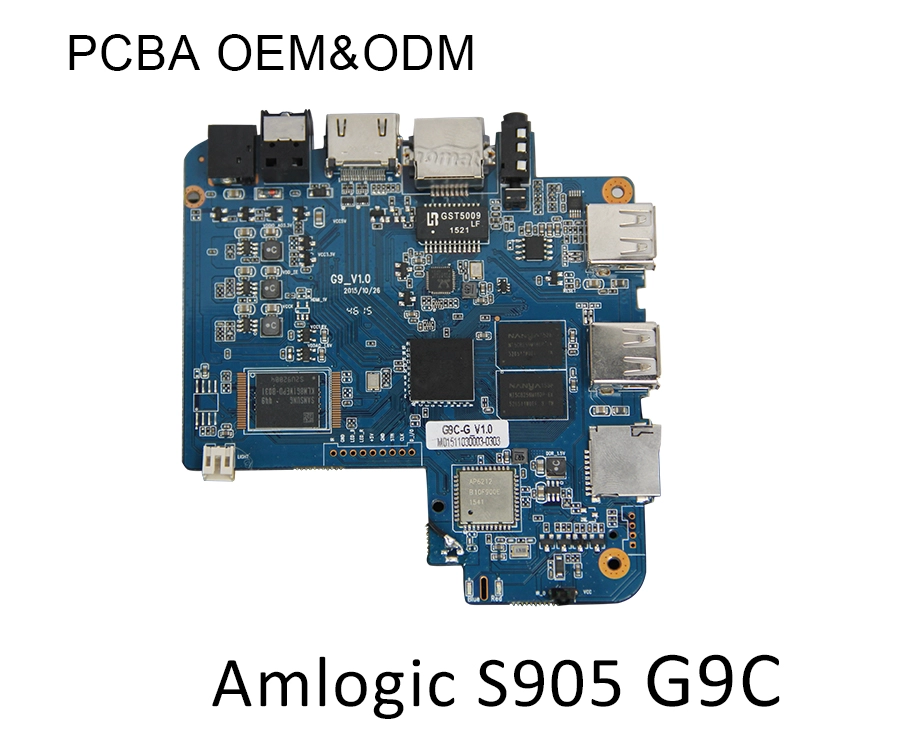
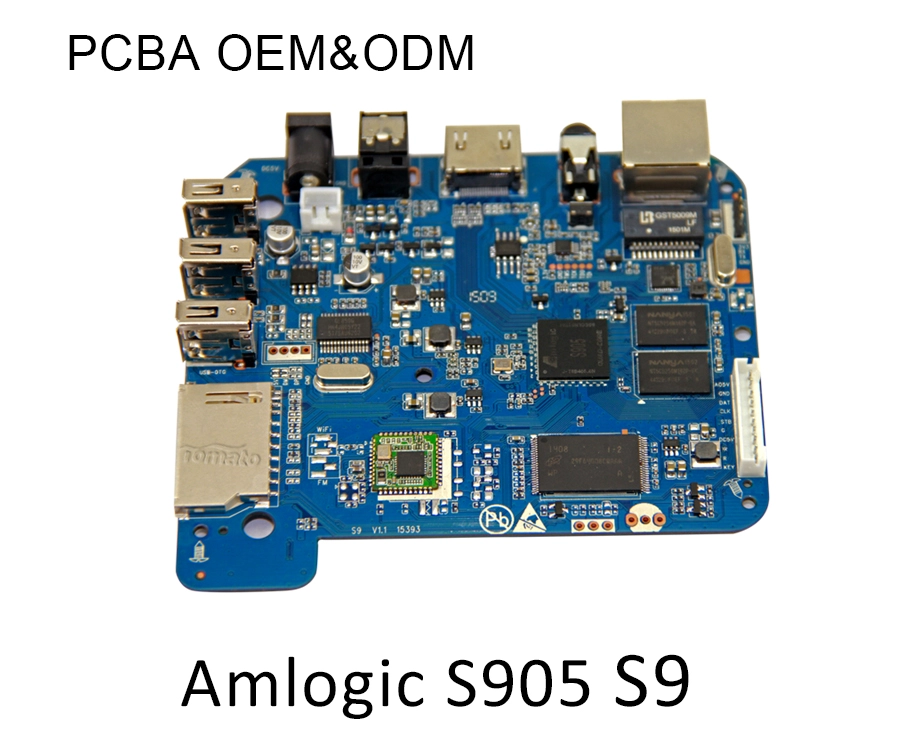
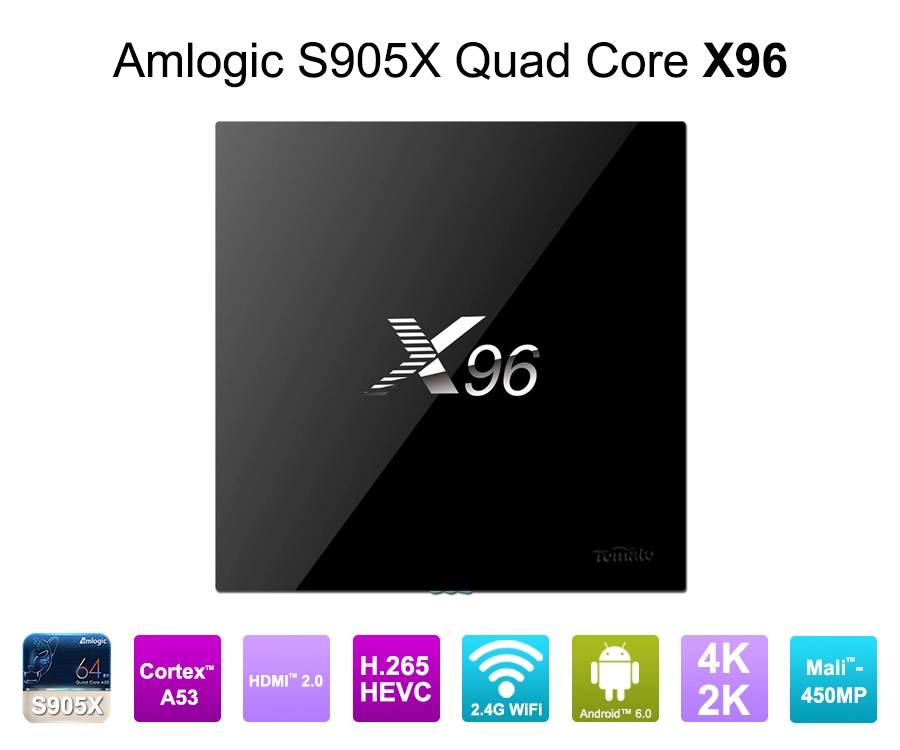
A standard reference-design TV Box may provide a fixed combination such as a particular SoC, 2GB RAM, 16GB eMMC, Wi-Fi and HDMI output. That configuration can work for generic retail applications, but it becomes restrictive when a buyer needs a proprietary launcher, additional interfaces, different memory configurations, a specific wireless module, customized enclosure dimensions, or integration with an existing IPTV platform.
For B2B projects, the customization scope should be defined at several engineering levels.
Hardware customization
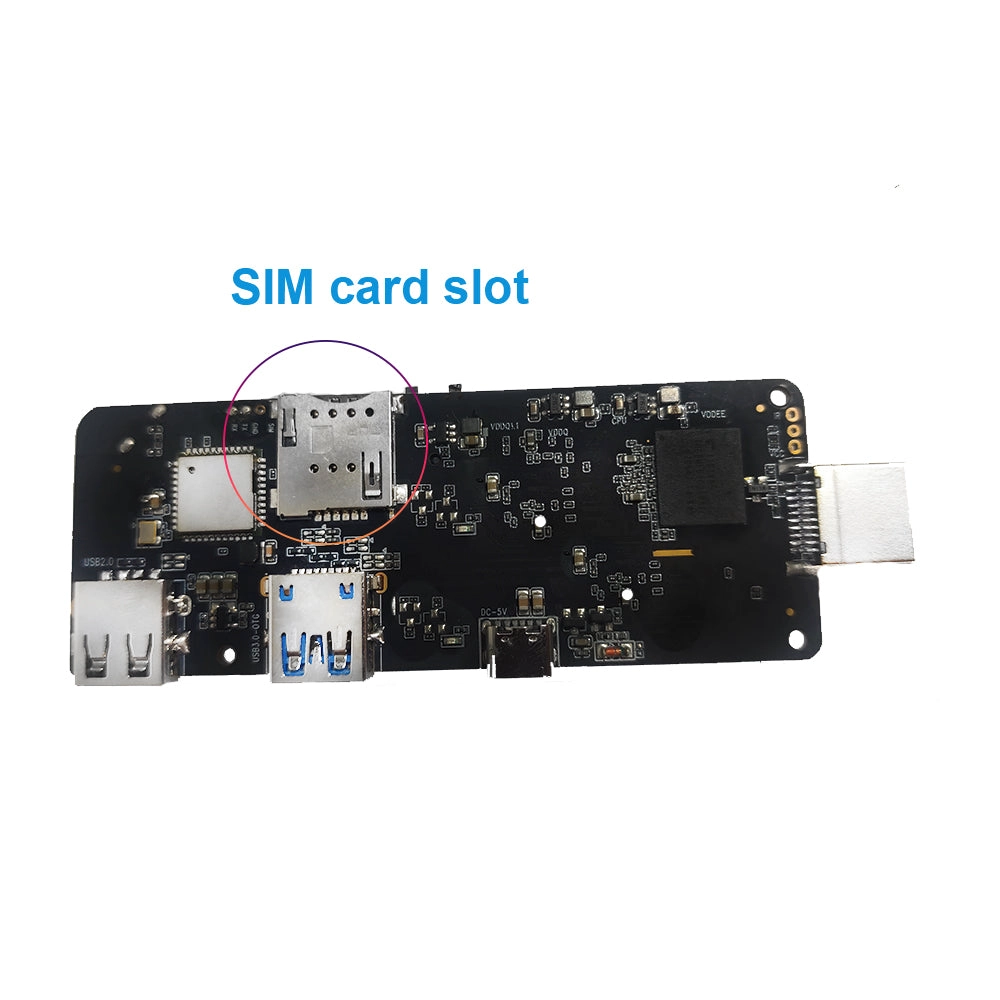
Typical PCBA modifications can include:
-
SoC platform selection
-
2GB, 4GB, 8GB or higher RAM configurations
-
8GB–128GB eMMC options
-
Wi-Fi 5/Wi-Fi 6 module selection
-
Bluetooth configuration
-
Gigabit Ethernet
-
USB 2.0/3.0/Type-C interfaces
-
HDMI output
-
AV/composite output where required
-
M.2 or other expansion interfaces
-
IR receiver and remote-control interfaces
-
GPIO, RS232 or RS485 for project-specific applications
-
Custom PCB dimensions and connector placement
The objective is not to add every possible interface. It is to remove unnecessary components and configure the PCBA around the customer's deployment environment.
This approach can reduce BOM cost while improving product reliability.
Firmware customization
Firmware is often the difference between a branded product and a re-labeled TV Box.
A professional Custom Android TV Box project may require:
-
Custom boot animation
-
Private launcher
-
Custom UI/UX
-
Pre-installed applications
-
Device-management software
-
IPTV middleware integration
-
OTA update systems
-
Remote configuration
-
Factory-reset behavior
-
System-level permissions
-
Customized Android services
-
Linux/Android kernel optimization
-
Hardware abstraction layer integration
For large deployments, OTA architecture deserves particular attention. A supplier should be able to define partition strategy, firmware version control, update validation, rollback behavior, and staged deployment rather than simply providing a new firmware image whenever an issue occurs.
How Low MOQ and Factory Pricing Actually Work
"Low MOQ" should not be interpreted as unlimited customization at mass-production pricing.
A practical OEM/ODM structure separates the project into several stages:
Engineering sample → pilot production → small-batch order → bulk production
The engineering sample validates the selected SoC, memory, storage, wireless module, firmware and enclosure. The pilot batch then verifies production consistency before the buyer commits to a larger quantity.
This structure is particularly useful for distributors testing a new market or IPTV operators deploying a new hardware generation.
Factory pricing depends on the BOM and production configuration. Major cost drivers include:
-
SoC model
-
RAM capacity
-
eMMC capacity
-
Wi-Fi/BT chipset
-
PCB layer count
-
PCB dimensions
-
enclosure material
-
power adapter specification
-
remote control
-
packaging
-
certification
-
firmware engineering
-
customized tooling
-
production quantity
Therefore, the lowest quoted unit price is not necessarily the lowest project cost.
A supplier that offers an inexpensive standard box but cannot modify the PCBA may create additional engineering, logistics, and certification costs later. A properly structured Custom Android TV Box project should calculate total landed cost and engineering cost together.
SoC Selection Should Follow the Application
The processor determines much of the product's performance ceiling.
For mainstream IPTV and streaming applications, an efficient quad-core or octa-core ARM SoC can provide sufficient CPU performance while controlling BOM and thermal costs.
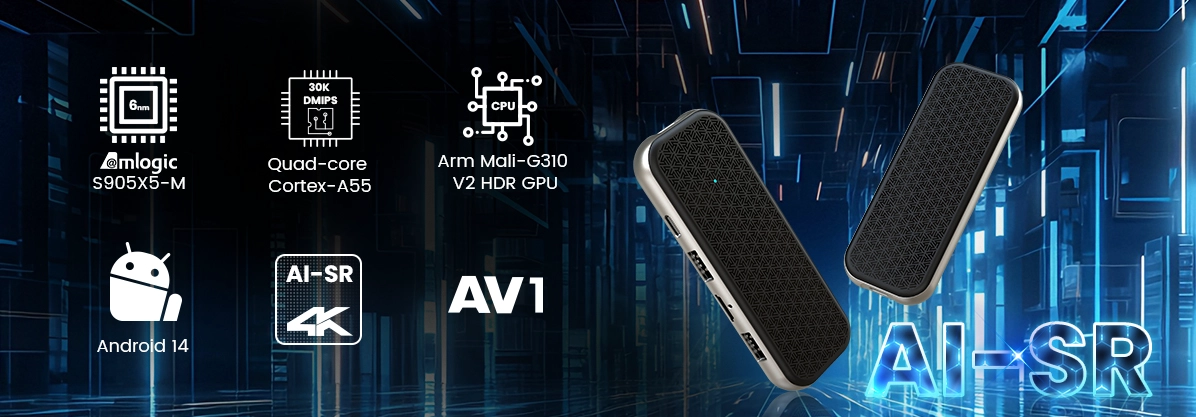
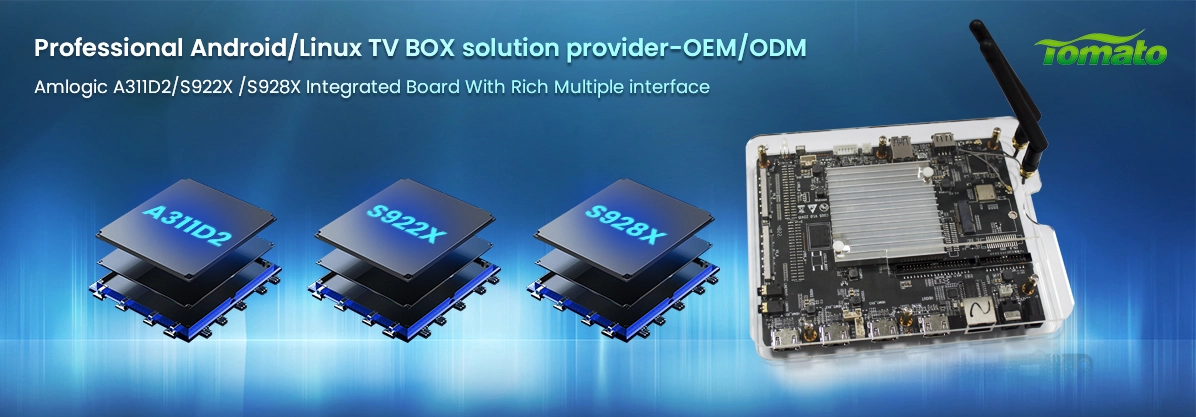
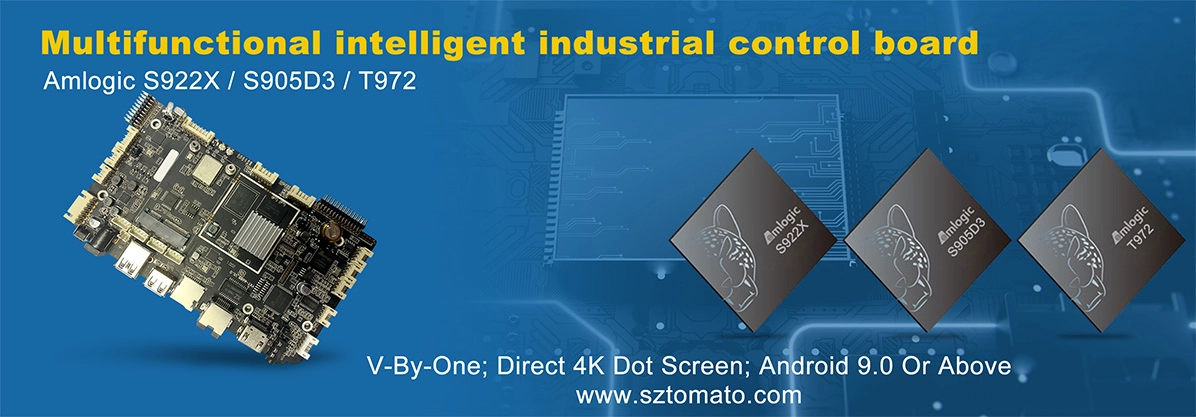
Higher-end projects may require platforms such as Amlogic S928X, S905X5-class solutions, A311D2, A311Y3 or Rockchip RK3588-class hardware, depending on the required workload.
The selection should consider more than CPU cores.
| Specification | Why It Matters |
|---|---|
| CPU architecture | Application and system performance |
| GPU | UI rendering and graphics acceleration |
| VPU | 4K/8K video decode and encode |
| NPU | AI inference and edge applications |
| RAM | Multitasking and application workload |
| eMMC | Boot, application storage and OTA capacity |
| HDMI | Display resolution and refresh rate |
| AV1 | Compatibility with newer video workloads |
| Ethernet | IPTV and high-bitrate network stability |
| Wi-Fi | Wireless streaming and deployment flexibility |
| BSP | Linux/Android software development |
| Thermal design | Sustained performance |
For example, an Android TV Box designed for basic IPTV does not necessarily benefit from the same SoC used for AI edge computing. Over-specifying the processor can increase BOM cost and thermal requirements without improving the customer's actual application.
The correct approach is to match the SoC to the workload.
Thermal Design Is Critical for Bulk Deployments
A Custom Android TV Box used for commercial deployment may operate for many hours every day. Sustained thermal performance therefore matters more than short benchmark results.
Higher-performance SoCs can generate substantial heat during:
-
4K/8K video playback
-
AI inference
-
sustained network traffic
-
high-speed storage access
-
multi-application workloads
-
continuous digital signage playback
Thermal engineering can include:
-
High-conductivity thermal pads
-
Custom heatsinks
-
Optimized heatsink-to-SoC contact
-
Enclosure airflow design
-
Passive cooling
-
Active fan cooling
-
Thermal-throttling optimization
-
Power-management tuning
SZTomato supports specialized cooling solutions for industrial and commercial applications where a standard consumer enclosure is insufficient.
This becomes particularly important for digital signage, hospitality, IPTV infrastructure, commercial displays, and other deployments where replacing failed devices is expensive.
Security, DRM and HDCP Should Be Defined Before Production
Content-protection requirements should be addressed during platform selection, not after hardware production.
Depending on the application, a Custom Android TV Box may need support for:
-
Secure Boot
-
Trusted execution environments
-
DRM frameworks
-
HDCP encryption
-
Protected video paths
-
Secure key provisioning
-
Application-level security
-
OTA firmware authentication
The exact DRM and HDCP capability depends on the SoC, Android version, certification status, keys, middleware and intended service ecosystem.
This is one reason a B2B buyer should not select a supplier solely from a product photograph and basic specification sheet.
If the final application involves commercial streaming services, IPTV middleware, operator deployment or protected content, the complete software and security architecture must be validated before the production order.
Why OEM/ODM Engineering Capability Matters
A real Custom Android TV Box manufacturer should be able to modify both hardware and software.
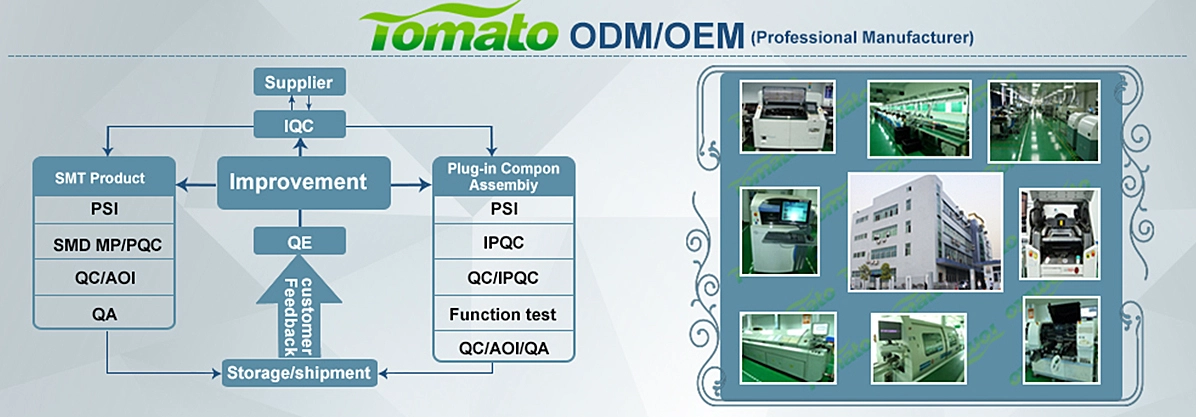
SZTomato's OEM/ODM workflow can include:
SoC selection → PCBA modification → prototype → BSP/SDK integration → firmware customization → thermal optimization → pilot production → bulk manufacturing
PCBA engineering can address component selection, PCB layout, interfaces, power design and enclosure constraints.
Software engineering can cover SDK/API integration, Android/Linux kernel optimization, custom UI/UX firmware, system applications and OTA infrastructure.
This allows the customer to build a product around its own business requirements instead of adapting its business model to a fixed factory reference design.
For example, an IPTV operator may require a customized launcher and middleware integration. A digital signage integrator may need remote management, scheduled playback and additional peripheral interfaces. A private-label distributor may prioritize enclosure design, branding, packaging and a stable firmware image.
The underlying platform can be adapted to each use case without creating an entirely new hardware architecture.
A Better Procurement Model for Bulk Android TV Box Orders
Before requesting a quotation, procurement teams should provide a technical requirement sheet covering:
-
Target Android version
-
Required Linux support, if applicable
-
SoC performance requirements
-
RAM and eMMC capacity
-
4K/8K and codec requirements
-
HDMI and display specifications
-
Ethernet and wireless requirements
-
USB and industrial interfaces
-
IPTV/OTT middleware requirements
-
DRM and HDCP requirements
-
OTA update requirements
-
Enclosure dimensions
-
Remote-control configuration
-
Certification requirements
-
Target MOQ and annual volume
This allows the manufacturer to calculate a realistic BOM instead of providing a generic factory price.
For buyers seeking low MOQ, the most efficient strategy is usually to begin with an existing proven hardware platform and customize the components that directly affect the application. Full PCBA redesign should be reserved for projects where the standard platform cannot satisfy the technical requirements.
That approach reduces NRE, shortens validation time, and creates a cleaner path toward bulk production.
Choose a Factory That Can Support the Entire Product Lifecycle
The value of a Custom Android TV Box supplier is measured by what happens after the first shipment.
A suitable OEM/ODM partner should be capable of supporting:
-
Hardware revisions
-
Firmware maintenance
-
OTA updates
-
Component substitutions
-
Software customization
-
Production testing
-
Quality control
-
Thermal optimization
-
Certification support
-
Long-term spare-part planning
-
Repeat bulk production
For B2B buyers, this lifecycle capability is more important than a small difference in the initial unit quotation.
A low-MOQ order should be the entry point to a scalable product program, not an isolated transaction.
Build the Product Around Your Deployment Requirements
For procurement managers, IPTV operators, digital signage companies, system integrators, and private-label brands, the right Custom Android TV Box is not necessarily the cheapest standard model.
The stronger strategy is to start with a proven SoC and PCBA platform, define the required hardware interfaces, customize the Android/Linux firmware, validate thermal and software performance, and then scale the validated configuration into bulk production.
SZTomato provides this OEM/ODM path with PCBA hardware modification, SDK/API integration, custom UI/UX firmware, Linux/Android kernel optimization, OTA system development, and specialized cooling solutions.
If your project requires a Custom Android TV Box with a low initial MOQ and a clear path to bulk production, provide the target SoC, RAM/eMMC configuration, interfaces, firmware requirements, branding requirements, and estimated order volume. The correct engineering configuration can then be defined before the production quotation is finalized.
