
Smart TV Box Function
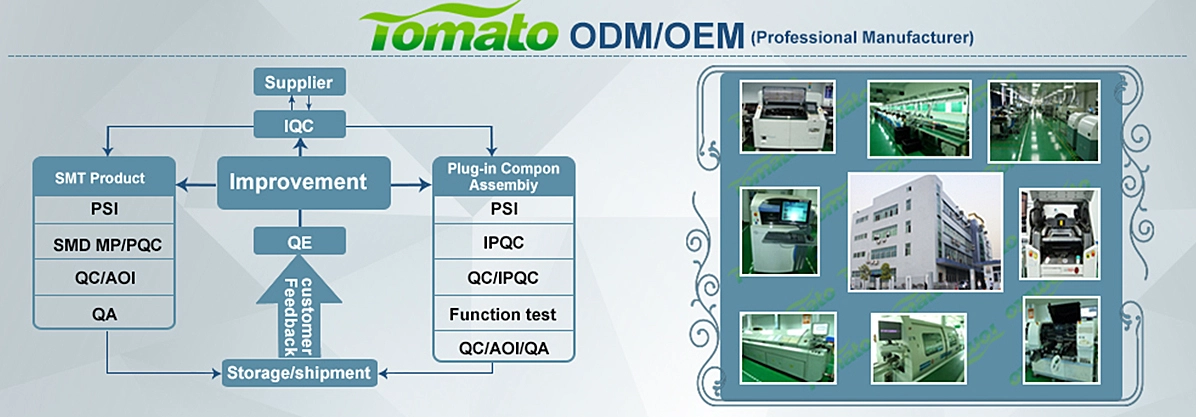
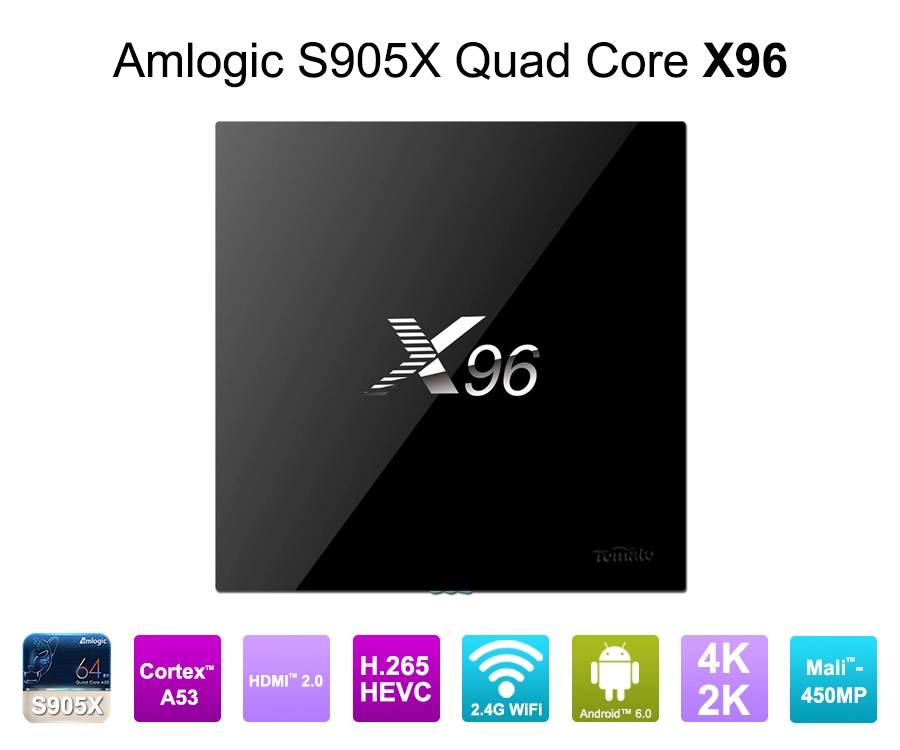
The Smart TV Box market is evolving rapidly, and the functionality it delivers has become a core competitive differentiator. Companies seeking to provide state-of-the-art entertainment hardware must understand not just the features but also how to tailor them for target markets. As an R&D and OEM/ODM provider, SZTomato is uniquely positioned to offer customized Smart TV Box function solutions that align with client strategies and end-user expectations.
In this article, we will dive deeply into the practical functions of Smart TV Boxes, what matters most to consumers, and how SZTomato’s customization capabilities can help your business win in this space.
Core Functions of a Smart TV Box
1. Streaming & OTT App Support
One of the primary roles of a Smart TV Box is to serve as a portal for streaming. With the integration of app ecosystems like Android TV / Google TV or custom platforms, users can install popular services such as Netflix, YouTube, Amazon Prime Video, Disney+, Spotify, and niche localized apps. These devices turn any standard TV into a full-featured streaming hub.
Reliable streaming involves support for adaptive bitrate streaming (HLS, DASH), DRM compatibility (Widevine, PlayReady), and seamless app switching. Performance and memory configuration are critical to maintain a smooth user experience.
2. Local Media Playback & File Sharing
Beyond internet streaming, Smart TV Boxes often support playback of local media from USB drives, SD cards, network-attached storage (NAS), or DLNA / SMB shares. This enables consumers to view their own video, music, and photo libraries without needing to upload content to the cloud.
A robust firmware stack includes codecs to handle H.264, H.265, VP9, AV1, and support for subtitles, multi-audio, and high-resolution (4K / 8K) playback.
3. Casting, Mirroring & Screen Share
To integrate with mobile ecosystems, many boxes offer Miracast, AirPlay, Chromecast, or proprietary casting protocols. This function turns the TV box into a wireless receiver, allowing users to mirror or cast content from smartphones, tablets, or computers. It’s especially useful for presentations, sharing photos, or extending desktops.
4. Gaming and Cloud Gaming Support
Smart TV Boxes also increasingly support gaming. They can host casual Android games through app stores, local emulators for classic console titles, or connect to cloud-gaming services like NVIDIA GeForce NOW, Stadia, or xCloud. Paired with Bluetooth or USB game controllers, users can enjoy a console-like experience.
High-end boxes may offer GPU acceleration, Vulkan support, and low-latency rendering to enhance gaming performance.
5. Voice Control & Smart Home Integration
The integration of voice assistants (Google Assistant, Amazon Alexa, or custom voice engines) enables hands-free control of media, device settings, and even other smart home appliances. Smart TV Boxes are increasingly becoming a hub in the smart home ecosystem—able to control lights, thermostats, cameras, and more via standard protocols like MQTT, Zigbee, or MQTT bridging.
6. Software Updates, OTA & Security
Long-term viability depends on secure over-the-air (OTA) firmware updates, patching vulnerabilities, and pushing feature enhancements. Secure boot, encryption of stored data, sandboxing apps, and certificate-based authenticity are essential to protect user data and trust in the device.
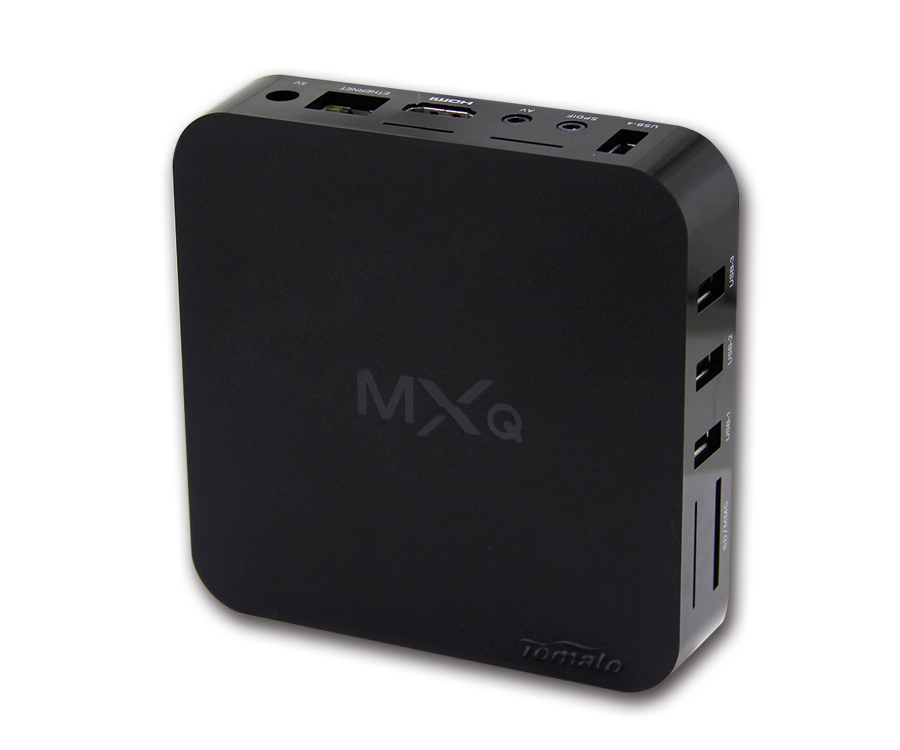
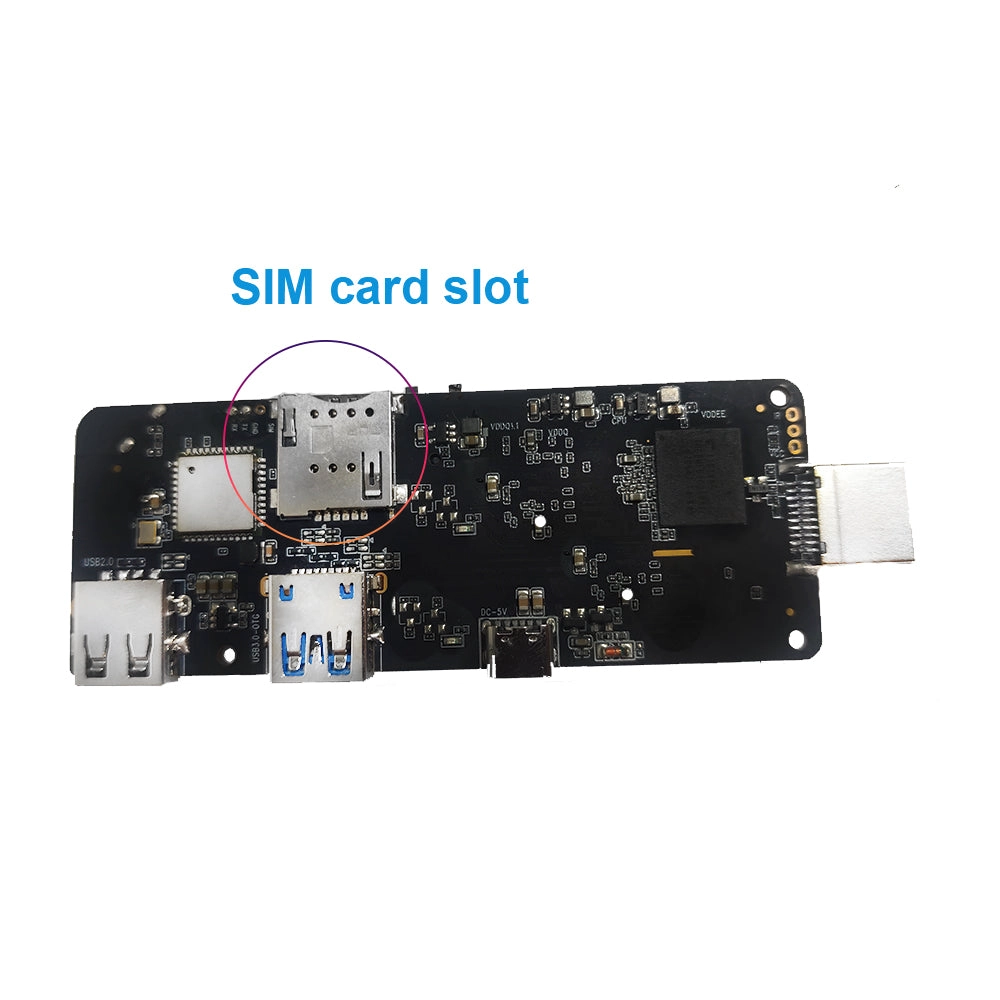
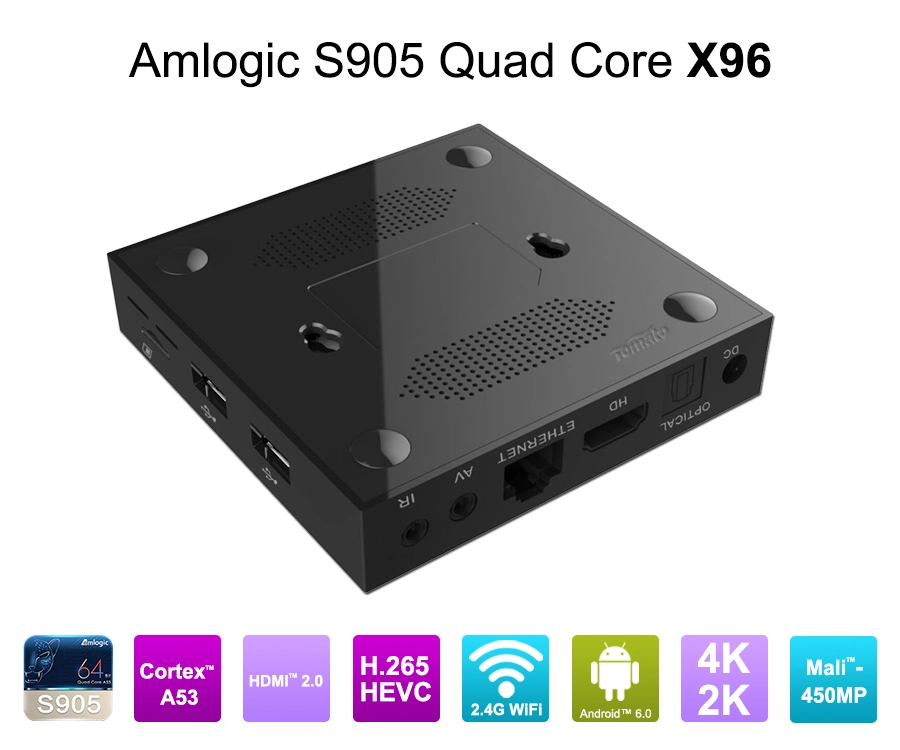
7. Peripheral Connectivity (HDMI, USB, Ethernet, Bluetooth, WiFi)
Smart TV Boxes must support a diverse set of ports and wireless interfaces to adapt to user needs:
-
HDMI (2.0, 2.1) for high-bandwidth video and CEC control
-
USB 3.0 / 2.0 for external storage or peripherals
-
Gigabit Ethernet for stable streaming
-
Dual-band WiFi (2.4G + 5G or WiFi 6)
-
Bluetooth (5.0/5.2) for keyboards, headphones, controllers
This flexibility allows the box to adapt to various user cases—from high-performance streaming to IoT connectivity.
8. Custom UI / UX Layer & Branding
To differentiate, many B2B customers require custom launchers, branding, theme settings, language localization, preloaded apps, and custom portal pages. The user layer must remain responsive, intuitive, and consistent with brand identity.
Why These Functions Matter—Use Cases & Challenges
Use Cases That Drive Function Demand
-
Emerging markets: local streaming, language-specific apps, and offline playback
-
Hospitality sector: branded UIs, remote management, content lockdown
-
Smart home ecosystems: leveraging the TV box as a smart hub
-
Gaming-centric markets: performance tuning for low-latency play
-
Educational / corporate: remote conferencing, content casting to displays
Common Functional Challenges
-
Performance bottlenecks under heavy multitasking or high-resolution streaming
-
Codec licensing and DRM compliance across regions
-
Firmware stability and fragmentation
-
Ensuring OTA updates reach deployed devices reliably
-
Security vulnerabilities in third-party apps
-
UI/UX consistency across various hardware SKUs
How SZTomato Enables Smart TV Box Function Customization
1. Flexible Hardware Configuration
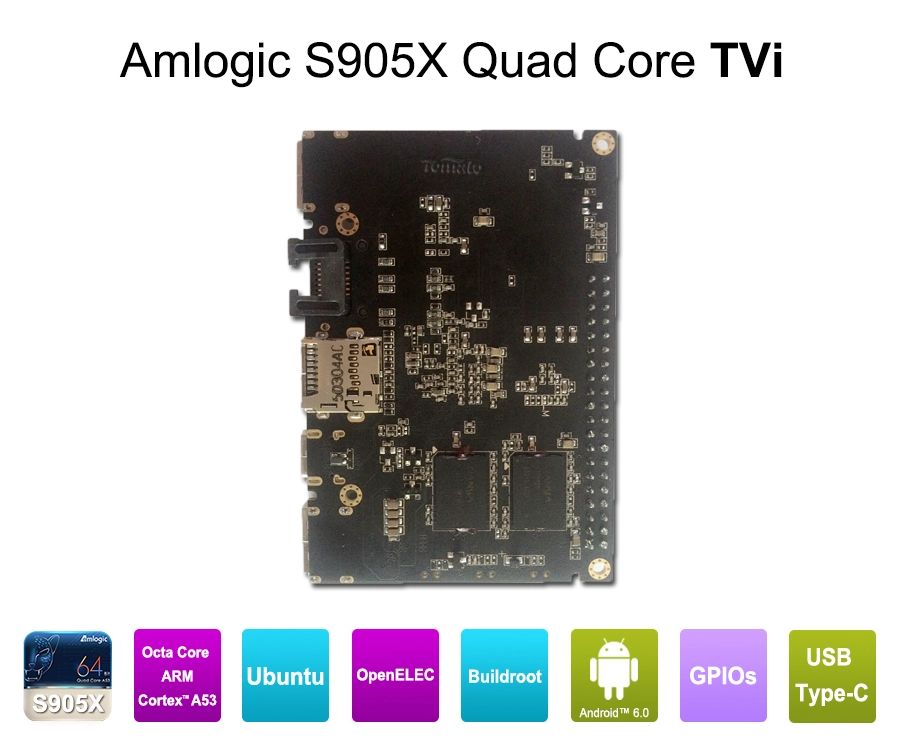
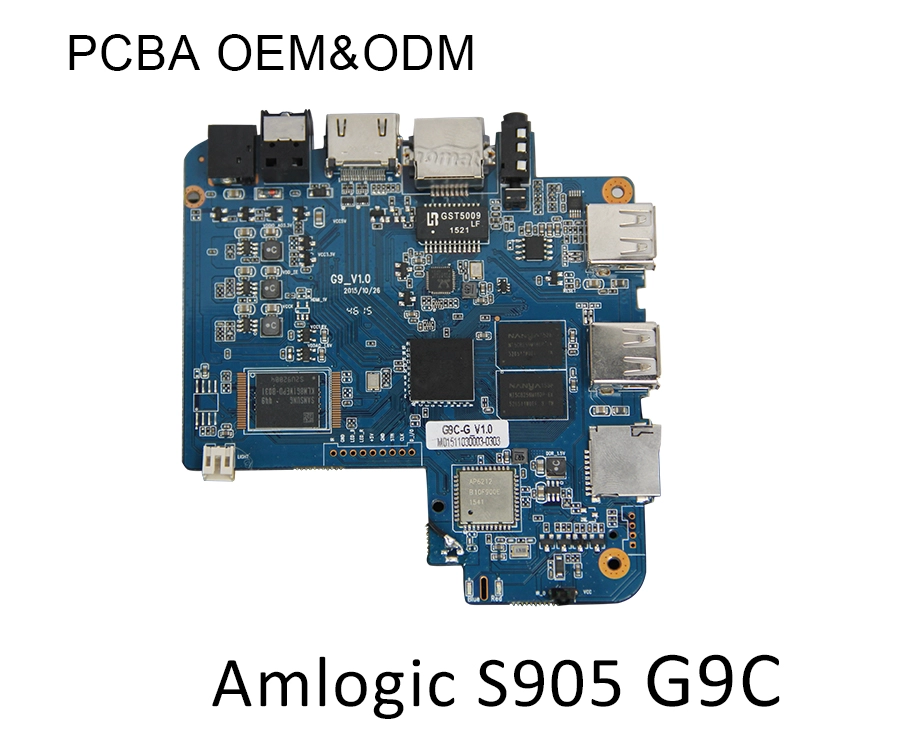
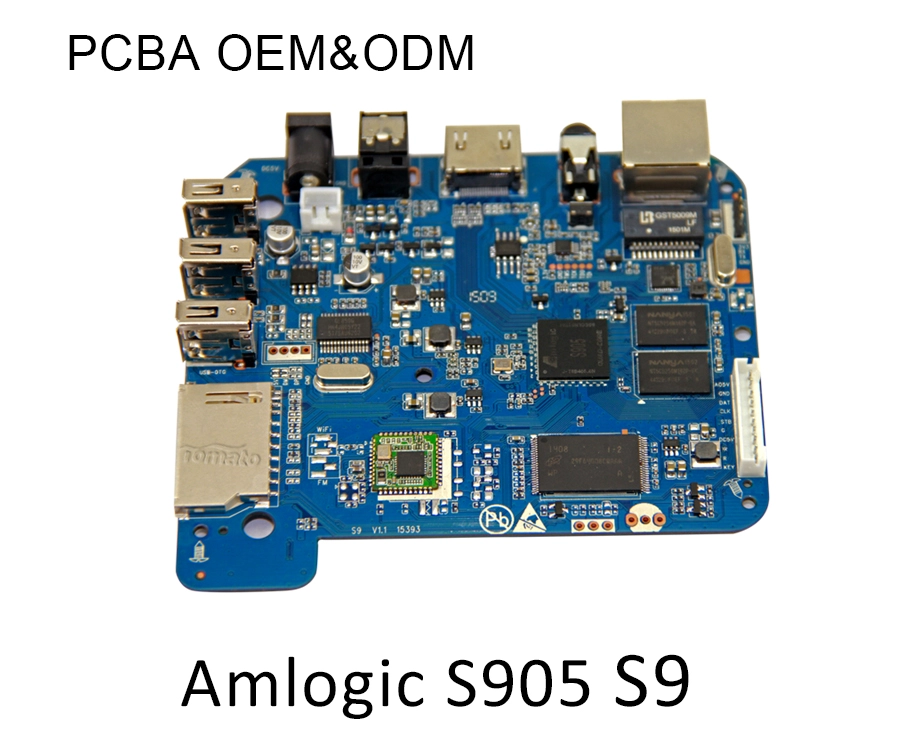
SZTomato offers a wide range of SoCs (Amlogic, Rockchip, Allwinner etc.), memory/storage options, connectivity modules, and OEM design services. This flexibility ensures that each box can be optimized for prioritized functions (e.g. gaming vs streaming vs smart home).
2. Custom Firmware & Middleware
We provide SDK integration, launcher customization, app whitelisting, OTA frameworks, and middleware layers tailored to client needs. This allows your box to deliver the exact Smart TV Box function profile you want—no more, no less.
3. App Ecosystem & Localization Support
SZTomato can help integrate regional streaming platforms, preinstall apps, manage app store support, and localize interface language or region-specific features.
4. Security & Compliance
We integrate secure boot, encryption, trusted execution, certificate-based updates, and regular patch support. For markets with strict regulation, we handle compliance requirements (GDPR, etc.) as part of the firmware.
5. Long-term Support & Version Control
We commit to Rd, lifecycle maintenance, OTA update planning, and version rollback mechanisms to support deployed fleets over 3–5 years.
6. Certification & Testing
SZTomato manages lab testing (CE, FCC, RoHS) and functional testing (stress, streaming stability, thermal) to ensure strong product quality.
Best Practices & Tips for Deploying Smart TV Box Functions
-
Prioritize features for your target market—don’t overload hardware with unused functions.
-
Maintain a lean, responsive UI even on entry-level models.
-
Rigorous QA for app compatibility and memory-constrained scenarios.
-
Plan OTA rollouts in phases with fallback recovery options.
-
Monitor analytics from deployed units (crash logs, usage stats) to iterate.
-
Consider modular upgrades for future-proofing (e.g. optional AI chips, expanded memory).
Conclusion
Understanding Smart TV Box function is not just about listing features—it’s about aligning those features with market demands, performance trade-offs, and long-term maintenance. SZTomato stands ready as your B2B partner to deliver customized, robust, and scalable Smart TV Box solutions, built for your brand’s success. Let’s create the next generation of intelligent entertainment hardware—together.
