
Solutions for Overheating and Lagging Issues in Continuous-Running IPTV Set-Top Boxes
Solutions for Overheating and Lagging Issues in Continuous-Running IPTV Set-Top Boxes
An IPTV Set-Top Box that works normally for 30 minutes but begins dropping frames, delaying remote commands, or freezing after several hours has a design problem—not simply a software problem.
Continuous-running IPTV deployments expose weaknesses that short laboratory tests often miss. Sustained SoC utilization, DDR activity, network traffic, video decoding, Wi-Fi transmission, background Android services, and enclosure heat accumulation can push a Set-Top Box into thermal throttling. Once CPU or GPU frequency is reduced, the symptoms appear as interface lag, delayed application response, video stutter, buffering, and eventually system instability.
For operators, hotels, telecom projects, and commercial deployments, solving this problem requires more than adding a larger heatsink. The complete architecture must be evaluated: SoC selection, PCBA layout, power delivery, memory, storage, thermal path, Android/Linux kernel configuration, application behavior, and OTA maintenance.
Why Continuous-Running IPTV Set-Top Boxes Overheat and Start Lagging
The first mistake in troubleshooting is treating temperature and lag as two independent problems.
They are often connected.
A typical IPTV Set-Top Box continuously performs several workloads:
-
Hardware video decoding
-
Network packet processing
-
DRM and HDCP-related operations
-
Android system services
-
IPTV middleware
-
UI rendering
-
Remote-control input processing
-
Background application services
-
Wi-Fi/Bluetooth communication
-
Storage access and logging
-
OTA or device-management services
When the SoC temperature rises beyond its operating threshold, thermal management mechanisms can reduce CPU/GPU frequency or otherwise constrain performance. The result is a familiar sequence:
High sustained workload → rising junction temperature → thermal throttling → lower processing performance → frame drops and UI latency
The enclosure can make the problem worse.
A compact plastic enclosure with limited ventilation may initially perform well because the internal temperature has not yet reached equilibrium. After several hours, heat accumulates around the SoC, DDR, PMIC, Wi-Fi module, and other high-load components.
This explains why a Set-Top Box can pass a short burn-in test but fail during 24/7 operation.
Thermal Problems Often Begin at the PCBA
Thermal performance is influenced by PCB design long before a heatsink is installed.
Important factors include:
-
PCB layer structure
-
Copper area beneath the SoC
-
Thermal vias
-
Ground-plane design
-
PMIC placement
-
DDR positioning
-
High-current power traces
-
Component spacing
-
Heat transfer between SoC and chassis
-
Wi-Fi module location
-
Connector density around heat-producing components
A poorly designed thermal path can leave a high-performance SoC operating in a small thermal island.
For an OEM Set-Top Box project, modifying the enclosure without reviewing the PCBA may therefore produce only limited improvement.
How to Diagnose IPTV Set-Top Box Overheating and Lag
Before changing hardware, engineering teams should establish whether the root cause is thermal, software, networking, storage, or power related.
A useful diagnostic sequence is:
1. Monitor SoC Temperature Under Sustained Load
Measure temperature during realistic IPTV operation rather than an idle Android desktop.
The test should include:
-
Continuous 4K video playback where applicable
-
Sustained network traffic
-
IPTV middleware
-
Remote-control activity
-
Background services
-
Wi-Fi or Ethernet operation
-
Ambient-temperature variation
The important metric is not the peak temperature after five minutes. It is the temperature curve after the system reaches thermal equilibrium.
2. Check CPU and GPU Frequency
If system responsiveness deteriorates as temperature increases, monitor CPU/GPU frequency alongside temperature.
A typical thermal-throttling pattern looks like:
Temperature increases → clock frequency decreases → frame processing time increases → UI response deteriorates
This provides much stronger evidence than simply touching the enclosure and concluding that the box is “too hot.”
3. Separate Network Buffering from Hardware Lag
IPTV users often describe every playback interruption as “lag.”
But buffering caused by insufficient network bandwidth is fundamentally different from SoC thermal throttling.
Engineering validation should separately monitor:
-
Network throughput
-
Packet loss
-
Latency
-
Decoder utilization
-
CPU utilization
-
Memory utilization
-
Storage I/O
-
SoC temperature
-
Frame-drop statistics
This distinction prevents an engineering team from replacing perfectly adequate hardware when the actual problem is a network or middleware configuration issue.
4. Check Storage and Background Services
Low-quality or heavily loaded eMMC storage can contribute to application launch delays, logging bottlenecks, OTA problems, and system responsiveness.
Likewise, unnecessary background processes can consume CPU, RAM, storage I/O, and network resources continuously.
A production IPTV firmware image should therefore be optimized for the actual deployment scenario rather than treated as a generic Android image.
Hardware Solutions: Build the Set-Top Box for 24/7 Operation
When the workload is genuinely beyond the thermal capability of the existing design, hardware changes are required.
Improve the SoC Thermal Path
A thermal solution can include:
-
Larger heatsinks
-
Higher-performance thermal pads
-
Improved SoC-to-heatsink contact
-
Thermal interface material optimization
-
Additional chassis heat spreading
-
Copper heat-spreader structures
-
Improved airflow
-
Revised enclosure ventilation
The correct solution depends on the SoC TDP, enclosure volume, operating temperature, PCB structure, and continuous workload.
Simply increasing heatsink size is not always effective if the heat cannot efficiently travel from the SoC into the heatsink.
Optimize PCBA Layout
For customized IPTV Set-Top Boxes, PCBA modification can address thermal and electrical problems at the source.
The engineering review should consider the relative position of:
SoC → DDR → PMIC → power circuitry → Ethernet/Wi-Fi → thermal structure
High-current power components should not unnecessarily concentrate heat around temperature-sensitive devices.
At the same time, the PCB needs adequate copper distribution and thermal vias to move heat away from the SoC package.
This is one area where OEM engineering capability matters more than catalog selection.
Review Power Delivery
Unstable power delivery can produce symptoms that resemble overheating or software lag.
A production design should validate:
-
PMIC capability
-
Voltage stability
-
Load transients
-
Power sequencing
-
USB power loading
-
Ethernet/Wi-Fi load
-
SoC peak consumption
-
Thermal behavior of power components
A Set-Top Box operating continuously under high network and video workloads places different demands on the power system than a device used intermittently.
Firmware Optimization: Reduce the Workload Before Increasing Hardware
Not every overheating problem requires a new SoC or larger heatsink.
Firmware optimization can reduce unnecessary system load.
A customized Android/Linux firmware stack can address:
-
CPU governor configuration
-
GPU performance settings
-
Background process control
-
Memory management
-
Thermal policies
-
Logging frequency
-
Application startup behavior
-
Network-service optimization
-
Decoder configuration
-
Watchdog configuration
-
OTA update mechanisms
Linux/Android kernel optimization is particularly useful for commercial products because the objective is not maximum benchmark performance.
The objective is predictable performance over the entire deployment lifecycle.
A TV Box that scores highly in a short benchmark but throttles after four hours is less useful for a 24/7 IPTV deployment than a platform that maintains stable performance under sustained load.
Optimize the IPTV Application Layer
Middleware can also create unnecessary CPU and memory consumption.
Common causes include:
-
Aggressive polling
-
Memory leaks
-
Excessive background services
-
Repeated network requests
-
Inefficient UI rendering
-
Unnecessary animations
-
Excessive log generation
-
Poor process lifecycle management
SDK/API integration allows the firmware and application layer to be designed around the actual operator environment.
For example, an IPTV operator may require remote configuration, device monitoring, content management, application control, and OTA updates. These functions should be integrated into the system architecture rather than implemented as unrelated background processes.
Why 24/7 IPTV Requires a Different Set-Top Box Design Standard
A consumer Set-Top Box may operate for a few hours per day.
A telecom, hotel, IPTV operator, or commercial deployment may operate continuously.
That difference changes the engineering priorities.
A 24/7 system must consider:
| Engineering area | Short-term consumer use | Continuous IPTV deployment |
|---|---|---|
| Thermal design | Basic | Sustained-load validation |
| SoC selection | Peak performance | Performance stability |
| PCBA | Reference design may suffice | Workload-specific optimization |
| Firmware | Standard image | Customized system software |
| OTA | Occasional updates | Controlled lifecycle management |
| Watchdog | Basic | Recovery strategy required |
| Storage | Consumer-grade selection | Long-term reliability |
| Network | Standard connectivity | Continuous traffic validation |
| Enclosure | Compactness | Heat dissipation and airflow |
| Testing | Short functional test | Long-duration burn-in |
This is why procurement specifications for commercial IPTV hardware should include operating conditions and workload profiles, not just processor model, RAM, storage, and video resolution.
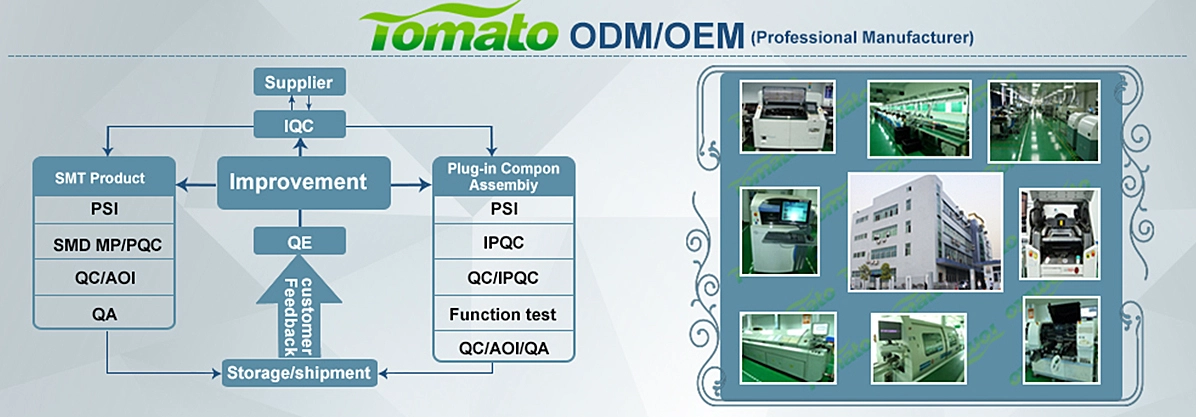
How SZTomato Approaches Continuous-Running Set-Top Box Projects
For an IPTV Set-Top Box intended for long operating cycles, SZTomato can address the problem across multiple engineering layers.
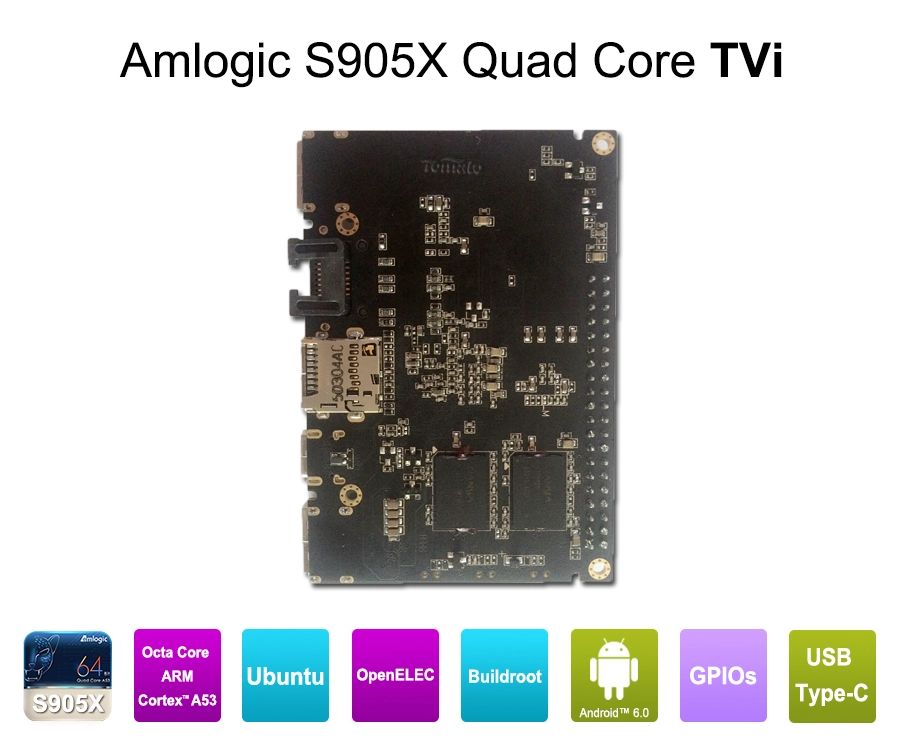
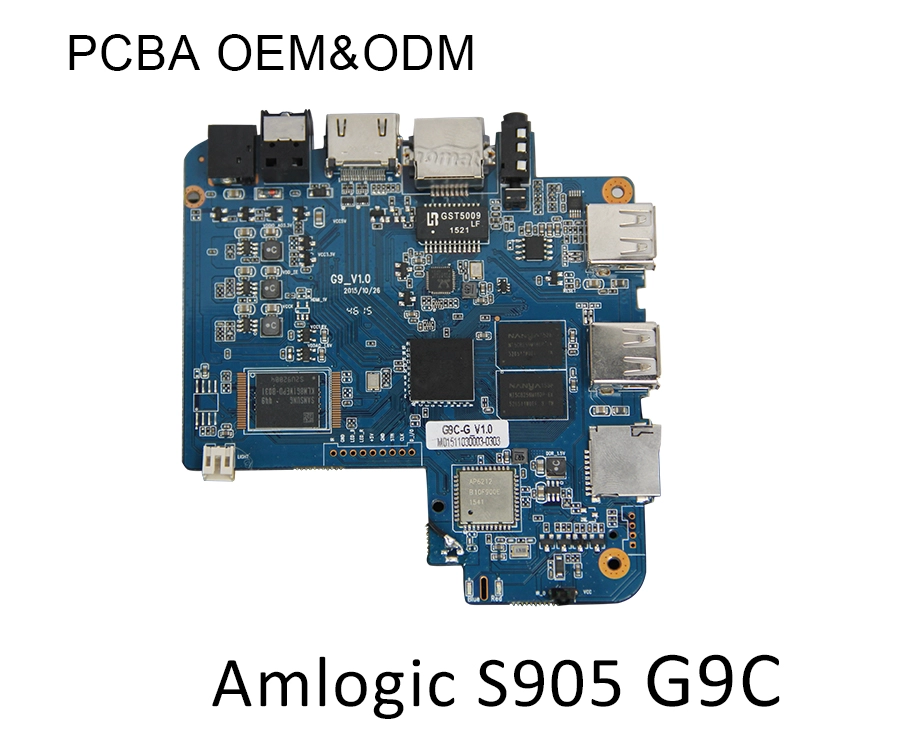
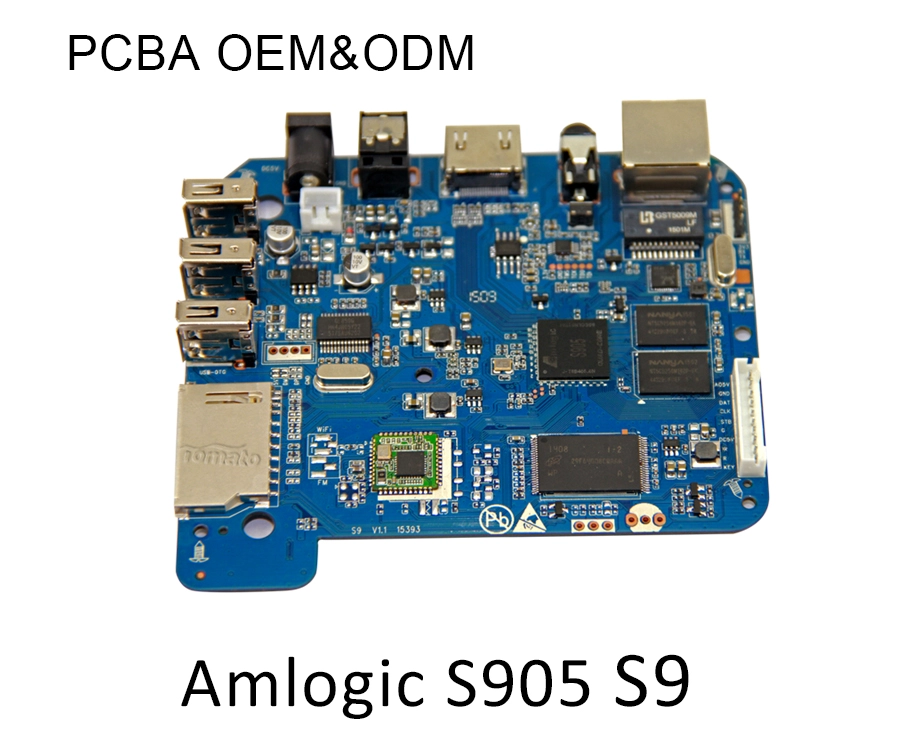
PCBA hardware modification can adapt the board to project-specific requirements, including component selection, interface configuration, power architecture, and thermal design.
At the software level, SDK/API integration can connect IPTV middleware, device-management systems, remote-control functions, and customer applications.
Custom UI/UX firmware can reduce unnecessary system overhead while adapting the Android environment to the operator's workflow.
For industrial and commercial applications, specialized cooling solutions can also be integrated into the mechanical and PCBA architecture to improve sustained thermal performance.
The development process should be based on measurable operating conditions:
Application workload → SoC selection → PCBA design → thermal architecture → firmware optimization → sustained-load testing → OTA strategy → pilot production
This approach is more reliable than taking a standard Set-Top Box and attempting to solve every deployment problem after mass production.
Conclusion: Design for Sustained Performance, Not the First Hour
Overheating and lagging in continuous-running IPTV Set-Top Boxes are usually system-level problems.
The root cause may involve SoC thermal throttling, inadequate PCBA heat dissipation, power instability, excessive Android background processes, inefficient IPTV middleware, storage bottlenecks, or network conditions. In many deployments, several factors interact.
The correct solution is therefore not simply “add a fan” or “use a faster CPU.”
For B2B IPTV projects, the Set-Top Box should be engineered around the actual workload and operating environment. SoC selection, PCBA layout, thermal design, firmware, SDK/API integration, OTA architecture, and long-duration validation need to be considered as one system.
For procurement managers, IPTV operators, and system integrators developing a customized Set-Top Box, SZTomato provides OEM/ODM engineering support covering PCBA hardware modification, firmware customization, SDK/API integration, Linux/Android kernel optimization, custom UI/UX, and specialized cooling solutions.
The objective is straightforward: maintain predictable performance after hours, days, and months of continuous operation—not just during the first laboratory test.
