TV Box Buying Guide
B2B Sourcing Strategy: Enterprise TV Box Selection and PCBA Customization Guide
Procurement failures in large-scale internet protocol television (IPTV), over-the-top (OTT) media networks, and smart hospitality deployments usually stem from a single miscalculation: sourcing retail-grade hardware for commercial workloads. When a project requires thousands of nodes deployed across disparate network environments, relying on generic retail configurations introduces significant operational risks. Issues like thermal degradation under continuous 24/7 runtime, a lack of root-level permissions for mobile device management (MDM) deployment, and unpredictable component lifecycles can severely impact project ROI.
In 2026, a commercial TV Box must be evaluated as an enterprise-grade computing hub rather than a simple consumer media player. Sourcing teams must analyze technical specifications at the component level, focus on firmware customization capabilities, and select stable silicon lifecycles to avoid costly mid-deployment hardware redesigns.
Silicon Architecture: Matching System-on-Chip (SoC) Frameworks to Enterprise Workloads
The processing core of a commercial media deployment dictates the stability, decoding capabilities, and lifespan of the entire system architecture. Hardware procurement should avoid generic "quad-core" descriptions and focus instead on specific chipsets designed for long-term embedded roadmaps.
High-Efficiency Amlogic Platforms for Stream-Heavy Deployments
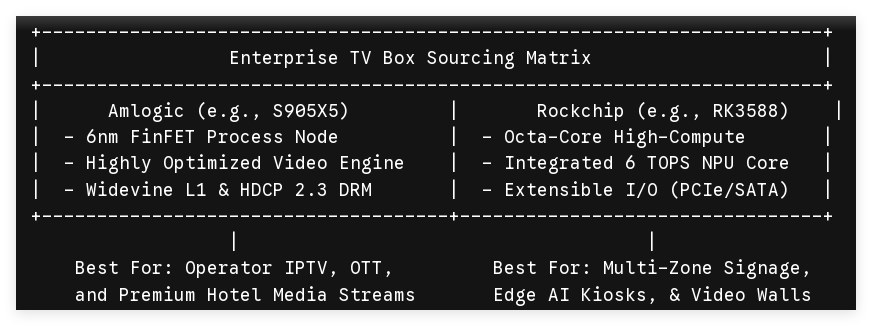
For deployments where the primary workload is linear video playback, such as hotel IPTV or carrier-grade OTT streaming, Amlogic remains the sector standard.
-
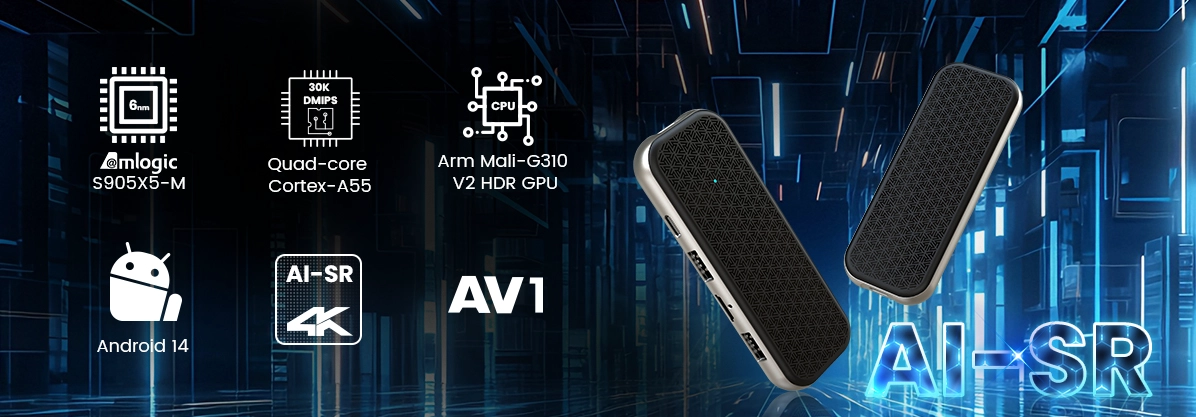
Thermal Efficiency: Modern SoCs like the Amlogic S905X5 utilize a 6nm FinFET fabrication node, reducing power draw and thermal generation by up to 25% compared to legacy 12nm chips.
-
Codec Compliance: These processors feature hardware-level decoding for AV1, HEVC (H.265), and early VVC (H.266) profiles, allowing systems to display 4K video at 60fps while reducing network bandwidth consumption by up to 30%.
High-Compute Rockchip Platforms for Interactive Environments
When the deployment involves complex interactive kiosks, video walls, or real-time camera telemetry, Rockchip platforms offer the necessary hardware capabilities.
-
Processing Overhead: The Rockchip RK3588 integrates an asymmetric octa-core layout (4x Cortex-A76 and 4x Cortex-A55) paired with a dedicated Neural Processing Unit (NPU) delivering 6 TOPS of computing power.
-
Industrial Extensibility: Rockchip PCBA designs provide native interfaces for high-speed I/O like PCIe 3.0 and SATA, allowing engineers to connect local solid-state drives (SSDs) for robust local content caching.
Firmware Optimization and System Security Frameworks
Standard retail operating systems like consumer Android TV restrict access to core system systems. For enterprise deployments, system integrators require deep, root-level customization at the Android Open Source Project (AOSP) or Linux kernel level to guarantee long-term operational autonomy.
Restricting Access and Ensuring App Persistence
Commercial deployments require custom firmware configurations to maintain operational control and prevent user interference:
-
Boot-and-Launch Enforcement: Custom firmware modifications inject script layers directly into the bootloader, forcing the box to launch a specific client app (such as a custom launcher, hospitality portal, or signage CMS) immediately upon receiving power, completely bypassing default configuration screens.
-
System Lock Down (Kiosk Mode): Disabling access to physical navigation bars, standard status bars, and USB peripheral mounting prevents unauthorized users from altering system parameters or executing unapproved applications.
Automated Recovery via Hardware Watchdog Timers
In remote or large-scale environments, manual system reboots are impractical. A commercial TV Box should include a hardware-level Watchdog Timer (WDT) built into the PCBA layout. The WDT continuously monitors the main operating system's heartbeat loop; if a memory leak or application crash freezes the device, the timer automatically triggers a hard power cycle to restore system operations without human intervention.
Technical Specifications and Evaluation Benchmarks
To ensure hardware reliability and longevity, procurement teams should utilize the following benchmark criteria during sample evaluation:
| Technical Variable | Commercial Requirement Specification | Sourcing Risk Analysis |
| Storage Architecture | eMMC 5.1 or UFS 2.1 High-Endurance Flash | Consumer-grade flash memory degrades rapidly under continuous logging and media caching. |
| Operating System | Android AOSP (with Root Access) or Linux Ubuntu | Locked retail firmware prevents remote MDM deployment and custom kernel modifications. |
| Networking Array | Gigabit Ethernet (10/100/1000M) + Wi-Fi 6/6E | 100M LAN interfaces struggle with high-bitrate multicast IPTV data streams. |
| Power Input Specs | Wide-voltage DC Jack (5V/12V) or PoE/PoE+ | Unstable power grids cause standard retail power blocks to fail prematurely. |
| Enclosure Materials | Aluminum Alloy or High-Density Ventilated Polycarbonate | Sealed plastic cases retain heat, leading to thermal throttling and hardware degradation. |
Sourcing Engineering-Driven OEM/ODM Hardware Partnerships
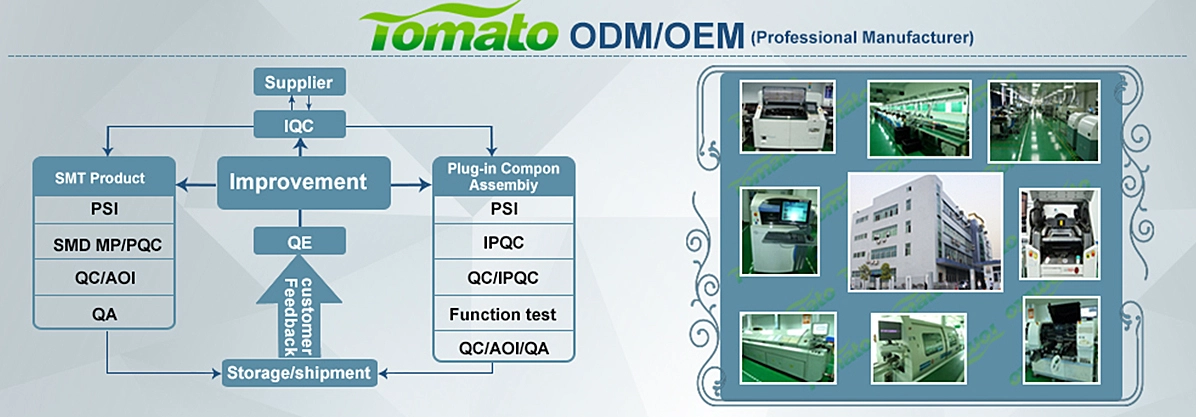
The final step in a successful enterprise TV Box procurement strategy is selecting a manufacturing partner capable of executing hardware modifications and deep firmware development. Sourcing off-the-shelf, non-customizable hardware often results in frequent field failures and short product lifecycles.
An experienced OEM/ODM partner should provide:
-
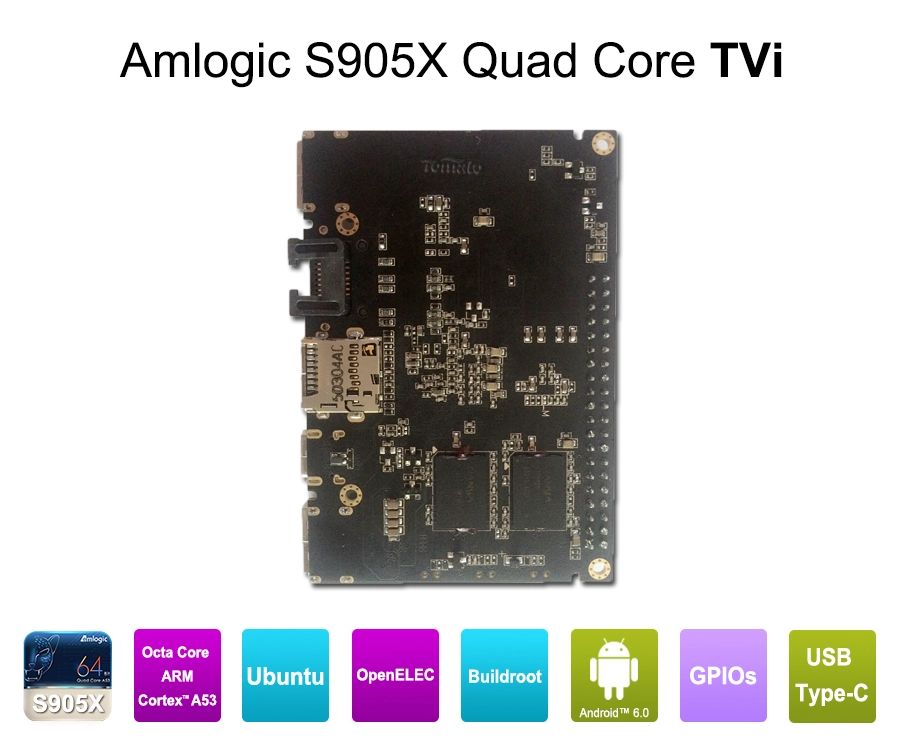
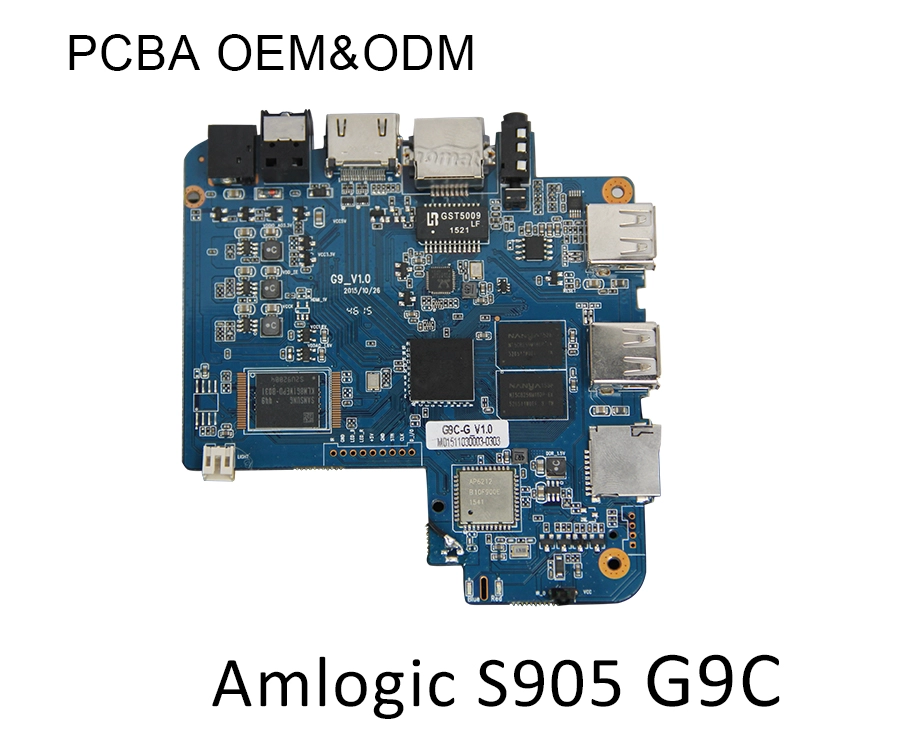
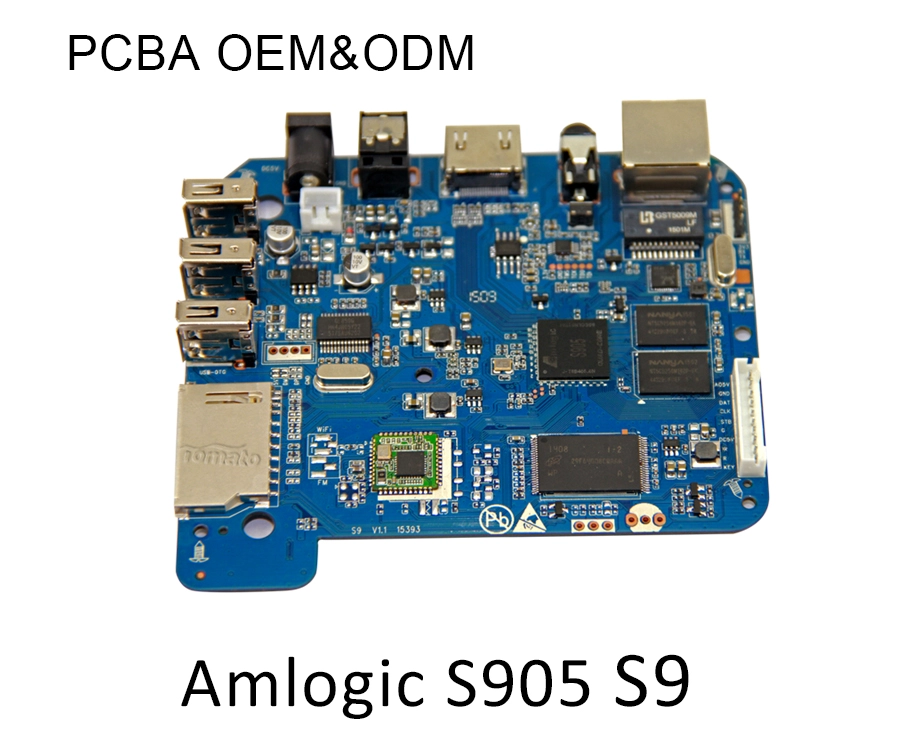
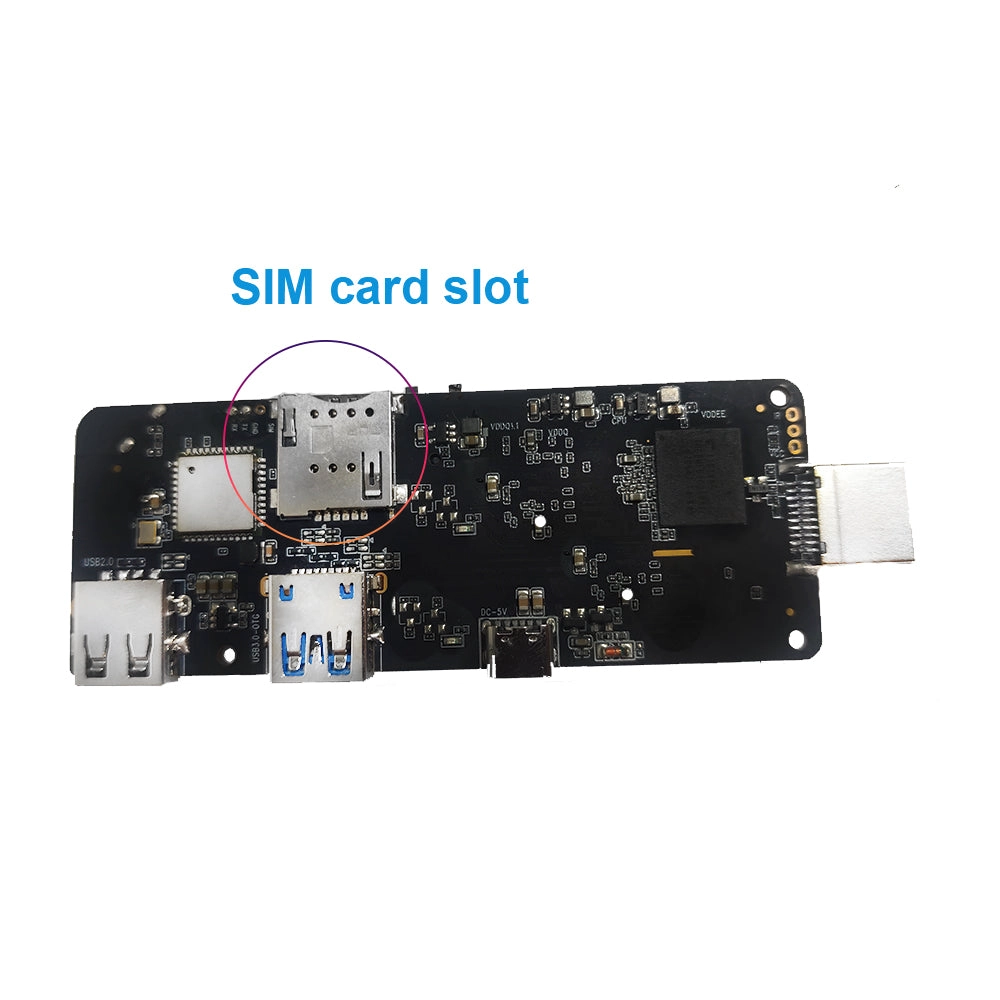
Full PCBA Customization: The ability to redesign board schematics to add dual LAN ports, integrate RS232 serial interfaces for legacy display control, or adjust form factors to fit specialized enclosures.
-
Component Lifecycle Commitments: Guarantees that key components—especially the core SoC and storage chips—will remain available on embedded industrial roadmaps for 5 to 7 years, protecting your software ecosystem from sudden hardware obsolescence.
-
Engineering Support Real-Time Allocation: Direct access to kernel engineers who can modify source code, write custom peripheral drivers, and compile customized Android or Linux images tailored to your specific software requirements.
Optimize Your Hardware Infrastructure
Relying on generic consumer hardware introduces unnecessary operational risks and maintenance overhead. Shenzhen Tomato Technology delivers enterprise-grade TV Box solutions engineered for continuous 24/7 uptime, fully customized at the PCBA and firmware layers to match your exact software specification.
Contact our business development team today to analyze your project requirements, request custom-compiled firmware samples, or schedule a technical consultation with our senior hardware engineers.