
TV Box OEM/ODM: Driving Competitive Advantage with Custom Firmware Solutions
TV Box OEM/ODM: Driving Competitive Advantage with Custom Firmware Solutions
The enterprise media architecture landscape is undergoing a critical shift driven by the mainstream adoption of hardware-accelerated AV1 codec decoding and strict programmatic requirements for HDCP 2.x compliance. For commercial operators deploying digital signage networks, hospitality infotainment systems, or interactive kiosks, generic retail TV Box hardware introduces unacceptable vulnerabilities. Consumer-grade streaming devices lack the low-level permissions required for persistent kiosk modes, automated system power-cycling, and secure, centralized over-the-air (OTA) updates.
Building a resilient, scalable hardware fleet requires moving past the retail layer. True competitive advantage is achieved at the intersection of application-specific integrated circuit (ASIC) optimization and firmware-level engineering.
1. Deconstructing the PCBA: Hardware Customization Beyond the Chassis
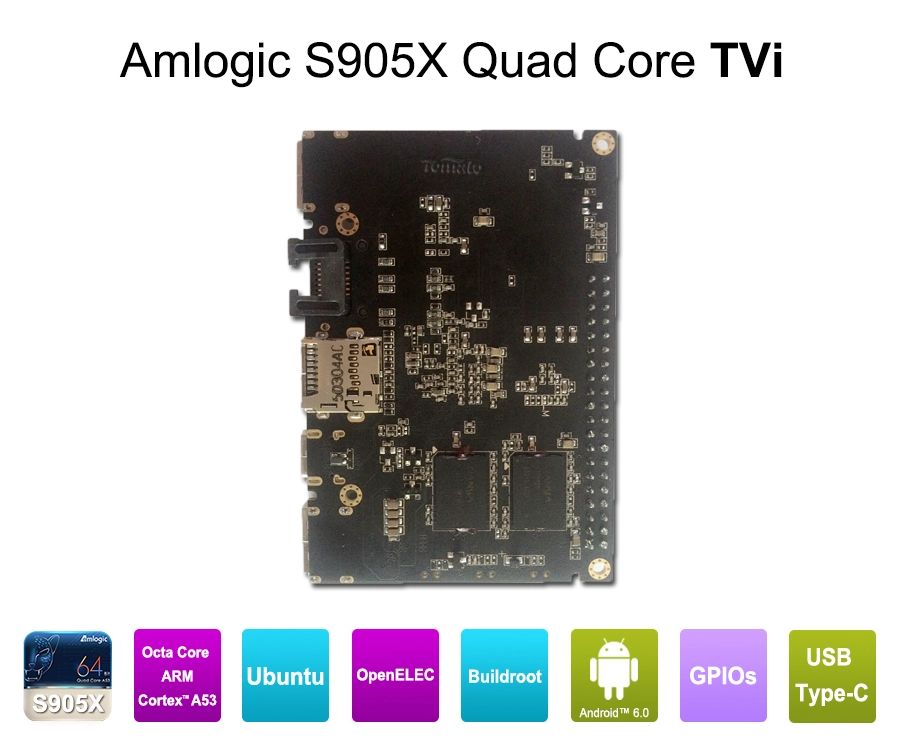
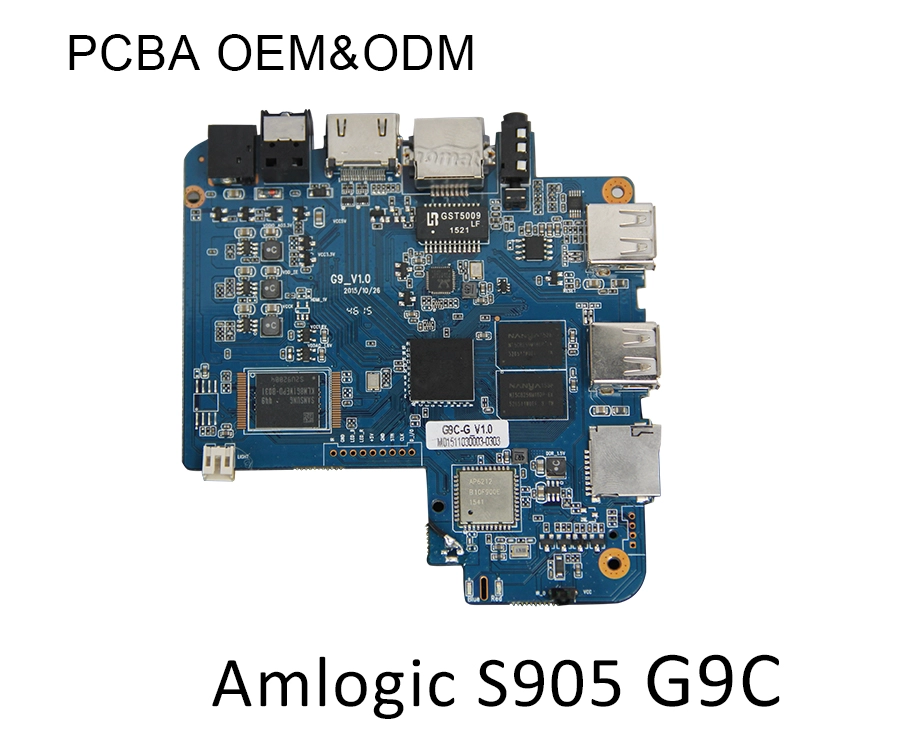
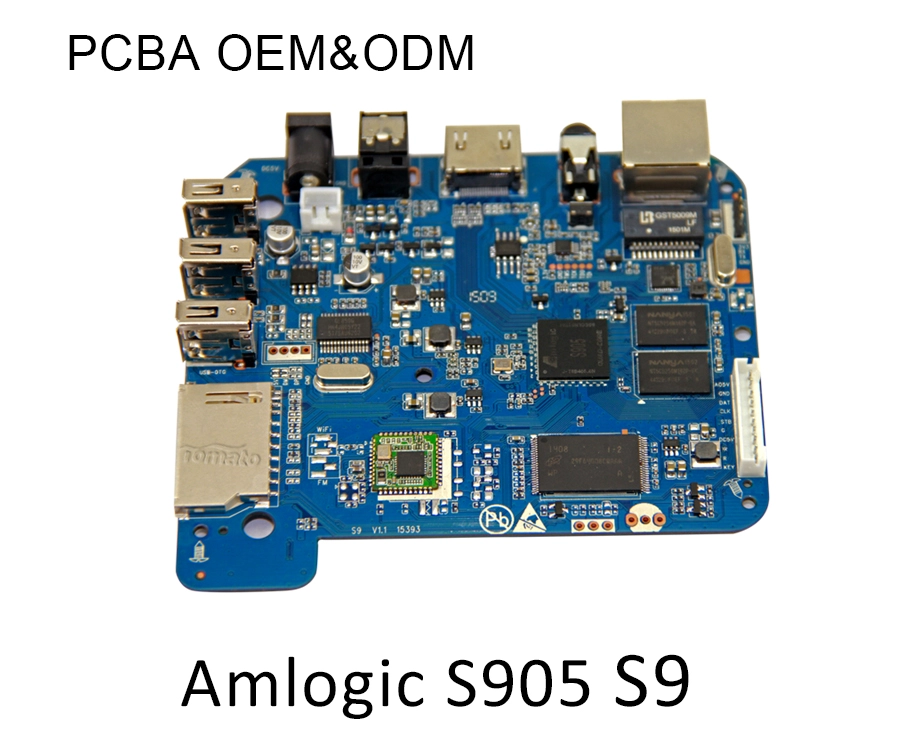
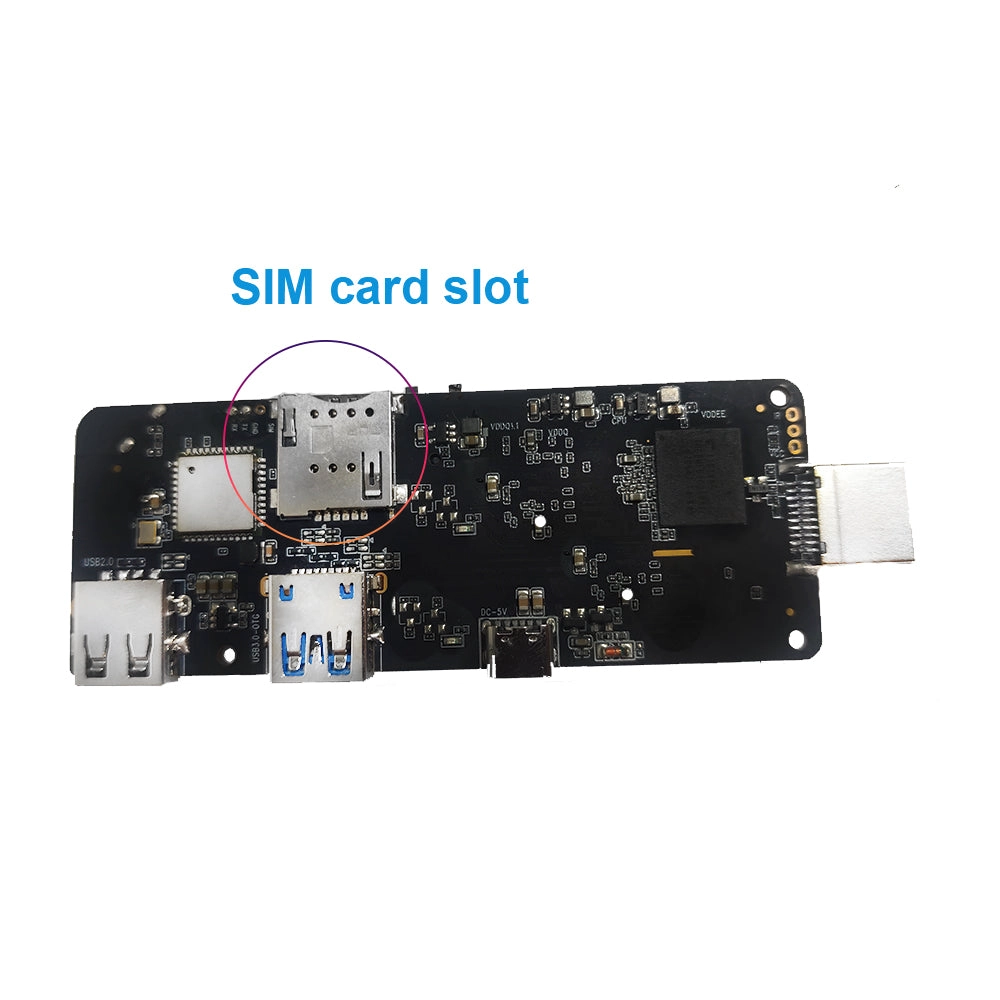
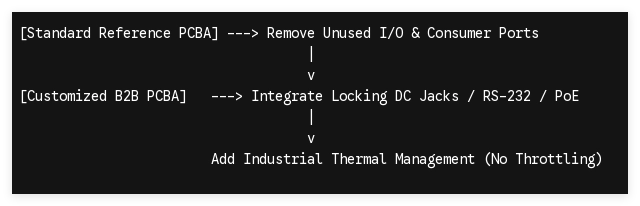
Relying on standard reference designs from silicon vendors often leads to sub-optimal field performance in commercial environments. True ODM engineering begins with structural modifications to the Printed Circuit Board Assembly (PCBA) to match specific deployment environments.
Component-Level Optimization
Commercial media gateways frequently operate continuously in unventilated enclosures. To prevent thermal throttling and subsequent frame drops during high-bitrate 4K content playback, standard consumer aluminum heatsinks must be replaced with specialized, high-conductivity passive thermal management systems or active cooling solutions engineered for 24/7/365 operation. Furthermore, standard consumer ports represent physical security vulnerabilities and failure points; ODM hardware engineering allows for the removal of unnecessary I/O or the integration of locking DC jacks, industrial-grade RS-232 serial ports for legacy display control, and Power over Ethernet (PoE) modules to stream power and data over a single Cat6 cable.
Memory and Storage Binning
Unlike consumer use cases where cost-cutting drives the selection of low-tier eMMC storage, enterprise applications require high-endurance eMMC 5.1 or UFS flash storage capable of handling continuous read/write cycles from local content caching and system logging. System integrators can scale LPDDR4X RAM up or down based on real-world application requirements, ensuring they only pay for the silicon required by their software stack.
2. Firmware-Level Architecture: Kernel Optimization and Custom SDKs
The primary bottleneck for B2B TV Box deployments is the stock Android operating system layer. System integrators routinely struggle with background process killers, unmanaged memory leaks, and unauthorized OS-level notifications that disrupt the user experience.
Kernel Tuning and Root-Level Access
A dedicated OEM/ODM workflow provides system integrators with customized Android or Linux kernel builds. By stripping out generic bloatware, telemetry services, and consumer applications, the OS footprint is minimized, freeing up valuable CPU cycles and system memory. Crucially, engineering partners can expose specific root privileges or provide proprietary API hooks that allow native applications to interact directly with the hardware abstraction layer (HAL).
Core Firmware Capabilities for Enterprise Deployments:
-
Persistent Kiosk Mode: Disables the standard Android status bar, navigation gestures, and home button functionality, locking the device into a single target application with automatic recovery scripts upon application crashes.
-
System Boot Customization: Hardcodes custom boot animations and splashes directly into the bootloader partition, eliminating any visibility of the underlying OS during power cycles.
-
Peripheral Automation: Enables programmatic control over GPIO pins, UART interfaces, and HDMI-CEC parameters, allowing the TV Box to power on connected commercial panels based on automated schedules.
3. Secure Ecosystems: Custom OTA Updates and DRM Engineering
Security in cross-border deployments cannot be treated as an afterthought. Operating a fleet of field devices without an enterprise-grade patch management strategy invites severe network vulnerabilities.
Independent OTA Architecture
Standard retail devices rely on public, vendor-controlled servers for system updates, exposing operators to unexpected UI overhauls or unvetted feature rollouts. SZTomato’s B2B ODM model provisions custom OTA update systems that point directly to the client's private servers. This enables engineering teams to validate firmware updates internally before pushing silent, incremental updates to specific device clusters globally, completely bypassing user intervention.
| Feature Layer | Retail / Consumer TV Box | Enterprise OEM/ODM TV Box (SZTomato) |
|---|---|---|
| OS Architecture | Stock Android/Google TV (Bloatware included) | Optimized Linux / Slim Android Kernel |
| OTA Delivery | Public Vendor Servers (Uncontrolled updates) | Private, Secure Client-Controlled OTA Servers |
| DRM Capability | Widevine L3 (Software-only, low-res) | Widevine L1 / PlayReady / HDCP Key Injection |
| Hardware Lifecycle | 6–12 Months (Rapid consumer obsolescence) | 3–5 Year Component Availability Guarantee |
| Thermal Design | Basic Consumer Heatsink (Prone to throttling) | Industrial Cooling / Heavy-duty Passive Radiators |
DRM and Content Encryption
For premium IPTV deployments and secure corporate communications, software-level security is insufficient. ODM provisioning allows for the secure injection of Widevine L1 and PlayReady cryptographic keys at the factory level. Coupled with hardware-enforced HDCP 2.2/2.3 encryption protocols across the HDMI pipeline, this ensures compliant, high-definition playback of protected intellectual property without DRM negotiation failures.
4. Mitigating Total Cost of Ownership (TCO) through Strategic Sourcing
Procurement managers often make the mistake of evaluating hardware solely on initial unit cost. However, field-level failures, manual deployment configurations, and short product lifecycles quickly erode any upfront savings gained from purchasing off-the-shelf consumer devices.
Total Cost of Ownership (TCO) Comparison:
[Retail TV Box Deployment]  --> High Field Failures + Manual Setup + Short Lifecycles = High TCO
[Enterprise ODM Deployment] --> Zero-Touch Setup + Industrial Hardware + 5-Year Lifecycle = Low TCO
Partnering with an established B2B OEM/ODM manufacturer guarantees long-term component availability. While consumer platforms discontinue models every 9 to 12 months to chase retail trends, an enterprise-focused ODM partner stabilizes the Bill of Materials (BOM). The selected SoC (such as enterprise-grade Amlogic, Rockchip, or Allwinner chipsets), Wi-Fi modules, and flash storage configurations remain consistent for 3 to 5 years. This longevity simplifies software maintenance, eliminates regression testing bottlenecks, and significantly lowers the Total Cost of Ownership.
Accelerate Your Hardware Deployment
Deploying commercial-grade media infrastructure requires hardware built specifically for your software architecture. SZTomato delivers turnkey TV Box OEM/ODM engineering services, transforming standard silicon platforms into hardened, application-specific enterprise solutions through advanced PCBA modifications, proprietary SDK integrations, and secure firmware design.
Contact our B2B procurement and engineering team today to review your project specifications, request a hardware schematic review, or schedule a technical consultation for your custom firmware requirements. Visit www.sztomato.com to get started.
