
What are the connectivity options for a TV Box?
What Are the Commercial Connectivity Options for an Enterprise TV Box?
The baseline for commercial TV Box deployments changed significantly with the industrial implementation of Wi-Fi 6E/7 architectures and high-density network setups. In commercial applications like digital signage arrays, automated kiosk grids, and hospitality IPTV backbones, standard consumer connectivity features are insufficient. Off-the-shelf devices often drop connections because of weak internal trace antennas, experience unannounced IP address reassignments, or lock up completely when forced to run demanding network protocols over long distances.
For B-Suite decision-makers, optimizing a hardware fleet means looking past retail specifications. System reliability depends on specific engineering choices: custom printed circuit board assembly (PCBA) routing, targeted firmware-level network stack optimization, and physical port modifications designed for high-stress business environments.
1. High-Bandwidth Physical Interfaces and PCBA Modification
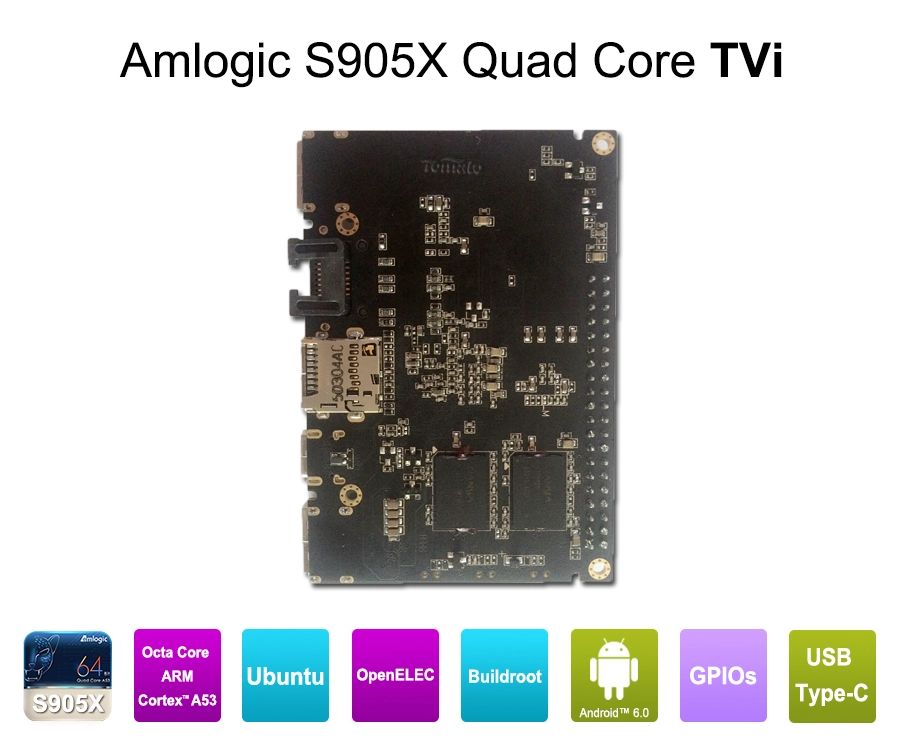
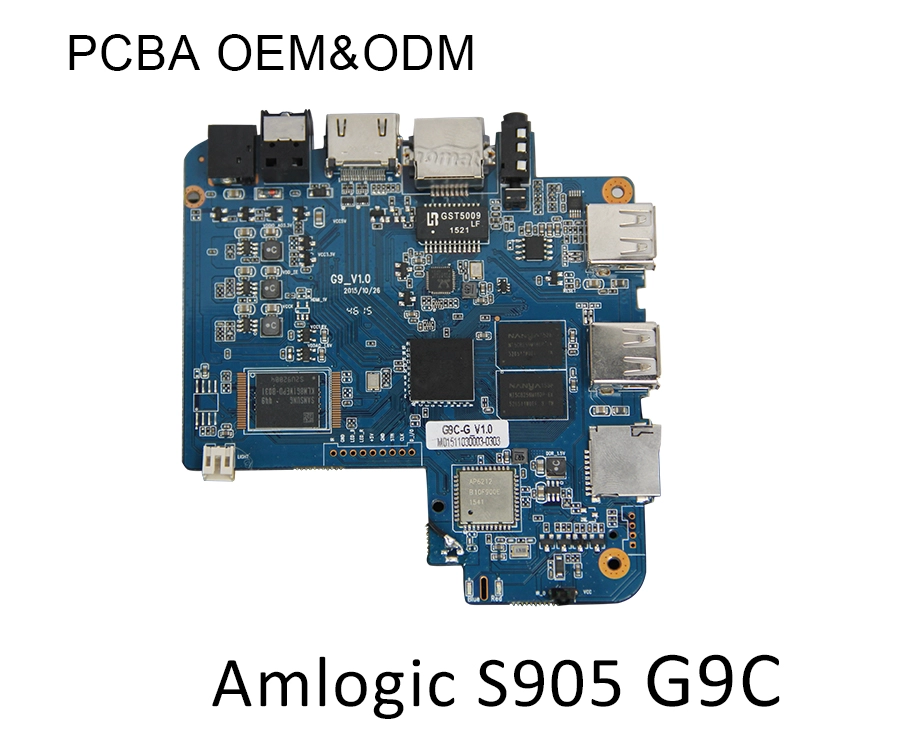
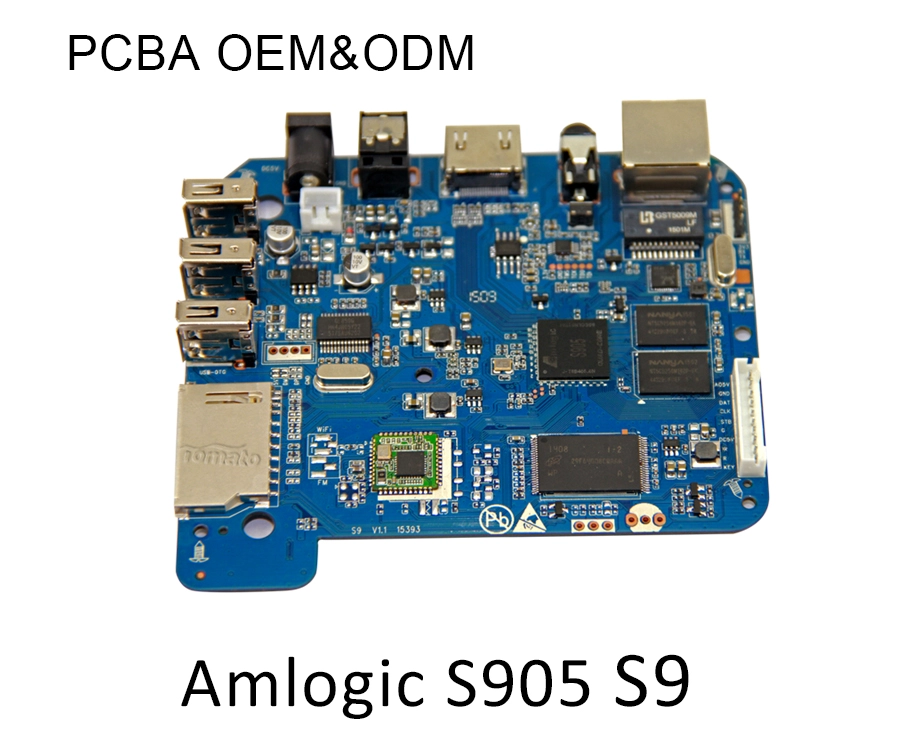
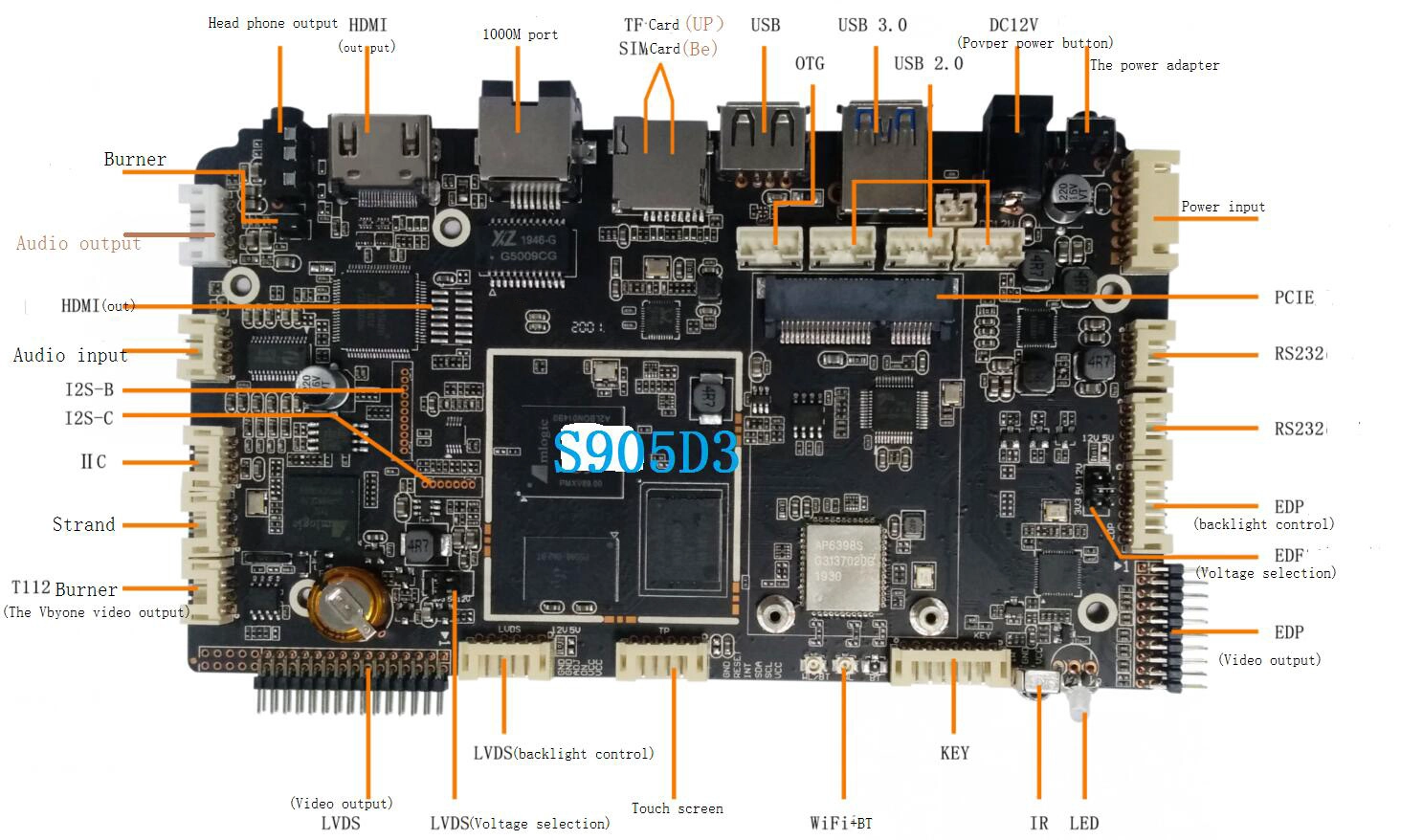
The core video and data routing pipelines of an industrial TV Box are defined by its physical I/O (Input/Output) configuration. Standard consumer hardware relies on basic surface-mounted connectors, but enterprise use cases require more robust, specialized physical board designs.
High-Definition Video and Control Architectures
Commercial video delivery requires strict hardware compliance and deep peripheral control to manage displays effectively:
-
HDMI 2.1 with Hardware-Level HDCP: Supporting full 4K at 120Hz or 8K at 60Hz content streams requires precision PCBA layout trace tuning to maintain differential signal integrity. Integrating HDCP 2.2/2.3 encryption directly into the SoC secure boot storage ensures seamless integration with premium commercial content networks.
-
Bi-Directional HDMI CEC Customization: Standard Consumer Electronics Control (CEC) implementations are often unreliable across different display manufacturers. At SZTomato, our teams modify the underlying Linux/Android kernel drivers to expose raw CEC code blocks. This allows software platforms to reliably send power-on, power-off, and input-switching commands to connected commercial panels via custom APIs, reducing the need for separate control cables.
Data and Power Integration via Custom PCBA Layouts
To fit into modern enterprise IT environments, a professional TV Box requires specialized power and data delivery options built directly into the circuit board:
-
Gigabit Ethernet (RGMII): Moving beyond low-cost 10/100 Mbps controllers, enterprise architectures use dedicated Gigabit Ethernet PHY chips routed over short, shielded board traces to minimize packet loss and latency during high-bitrate media streaming.
-
Power over Ethernet (PoE/PoE+): By modifying the base PCBA, we can integrate onboard IEEE 802.3at PoE modules. This lets the device draw up to 25.5W of power directly through the Category 6 network cable, eliminating the need for an external AC power brick and simplifying installations in ceilings or behind walls.
2. Advanced Wireless Networks and Low-Latency Antenna Design
Wireless setups in commercial venues like convention centers, airports, and hotels often suffer from heavy RF interference and high device density. Standard consumer wireless chips frequently drop connections under these conditions, causing playback buffering or display downtime.
Industrial-Grade Wireless Modules and Triband Layouts
To solve these wireless challenges, commercial hardware relies on industrial-grade PCIe or SDIO wireless modules that support Wi-Fi 6E and Wi-Fi 7 protocols. These systems use the cleaner 6 GHz spectrum, which avoids the heavy congestion found on standard 2.4 GHz and 5 GHz channels.
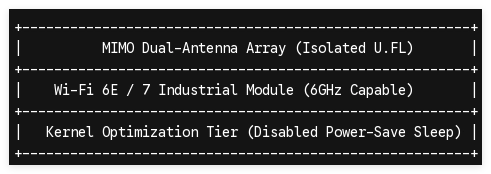
Rather than using cheap, fragile internal PCB trace antennas, enterprise-grade devices use dual-band or tri-band MIMO (Multiple-Input Multiple-Output) arrays. These are connected through isolated U.FL gold RF connectors to external, high-gain omnidirectional antennas. This physical isolation significantly cuts down on internal electrical interference from the main processor and memory clocks.
Software Tuning for Network Stability
Excellent hardware is only half the solution; the operating system software must also be tuned for stable wireless performance. Standard Android firmware often puts wireless chips into a low-power sleep state during periods of low data activity, which can introduce latency or drop connections. Our firmware engineering team changes these settings at the kernel level:
-
Disabling Wireless Sleep States: Forcing the wireless subsystem to stay in high-performance mode continuously, ensuring instant response times for real-time monitoring and commands.
-
Aggressive Roaming Rules: Tweaking the internal network configuration files to help the device switch quickly between different wireless access points without dropping data packets.
-
Configurable Fixed IP and DNS Tables: Locking network routing settings deep inside the system image so that local users or automated network resets cannot accidentally alter the device's network location.
3. Industrial Serial and Legacy Peripheral Control Buses
Unlike consumer deployments focused purely on video playback, an industrial TV Box often acts as an edge computing node or machine-to-machine (M2M) controller, requiring connection options for external hardware.
Serial Communication and External Control
Integrating a media player with industrial automation, vending machines, or large LED display controllers requires dependable physical serial ports:
-
RS232/RS485 Serial Transceivers: By adding dedicated transceiver chips to the physical board layout, system integrators can connect directly to legacy industrial systems using stable, long-distance wired lines.
-
Isolated GPIO Arrays: Adding General Purpose Input/Output pins allows the TV Box to communicate directly with hardware switches, motion sensors, or emergency alarm triggers.
Custom SDK and Hardware API Integration
Standard Android security layers typically block third-party software from accessing raw serial ports or physical board pins. To make these useful for developers, custom enterprise firmware includes specialized SDK extensions:
C
// Example: B2B Hardware Control API Integration #includevoid execute_industrial_switch() { // Open a direct physical serial connection to an external controller int serial_fd = open_serial_port("/dev/ttyS1", BAUDRATE_115200); // Send configuration data directly down the physical line transmit_serial_data(serial_fd, "DISPLAY_BRIGHTNESS_MAX"); // Toggle a physical GPIO pin to activate an external status LED set_gpio_pin_state(GPIO_PIN_NUMBER_4, HIGH); }
This direct hardware access lets software applications read sensor data, control external relays, and manage display panels directly through the central application, without needing separate conversion boxes.
4. Hardware Comparison for B2B Fleet Deployments
Choosing the right connectivity configuration depends heavily on the specific requirements of the deployment site. The following matrix compares different options based on typical enterprise use cases.
| Deployment Target | Primary Connectivity Requirement | Critical PCBA Modification | Firmware Optimization |
|---|---|---|---|
| Hospitality IPTV Networks | High-density data stream stability | Gigabit Ethernet with internal PoE modules | Customized HDCP 2.3 and Widevine L1 decryption keys |
| Outdoor Digital Signage | Long-distance signal delivery | RS485 serial controller interface | Automated HDMI CEC display scheduling routines |
| Retail Interactive Kiosks | Peripheral device integration | Multiple isolated USB 3.0 and GPIO headers | Kiosk mode lockdown and automated app restarts |
| Corporate Smart Offices | High-speed wireless casting | Wi-Fi 6E/7 with dual external antennas | Fast roaming rules across enterprise access points |
Technical Procurement Strategy for B2B System Integrators
Using consumer-grade retail streaming hardware for complex business projects often leads to high failure rates and unpredictable field maintenance costs. Long-term operational success requires a hardware platform tailored to your specific infrastructure needs.
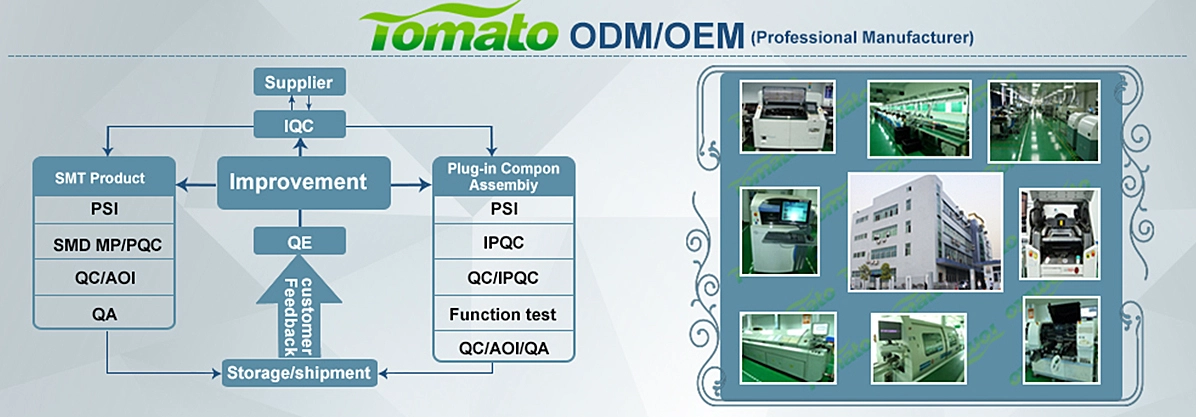
Shenzhen Tomato Technology provides business buyers and system integrators with comprehensive ODM engineering pipelines. Our services include custom physical board design, specialized thermal engineering, deep AOSP kernel customization, and secure, centralized update management systems built for high-uptime commercial environments.