
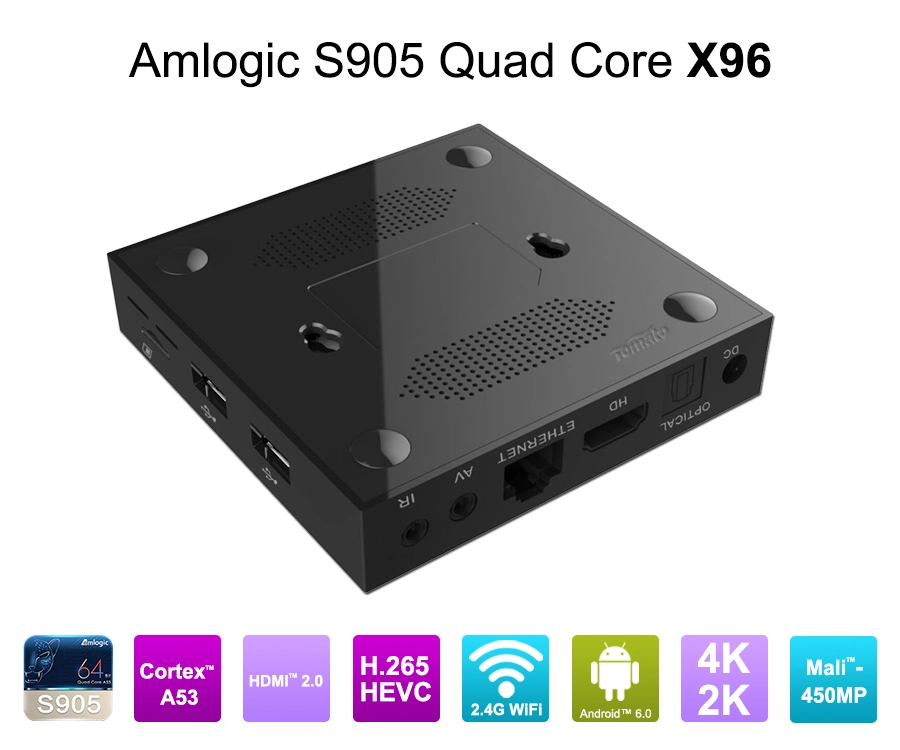
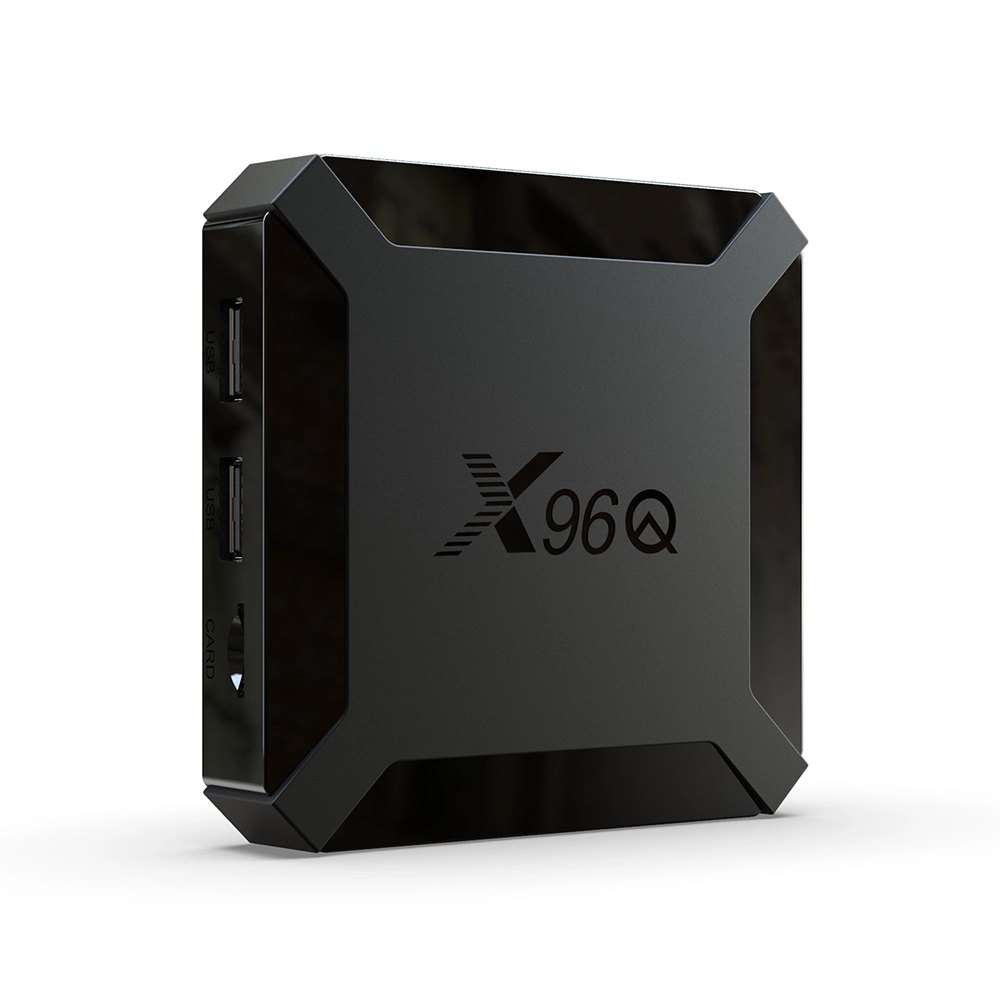
What are the features of an Android Mini PC?
What Are the Features of an Android Mini PC for Commercial Deployments?
The enterprise market for the Android Mini PC has evolved beyond simple media streaming. The commercial sector is driven by a pronounced shift toward high-efficiency AV1 hardware decoding, complex edge AI processing tasks, and multi-display digital signage deployments. In these professional environments, standard consumer-grade mini PCs fail rapidly due to unoptimized silicon choices, thermal degradation under continuous execution, and locked ecosystem firmware that blocks specialized hardware control.
For B-Suite decision-makers and system integrators, selecting the right device means evaluating features at the board and code level. True commercial efficacy depends on specific industrial attributes: targeted printed circuit board assembly (PCBA) modifications, customized Linux/Android kernel configurations, and robust remote fleet management infrastructure.
1. Enterprise-Grade Architecture and Silicon Capabilities
The operational capacity of an Android Mini PC is governed by its central processing unit (CPU) and graphics processing unit (GPU) silicon topology. Enterprise systems require highly specific architectures optimized for prolonged computing tasks, low latency, and deterministic I/O (Input/Output) performance.
Silicon Selection: High-Performance ARM SoCs
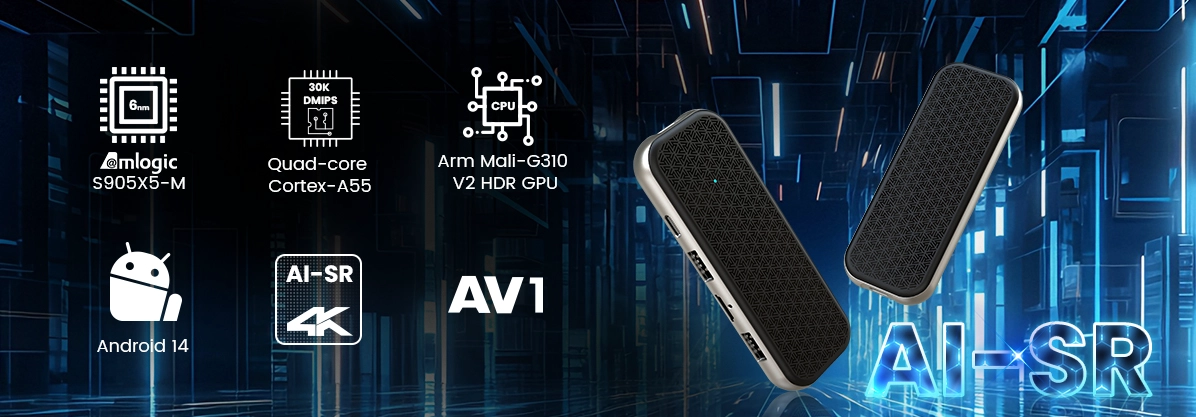
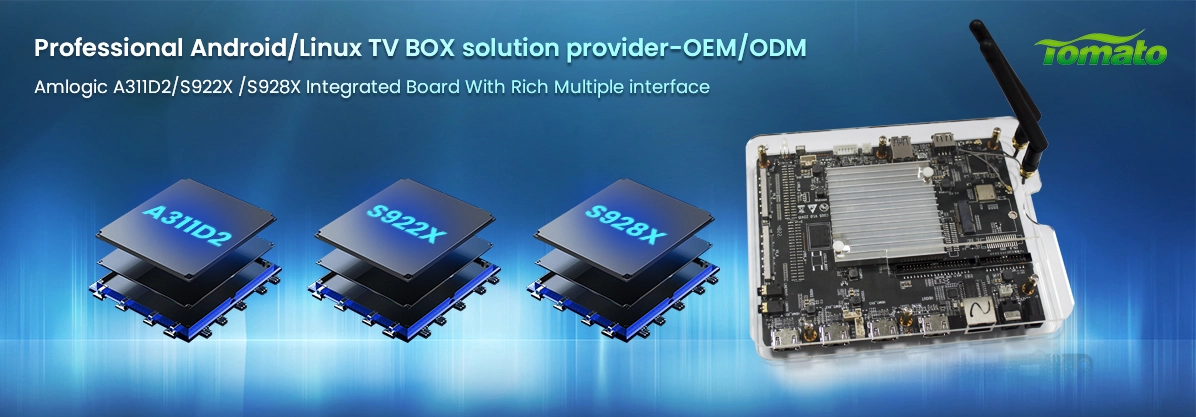
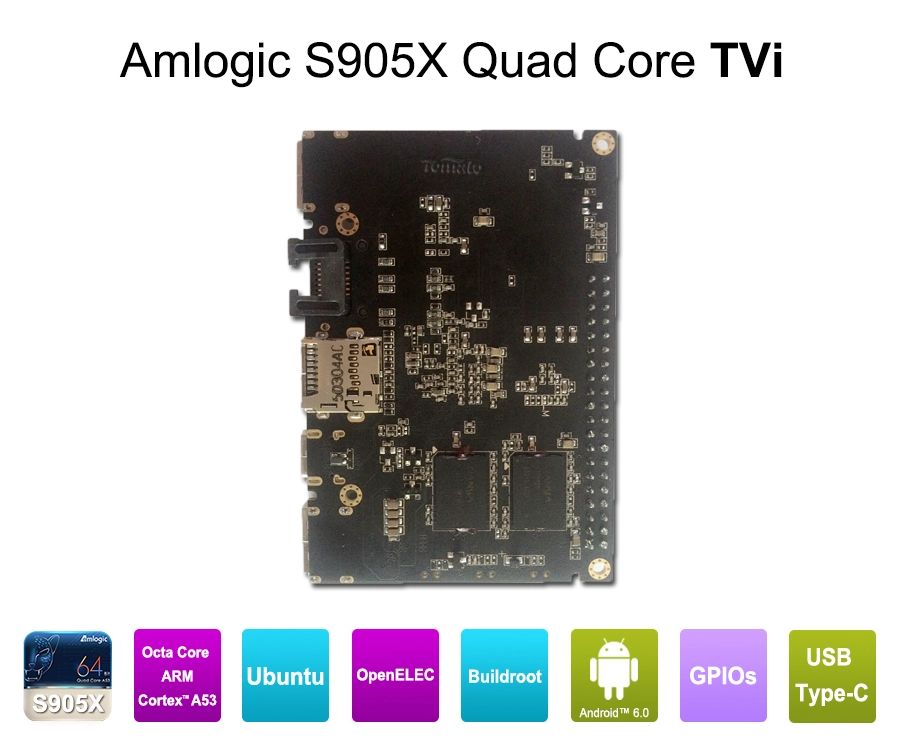
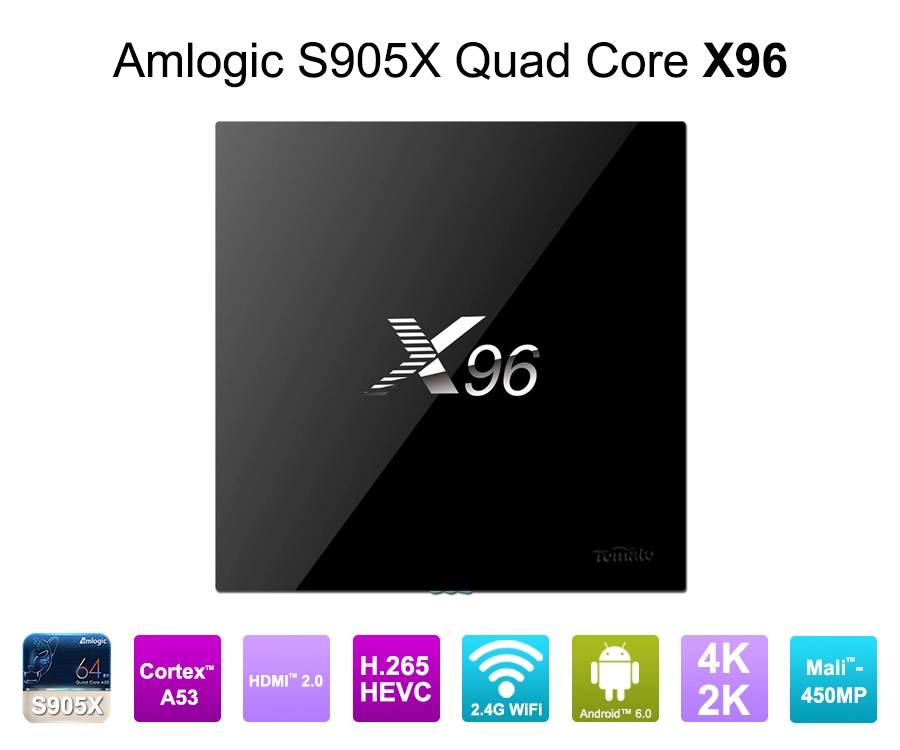
Commercial deployments increasingly depend on specialized ARM chipsets, such as the Amlogic S905X4, A311D2, or Rockchip RK3588 series. These systems-on-chip provide native hardware decoding for the AV1 codec up to 8K resolution at 60 frames per second. This feature lowers network bandwidth consumption by up to 30% compared to legacy H.265 compression streams while reducing CPU utilization, keeping the processor free for secondary application threads.
Industrial PCBA Modifications and Physical Connectivity
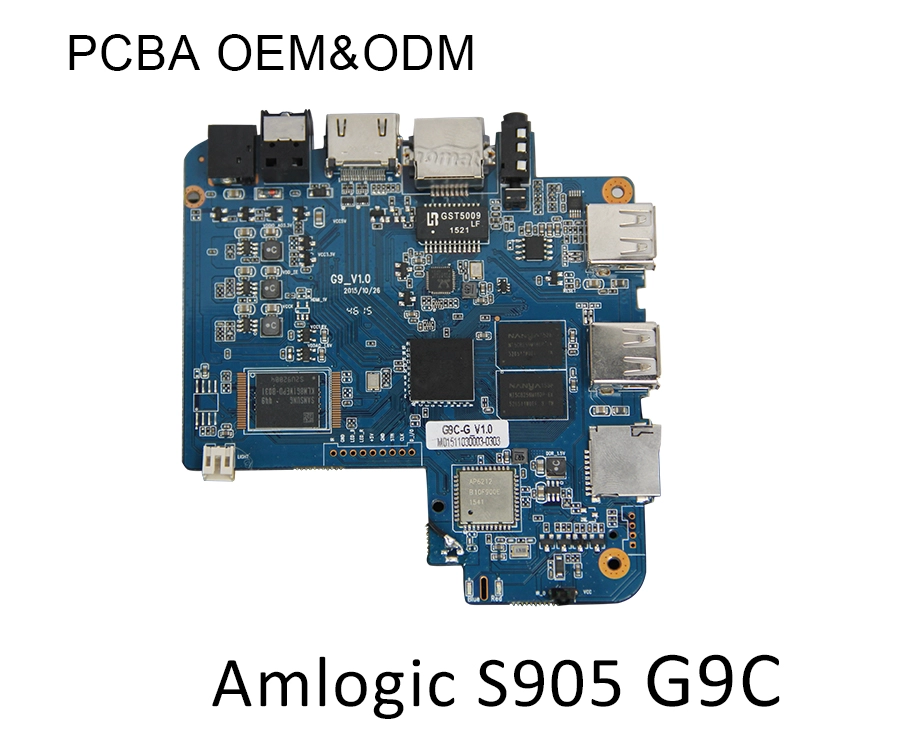
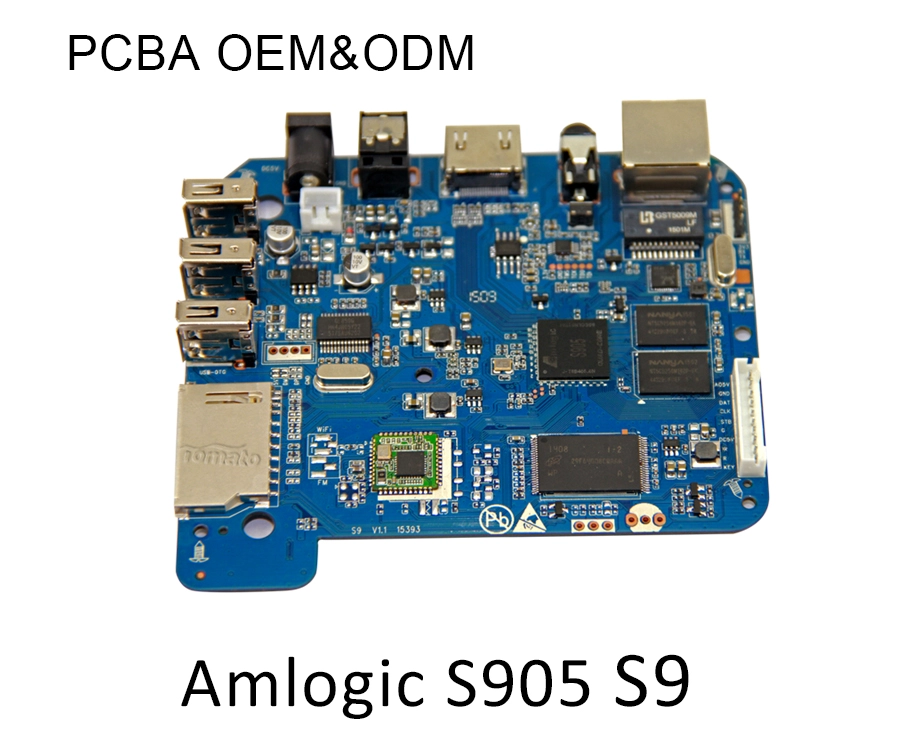
Unlike mass-market electronics, commercial applications require structural hardware adaptations executed directly at the PCBA manufacturing level.
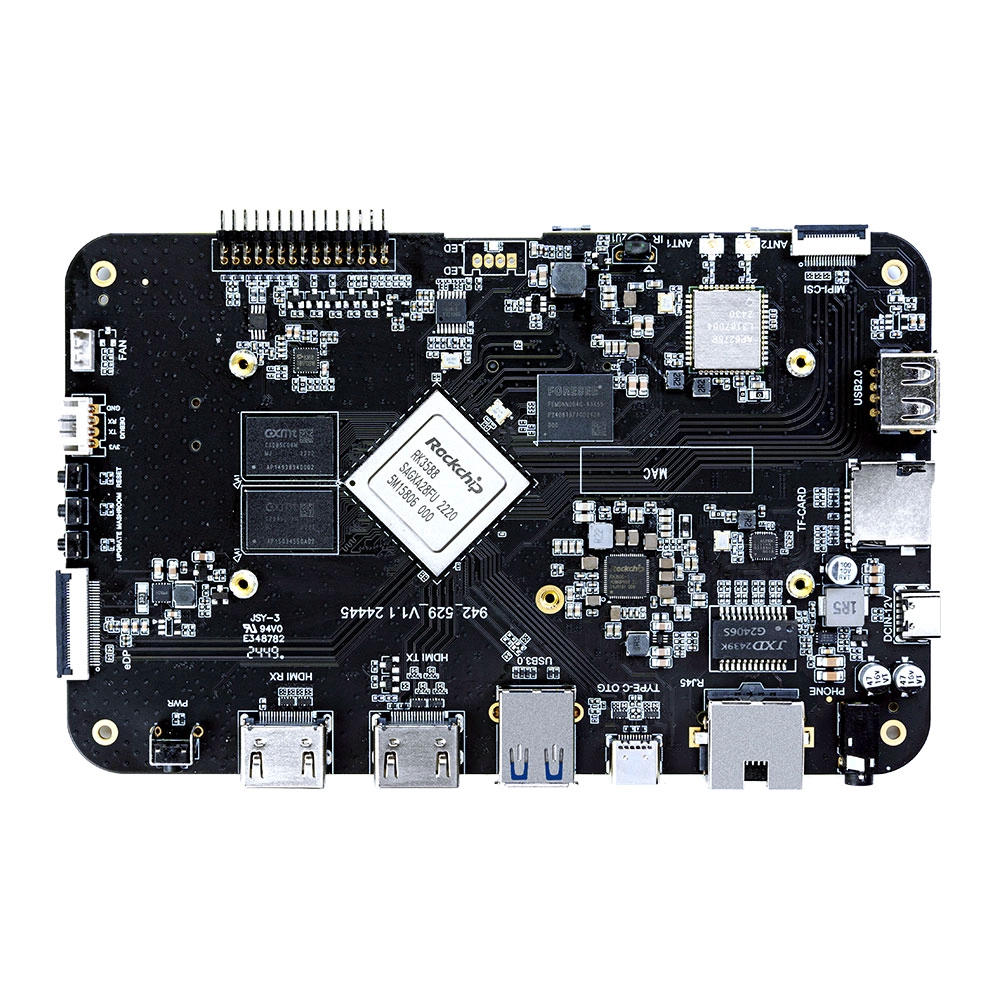
Industrial board design focuses heavily on component placement and physical robustness, prioritizing several critical hardware features:
-
Hardware Watchdog Timers (WDT): An integrated physical integrated circuit (IC) that monitors system operations. If the operating system freezes or encounters a fatal kernel panic, the WDT automatically triggers a hard hardware reset to restore system uptime without manual intervention.
-
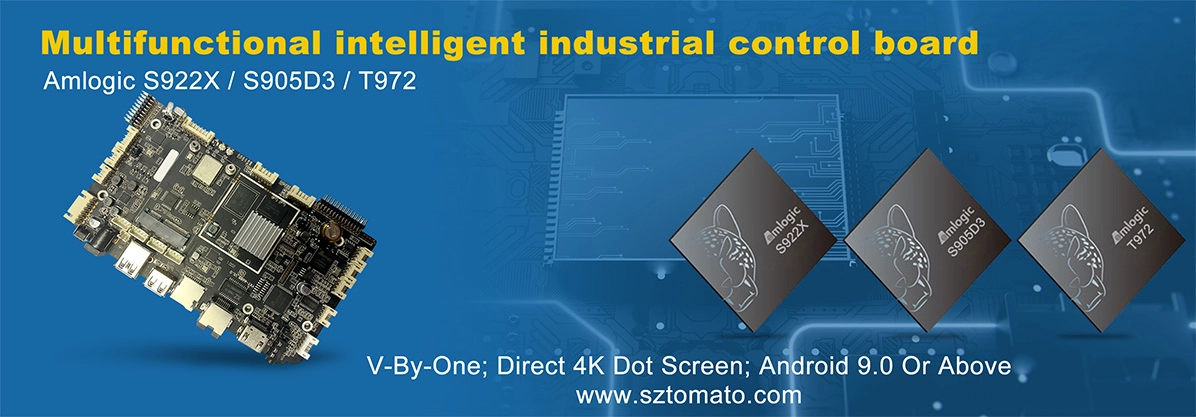
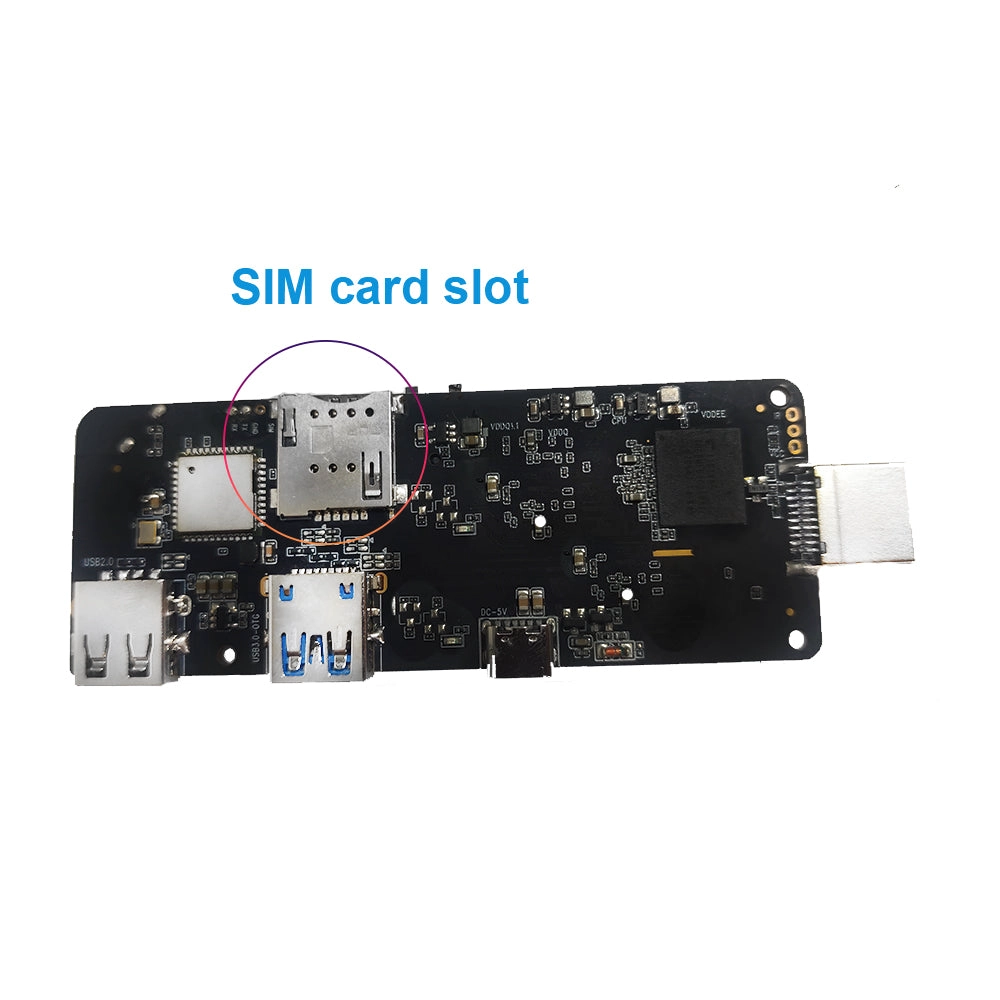
Expanded Physical Interface Breakouts: Integration of dual-channel Gigabit Ethernet (RJ45) for network redundancy, RS232/RS485 industrial serial buses for legacy equipment automation, and dedicated GPIO (General-Purpose Input/Output) pins to interface with external sensors or relays.
-
Real-Time Clock (RTC) with Battery Backup: An on-board chronometer that maintains highly precise system time even when the device is entirely disconnected from its primary power source and local network NTP servers.
2. Specialized Thermal Engineering for 24/7/365 Uptime
Thermal performance is the primary factor limiting the lifespan of compact electronics. A standard plastic enclosure causes heat buildup, triggering aggressive CPU thermal throttling that slashes clock speeds by up to 50% to prevent component damage.
Passive and Active Thermal Dissipation Systems
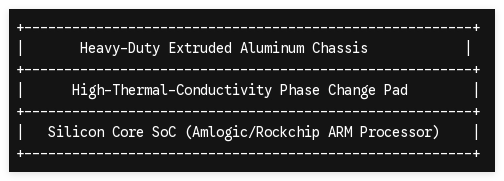
For enterprise deployments, SZTomato utilizes precision-engineered thermal designs that maintain low internal junction temperatures under continuous compute loops:
-
Chassis-as-Heatsink Design: Eliminating failure-prone mechanical fans by routing heat directly from the SoC through a high-performance, phase-change thermal interface material (TIM) to an extruded aluminum finned enclosure. This design increases the surface dissipation area, keeping core temperatures below 58°C under a full processing load.
-
Extended Thermal Operating Envelopes: Utilizing industrial-grade eMMC 5.1 flash storage and solid-state capacitors rated for continuous operation across extended thermal spans ranging from -20°C up to 75°C.
3. Deep Firmware Customization and Kernel-Level Optimization
A commercial Android Mini PC must function as a dedicated appliance, not a general-purpose smartphone or consumer television box. This requires modifying the underlying Android Open Source Project (AOSP) firmware architecture.
Kernel Tuning and Asset Protection
Engineering-focused OEM/ODM manufacturing processes allow for deep operating system changes before the final firmware is written to storage:
-
Kernel Monolithic Optimization: Compiling a streamlined Linux kernel that completely eliminates unnecessary consumer framework modules, such as cellular radio stacks, bluetooth tracking arrays, and unneeded sensor layers, reducing memory footprints and accelerating boot cycles to under 15 seconds.
-
Advanced Cryptography and DRM: Embedding HDCP 2.2/2.3 encryption keys and Widevine L1 or PlayReady digital rights management directly into the secure hardware enclave to protect proprietary content and enable secure enterprise video streaming.
Low-Level API Extensions for System Integrators
Standard Android deployment platforms enforce strict permission boundaries that limit application interaction with the underlying hardware. Customized B2B firmware circumvents these boundaries by exposing advanced, system-level APIs directly to corporate applications.
| Feature Layer | Standard Retail Android OS | Customized Enterprise Firmware (SZTomato) |
|---|---|---|
| System Bar Control | Permanently visible or easily swiped open | Completely removed from source to prevent local tampering |
| Boot Behavior | Standard desktop launch with app delay | Immediate direct application boot via framework initialization |
| Display Customization | Limited to standard UI scaling options | Low-level framebuffer manipulation for native portrait or multi-zone output |
| Peripheral Power | Constant USB power delivery status | Programmatic power cycling of individual USB ports via custom API |
4. Scalable Fleet Management and OTA Update Deployments
Managing a large fleet of remote field devices demands robust network coordination to minimize on-site maintenance costs.
Secure Over-the-Air (OTA) System Architecture
A professional Android Mini PC deployment must include access to a dedicated, secure OTA update engine. Instead of pushing massive full-system firmware rewrites that consume heavy data payloads and introduce deployment risks, the enterprise infrastructure relies on cryptographic delta-updates. These package updates patch only specific software sectors.
By applying a dual-partition A/B system design, the device updates its inactive background partition while running normally on the active partition. If the newly written system configuration fails a diagnostic integrity check upon reboot, the bootloader instantly falls back to the verified, functional system partition, maintaining field availability.
Technical Procurement Strategy for B2B Operations
When planning a commercial Android Mini PC deployment, sourcing retail hardware introduces long-term financial and operational liabilities. True deployment stability requires a hardware platform tailored to your specific application requirements.
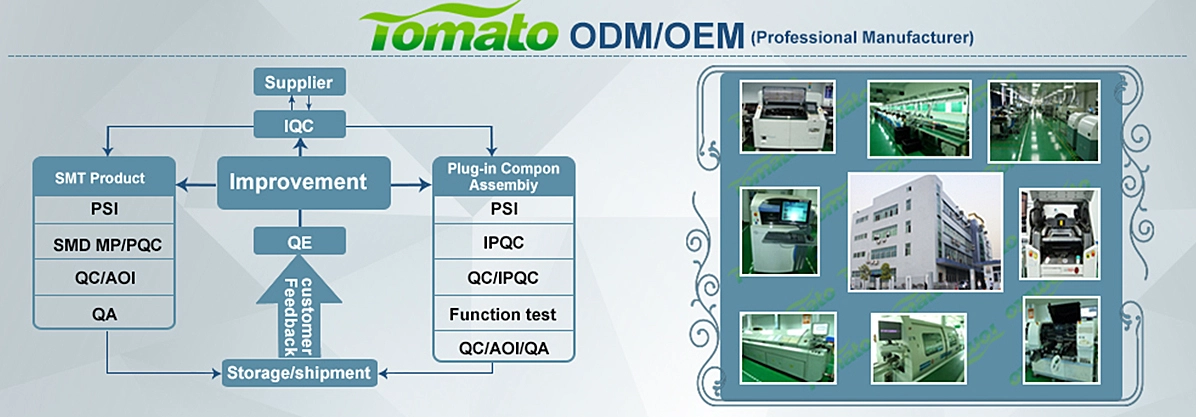
Shenzhen Tomato Technology provides system integrators and volume purchasers with end-to-end ODM engineering pipelines. We handle everything from custom PCBA layout design and advanced mechanical thermal engineering to deep AOSP kernel source modifications and secure, signature-validated firmware manufacturing.