What is the best way to Android TV Box?
What Is the Best Way to Architect and Customize an Android TV Box Deployment?
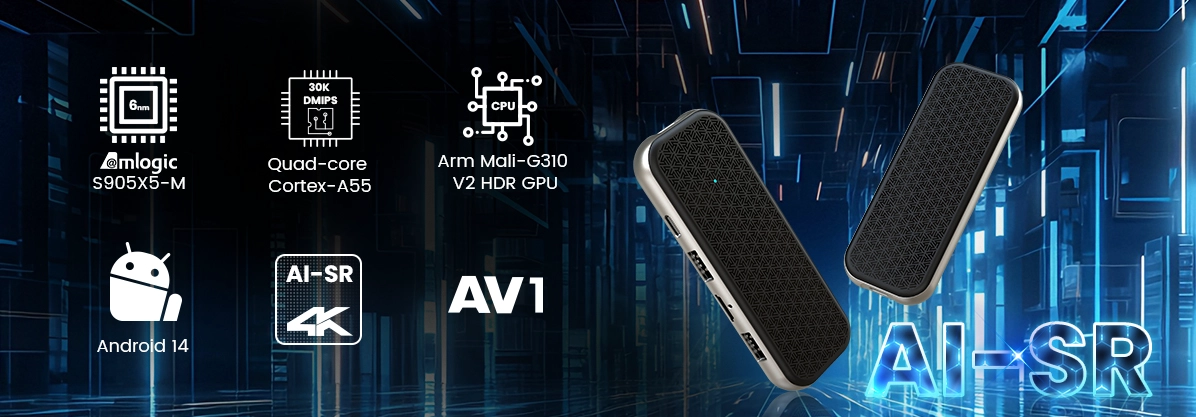
The baseline requirements for enterprise-grade Android TV Box hardware shifted permanently with the widespread adoption of the AV1 video codec and the arrival of high-performance Edge AI SoCs like the Amlogic A311Y3 and S905X5. In commercial streaming, digital signage, and interactive kiosks, treating an OTT (Over-the-Top) device as a plug-and-play retail product introduces immediate operational risks. System integrators and B2B procurement managers frequently face high failure rates caused by thermal throttling under 24/7 workloads, application crashes due to insufficient RAM allocation, and fragmented deployment environments lacking secure Over-the-Air (OTA) firmware management.
To achieve long-term reliability and low total cost of ownership (TCO), engineering and procurement teams must evaluate hardware from the ground up. This means looking past simple exterior casing and focusing on custom printed circuit board assembly (PCBA) layout, custom kernel architecture, and strict control over hardware-level security policies.
1. Silicon Architecture and Hardware-Level PCBA Modification
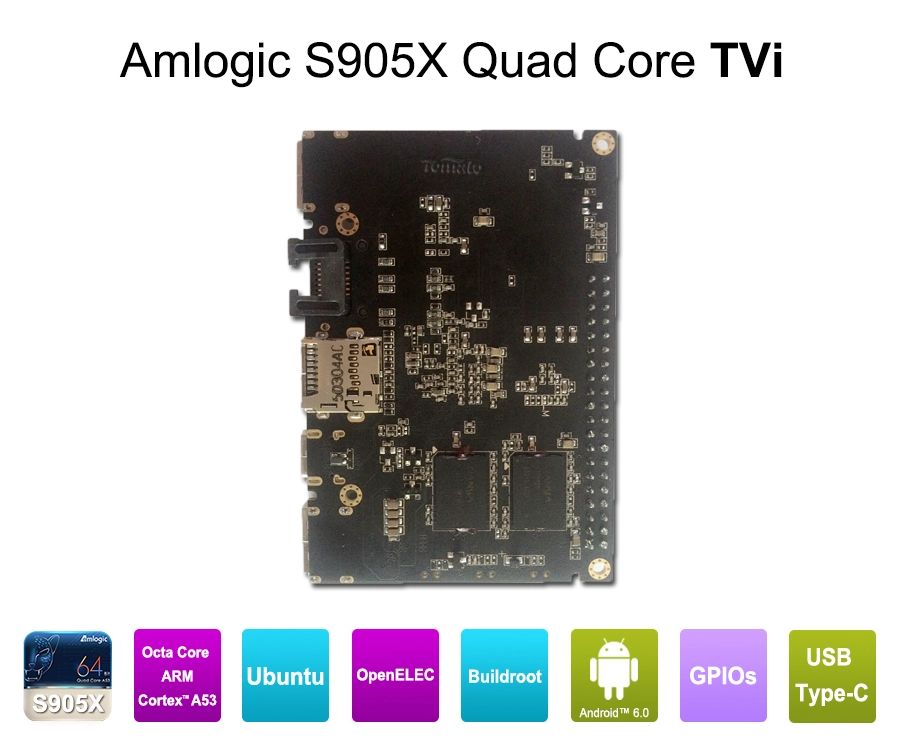
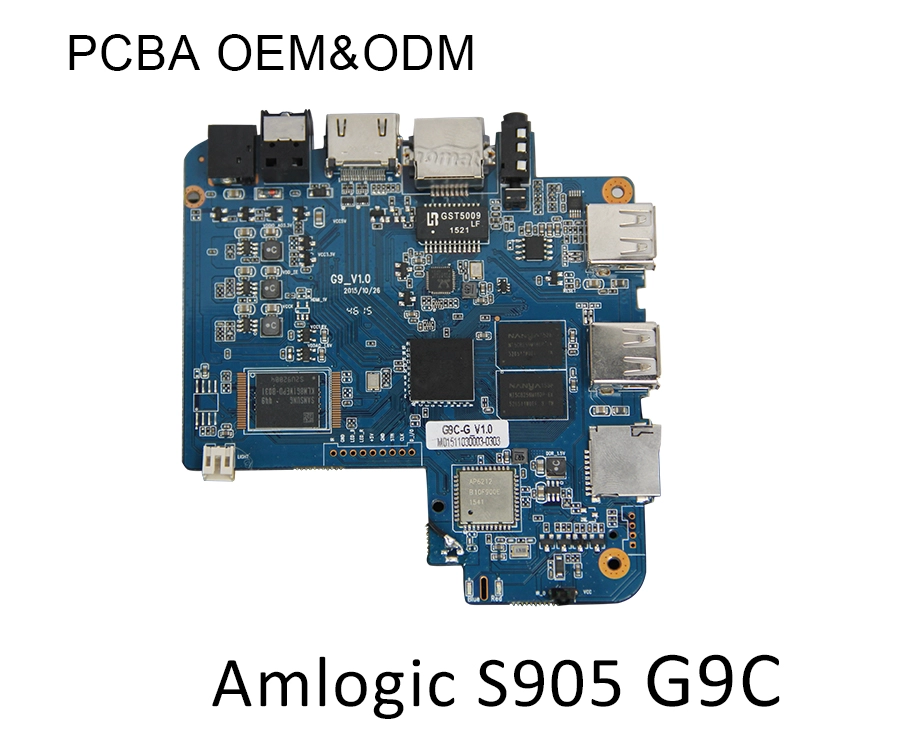
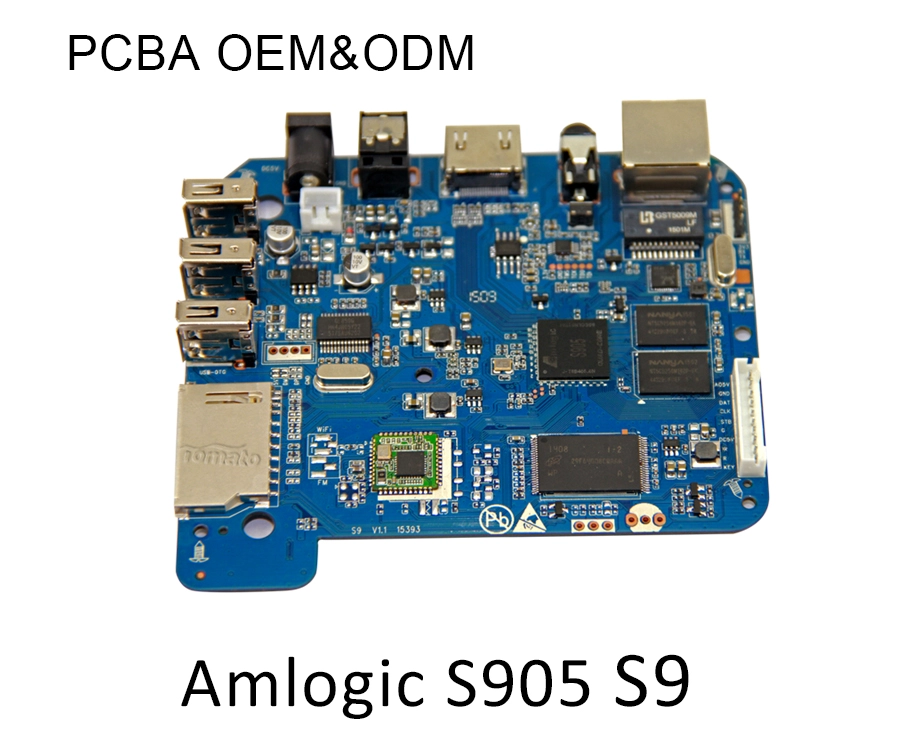
The foundation of an enterprise media player rests entirely on its System-on-Chip (SoC) selection and the specific engineering of its PCBA. Relying on generic retail consumer boards leads to severe performance degradation when decoding high-bitrate content continuously.
Codec Requirements and Thermal Design Power (TDP)
By 2026, native hardware decoding for AV1 (specifically 10-bit profiles) is an absolute mandatory requirement for high-efficiency content delivery networks (CDNs), providing a 30% to 45% bandwidth savings over legacy H.264 pipelines. While standard consumer dongles rely on passive, enclosed plastic housings that trap heat and trigger thermal throttling—dropping video playback from 60fps to 30fps as internal temperatures cross 65°C—commercial deployments demand dedicated thermal management.
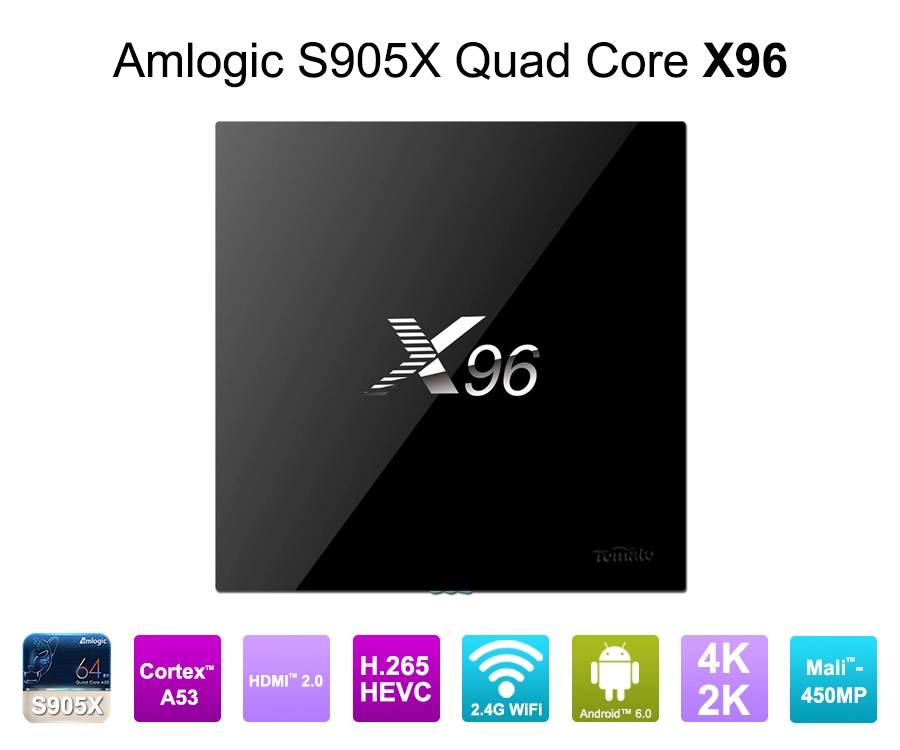
Our engineering framework at SZTomato prioritizes structural thermal dissipation. We design custom aluminum alloy chassis structures and integrate specialized heavy duty passive heat sinks directly onto the SoC via high-conductivity thermal pads. This guarantees stable core operating temperatures below 55°C even during sustained, 24/7 4K AV1 decoding loops.
PCBA Layout and Component Selection
For industrial, medical, or digital signage environments, a retail board layout is insufficient. A truly professional deployment requires targeted PCBA hardware modifications:
-
Power Delivery Infrastructure: Replacing standard consumer DC jacks with stable, lockable phoenix connectors or deploying Power over Ethernet (PoE) splitters onto the PCBA to streamline cabling and prevent accidental power disconnections.
-
Component Ruggedization: Swapping out standard consumer capacitors and flash memory for industrial-grade eMMC 5.1 storage modules and LPDDR4X/LPDDR5 memory chips designed to operate across wider temperature ranges (-20°C to 85°C).
-
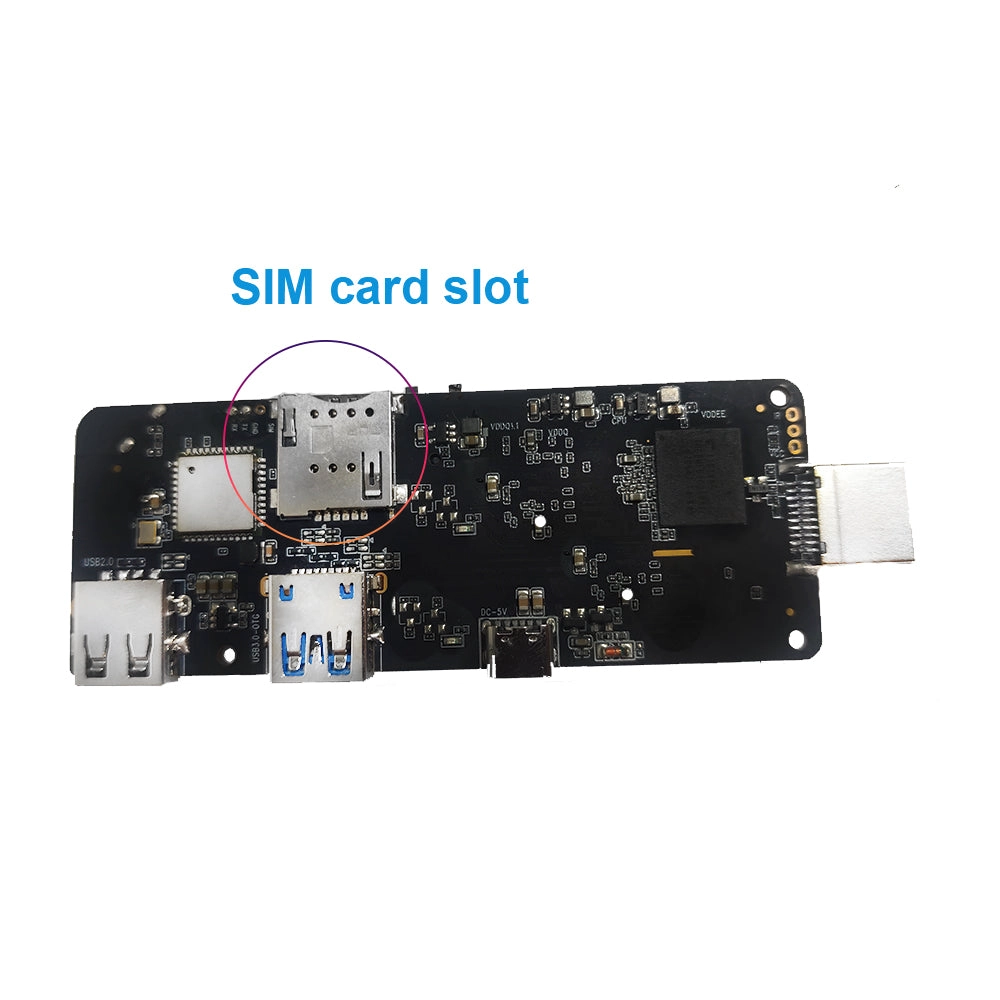
Peripherals and Expansion: Customizing the physical board layout to break out additional hardware interfaces directly from the processor pins, including dual independent HDMI outputs, internal LVDS/MIPI-DSI display interfaces, RS232/RS485 serial buses for industrial machine communication, and hardware watchdog timers.
2. Firmware-Level Engineering and Kernel Optimization
A high-performance hardware assembly is only as capable as the software layer controlling it. Deploying retail Android TV OS or standard Android Open Source Project (AOSP) builds without optimization leaves your system exposed to security vulnerabilities and background processing bottlenecks.
Linux and Android Kernel Optimization
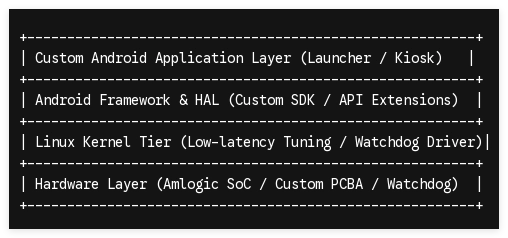
To maximize operational efficiency, developers must trim and optimize the underlying operating system kernel. SZTomato's firmware engineering team modifies compile-time kernel flags to strip unused consumer drivers (such as consumer gamepads or camera subsystems), freeing up valuable system memory and minimizing the OS attack surface. We modify low-level kernel thread schedulers to prioritize target media playback loops, ensuring zero frame drops even when background diagnostic tasks or network sync operations execute simultaneously.
Custom UI/UX and Kiosk Mode Lockdown
Enterprise devices require a fully locked-down environment where end-users cannot alter system settings, access unauthorized applications, or exit the core business interface.
-
Firmware Boot Customization: Hardcoding custom boot animations, logos, and system splash screens directly into the bootloader partition.
-
Deep Kiosk Mode Integration: Modifying the Android SystemUI architecture to completely hide status bars, navigation buttons, and system dialog notifications.
-
True Auto-Start Execution: Adjusting the Android framework layer to trigger application launch instantly at power-on before the standard Android desktop environment initialization completes, bypassing standard application-level launch delays.
Advanced SDK and API Integration
Standard Android environments frequently restrict programmatic control over lower-level hardware components due to standard security permissions. Through custom firmware engineering, we provide system integrators with expanded, proprietary SDK/API extensions that allow third-party software to interact directly with hardware functions:
C
// Example: Proprietary SDK Hardware Access Capability #includevoid configure_system_hardware() { // Programmatically control the peripheral physical interfaces set_hardware_power_state(SZ_PORT_USB_1, STATE_DISABLED); // Force direct low-level screen rotation at the hardware frame buffer level set_display_rotation_buffer(ROTATION_90_DEGREES); // Service the hardware watchdog timer to prevent system lockups ping_hardware_watchdog_timer(); }
This expanded software access allows commercial systems to toggle peripheral power ports, force strict hardware-level screen rotation parameters without app-level performance penalties, and control dual-display output resolutions independently across distinct physical interfaces.
3. Security Hardening and Enterprise Device Fleet Management
Deploying hundreds or thousands of Android TV Box units across a distributed commercial landscape requires rigorous security protocols and automated management mechanisms to replace costly on-site manual maintenance.
Security Hardening and Content Protection
Commercial deployments must secure local data assets and maintain strict compliance with global digital rights standards. Integrating wide-scale deployments requires implementing Widevine L1 and PlayReady DRM technologies alongside complete HDCP encryption pipelines to protect premium digital assets. At the system level, Android Debug Bridge (ADB) ports must be thoroughly disabled in the production firmware, USB data transmission pipelines locked down, and verified boot procedures (dm-verity) strictly enforced to prevent arbitrary local storage manipulation or unauthorized root access attempts.
Unified OTA Update Infrastructure
A centralized deployment cannot rely on manual updates. A robust infrastructure depends on a highly stable, secure Over-the-Air (OTA) update system.
| Management Attribute | Consumer Retail Android Box | Enterprise-Grade Customized Infrastructure (SZTomato) |
| System Updates | Automated consumer push; unpredictable timing | Scheduled, targeted delta-package updates under administrator control |
| Recovery System | Manual recovery menu interaction required | Automated fallback to backup firmware partition if update fails |
| Hardware Monitoring | None | Remote telemetry reporting board temperature, memory usage, and uptime |
| Boot Protection | Vulnerable to generic boot exploits | Cryptographic signature validation via secure hardware enclave |
By utilizing custom partitions, system updates can target small delta-packages instead of flashing massive full-system images, preserving remote wireless bandwidth. Furthermore, integrating a hardware-level dual-boot recovery partition structure ensures that if a network interruption corrupts an update process, the device automatically falls back to its last known functional firmware state—eliminating unexpected hardware bricking and reducing field maintenance calls to zero.
Technical Procurement Strategy for B2B System Integrators
When evaluating your next large-scale Android TV Box infrastructure deployment, move away from off-the-shelf consumer catalogs. The long-term profitability of your project relies on partnering with an engineering-focused OEM/ODM manufacturing partner capable of executing modifications at the silicon and source-code levels.
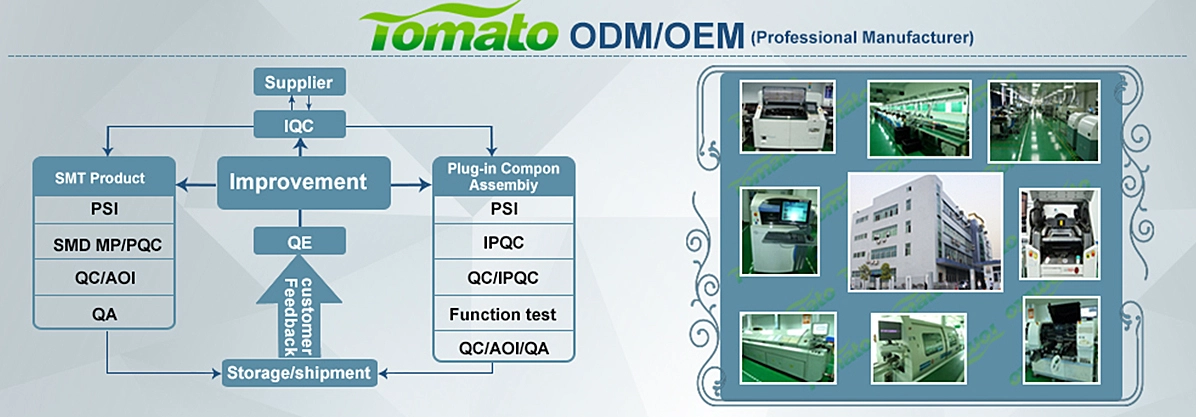
Shenzhen Tomato Technology provides end-to-end engineering pipelines covering customized PCBA hardware design, deep Linux/Android kernel optimization, secure production flashing, and scalable enterprise OTA management platforms tailored exclusively for specialized commercial B2B applications.