What exactly does a Android Mini PC?
Beyond the Form Factor: What Exactly Does an Android Mini PC Execute in B2B Frameworks?
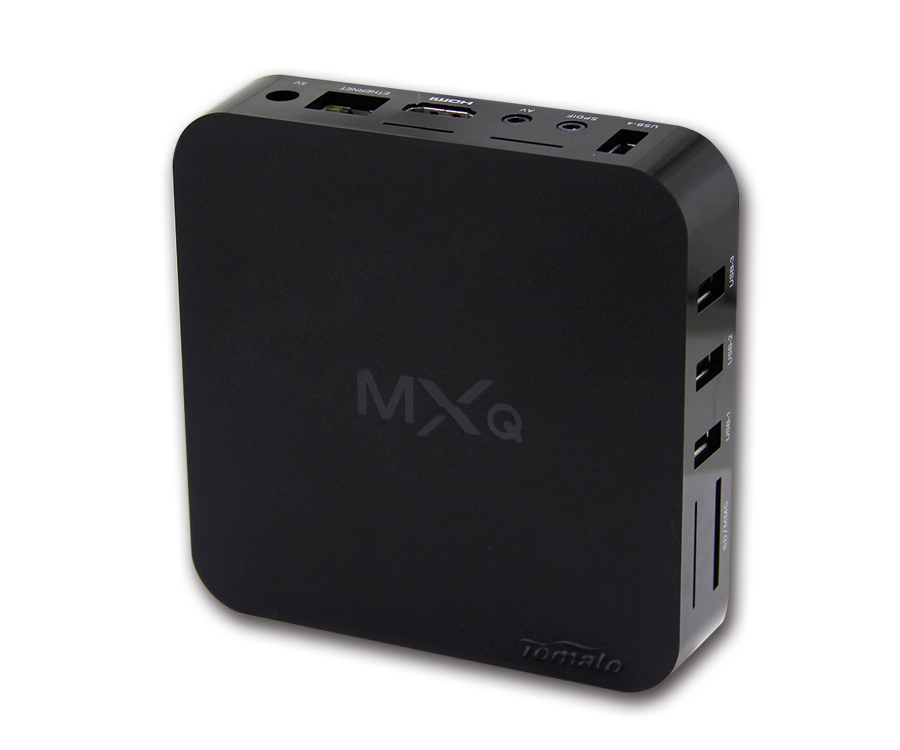
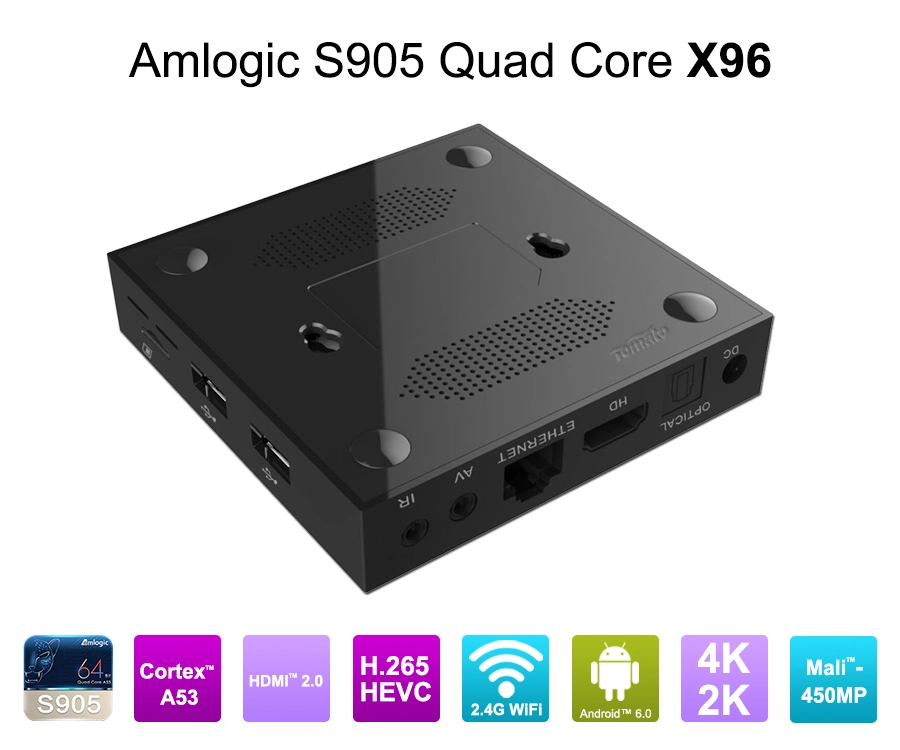
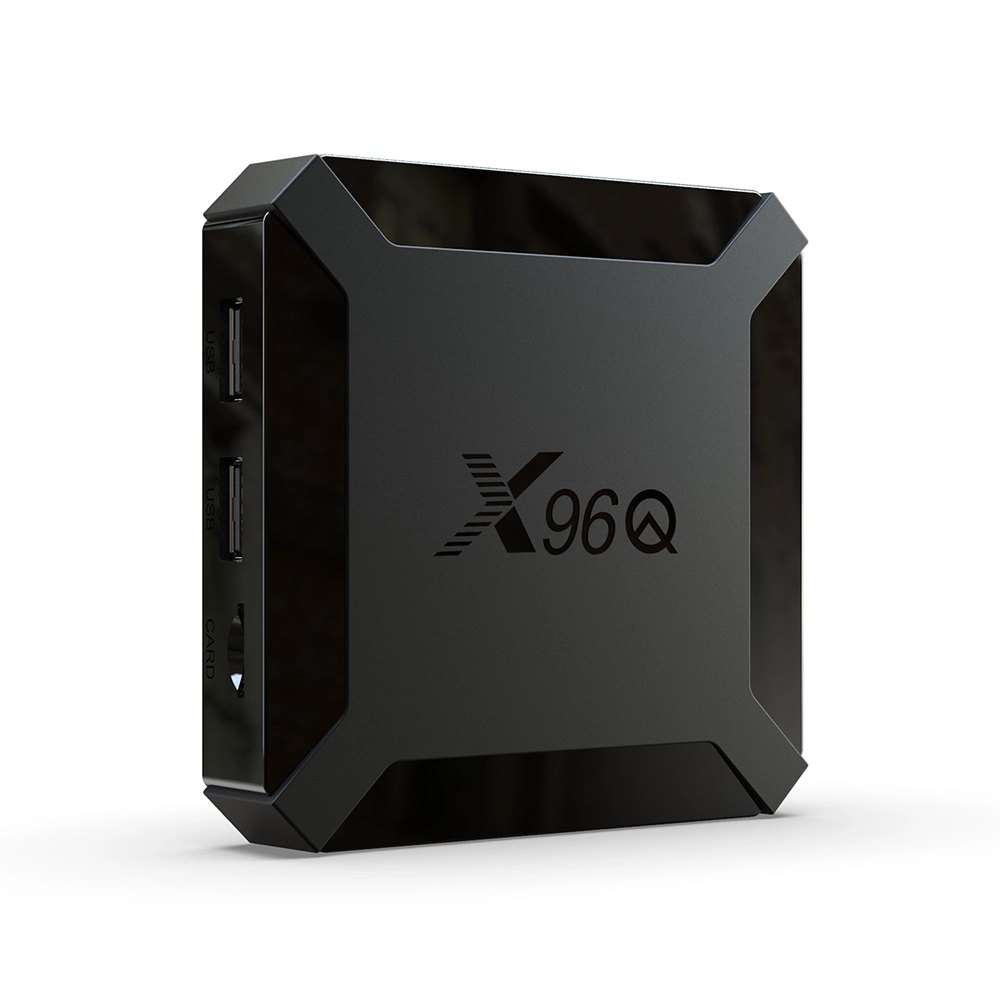
The baseline utility of ultra-compact computing has fundamentally broken away from x86 desktop emulation. While traditional micro-PCs carry high thermal footprints and significant licensing overhead, architecture shifts—spearheaded by low-overhead ARM silicon and specialized Linux/Android kernel optimization—have elevated the Android Mini PC into a primary choice for enterprise edge-node deployments.
Whether processing localized machine vision algorithms on a retail floor or routing high-bitrate AV1 video streams across thousands of hospitality endpoints, these devices operate as dedicated single-application appliances. To understand what an Android Mini PC truly does, one must look below the plastic shell of retail consumer devices and examine the underlying hardware-to-firmware pipeline that drives commercial infrastructure.
1. Core Computational Roles: The Enterprise Workloads
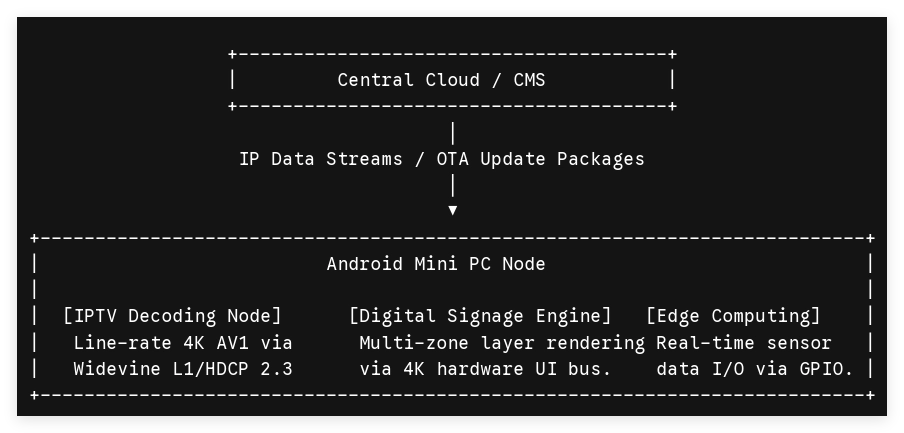
An Android Mini PC acts as an intelligent bridge between remote cloud infrastructure and localized physical displays or sensors. In commercial ecosystems, its processing cycles are directed into three specific operational models.
High-Bitrate IPTV and OTT Ingestion
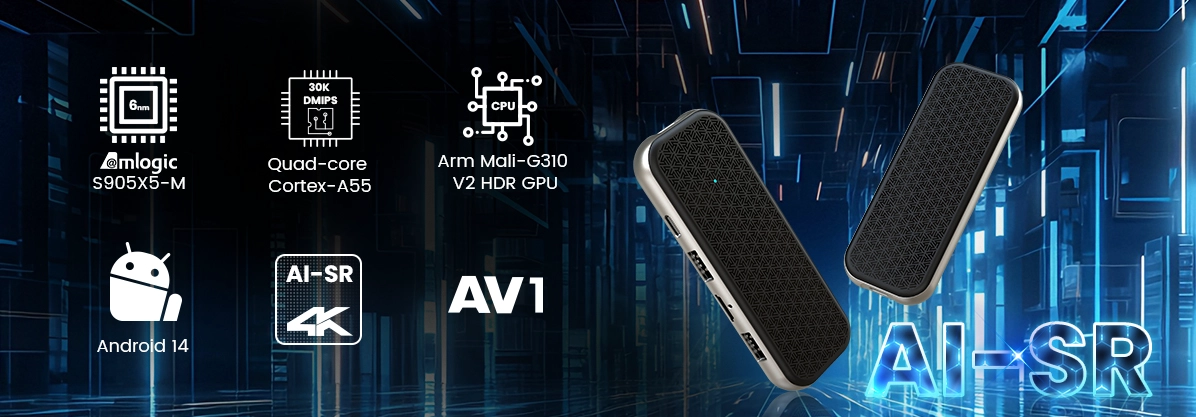
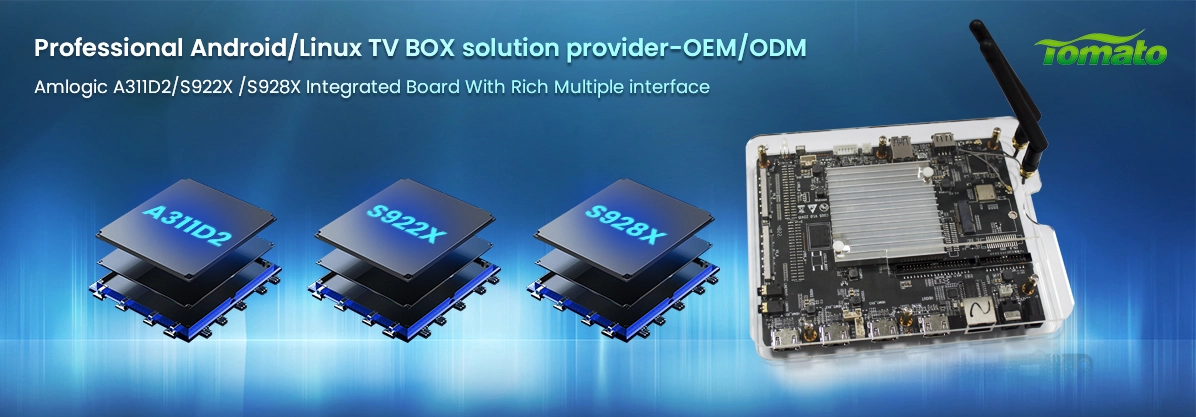
For telecom operators and hospitality networks, a customized Mini PC serves as a managed streaming terminal. Equipped with high-tier processors like the Amlogic S928X or S905X5M, these nodes handle native hardware decoding of intensive video codecs without taxing the primary CPU cores.
-
DRM and Security Enforcement: The device negotiates strict hardware-level Widevine L1 and HDCP 2.3 encryption handshakes over physical HDMI 2.1a lanes, allowing secure delivery of authenticated premium content pipelines that generic micro-hardware cannot parse.
High-Density Digital Signage Engine
Unlike standard computers that render graphics via brute-force software layout, a commercial Android Mini PC leverages its integrated Graphics Processing Unit (GPU) bus to execute hardware-accelerated multi-zone rendering. This allows a single board to concurrently display a rolling 4K stream, a live web-rendered RSS ticker, and localized interactive menus without frame-rate dropping or UI jitter.
Localized Edge-AI and IoT Hubs
When configured with high-compute silicon such as the octa-core Rockchip RK3588, a Mini PC transforms into an intelligent edge-computing platform. Leveraging an embedded Neural Processing Unit (NPU) capable of up to 6 TOPS of local processing power, the device processes real-time audience analytics, face detection, or localized environmental sensor data directly at the installation point, sending only lightweight metadata packets back to the central server.
2. PCBA Hardware Modification: Customizing the Physical Layer
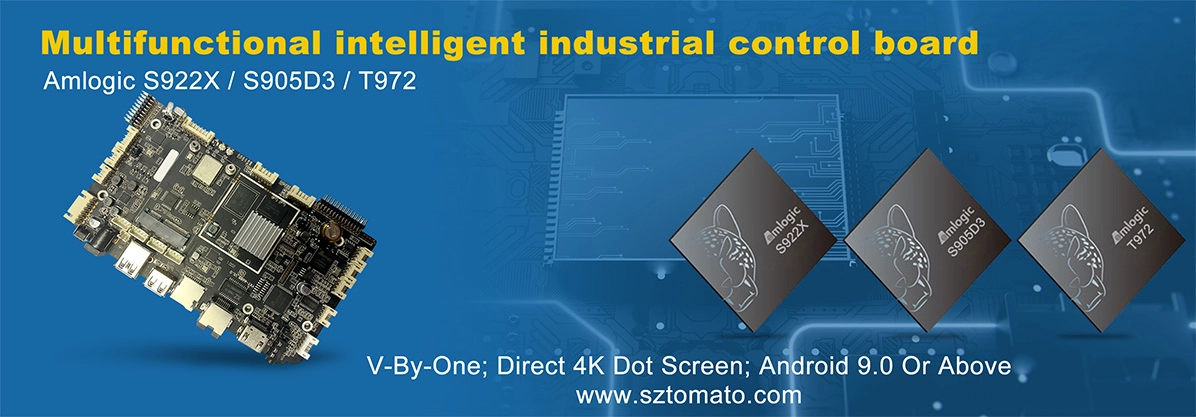
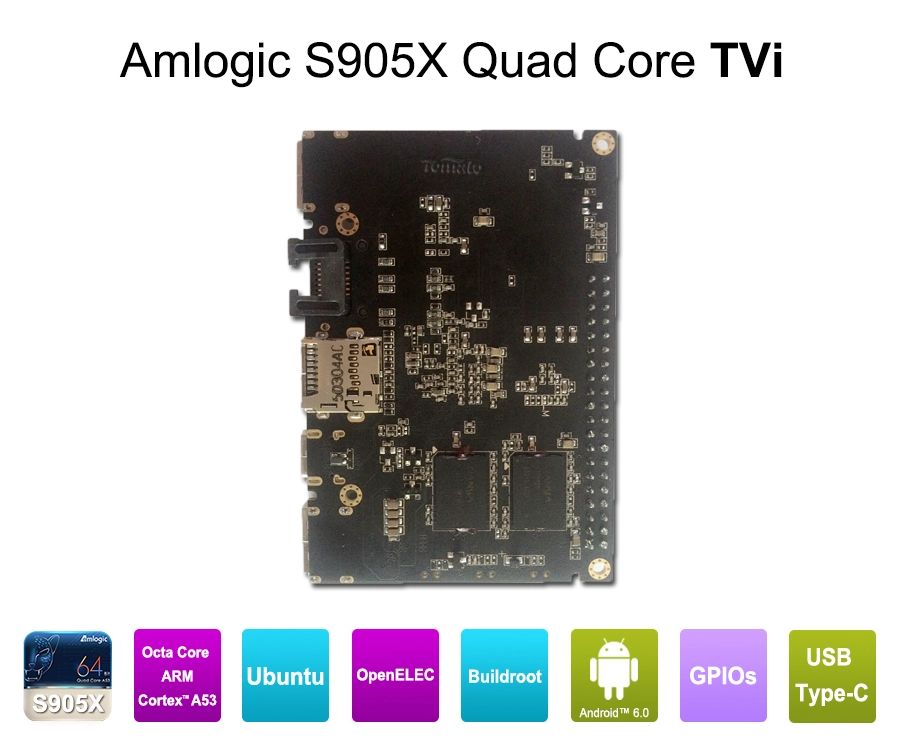
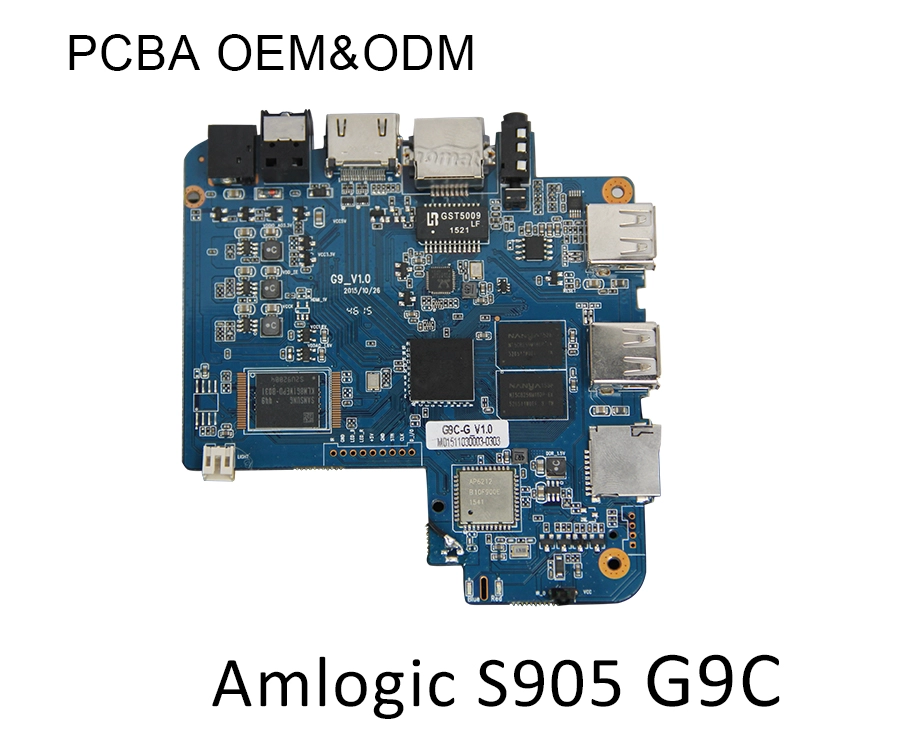
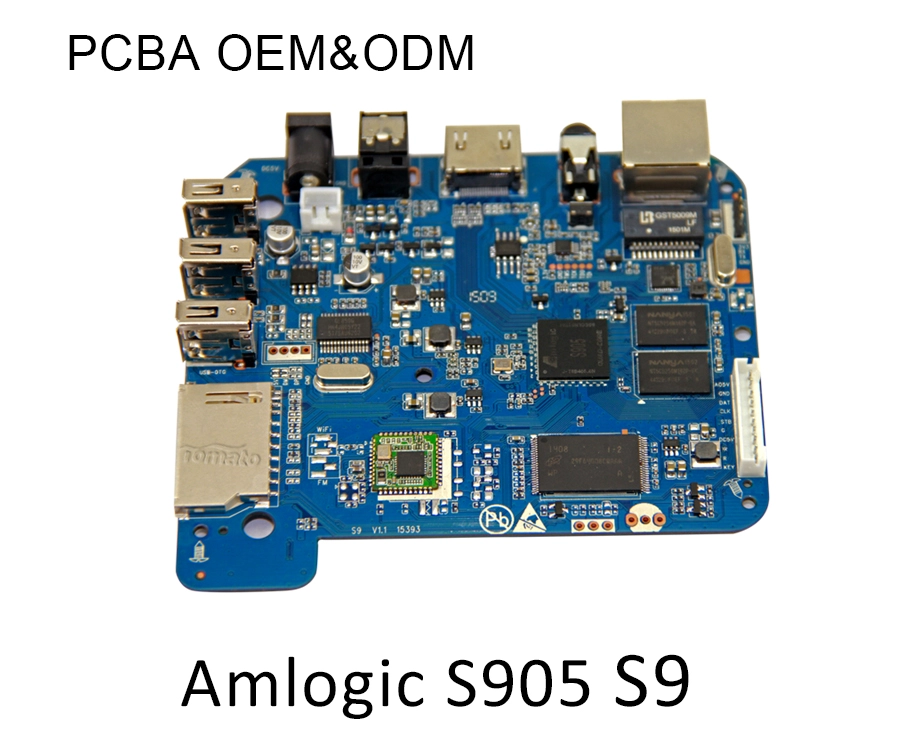
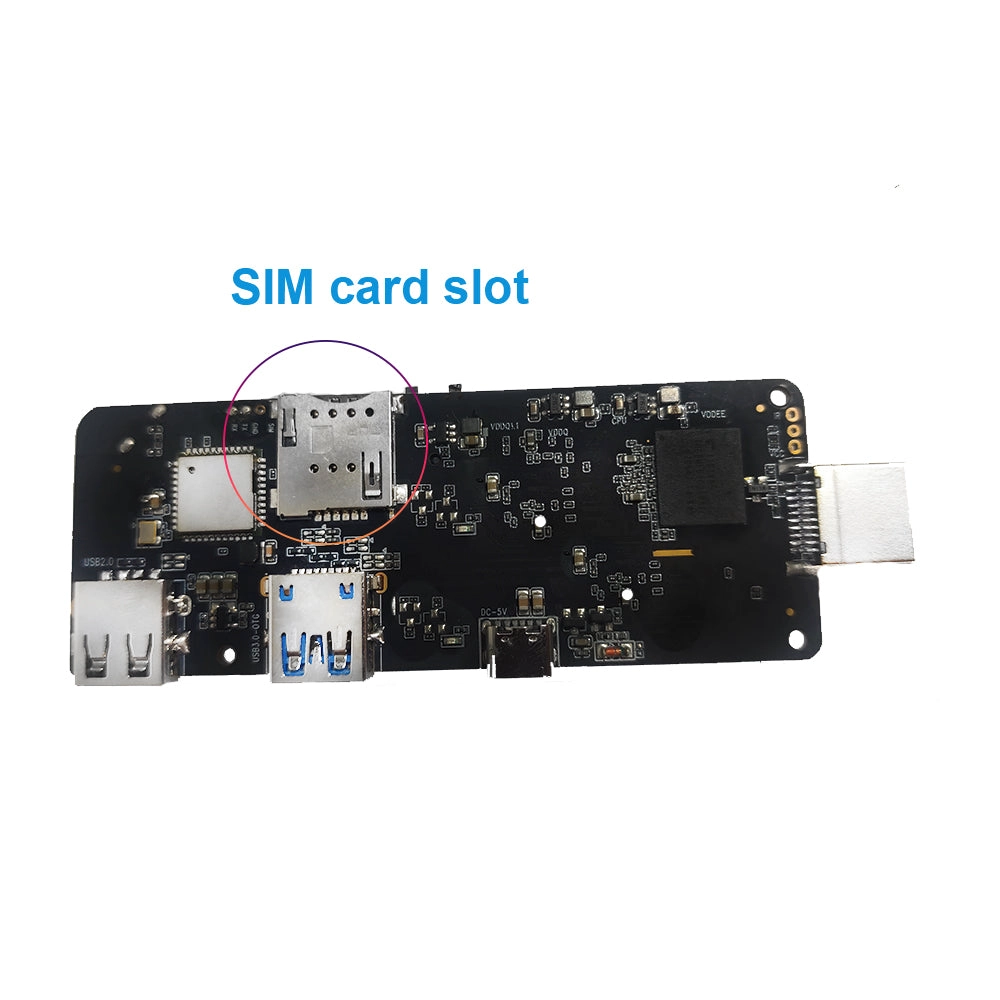
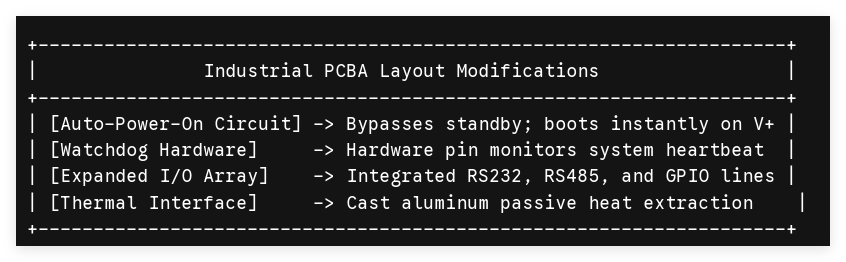
A standard product off a retail shelf cannot meet the stringent I/O requirements of commercial installations. True industrial application requires targeted modifications at the Printed Circuit Board Assembly (PCBA) layout level during manufacturing.
Peripheral Extension and I/O Routing
Commercial installations require physical connectivity with external machines, payment loops, and legacy automation frameworks. Advanced OEM/ODM engineering adapts the base substrate board to incorporate:
- Dedicated RS232 and RS485 serial communication blocks for point-of-sale or manufacturing communication.
-
General-Purpose Input/Output (GPIO) pins, allowing software applications to directly read mechanical switch triggers, pulse sensors, or actuate physical relays.
-
Native integration of internal expansion sockets, supporting 4G/5G LTE cellular modules via mini-PCIe lanes for remote network redundancy.
Power Rigidity and Thermal Protection
Enclosed behind video walls or tucked inside metallic outdoor kiosks, devices face intense thermal stress. Industrial-grade manufacturing replaces standard plastic consumer enclosures with thick, finned aluminum passive housings. High-heat components—namely the SoC and the Power Management IC (PMIC)—are routed via thick copper pours directly to the outer casing using custom thermal interface pads, eliminating fan failure risks.
Simultaneously, the power circuitry is redesigned to embed an Auto-Power-On loop. This hardware modification completely cuts out soft-power button requirements; if the main line drops, the device automatically executes a cold boot sequence the fraction of a second voltage returns to the DC power input.
3. Firmware-Level Hardening and OS Kernel Optimization
What an Android Mini PC executes is governed entirely by its firmware architecture. Out-of-the-box consumer Android contains layers of background overhead, unmanaged update triggers, and loose permission tables that present massive operational risks to a fleet manager.
Kernel Inversion and Kiosk Lockdown
By editing the core Android Open Source Project (AOSP) source code, engineers compress the operating system down to essential processes. System navigation bars, notification centers, and default setting trees are stripped out. In their place, a custom system launcher is compiled into the /system/priv-app/ partition, establishing an unbreakable Kiosk Mode. The device is hard-coded to execute only the operator’s client application upon power delivery, shielding the system directory from user intervention.
Custom SDK and API Extensions
To give enterprise applications deep control over the hardware, specialized SDK hooks are integrated directly into the firmware image:
-
Hardware Watchdog Timers: A low-level background loop counts system cycles. If the central application freezes due to a memory exception or network loop, the hardware watchdog triggers an instant system-level reset to maximize uptime.
-
Display Control APIs: Provides programmatic control over display orientation (0° to 270° hardware-level canvas rotation), screen resolution matching, and automated HDMI-CEC power schedules to cycle external displays off outside business hours.
4. Lifecycle Analysis: Commercial Fleet Standardization
Deploying hardware at scale demands operational visibility and software longevity. A comparison of platform choices highlights why enterprise-level customization is mandatory for long-term project viability:
| Engineering Dimension | Consumer Retail Devices | SZTomato Tailored B2B Infrastructure |
|---|---|---|
| Component Lifespan | Consumer-grade silicon; high component turnover within 6–12 months. | Guaranteed 3-to-5-year hardware component lifecycle support. |
| Update Architecture | Unmanaged consumer OTA pushes; high risk of application breaks. | Managed, signature-secured private OTA update systems by group ID. |
| Telemetry & Management | Zero native remote logging; requires clunky third-party apps. | Deep integration of TR-069 or private MQTT diagnostics at the kernel layer. |
Secure Your Commercial Fleet with Specialized Engineering
An Android Mini PC is a powerful, highly versatile platform, but its commercial efficacy depends entirely on how the underlying hardware and firmware are tailored to your specific infrastructure.
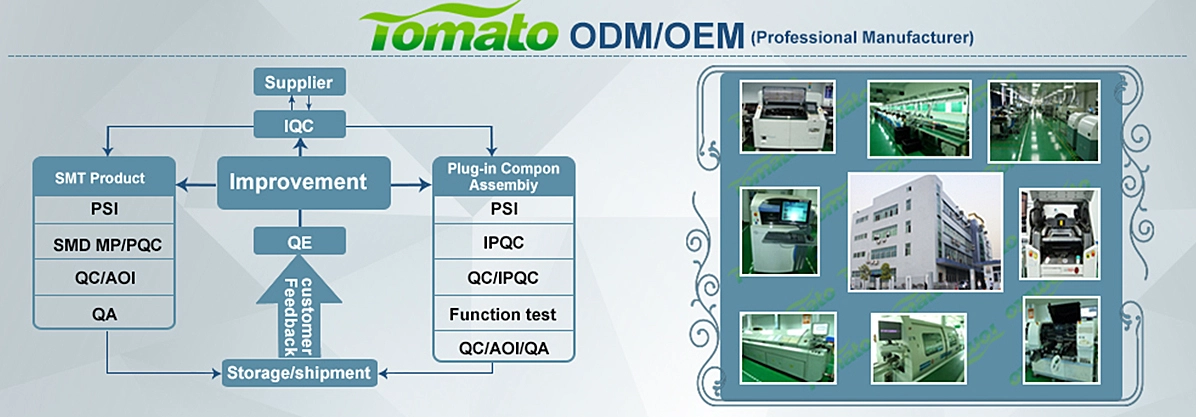
At SZTomato (www.sztomato.com), we bypass generic retail sales to focus exclusively on the technical demands of systems integrators, digital signage companies, and telecom operators. Backed by 16 years of cross-border B2B electronic engineering expertise, we provide complete OEM/ODM customization services. From physical PCBA modifications and advanced thermal management design to deep kernel-level optimizations, custom SDK APIs, and signature-verified private OTA structures, we engineer the reliable hardware foundation your large-scale network deployments require.
Reach out to our engineering consultation team today to request structural schematic reviews, finalize your I/O mapping, or obtain a custom prototype evaluation unit for your development team.