

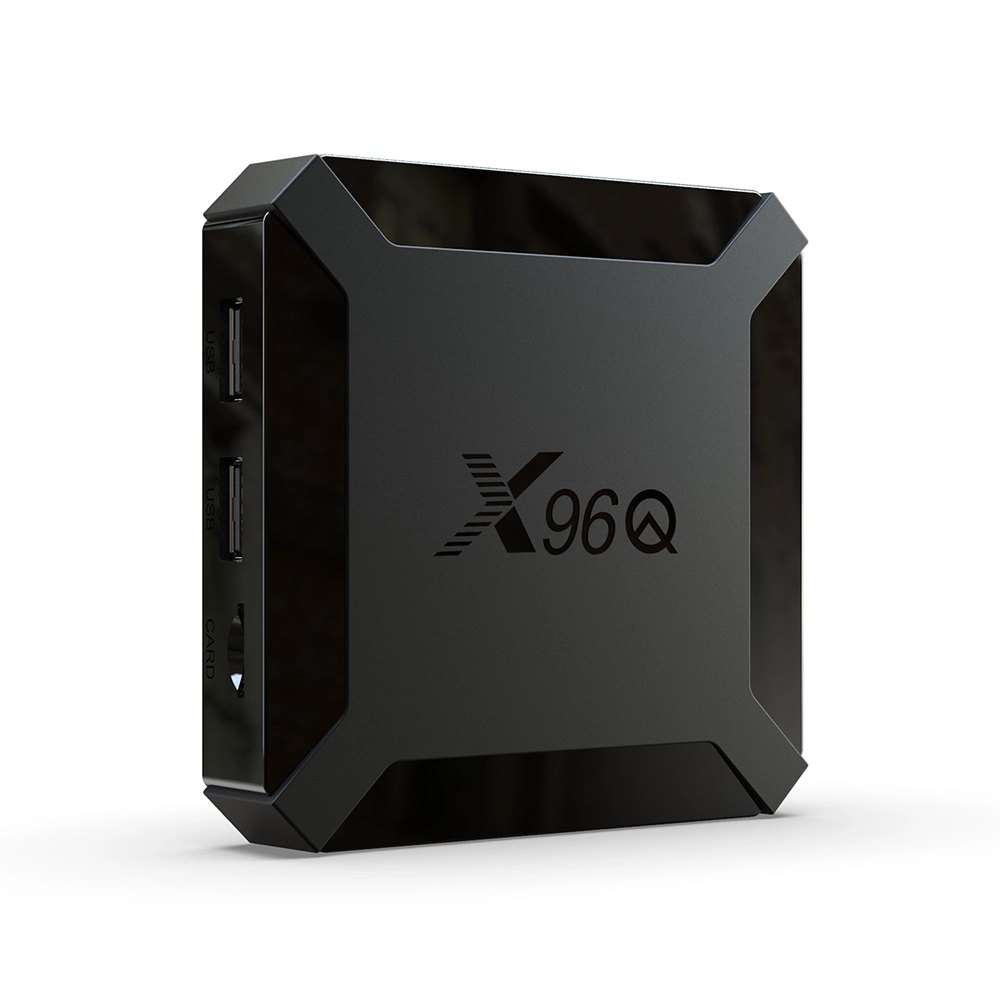
What is the Streaming Media Player that gets all the channels?
Deconstructing the Architecture of a Unified Streaming Media Player: The Enterprise Approach to Global Channel Aggregation
To a retail consumer, "getting all the channels" is a matter of downloading user-grade applications or purchasing short-lived subscription codes. In the enterprise B2B ecosystem—encompassing hospitality entertainment networks, telecom service operations, and institutional media systems—channel aggregation is a strict engineering problem. It demands a hardware platform capable of negotiating multiple digital rights management (DRM) profiles, processing high-bitrate live video transport streams, and surviving continuous 24/7/365 network operation without data degradation.
Relying on off-the-shelf consumer devices introduces fatal vulnerabilities: unstable application states, unauthorized user interaction, unmanaged operating system updates that disrupt custom apps, and thermal throttling. Overcoming these hurdles requires a deep evaluation of specialized System-on-Chip (SoC) capabilities, tailored board design, and firmware-level engineering.
1. Decoding and Encryption: The Silicon Requirements for Full Stream Aggregation
A commercial Streaming Media Player must process complex, multi-source digital feeds simultaneously. Whether ingesting linear satellite streams via UDP/RTP multicast networks, or pulling over-the-top (OTT) encrypted streams from global content delivery networks, the underlying silicon dictates performance limits.
Codec Optimization and Bandwidth Efficiency
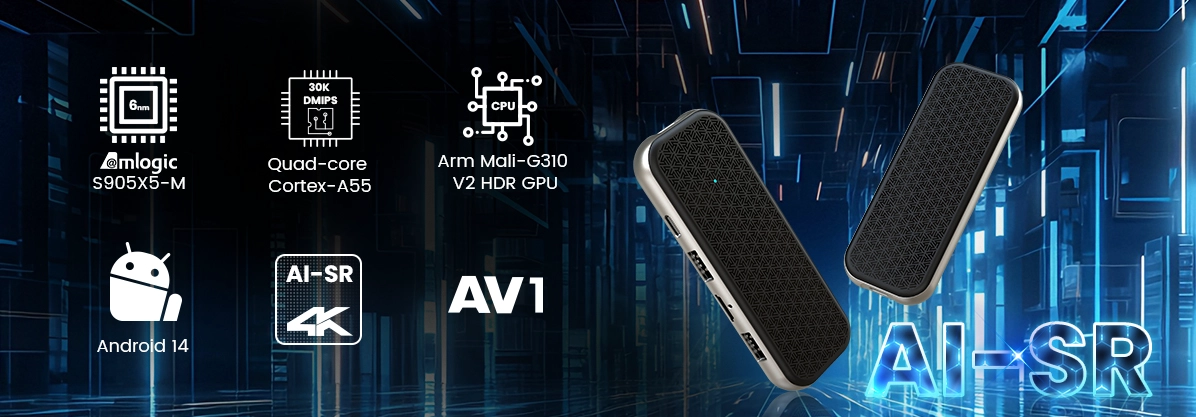
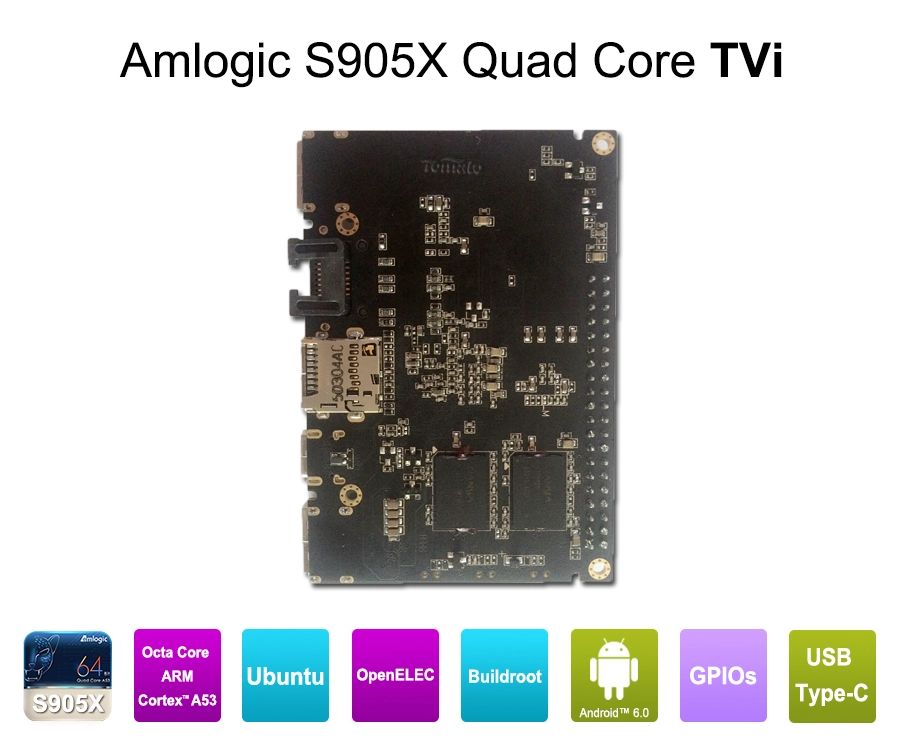
The adoption of the royalty-free AV1 video codec across major stream networks requires modern decoding blocks. Integrated architectures like the Amlogic S928X-J or the Amlogic S905X5M feature dedicated hardware decoding pipelines for AV1 alongside legacy H.265/HEVC profiles.
- The ROI of Native Decoding: Hardware-level AV1 decoding lowers stream bitrate requirements by up to 30% compared to older compression formats. For a telecom operator or hospitality provider routing hundreds of channels to thousands of endpoints, this reduction in data throughput directly decreases monthly CDN infrastructure costs.
-
AI-Powered Scaling: Advanced silicon integrates AI Super-Resolution (AI-SR) blocks. This allows local nodes to ingest lower-resolution legacy broadcast feeds and upscale them to 4K resolution at the physical display layer, preserving backend network bandwidth without compromising visual output.
Hardware-Enforced Content Security (DRM)
To legal stream channels from premium platforms, a device must possess verified cryptographic credentials. Consumer-tier generic boxes often lack these, leading to stream termination or resolution capping at standard definition (480p).
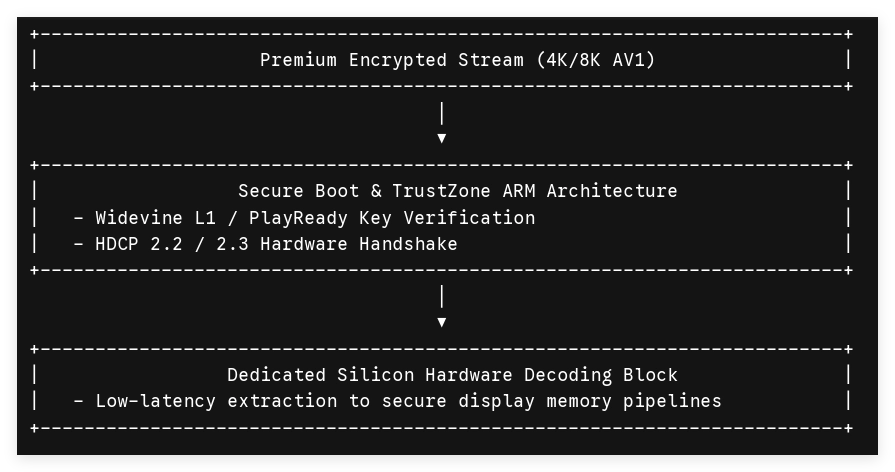
An operator-tier device circumvents this via built-in Widevine L1 and optional Microsoft PlayReady DRM keys compiled directly into the secure storage zone of the processor during fabrication. When paired with physical HDMI 2.1a transmission paths supporting HDCP 2.2 or 2.3 encryption, the media player maintains a fully protected pipeline from network ingestion straight to the display panel.
2. PCBA Architectural Modifications: Building for Operational Longevity
Industrial environments like digital signage clusters, public kiosks, and hospital patient rooms require physical board modifications that consumer streaming sticks cannot offer.
Interface Hardening and Component Stripping
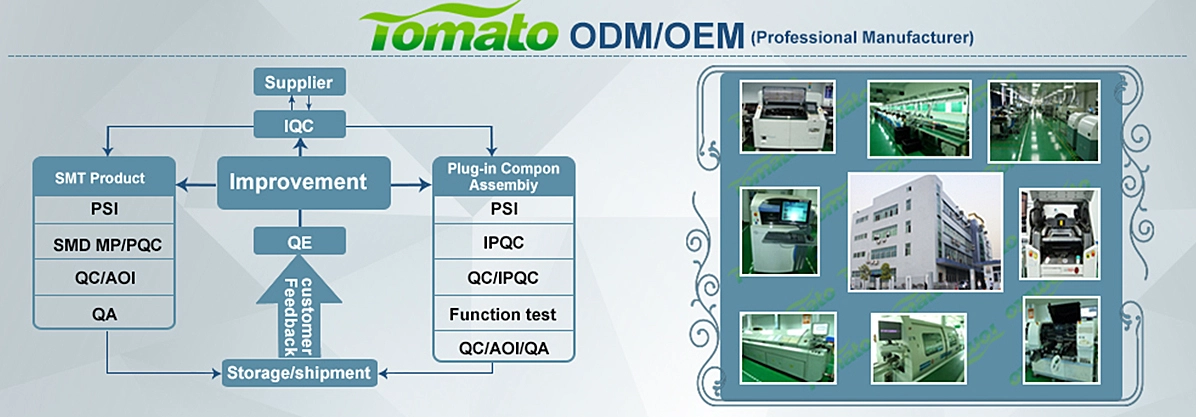
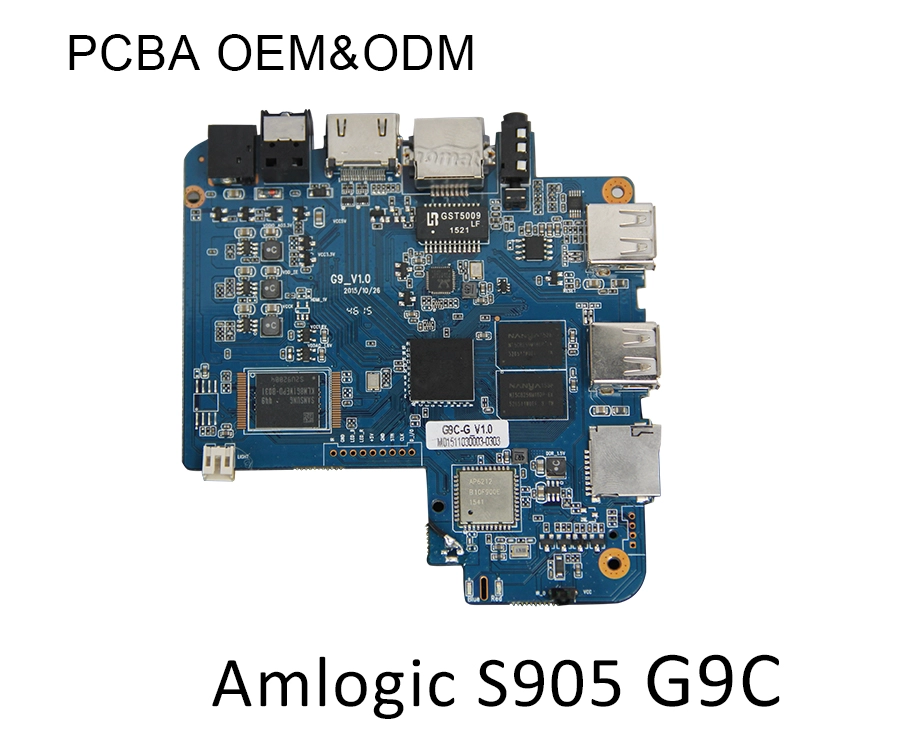
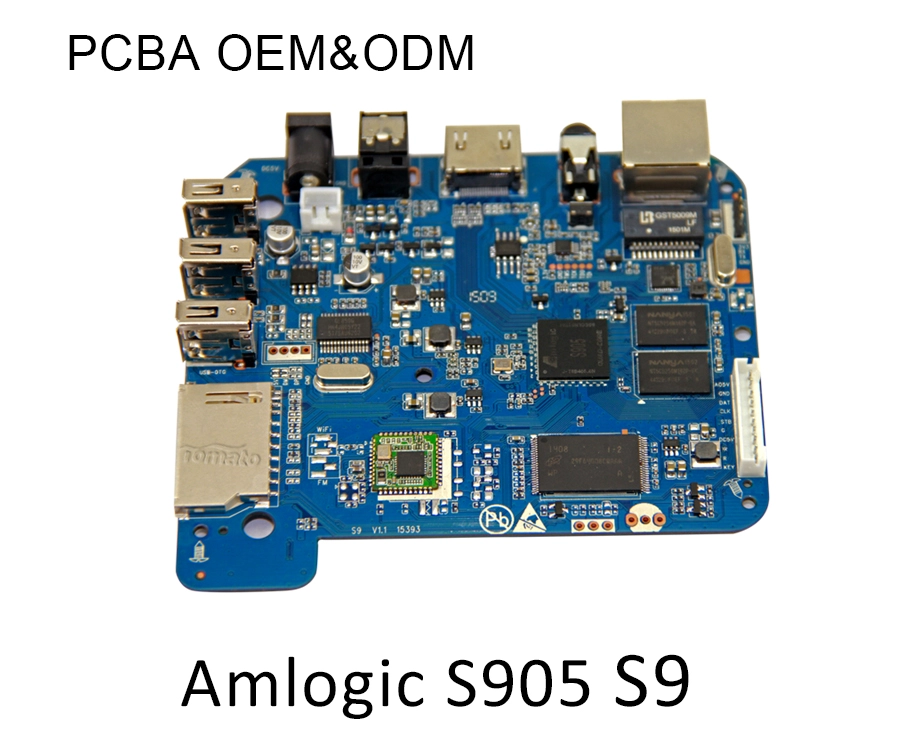
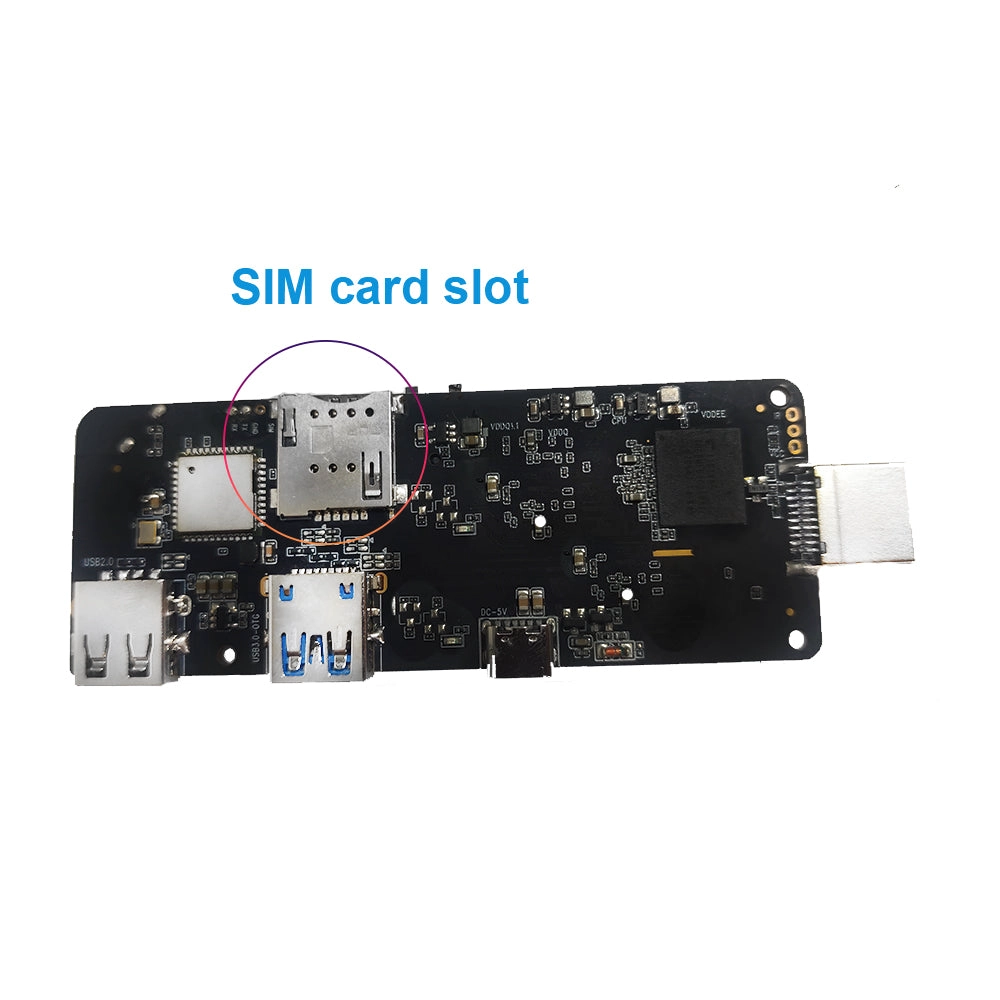
During the OEM/ODM manufacturing process at the Printed Circuit Board Assembly (PCBA) layout phase, peripheral allocations must be tailored to the exact deployment blueprint:
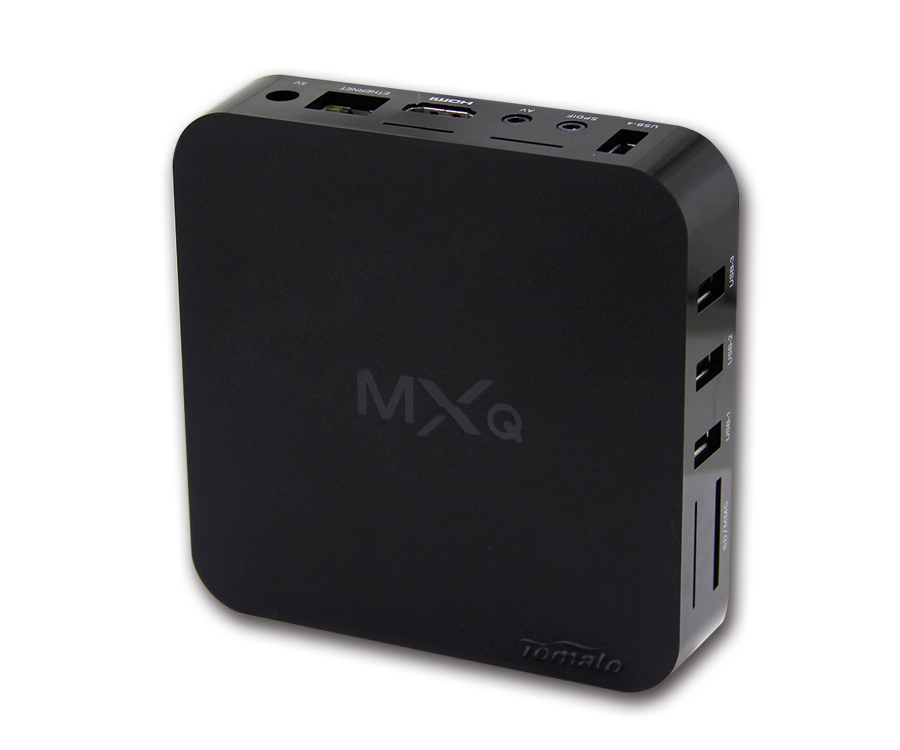
- Peripheral Stripping: Removing unnecessary external USB slots or micro-SD slots prevents end-users from sideloading unauthorized third-party software, introducing malicious code, or tampering with internal system directories.
-
Network Hardening: Bypassing standard consumer wireless links to hardwire a dedicated Gigabit Ethernet (RJ45) port directly to the system bus ensures low-latency, packet-loss-free decoding of high-bitrate multicast IPTV traffic.
Advanced Thermal Layouts and Power Controls
Standard consumer electronics suffer from rapid thermal build-up when forced into enclosed commercial recesses. Industrial engineering optimizes the chassis by deploying heavy-gauge extruded aluminum housings coupled directly to high-heat silicon via heavy copper pours and optimized thermal interface pads. This passive setup eliminates moving components while operating safely within strict thermal boundaries.
Furthermore, by re-engineering the Power Management Integrated Circuit (PMIC) at the component layer, devices can bypass soft-power standby states. Implementing physical Auto-Power-On circuitry ensures that if main power drops out, every terminal instantly boots back into operational mode the second power returns to the DC input rail.
3. Firmware Engineering: Kernel Customization and Centralized Update Protocols
Securing a fleet of media players across an enterprise network means the operating system must be locked down, branded, and protected from local user manipulation.
Kernel-Level Lockdown and Launcher Inversion
By modifying the Android Open Source Project (AOSP) or Linux kernel layers, developers can replace standard consumer interfaces with custom-tailored environments:
-
System App Privilege Isolation: Injecting proprietary operator or channel-management applications directly into the secure /system/priv-app/ directory ensures the software is treated as a core system component, making it impossible for users to uninstall or bypass.
- Interface Restrictions: Firmware engineers strip out standard system setup panels, notification trays, and generic app storefronts, locking the device into a permanent, secure Kiosk Mode that forces the box to boot straight into the operator's customized portal.
-
Debugging Protection: Disabling the Android Debug Bridge (ro.debuggable=0, ro.secure=1) inside the system configuration profiles blocks external command-line tampering via physical data ports.
Fleet Automation and Resilient Updates
Managing thousands of active streaming endpoints requires robust remote administration systems.
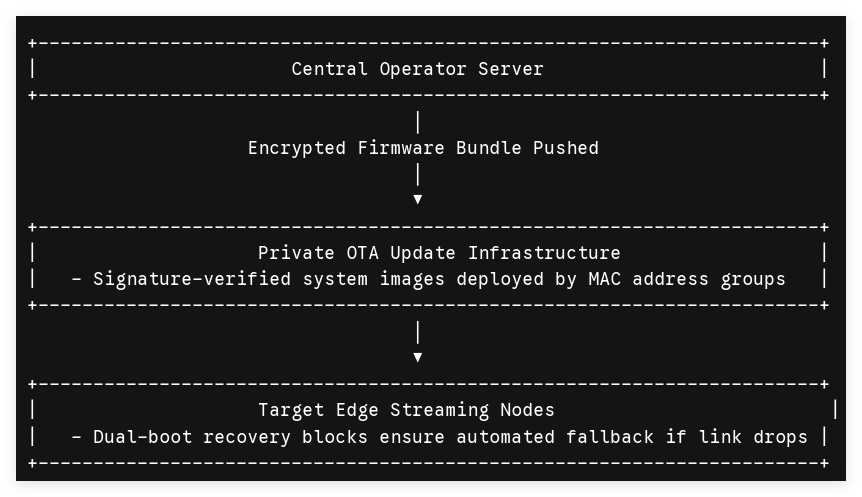
Integrating enterprise communication layers like TR-069 or MQTT directly into the base firmware image allows central management systems to track device vitals, gather memory statistics, and review operational metrics in real time. For updates, deploying a private, signature-verified Over-The-Air (OTA) update system enables engineers to push targeted system updates to distinct device groups based on network layout, avoiding manual on-site troubleshooting.
4. Lifecycle Comparison: Consumer Hardware vs. B2B Customized Platforms
Deploying consumer hardware configurations for specialized, long-term commercial delivery channels consistently increases the total cost of ownership (TCO) through frequent failures and lack of administrative control.
| Engineering Attribute | Retail Streaming Sticks / Consumer Boxes | SZTomato B2B Customized Media Players |
|---|---|---|
| OS Stability | Automatic unmanaged retail updates; frequent application compatibility failures. | Rigidly controlled firmware baselines; private, scheduled OTA update deployment. |
| Content Security | Software-level emulation; unpredictable DRM handshakes on commercial screens. | Silicon-integrated Widevine L1; hardware-enforced HDCP 2.2/2.3 handshakes. |
| Hardware Rigidity | Plastic casing; unoptimized thermal dissipation leads to processor throttling. | Industrial metal housings; custom PCBA heat spreaders built for continuous run-times. |
| Boot Architecture | Manual user power-on via IR remote control; soft-standby by default. | Component-level Auto-Power-On circuitry for immediate automated cold booting. |
Partner with an Industry-Grade OEM/ODM Architecture Team
Evaluating the ideal Streaming Media Player for mass channel distribution requires looking beyond the limitations of off-the-shelf commercial products. True system reliability requires a customized platform built precisely around your operational architecture.
At SZTomato, we provide systems integrators, telecom operators, and hospitality solution providers with engineered hardware and software built for scale. Leveraging over 15 years of deep industry expertise, we specialize in delivering custom PCBA modifications, robust hardware-level DRM integration, tailored firmware environments, and private OTA distribution networks. We eliminate consumer-tier design flaws to ensure your network infrastructure remains stable, branded, and completely secure.
Contact our technical sales team today to request structural blueprints, explore component options, or arrange a custom prototype evaluation for your upcoming deployment.