
What are the features of an OTT TV Box?
1. Silicon Architecture & Computational Core
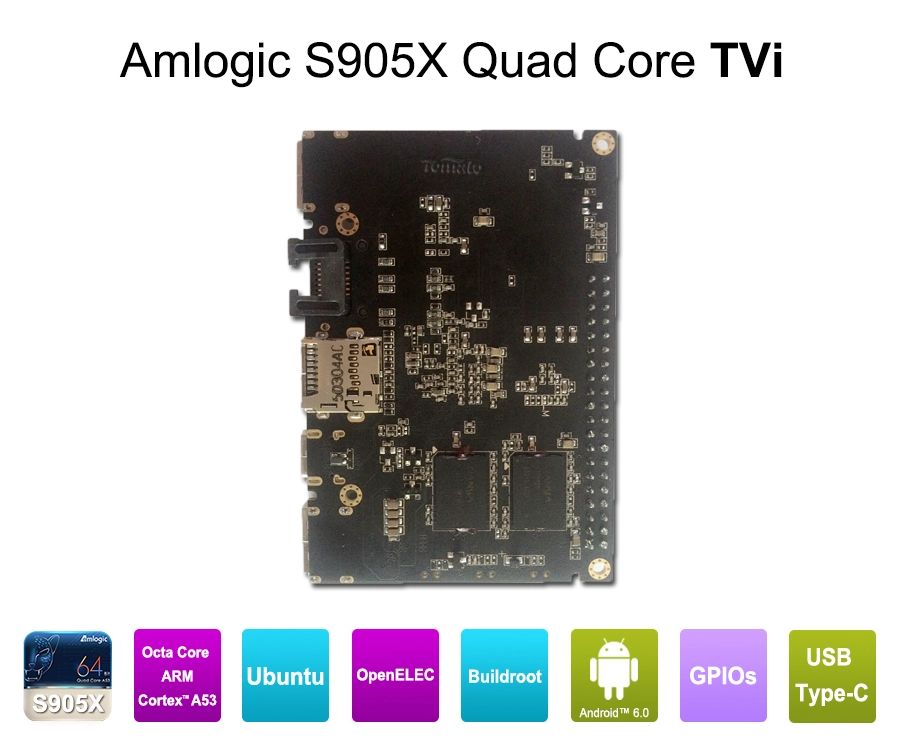
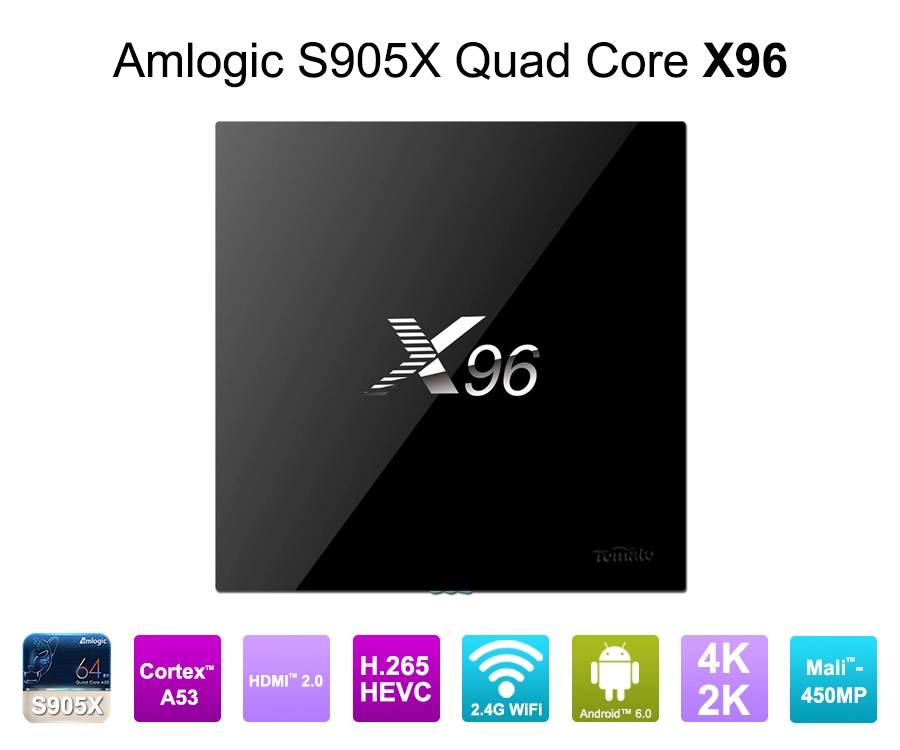
At the center of any commercial-grade OTT TV Box is the System on Chip (SoC). While retail boxes rely on lower-tier processors tailored for short-burst consumer media playback, enterprise deployments require high-performance chipsets designed to handle continuous processing loads.
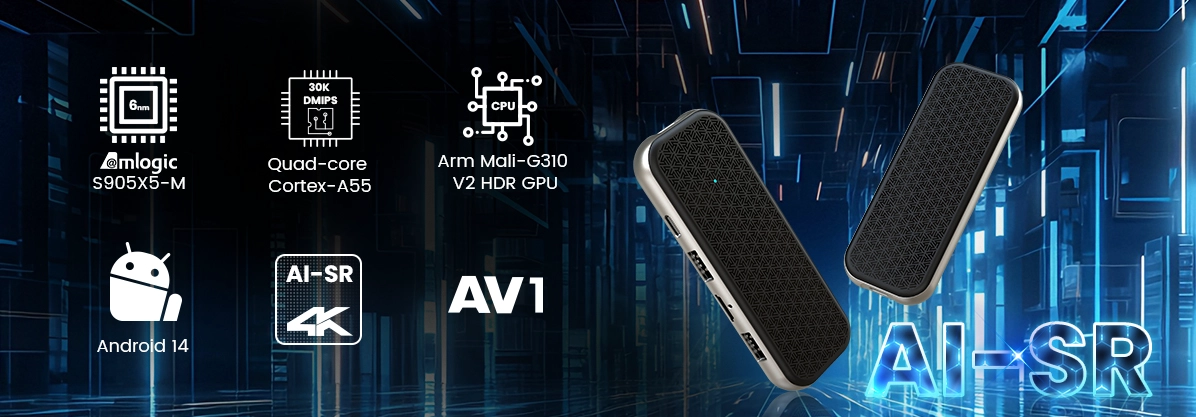
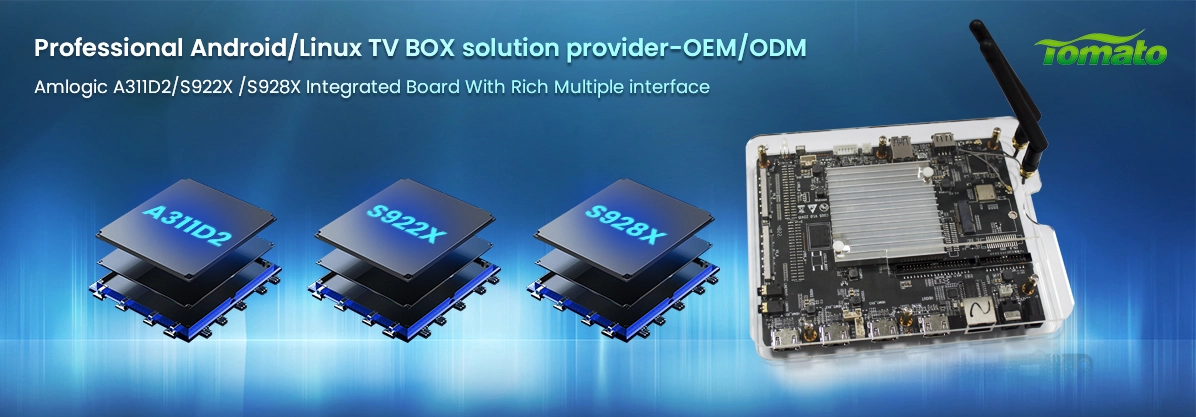
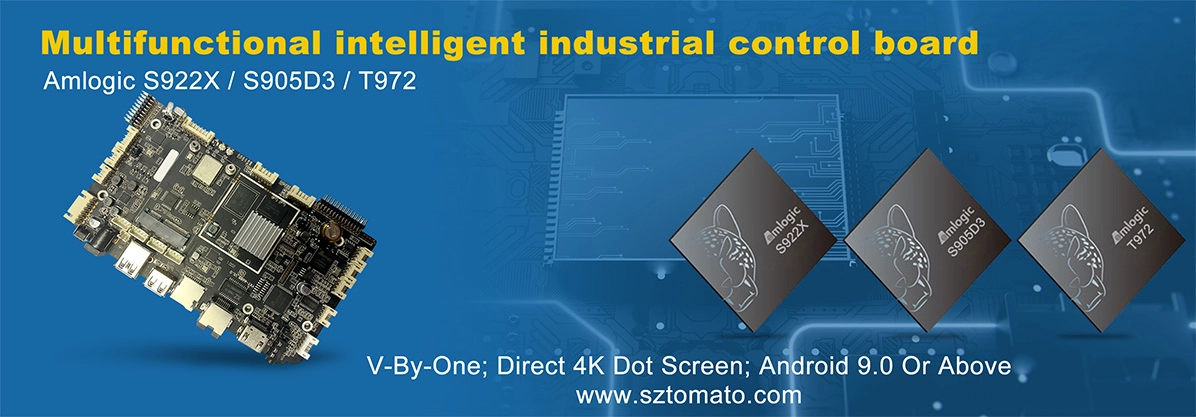
Modern commercial solutions deploy architectures like the Amlogic S905X5M or Rockchip RK3588 platforms. These chipsets feature Quad-Core ARM Cortex-A55 or Cortex-A76 configurations. They provide the necessary computing overhead to run heavy foreground applications alongside persistent background telemetry scripts without thermal throttling or performance degradation.
-
Memory Bus and Storage Bus Integrity: Industrial applications demand high data-transfer speeds. Standard eMMC 5.1 memory often falls short during heavy multi-stream caching or local data processing. Selecting an OTT platform equipped with LPDDR4X or LPDDR5 RAM paired with UFS 2.1 or higher storage ensures the necessary bus bandwidth to prevent application crashes and frame drops.
- Thermal Design Power (TDP) Management: High-performance silicon generates significant heat under 24/7 duty cycles. Commercial hardware requires customized PCBA layouts that incorporate dedicated, thick aluminum heatsinks or structured thermal housing to maintain core temperatures below critical limits, avoiding the clock-speed degradation common in consumer plastic enclosures.
2. Hardware-Level Video Codec Decoding
For scalable B2B deployments, video processing efficiency directly impacts both network bandwidth costs and hardware longevity. Relying on software-driven central processing unit (CPU) decoding accelerates thermal fatigue and drains system resources.
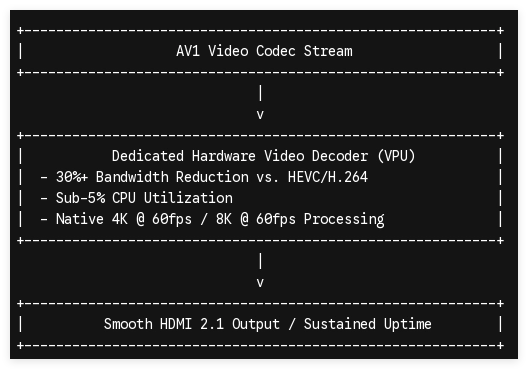
Next-Generation AV1 Hardware Decoding
The AOMedia Video 1 (AV1) codec has become the industry standard for high-efficiency video distribution. An OTT TV Box built for enterprise utility must feature native, hardware-level AV1 decoding. This allows the system to process high-definition 4K content with a 30% reduction in bitrate compared to HEVC (H.265), and up to a 50% reduction compared to older H.264 streams. This saving drastically reduces network congestion across multi-screen commercial installations.
Multi-Format Decoders & Encryption Standards
Beyond AV1, the video processing unit (VPU) must support simultaneous multi-channel decoding (e.g., handling multiple 1080p sub-streams on a single display for digital signage matrices). Furthermore, for premium OTT deployments, hardware-enforced security features are mandatory:
Enterprise Security Note: Ensure the hardware layer includes native support for Widevine L1 and PlayReady 3.0 digital rights management (DRM), alongside HDCP 2.2/2.3 encryption keys burned directly into the secure zone of the processor chip during manufacturing. Without this foundation, the device cannot display protected high-definition content from premium operators.
3. Firmware Customization & Kernel-Level Optimization
A retail Android TV box locks system integrators out of the underlying operating system. For commercial deployments, the ability to control the software image at the kernel level is just as important as the physical hardware specifications.
Comprehensive B2B platforms rely on open Android Open Source Project (AOSP) or Linux kernels, providing developers with full root or administrative access to modify the operating system to fit custom business requirements.
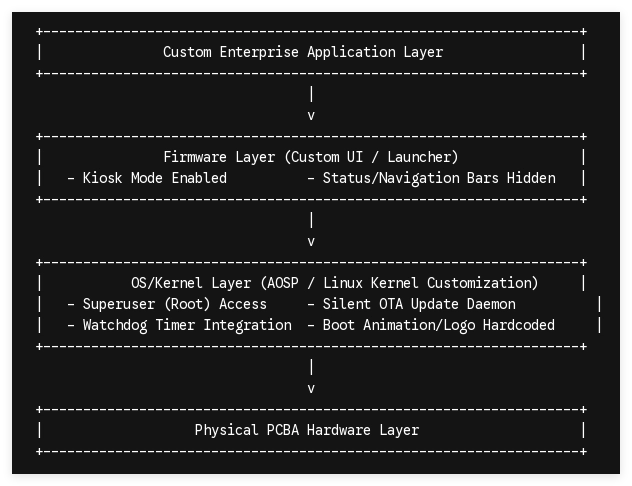
Deep Operating System Integration Features
-
System-Level Kiosk Mode: Eliminates consumer-facing onboarding screens, status bars, and navigation panels. The box boots directly into the customer’s proprietary application layer, preventing end-user tampering.
-
Hardware Watchdog Timer Support: Integrates a system-level monitor script that automatically triggers a hard reboot if the primary application freezes or the operating system stops responding, ensuring near-zero manual maintenance intervention.
-
Custom Boot Modifications: Enables permanent branding modifications by hardcoding custom boot animations, background logos, and pre-installed application packages into the system memory partition.
-
Silent OTA Update Infrastructure: Replaces standard consumer update systems with an enterprise-managed over-the-air (OTA) server architecture. This allows system administrators to push silent, staged firmware modifications and application upgrades to thousands of edge devices simultaneously, without disrupting display uptime.
4. Industrial Connectivity & PCBA Customization
Enterprise environments present unique physical and structural challenges. Standard consumer-grade interfaces often fail to provide the reliable connections required for professional hardware installations.
| Feature Area | Specification / Engineering Standard | B2B Commercial Advantage |
|---|---|---|
| Wired Network | Gigabit Ethernet (10/100/1000 Mbps) Native RJ45 | Guarantees packet delivery without interference; essential for high-bitrate video loops. |
| Wireless Stack | Dual-Band Wi-Fi 6 (802.11ax) + Bluetooth 5.4 | Improves signal reliability in dense environments; allows connection to IoT sensors and peripherals. |
| Power Input | Wide-Voltage Inputs + Locking Barrel Connectors | Protects components against power fluctuations; prevents accidental disconnection. |
| Expansion Bus | Internal Board Headers (RS232, GPIO, USB pin-headers) | Supports direct integration with touchscreens, telemetry systems, and custom industrial hardware. |
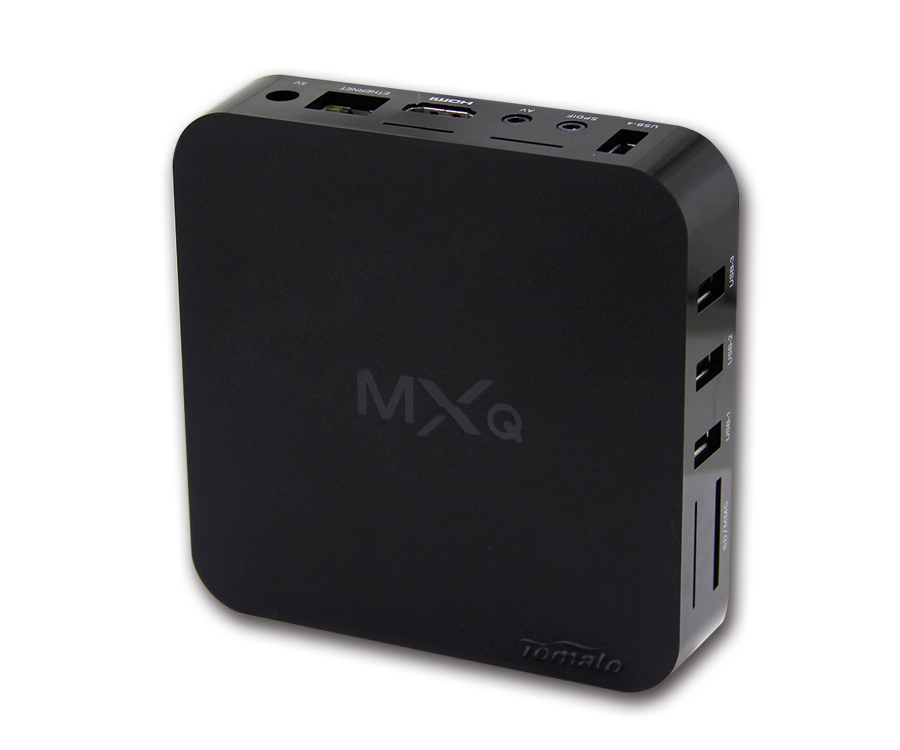
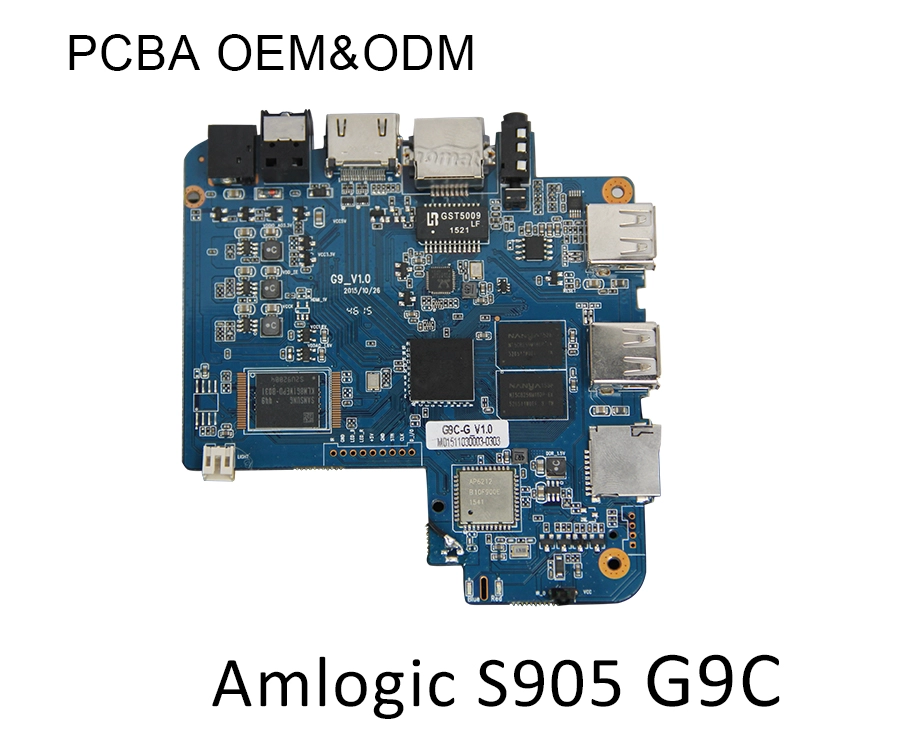
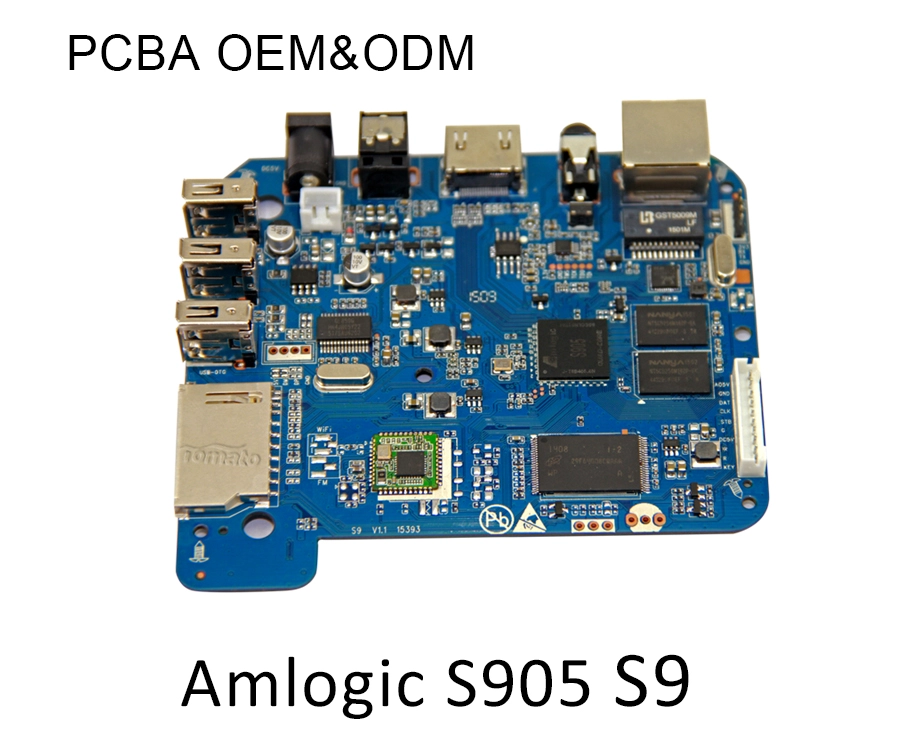
By prioritizing tailored PCBA engineering over generic retail products, enterprise buyers can specify exact port configurations. This ensures the device includes only the required interfaces, eliminating unnecessary components to reduce power consumption and lower the overall bill of materials (BOM).
Aligning Hardware with Enterprise Requirements
Selecting an OTT TV Box for commercial operations requires shifting focus from consumer features to hardware customization and software control. Deploying generic retail media boxes to handle continuous, industrial-grade operational loads often results in high system failure rates, security vulnerabilities, and costly on-site maintenance.
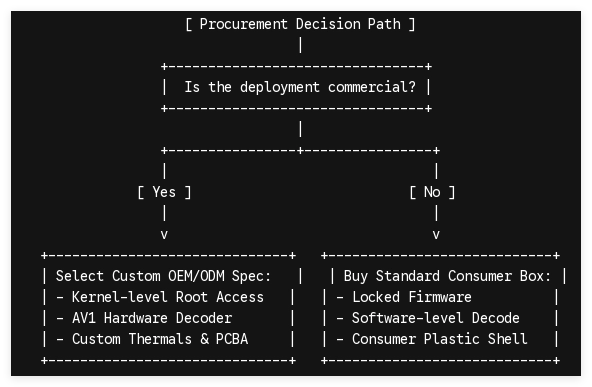
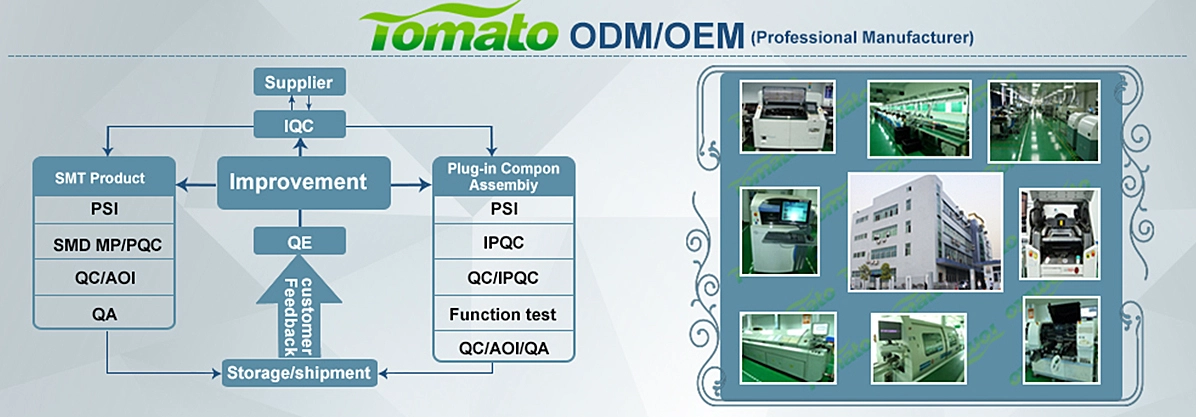
Partnering with an experienced manufacturing team like SZTomato gives system integrators access to end-to-end OEM/ODM OTT TV Box customization. From modifying the physical PCBA layout and optimizing firmware code to integrating custom APIs and implementing robust thermal cooling systems, your hardware can be engineered to meet your exact deployment environment.
