What are the system requirements for a Android Mini PC?
Enterprise Hardware Specifications: What Are the System Requirements for an Android Mini PC?
The widespread adoption of bandwidth-efficient AV1 video codecs alongside real-time edge processing has exposed severe structural limitations in off-the-shelf consumer media devices. Operational teams attempting to scale commercial digital signage networks, interactive retail kiosks, or enterprise streaming endpoints with retail-grade hardware frequently experience memory degradation, thermal throttling, and unrecoverable OS lockups.
Determining the system requirements for a commercial Android Mini PC is not about matching consumer smartphone specs; it requires engineering a balanced System-on-Chip (SoC) architecture, board-level component hierarchy, and custom kernel environment that maintains continuous 24/7/365 operation.
1. Silicon & Processing Architecture: SoC Selection & Codec Benchmarks
The core performance of an Android Mini PC relies on its System-on-Chip (SoC) topology. Enterprise applications demand hardware-level decoding for modern compression algorithms to prevent CPU exhaustion and excessive power draw.
Primary SoC Tiers for B2B Deployment
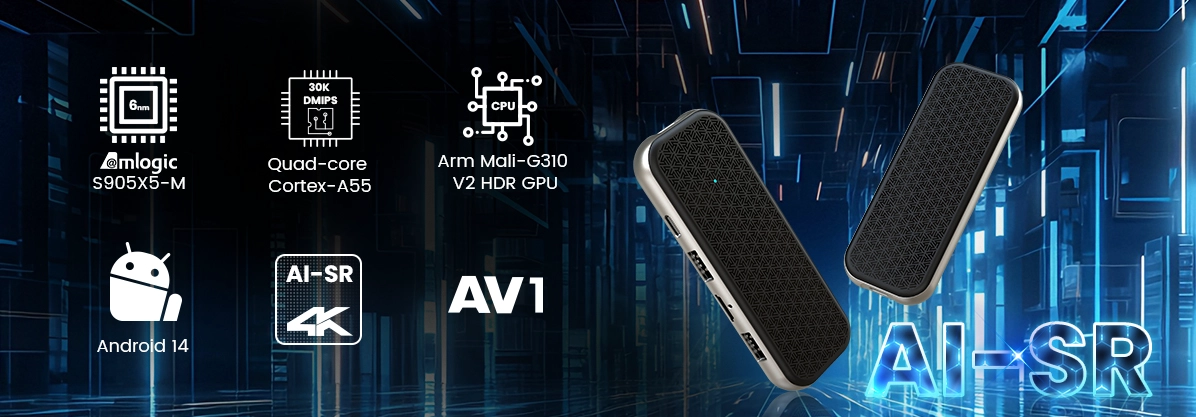
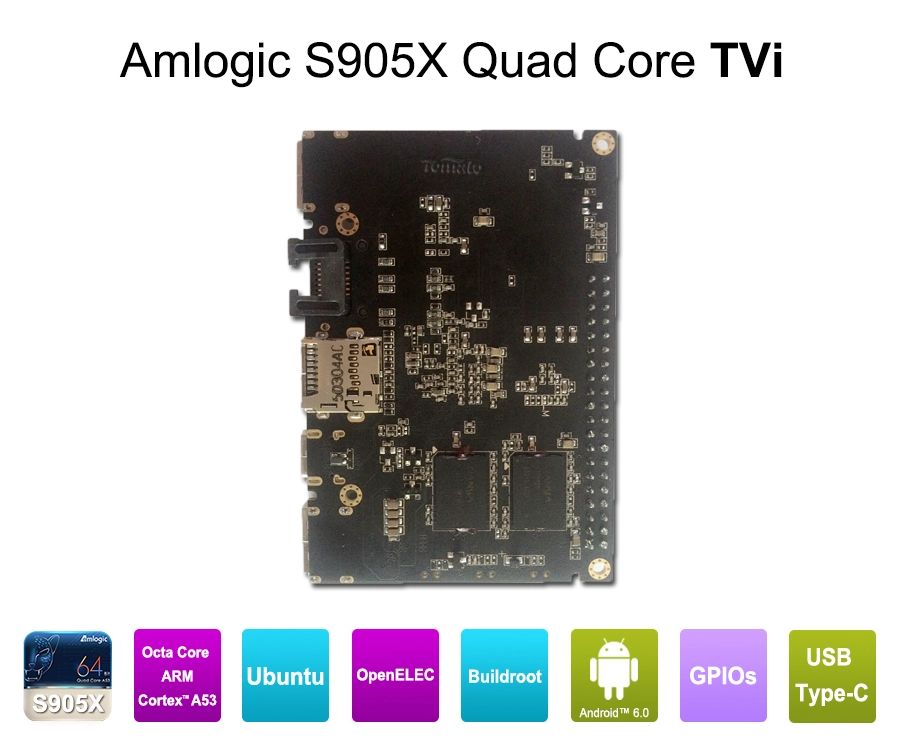
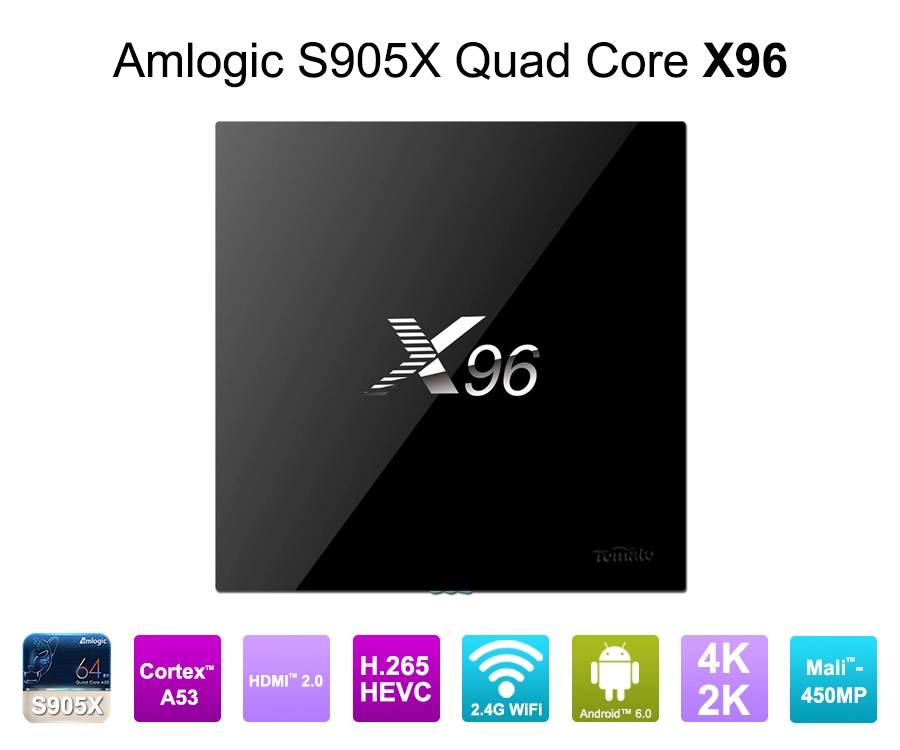
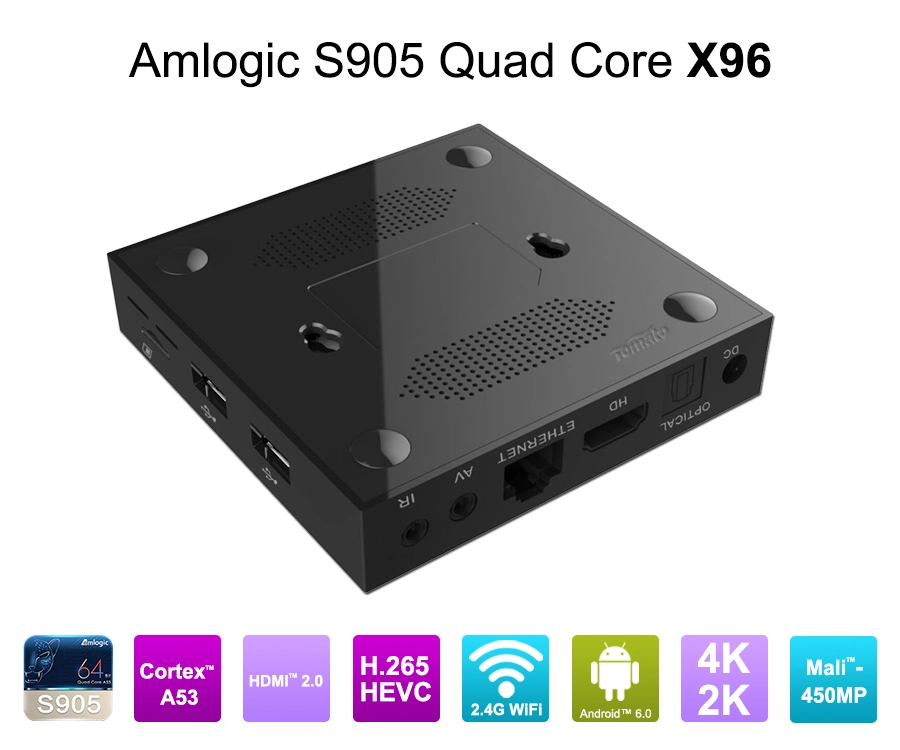
- Dedicated Media & Signage (Amlogic S905X4 / S905X5): Built on advanced 6nm process nodes, modern quad-core ARM Cortex-A510/A55 architectures feature native 4K@60fps AV1, HEVC, and VP9 hardware decoding pipelines. With baseline Thermal Design Power (TDP) under 4W under continuous 4K playback, these platforms are ideal for fanless, fully sealed industrial enclosures deployed behind outdoor displays or interactive totems.
- High-Density Compute & Multi-Display Matrixing (Rockchip RK3588 / RK3576): For multi-screen video walls and vision-guided retail automation, octa-core big.LITTLE topologies (4x Cortex-A76 + 4x Cortex-A55) provide the necessary processing headroom. Integrated Neural Processing Units (NPUs) offering 6 TOPS of local AI inference alongside 8K@60fps video decoding support driving up to four independent HDMI 2.1 displays simultaneously.
+------------------+-----------------------+------------------------+-------------------------+
| Target Workload  | Recommended SoC | Hardware Video Decodes | NPU / AI Capacity |
+------------------+-----------------------+------------------------+-------------------------+
| Single-Screen    | Amlogic S905X4 /      | 4K @ 60fps AV1, H.265, | Integrated 4 TOPS    |
| 4K Signage       | S905X5                | VP9                    | (S905X5 Series)         |
+------------------+-----------------------+------------------------+-------------------------+
| Multi-Display    | Rockchip RK3588       | 8K @ 60fps H.265/VP9,  | Integrated 6 TOPS    |
| Video Walls      |                       | Multi-stream 4K AV1    | (INT8 / FP16)           |
+------------------+-----------------------+------------------------+-------------------------+
| IoT Edge         | Rockchip RK3566 /    |4K @ 60fps H.265/H.264 | Integrated 0.8--1 TOPS|
| Gateway          | RK3568                |                        |                         |
+------------------+-----------------------+------------------------+-------------------------+
2. Memory, Storage, & Industrial Thermal Management
Memory bandwidth and storage endurance dictate how long an Android Mini PC can operate before experiencing file corruption or system stutter.
- System RAM: Standard commercial baseline requires 4GB to 8GB LPDDR4X RAM. This headroom prevents the Android Low Memory Killer (LMK) daemon from forcefully terminating background digital signage players, VPN tunnels, or remote device management (MDM) telemetry services.
-
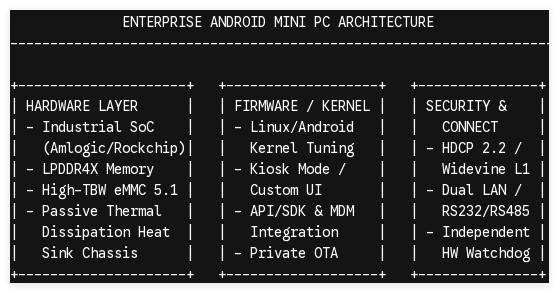
Non-Volatile Storage: High-TBW (Total Bytes Written) eMMC 5.1 flash storage (32GB to 128GB) with power-loss protection circuit design is essential. Unannounced site power outages routinely corrupt low-grade flash storage; enterprise PCBA designs incorporate tantalum capacitor banks to allow the eMMC controller to safely flush cache lines during power loss.
-
Thermal Dissipation Architecture: Commercial deployments require fanless metal enclosures that double as passive heat sinks. Custom thermal pads directly connect the main SoC, RAM modules, and power management ICs (PMIC) to an aluminum extruded chassis, allowing stable operation within extended ambient temperature ranges of -20°C to +70°C without thermal CPU throttling.
3. Peripheral I/O, Network Connectivity, & Hardware Security
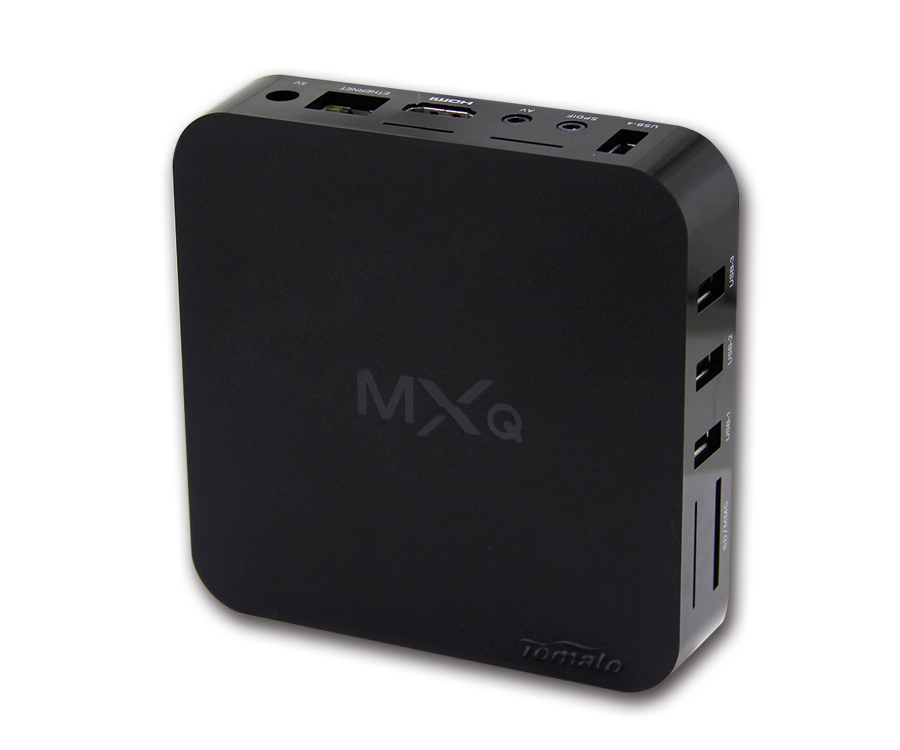
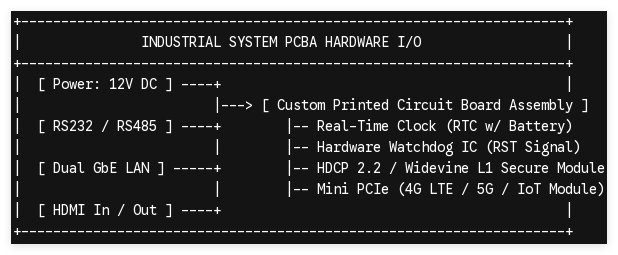
Unlike consumer streaming boxes restricted to Wi-Fi and a single HDMI port, an enterprise Android Mini PC requires a versatile array of specialized interfaces.
-
Serial Communication: Integrated RS232/RS485 interfaces via 3.5mm or DB9 connectors enable direct serial command delivery to commercial displays for screen power control, backlight management, and sensor data ingestion.
-
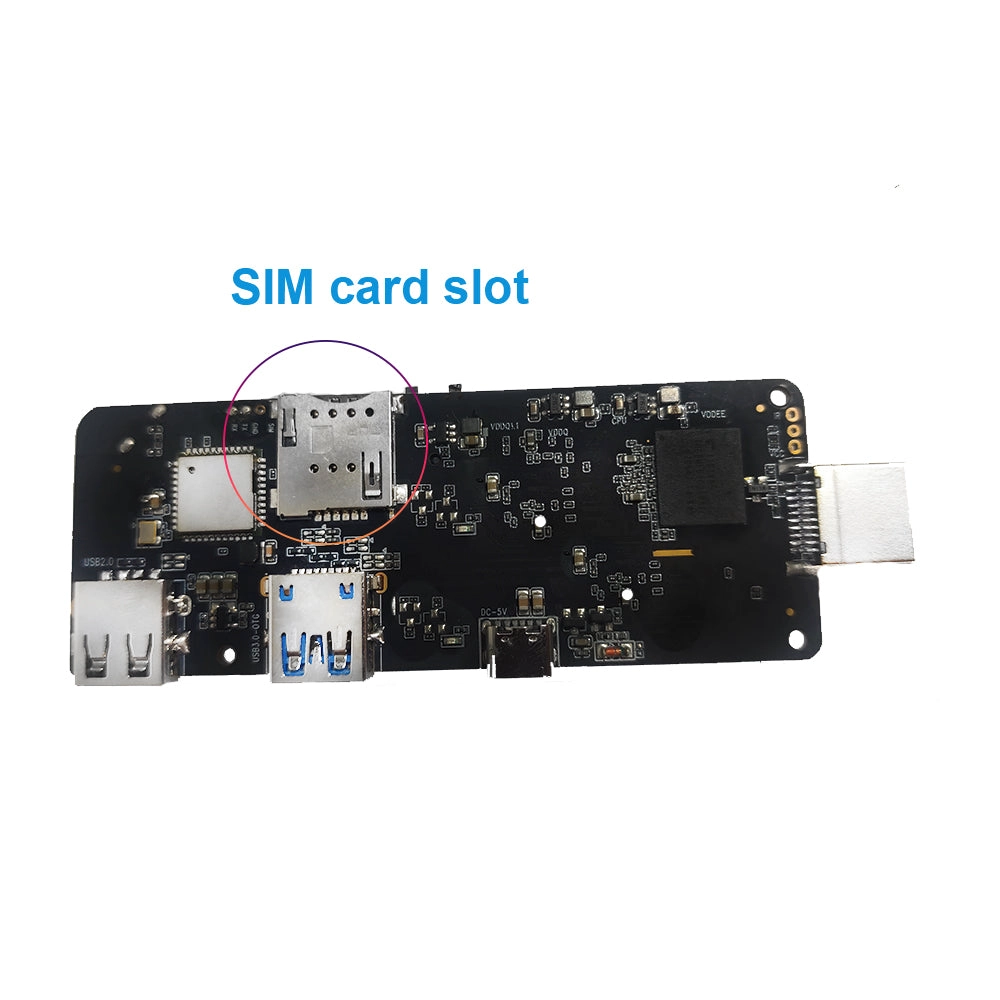
Network Redundancy: Dual Gigabit Ethernet (RJ45) ports alongside optional Mini PCIe or M.2 expansion slots for 4G LTE / 5G SIM modules ensure failover connectivity. If local Wi-Fi or wired broadband drops, the kernel automatically routes critical diagnostic telemetry over cellular connections.
-
Hardware Watchdog & RTC: An independent hardware watchdog IC continuously monitors system heartbeat signals. If an application freeze occurs, the IC triggers a hard reset to restore normal operation. An integrated Real-Time Clock (RTC) with coin-cell backup maintains network scheduling compliance even across complete power loss cycles.
-
Digital Content Protection: Secure hardware enclaves running ARM TrustZone support HDCP 1.4/2.2 key injection and Widevine L1 DRM for secure content distribution across commercial media networks.
4. Kernel Optimization & Deep Firmware Customization
Hardware specs alone do not guarantee performance; firmware architecture determines long-term field stability. Generic Android releases carry heavy background services and rigid Google Mobile Services (GMS) dependencies that conflict with custom enterprise software.
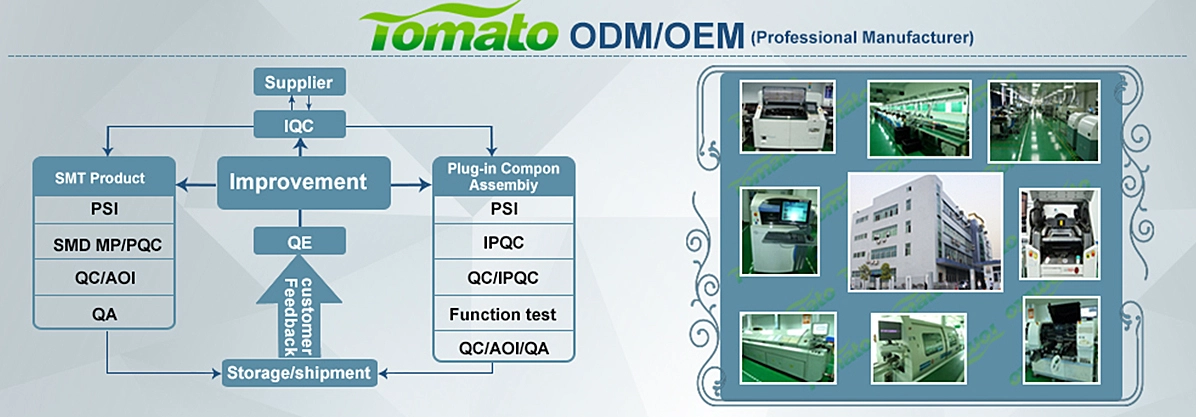
At SZTomato, our engineering team bypasses off-the-shelf Android limitations by delivering board-level customization directly from our Shenzhen engineering facility:
-
Board Support Package (BSP) & Kernel Tuning: We modify Android 11/12/13/14 Linux kernels to strip unnecessary background daemons, reduce boot times to under 15 seconds, and enable root privilege access for proprietary enterprise applications.
-
Custom Firmware & Kiosk Modes: Firmware-level system configurations allow full control over system boot animations, custom launchers, status bar suppression, auto-launching applications, and persistent kiosk lock-downs that prevent unauthorized end-user navigation.
-
SDK & API Integration: We provide low-level Android SDKs for custom app development, giving software engineers direct access to hardware GPIO pins, LED status indicators, serial port communication, and screen rotation matrices (0°/90°/180°/270°) at the display driver level.
-
Private OTA Update Infrastructure: System integrators can deploy branded, secure Over-The-Air (OTA) update servers to silently push firmware patches and kernel updates to thousands of global field units without manual technician intervention.
Hardware Sourcing & OEM/ODM Engineering
Specifying the system requirements for an Android Mini PC involves configuring an optimized hardware platform suited to your operational deployment. Off-the-shelf consumer devices often introduce hidden maintenance overhead through field failures, untracked component revisions, and locked firmware.
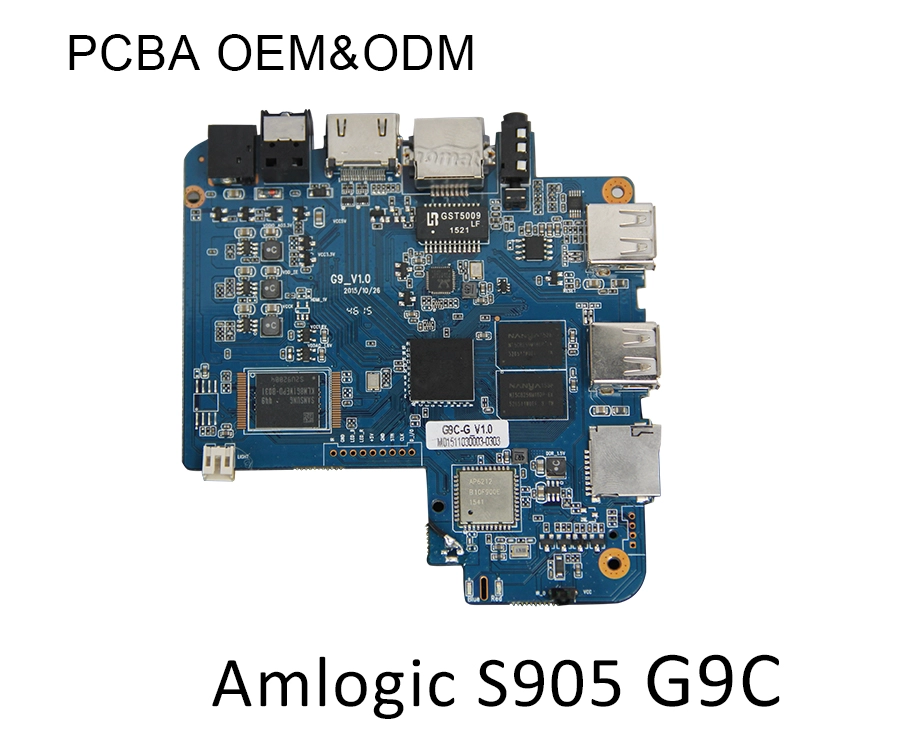
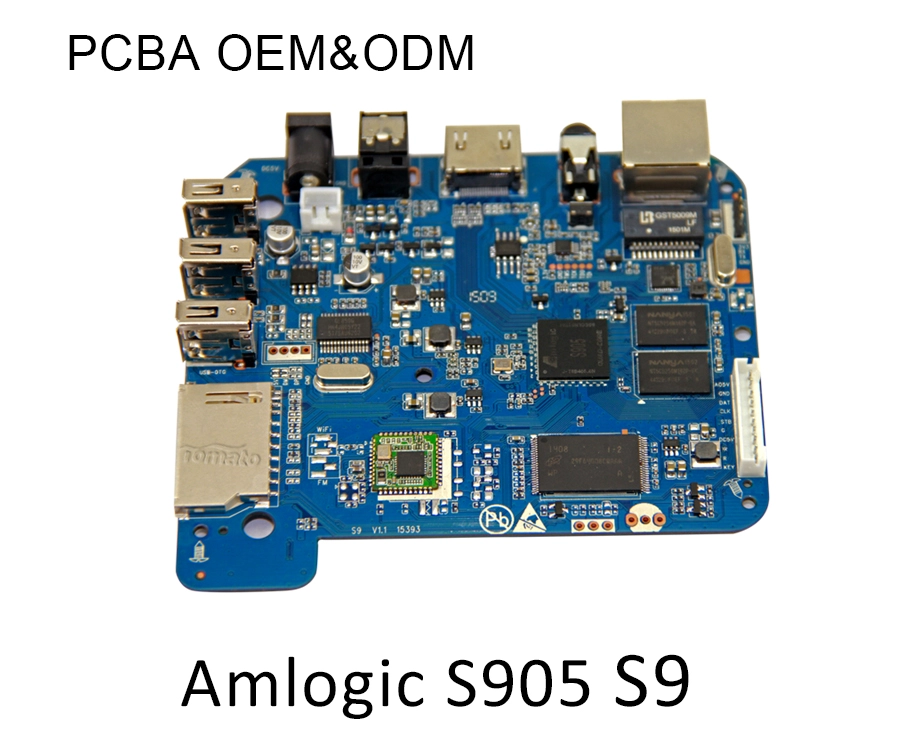
SZTomato provides end-to-end B2B hardware manufacturing, custom PCBA layout engineering, and low-level firmware customization tailored to your project requirements.
Ready to build a reliable hardware platform for your project? Contact our engineering procurement team at www.sztomato.com to request sample units, review technical datasheets, or schedule a direct consultation with our Senior PCBA & Firmware Architects.
Want to explore custom PCBA layout options or firmware customization for your project?