
What channels are free on a Streaming Media Player?
What Channels Are Free on a Streaming Media Player? The B2B Hardware & Firmware Guide
The landscape of free content delivery on a commercial streaming media player has shifted from a consumer novelty to a core requirement for commercial deployment. Driven by the mass adoption of the AV1 codec and high-efficiency hardware decoding in modern system-on-chip (SoC) architectures, enterprise operators can now deploy high-definition, ad-supported networks at a fraction of legacy operating costs.
For B2B procurement managers and system integrators, understanding "free channels" is not about browsing consumer app stores. It is about architectural integration—how hardware, kernel-level optimizations, and content delivery networks (CDNs) converge to deliver reliable, unmetered content for hospitality, digital signage, and enterprise networks.
1. The FAST Ecosystem: Enterprise-Grade Content Options
Free content on enterprise-grade streaming devices falls into two primary categories: Free Ad-Supported Streaming TV (FAST) and open-source public distribution streams.
Core Free Channel Segments
-
Tier-1 FAST Aggregators: Networks like Pluto TV, Tubi, The Roku Channel, and Freevee deliver structured linear feeds and video-on-demand (VOD) catalogs. These platforms use server-side ad insertion (SSAI) to monetize, providing the end-user with free access to thousands of live feeds spanning news, entertainment, and niche markets.
-
Public and Regional Broadcasts: IPTV delivery utilizing standard HLS (.m3u8) streaming protocols allows operators to map public broadcasts directly into custom applications without middleware licensing fees.
-
Corporate & Proprietary Feeds: Utilizing open-access infrastructure, enterprises can inject their own localized video channels alongside standard free networks, centralizing control across thousands of global endpoints.
2. Hardware and Firmware Architecture for Commercial OTT Deployment
Deploying free content networks in commercial environments like hotels, hospitals, or retail digital signage reveals the limitations of retail hardware. Consumer streaming devices lack the underlying infrastructure required for continuous execution, remote maintenance, and brand protection.
To deliver free channels reliably at scale, the underlying platform must be engineered for enterprise stability.
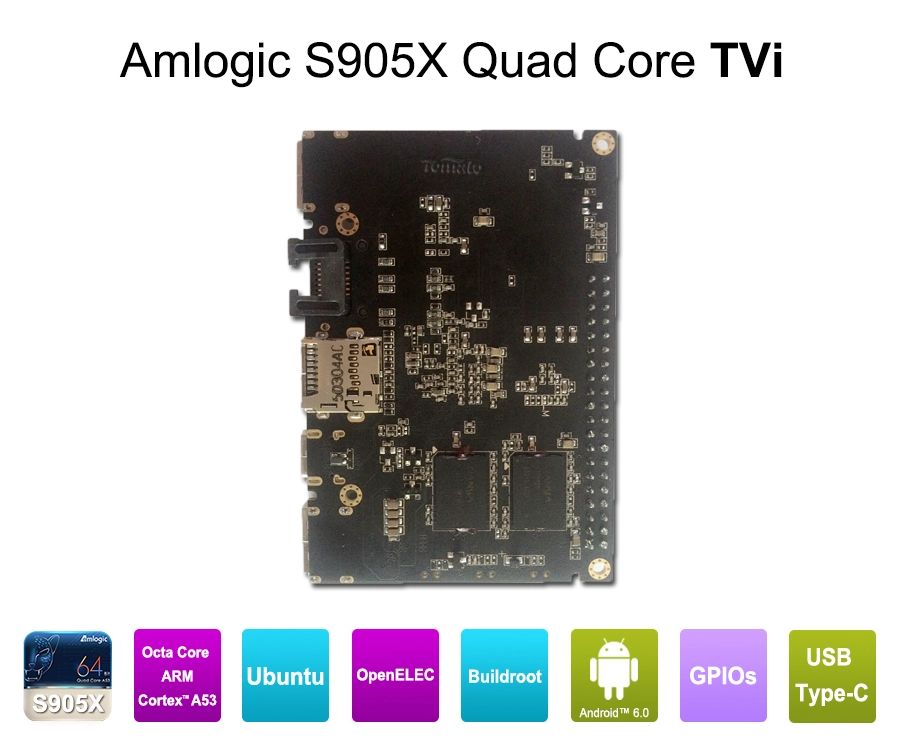
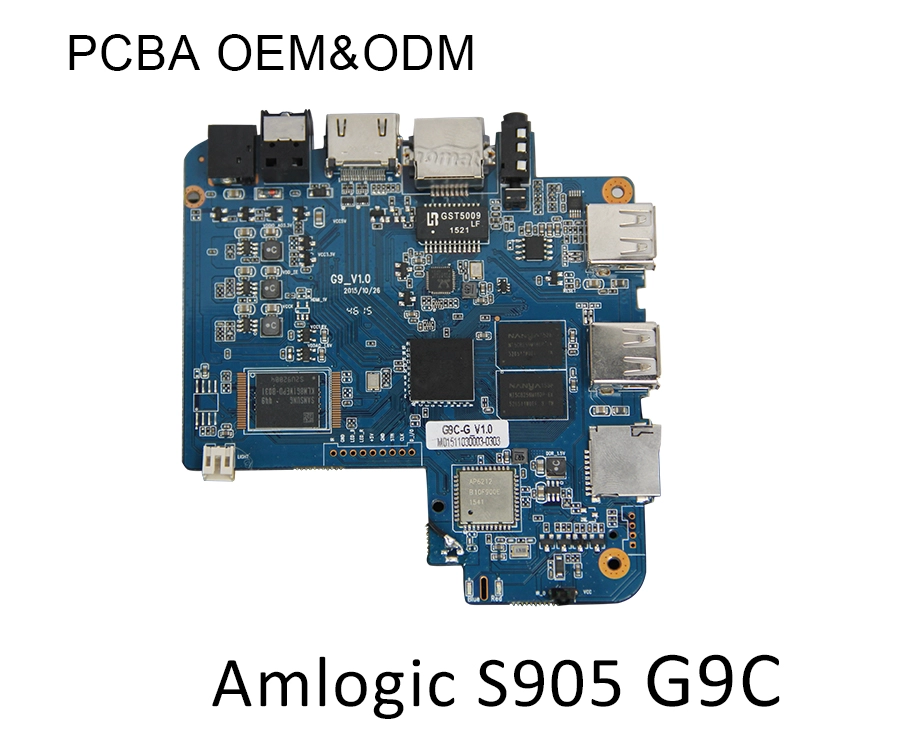
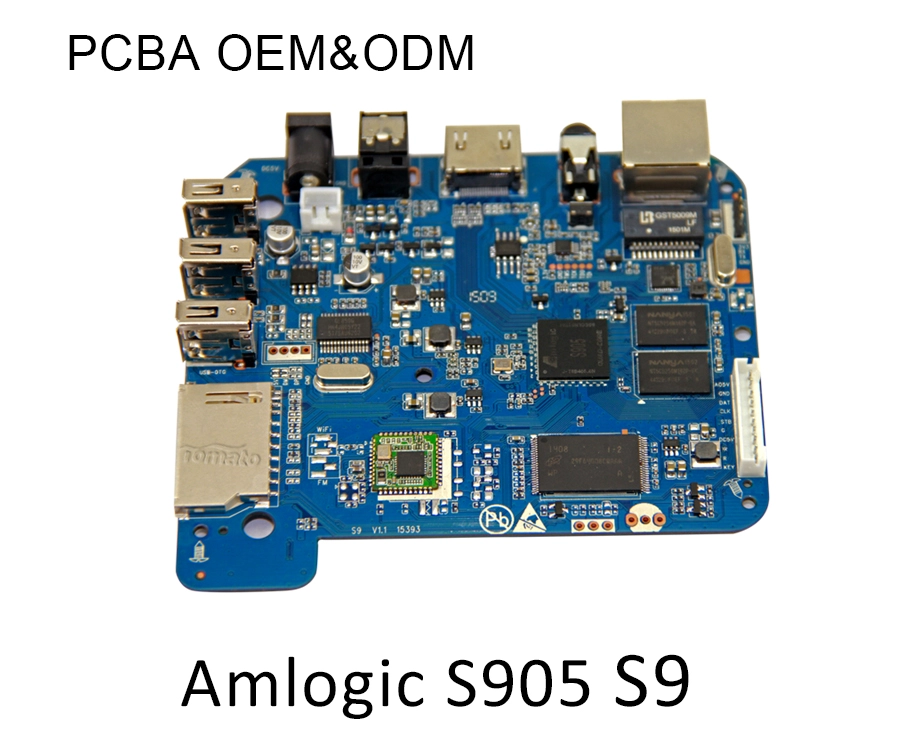
PCBA Engineering and Thermal Mitigation
Commercial media players frequently run 24/7 in enclosed spaces behind commercial displays. Standard retail components degrade under these conditions, causing thermal throttling, dropped frames, and system crashes.
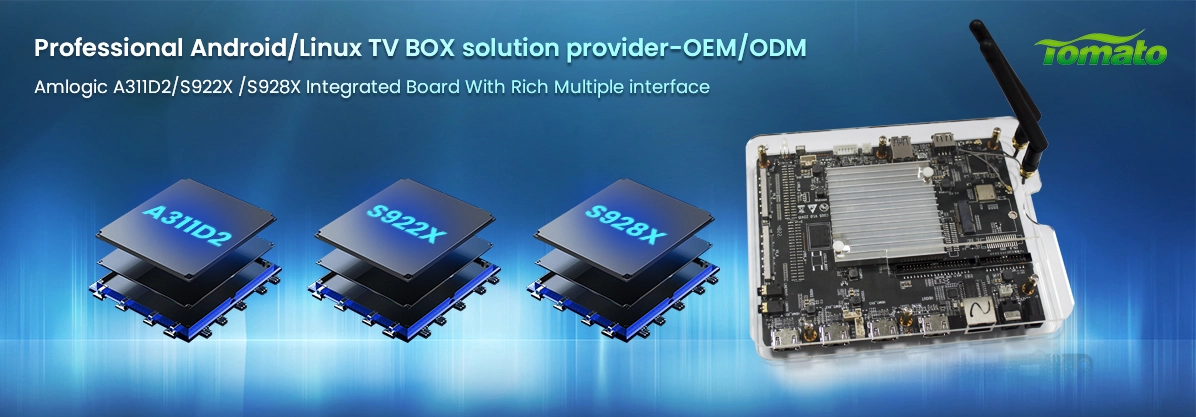
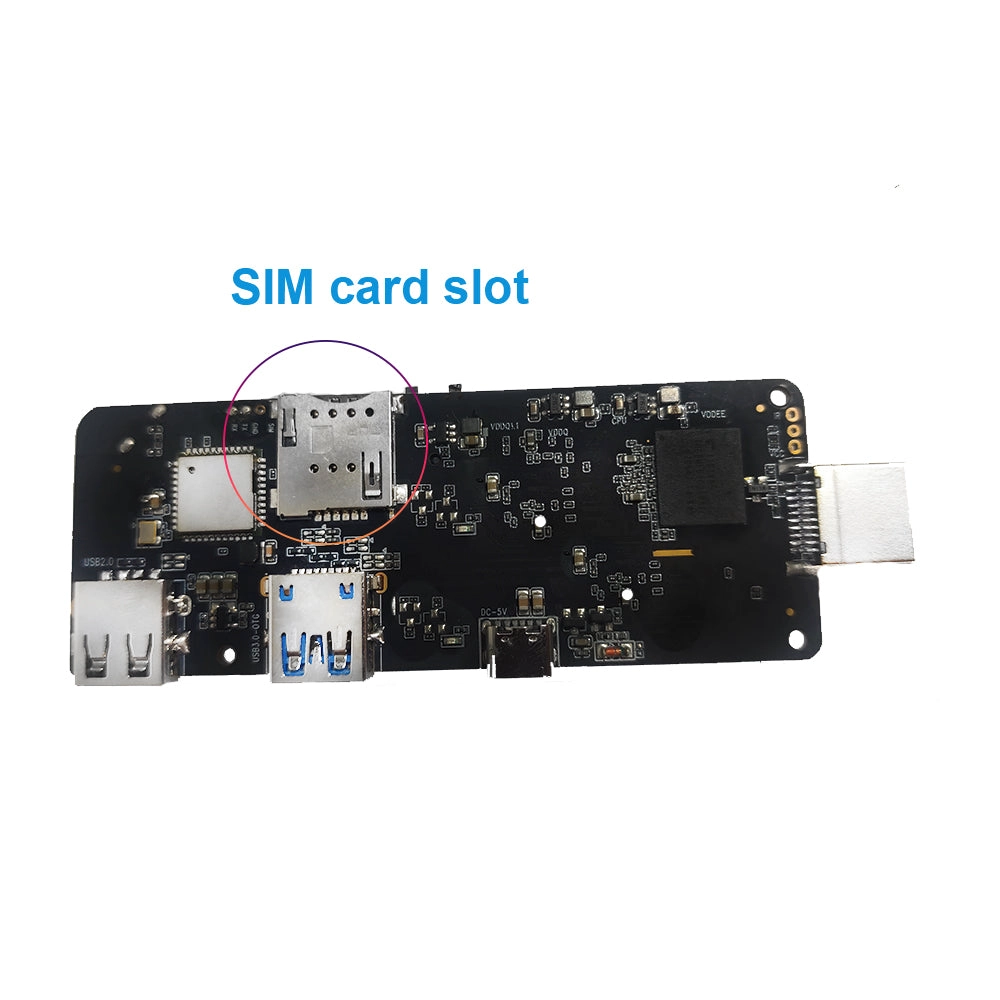
High-reliability engineering requires custom PCBA layout modifications, incorporating dedicated solid-state capacitors, electrostatic discharge (ESD) protection circuits, and specialized cooling solutions—such as heavy-duty aluminum heatsinks or optimized thermal pads—to keep the SoC within safe operational margins.
Codec Optimization: AV1 and H.265
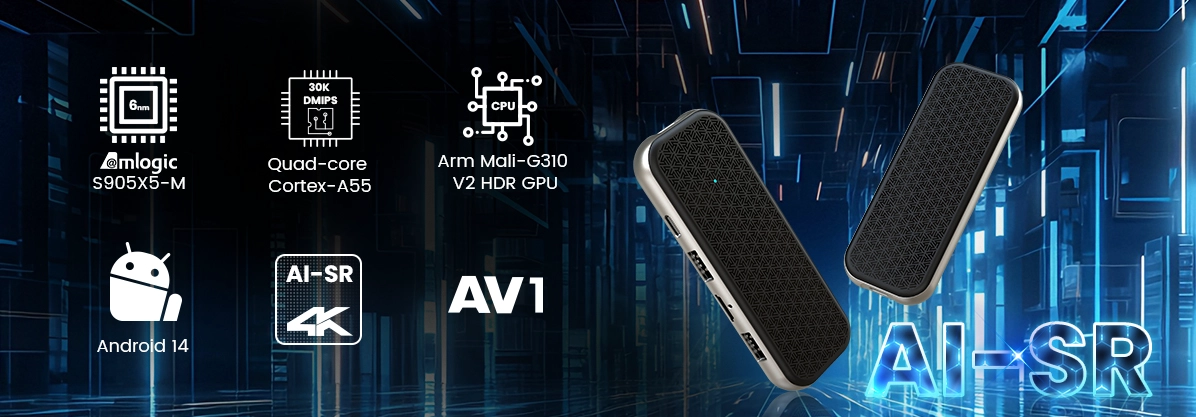
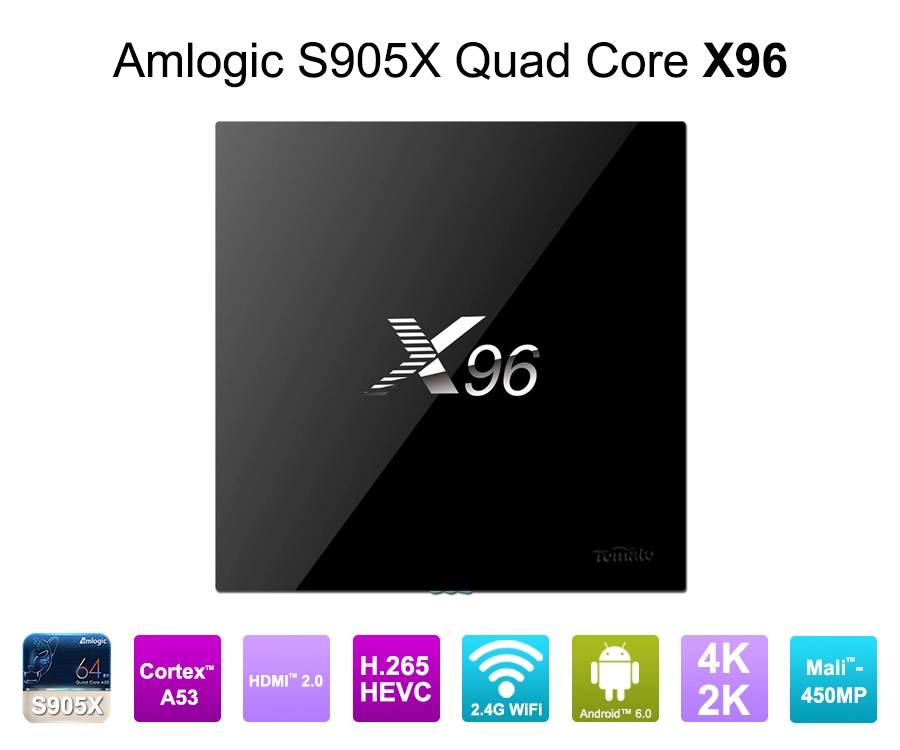
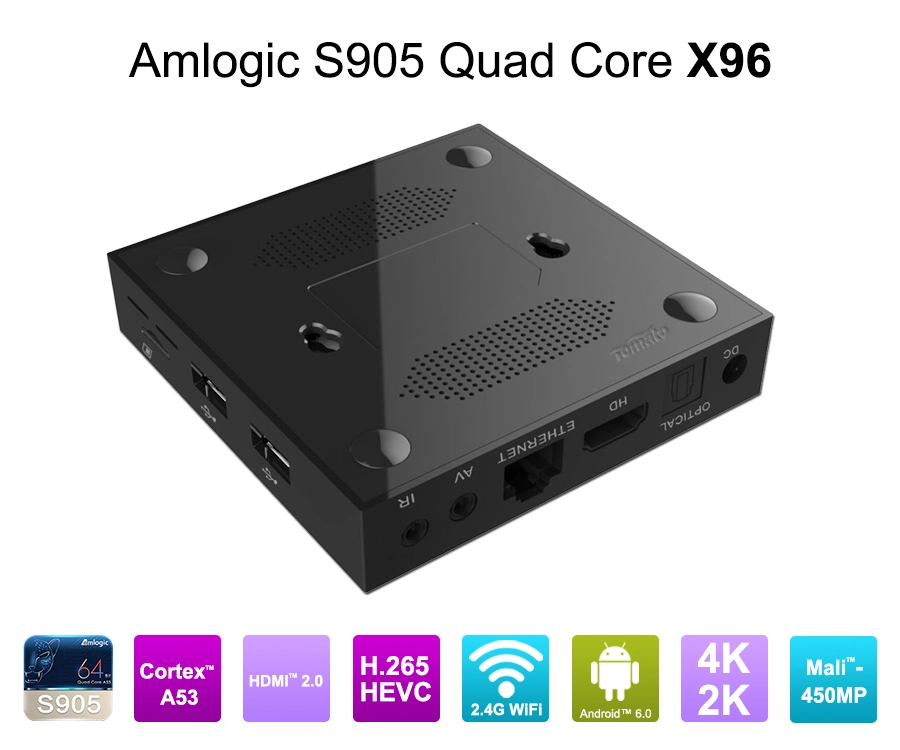
Bandwidth consumption represents a massive ongoing operational expenditure for multi-room deployments. Modern commercial players utilize advanced Amlogic SoC platforms designed for native, hardware-level AV1 decoding.
Compared to older H.264 profiles, AV1 cuts bandwidth requirements by up to 30% while maintaining identical image quality. This allows system integrators to stream 4K FAST channel feeds across existing enterprise networks without overloading local IT infrastructure.
3. Firmware Customization and Enterprise Control
Unrestricted consumer access is the enemy of commercial deployments. If an end-user can exit a video stream to alter system configurations or access unauthorized content, the deployment model fails. Resolving this requires deep, firmware-level intervention.
[Default OS Boot] ---> [Bypasses Stock UI] ---> [Launches Secured Custom App]
|
+-------------+-------------+
|                           |
[Disables System Settings]   [Enforces HDCP Compliant Stream]
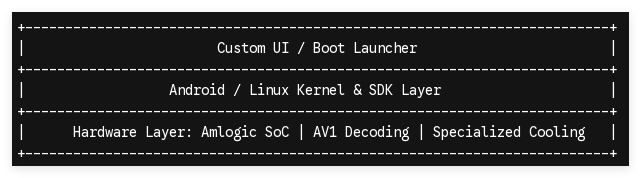
Android Kernel and Launcher Customization
To lock down a streaming media player, engineers strip down the standard Android kernel, removing unneeded consumer bloatware, tracking services, and stock app stores.
Replacing the stock interface with a custom UI/UX firmware layer forces the device to boot directly into a dedicated application interface. This process disables standard navigation bars, blocks access to system settings, and locks down the device to showcase only operator-approved free channels.
System Integration via SDK/API
Commercial setups must communicate fluidly with existing property management systems (PMS) or digital signage content management networks.
By leveraging open SDK/API integration, engineering teams can build custom control vectors that automate channel switching, inject localized emergency alerts, or pull real-time analytics on viewer habits—all managed through a central control dashboard.
Secure Content Delivery and OTA Management
-
HDCP Encryption & Security: Free channels still require strict digital rights management (DRM). Implementing Widevine L1 or PlayReady parameters within the bootloader ensures secure, compliant playback of high-definition content streams.
-
Over-The-Air (OTA) Updates: Managing thousands of field devices manually is impossible. A dedicated OTA update system allows engineers to push silent firmware patches, update M3U8 streaming links, and optimize system apps remotely without interrupting user operation.
Structural Comparison: Consumer vs. Commercial Streaming Media Players
When evaluating hardware for scale deployments, the differences between retail-grade devices and custom-engineered B2B solutions become clear across key operational performance metrics:
| Operational Metric | Retail Consumer Devices | SZTomato B2B Custom Solutions |
|---|---|---|
| Operating System Control | Locked stock Android TV / Fire OS | Stripped Android/Linux kernel with full root access |
| User Interface | Fixed ad-heavy consumer launcher | Fully customized UI/UX brand integration |
| Thermal Performance | Minimal passive cooling (prone to throttling) | Specialized cooling solutions for continuous 24/7 runtimes |
| System Security | Vulnerable consumer settings access | Kiosk mode lockdown via custom SDK/API integration |
| Device Management | Manual individual updates | Automated, silent enterprise OTA update systems |
| Hardware Tailoring | Rigid fixed-spec production | Custom PCBA hardware modifications & port expansion |
4. Architectural Sourcing for Enterprise Deployments
Navigating the free channel ecosystem requires hardware that matches the scale of your business logic. For system integrators, hospitality networks, and hardware distributors, relying on generic retail electronics introduces security vulnerabilities, high failure rates, and zero brand control.
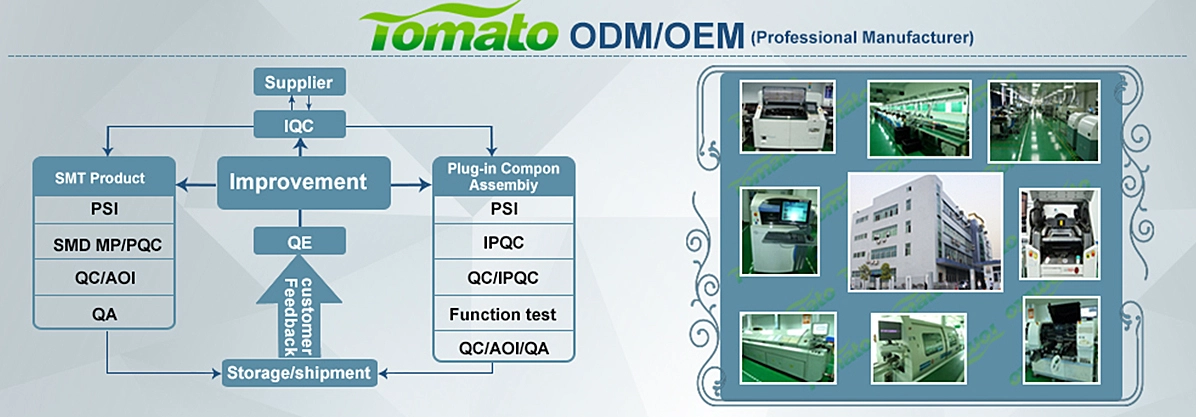
Partnering with an engineering-focused manufacturer allows you to bypass these limits. From custom board configurations and tailored kernel development to robust enclosure thermal design, your hardware can be fine-tuned to fit your exact deployment footprint.
Ready to move past generic hardware configurations? Contact our engineering team at SZTomato today to discuss your project requirements—from specialized PCBA layouts to turnkey custom firmware deployments.
