
What is the Best OTT TV Box to buy?
What is the Best OTT TV Box to Buy? A B2B Hardware Procurement Guide
The engineering landscape for Over-the-Top (OTT) streaming hardware is shifting due to the deployment of the ARMv9-based Amlogic S905X5 System-on-a-Chip (SoC) and the increasing requirement for native H.266/VVC and AV1 hardware-level video decoding. For B2B procurement managers, telecom operators, and system integrators managing thousands of endpoints, consumer-grade metrics like aesthetic sleekness are irrelevant.
The best OTT TV Box for enterprise use is defined by three factors: its performance under continuous thermal load, its structural flexibility for hardware modification, and whether its firmware can be customized at the kernel level. Relying on off-the-shelf retail streaming dongles introduces severe operational risks, including thermal throttling, rigid user interfaces (UI), and limited peripheral connectivity.
1. Silicon Architecture: Evaluating Next-Gen OTT Processors
The underlying processor architecture dictates the bandwidth efficiency, video quality, and long-term viability of your hardware deployment.
The S905X4 Workhorse Platform
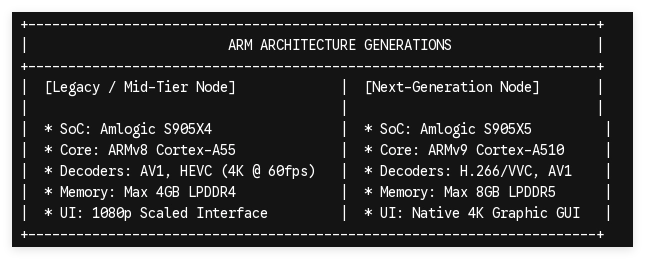
For standard 4K streaming deployments, chipsets like the Amlogic S905X4 offer a mature, stable ecosystem. Utilizing quad-core Cortex-A55 cores on an ARMv8 architecture, it provides dependable hardware decoding for AV1 and H.265 (HEVC) streams up to 4K at 60fps. This platform represents a highly cost-effective option for volume operator deployments where standard requirements suffice.
The S905X5 Technological Shift
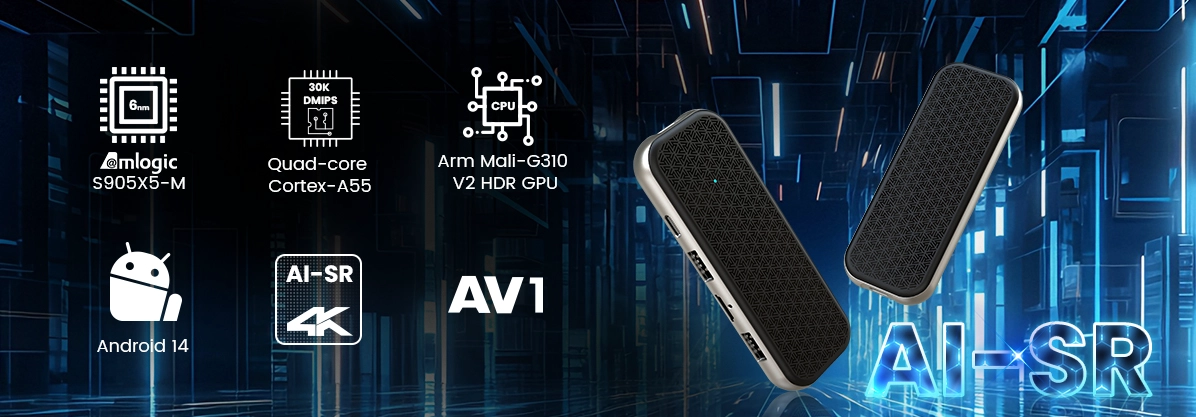
For deployments requiring a 5-to-7-year operational lifecycle, moving to the Amlogic S905X5 or S928X architectures is necessary. The S905X5 upgrades the computing base to ARMv9 Cortex-A510 cores, which improves processing efficiency.
-
H.266/VVC Native Decoding: This next-generation codec slashes transmission bandwidth requirements by up to 30% compared to standard HEVC while maintaining identical 4K visual fidelity.
- AI-Driven Super Resolution (AI-SR): An integrated Neural Processing Unit (NPU) handles real-time upscaling, allowing operators to deliver near-4K quality over lower-bandwidth 1080p streams, significantly lowering delivery costs.
-
LPDDR5 Memory Infrastructure: Shifting from LPDDR4 to LPDDR5 expanding up to 8GB allows the system to process multi-layered system interfaces and high-bitrate applications without performance degradation.
2. PCBA Engineering & Thermal Optimization for Continuous Load
Commercial OTT devices frequently operate in closed environments, such as unventilated hospitality cavities or structural cabinets behind digital signage panels. Consumer hardware fails rapidly under these conditions due to heat accumulation.
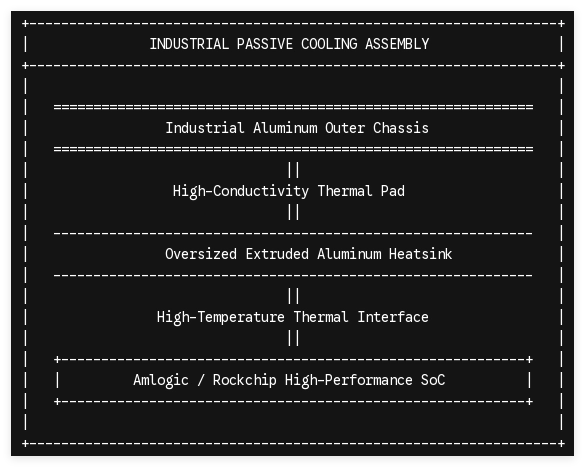
Passive Thermal Solutions
To prevent performance degradation or component failure, industrial-grade OTT TV boxes replace cheap sheet-metal inserts with heavy, oversized extruded aluminum heatsinks. These components are coupled with high-conductivity thermal pads that link the SoC directly to an aluminum exterior chassis, turning the entire enclosure into an active heat spreader.
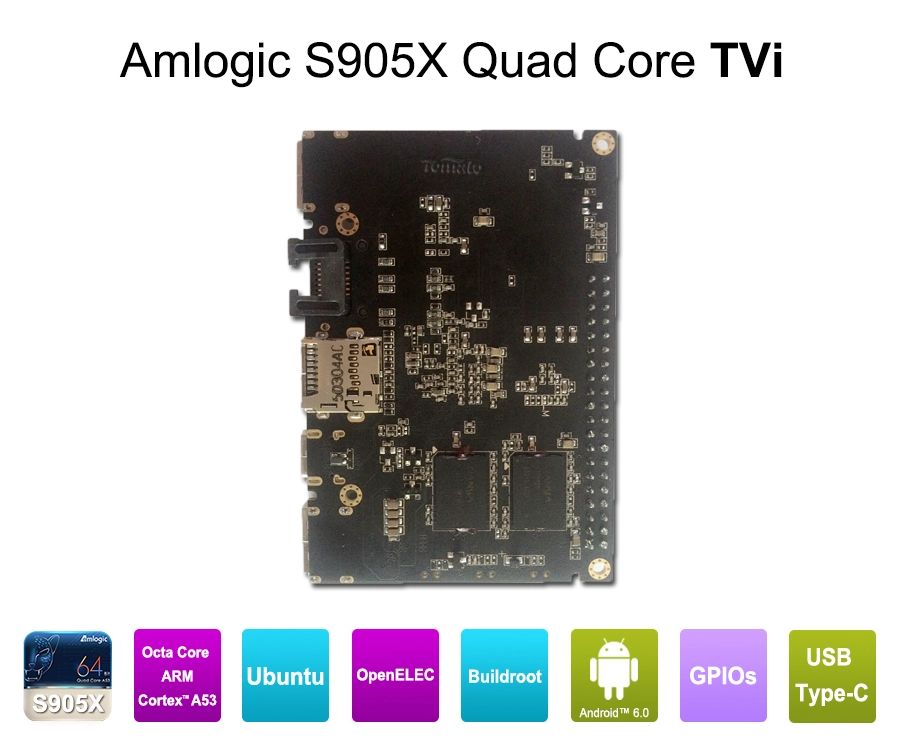
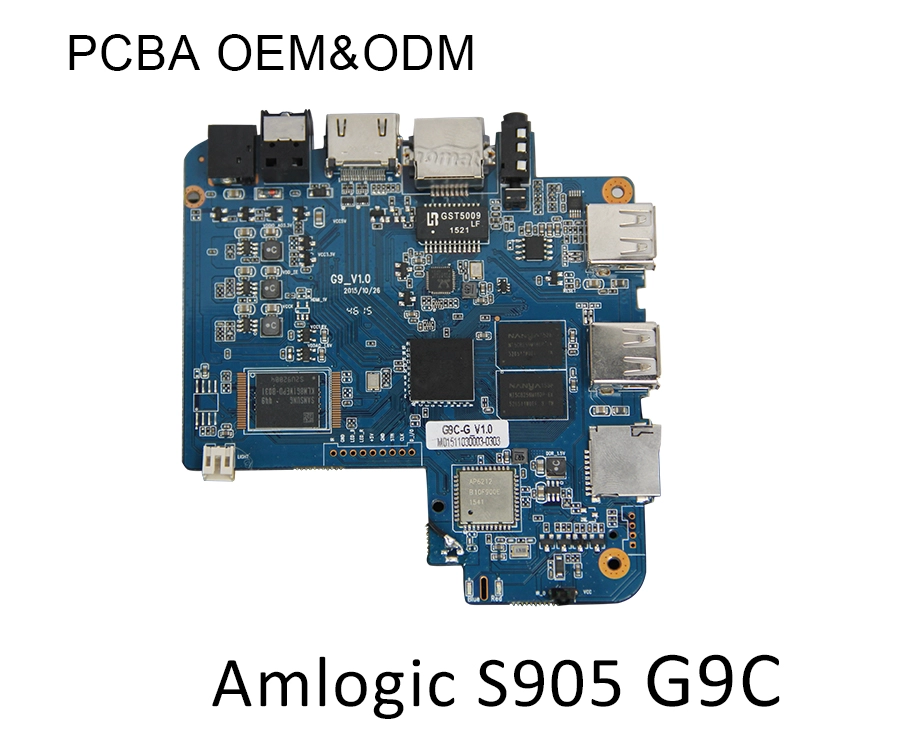
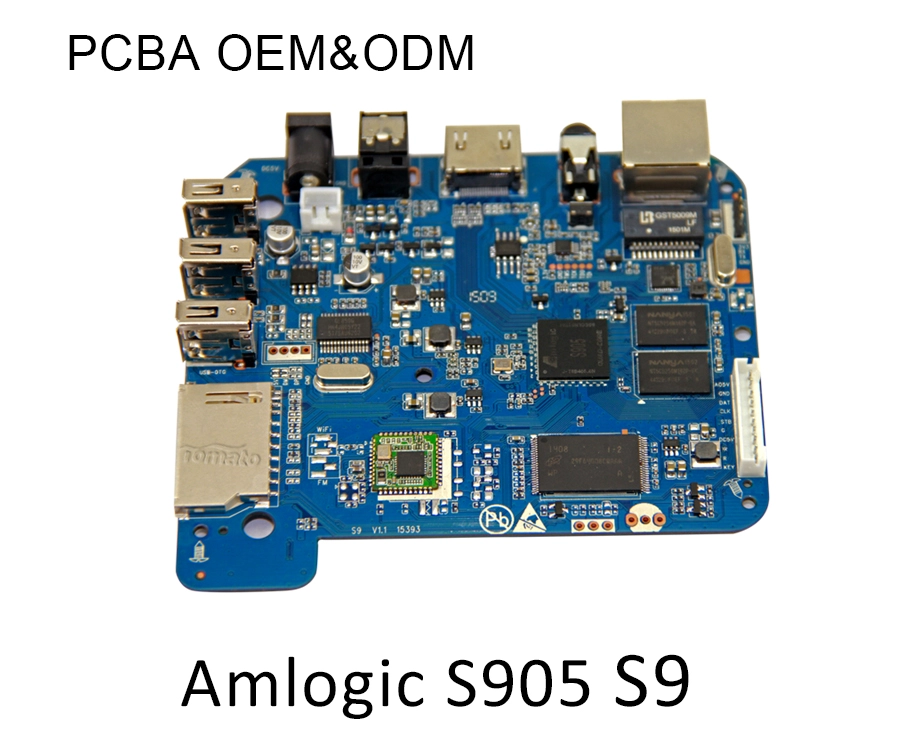
Custom PCBA Layout Modifications
Commercial deployment environments often require structural changes to the printed circuit board assembly (PCBA) layout:
-
Power-over-Ethernet (PoE): Integrating PoE modules onto the board allows for single-cable deployments, delivering both data and power through one RJ45 port.
-
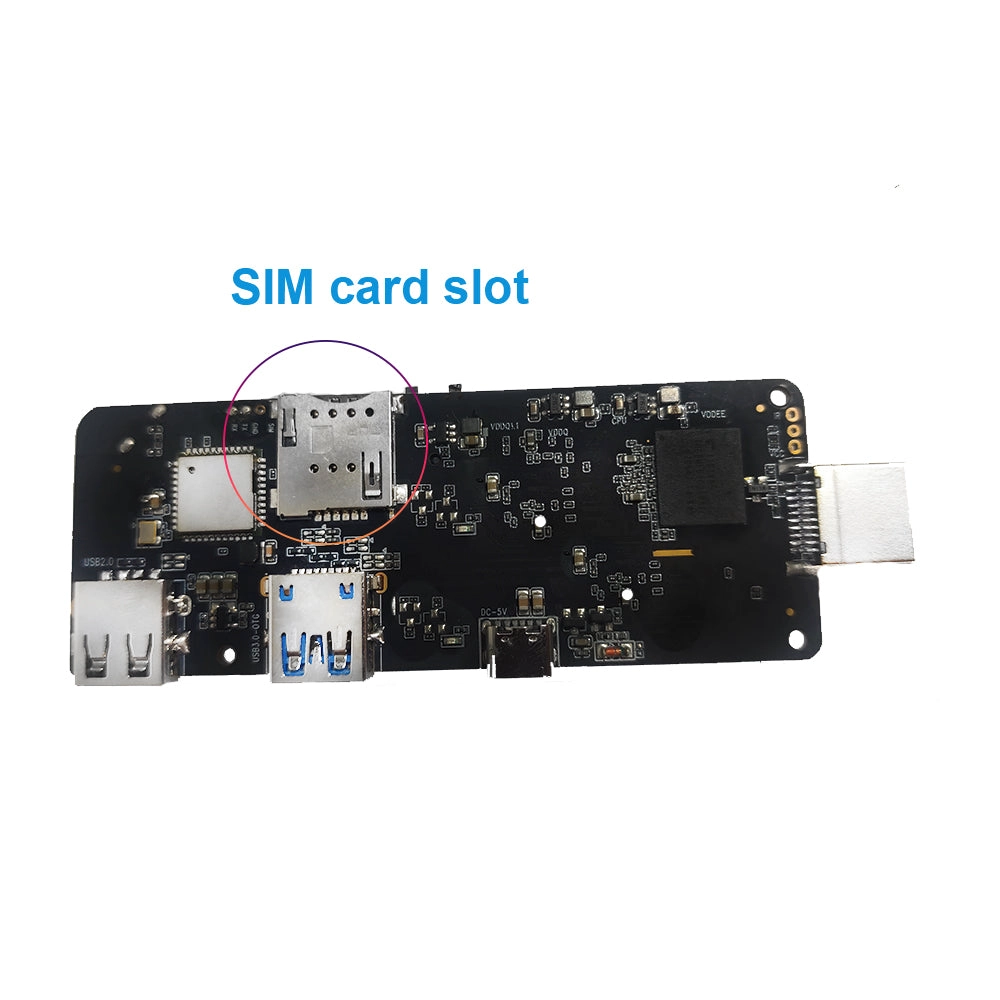
Peripheral Extensions: Adding dedicated RS232 serial interfaces for display management or internal USB headers for secure hardware dongles.
-
Hardware Watchdog Circuitry: Implementing a dedicated physical hardware timer that monitors operating system loops and forces a clean hardware reset if a firmware lockup occurs.
3. Firmware Customization: Securing Operator Control
The best OTT TV Box for commercial operations must allow for full control over the user experience and device access, preventing end-user tampering.
Linux/Android Kernel Optimization
Commercial OEM/ODM engineering allows for deep kernel tuning. This includes compiling custom driver sets for specialized USB peripherals, adjusting memory allocation parameters, disabling unnecessary default background processes to maximize available RAM, and managing HDCP cryptographic keys to prevent authentication failure.
Customized Launcher UI & Boot Sequences
Operators must have the ability to brand and lock down the user interface:
-
Boot Customization: Replacing the standard Android animation sequence with an unskippable, brand-specific boot video embedded directly in the partition image.
-
Interface Lockdown: Disabling consumer-oriented recommendation feeds and replacing them with a secure, custom-branded launcher UI that restricts access to global Android settings menus.
Private Carrier-Grade OTA Infrastructure
Fleet management requires a private Over-the-Air (OTA) update system. Instead of relying on public consumer download channels, an enterprise platform uses dedicated, secure OTA servers. This allows operators to push scheduled system updates, applications, or security patches to specific groups of devices based on MAC addresses or project locations.
B2B Custom Engineering Partnership
Deploying uncustomized consumer hardware into specialized commercial networks risks operational stability and elevates long-term maintenance costs. The ideal OTT TV Box solution requires hardware and software built to match your specific infrastructure.
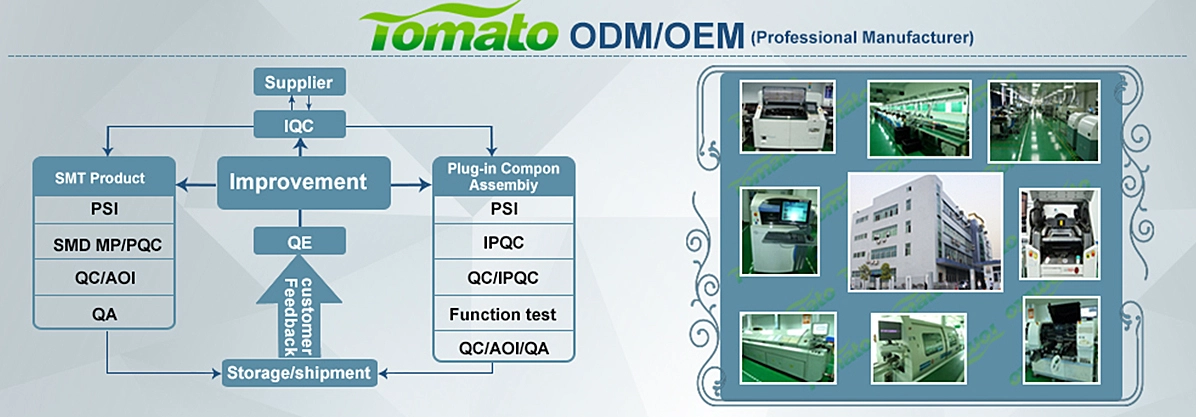
Shenzhen Tomato Technology (SZTomato) offers 16 years of expertise as an established OEM/ODM electronics manufacturer. We specialize in custom PCBA layout engineering, deep firmware-level kernel optimization, and secure carrier-grade production for telecom operators, hospitality providers, and system integrators worldwide. We design and deliver hardware tailored to your deployment specifications.
Ready to Build Your Custom Hardware Platform?
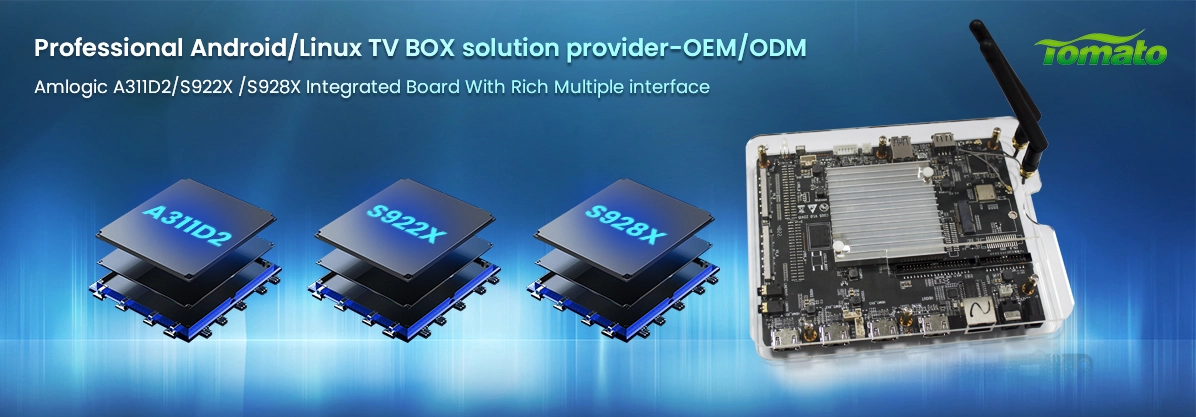
Contact our technical sales team today to discuss your project specifications, request a formal evaluation of our Amlogic S905X5 or S928X development platforms, or schedule a prototype build.
