
What is the difference between a Google TV Box and an Android TV Box?
What is the Difference Between a Google TV Box and an Android TV Box? An Enterprise Architecture Review
The engineering lifecycle of commercial streaming fleets is facing a shift driven by stricter Google Mobile Services (GMS) enforcement and the industry-wide transition to 4K AV1 hardware decoding. For B2B procurement managers and system integrators, selecting client endpoints is no longer just about comparing CPU clock speeds or RAM capacities. The critical factor is understanding the software framework.
The terms "Google TV Box" and "Android TV Box" are frequently used interchangeably in retail marketing, but they represent entirely different operational philosophies in B2B deployments. Choosing the wrong framework can lead to project delays, loss of user interface (UI) control, or compliance failures.
1. The Architectural Divide: Launcher Skin vs. Core OS
To evaluate these platforms for commercial use, engineers must separate the underlying operating system from the user-facing presentation layer.
Android TV OS: The Core Foundation
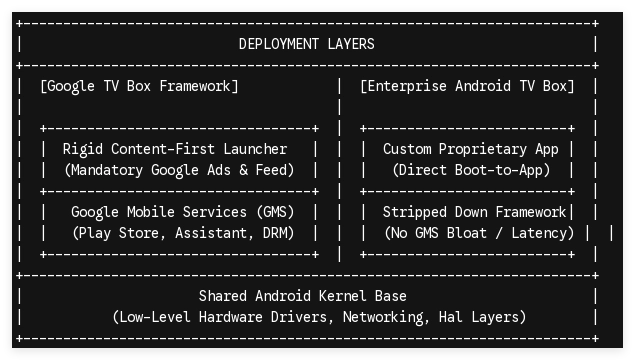
Android TV is the actual operating system—a specialized branch of the Android Open Source Project (AOSP) compiled specifically for large-screen displays. It manages low-level system resources, hardware abstraction layers (HAL), network configurations, and core media decoding pipelines.
Google TV: The Managed Interface Layer
A Google TV Box does not run a unique operating system. Instead, Google TV is a proprietary, closed-source launcher experience and content-aggregation layer built on top of the standard Android TV OS base. It is designed around an algorithmic, content-first aggregation layout that prioritizes consumer recommendations and ad placement.
2. GMS Licensing Mandates and UI Restrictions
For commercial deployments, software flexibility is directly linked to licensing constraints. The table below details how these restrictions impact hardware control:
The Rigidity of Google TV (GMS Certified)
A certified Google TV Box must include full Google Mobile Services (GMS) integration. To pass GMS certification, the hardware must adhere to strict Google specifications, which limits deep modifications.
-
Interface Lockdown: The launcher is non-replaceable. System integrators cannot disable the "For You" recommendation tabs or remove sponsored ad carousels.
-
Boot Optimization Barriers: Forcing a device to boot directly into a proprietary application (such as a hospitality portal or digital signage application) while bypassing the main home screen violates GMS guidelines and is actively blocked by the system framework.
The Freedom of Android TV (AOSP Framework)
By deploying an uncertified or AOSP-based Android TV Box, operators bypass GMS limitations entirely. This open-source framework allows manufacturers to modify code at the system level.
-
Deep Kernel Customization: Engineering teams can modify the Linux kernel to support specialized USB peripherals, activate persistent root privileges, and lock down system settings panels against end-user tampering.
-
Direct Boot-to-App Performance: Firmware can be customized to launch a proprietary application immediately upon receiving power, completely removing the standard Android launcher from the user experience.
3. Hardware Alignment: OEM Industrial Tailoring
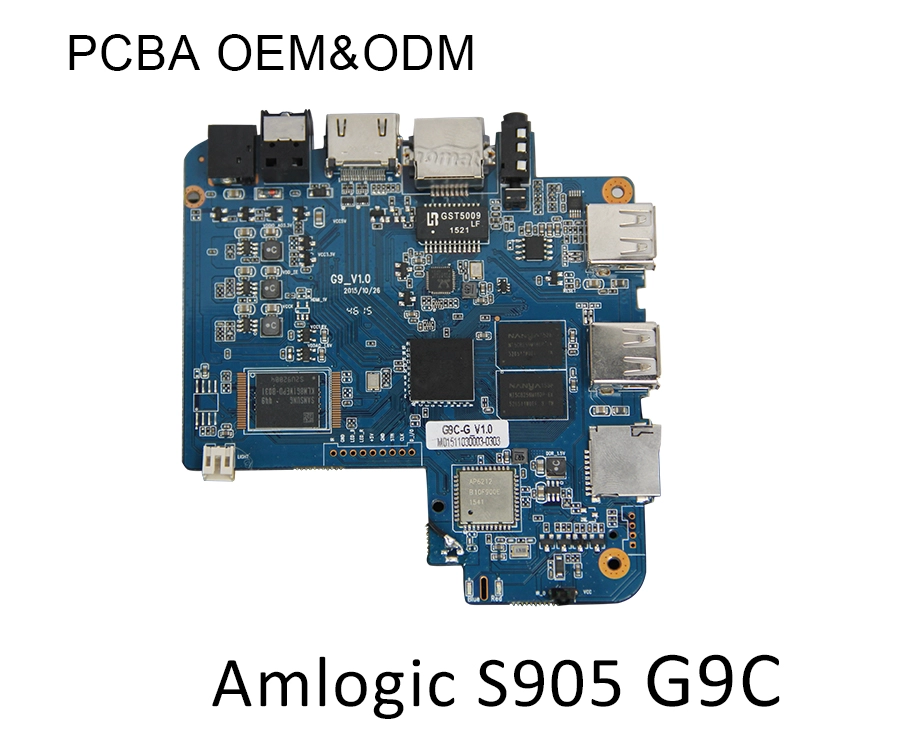
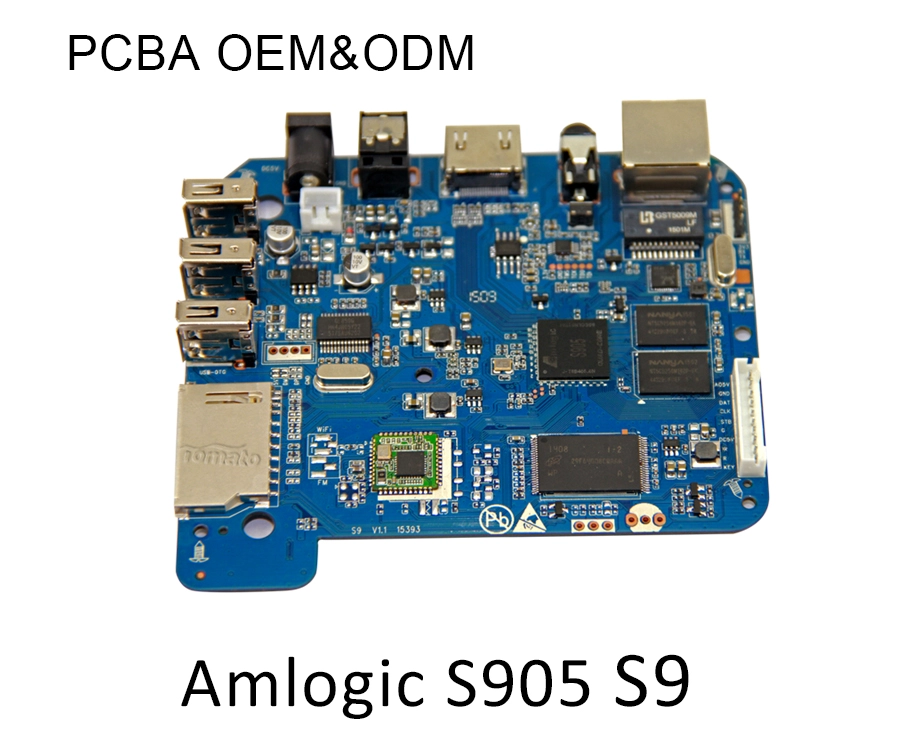
Selecting the right operating framework dictates the physical engineering requirements of the printed circuit board assembly (PCBA) and system layout.
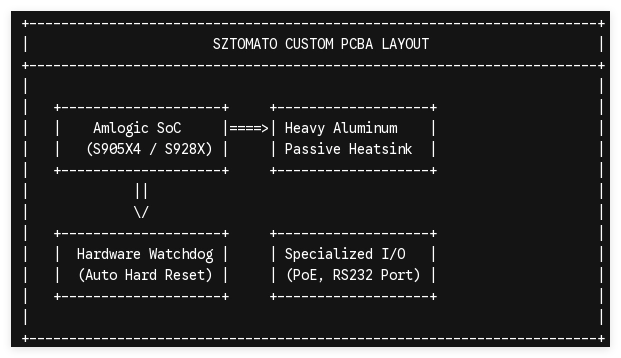
Dedicated Chipset Selection
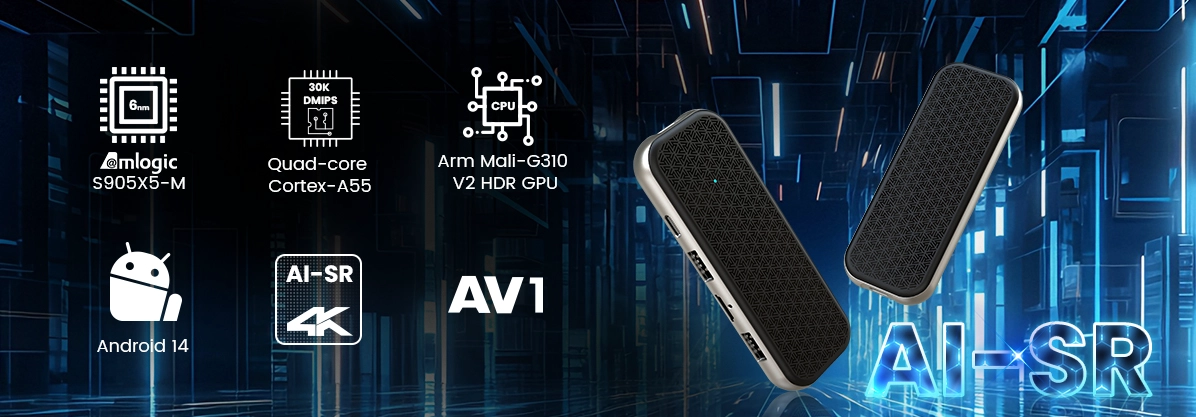
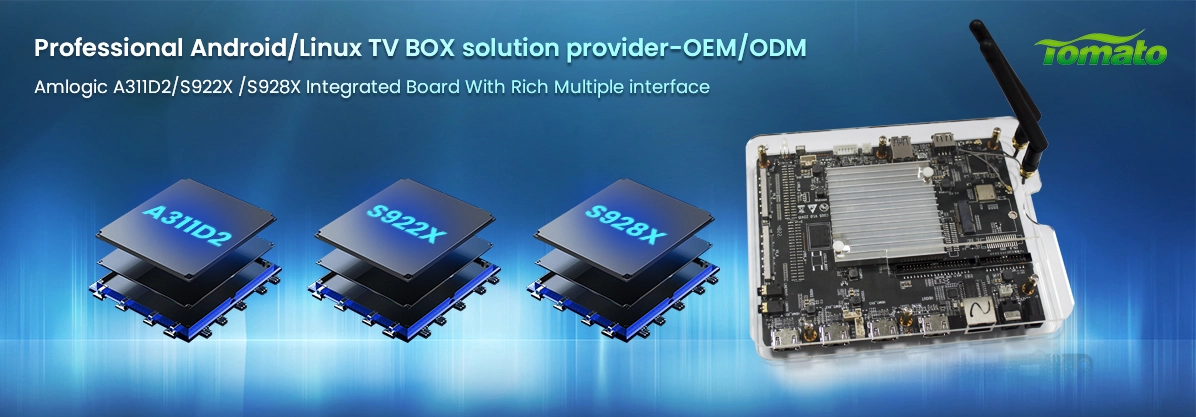
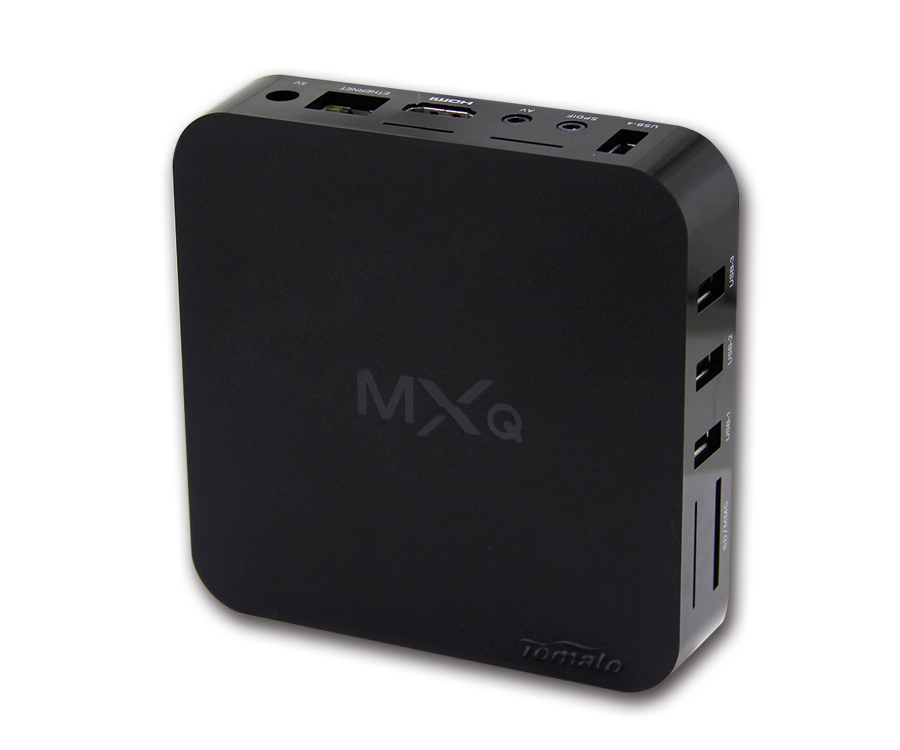
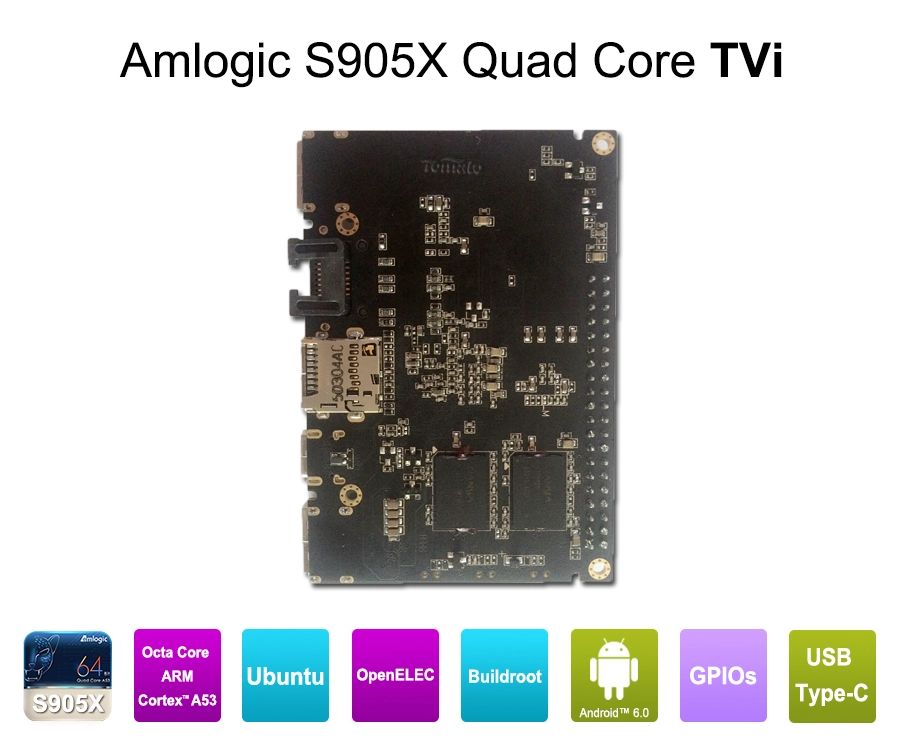
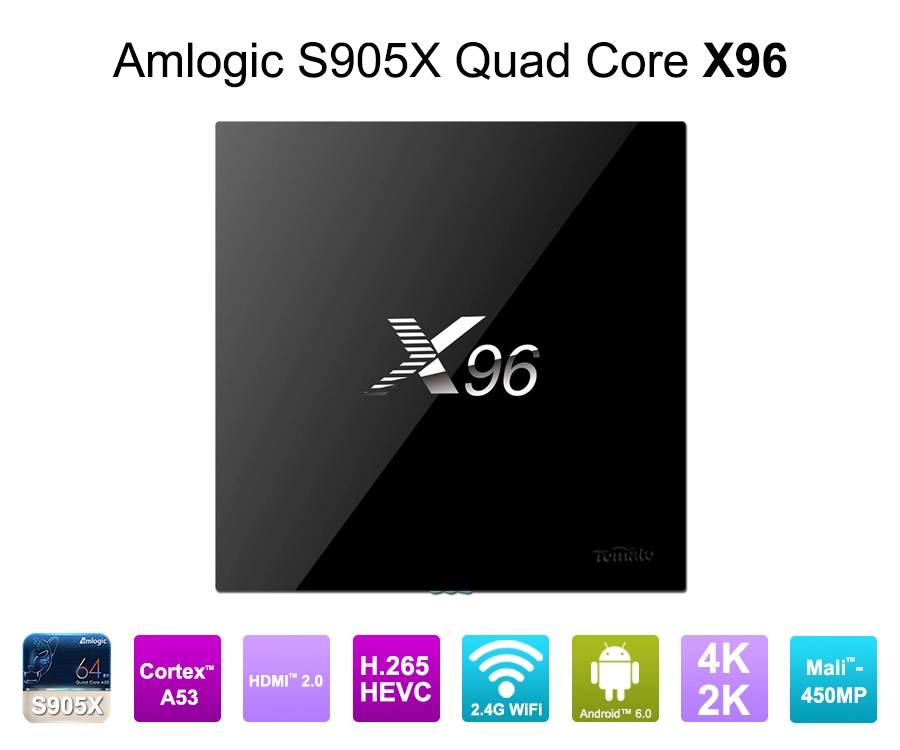
Consumer Google TV devices are designed around lower-cost, power-restricted chipsets wrapped in sealed plastic dongles. For industrial hardware deployments, manufacturers like SZTomato match open-architecture AOSP firmware with high-performance SoCs (such as the Amlogic S905X4 or S928X). This provides native hardware-level decoding for modern formats like AV1 and HEVC without thermal throttling.
PCBA Layout Modification & I/O Expansion
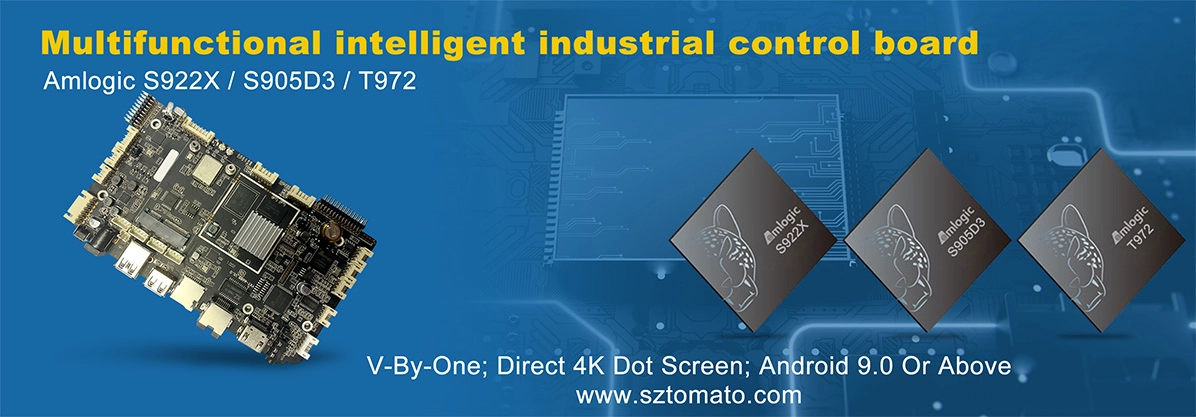
Commercial video loops and telecom endpoints require robust connectivity that standard retail options do not provide. Industrial-grade Android TV boxes allow for extensive hardware modifications:
-
Integrating physical RS232 serial control ports for display management.
-
Adding Power over Ethernet (PoE) modules to eliminate standalone power supplies.
-
Mounting hardware watchdog timers directly onto the board to monitor OS stability and perform automatic hardware resets if a system freeze occurs.
Advanced Thermal Solutions
Commercial environments demand heavy-duty thermal management. Replacing thin, retail sheet-metal plates with large passive aluminum heatsinks and structural thermal pads ensures junction temperatures remain stable through continuous 24/7 operating cycles.
4. Operational Comparison Matrix
| Deployment Criterion | Google TV Box (GMS Certified) | Android TV Box (AOSP Architecture) |
| Primary Design Intent | Consumer media streaming & ad monetization | Commercial infrastructure & custom apps |
| Launcher Flexibility | Locked; mandatory Google recommendations | Fully customizable; replaceable launcher |
| Boot Behavior | Always boots to Google Home interface | Can boot directly to custom application |
| System Root Access | Blocked by Android Verified Boot (AVB) | Available for deep firmware tuning |
| Hardware I/O Modifications | Restricted by certification criteria | Modular (PoE, RS232, custom enclosures) |
| OTA Delivery System | Managed through public Google infrastructure | Private, secure carrier-grade OTA servers |
B2B Custom Engineering Partnership
Deploying consumer-grade retail hardware into specialized commercial environments introduces unnecessary points of failure. True operational stability requires dedicated hardware paired with tailored, stable firmware.
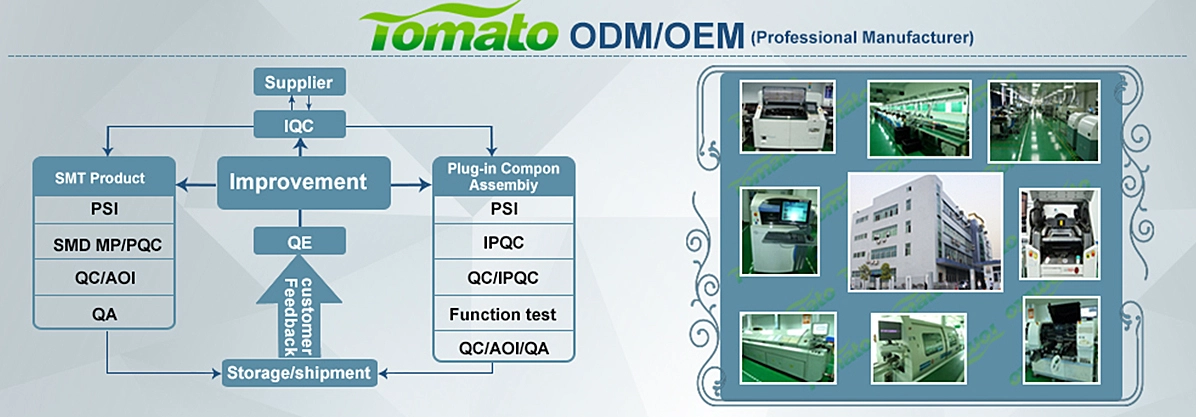
Shenzhen Tomato Technology (SZTomato) brings 16 years of expertise to the OEM/ODM Google TV Box cross-border electronics trade. We specialize in custom PCBA layout design, deep Linux/Android kernel optimization, and carrier-grade OTA delivery systems. We build reliable, purpose-built streaming endpoints tailored to your exact system requirements.
Ready to Define Your Hardware Requirements?
Contact our enterprise engineering team to discuss your project specifications, request a technical feasibility review, or arrange a custom prototype build.
