
What is the Streaming Media Player in IPTV?
What is the Streaming Media Player in IPTV? A B2B Engineering & Customization Guide
The transition of commercial IPTV networks to the AV1 codec format and Android 12/14 AOSP frameworks has exposed a major vulnerability in telecom deployments: the fragility of retail hardware. When deploying thousands of endpoints, relying on standard consumer streaming devices introduces severe risks, such as overheating under continuous load, a lack of deep system privilege access, and rigid peripheral constraints.
In a commercial IPTV architecture, the streaming media player is not just a consumer client device. It serves as the hardware termination point where encrypted transport streams (MPEG-TS/HLS) are processed, decoded, and rendered. For system integrators and hotel TV operators, the choice of this hardware determines the long-term reliability and profit margins of the entire network.
1. Hardware Architecture: Beyond the Retail PCB
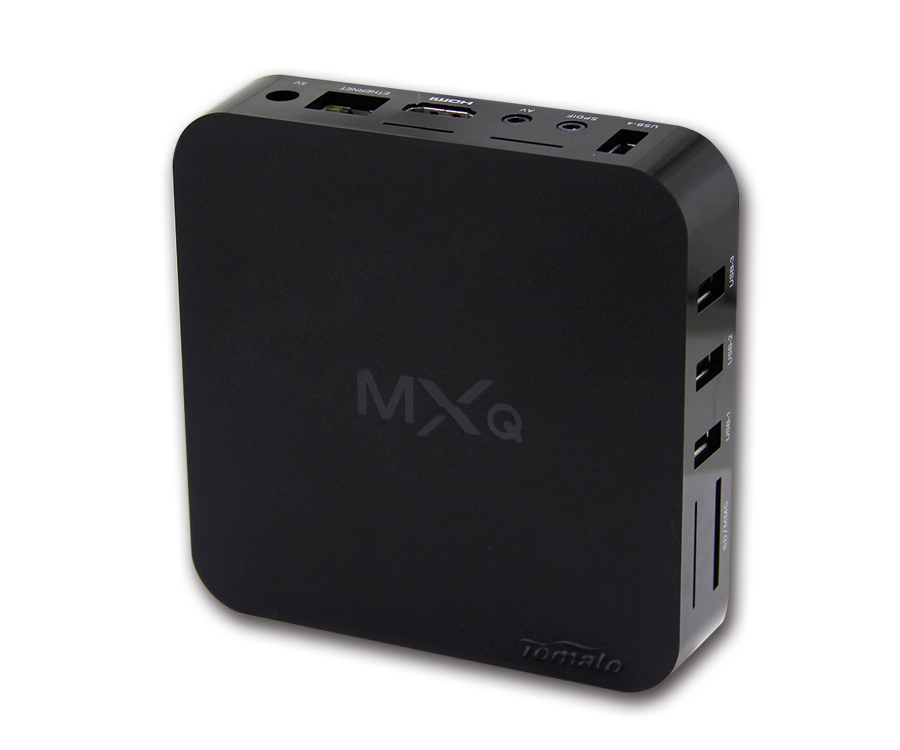
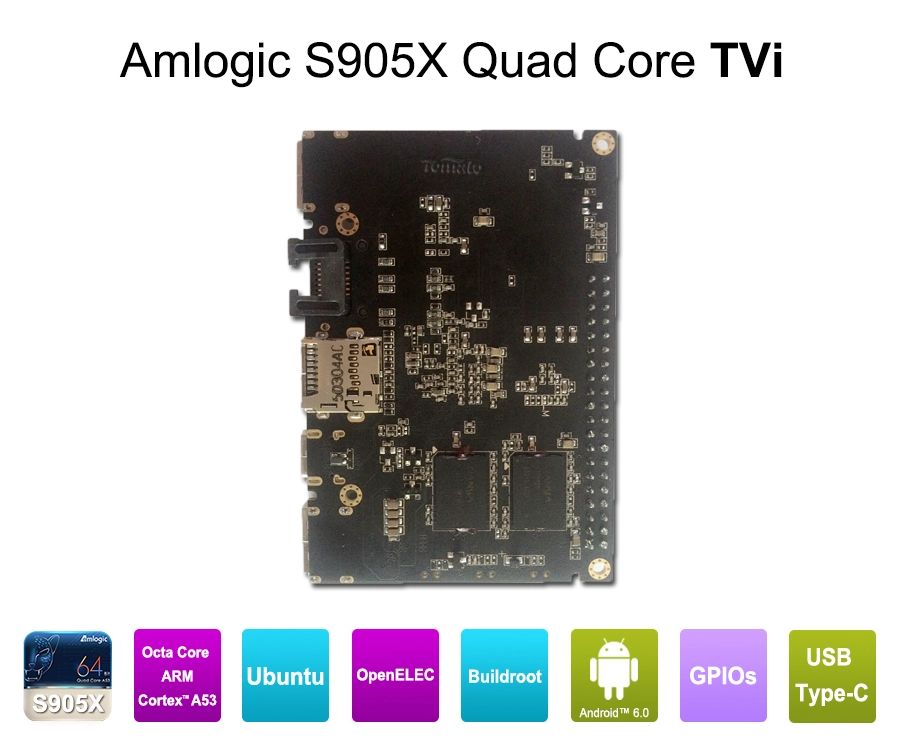
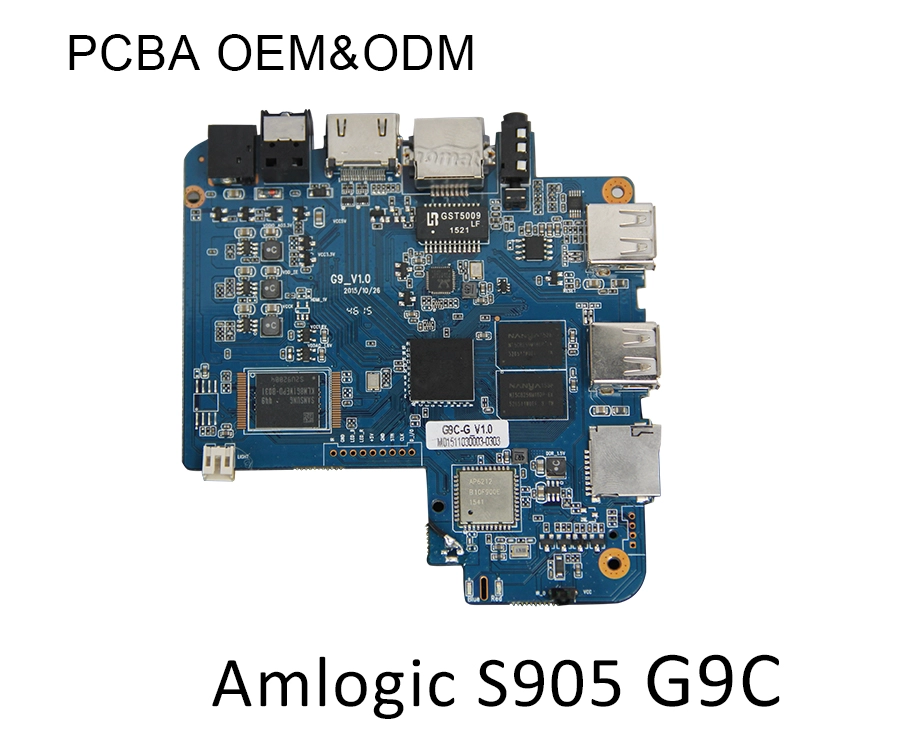
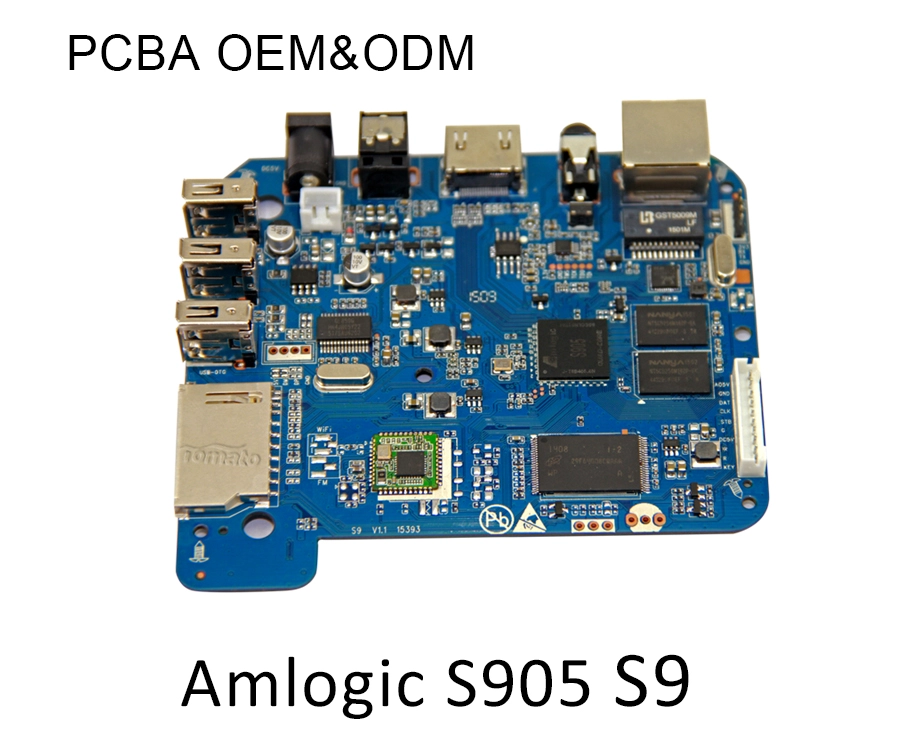
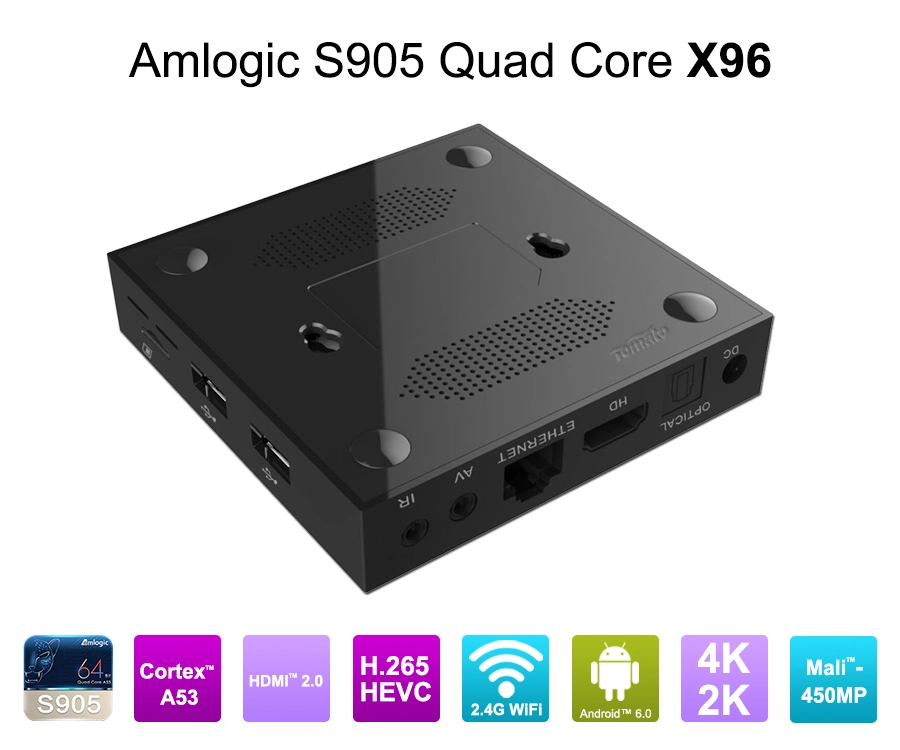
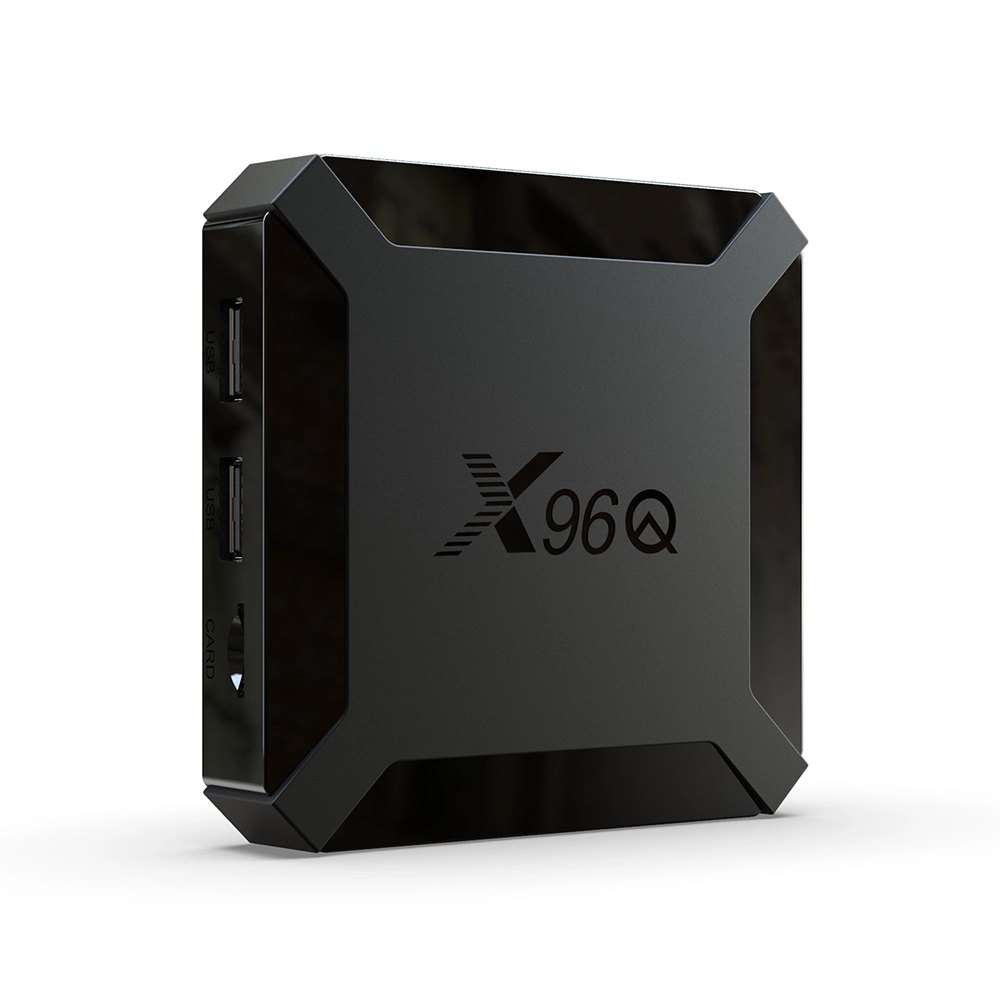
A commercial IPTV streaming media player requires hardware engineered for 24/7 reliability and specific deployment environments. While retail devices prioritize small, cheap enclosures, enterprise-grade hardware focuses on thermal stability and component access.
PCBA Layout Modification
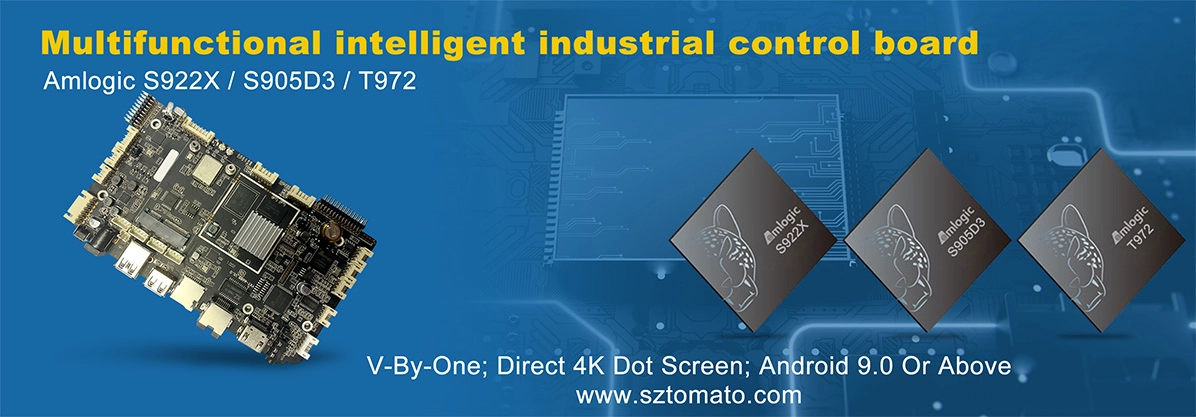
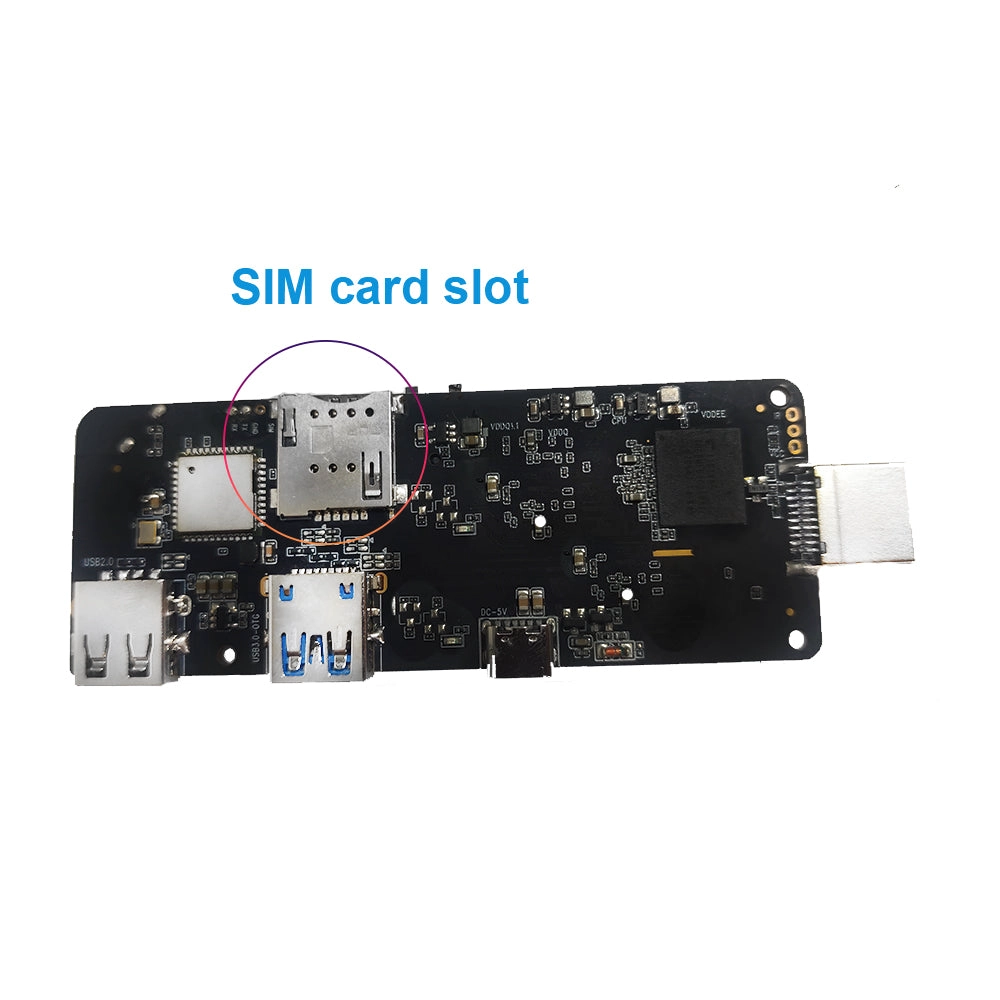
Industrial applications frequently demand specific hardware modifications. This includes changing the physical printed circuit board assembly (PCBA) layout to fit custom enclosures, removing unnecessary consumer ports (like physical buttons), or adding specialized connectors like RS232 serial interfaces, internal USB headers, and power-over-Ethernet (PoE) modules.
Thermal Engineering
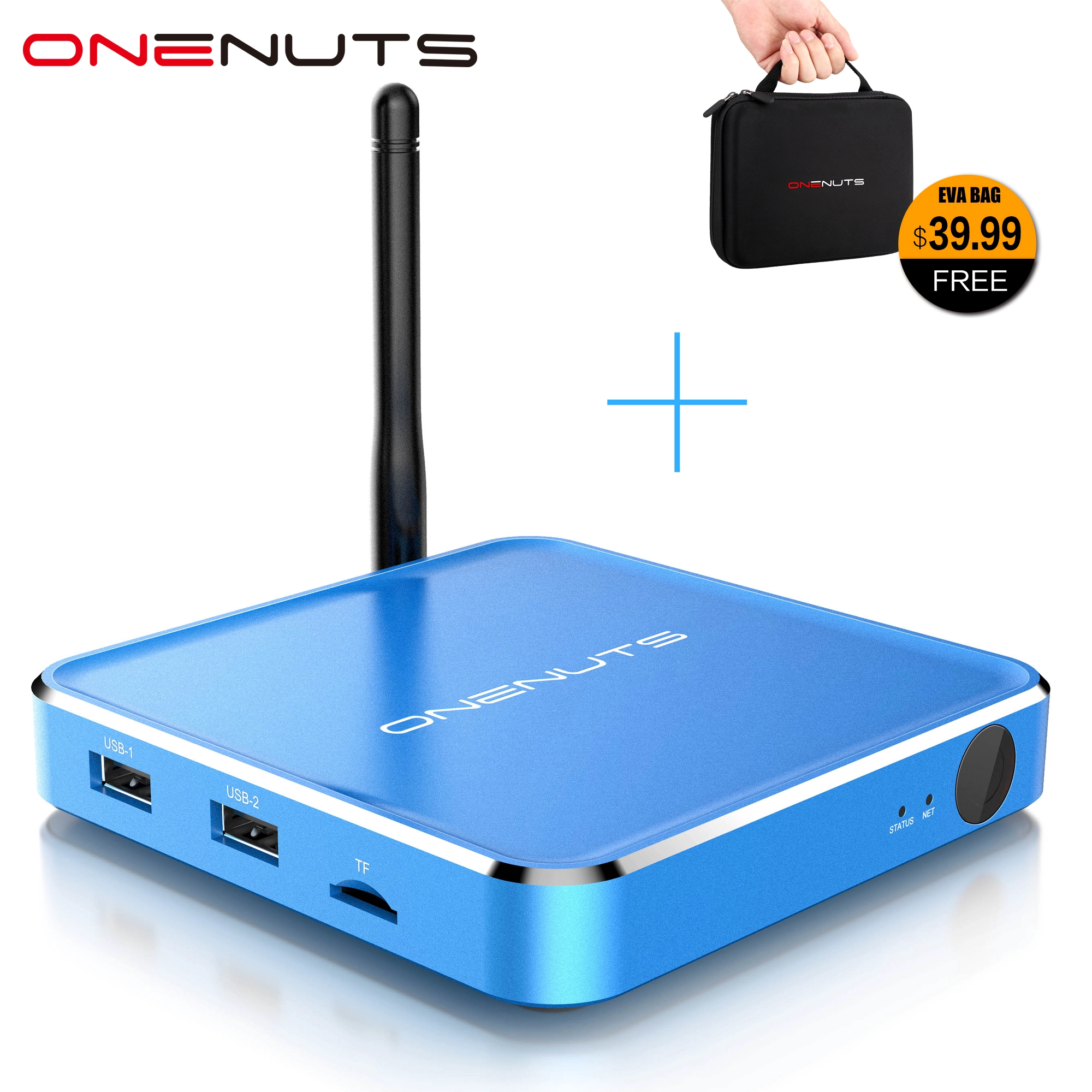
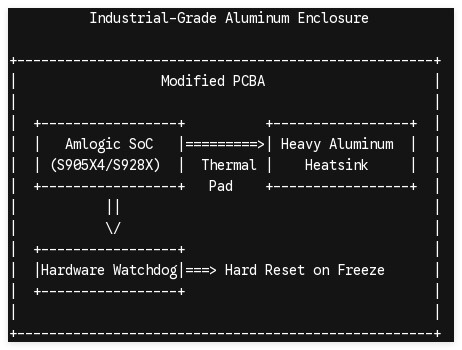
Standard retail TV boxes often suffer from thermal throttling under continuous high-bitrate 4K streaming. Commercial OEM engineering solves this by matching industrial-grade aluminum enclosures with internal heavy aluminum heatsinks and high-conductivity thermal pads. This setup keeps junction temperatures well within safe limits even in closed environments like server closets or digital signage mounts.
Hardware Watchdog Timers
For remote or unmanaged IPTV installations, truck rolls (sending technicians on-site) to reset frozen devices can quickly erode operating profits. Integrating a hardware watchdog timer onto the PCBA resolves this issue. The timer continuously monitors system heartbeats and triggers a clean hard reset if the Android OS freezes or stops responding.
2. Firmware-Level Customization: Kernel and UI Control
The user experience of a commercial IPTV system relies heavily on software optimization. Standard consumer firmware restricts access to core system operations, which limits how deeply an operator can brand and control their device fleet.
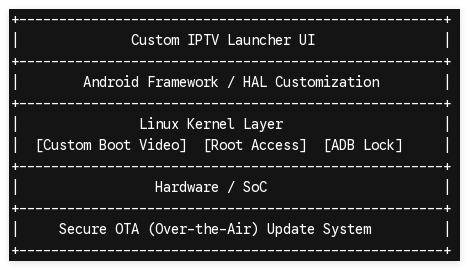
Linux/Android Kernel Optimization
Commercial deployment requires access to the system root. This depth of access allows for custom kernel compilation, which lets operators enable specific USB-to-serial drivers, configure persistent Android Debug Bridge (ADB) permissions, lock down system settings, and deactivate unneeded background Android services to free up RAM.
Custom UI/UX & Boot Architecture
To maintain brand consistency, operators need to control the entire visual experience from the moment the device powers on. Firmware-level customization replaces standard Android animations with custom, unskippable boot videos. It also locks the operating system into a tailored, brand-specific Launcher UI that prevents end users from accessing core Android settings or downloading unauthorized third-party applications.
Carrier-Grade OTA Infrastructure
Managing large-scale device networks requires a dedicated, secure Over-the-Air (OTA) update system. Instead of relying on public servers, operators need private, targeted OTA infrastructure. This system allows them to roll out firmware updates, security patches, and application upgrades to specific groups of devices based on their MAC addresses or location, all without requiring user intervention.
3. Decoder Technical Specs: Amlogic vs. Rockchip
Selecting the right system-on-a-chip (SoC) defines the raw capabilities and efficiency of your IPTV streaming media player. The table below compares the leading platforms used in commercial OEM engineering:
| Technical Feature | Amlogic S905X4 / S905Y4 | Amlogic S928X | Rockchip RK3588 |
|---|---|---|---|
| Primary Target Market | Mass IPTV / Operator Fleet | Premium 8K / High-End Signage | Industrial Computing / Multi-Display |
| CPU Architecture | ARM Cortex-A55 (Quad-Core) | ARM Cortex-A76 + A55 | ARM Cortex-A76 (Quad) + A55 (Quad) |
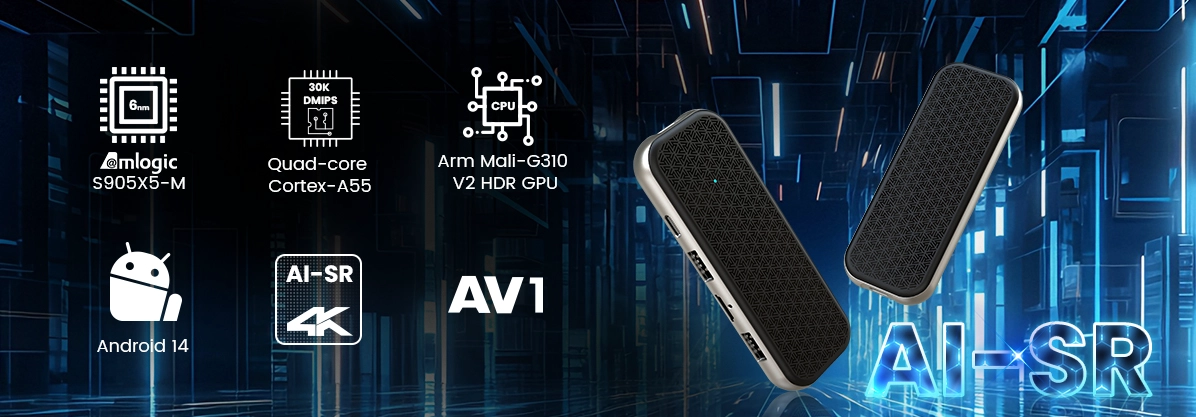
| AV1 Hardware Decoding | Up to 4K @ 60fps | Up to 8K @ 60fps | Software Only / Fragmented |
| DRM Integration | Widevine L1, PlayReady | Widevine L1, PlayReady | Custom Linux DRM Only |
| Thermal Footprint | Low (<5W max load) | Medium (~7−9W) | High (>12W, needs active/massive passive) |
| OS Support | Android TV, AOSP, Linux | AOSP, Ubuntu Linux | Debian, Ubuntu, Buildroot, Android |
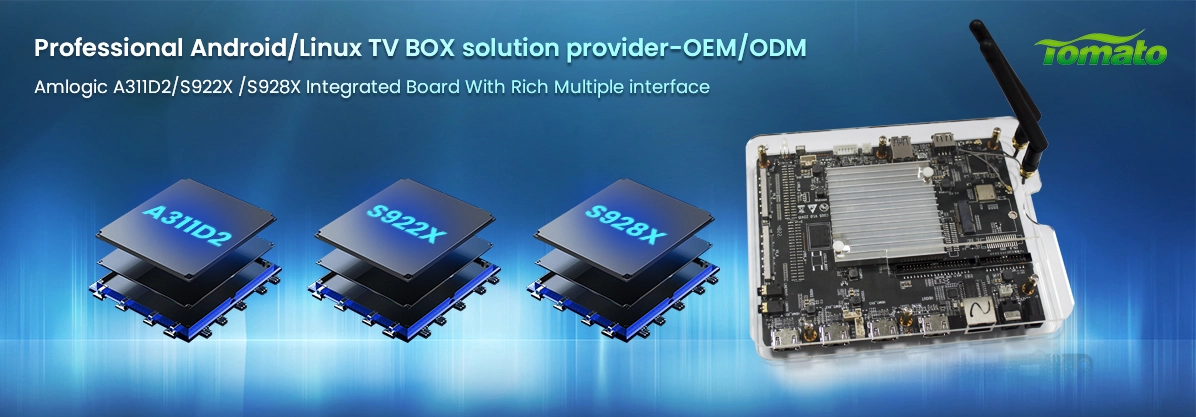
For standard IPTV deployments where bandwidth efficiency is a priority, Amlogic SoCs like the S905X4 are the industry standard due to their native hardware-level AV1 decoding and built-in Widevine L1 encryption support. For high-end applications like multi-screen video walls or edge computing, the Rockchip RK3588 offers raw processing power, though it requires more robust thermal management.
B2B Custom Engineering Partnership
Relying on standard retail hardware for commercial IPTV infrastructure introduces unnecessary risks to deployment timelines and operational stability. True reliability requires hardware designed specifically for your system architecture.
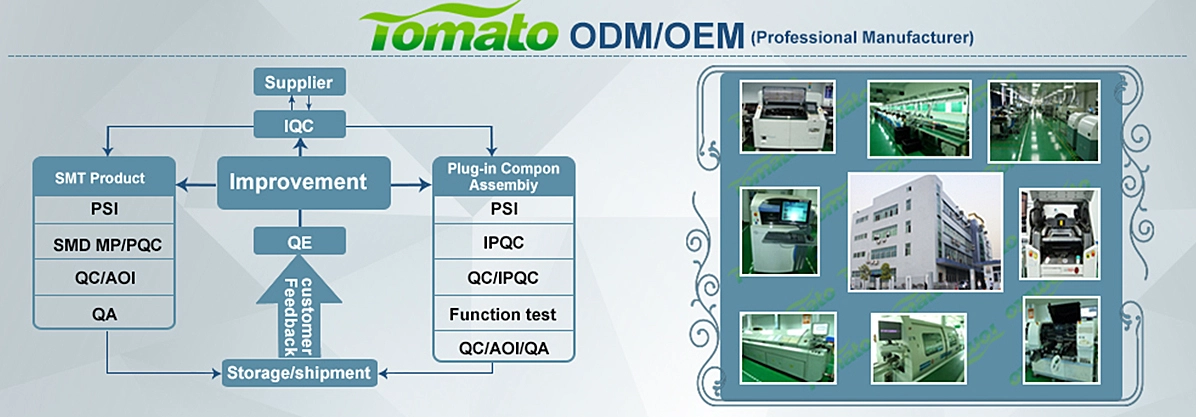
Shenzhen Tomato Technology (SZTomato) has delivered specialized OEM/ODM streaming media player hardware solutions for 15 years. We focus on firmware-level engineering, custom PCBA layout modification, and reliable hardware production for global telecom operators and system integrators. We build hardware tailored to your specific infrastructure requirements.
