
What device is used for Google TV Box?
What Device Is Used for Google TV Box? Choosing the Right Hardware Platform
The transition from traditional Android TV hardware to Google TV-class devices is changing the requirements for set-top box manufacturers. AV1 decoding, Google TV certification requirements, DRM security, HDCP protection, Wi-Fi 6 connectivity, and long-term OTA maintenance now influence the hardware architecture as much as CPU performance.
For B2B buyers, the key question is not simply “Which device runs Google TV?” The more important question is: which SoC, memory configuration, firmware architecture, security stack, and connectivity platform can support a reliable Google TV Box at commercial scale?
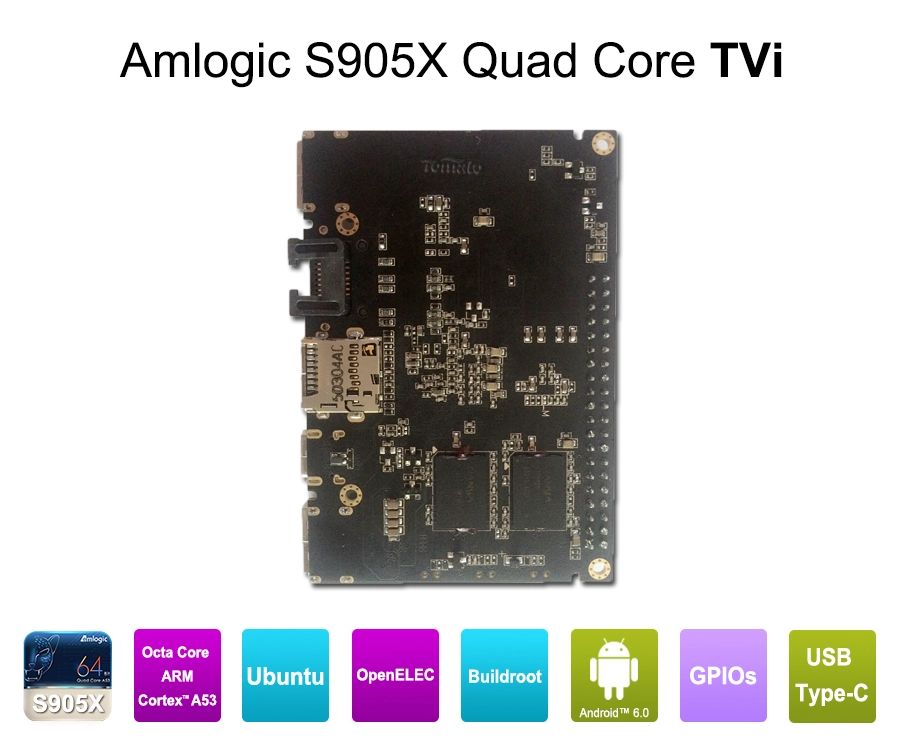
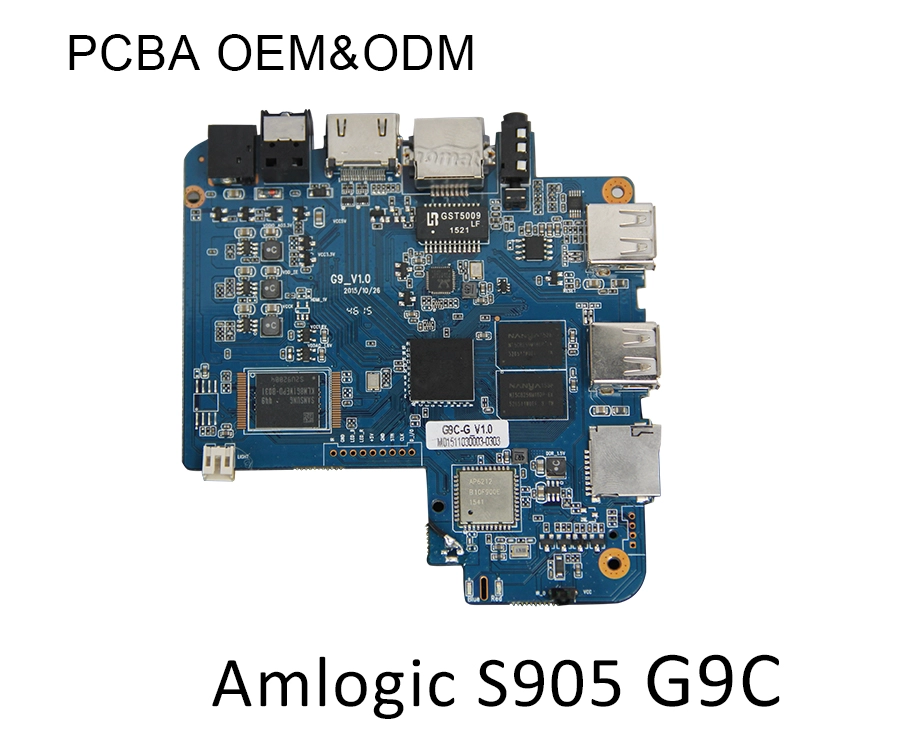
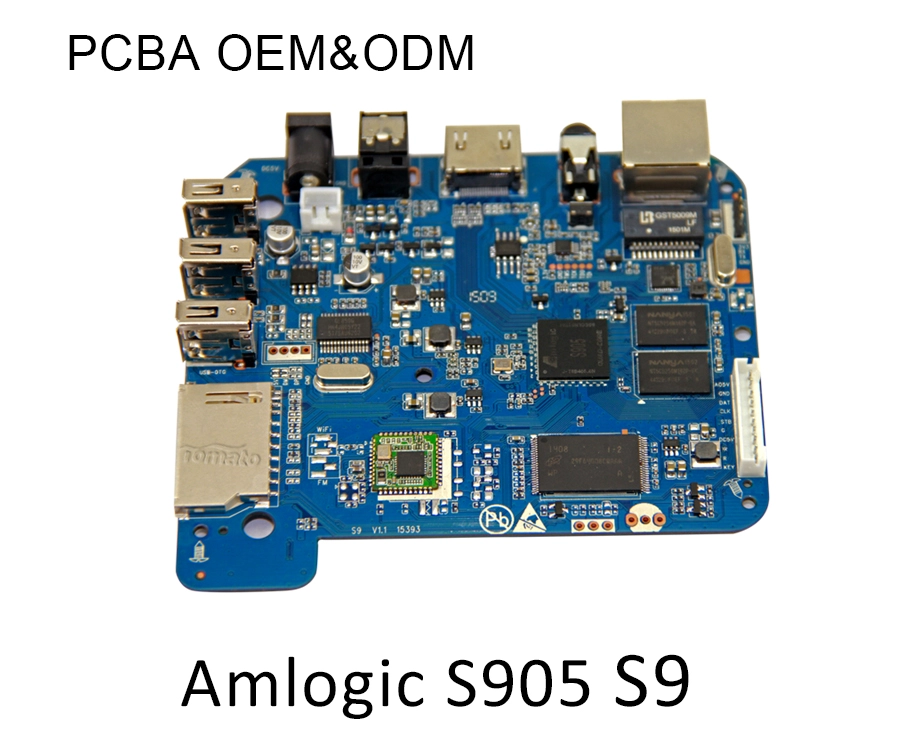
A Google TV Box is typically built around an ARM-based system-on-chip (SoC), combined with LPDDR memory, eMMC or UFS storage, Wi-Fi/Bluetooth, HDMI output, secure boot, DRM, and a Google-compatible Android TV software stack.
What Device Is Actually Used in a Google TV Box?
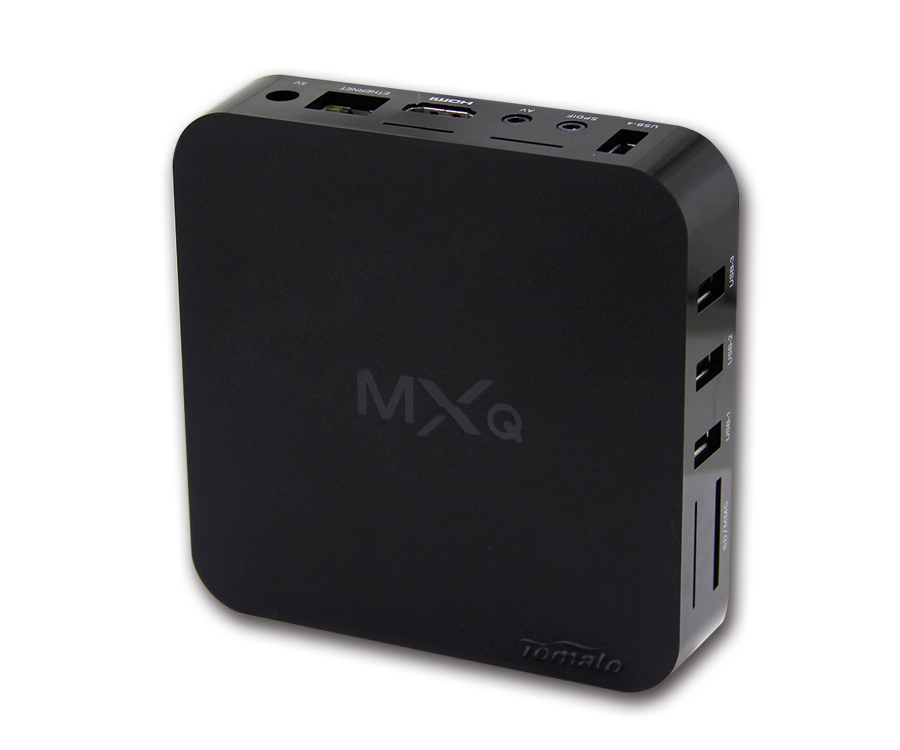
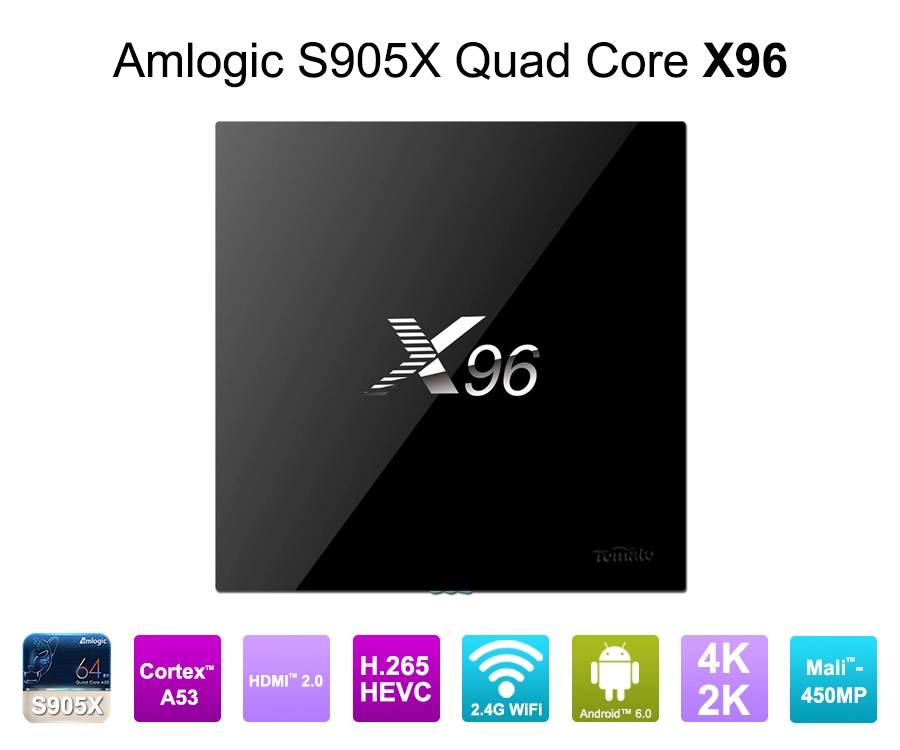
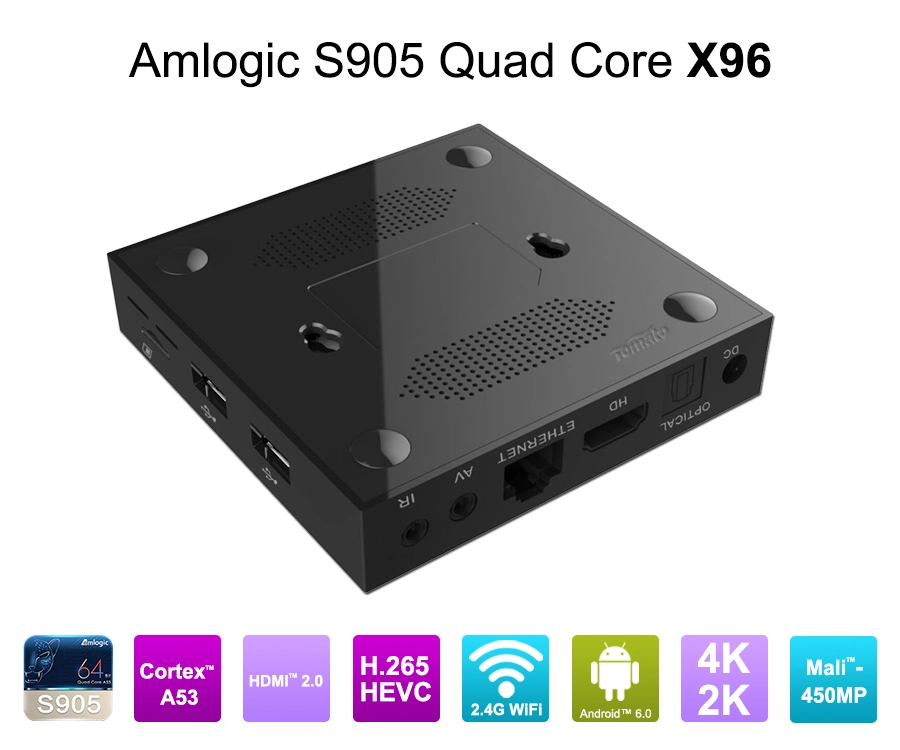
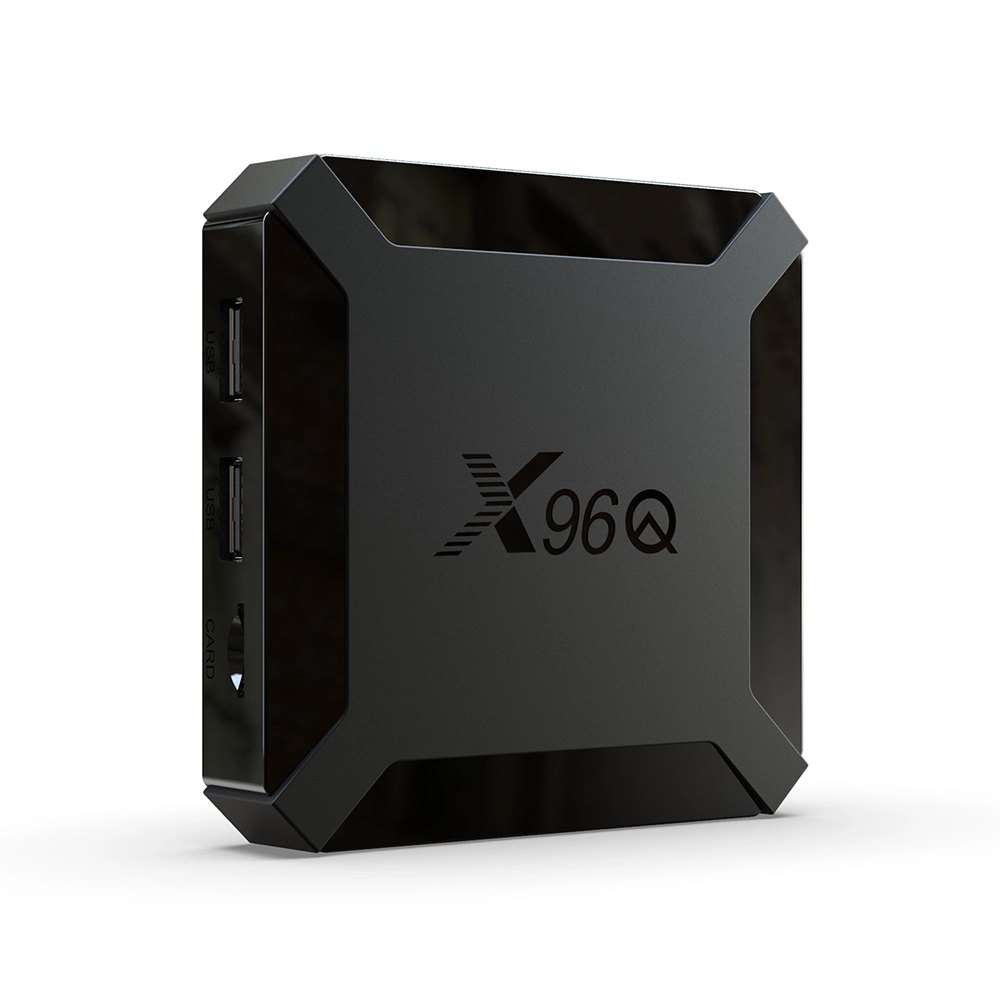
A Google TV Box is essentially a specialized Android-based streaming media player or set-top box.
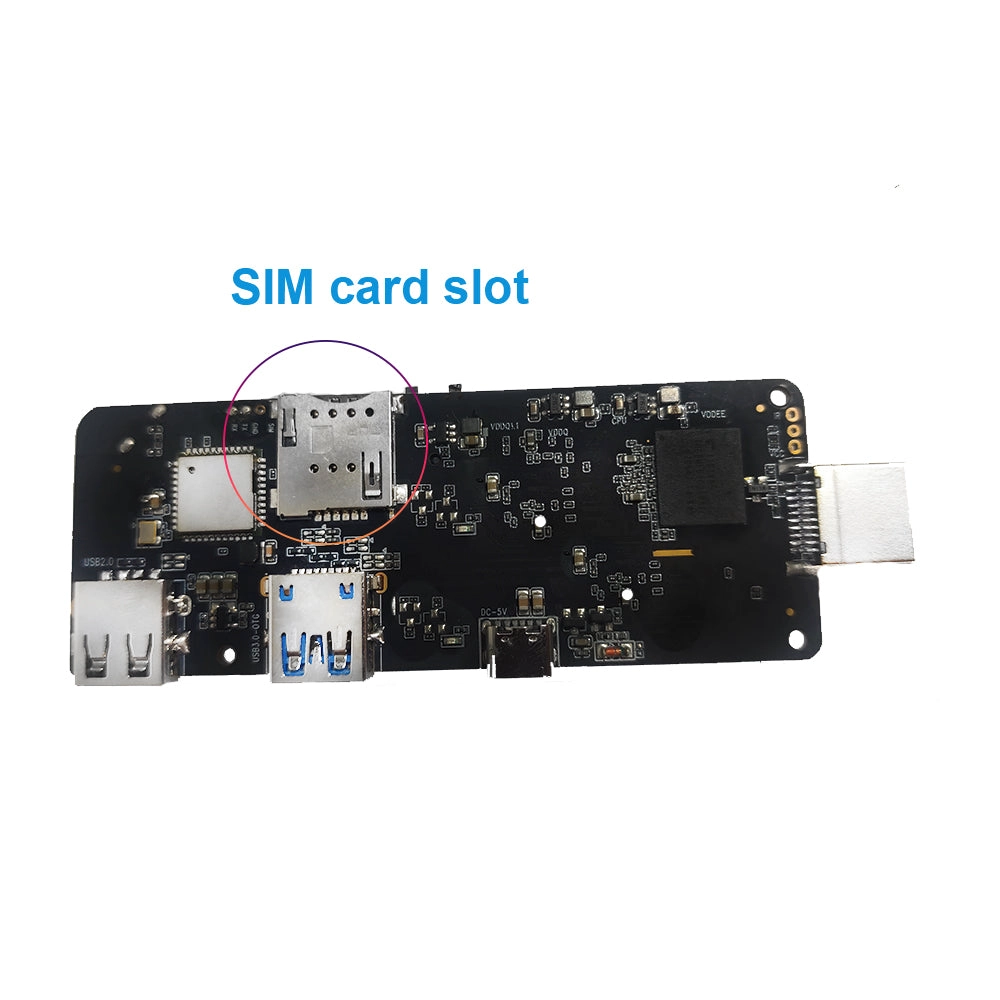
The physical device normally contains several major components:
| Component | Typical Function |
|---|---|
| ARM SoC | CPU, GPU, video decoder, memory controller and multimedia processing |
| LPDDR4/LPDDR4X/LPDDR5 | System memory |
| eMMC/UFS | Operating system and application storage |
| Wi-Fi + Bluetooth | Network and peripheral connectivity |
| HDMI | Video and audio output |
| Ethernet | Stable wired network connectivity |
| PMIC | Power management |
| DRAM + Flash | System operation and firmware storage |
| IR/Bluetooth receiver | Remote-control connectivity |
| USB | External storage and peripherals |
| Secure Element / security subsystem | DRM and platform security functions |
The SoC is the core of the platform. It determines much more than benchmark performance.
For a modern Google TV Box, the SoC must handle 4K video decoding, HDR processing, audio formats, GPU rendering, memory management, secure video paths, and the Android operating environment.
Amlogic Remains a Major Platform Choice
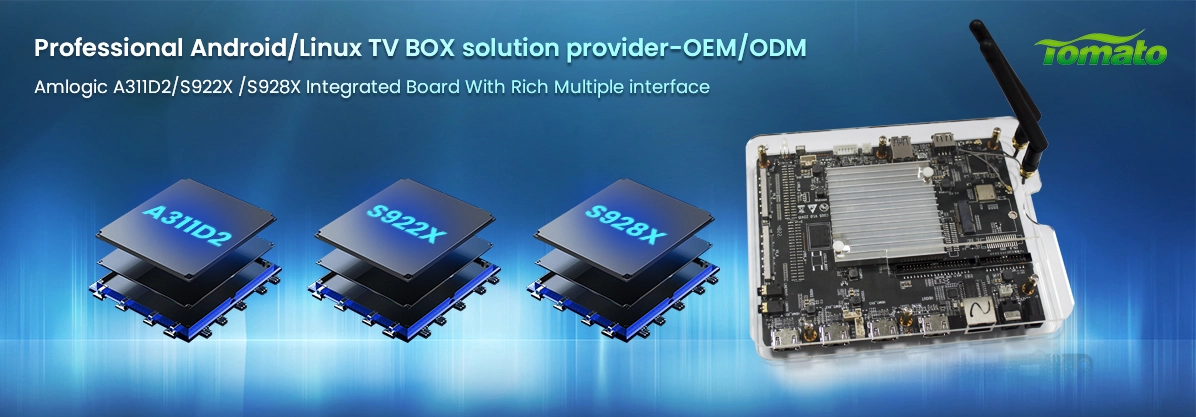
Amlogic SoCs are widely used in Android TV and streaming hardware because they integrate the major functions required for a compact set-top box.
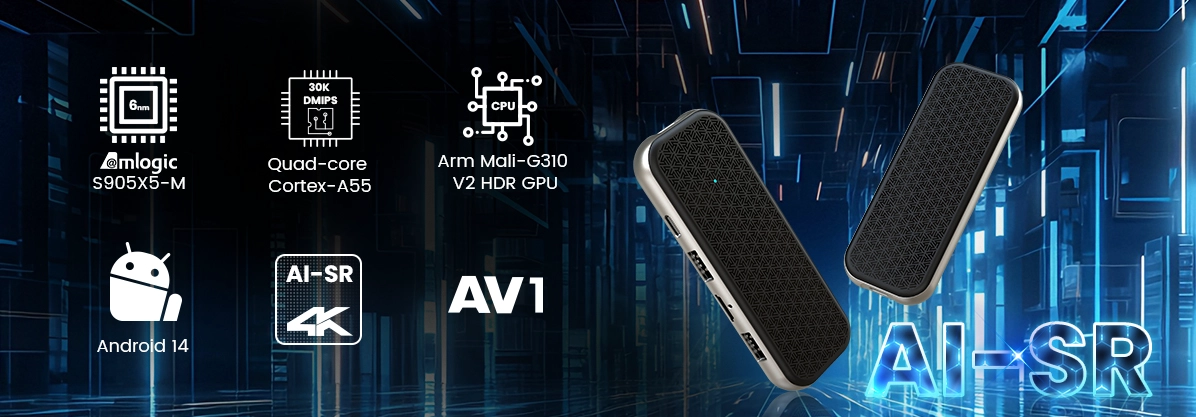
Depending on the project, platforms such as the S905X4, S905X5, and S922X can provide different combinations of CPU performance, GPU capability, video decoding, AV1 support, connectivity, and power efficiency.
The correct selection depends on the application.
A low-cost 4K streaming product does not need the same architecture as a premium Google TV Box, hotel TV platform, operator STB, or commercial streaming terminal.
The engineering decision should therefore begin with the required:
-
Video resolution
-
AV1/H.265/VP9 codec requirements
-
HDR requirements
-
DRM level
-
HDMI version
-
RAM capacity
-
Storage capacity
-
Wi-Fi generation
-
Ethernet speed
-
Android version
-
OTA lifecycle
-
Certification requirements
-
Thermal envelope
How to Select the Hardware for a Google TV Box
1. Start With the Video Pipeline
Video decoding is one of the most important functions in a Google TV Box.
A modern 4K streaming device should support hardware decoding rather than relying on CPU-based software decoding. This reduces CPU utilization, power consumption, and thermal output.
AV1 is particularly important because major streaming ecosystems increasingly use the codec for bandwidth-efficient video delivery.
A suitable SoC should therefore be evaluated for:
-
AV1 hardware decoding
-
H.265/HEVC decoding
-
VP9 decoding
-
4K@60fps capability
-
HDR10/HDR10+
-
HLG where required
-
HDMI output capability
-
Secure video playback
-
Hardware-accelerated composition
For a B2B project, codec support should never be treated as a checkbox on a datasheet. The complete playback chain must work: SoC → Android framework → media codec → DRM → HDMI → display.
A chipset may theoretically support a codec while the production firmware does not expose the required capability correctly.
2. Design Around DRM and HDCP From the Beginning
A commercial Google TV Box needs more than raw decoding performance.
Premium content services can require DRM systems such as Widevine and secure media paths. HDMI output may also require HDCP protection.
This creates dependencies between:
-
SoC security architecture
-
Trusted execution environment
-
Secure boot
-
Key provisioning
-
DRM integration
-
HDCP implementation
-
Android framework
-
Firmware configuration
This is one reason why simply buying a development board and installing Android is not equivalent to developing a production Google TV Box.
For operators, content providers, and brand owners, security architecture should be defined before the PCBA reaches mass production.
3. Select RAM and Storage According to Product Positioning
A Google TV Box with insufficient memory can experience application reloads, sluggish UI behavior, and reduced multitasking capability.
A practical commercial design may use configurations such as:
-
2GB RAM for cost-sensitive applications
-
4GB RAM for more demanding mainstream products
-
8GB RAM for specialized or higher-performance platforms
Storage requirements also vary.
eMMC remains common in cost-sensitive TV boxes, while UFS can become attractive when faster application loading and higher I/O performance justify the additional cost.
The important point is to avoid over-specification.
A B2B manufacturer should select RAM and storage based on the actual application stack rather than using maximum specifications simply for marketing.
Google TV Box Firmware Is as Important as the Hardware
The most common mistake in TV Box procurement is evaluating the hardware while treating firmware as an afterthought.
For commercial deployment, firmware determines the actual product behavior.
A production platform may require:
-
Android TV / Google TV software integration
-
Customized launcher
-
Custom UI/UX
-
OTA update system
-
Remote device management
-
Application pre-installation
-
Silent APK updates where permitted
-
Device-owner or kiosk functionality
-
API integration
-
Boot animation customization
-
Network configuration
-
Factory-test tools
-
Logging and diagnostics
-
Power-management optimization
This is where an OEM/ODM manufacturer becomes materially different from a trading company.
PCBA Hardware Modification
A commercial project may require changes to the reference design rather than simply using an off-the-shelf board.
Typical PCBA modifications include:
-
RAM and eMMC configuration
-
Ethernet controller selection
-
USB port configuration
-
HDMI implementation
-
Wi-Fi module replacement
-
GPIO allocation
-
IR receiver configuration
-
Power-supply architecture
-
Connector positioning
-
Board dimensions
-
Antenna layout
-
EMI optimization
These changes can affect both firmware and mechanical design.
A competent engineering team must therefore manage the PCBA layout, BSP, kernel configuration, device tree, drivers, Android framework and enclosure design as one system.
SDK/API Integration
Commercial buyers may already operate an IPTV middleware platform, device-management system, hotel management platform, advertising platform, or cloud infrastructure.
The Google TV Box must integrate into that environment.
That can require SDK/API work for:
-
Device provisioning
-
Authentication
-
Content management
-
Remote configuration
-
Application control
-
OTA deployment
-
Monitoring
-
Diagnostics
-
Advertising
-
Device status reporting
For fleet deployments, OTA architecture is especially important.
A firmware update mechanism should support controlled releases, version management, rollback strategies, staged deployment, and failure recovery. Updating thousands of deployed devices manually is not a realistic operational model.
Google TV Box Market Trends: What B2B Buyers Should Watch
1. AV1 Is Moving From Premium Feature to Platform Requirement
AV1 efficiency makes it increasingly relevant to streaming platforms.
This does not mean every Google TV Box must use the highest-performance SoC available. It means the hardware roadmap should account for the codec requirements of the target content ecosystem.
A box designed today may remain in distribution for several years. Selecting a platform that lacks the required video capabilities can create a hardware limitation that firmware cannot solve later.
2. Wi-Fi 6 and Gigabit Ethernet Matter More for Premium Products
Streaming performance depends on network stability as much as decoding capability.
For mainstream products, dual-band Wi-Fi may be sufficient. For higher-end applications, Wi-Fi 6 can improve network efficiency in congested environments.
Gigabit Ethernet is also valuable for:
-
High-bitrate streaming
-
IPTV deployments
-
Hotel networks
-
Commercial installations
-
Local media servers
-
Cloud gaming
-
Enterprise applications
The correct interface should be selected according to deployment conditions rather than simply adding every available port.
3. Thermal Engineering Is Becoming a Product Differentiator
Higher-performance SoCs generate more heat.
Poor thermal design can lead to:
-
CPU/GPU throttling
-
Reduced decoding stability
-
Random reboots
-
Storage failures
-
Reduced component lifetime
-
Performance degradation under continuous workloads
For industrial or commercial applications, SZTomato can engineer specialized cooling solutions, including optimized heatsinks, thermal pads, airflow paths, enclosure modifications, and board-level thermal considerations.
This is particularly important when the Google TV Box operates continuously in hotels, retail environments, digital signage installations, transportation systems, or other commercial deployments.
Why OEM/ODM Engineering Matters for Google TV Box Projects
An off-the-shelf Google TV Box is suitable when the buyer only needs a standard consumer configuration.
That model becomes restrictive when the project requires:
-
Custom branding
-
Custom enclosure
-
Modified PCBA
-
Different memory/storage combinations
-
Customized launcher
-
Proprietary applications
-
Middleware integration
-
Remote management
-
Custom OTA infrastructure
-
Special thermal design
-
Alternative I/O
-
Long-term firmware maintenance
For these requirements, the procurement decision should focus on engineering capability rather than unit price alone.
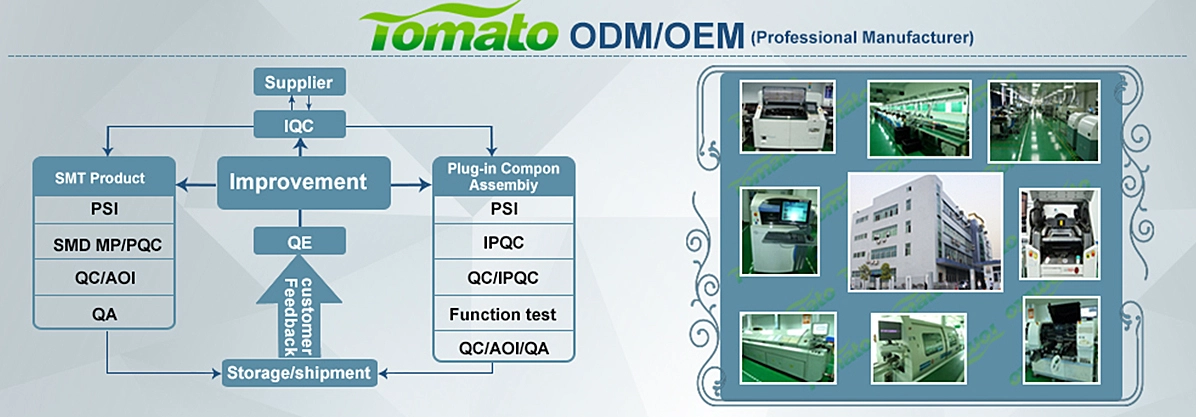
SZTomato's OEM/ODM approach combines PCBA hardware modification, SDK/API integration, custom UI/UX firmware, Android/Linux kernel optimization, OTA systems, and specialized cooling engineering.
This allows the hardware platform to be adapted to the actual deployment environment instead of forcing the customer to redesign its software or business model around a fixed retail box.
Google TV Box Procurement Checklist for B2B Buyers
Before approving a platform, procurement and engineering teams should verify:
-
SoC: Does it provide the required CPU, GPU and video decoding capability?
-
AV1: Is hardware AV1 decoding supported at the required resolution and frame rate?
-
DRM: Can the platform support the required content-protection architecture?
-
HDCP: Is the required HDMI/HDCP configuration available?
-
RAM: Is the memory configuration appropriate for the intended application load?
-
Storage: Is eMMC or UFS sufficient for the expected software lifecycle?
-
Connectivity: Does the platform provide the required Wi-Fi, Bluetooth and Ethernet performance?
-
Firmware: Can the manufacturer modify the BSP, kernel, launcher and system image?
-
OTA: Can firmware updates be deployed and managed across the entire device fleet?
-
PCBA: Can the supplier modify the reference design?
-
Thermal: Can the enclosure and cooling system support 24/7 operation?
-
Lifecycle: Can the supplier maintain firmware and hardware availability for the required project period?
The final decision should be based on the entire product architecture rather than the processor name printed on the specification sheet.
Conclusion: Choose the Platform, Not Just the Box
The device used for a Google TV Box is fundamentally an ARM-based streaming set-top box built around a multimedia SoC, but a commercially successful product requires much more than a capable processor.
The real engineering challenge is integrating SoC performance, AV1 and 4K decoding, DRM, HDCP, memory, connectivity, thermal management, Android firmware, OTA infrastructure, and customer-specific software into a stable production platform.
For B2B procurement managers, IPTV operators, distributors, hotel technology providers, and system integrators, the better question is not “Which Google TV Box should we buy?”
It is:
Which hardware and firmware platform can be engineered around our deployment requirements and maintained throughout the product lifecycle?
SZTomato provides OEM/ODM development for Google TV Box and Android TV hardware, including PCBA modification, firmware customization, SDK/API integration, custom UI/UX, kernel-level optimization, OTA systems, and specialized thermal solutions.
If your project requires a customized Google TV Box rather than another generic retail device, discuss the required SoC, memory, connectivity, DRM, firmware, enclosure, and deployment specifications with an engineering-led OEM/ODM supplier before locking the hardware platform.
