What device is used for Smart TV Box?
What Device Is Used for Smart TV Box? An Enterprise Hardware & Architecture Breakdown
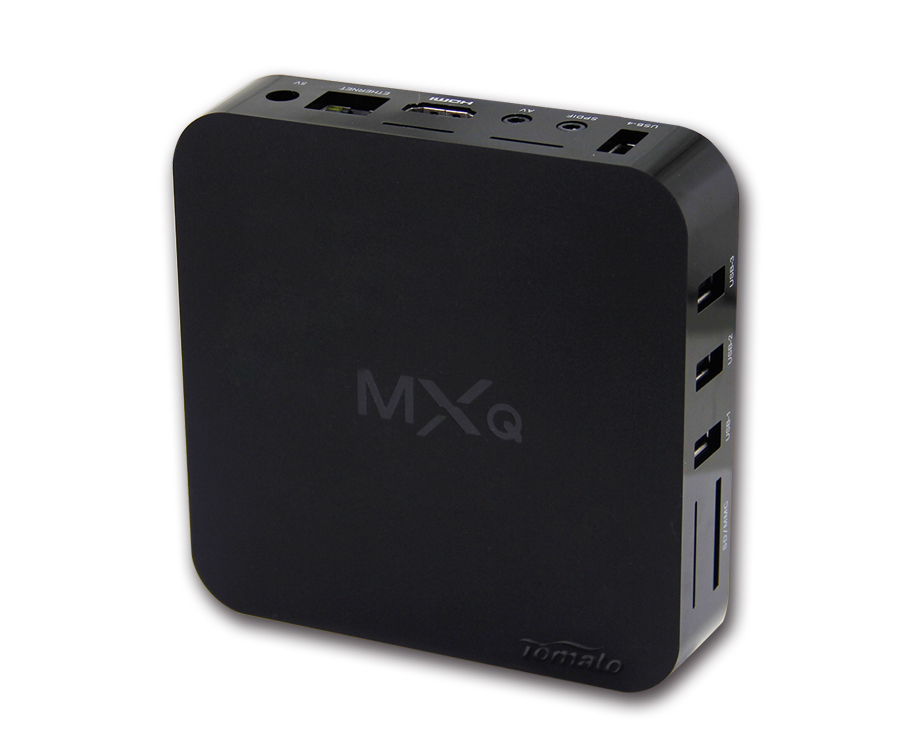
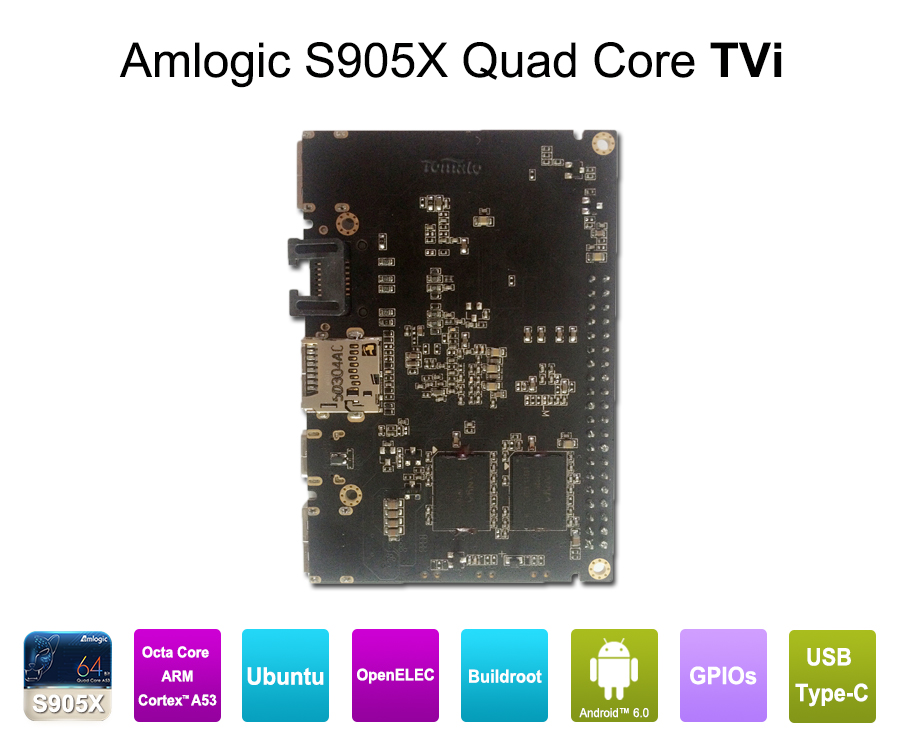
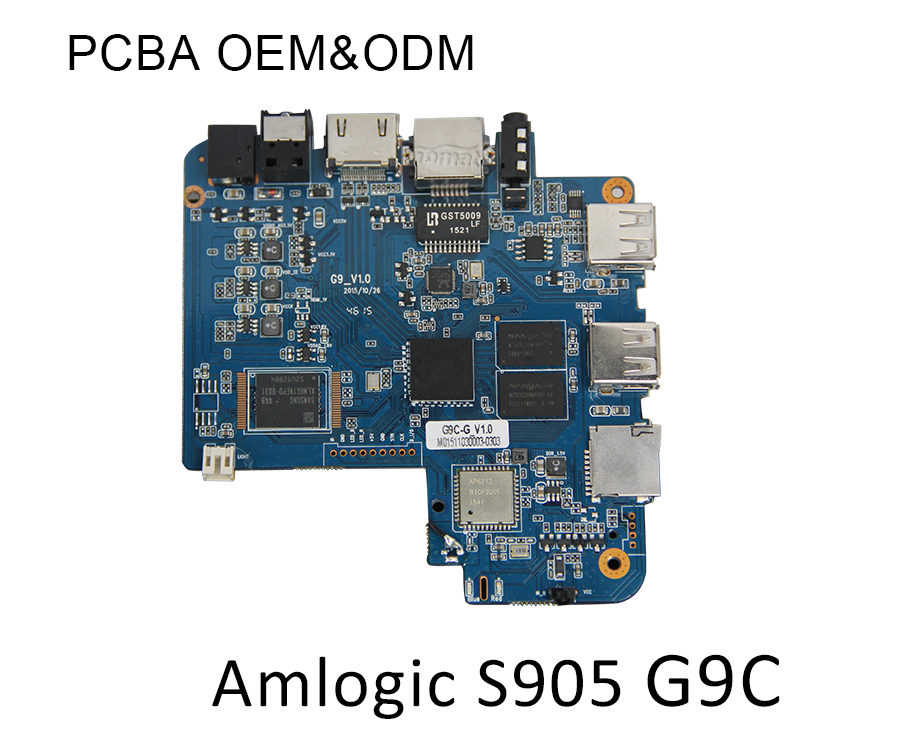
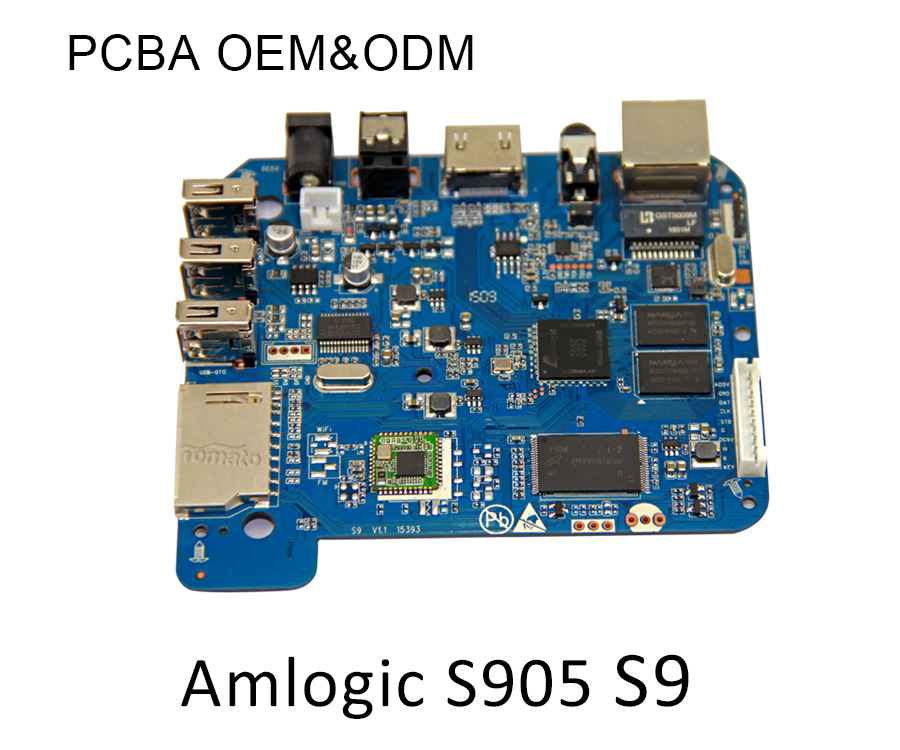
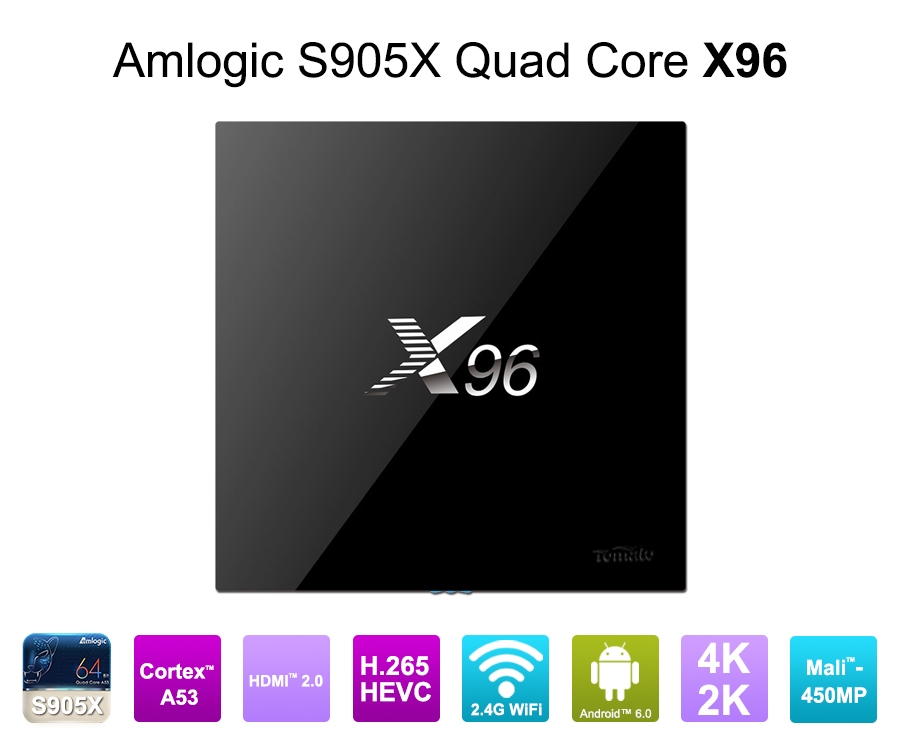
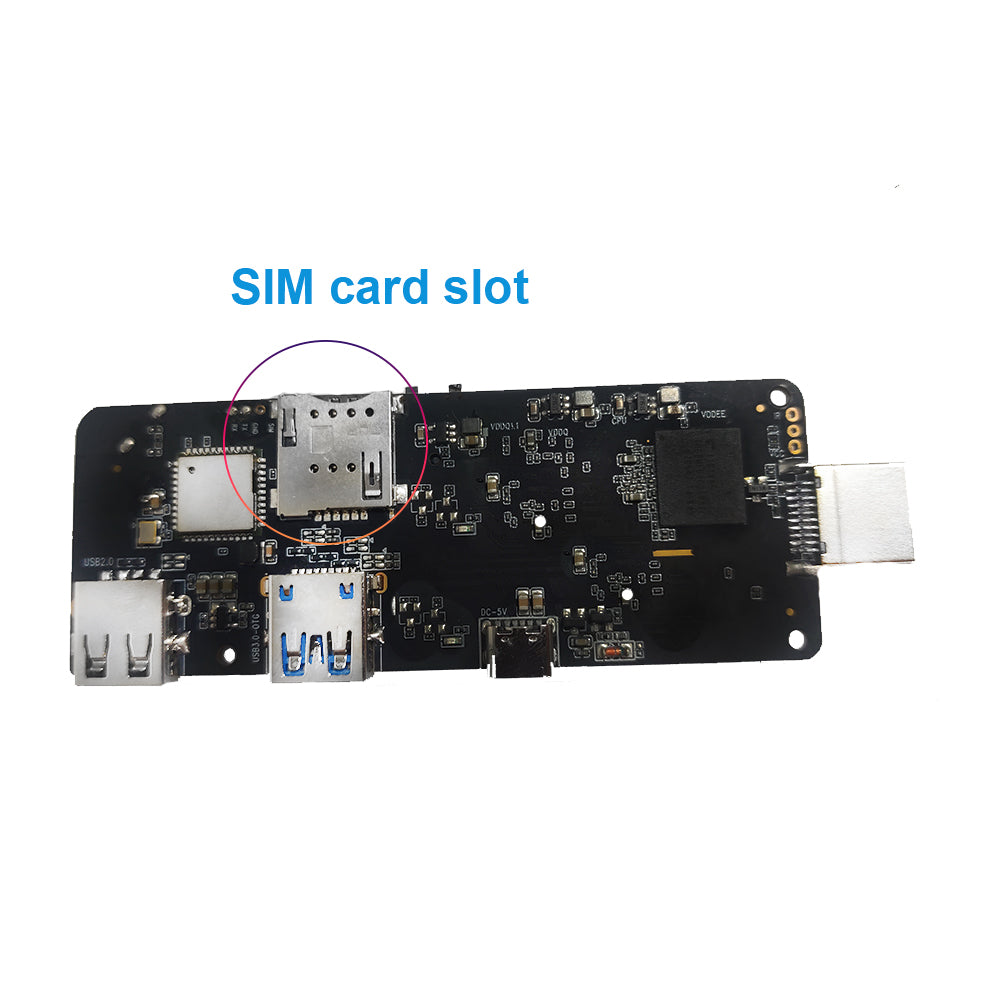
Asking what device is used for a Smart TV Box at the enterprise level reveals a stark divergence between consumer retail electronics and commercial-grade embedded hardware. To an end-user, a Smart TV Box appears as a simple plastic console running streaming applications. To a B2B procurement manager or system integrator, a Smart TV Box is a dedicated, specialized edge-computing node—a tightly integrated system comprising a primary System-on-Chip (SoC), high-density LPDDR memory, eMMC/UFS storage, multi-layer Printed Circuit Board Assembly (PCBA), and deeply optimized Android Open Source Project (AOSP) firmware.
Understanding the hardware stack that powers enterprise Smart TV Boxes requires looking past plastic enclosures and evaluating the core silicon, thermal design, and system-level software engineering that guarantee continuous 24/7 field stability.
1. Silicon Foundations: The SoC Microarchitecture Driving Smart TV Boxes
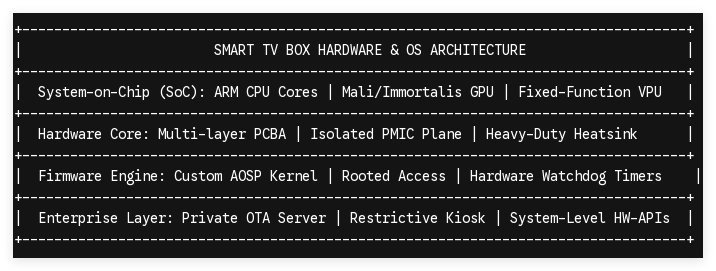
The computational core of every Smart TV Box is the System-on-Chip (SoC). Unlike standard PC architectures that rely on discrete CPUs, graphics cards, and memory controllers, a Smart TV Box SoC consolidates processing cores, graphics units, crypto-engines, and dedicated Video Processing Units (VPUs) onto a single silicon die.
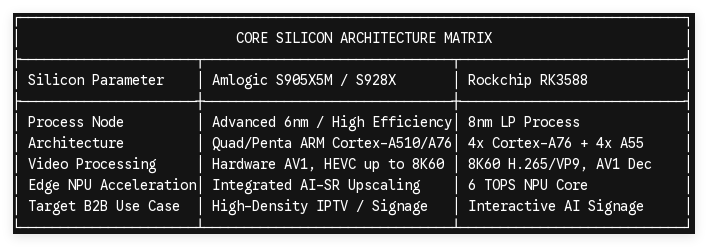
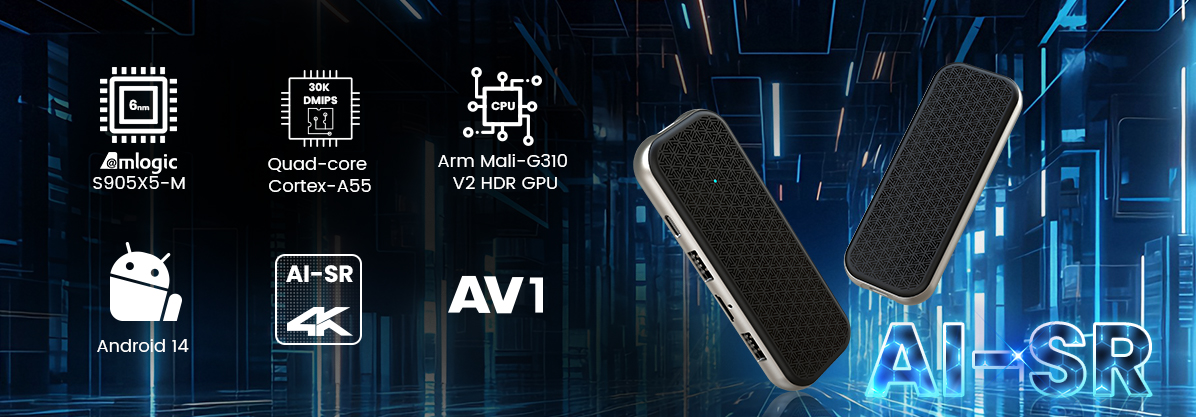
Amlogic Platform Series (S905X5M / S928X)
Amlogic processors dominate the global OTT and IPTV operator landscapes due to their optimized video pipelines and energy efficiency.
-
Fixed-Function AV1 VPU Decoding: Amlogic's latest 6nm silicon (such as the S905X5M) natively decodes AV1 video feeds at up to 4K/8K resolution. AV1 hardware decoding cuts network bandwidth consumption by 30% to 50% relative to legacy H.264 codecs, dramatically lowering egress costs for commercial streaming networks.
-
AI-Powered Super Resolution (AI-SR): Integrated neural engine blocks upscale sub-native 1080p feeds to crisp 4K outputs in real time, preventing visual artifacts on large commercial displays without burdening the primary CPU cores.
Rockchip Industrial Series (RK3588)
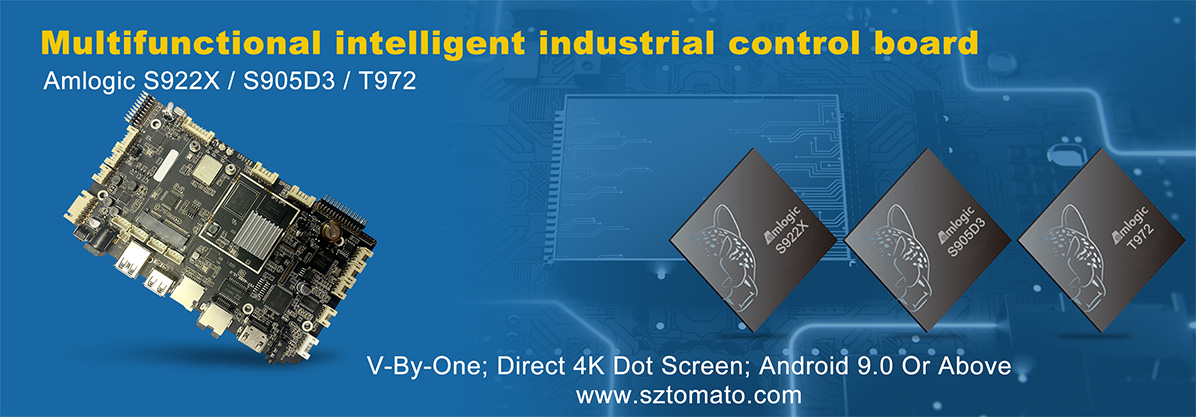
For complex deployments requiring high computational throughput alongside video playback, the Rockchip RK3588 serves as a robust embedded computing platform.
-
Octa-Core Compute & 6 TOPS NPU: Features four Cortex-A76 performance cores and four Cortex-A55 efficiency cores, paired with a 6 TOPS Neural Processing Unit. This hardware configuration powers interactive kiosks, multi-camera edge video analytics, and dynamic demographic ad targeting.
-
Multi-Pipeline Display Controllers: Drives multiple independent HDMI display channels from a single board assembly, ideal for dual-screen retail displays and menu boards.
2. Component-Level Hardware Assembly: Custom PCBA & Thermal Design
Off-the-shelf consumer TV boxes use minimal 2-layer PCBA designs enclosed in unvented plastic shells. Under continuous operation, the SoC temperature climbs rapidly, triggering severe thermal throttling that downclocks CPU frequencies, increases UI latency, and introduces video frame drops.
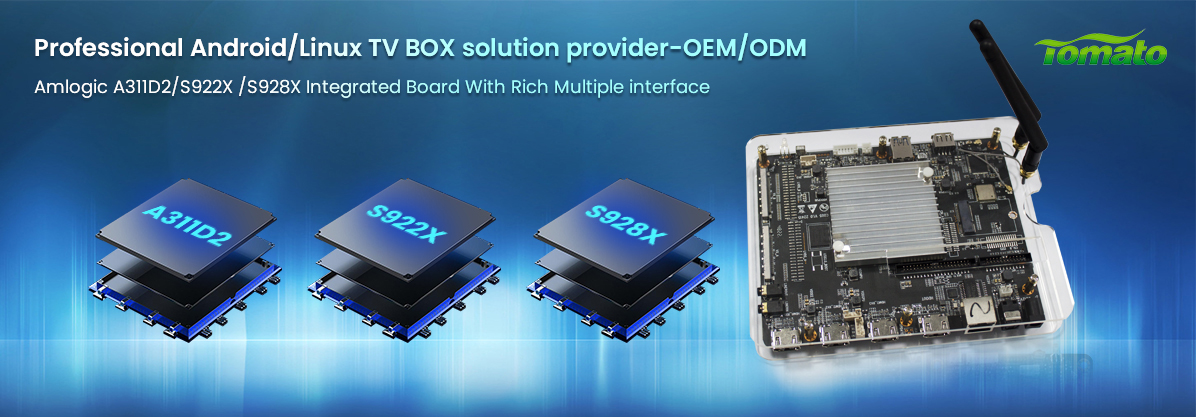
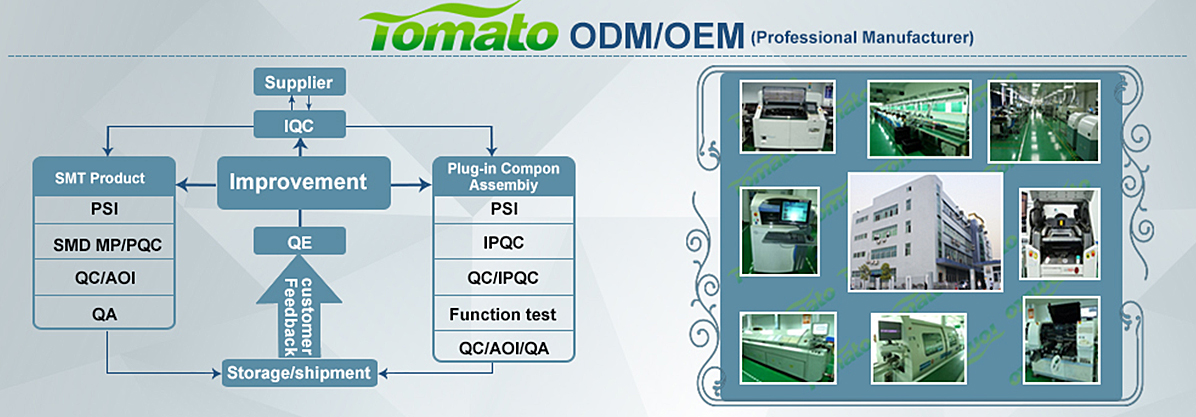
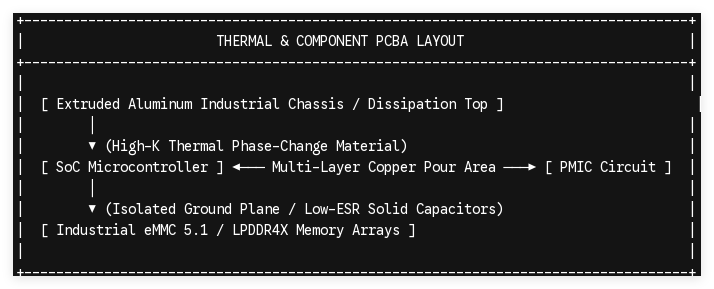
Enterprise-grade Smart TV Box hardware built by SZTomato (Shenzhen Tomato Technology Co., Ltd.) relies on customized, multi-layer PCBA layouts engineered specifically for uninterrupted 24/7 execution.
-
Multi-Layer PCB Stackup with Dedicated Ground Planes: Utilizing 4-layer or 6-layer FR4 PCB stackups isolates high-speed signal lines from power distribution tracks, minimizing Electromagnetic Interference (EMI) and improving overall signal integrity.
-
Power Management IC (PMIC) Isolation: High-draw PMIC switching components are separated from sensitive SoC and memory traces using dedicated copper pour zones, distributing thermal generation evenly across the board.
-
Direct Structural Cooling Solutions: Standard passive heat spreaders are upgraded to custom die-cast aluminum internal heat sinks joined directly to the SoC via high-conductivity thermal interface materials. In high-ambient industrial settings, metal chassis designs transform the outer enclosure into an active heatsink.
-
Industrial Passive Components: Low-ESR solid-state capacitors, wide-temperature power inductors, and industrial-grade eMMC 5.1 flash storage safeguard system integrity against electrical transients and thermal stress.
3. Firmware, BSP Layer, and System Engineering
The physical hardware of a Smart TV Box is only as effective as the underlying Board Support Package (BSP) and firmware that controls it. Consumer devices run restricted, uncustomizable OS environments that push unexpected auto-updates and enforce consumer-centric home screen launchers.
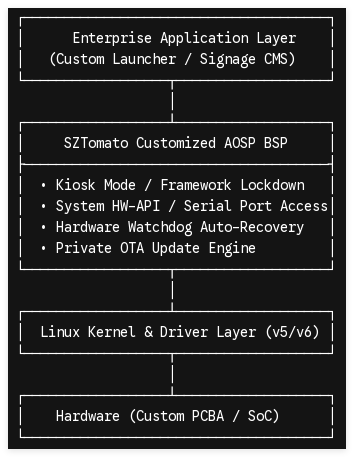
SZTomato's core competence lies in deep firmware modification, kernel tuning, and SDK/API integration:
-
Framework Lockdown & Kiosk Mode: Custom AOSP builds bypass standard Android setup flows to launch directly into the client's proprietary application within 10 to 15 seconds of boot-up. Status bars, system settings, and navigation gestures are stripped at the framework level to prevent unauthorized access.
-
System-Level Hardware Control APIs: We expose low-level kernel interfaces directly to client applications via specialized SDKs. Integrators can control GPIO pins, read real-time thermal sensor metrics, trigger hardware power cycles, control serial ports (RS232/RS485), and adjust display orientations (0°/90°/180°/270°) natively.
-
Hardware Watchdog Timers: To prevent field outages caused by software deadlocks, SZTomato integrates dedicated hardware watchdog ICs alongside kernel watchdog drivers. If the system stops responding, the watchdog automatically cuts power and triggers a cold reboot.
-
Private Over-The-Air (OTA) Infrastructure: Enterprise customers receive dedicated OTA management software, allowing security patches, system updates, and APK upgrades to be pushed securely to controlled device fleets without reliance on third-party public app stores.
-
Hardware-Level DRM & Security Integrations: Deep integration of Widevine L1, PlayReady, and HDCP 2.2/2.3 cryptographic keys directly into the SoC’s Secure Execution Environment (TEE) guarantees compliance with premium content streaming standards.
Procurement Technical Evaluation Matrix
When evaluating hardware platforms for commercial Smart TV Box deployments, procurement officers and system architects must verify key engineering criteria against the matrix below:
| Technical Specification | Off-the-Shelf Consumer Dongle | Industrial Enterprise Hardware (SZTomato) | B2B Deployment Advantage |
| PCBA Architecture | 2-Layer / High Thermal Density | Multi-Layer (4/6) / Isolated PMIC | Prevents signal degradation and thermal failure. |
| Cooling Mechanism | Stamped Metal Plate | Extruded Aluminum / Metal Chassis | Maintains maximum clock speeds under continuous load. |
| Operating System | Stock Google/Fire OS (Locked) | Customized Rooted AOSP / Android TV | Full administrative control, no consumer bloatware. |
| I/O Connectivity | Micro-USB / HDMI Only | Gigabit Ethernet, RS232, GPIO, USB 3.0 | Supports enterprise networking and legacy control gear. |
| Power Management | Unregulated 5V Input | Wide-Voltage Input / Power Protection | Tolerates unstable commercial power environments. |
| Supply Chain Lifecycle | 6 to 12 Months | Guaranteed 3 to 5+ Year Availability | Protects integrators from frequent redesign costs. |
Engineer Your Next-Gen Smart TV Hardware with SZTomato
Understanding what device is used for a Smart TV Box is the first step in specifying the right hardware platform. Off-the-shelf consumer streaming sticks fail under commercial conditions, causing costly field calls, thermal crashes, and unmanaged OS shifts.
With over 16 years of ODM and OEM manufacturing expertise, SZTomato transforms complex embedded requirements into robust hardware platforms. Whether your deployment requires custom PCBA layouts, specialized thermal cooling enclosures, bespoke AOSP kernel modifications, or dedicated hardware control APIs, our engineering team builds solutions engineered for total reliability.
Request an Architectural Consultation
Building a custom IPTV network, digital signage installation, or enterprise media product line? Contact SZTomato's technical sales team today at www.sztomato.com to review your project specifications, request board schematics, or evaluate custom sample hardware.