
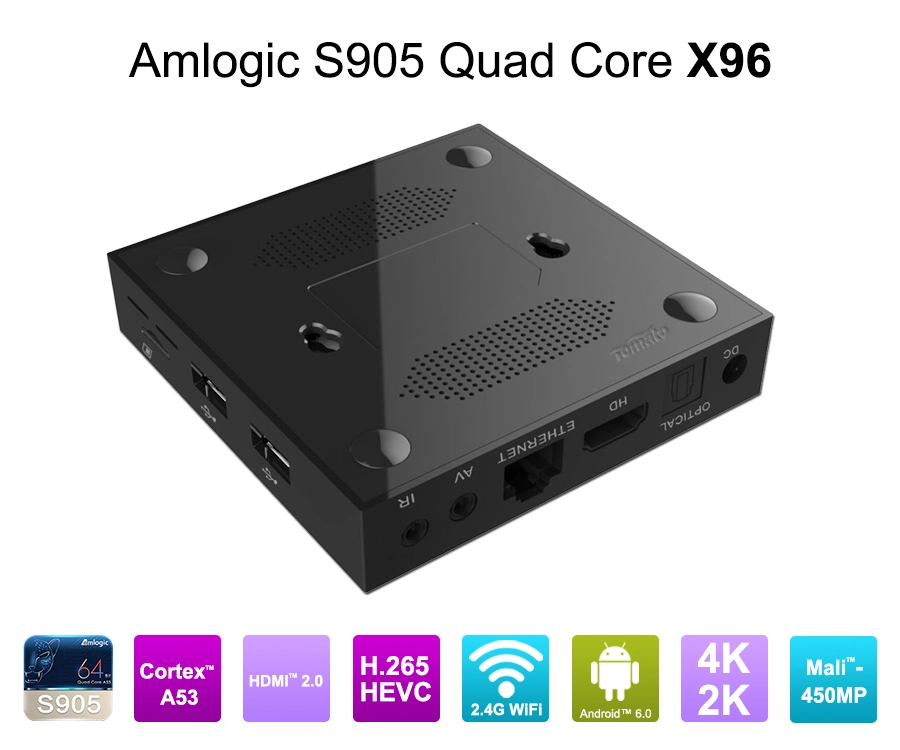
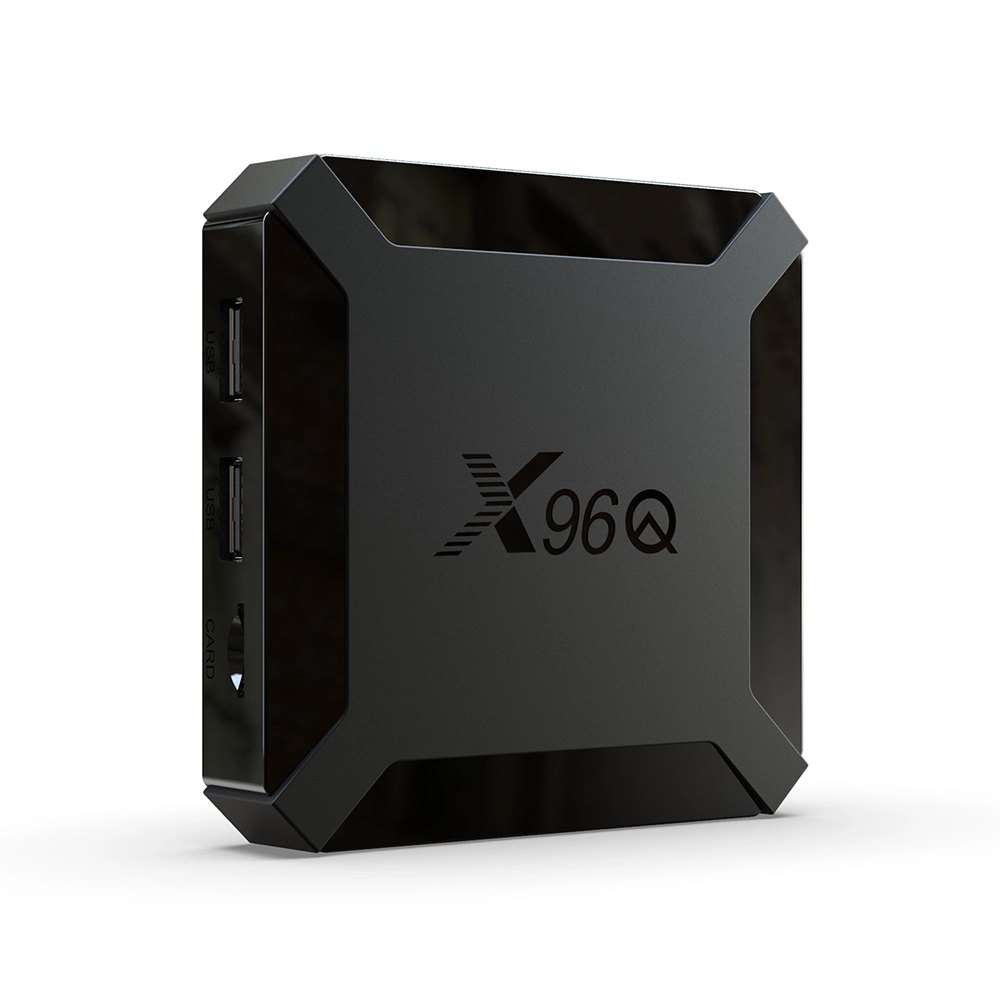
What device is used for TV Box?
Enterprise Silicon & Board Design: What Device Hardware Is Used for a TV Box?
The widespread transition to bandwidth-saving AV1 and VVC (H.266) video compression codecs, alongside edge-AI upscaling, has redefined the hardware benchmarks for commercial TV Box deployments. When system integrators or digital signage operators ask what physical device powers a TV Box, the answer extends far beyond consumer streaming dongles.
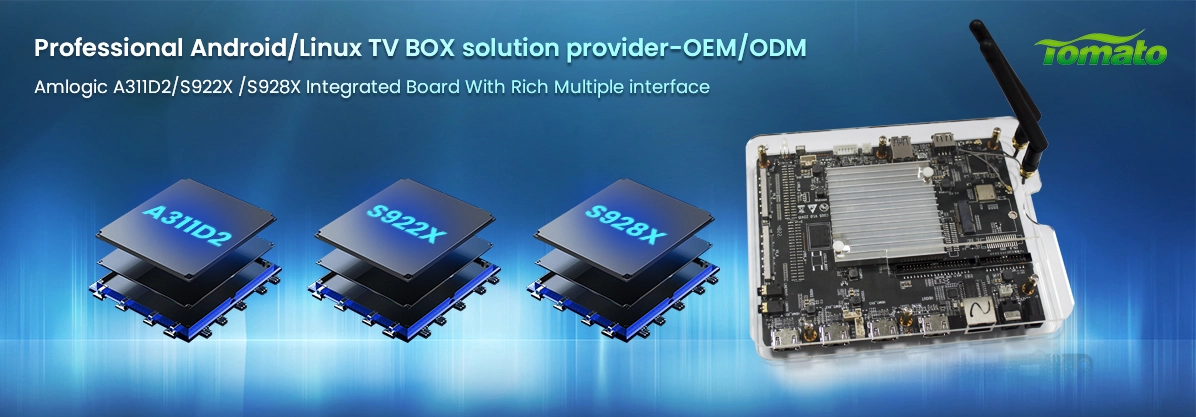
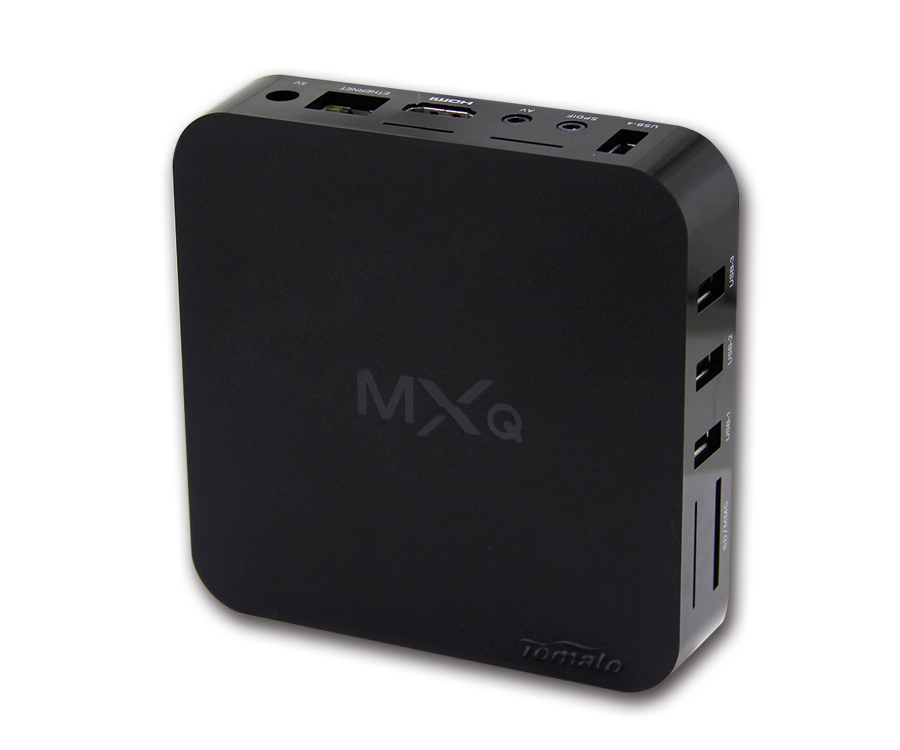
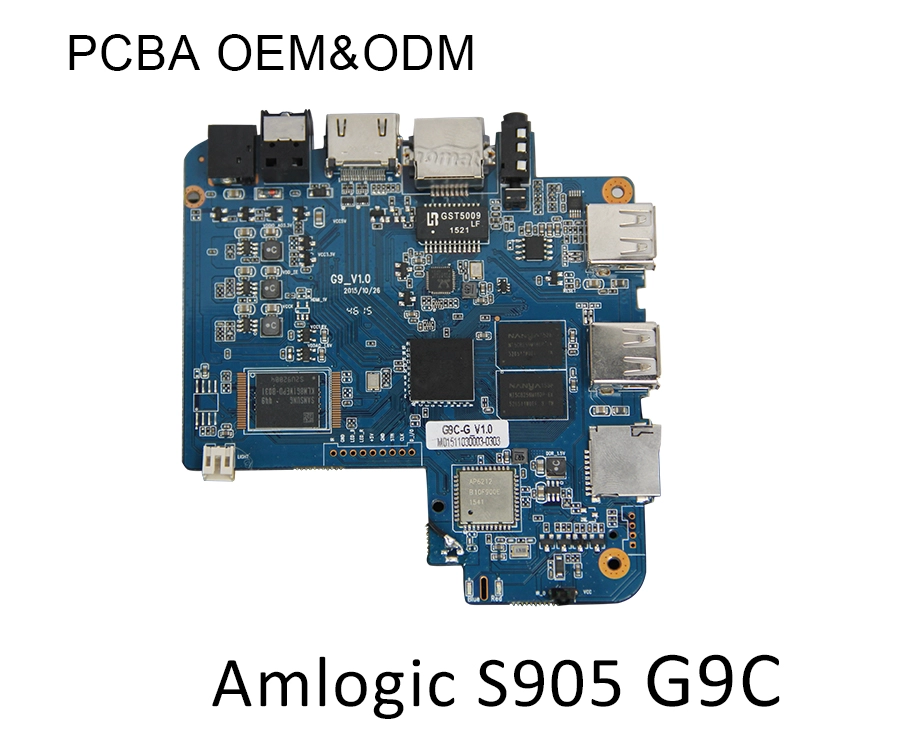
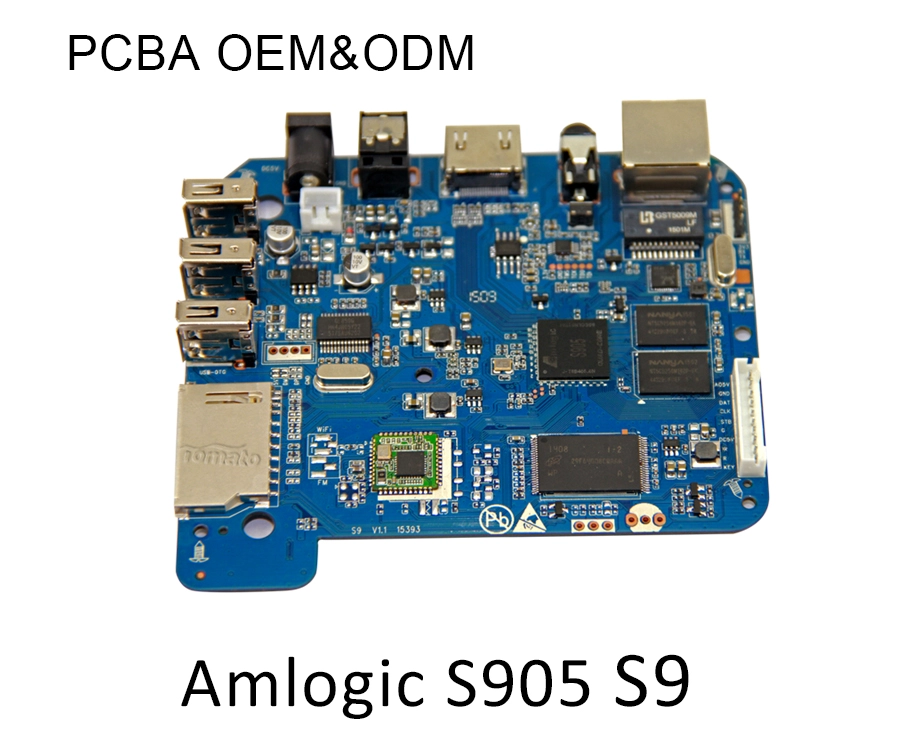
At the enterprise level, a TV Box is a specialized, embedded computing node built around an ARM System-on-Chip (SoC), high-density memory ICs, a multi-layer Printed Circuit Board Assembly (PCBA), and deeply optimized system-level firmware.
1. Core Silicon Architecture: System-on-Chip (SoC) Selection & Video Decoders
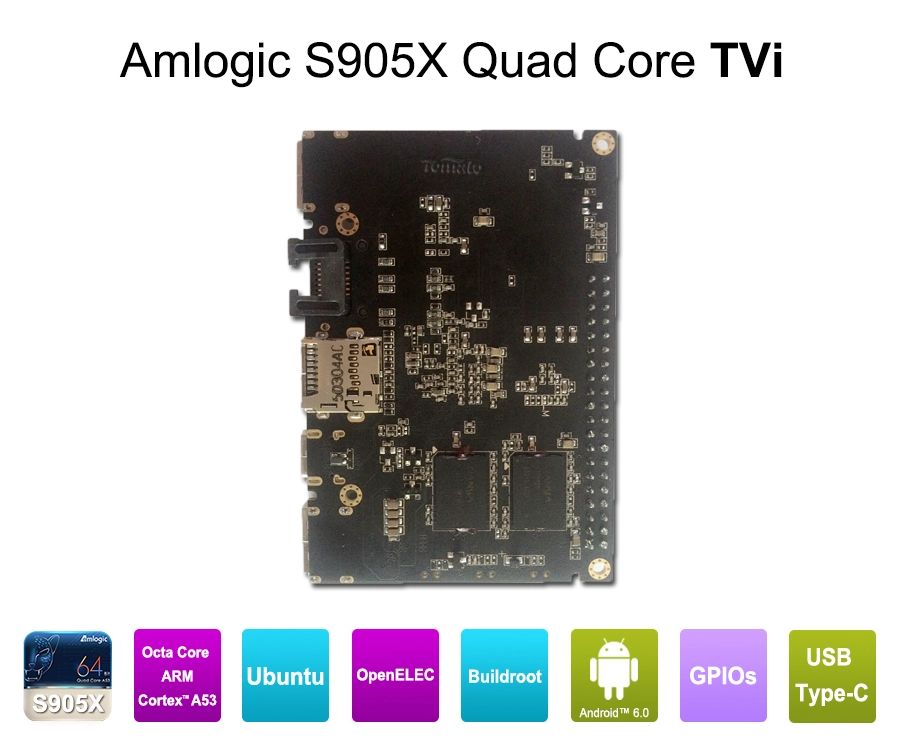
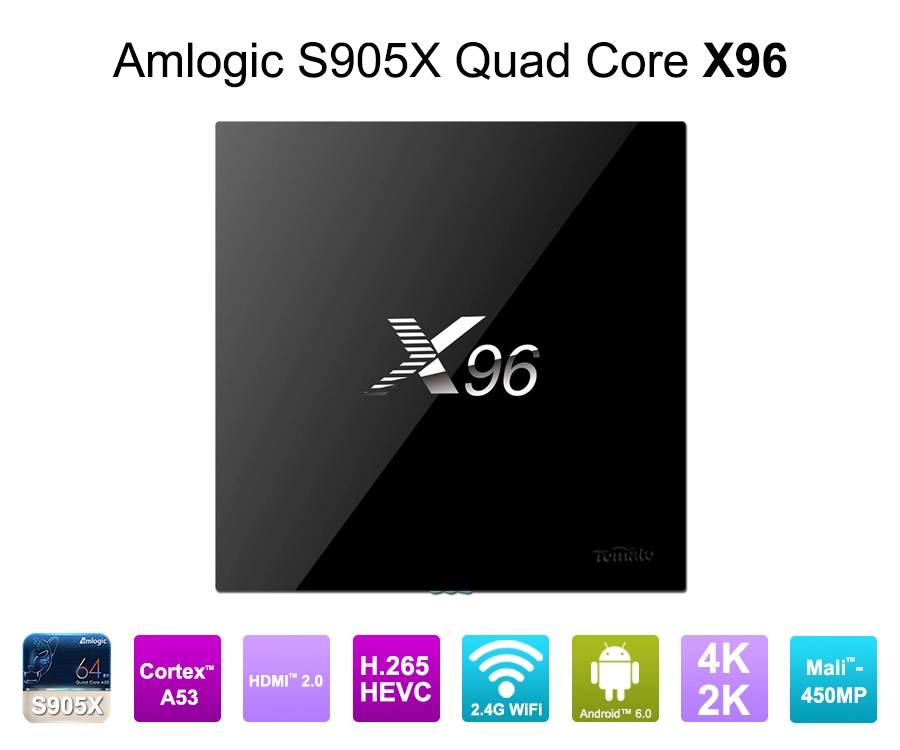
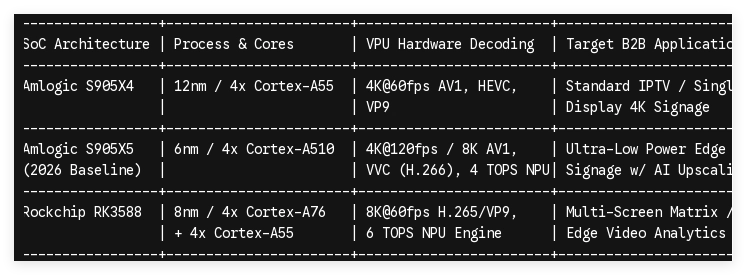
The central computational device inside a TV Box is the System-on-Chip (SoC). Unlike standard desktop computer architectures that separate the CPU, GPU, and memory controller across discrete expansion boards, a TV Box SoC consolidates processing cores, graphics units, hardware encryption blocks, and Video Processing Units (VPUs) onto a single silicon die.
Key Silicon Processing Blocks
-
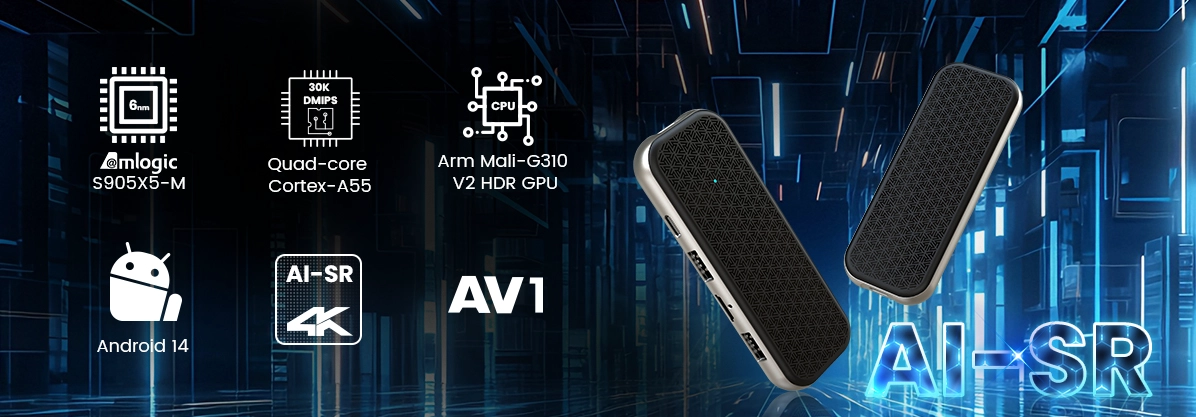
ARM Compute Cores: Quad-core Cortex-A55 or ARMv9 Cortex-A510 CPU configurations handle application logic, networking stacks, and system scheduling.
- Dedicated Hardware VPU: Offloads video bitstream parsing from the CPU. Native AV1 and VVC hardware decoding reduces operational network bandwidth by 30% to 50% without triggering high thermal loads.
- Integrated NPU Blocks: Modern enterprise SoCs integrate 3.2 to 6 TOPS Neural Processing Units. These NPUs power real-time AI Picture Quality (AIPQ) and AI Super Resolution (AI-SR), upscaling sub-native 1080p video feeds into crisp 4K displays on high-impact commercial screens.
2. Component Hierarchy: PCBA Engineering, Memory, & Power Protection
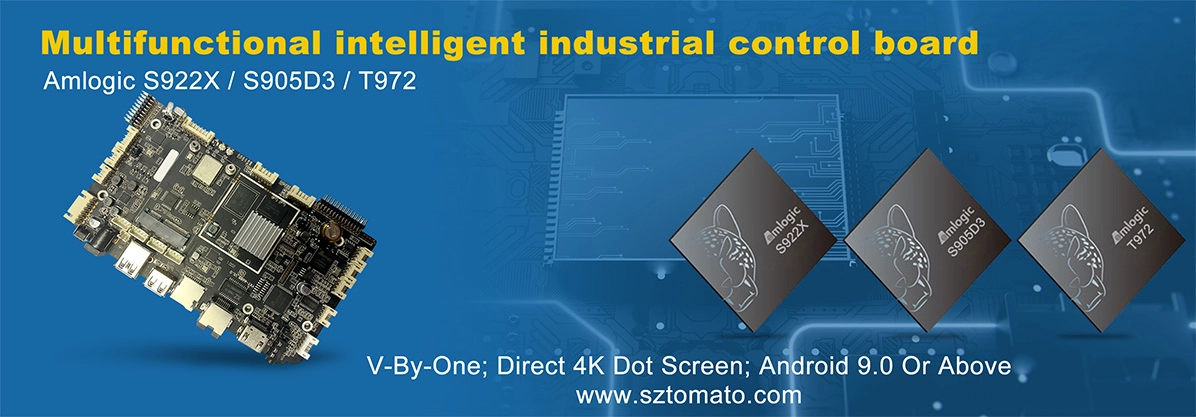
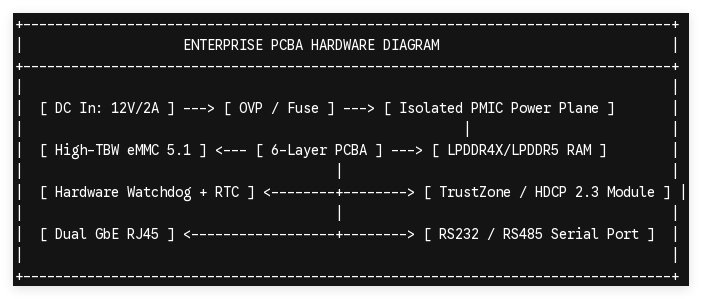
The physical backbone of a commercial TV Box is its multi-layer Printed Circuit Board Assembly (PCBA). While low-cost consumer units use 2-layer PCBs with thin copper traces, enterprise-grade boards utilize 4-layer or 6-layer layouts with isolated power planes to prevent signal crosstalk and ground bounce.
Essential Board Components
-
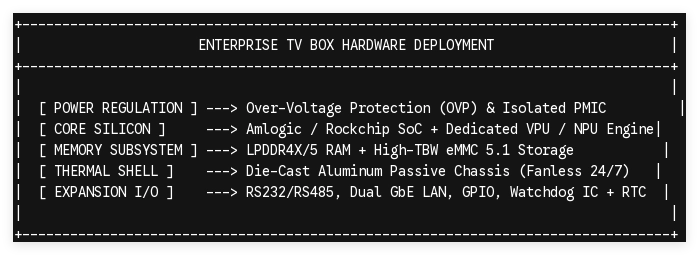
High-Density Memory Subsystem: Enterprise deployments specify 4GB to 8GB of LPDDR4X or LPDDR5 RAM alongside 32GB to 128GB high-TBW eMMC 5.1 flash storage. High write-endurance storage prevents memory corruption caused by continuous local caching and logging.
- Power Regulation & Circuit Protection: Industrial PCBA designs incorporate Over-Voltage Protection (OVP) ICs, Electrostatic Discharge (ESD) protection diodes across all HDMI 2.1 traces, and low-noise LDO voltage regulators to handle voltage drops across fluctuating facility power lines.
- Hardware Watchdog IC & Battery RTC: An independent, external hardware watchdog IC monitors kernel system pulses. If an application freezes or leaks memory, the watchdog asserts a physical reset line to cold-reboot the hardware. A battery-backed Real-Time Clock (RTC) preserves time synchronization through complete site power loss.
3. Thermal Enclosure Engineering: Passive Heat Dissipation
Thermal management represents the single largest divergence between consumer devices and commercial TV Box hardware. Stamped sheet-metal plates or enclosed plastic cases used in consumer streaming units cause severe CPU thermal throttling within 30 to 60 minutes of sustained 4K playback.
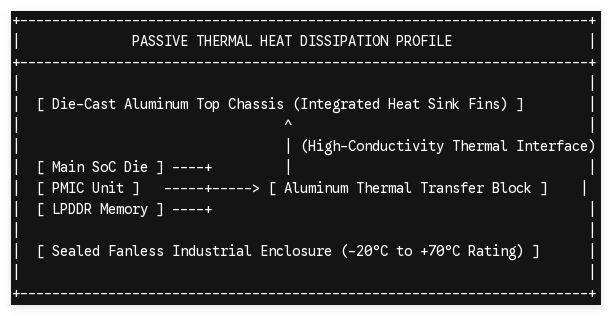
Commercial TV Box hardware utilizes a fanless thermal architecture:
- High-conductivity (6.0 W/mK) thermal interface pads are directly mounted to the top surfaces of the main SoC, power management IC (PMIC), and LPDDR memory chips.
- Heat transfers through an internal aluminum block directly into a die-cast aluminum or zinc-alloy outer chassis featuring integrated cooling fins.
- This fanless thermal envelope allows continuous 24/7/365 operation in extended ambient temperature environments (-20°C to +70°C) without mechanical fan degradation or dust accumulation.
4. Software Execution Layer: Android Kernel Tuning & Board-Level Firmware
The physical hardware device requires a tailored software execution layer to function as a commercial TV Box. Stock consumer Android OS builds contain unnecessary background services, consumer setup wizards, and aggressive power-saving protocols that terminate enterprise applications.
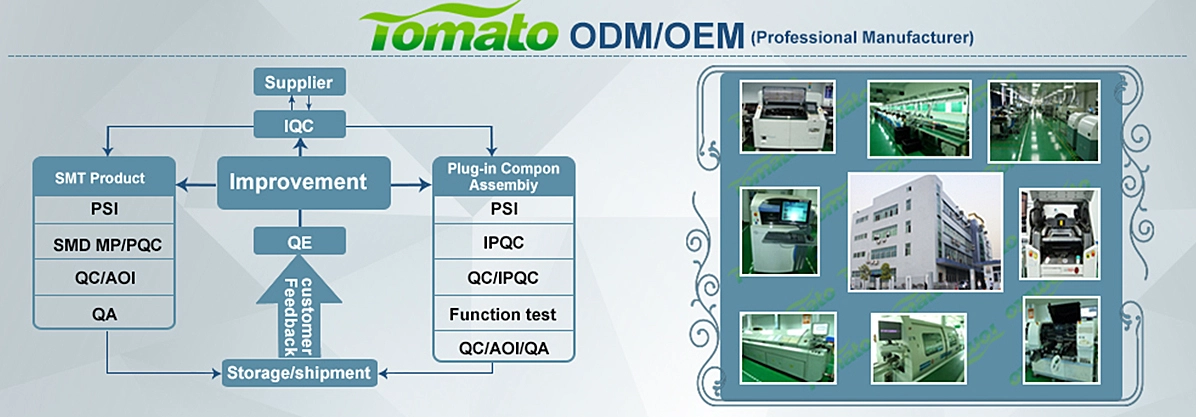
At SZTomato, our Shenzhen engineering facility provides full-stack OEM/ODM hardware customization and low-level firmware engineering tailored to commercial requirements:
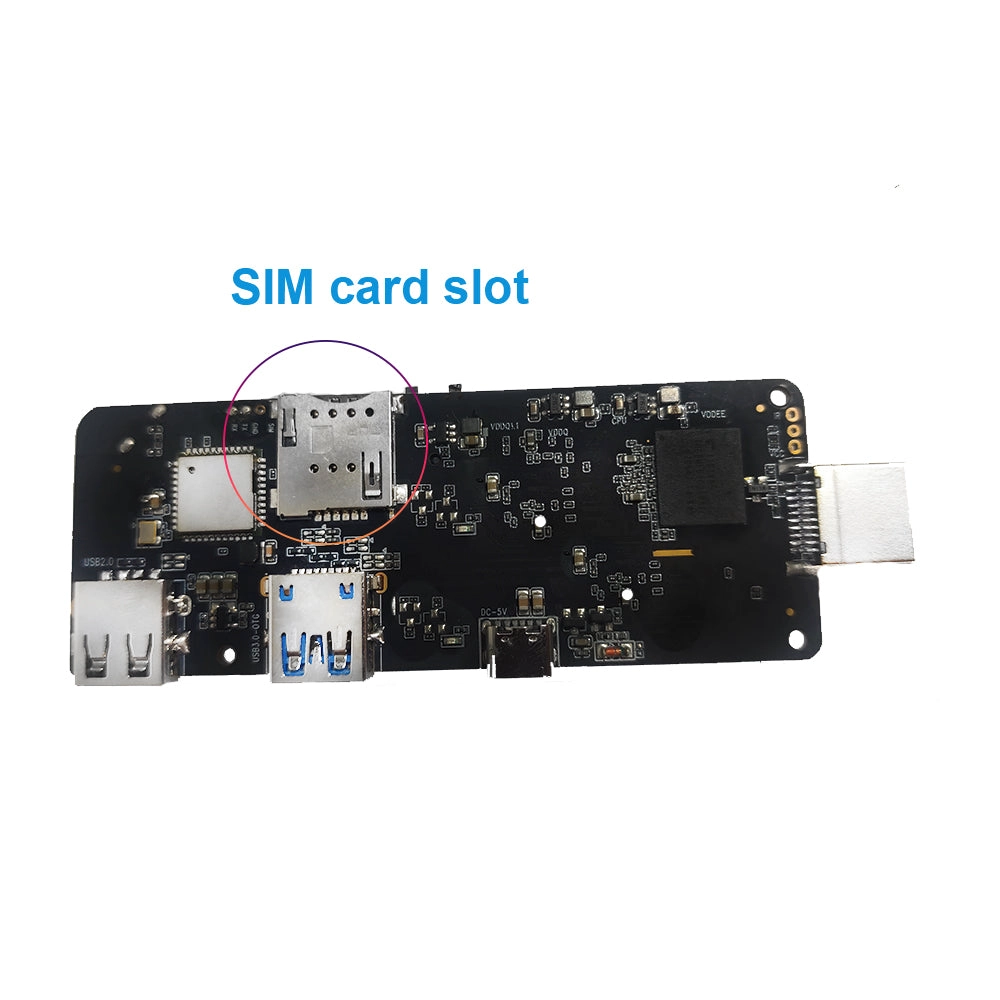
- PCBA Hardware Modification: We re-engineer standard reference layouts to add physical RS232/RS485 serial ports for display control, dual Gigabit Ethernet interfaces for network segment isolation, Power over Ethernet (PoE) daughterboards, and external high-gain Wi-Fi 6 antenna arrays.
- Linux/Android Kernel Optimization: We tune Board Support Packages (BSPs) at the kernel level—stripping bloatware, removing Google setup wizards, enabling root access policies, and locking system memory to guarantee 100% uptime for target application payloads.
- Kiosk UI/UX Firmware & System APIs: Custom firmware builds feature zero-second boot animations, locked kiosk-mode launchers, suppressed navigation bars, and specialized API hooks for hardware display rotation (0°/90°/180°/270°) and GPIO pin access.
- Security & Private OTA Systems: Secure factory key injection provisions Widevine L1, PlayReady, and HDCP 2.3 keys inside ARM TrustZone hardware enclaves. System operators maintain complete fleet control through private, branded Over-The-Air (OTA) update servers.
B2B Hardware Procurement & OEM/ODM Engineering
Specifying what device is used for a commercial TV Box requires evaluating the complete hardware stack—from silicon microarchitecture and multi-layer PCBA integrity to passive thermal enclosures and custom kernel firmware. Off-the-shelf consumer devices introduce high total cost of ownership (TCO) through field failures, thermal throttling, and unconfigurable software.
SZTomato delivers engineered, enterprise-grade TV Box platforms, custom PCBA development, and board-level firmware modifications built specifically for system integrators, operators, and commercial OEMs.
Ready to specify the exact hardware build for your commercial deployment? Visit our engineering portal at www.sztomato.com to request engineering samples, download SoC schematics, or schedule a technical review with our Senior PCBA & Firmware Architects.
Want to review custom PCBA schematics or explore custom firmware builds for your hardware requirements?